Understanding Why Magpies Swoop Cyclists
Magpies aren’t trying to ruin your ride. They’re doing what comes naturally to territorial birds in Australia—(protecting their chicks). When spring arrives, their instincts switch on. Their world shrinks to a small circle around the nest, and anything fast, loud, or unfamiliar becomes a potential threat.
Cyclists trigger this reaction more than walkers. You move quickly. You approach silently. And by the time a magpie notices you, you’re already deep inside its defensive zone. This is one of the key reasons why magpies swoop cyclists more often than other people.
During magpie behaviour during breeding season, males become hyper-aware of motion. They track shapes, colours, and patterns. They also remember faces. If a rider startled them last year, they may react more aggressively the next. This strong memory is one of the most misunderstood facts about magpies. Many aren’t “mean,” they’re simply protective and incredibly intelligent. For more insights into magpie behaviour, the NSW National Parks and Wildlife Service provides clear guidance on avoiding swoops.
One of my coaching clients learned this the hard way. He rode the same bike path daily and kept facing the same swooping bird each spring. The magpie wasn’t attacking everyone, just riders who matched his helmet shape and colour. When he changed his route for two weeks and swapped helmets, the swooping stopped almost overnight. It was a simple example of how magpie swooping prevention sometimes comes down to small changes.
So how does this help stop magpies swooping while cycling?
It starts with understanding what sets them off:
- Quick movement through their nesting radius
- Repeated passes through the same area
- High-contrast colours or reflective gear
- Loud freehubs or sudden directional changes
- Sudden posture changes near the nest can also attract attention.
When you accept that swooping is a defensive behaviour, not an attack, everything feels less personal.

Simple Changes That Reduce Swooping Fast
When you understand what sets magpies off, the next step is making small adjustments that help you stay calm and in control. Most riders don’t realise how a few simple habits can dramatically increase cyclist safety during magpie season. The best part is that these changes require almost no effort and start working immediately.
One of the best ways to stop magpies swooping is to make yourself look less surprising. Magpies respond to fast movement and sudden shapes, so your goal is to appear predictable. When your presence feels steady, they often back away before swooping.
Here are practical adjustments that help with magpie swooping prevention and reduce the chance of being targeted:
- Maintain a steady pace. Sudden accelerations make you look unpredictable. Smooth riding keeps you under the radar.
- Avoid sudden hand movements. Waving your arms or reaching toward the bird can look threatening and may trigger a stronger reaction.
- Give known nesting areas space. Even shifting one metre to the left or right can change the bird’s reaction.
- Use gentle turns instead of sharp angles. Quick changes can draw attention near the nest.
- Wear simple, matte colours. Reflective items sometimes catch their eye, so keep visuals calm when possible.
If you want more protection, you can add subtle adjustments to your setup. Many riders wonder how to avoid magpie attacks without making their helmet look like a science experiment. Luckily, a few low-profile options exist.
These types of protective gear for cyclists are proven to reduce swoops without attracting extra attention:
- Clear safety glasses to protect the eyes
- Lightweight rear-facing zip ties (only if your council recommends them)
- Visors or peak attachments that add a sense of “shape” without looking odd
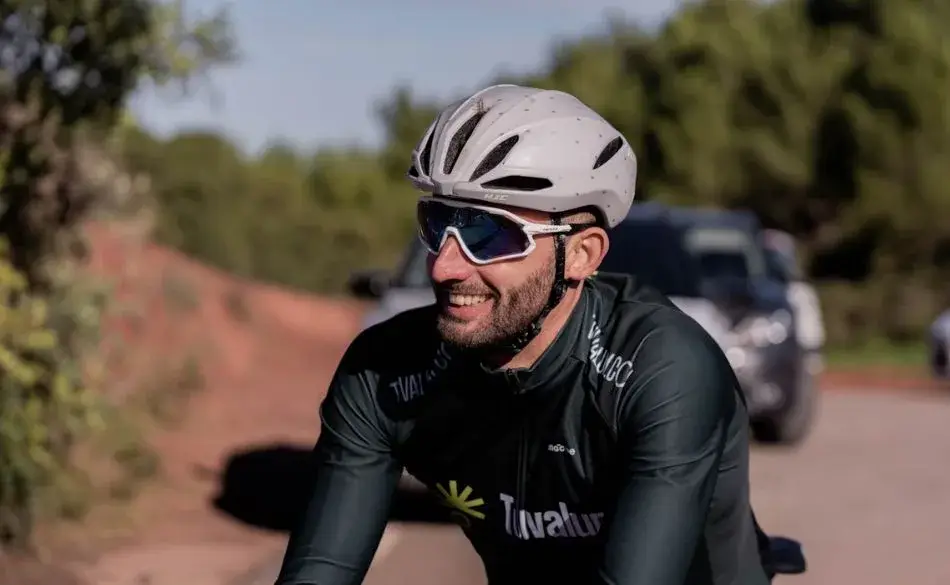
- Helmet designs chosen mainly for comfort and fit, with some riders preferring smoother shapes even though research on design is limited
The key is consistency. When you ride with smooth movement, predictable lines, and calm gear choices, magpies quickly realise you aren’t a threat. Over time, they often stop swooping altogether.
What To Do During a Swoop So You Stay Safe and In Control
Even with preparation, you may still face a swoop or two during spring. The key is staying calm and following the right steps so you stay safe. Many riders make the mistake of panicking, braking too hard, or swerving sharply. These actions can actually increase the risk of injury. What you want instead is smooth control and confidence. Something that comes from knowing exactly how to avoid magpie attacks when they happen.
When a magpie swoops, it often approaches from behind with a fast flutter of wings. The bird is trying to warn you away, not collide. Understanding this helps you respond with purpose. These swooping bird safety tips can reduce the impact of the moment:
- Keep riding forward. Stopping makes you a bigger target and keeps you in their territory longer.
- Hold your line. Sharp swerves can cause crashes or draw more aggressive swoops.
- Stay relaxed in your shoulders. A stiff upper body can cause sudden jerks that surprise the bird.
- Use your voice calmly. A soft “hey mate” or gentle sound can make your presence clearer without sounding aggressive.
- Never wave your hands. This is one of the fastest ways to escalate the situation.
These reactions might feel counterintuitive, but they’re some of the best ways to stop magpies swooping by reducing how intense the encounter feels and helping it pass more quickly. Smooth, predictable motion helps the bird identify you as a non-threat and encourages it to return to its perch.
You can also apply subtle prevention strategies during the swoop itself. Some riders turn their head slightly so the bird sees more of their profile rather than just the back of a helmet, which some people find helps. Others stand slightly off the saddle to change their shape. These changes don’t always stop the swoop, but they often shorten the encounter.
Remember, cyclist safety during magpie season isn’t only about avoiding swoops completely. It’s about staying balanced, aware, and calm so the swoop passes quickly and safely.
If you want to build smoother speed control and more confident handling on every ride, this guide on the most effective cycling intervals can help you develop stronger, steadier pacing that supports safer riding during spring.

Which Cycling Strategies Work Best During Magpie Season
Not every safety method works the same for every rider. Some cyclists only face a light warning swoop, while others deal with repeated dives across a whole stretch of road. That’s why it helps to compare different strategies side by side, especially if you want to choose the ones that actually improve cyclist safety during magpie season.
The ideas below aren’t gimmicks. They’re practical methods used by riders across Australia, and many of them have been observed to reduce the intensity of swoops. When you understand how each option works, you can decide which approach fits your style and the roads you ride.
Before you choose your strategy, think about these questions:
Are you riding the same route every day? Do you pass through a known nesting area? Do you want subtle adjustments or more noticeable safety aids? Asking these questions makes it easier to decide how to stop magpies swooping while cycling in your specific situation.
👉 Swipe to view full table
| Strategy | How It Helps | Best For |
|---|---|---|
| Changing Your Route | Avoids the nesting zone entirely, often stopping swoops instantly. | Riders with flexible commute or training options. |
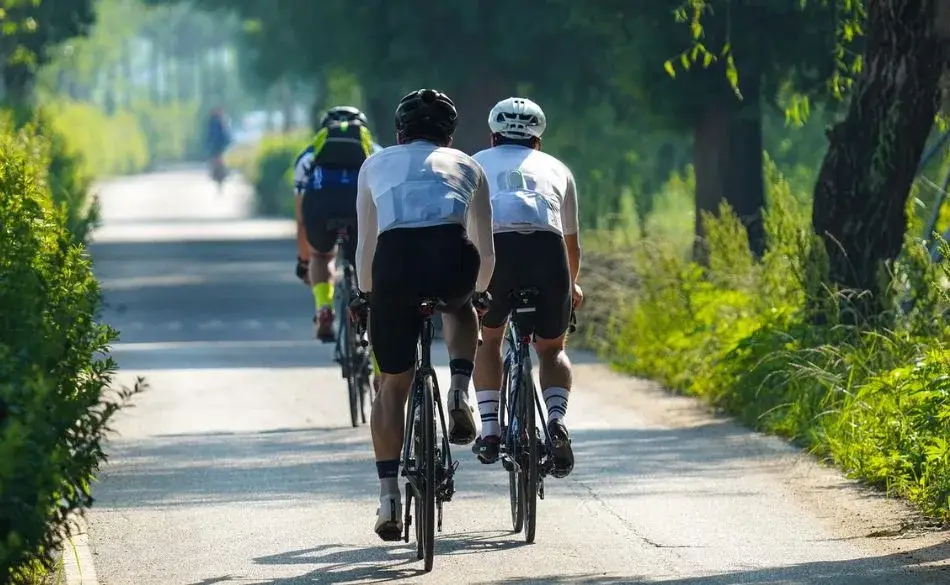
| Riding in Groups | Magpies usually target the last rider, reducing individual swoops. | Weekend bunch rides or social training groups. |
| Adjusting Helmet Shape | Alters your silhouette; some riders find magpies dive less aggressively. | Cyclists who ride solo through known magpie areas. |
| Changing Riding Time | Riding at quieter times may reduce encounters in busy areas because fewer people travel through the nesting zone. | Riders with a flexible schedule. |
| Adding Subtle Safety Aids | Items like visors or zip ties may help in regions where magpies respond to visual cues. | Cyclists who want extra protection without major setup changes. |
| Maintaining Smooth Movement | Predictable riding reduces defensive reactions from the bird. | All riders, especially those passing through sensitive nesting areas. |
These strategies won’t eliminate every swoop, but they do reduce the stress and frequency of encounters. When you combine timing, route choice, and calm riding technique, you create a simple plan for safer rides and fewer surprises. Even in peak spring nesting season.
For a full look at how to build your riding strategy and integrate these safety tactics into your training plan, check out the complete guide to a cycling fitness plan.

Building a Safer Riding Routine Through Spring
Now that you understand how magpies behave and which strategies work best, the final step is building a routine that keeps you confident throughout the entire nesting season. Spring riding should feel enjoyable, not tense, and the good news is that most swooping problems can be managed with simple habits. When you combine these habits over time, they provide the strongest foundation for magpie swooping prevention.
You don’t need complex gear or dramatic changes to protect yourself. What matters most is consistency. Small adjustments stack up, helping you stay safe even when passing through areas patrolled by territorial birds in Australia. These habits also reduce stress, because you’re no longer reacting on instinct, you’re riding with a plan.
Here are practical things you can do week after week to support cyclist safety during magpie season and lower your chances of swoops:
- Track known swooping areas. Keep a mental or digital map so you know which routes require extra awareness.
- Rotate two or three training loops. Changing routes reduces repeated passes through the same nesting zone.
- Ride with steady momentum. Smooth, predictable movement helps avoid sudden triggers that can provoke defensive swoops.
- Check community updates. Riders often share swoop locations, helping you prepare before you head out.
- Monitor your posture. Keeping your shoulders relaxed and your line steady helps during unexpected swoops.
When riders ask me how to avoid magpie attacks over a whole season, this is what I tell them: prevention works best when it becomes part of your normal routine. You don’t need to overthink it. Just keep your movements calm, choose smart routes, and ride with awareness.
This long-term approach is one of the best ways to stop magpies swooping because it helps you avoid risky areas while staying relaxed and predictable. Over the weeks of spring, these habits help you feel more comfortable on the bike and less startled during the occasional swoop.
If you want more guidance on planning your weekly routine during spring, this article on how many hours per week you should train cycling can help you balance safety and performance while still progressing toward your goals.


Ride Through Spring With Confidence Again
Spring shouldn’t feel stressful on the bike. When you understand why magpies swoop, how they react to movement, and what you can do to stay predictable, everything becomes easier. You start to ride with more awareness, more calm, and far more confidence.
The truth is, most magpies aren’t out to get you. They’re parents doing their best to protect their chicks. And once you learn the simple habits that keep you safe, the swoops feel less dramatic and more manageable.
You now have the tools to navigate magpie season with control. Smarter route choices, smoother movement, small gear adjustments, and a routine that works for you. These aren’t complicated tricks. They’re practical steps you can use every day.
So the next time spring rolls in, you won’t tense up when you roll past a tree line. You’ll know exactly what to do, how to react, and how to keep riding strong. Stay calm, stay steady, and enjoy the freedom of the road, even with a few magpies watching from above.
FAQ: Magpies and Cyclists
Do all magpies swoop?
No—only a small percentage of territorial male magpies during nesting season.