Building Your Base Endurance
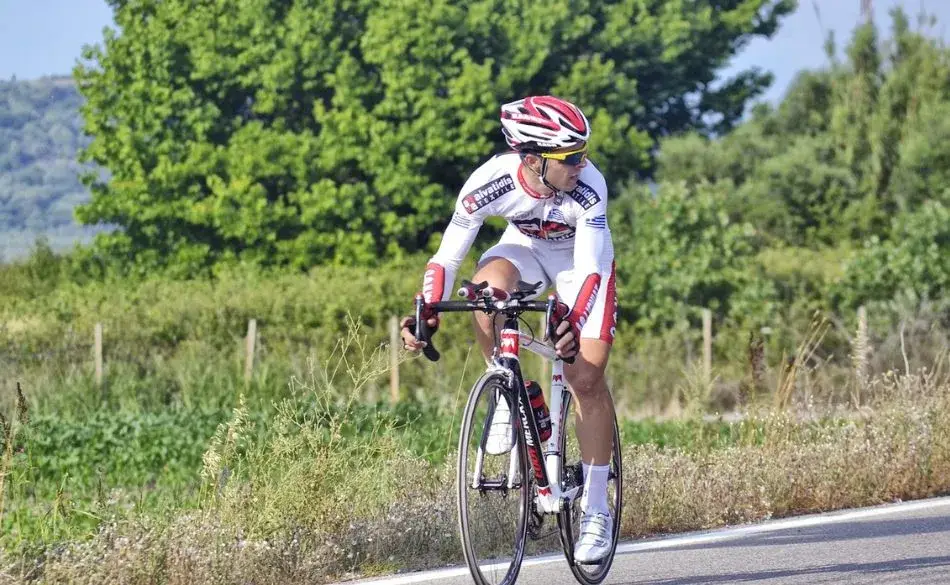
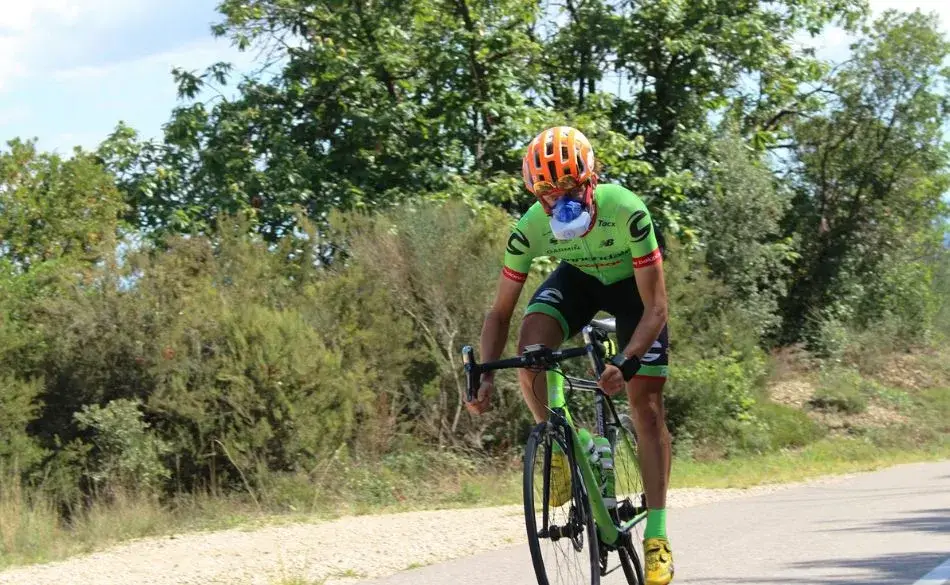
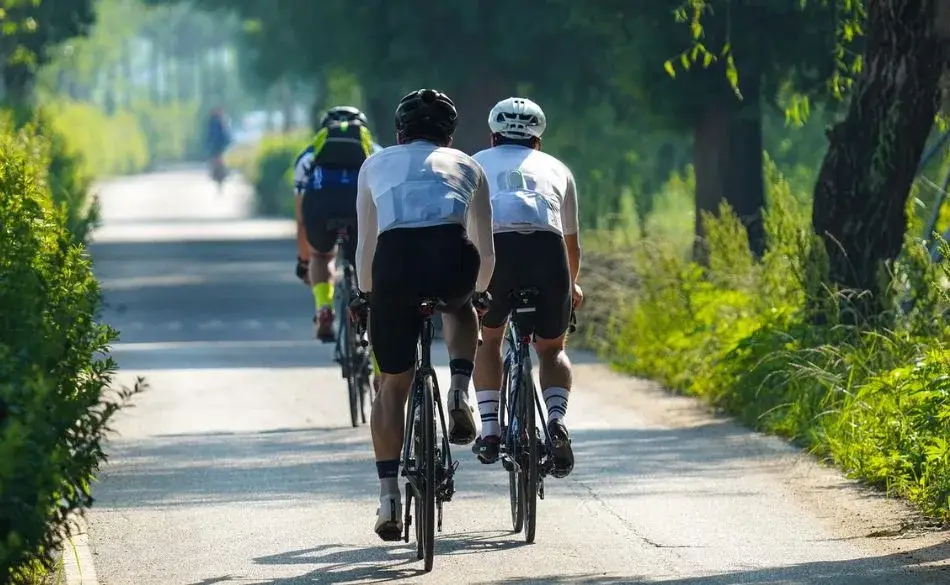
The heart of any century bike training plan is endurance. Before chasing speed or climbing strength, your first job is to get comfortable spending hours on the bike. The more time you spend in the saddle, the better your body learns to conserve energy and stay efficient over long distances. Think of this phase as teaching your legs to whisper, not shout.
Start with three to four rides per week. Two can be short and steady, focused on keeping your effort low and your cadence smooth. Your long ride should gradually extend by about ten percent each week, allowing your fitness to grow without overwhelming fatigue. Most riders feel ready for 100 miles once they’ve comfortably reached 70–80 miles in training (it’s the sweet spot for confidence and conditioning).
Ride mostly in aerobic Zone 2, where conversation feels easy and breathing stays calm. This is the essence of long distance cycling training. Slow, steady miles that build your aerobic engine and teach your body to rely on fat as fuel instead of burning through glycogen too soon. It’s not glamorous, but it’s what gets you through those final miles when others fade.
One of my coached riders, Ben, used to hammer every session and hit the wall halfway through his long rides. We shifted him to heart-rate-based pacing and targeted cycling training zones. Within six weeks, he could ride farther, stay relaxed, and finish strong. That’s the power of patience and structured training.
- Ride mostly in Zone 2 and keep your cadence steady.
- Include one easy recovery ride every week to recharge.
- Eat 30–60 grams of carbs per hour on long rides and sip water often.
- Start conservatively – avoid the temptation to push early.
- Protect your sleep and take one full rest day weekly.
This is where you build durability, the quiet strength that carries you past 80 miles with focus and composure. Once your base feels solid, you’ll be ready to layer on strength and intensity for the next stage of your century ride journey.
Ready to ride farther and feel stronger on every climb? Our Cycling Training Plans are built by experienced coaches to help you increase endurance, improve pacing, and recover smarter — the same methods used by riders training for 100-mile events.
Each plan adapts to your goals, available time, and fitness level, so you can train efficiently without burning out. You’ll get the right balance of structure, rest, and progress — everything you need to take your riding to the next level.
Train with purpose, recover with confidence, and enjoy stronger rides every week.
Explore the Training Plans
Build Power and Strength to Handle Every Mile
Once your base endurance is in place, it’s time to add structure and intensity. You’ve trained your body to go the distance, now you’ll train it to handle the demands of speed, climbs, and fatigue. This phase brings your century bike training plan to life with targeted sessions that develop both aerobic power and muscular resilience.
Think of this stage like sharpening a blade. You’re not adding random hard rides; you’re layering short, focused efforts on top of the foundation you’ve built. Start by including one intensity session per week, such as tempo or threshold intervals, and one strength-oriented ride with rolling hills or low-cadence climbs. Keep your other rides easy so recovery stays on track.
Intensity doesn’t mean all-out effort. Aim for a pace that feels challenging but sustainable (roughly 80–90% of your max effort). For hill sessions, use a bigger gear and a cadence of 60–70 rpm to simulate strength training for cyclists. This improves torque and teaches you to hold steady power when gradients bite during your 100-mile ride.
It’s also smart to include short bursts, like 30-second accelerations followed by recovery. These mimic race surges and help your body adapt to pace changes on group rides or in headwinds. You’ll feel smoother, steadier, and more confident no matter what the road throws at you.
- Tempo Intervals: 3 x 15 minutes at a pace where conversation is limited, with 5 minutes easy between each.
- Hill Repeats: 5–6 climbs of 3–5 minutes each at low cadence, building leg strength and mental focus.
- Over-Unders: Alternate 2 minutes slightly above threshold and 2 minutes below for 20 minutes total. Teaches control and resilience.
- Endurance Ride with Bursts: Every 20 minutes, add a 30-second acceleration to mimic race conditions.
Adding these sessions gradually transforms steady fitness into power you can rely on deep into your century ride. Don’t chase exhaustion, aim for control. The goal is to finish each workout tired but strong, ready to build again next week.
To learn how to safely combine gym workouts with your cycling routine, check out our Cycling and Weight Training for Beginners guide for simple, effective ways to boost strength without overtraining.


Fuel Smart and Hydrate Well for Every Mile
Even the best century bike training plan can fall apart if your nutrition and hydration aren’t dialed in. Long rides are an endurance test for your stomach as much as your legs, and learning how to fuel early and consistently can make the difference between finishing strong or crawling to the line. The good news is, with the right strategy, your body can keep going for hours without hitting the wall.
During training, practice the same fueling plan you’ll use on event day. Start eating and drinking within the first 30 minutes of your ride and never wait until you feel hungry or thirsty. Most riders do well consuming 30–60 grams of carbohydrates per hour, combining real food like bananas or rice cakes with gels or chews. For longer or hotter rides, aim closer to 60–90 grams per hour as your gut adapts.
Fluids matter just as much as calories. The rule of thumb for hydration for cycling is about one small bottle (500–600 ml) every 30–45 minutes, adjusted for heat and sweat rate. Add electrolytes or sports drink mix to replace sodium and other minerals lost in sweat. Especially on rides lasting more than two hours. It’s not just about avoiding cramps; proper hydration keeps your heart rate stable and your focus sharp deep into the ride.
Nutrition and Hydration Checklist for Long Distance Cycling
- Start fueling early. Don’t wait for hunger or fatigue.
- Mix real food with sports nutrition to keep energy steady.
- Use electrolyte tablets or drink mix on every ride over two hours.
- Carry extra snacks in case of route changes or mechanical delays.
- Weigh yourself before and after long rides occasionally to gauge fluid loss.
On a century ride, small mistakes add up fast. Practicing your nutrition for long bike rides during training teaches your gut what it needs to handle race-day fueling without discomfort. When you get it right, you’ll feel surprisingly fresh even in the final twenty miles, the point where smart preparation pays off the most.

Recover Right and Let Fitness Take Hold
Training hard is only half the equation. The other half and often the most overlooked part of any century bike training plan is recovery. Without proper rest, your body can’t adapt, rebuild, or get stronger. It’s during recovery that endurance gains truly happen, not during the ride itself. Many cyclists push through fatigue thinking more miles equal better results, but smart recovery is what separates strong finishers from burned-out riders.
After each ride, take 5–10 minutes to spin lightly and allow your heart rate to come down gradually. Follow with stretching or foam rolling to ease tight muscles, especially the quads, calves, and lower back. Within 30 minutes, refuel with a mix of carbohydrates and protein (about a 3:1 ratio) to speed up glycogen restoration and muscle repair. This simple habit dramatically improves your readiness for the next session.
Sleep is your best recovery tool. Aim for 7–9 hours each night, and try to keep a consistent bedtime. Growth hormone and other key recovery processes peak during deep sleep, helping you rebuild stronger after long or intense rides. On lighter days, add yoga or gentle walks to improve blood flow without adding fatigue.
Signs You Need More Recovery
- Persistent fatigue or irritability that lasts several days.
- Falling heart rate variability or morning motivation dips.
- Legs that feel heavy, even after a rest day.
- Poor sleep quality or frequent colds.
For cyclists looking to enhance recovery beyond rest and nutrition, cold-water immersion can be an effective option. Our Plunge Recovery for Runners, Cyclists & Triathletes guide explains how cold therapy supports circulation, reduces inflammation, and helps you bounce back quicker between key workouts.
Recovery isn’t laziness, it’s strategy. Think of it as recharging your engine. By scheduling proper rest, using recovery rides, and paying attention to your body’s signals, you’ll arrive at your century ride fresh, powerful, and ready to perform your best from start to finish.
Century Ride Training Plan You Can Trust
Now that you understand how endurance, intensity, and recovery fit together, let’s bring it all into focus with a structured plan. This sample century bike training plan outlines a 12-week framework that works for most riders aiming to complete their first or fastest 100-mile (160 km) event. It balances long distance cycling training, recovery, and targeted workouts so you arrive at the start line confident and well-prepared.
The table below gives an overview of weekly progression. Each week builds gradually before a recovery week every fourth week to let fitness consolidate. Distances and hours are flexible. Remember, listen to your body and adjust as needed.
👉 Swipe to view full table
| Week | Focus | Key Workouts | Long Ride Distance |
|---|---|---|---|
| 1–3 | Base Endurance | 3–4 rides/week in Zone 2, one long ride | 40–60 mi (65–95 km) |
| 4 | Recovery & Adaptation | Reduced volume, recovery spins, full rest day | 30–40 mi (48–65 km) |
| 5–7 | Strength & Intensity | 1 tempo ride, 1 hill repeat, 2 endurance rides | 60–75 mi (95–120 km) |
| 8 | Recovery Week | Active recovery, yoga, core work | 40 mi (65 km) |
| 9–11 | Peak Phase | Back-to-back long rides, race-pace intervals | 75–90 mi (120–145 km) |
| 12 | Taper & Event Week | Reduced volume, short efforts, event prep | Event Day – 100 mi (160 km) |
This plan emphasizes gradual progress and sustainable effort. If you’re new to long rides, give yourself an extra two to four weeks for adaptation. More advanced cyclists can add an extra interval session each week or extend the long ride slightly. Pair this plan with proper nutrition for long bike rides, consistent recovery, and mindset work for the best results.
Remember, the perfect plan isn’t just about numbers, it’s about how you feel on the bike. Listen to your body, track your fatigue, and celebrate the small wins each week. Every ride gets you closer to that 100-mile finish line.
Get ready for one of New Zealand’s most iconic cycling events. Our Lake Taupō Cycling Training Plan gives you structured weekly workouts, pacing strategies, and recovery guidance to help you take on the full loop with confidence and strength.
Whether you’re riding Taupō for the first time or aiming to beat your previous result, this plan adapts to your fitness, schedule, and race goals. You’ll train smarter, build lasting endurance, and line up on event day fully prepared for New Zealand’s biggest cycling challenge.
Ride smarter, recover better, and finish strong around Lake Taupō.
Get the Lake Taupō NZ Training Plan

Full 12 Week Century Ride Training Plan
Here’s the full 12-week century ride plan you can follow or tailor to your week.
Use the buttons to download a CSV or print/save a PDF, then tweak as needed.
👉 Swipe to view full table
| Day | Focus | Effort Level | Notes |
|---|---|---|---|
| Week 1 Mon | Mobility + Core | Very Low | 20–30 min mobility, light core; optional rest. |
| Week 1 Tue | Endurance Ride | Low–Moderate | 60–75 min Zone 2, smooth cadence. |
| Week 1 Wed | Cadence Drills | Low–Moderate | 60 min with 6×1 min fast spin, full easy between. |
| Week 1 Thu | Recovery Ride | Low | 40 min easy, <65% HRmax or easy RPE. |
| Week 1 Fri | Tempo Intervals | Moderate–High | 3×8 min Zone 3, 5 min easy between. |
| Week 1 Sat | Long Ride | Moderate | 2.5–3 h (40–50 mi / 65–80 km) steady Z2. |
| Week 1 Sun | Recovery Spin | Low | 45 min easy or full rest if needed. |
| Week 2 Mon | Gym Strength (Legs) | Moderate | Squat/hinge focus, 45 min; keep reps submax. |
| Week 2 Tue | Endurance Ride | Moderate | 75–90 min Zone 2, include light rolling terrain. |
| Week 2 Wed | Tempo Build | Moderate–High | 2×12 min Zone 3; 6 min easy between. |
| Week 2 Thu | Recovery Ride | Low | 45 min easy spin, relaxed cadence. |
| Week 2 Fri | Endurance + Bursts | Moderate | 75 min Z2 with 6×30 s accelerations, 3 min easy. |
| Week 2 Sat | Long Ride | Moderate | 3–3.5 h (50–60 mi / 80–95 km) steady fueling practice. |
| Week 2 Sun | Optional Recovery | Low | 40–50 min easy or rest based on fatigue. |
| Week 3 Mon | Mobility + Core | Very Low | 20–30 min; breathing + hip openers. |
| Week 3 Tue | Threshold Prep | High | 4×6 min Zone 4 (FTP), 4 min easy between. |
| Week 3 Wed | Endurance Ride | Moderate | 90 min Zone 2, calm upper body. |
| Week 3 Thu | Recovery Ride | Low | 40–50 min easy; include light stretching. |
| Week 3 Fri | Hill Strength | Moderate–High | 5×4 min low cadence (60–70 rpm) seated climbs. |
| Week 3 Sat | Long Ride | Moderate | 3.5–4 h (60–65 mi / 95–105 km) steady Z2. |
| Week 3 Sun | Recovery Spin | Low | 45 min easy; top up carbs, fluids. |
| Week 4 Mon | Rest | Very Low | Full day off; light walk optional. |
| Week 4 Tue | Endurance (Short) | Low–Moderate | 60 min Zone 2 only. |
| Week 4 Wed | Skills + Cadence | Low | 50 min easy; 6×1 min high-cadence drills. |
| Week 4 Thu | Recovery Ride | Low | 40 min gentle spin. |
| Week 4 Fri | Tempo Touch | Moderate | 2×8 min Zone 3; keep RPE controlled. |
| Week 4 Sat | Long Ride (Reduced) | Moderate | 2–2.5 h (35–45 mi / 55–72 km). |
| Week 4 Sun | Rest or Easy | Very Low | Rest if tired; 40 min easy if fresh. |
| Week 5 Mon | Gym Strength (Legs) | Moderate | 45 min compound lifts; leave 2–3 reps in reserve. |
| Week 5 Tue | Over-Unders | High | 3×12 min: 2 min Z4 / 2 min Z3 repeat; 6 min easy. |
| Week 5 Wed | Endurance Ride | Moderate | 90 min Zone 2; steady fueling practice. |
| Week 5 Thu | Recovery Ride | Low | 45 min easy; soft-pedal hills. |
| Week 5 Fri | Hill Repeats | Moderate–High | 6×3–4 min climbs, low cadence; focus on torque. |
| Week 5 Sat | Long Ride | Moderate–High | 4–4.5 h (65–75 mi / 105–120 km). |
| Week 5 Sun | Recovery Spin | Low | 45–60 min easy; stretch calves/hips. |
| Week 6 Mon | Mobility + Core | Very Low | 20–30 min pillar/core stability. |
| Week 6 Tue | Threshold Intervals | High | 3×10 min Zone 4; 6 min easy between. |
| Week 6 Wed | Endurance Ride | Moderate | 90–105 min Zone 2; smooth fueling. |
| Week 6 Thu | Recovery Ride | Low | 40–50 min easy; include breathing work. |
| Week 6 Fri | Endurance + Bursts | Moderate | 90 min Z2 with 8×30 s fast legs; 3 min easy. |
| Week 6 Sat | Long Ride | Moderate–High | 4.5–5 h (70–80 mi / 112–130 km). |
| Week 6 Sun | Recovery Spin | Low | 45 min easy or rest if fatigued. |
| Week 7 Mon | Gym Strength (Light) | Low–Moderate | 30–40 min; reduce load 20% vs Week 5. |
| Week 7 Tue | Tempo Cradle | Moderate–High | 2×15 min Zone 3; 7 min easy. |
| Week 7 Wed | Endurance Ride | Moderate | 90–105 min Zone 2; practice bottles/foods. |
| Week 7 Thu | Recovery Ride | Low | 45 min easy spin; keep cadence light. |
| Week 7 Fri | Over-Unders | High | 2×16 min alternating Z4/Z3 every 2 min. |
| Week 7 Sat | Long Ride | High | 5–5.5 h (75–85 mi / 120–137 km). |
| Week 7 Sun | Recovery Spin | Low | 45–60 min easy; legs up post-ride. |
| Week 8 Mon | Rest | Very Low | Full day off; gentle walk optional. |
| Week 8 Tue | Endurance (Short) | Low–Moderate | 60 min Zone 2; relax shoulders. |
| Week 8 Wed | Skills + Cadence | Low | 50 min easy; 8×1 min high-cadence drills. |
| Week 8 Thu | Recovery Ride | Low | 40 min easy spin. |
| Week 8 Fri | Tempo Touch | Moderate | 2×10 min Zone 3; keep HR capped. |
| Week 8 Sat | Long Ride (Reduced) | Moderate | 2.5–3 h (45–55 mi / 72–88 km). |
| Week 8 Sun | Rest or Easy | Very Low | Listen to fatigue; optional 40 min easy. |
| Week 9 Mon | Mobility + Core | Very Low | 25 min; focus on hips/ankles. |
| Week 9 Tue | Threshold Intervals | High | 4×6 min Zone 4; 4 min easy. |
| Week 9 Wed | Endurance Ride | Moderate | 90–105 min Z2; steady fueling. |
| Week 9 Thu | Recovery Ride | Low | 45 min easy spin; keep it gentle. |
| Week 9 Fri | Tempo + Bursts | Moderate–High | 2×12 min Z3 with 4×20 s pickups each set. |
| Week 9 Sat | Long Ride | High | 5.5 h (80–85 mi / 128–137 km) steady. |
| Week 9 Sun | Endurance (Short) | Moderate | 75–90 min Z2; spin out the legs. |
| Week 10 Mon | Rest | Very Low | Full day off; hydration focus. |
| Week 10 Tue | Over-Unders | High | 3×12 min alt Z4/Z3 every 2 min; 6 min easy. |
| Week 10 Wed | Endurance Ride | Moderate | 100–110 min Zone 2 steady. |
| Week 10 Thu | Recovery Ride | Low | 45 min easy; soft tissue work. |
| Week 10 Fri | Hill Strength | Moderate–High | 6×4 min low-cadence climbs; seated power. |
| Week 10 Sat | Long Ride | High | 5.5–6 h (85–90 mi / 137–145 km). |
| Week 10 Sun | Recovery Spin | Low | 50 min easy; elevate legs post-ride. |
| Week 11 Mon | Mobility + Core | Very Low | 20–25 min; gentle only. |
| Week 11 Tue | Tempo Intervals | Moderate–High | 2×15 min Zone 3; 7 min easy. |
| Week 11 Wed | Endurance Ride | Moderate | 90 min Zone 2; cap HR. |
| Week 11 Thu | Recovery Ride | Low | 40–45 min easy. |
| Week 11 Fri | Opener Session | Moderate | 60 min with 4×1 min Z4, long easy between. |
| Week 11 Sat | Long Ride (Short) | Moderate | 3–3.5 h (50–60 mi / 80–95 km) easy–steady. |
| Week 11 Sun | Recovery Spin | Low | 45 min easy; finalize event logistics. |
| Week 12 Mon | Rest | Very Low | Full rest; hydrate, light stretch. |
| Week 12 Tue | Endurance (Short) | Low–Moderate | 60 min Zone 2; keep it smooth. |
| Week 12 Wed | Opener Intervals | Moderate | 45–60 min with 3×1 min Z4; plenty of easy. |
| Week 12 Thu | Recovery Ride | Low | 30–40 min very easy; visualize pacing. |
| Week 12 Fri | Rest | Very Low | Off bike; prep kit, bottles, nutrition. |
| Week 12 Sat | Legs Opener (Optional) | Low–Moderate | 30–40 min easy with 3×20 s spin-ups. |
| Week 12 Sun | Event Day | Moderate–High | Century Ride 100 mi (160 km); steady Z2–Z3, fuel early. |
Treat this plan as a guide, not a rulebook, if fatigue builds, repeat a week or trim volume by ~20%.
Keep most rides in Zone 2, fuel early and often, and your legs will be ready for 100 miles.
For a deeper dive into the key training approaches including base endurance, intervals, and smart recovery, check out our 7 Proven Methods of Training for Road Cyclists Who Want Lasting Results to bring more clarity and structure to your century ride preparation.


How to Recover Between Key Workouts
Recovery is where your fitness actually grows. Every tough interval, hill session, or long ride you complete in a century ride training plan breaks your body down slightly. It’s during recovery that your muscles rebuild, your energy stores refill, and your body adapts to the stress of training. Without proper recovery, even the best plan can lead to fatigue, burnout, or stagnation.
Sleep is the cornerstone of recovery. Aim for seven to nine hours a night, especially after longer weekend rides. While you rest, your body releases growth hormones and repairs damaged muscle tissue so you’re ready for the next workout. Many cyclists underestimate this, yet consistent sleep quality often determines whether you feel fresh or flat heading into a new week.
Nutrition comes next. Within 30 minutes of finishing a ride, refuel with both carbohydrates and protein. A smoothie with banana and whey, or oats with yogurt and fruit, works perfectly. This early recovery meal helps replenish glycogen stores, reduces soreness, and shortens turnaround time between sessions. Critical when following a structured cycling training plan.
Active recovery days are just as important. Gentle spinning or an easy walk after demanding rides increases circulation, helping remove waste products and relieve tightness. Keep the intensity low (Zone 1 or a conversational pace) so your body can repair while still staying active. It’s better to ride easy than to sit completely still when fatigue builds up gradually.
Mobility is your hidden advantage. Spend a few minutes stretching or foam rolling your hips, quads, and lower back after each ride. These areas take the brunt of the workload, especially during long climbs or time spent in the aero position. Ten minutes here can prevent stiffness that limits your power output later in the week.
Finally, listen to your body. If soreness lingers, motivation dips, or heart rate trends unusually high, it’s a sign to back off for a day or two. Skipping one hard ride won’t derail your fitness. But ignoring recovery cues will. True progress in endurance cycling comes from balancing hard work with smart rest, allowing you to hit every key session with intent and energy.
For a step-by-step framework to balance endurance, intensity, and rest, see our complete guide to a cycling fitness plan and use it to fine-tune your recovery days for stronger century training.
You’ve got the plan, now make sure every mile counts. Our Cycling Coaching program helps you refine your pacing, recovery, and nutrition so you can reach 100 miles feeling strong, not drained. Each plan adapts to your progress and fits your schedule, ensuring you build endurance and confidence the smart way.
Whether you’re preparing for your first century or chasing a personal best, our structured approach keeps you on track with weekly feedback and tailored adjustments from an experienced coach.
Ride farther, recover faster, and finish your century ride stronger than ever.
Get Personalised Cycling CoachingCentury Ride Day Tips and Final Thoughts
When the big day is finally here. All the preparation, long rides, and careful recovery have led to this moment, your 100-mile cycling challenge. The key now is to stay calm, trust your training, and focus on executing your plan. You’ve already done the hard work; today is about patience and pacing.
Start slower than you think. It’s tempting to push early, especially when the legs feel fresh, but the first half of your ride should feel almost too easy. Aim to stay in Zone 2 for most of the opening miles. Many experienced cyclists use the phrase “ride the first 60 miles with your head and the last 40 with your heart.” Save that energy for the final stretch.
Fuel consistently from the start. Eat every 30–40 minutes, even if you don’t feel hungry, and sip fluids regularly to stay hydrated. Mixing electrolyte drinks and solid snacks helps balance your intake. Riders who follow this strategy rarely hit the dreaded bonk, keeping power steady throughout the ride.
Crossing that finish line is more than just completing 100 miles, it’s proof of dedication, patience, and smart planning. You’ve built endurance, refined your fueling, and developed the mindset to go the distance. Whether this is your first or your fifth century, remember that cycling is a journey, not a race against anyone but yourself.