What Makes the Ironman Run So Unique?
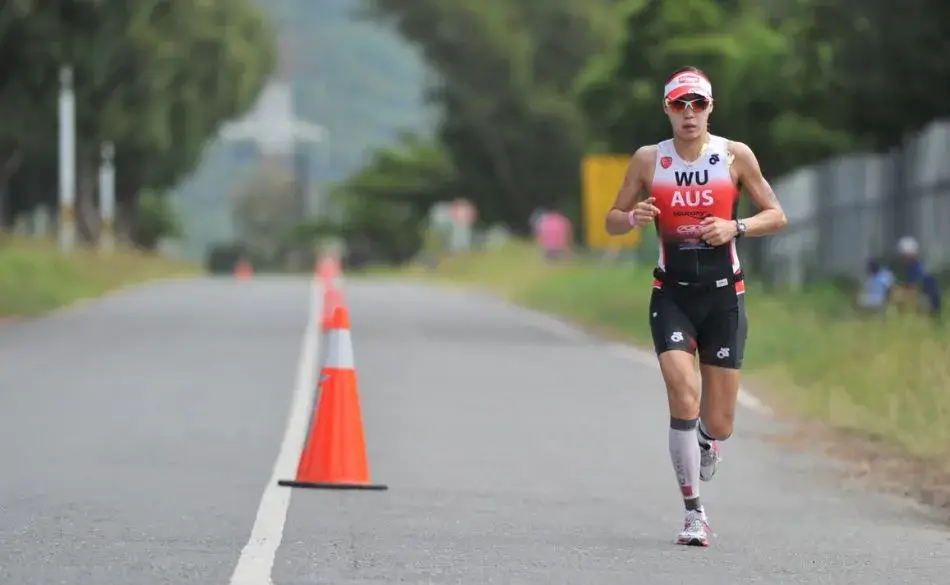
The Ironman triathlon running leg is unlike any other marathon you’ll face. By the time you begin, your body has already endured 3.8 kilometers of swimming and 180 kilometers of cycling. The moment your feet hit the ground, you’re no longer racing on freshness, you’re racing on durability.
Running off the bike feels foreign at first. Your legs are heavy, your rhythm awkward, and your breathing sharp. This running off the bike fatigue happens because cycling depletes your muscles’ glycogen and alters their firing patterns. Studies show that neuromuscular fatigue from cycling significantly changes your running mechanics, affecting stride length and cadence.
To handle the marathon after the bike leg, pacing becomes your most powerful tool. Starting too fast in the first few kilometers is a common mistake among Ironman athletes. Research and coaching experience both suggest that a conservative start prevents energy crashes later on. Many elite and age-group Ironman athletes perform best by running at a pace slower than their standalone marathon speed, often about two-thirds of that effort. The goal is simple, run steady, not fast.
Hydration and fueling are equally vital. By the marathon, glycogen stores are nearly depleted, and your digestive system is under stress. Take in small, frequent sips of carbohydrates and electrolytes throughout the full Ironman run split. Practicing this nutrition strategy in training helps prevent stomach issues on race day.
Environmental factors also play a huge role. Heat, humidity, and wind can magnify fatigue and dehydration. The best athletes adapt early, adjusting pace and hydration to conditions instead of ignoring them.
Before you start building your Ironman run training plan, it’s important to fully understand what makes this distance unique and how it differs from other triathlon formats. You can learn more about the race structure and variations in our detailed guide on Ironman distances explained.
If your goal is to run stronger off the bike, improve pacing, and stay efficient through every kilometer, our Ironman Triathlon Training Plans are designed to guide you there with structured, progressive workouts tailored for endurance athletes.
Each plan includes detailed running sessions, brick workouts, and conditioning strategies that complement your swim and bike training, helping you stay steady, strong, and confident during the toughest part of the race.
Train with purpose, refine your form, and make your Ironman run your strongest leg yet.
Explore Ironman Training Plans

Training for the Ironman Run
The secret to excelling in the Ironman triathlon running leg starts long before race day. A smart, progressive training plan prepares your body to handle fatigue and maintain form when energy is low. Whether you’re a beginner or a seasoned triathlete, the key is balancing endurance, strength, and recovery.
Training for the marathon after the bike leg means conditioning your body to perform under accumulated fatigue. That’s where brick sessions (a combination of cycling followed by running) become invaluable. These workouts teach your muscles how to transition efficiently and reduce that wobbly-legged feeling during the race. Research and coaching consensus agree that brick training can improve coordination and running economy, especially during the early stages of the run.
Your weekly schedule should include three to five runs, depending on your experience level. Beginners can start with shorter distances and focus on consistency, while advanced athletes benefit from targeted intensity. The following numbers are approximate coaching guidelines and may need adjusting based on your experience, age, recovery ability, and race course. The goal is to build durability, not just speed.
👉 Swipe to view full Ironman run training guide
| Experience Level | Weekly Runs | Brick Sessions | Longest Run | Main Focus |
|---|---|---|---|---|
| Beginner | 3–4 | 1 short (30–45 min ride + 15–20 min run) | 24–28 km | Build endurance and confidence |
| Intermediate | 4–5 | 1–2 moderate (60–90 min ride + 25–40 min run) | 28–34 km | Enhance aerobic base and transition strength |
| Advanced | 5–6 | 2 long (90–120 min ride + 40–50 min run) | 34–38 km | Refine race pace and fueling strategy |
Your Ironman run pacing strategy should be developed and tested in training. Long runs are the perfect opportunity to practice nutrition, hydration, and effort control. Coaching experience and emerging research suggest that pacing consistency and effective fueling often play a greater role in age-group Ironman run performance than simply adding more training hours.
Think of your run training as an investment in stability. Each session teaches your body how to move efficiently, manage energy, and stay resilient under pressure. These habits are what help you stay strong when you hit kilometer 30 on race day.
To learn more about structuring your build, peak and taper phases in a full-distance preparation, check out our comprehensive guide on 24-Week Ironman Training Plan.
In a study of 687,000 Ironman athletes, the run and bike splits were found to be the strongest predictors of overall performance. Highlighting how much your run leg matters to the final result.


Essential Fueling and Nutrition Tips for the Ironman Marathon
Fueling is one of the most decisive elements in your Ironman triathlon running performance. Even the strongest athletes can fade if nutrition isn’t managed correctly. During the marathon after the bike leg, your body’s glycogen stores are nearly depleted, and your digestive system is under stress from hours of activity. That’s why your fueling plan must be tested and refined long before race day.
Think of nutrition as your fourth discipline. Proper fueling maintains energy, focus, and pace when others start to slow down. For many endurance athletes, 60–90 grams of carbohydrates per hour is a solid starting target. Some well-trained athletes push that higher (up to ~100–120 g/hr), but that requires gut training and practice to tolerate. This is a general guideline (some athletes can handle more, others less) so experiment during training to find what works best for you.
- Hydration: Many coaches recommend drinking in the ballpark of 400–800 mL/hr depending on heat, humidity and sweat rate, but you’ll need to adapt this to your individual needs.
- Carbohydrate intake: Use small, consistent portions rather than large doses. This helps reduce gastrointestinal distress during the full Ironman run split.
- Sodium balance: Replace lost sodium with electrolyte tabs or sports drinks. Especially in hot conditions or if you’re a heavy sweater.
- Fuel timing: Begin fueling early on the bike and continue steadily into the run leg. Waiting until you feel fatigued usually means you’re already behind.
- Practice during training: Your long runs and brick sessions are ideal for testing your fueling plan and teaching your gut to tolerate intake under race stress.
Emerging data from age-group athletes suggests that consistent fueling may help reduce pace decline in the final kilometres, though individual responses vary and more formal research is needed. The best runners in long-distance triathlon events are not always faster, they’re better fueled. By treating nutrition as an integral part of your Ironman run strategy, you’ll maintain pace, sharpen focus, and finish stronger than you imagined.
Fueling isn’t just about carbs and fluids, it’s also about adapting to race day challenges like heat, elevation, and fatigue when the miles feel never-ending. To get inspired (and humbled) by some of the most brutal full-distance events on the planet, check out our feature on the toughest Ironman races in the world, where conditions push athletes well beyond their comfort zones.

Advanced Run Technique and Form Efficiency for Ironman Athletes
Running well in the Ironman triathlon isn’t just about endurance. It’s about keeping your form efficient when fatigue sets in. Every step during the Ironman triathlon running leg should move you forward with the least wasted effort. Proper technique helps you save energy, protect joints, and maintain pace through the marathon.
As you enter the marathon after the bike leg, form naturally starts to break down. Shoulders round, steps shorten, and cadence drops. The goal is to delay this as long as possible by reinforcing efficient mechanics during training. Small adjustments can create big improvements in the Ironman run split.
- Posture: Keep a tall, relaxed stance with a slight forward lean from the ankles. This engages your core and glutes rather than overworking your quads.
- Cadence: Aim for 170–180 steps per minute if comfortable. A slightly quicker cadence can reduce impact stress and maintain rhythm when tired.
- Arm swing: Keep your arms low and close to your body. Smooth, compact movement helps steady your stride and prevent shoulder fatigue.
- Foot strike: Land softly under your hips. Avoid overstriding, it wastes energy and increases braking forces on the legs.
- Breathing rhythm: Match your breath to your cadence. Controlled exhalation keeps heart rate steady and calms your mind under pressure.
Practicing drills like high knees, butt kicks, and cadence strides once a week can help improve efficiency. Focus on quality over volume as perfect form under light fatigue prepares your body for race conditions. Video analysis or coaching feedback can also reveal small inefficiencies that cost energy over long distances.
By focusing on these details, you turn every kilometer into a smoother, faster, and more economical stride. Form efficiency is what separates a painful shuffle from a confident finish in the Ironman triathlon running leg. When your form holds, your pace holds and that’s how strong Ironman runners cross the line.


SportCoaching Ironman Running Training Plan
Reaching your best potential in the Ironman triathlon running leg takes more than hard work, it takes structure. Many athletes train endlessly but still struggle with pacing, fatigue, or poor run form. That’s why having a dedicated program built for the unique demands of the marathon after the bike leg can make the difference between surviving and performing.
The SportCoaching Ironman Running Training Plan is designed by experienced coaches who understand the challenges of long-distance triathlon. It’s not a generic template, it’s a system that adapts to your schedule, fitness level, and race goals. Every workout is structured to build endurance while improving form, efficiency, and recovery.
- Run-specific progression: The plan balances long runs, brick sessions, and recovery workouts to improve durability without overtraining.
- Custom pacing guidance: Develop your personal Ironman run pacing strategy based on heart rate, power, and perceived effort.
- Integrated strength and mobility: Target the key stabilizing muscles that maintain form during the full Ironman run split.
- Nutrition practice: Learn to train your gut and execute your fueling plan under realistic race fatigue.
- Performance tracking: Weekly adjustments keep your progress aligned with your race day timeline.
Thousands of triathletes underestimate how crucial structured coaching can be for the run leg. With a plan tailored to your needs, you’re not just training harder, you’re training smarter. Whether your goal is to finish your first Ironman or achieve a personal best, the SportCoaching Ironman Running Training Plan gives you the roadmap, accountability, and guidance to reach it.
Your next Ironman run doesn’t have to be survival, it can be your strongest finish yet. If you’re just starting your Ironman journey and want to understand the basics before committing to a plan, check out our beginner-friendly guide New to Ironman? 15 Triathlon Questions Answered.
If your goal is to run stronger off the bike and stay consistent through the marathon, our Ironman Running Training Plan is built to help you achieve it. Designed by experienced endurance coaches, it focuses on the unique demands of the Ironman run, where fatigue, pacing, and mindset truly matter.
Each plan includes structured long runs, brick workouts, pacing guidance, and recovery strategies that strengthen both your legs and your confidence. It is perfect for triathletes who want to convert all their training into a strong, steady run on race day.
Build endurance, refine your pacing, and finish your Ironman run feeling in control, not in survival mode.
Get the Ironman Running Training Plan

Key Running Workouts for the Ironman Run
To perform your best in the Ironman triathlon running leg, your training must prepare both body and mind for endurance and fatigue. The best athletes don’t just log endless miles, they use focused workouts that improve stamina, speed, and efficiency for the marathon. Below are cornerstone sessions used in most successful Ironman run training plans.
- 1. Long Endurance Runs: Build to 30–38 km at an easy, sustainable pace. These develop aerobic capacity and mental toughness. Practice fueling and hydration throughout to simulate your race-day Ironman run pacing strategy.
- 2. Brick Runs: Ride 60–150 minutes, then run 20–50 minutes at your target marathon effort. These workouts train your legs and nervous system to adapt to post-bike fatigue, critical for the full Ironman run split.
- 3. Marathon Pace Runs: Run 15–25 km at your planned race pace. This builds pacing confidence and teaches your body to hold steady intensity under fatigue. It’s ideal for mid-block training weeks.
- 4. Tempo Runs: Run 40–60 minutes at a controlled but challenging pace. Roughly your half-marathon effort. These strengthen your aerobic threshold, helping you maintain rhythm late in the race.
- 5. 1–2 km Intervals: Perform 6–8 repeats at slightly faster than marathon pace with 2–3 minutes recovery between each. These sharpen leg turnover and improve running economy without overloading the system.
- 6. Recovery Runs: Keep these very easy (30–60 minutes). Recovery runs promote blood flow, assist muscle repair, and reinforce form without additional fatigue.
These workouts work together to develop endurance, efficiency, and fatigue resistance. Mix them across training weeks, adjusting distance and intensity to your fitness level, recovery needs, and race schedule. Remember, quality and consistency matter more than chasing mileage. A smart plan with balanced workouts turns training stress into long-term strength for your Ironman triathlon running success.


Mistakes Athletes Make in Ironman Triathlon Running
Even the most prepared athletes make avoidable errors during the Ironman triathlon running leg. After hours of swimming and cycling, fatigue and excitement can cause smart runners to lose focus on strategy. Knowing what to avoid can save precious time and prevent painful lessons on race day.
- Starting too fast: Many triathletes burst out of transition feeling fresh, only to hit a wall later. The first 10 km should feel easier than expected. Stick to your planned Ironman run pacing strategy and let discipline (not adrenaline) set the tone.
- Skipping early fueling: If you delay nutrition until fatigue sets in, it’s often too late. Begin fueling early and consistently, just as you practiced in training. Small, steady intake keeps energy levels stable throughout the marathon after the bike leg.
- Ignoring hydration balance: Drinking only water or neglecting sodium can lead to cramps or hyponatremia. Use electrolyte drinks or salt tablets, especially on hot courses.
- Poor form under fatigue: As exhaustion grows, many runners lose posture and overstride. Keep your core engaged, maintain quick cadence, and focus on landing under your hips to stay efficient during the full Ironman run split.
- Neglecting brick sessions: Skipping bike-to-run workouts means your body won’t adapt to the transition stress. Brick training is essential to prepare your legs for the Ironman’s toughest challenge. The shift from bike to marathon.
- Not practicing recovery runs: Easy runs between hard sessions are where your body adapts. Skipping recovery work can lead to burnout, stiffness, and slower long-term progress.
- Underestimating mental preparation: Physical training builds endurance, but mental strategy keeps you moving when the body wants to stop. Visualization, pacing awareness, and positive self-talk should be part of every training week.
Most of these mistakes come from excitement or lack of preparation, not lack of effort. The best Ironman runners stay calm, trust their training, and make smart choices from the first stride to the finish chute. Avoiding these pitfalls can turn a painful marathon into a strong, steady finish.
Whether you're preparing for a sprint, Olympic, or long-distance event, our Triathlon Training Plans are built to help you balance swimming, cycling, and running with structure and purpose. Each plan is designed by experienced coaches to build endurance, efficiency, and race-day confidence.
You'll develop smoother transitions, smarter pacing, and stronger aerobic fitness, all while reducing injury risk and improving recovery between sessions. Every program fits seamlessly into a busy schedule, giving you a clear path to consistent progress.
Train consistently, stay balanced, and feel stronger across every leg of your next triathlon.
Explore Triathlon Training Plans

Finish Stronger Than You Ever Imagined on Your Ironman Run
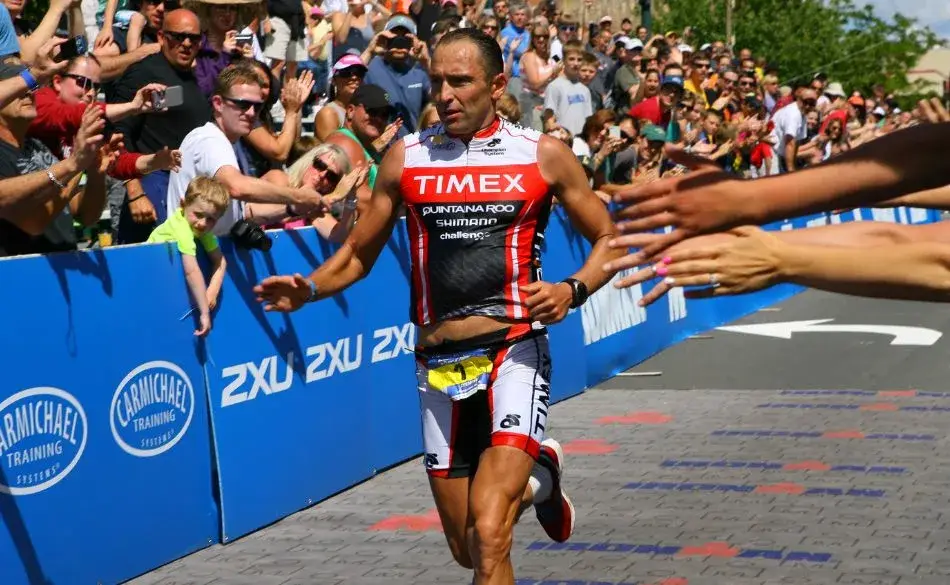
The Ironman triathlon running leg is the ultimate test of endurance, patience, and heart. It’s where smart preparation, discipline, and resilience come together. Whether you’re tackling your first Ironman or chasing a new personal best, remember that success comes from more than fitness, it comes from execution, confidence, and belief in your training.
By applying the right Ironman run training strategies (from structured workouts and pacing to efficient form) you can turn fatigue into focus and finish stronger than you ever thought possible. Every long run, every brick workout, and every recovery session builds the foundation for that final push toward the finish line.