Why So Many Cyclists Swear by Morning Rides
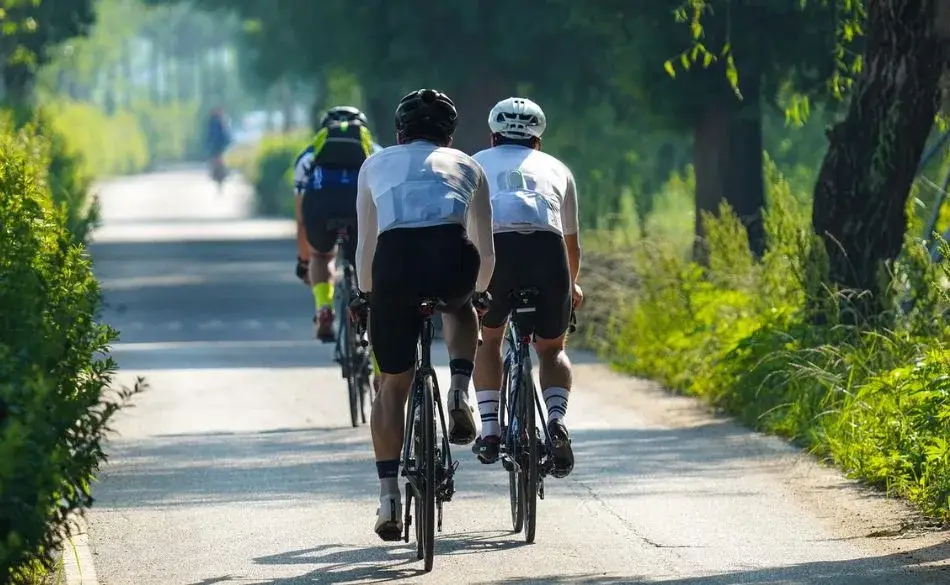
There’s something special about beating the sun out the door. That crisp air. The quiet roads. The sense that you’ve already accomplished something before most people are even awake.
But beyond the feel-good vibe, morning cycling benefits go deeper.
First, your body’s hormone levels (especially cortisol) are naturally elevated in the early hours. That can give you a slight energy boost to help you push through intervals or hold steady power. For riders aiming to burn fat, morning workouts may also tap into stored energy more efficiently, especially if done before eating. That’s why many cyclists ask about the best time of day to cycle for weight loss, and the morning often leads the conversation.
Another big win? Fewer distractions. Morning rides are usually more consistent. Fewer last-minute meetings. Less mental fatigue. Fewer cars on the road. One athlete I coach, Jamie, who works a demanding tech job, said that morning rides became her “daily reset”, the only time she felt fully in control of her day.
From a consistency standpoint, mornings help create habits. When you ride first thing, nothing else can bump your session off the schedule. You also tend to sleep better. Early exercise helps reinforce your circadian rhythm, making it easier to wind down at night.
But let’s be honest. It’s not all smooth spinning.
Getting up early, especially in winter, takes real effort. Muscles may feel stiffer. It takes longer to feel fully warmed up. Another cyclist I coach, Alan, who’s prepping for a Gran Fondo, noticed his perceived effort was always higher in the morning (even when power stayed the same).
Still, if you’re someone who thrives on structure, has family or work commitments, or wants to build aerobic consistency, morning rides can be a game-changer.
Here’s what to keep in mind if you’re heading out early:
- Warm up longer to offset stiffness
- Fuel lightly if needed, like a banana or small carb snack
- Layer up for cooler temps and possible wind chill
If you’re using your morning rides to build base endurance or train fasted, consider combining your rides with a structured plan like the 100km Cycling Training Plan. It’s ideal for early-morning base work and progressing toward endurance events.

Evening Bike Ride Pros and Cons You Didn’t Expect
You’ve wrapped up work, changed out of your day clothes, and now the road is calling. Evening rides can feel like a reward. The sun hangs low, the wind calms down, and your body’s had all day to loosen up.
For many cyclists, this is the sweet spot.
Riding in the evening often means warmer temps, more flexibility with fueling, and more time to mentally check into the ride. Your core temperature is higher in the late afternoon, which can help reduce injury risk and improve muscle elasticity. That’s why a few of the endurance athletes I coach perform their toughest intervals best in the evening, even after a full workday.
Take Jordan, a triathlete juggling two kids and a teaching job. He swears by his sunset sessions, saying he feels “stronger and smoother” when the sun’s on its way down. For him, it’s not just physical, it’s psychological. Evening rides help him decompress and release the stress built up from the day.
But there are trade-offs.
Depending on where you live, cycling at night advantages might come with added risks—reduced visibility, heavier traffic in urban areas, and tired drivers on the road. You’ll need solid lights, bright clothing, and sharper awareness. That’s where night cycling safety tips really matter.
Another drawback? Evening commitments. Family dinners, social events, or unexpected delays at work can easily interfere. Plus, for some riders, going hard too close to bedtime messes with sleep. One rider I coach, Carla, found that evening threshold intervals made her wired well into the night.
So how do you know if this is right for you?
Evening cycling works best for:
- Riders with time freedom in the evening
- Those who prefer a warmer, looser body before a session
- People who enjoy cycling as stress relief after a tough day
If you’re riding into dusk or later, prioritize safety:
- Use high-lumen front and rear lights
- Wear reflective gear. Vests, bands, or decals
- Choose well-lit or familiar routes with low traffic
Need something structured that fits after-work sessions? The Cycling Time Trial Training Plan is perfect for evening rides focused on threshold and pacing efforts.


Is It Better to Cycle in the Morning or Evening? (What the Science and Coaches Say)
This question comes up constantly: is it better to cycle in the morning or evening?
Truth is, there’s no one-size-fits-all answer, but there is science and coaching experience that can help you decide.
Research shows your body performs differently at different times of the day. In the morning, your cortisol levels are higher, which can support alertness. But your body temperature is lower, and reaction time tends to be slower. That can mean longer warm-ups and slightly reduced max power output early in the day.
On the flip side, studies suggest that strength, endurance, and peak power often hit their high points in the late afternoon or early evening. Muscle flexibility increases. Reaction time improves. You’re more neurologically “awake.” That’s why many pros schedule high-intensity intervals in the evening.
But science aside, the best time to ride often comes down to consistency.
When coaching athletes for events like sportives or stage races, I’ve noticed the most successful riders aren’t just chasing ideal power windows—they’re sticking to a routine. One rider I work with, Ben, works early shifts and can only ride at 5:30 a.m. He’s progressed faster than others who train more sporadically in “better” time slots.
So, if your goal is fat loss, the best time of day to cycle for weight loss might be morning. That’s when your body may rely more on fat as fuel, especially in fasted states. But if you’re chasing FTP gains, high-end power, or fast group rides, evenings may give you a performance edge.
Here’s a quick recap of when to prioritize each:
- Morning rides: great for habit building, fat metabolism, and quiet roads
- Evening rides: better for peak physical output, warmer temps, and intensity
At the end of the day (or start of it), choose the time you can ride consistently. That’s the real secret.
Want to align your workouts with your daily rhythm? Use our Heart Rate Training Zones Calculator to match your timing with the right intensity for optimal results.
How Morning and Evening Cycling Affect Your Recovery
Your training gains don’t happen during the ride. They happen after.
And that’s why recovery matters just as much as mileage or intervals. The time you choose to ride (morning or evening) can directly affect how well your body bounces back.
Let’s start with morning cycling.
When you ride early, your body still carries the stress of sleep inertia. Hormones like melatonin may still be tapering off. That means it can take longer to fully activate your system. You might also be slightly dehydrated from overnight. All this can lead to a longer ramp-up and more careful attention needed after the session.
For one of the athletes I coach, Lucas, his early morning zone 2 sessions left him feeling flat by late afternoon until we added a recovery shake and mid-morning snack. That simple adjustment gave him back the energy he was missing.
Now contrast that with evening cycling.
Riding later in the day usually means your muscles are already warm and your joints have been moving all day. You might feel stronger, but pushing too hard too late can sometimes backfire.
High-intensity efforts close to bedtime may delay sleep onset. That’s especially true for athletes doing hard intervals after 8 p.m. One rider I coach, Mel, struggled with post-workout restlessness. Her heart rate stayed elevated for hours after VO2 work. We shifted those sessions earlier and used evening rides for aerobic spinning or recovery and sleep improved almost immediately.
So how do you make the most of recovery, no matter when you ride?
- Hydrate before and after your session. Especially if riding in the morning
- Prioritize carbs and protein post-ride (aim for 20g+ protein and 40–60g carbs)
- Keep high-intensity sessions earlier in the day if sleep disruption is an issue
- Use post-ride stretching or short walks to help your system wind down
Whether you’re an early riser or a sunset chaser, how you recover is what determines how you adapt.
For riders building weekly schedules with smart rest built in, the Cycling Training Program Guide helps you structure recovery and effort around your preferred ride times.
What’s the Best Time to Cycle Based on Your Lifestyle?
Let’s be honest. Most cyclists aren’t choosing between sunrise or sunset because of science. You’re choosing based on life.
The “best time” is the one that lets you ride consistently and feel good doing it. That might mean squeezing in 45 minutes before the school run or carving out a golden hour after dinner. But knowing how morning and evening rides affect your performance, energy, and recovery can help you tailor it to your reality.
Here’s what I’ve seen with athletes I coach:
If you’re a parent with young kids, early mornings are often the only guaranteed window. It’s quiet, predictable, and done before family chaos kicks in. That’s why my client Ella, a mum of two, sets up her bike in the garage every night before bed. She clips in at 5:15 a.m. sharp. “It’s my time,” she told me. “Even if it’s only 40 minutes, I’m a better mum and cyclist because of it.”
If you work long hours or have a mentally demanding job, the evening might be your time to unplug. But don’t schedule max-effort intervals right before bed. Swap those for aerobic spins or technique work. You’ll still improve, just without the sleep disruption.
For athletes training for races, I recommend riding at the same time your event will take place. This helps train your body’s rhythm to match race conditions.
Here’s a quick guide to help you decide:
- Morning rides: Best for parents, early risers, and those needing structure
- Evening rides: Ideal for night owls, full-time workers, and stress relief
- Split sessions: Work well for advanced riders or during big training blocks
Remember: don’t just ask, “When should I ride?” Ask, “When can I ride consistently and recover well?”
That’s how you build fitness that lasts.
For cyclists juggling training with real life, our guide to Strength and Weight Training for Cyclists shows how to complement morning or evening rides with off-bike work that won’t wreck your energy.
For real guidance on cycling close to bedtime, head to SportCoaching’s article on cycling before sleeping. It shares sleep‑friendly evening routines backed by coaching insights.
Morning vs Evening Cycling: Quick Comparison Table to Help You Choose
Swipe to view full table
| Factor | Morning Cycling | Evening Cycling |
|---|---|---|
| Body Readiness | Lower body temp, tighter muscles, longer warm-up needed | Muscles warm from daily movement, quicker into effort zones |
| Hormonal State | High cortisol helps alertness and fat mobilization | Lower cortisol, but improved testosterone and reaction speed |
| Metabolism Impact | Supports fat burning, especially when fasted | More glycogen available, ideal for high-performance efforts |
| Sleep Effects | Enhances sleep-wake cycles when done early | Hard efforts too close to bed may delay sleep onset |
| Traffic and Safety | Quieter roads, less distracted driving | More traffic post-work; visibility concerns after sunset |
| Session Suitability | Great for aerobic base, habit-building, long Z2 rides | Better for threshold, VO2 max, and sprint workouts |
| Recovery Support | Longer recovery window throughout the day | Shorter post-ride window, requires focused recovery steps |
| Consistency & Scheduling | Less interruption from work/social plans | More risk of life delays but mentally freeing post-work |
Use this table as a quick reference when planning your weekly rides. If you’re focused on fat loss and building structure, mornings may edge out. If you want performance gains and your schedule allows it, evenings can deliver strong results.
But the biggest insight? You don’t have to choose just one. Mix and match based on your goals, life demands, and recovery.
For expert context on how evening cycling affects sleep, check out this detailed review by PezCycling News on evening exercise and sleep quality. It covers the effect of late workouts on rest and recovery in athletes.
Conclusion: Ride When It Feels Right
At the end of the day, whether you ride with the sunrise or cruise under the stars, what matters most is that you’re riding at all.
You don’t need the “perfect” time. You need the time that works for you, your life, your goals, and your recovery.
Some of the strongest cyclists I coach don’t have ideal schedules. They have toddlers. Long commutes. Shift work. But they show up, morning or evening, and build consistent habits that compound over time.
So, ask yourself:
- When do you feel most alive on the bike?
- What time slot helps you stick with your plan?
- Are you recovering well enough to ride again tomorrow?
There’s no gold star for being a “morning rider” or a “night owl.” The real win is staying in the saddle and enjoying the journey, whatever clock you’re riding by.
So choose your time. Own your ride. And enjoy every mile.