What Exactly Causes Shermer’s Neck in Cyclists
During long rides your neck quietly takes on one of the hardest jobs in cycling. Holding your head steady while staying in an aero position seems easy at first, but over time gravity wins. Shermer’s Neck happens when the small stabilizing muscles in your upper back and neck can’t keep supporting the weight of your head.
Your head weighs about five kilograms (around 11 pounds). In a forward-leaning cycling posture, that load increases several times because of leverage. Research on sustained neck extension shows blood flow through the neck extensors drops after just 30 minutes of holding the head up. In ultra-endurance cycling, that strain lasts for hours or even days, leading to severe cycling neck fatigue.
Clinical reviews describe the same pattern:
- The neck extensors (splenius capitis, semispinalis capitis, trapezius) become ischemic and fail to contract effectively.
- An overly aggressive bike fit (long reach or low handlebars) forces extra extension, worsening fatigue.
- Heat stress, dehydration, and poor sleep speed up muscle breakdown and delay recovery.
Eventually the muscles stop responding to neural signals. This “neuromuscular shutdown” explains why riders can’t lift their heads even though they’re fully conscious and willing. It’s not pain stopping them, it’s literal failure of muscle control.
Preventing Shermer’s Neck starts well before race day. Evidence from endurance-rider case studies shows that strength training for the upper back and cervical muscles, frequent stretching during stops, and small bike-fit changes (like raising the handlebar by 5–10 mm) all reduce incidence. Simple cues such as relaxing the shoulders and changing hand positions every 30 minutes also help distribute load.
In short, Shermer’s Neck isn’t random. It’s a predictable breakdown caused by overuse, poor posture, and fatigue.
For a deeper insight into the origins and physiological mechanics of Shermer’s Neck, check this expert overview: Shermer’s Neck: Cycling’s Most Bizarre Injury.
Returning from an injury takes patience and the right structure. Our Cycling Training Plans are designed to help you rebuild fitness safely while improving strength and endurance. Each plan includes recovery blocks, progressive sessions, and guided workouts tailored to your current ability.
Whether you’re easing back into consistent riding or preparing for your next challenge, these structured programs give you the confidence to train smarter, stay consistent, and enjoy the process of getting stronger again.
Explore Training Plans
What early signs warn you before Shermer’s Neck hits
During long rides, your neck quietly takes on one of the toughest jobs in cycling. Holding your head steady while staying in an aero position feels effortless at first, but over time, gravity starts to win. Shermer’s Neck occurs when the small stabilizing muscles in your upper back and neck can no longer support the weight of your head.
Your head weighs about five kilograms, or around 11 pounds. In a forward-leaning cycling posture, that weight increases because of leverage. Over many hours, the constant extension of the neck reduces endurance and blood flow in the muscles that hold your head up. In ultra-endurance cycling, this strain can last for days, leading to extreme cycling neck fatigue.
Here’s what research and field experience show:
- The neck extensors (splenius capitis, semispinalis capitis, and trapezius) become overworked and lose strength.
- An overly aggressive bike fit with long reach or low handlebars increases extension and stress.
- Fatigue, dehydration, and lack of sleep (common in ultra-distance cyclists)can worsen muscle weakness and recovery.
As the event goes on, the muscles simply reach their limit. They stop responding effectively, and you find it impossible to lift your head even though you want to. It’s not pain that stops you, but true muscle failure.
Preventing Shermer’s Neck begins well before race day. Evidence from endurance riders and sports therapists shows that specific neck and upper-back strengthening, regular stretching, and subtle bike fit adjustments (like slightly raising the handlebar) can dramatically lower risk. Small cues (such as relaxing your shoulders, changing hand positions, and rolling your neck gently during breaks) help restore circulation and balance the workload.


How to treat Shermer’s Neck once it starts
When Shermer’s Neck appears, stretching alone won’t fix it. The neck muscles have reached their limit. The main goal is to relieve strain and start recovery as soon as possible. Continuing to ride often worsens the condition and can cause lasting weakness.
The first priority is to stop or slow down. Rest allows oxygen to return to the fatigued neck extensors. During extreme ultra-endurance cycling events, some riders report using improvised supports (such as elastic straps or foam collars) to help keep their heads upright temporarily. These are last-resort field fixes, not medical treatments.
Once the event is over, focus shifts to recovery and strengthening. Sports therapists often recommend:
- Gentle stretching and posture correction to reduce tightness.
- Gradual strengthening of the trapezius, rhomboids, and deep neck flexors.
- Massage or light heat therapy to relax overworked muscles.
- A full bike fit review to prevent the problem returning.
Below is a general outline of treatment stages based on physiotherapist experience and ultra-distance rider case reports.
👉 Swipe to view full table
| Treatment Stage | Goal | Recommended Actions* |
|---|---|---|
| Immediate (During Ride) | Reduce strain and maintain visibility | Stop or slow down, stretch gently, or use improvised neck support if necessary. These are field-tested, not clinical solutions. |
| Short Term (1–3 Days) | Ease inflammation and muscle stress | Rest and avoid riding; apply gentle heat or ice; light massage to relax tight tissue. |
| Rehabilitation (3–14 Days) | Restore neck mobility and strength | Gradual stretching and strengthening of neck and upper back, posture correction, and a bike fit review. |
| Prevention Phase | Build endurance and resilience | Regular neck strengthening for cyclists, mobility drills, adequate rest, and small fit adjustments. |
*Times and methods above are based on rider case reports and physiotherapist experience; formal studies on Shermer’s Neck are limited.
Recovery usually takes days to a couple of weeks, depending on how severe the fatigue was. Because formal research on Shermer’s Neck is limited, most treatment knowledge comes from experienced cyclists and therapists. Once the neck heals, focus on prevention. That means consistent neck strengthening, improved cycling posture, and small bike fit adjustments can make the difference between finishing strong and dropping out.
For cyclists interested in deeper fit alignment, learning about the KOPS method can help refine knee positioning and improve overall comfort during long rides.
How to prevent it before it starts
The best way to beat cycling neck pain is to stop it before it begins. Prevention depends on posture, conditioning, and smart bike fit choices that balance your upper body for long rides.
Start with your cycling posture. Keep a neutral spine and soft elbows. If your shoulders creep upward, drop them down and relax. Every 15–20 minutes, roll your shoulders or nod gently to keep blood moving through the neck extensors.
Off-bike strength matters. Building endurance in your upper back and neck improves stability in the aero position. Try adding these two or three times a week:
- Chin tucks to train deep neck flexors
- Scapular retractions using a resistance band
- Seated shrugs or light dumbbell rows
- Isometric holds by pressing your head lightly against your hand
For more ways to strengthen your posture and improve upper-body support, explore our Best Back Exercises for Cyclists article for complementary training ideas.
Gradually adapt your neck to longer durations. Avoid jumping from short training rides to full ultra-endurance cycling events. Evidence from case reports shows Shermer’s Neck often develops after 500–1,000 miles of continuous riding, so progressive overload is key.
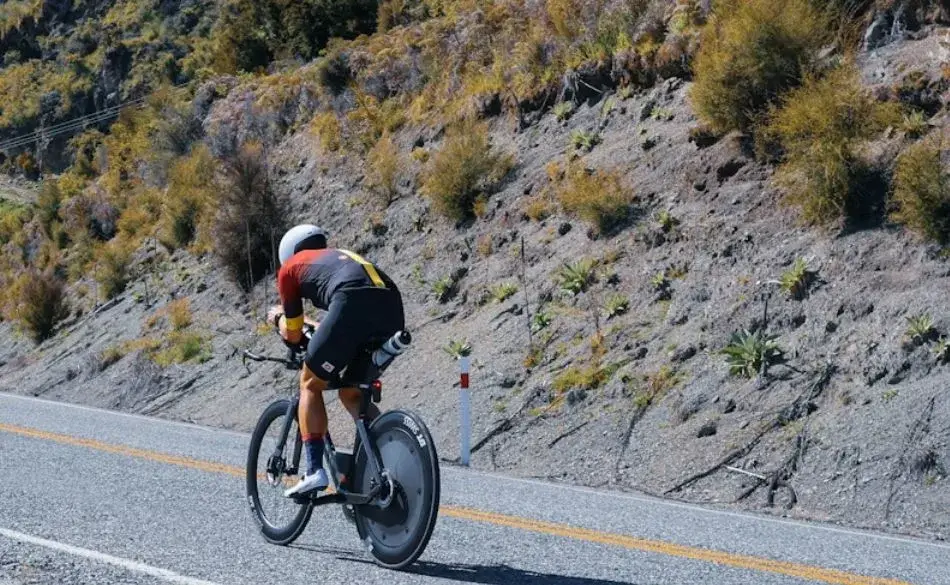
Small fit changes make a big difference. A shorter stem or higher handlebar reduces strain and limits excessive neck fatigue. Check saddle tilt, too as a forward angle can force you to crane your head upward. If you use aero bars, vary hand positions and ease into longer sessions so your neck can adapt.
Supportive habits matter as well. Consistent sleep, hydration, and nutrition help muscles recover and maintain endurance, though these aren’t direct cures. Think of them as the foundation for performance and injury prevention.
Finally, take stretch breaks before fatigue hits. Brief posture resets may reduce risk of severe strain. Listen to early cues, make small adjustments, and you’ll keep your head high, literally.
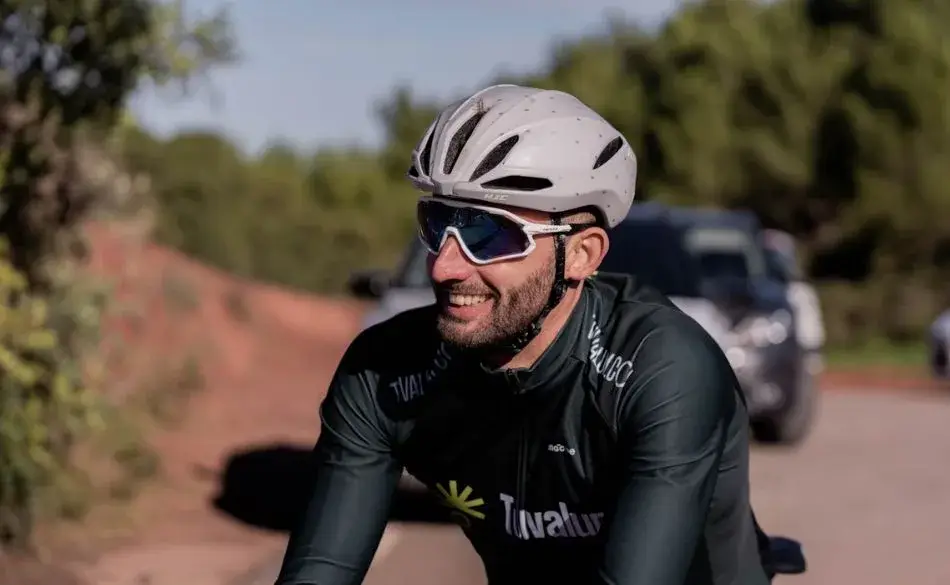
What new trends help you avoid Shermer’s Neck today
Modern cycling technology is helping riders protect their necks like never before. Thanks to smarter gear and better bike fit tools, it’s easier to reduce the strain that leads to Shermer’s Neck long before fatigue sets in.
Adjustable cockpits are a great start. Many ultra-endurance cyclists now use aero bars with more rise and wider arm pads. These setups reduce neck extension and improve cycling posture. Even a few degrees of adjustment can significantly lower the load that causes cycling neck fatigue over time.
Vibration control has also improved. Wider tires run at lower pressures absorb more road shock. Suspension stems and flexible seatposts further reduce vibration, meaning your upper back and neck muscles don’t need to brace constantly against every bump.
Fit technology is now accessible to everyone. Mobile 3D apps and simple on-bike video tools let you test your reach and stack at home. A quick recording can reveal if your chin stays lifted for too long, a clear sign your bike fit might need more height at the front.
Comfort-first setups are replacing extreme aero positions. Many endurance riders prefer slightly higher bars and shorter stems, trading a touch of aerodynamic efficiency for comfort and control. Over twelve hours or more, comfort keeps your head steady and your muscles relaxed.
Training habits are evolving too. Coaches now include micro breaks, neck stretches, and shoulder rolls in endurance programs. Short resets during long rides help restore circulation and delay fatigue.
Even lighting has changed. A handlebar-mounted light aimed ahead keeps your gaze natural, unlike helmet lights that force you to crane your neck. And for multi-day races, packing a soft collar or basic neck support can offer backup if fatigue sneaks in late.
If you’re serious about progressing your cycling performance, our Cycling Coaching Plan offers tailored workouts, expert guidance, and unlimited support. Whether you’re aiming for power gains, endurance breakthroughs, or race-day readiness, we’ve got you covered—from your first session to peak performance.
With structured plans based on your power, heart rate, and current ability, you’ll train efficiently, recover well, and build lasting confidence on the bike.
Start Your Coaching Plan

Building a Neck of Steel — The Strength Routine That Works
You don’t need a gym full of machines to protect yourself from neck pain. What you need is consistency. Strong neck and shoulder muscles help you hold a stable position for hours without tension creeping in. The goal isn’t to bulk up, it’s to build endurance so those small stabilizers never reach failure.
Start simple and focus on control, not force. Two or three short sessions a week can transform your upper posture. Here’s a cyclist-friendly strength routine that works:
- Chin Tucks (3 sets of 15): Lie flat and press your head gently into the floor, drawing your chin toward your chest. This strengthens the deep neck flexors that stabilize your head.
- Band Rows (3 sets of 20): Use a light resistance band anchored at chest height. Pull the band toward you, squeezing your shoulder blades together to strengthen the rhomboids and mid-traps.
- Shoulder Blade Push-ups (3 sets of 15): From plank position, keep arms straight and move only the shoulder blades together and apart. This builds control and posture endurance.
- Neck Isometrics (3 rounds, 10 seconds each): Press your head gently into your hand (front, back, left, right) without moving. You’ll build stability in every direction.
- Reverse Flys (2 sets of 12): Use light dumbbells to strengthen the posterior deltoids and upper back, reducing the strain from the aero position.
To broaden your training beyond neck and shoulders, check out our full guide on Upper Body Weight Training for Cyclists which complements the routine above.
Finish each session with stretching for the chest and front of the neck. This balance keeps your cycling posture open and relaxed.
These exercises may seem small, but together they form your armor against cycling neck fatigue. As strength grows, so does your confidence. Train them like any endurance muscle group: regularly, patiently, and with perfect form. That’s how you build a neck strong enough to finish every ride looking forward, not down.
To support your recovery and maintain balance, don’t miss the Best Stretches for Cyclists guide that complements your neck and upper back routine.


Are you ready to ride far without neck pain
You don’t need to fear Shermer’s Neck. You just need a plan. Start by checking your bike fit and cycling posture on every long ride. A small rise in the bars or a shorter stem can ease strain fast. Keep elbows soft and shoulders relaxed. Reset your position often so your neck doesn’t lock into one angle.
Build strength before the big day. Twice a week, train the deep neck flexors, upper back, and scapular stabilizers. Short sessions work. Think ten to fifteen minutes after an easy spin. Over time, you’ll hold a steady aero position with less effort and less cycling neck fatigue.
Use smart habits on the road. Drink and eat on a schedule. Take posture breaks every twenty to thirty minutes. Roll the shoulders. Nod yes and shake no. These tiny moves restore blood flow and keep your head clear.
Watch for early clues. A heavy head, a bouncing view, or tightness at the base of the skull means it’s time to act. Sit up. Stretch gently. If symptoms keep returning, slow down and adjust. Treat it like a real long-distance cycling injury in progress, not just a nuisance.
Lean on modern tools. Wider tires, compliant posts, and small cockpit changes reduce vibration and strain. Bar-mounted lights at night help you keep a neutral gaze. Pack simple neck support as a backup for ultra events. You may not need it, but it’s there if fatigue sneaks in.
Most of all, listen to your body. Finishing strong isn’t about suffering more. It’s about managing load so you can ride farther, safer, and happier. With smart prep and steady awareness, you’ll protect your neck, guard your focus, and enjoy every mile.
Your next ultra is coming. Will you make a few small changes today so your head stays high tomorrow?