Why the Arch Gets Sore When You Run (and Why It’s Rarely Just One Thing)
When runners talk about sore arches after running, they often look for a single cause. In practice, it’s usually a mix of load, mechanics, and recovery lining up at the wrong time. That matters because the arch isn’t a passive structure. It actively stores and releases energy every step you take, which means it responds quickly to changes in how much you run and how you move.
For most runners, training load is the main driver. Longer runs, added speed, more hills, or a jump in weekly mileage all increase how much work the arch has to do. Even changes that feel small, like adding a second run day or running more on cambered roads, can tip the balance. In these situations, the tissue doesn’t get sore because it’s weak. It gets sore because it hasn’t adapted yet.
Foot mechanics influence how that load is handled, but not in a simple “good foot versus bad foot” way. Some runners naturally load the inside of the foot more, while others are stiffer through the ankle or big toe, which shifts demand into the arch. Neither pattern is a problem on its own. Issues tend to appear when a familiar movement pattern meets a new stress, such as a shoe with less support or a sudden increase in pace.
Fatigue adds another layer. As the calves tire, they absorb less force, and the arch takes on more load late in a run. This helps explain why soreness often shows up after longer efforts rather than short jogs. It also explains why the arch can feel fine at the start of a session and ache once you stop.
I’ve seen this clearly with a recreational runner I coached who developed arch soreness during marathon training. Nothing dramatic changed, just one extra long run added to the week. Once we adjusted the long run progression and improved calf endurance, the pain faded without needing drastic fixes.
The key takeaway is that sore arches after running are usually a response, not a defect. Your foot is giving feedback about load, timing, or support. When that context is understood, it becomes much easier to address the cause rather than chasing quick fixes.
When sore arches keep showing up, it’s often hard to know what actually needs to change. Some runners rest too much, others push through, and many end up cycling through shoes, stretches, or treatments without a clear plan.
With personalised support through our Running Coaching , we help runners understand why issues like arch soreness appear, how training load, footwear, and recovery interact, and how to adjust things gradually so the body adapts instead of breaking down. The focus is on sustainable progress, not quick fixes.
Learn More →

Normal Post-Run Arch Soreness vs a Problem That Needs Attention
Not all soreness in the arch means something is wrong. One of the hardest parts for runners is learning to tell the difference between a normal training response and a signal that needs action. In that process, context matters more than the exact feeling itself.
Normal arch soreness usually appears after a harder or longer run, particularly when training load has recently increased. It tends to feel like a dull ache or tightness rather than sharp pain. You might notice it when you take your shoes off or during the first few steps after sitting. By the next day, it is often much better or completely gone. When you warm up for your next run, the foot loosens and feels normal within a few minutes. This pattern usually means the tissue was loaded, then recovered as expected.
More concerning soreness behaves differently. Pain that is sharp, focal, or increasing over time deserves closer attention. Morning pain is an important clue. If your arch hurts with the first steps out of bed and eases only slowly, it suggests the tissue is struggling to tolerate load. Another warning sign is pain that appears earlier and earlier during runs. When soreness shows up ten minutes into an easy run instead of near the end, overall capacity is being exceeded. When this discomfort starts to sit closer to the heel or blends into heel tenderness, it can overlap with plantar fascia patterns described in our guide on heel pain after running. Clinical overviews, such as the Mayo Clinic’s explanation of plantar fasciitis, describe similar heel- and arch-based symptoms, which can help clarify why this pattern behaves differently from simple fatigue.
Location adds another layer of information. General arch fatigue tends to feel spread out across the foot. Pain that you can pinpoint with one finger, especially near the heel or along the inner arch, is more likely to reflect irritated tissue rather than simple fatigue. Swelling or warmth is uncommon with normal soreness and should not be ignored.
How the pain responds to rest provides further guidance. If one or two lighter days improves things clearly, the issue is usually load-related and manageable. If pain stays the same or worsens despite backing off, it suggests something more persistent, such as plantar fascia irritation or a strength deficit further up the chain.
From a coaching perspective, the focus is always on trends rather than single runs. A sore arch after a tough session can be normal. Sore arches after running every time, even on easy days, is not. Responding early to those patterns usually keeps the solution simple.


Common Training and Footwear Triggers That Load the Arch Too Quickly
For many runners, sore arches after running begin with a change that seems harmless at the time. This is usually because the arch adapts well when load increases gradually, but it struggles when several demands rise together. When multiple small changes stack within a short window, the tissue is often asked to do more work before it has had time to adapt.
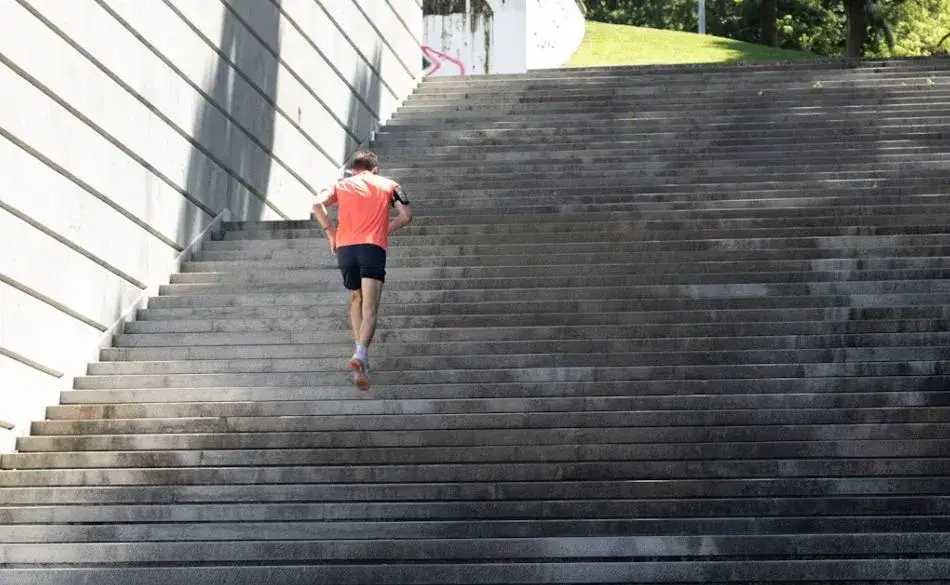
That is why training changes tend to be the biggest trigger. Increasing weekly distance, adding hills, or introducing faster running all raise the demand on the arch in slightly different ways. Hills are especially important here. Uphill running increases calf and plantar fascia load, while downhills increase braking forces through the foot. Even trail running can contribute, because uneven ground forces the foot to stabilise more with each step. Over time, that added stabilisation work can fatigue the arch faster than flat road running.
Footwear often plays a supporting role in this process, but rarely in isolation. Shoes with less structure or lower support place more demand on the intrinsic foot muscles, which can be helpful when introduced slowly. The problem usually appears when a runner changes shoes and increases training at the same time. If you want a broader explanation of how shoes, surfaces, and load interact across the entire foot, our guide on why your feet hurt after running covers these patterns in more detail. For runners trying to choose shoes that spread pressure more evenly through the forefoot and midfoot, our guide to the best running shoes for metatarsal pain also explains how different shoe features influence foot loading. Older shoes matter as well, because as midsoles break down they stop distributing force evenly, and certain areas of the foot begin to absorb more stress.
These issues are often compounded by how and where you run. Repeated running on slanted roads can overload one arch more than the other, while track running in the same direction every session creates a similar imbalance. Over time, that uneven load tends to show up as localised soreness rather than general fatigue.
One pattern I often see in coaching is runners trying to “fix” sore arches by buying multiple new shoes in quick succession. While the intention is understandable, this usually adds noise rather than solving the problem. The foot struggles to adapt because the load pattern keeps changing before any one approach has time to work.
The practical takeaway is simple, but often overlooked. When arch soreness appears, look back two to four weeks. Identify what changed, not just in shoes, but in training, terrain, and frequency. In most cases, reducing one variable and holding the others steady allows the tissue to settle and adapt.

How Different Arch Pain Patterns Point to Different Causes
Not all sore arches after running mean the same thing. What matters most is the pattern of pain, because that often tells you more than the pain itself. Where it shows up, when you feel it, and how it behaves over time all help narrow down what is being overloaded and why.
Pain that sits through the middle of the arch and feels like general tightness is often linked to fatigue. In most cases, this reflects rising training load or reduced recovery rather than injury. The tissue has simply done more work than it is used to, but it still has capacity. These runners often notice stiffness after stopping, then loosen quickly once they start moving again.
Pain closer to the heel, especially on the inner side, tends to behave differently. It is more likely to feel sharp or localised and is commonly worse first thing in the morning. This pattern suggests the plantar fascia itself is struggling to tolerate load. That does not mean damage has occurred, but it does mean that continuing to push without adjustment increases the risk of a longer interruption.
Pain that appears mainly on one foot provides another important clue. Single-sided arch soreness often points to asymmetry rather than overall fitness. Cambered roads, old injuries, or limited ankle movement on one side can quietly shift load into one arch more than the other. Over time, that imbalance tends to show up as soreness rather than general fatigue.
Timing adds further context. Pain that appears only after longer runs usually reflects endurance limits in the foot and calf system. By contrast, pain that shows up early in easy runs suggests baseline load tolerance has dropped. In practical terms, that means the arch is starting each run already close to its limit.
Understanding these differences helps avoid both overreacting and underreacting. Treating all arch pain the same often leads to frustration. Some patterns settle with small load changes, while others need more deliberate intervention. The goal is not to label the problem, but to match your response to what the pattern is telling you.
👉 Swipe to view full table
| Pain Pattern | When It Shows Up | Likely Contributor | Best Initial Response |
|---|---|---|---|
| Diffuse arch tightness | After longer or harder runs | General fatigue or recent training increase | Reduce load slightly and improve recovery |
| Sharp inner arch or heel pain | First steps in the morning or early in runs | Plantar fascia overload | Adjust training and avoid repeated strain |
| One-sided arch soreness | Consistently in the same foot | Asymmetry, footwear wear, or surface bias | Review shoes, surfaces, and movement patterns |
| Pain appearing earlier each run | Progressively sooner despite easy pace | Reduced tissue capacity | Step back training before pain escalates |

What Actually Helps Sore Arches Settle (and What Often Makes Them Linger)
When runners feel sore arches after running, the instinct is often to search for a quick fix. Ice, massage balls, new shoes, or stretching routines get added all at once in the hope that something will help. Sometimes the pain improves, but just as often it hangs around. In most cases, the difference comes down to whether the underlying load problem was actually addressed.
For that reason, the most reliable starting point is adjusting training stress. This does not mean stopping completely or avoiding running altogether. Instead, it often involves reducing volume slightly or removing one high-stress element, such as hills or speed work. Easy running on flatter routes gives the arch a chance to adapt without being constantly pushed to its limit. Here, consistency matters far more than aggressive rest. Short breaks followed by rapid returns to full training often restart the problem rather than solving it.
Calf capacity adds another important piece to the picture. The arch and the calf work as a system, sharing load with every step. When the calf is weak or fatigues quickly, the arch is left to absorb more force on its own. Improving calf endurance, not just strength, reduces this demand. That is why slow, controlled calf work tends to be more helpful than explosive exercises early on. Progress in this area is gradual, but it directly improves how much work the arch has to do when you run.
Foot movement also plays a role in how stress is distributed. Limited ankle or big toe motion can quietly shift load into the arch without being obvious at first. Gentle mobility work that restores normal movement often reduces soreness without touching the arch itself. When movement restrictions begin to change how the foot loads, discomfort can spread beyond the arch into other areas, including the midfoot or top of the foot. Our guide on top of foot pain from running explains how these patterns develop and how to tell whether they are linked to mechanics or overload. If arch discomfort starts to blend into more general foot pain, our guide on how to fix foot pain after jogging outlines how to address these broader patterns without overcorrecting.
What tends to make arch soreness linger is chasing symptoms instead of patterns. Constant shoe changes, aggressive stretching into pain, or daily high-intensity running can keep the tissue irritated. None of these approaches address why the arch was overloaded in the first place.
From a coaching perspective, the most effective approach is simple and boring. Adjust load, restore capacity, and give the foot time to adapt. When those pieces line up, sore arches after running usually fade quietly, without drastic intervention.

When Sore Arches Are Not Just a Running Issue
Most sore arches after running are linked to training load and adaptation. Occasionally, however, arch pain reflects something outside normal running stress. This does not mean something serious is happening, but it does mean the usual self-management approach may not be enough on its own.
One of the clearest signs is pain that does not respond to sensible load reduction. If you reduce running volume, avoid hills, and keep intensity low for a couple of weeks with no improvement, the issue may not be purely training-related. Persistent pain at rest, pain that wakes you at night, or pain that feels sharp and unchanging rather than load-dependent all deserve closer attention.
Changes in the appearance of the foot provide another useful clue. Swelling, redness, or warmth through the arch should prompt you to pause and reassess. These signs are uncommon with simple fatigue or overload and suggest the tissue is irritated beyond its current capacity to settle on its own. In a similar way, sudden arch pain following a specific incident, such as a misstep or awkward landing, should not be managed in the same way as gradual soreness that builds over time.
Neurological symptoms add further context. Tingling, numbness, or burning sensations in the arch are not typical of normal running-related overload. When these sensations appear, they can point to nerve involvement higher up the chain, sometimes linked to the ankle or lower leg rather than the foot itself.
In junior runners, growth introduces another important factor. Rapid changes in bone length can temporarily outpace muscle and tendon adaptation, making arches sore even at relatively low mileage. In these situations, the solution is usually careful load management and patience rather than pushing through discomfort.
From a coaching perspective, the rule is simple. If arch pain behaves unusually, persists despite sensible adjustments, or is accompanied by non-running symptoms, seeking professional assessment is appropriate. Addressing these issues early often shortens, rather than lengthens, time away from running.


Arch Supports, Insoles, and Orthotics: What They Can and Cannot Do
When runners experience sore arches after running, arch supports are often the first thing they consider. Insoles and orthotics can be helpful tools, but they are frequently misunderstood. In practice, their role is to manage load rather than eliminate the need for adaptation.
Arch supports work by spreading pressure more evenly across the foot. In the short term, this can reduce irritation and make running more comfortable. This tends to be most useful when training load cannot be reduced completely, such as during a race block or a particularly busy period. Used appropriately, supports can create breathing room for the tissue to settle while other adjustments are made.
What supports do not do is strengthen the foot or resolve the underlying cause of overload. If training progression, calf capacity, or movement restriction is not addressed, the arch often becomes dependent on external support. When that support is removed, soreness commonly returns because overall capacity has not improved.
For that reason, timing matters. Temporary use of an insole during a flare-up can be sensible and practical. Permanent use without reassessment, however, often delays adaptation. The longer-term goal should be to reduce reliance gradually as the foot becomes more tolerant of load again.
Consistency is also important. Switching between multiple insoles or orthotics in quick succession alters load patterns repeatedly, which can confuse adaptation rather than support it. In most cases, a stable approach is more helpful than chasing the “perfect” insert.
From a coaching standpoint, arch supports are best viewed as a volume knob. They turn stress down slightly while other changes are made, but they are not a cure on their own. When combined with sensible training adjustments and improved calf-foot capacity, they can play a useful supporting role without becoming a long-term crutch.

How to Prevent Sore Arches From Returning as Training Builds
Once sore arches after running have settled, the next challenge is stopping them from coming back as training ramps up again. Prevention is less about adding new tools and more about managing progression with intent. The arch adapts well when it knows what is coming, but it struggles when demands change faster than tissue capacity.
That is why gradual progression matters so much. Weekly mileage, long-run length, and intensity should not all increase at the same time. When one variable rises, the others need to stay steady for a few weeks. This gives the foot time to adapt without being constantly surprised. Many runners focus on cardiovascular fitness and forget that connective tissue adapts more slowly. Respecting that timeline is one of the simplest ways to avoid repeat soreness.
Footwear consistency plays a supporting role here as well. Rotating shoes is fine, but they should sit within a similar category of support and drop. Jumping between very different shoes from day to day forces the foot to solve a new problem each run. Over time, that variability can outpace adaptation. Replacing shoes before they are fully worn out also matters, because subtle midsole breakdown often shows up as arch discomfort before it appears anywhere else.
Strength and endurance through the calf-foot system should be maintained year-round. This does not need to be complicated. A small amount of regular work helps prevent capacity from dropping when training volume fluctuates. When runners stop all supporting work during busy periods, the arch often becomes the weak link once running load rises again.
Surface choice deserves attention too. Mixing routes reduces repetitive stress. If you always run on the same cambered road or track direction, one arch may be doing more work without you realising it. Over months, even small changes here can make a noticeable difference.
The final piece is awareness. Early, mild arch soreness is a signal rather than a failure. Responding with small adjustments keeps it small, while ignoring it until pain dictates rest usually leads to longer disruptions. Runners who stay curious about patterns tend to stay healthier than those who push through everything.
Preventing sore arches after running is not about perfect feet. It is about matching load to capacity over time. When that balance is respected, the arch becomes resilient rather than fragile.


Making Sense of Sore Arches So You Can Keep Training
Sore arches after running are rarely random, and they are rarely a sign that something is broken. In most cases, they reflect a mismatch between what your training is asking for and what your foot is currently prepared to handle. The arch sits at the meeting point of load, movement, and recovery. When any one of those changes too quickly, it often becomes the messenger.
What matters most is not chasing a label or a perfect solution. It is paying attention to patterns. When the soreness shows up, how long it lasts, and how it responds to small changes tells you far more than the intensity of the pain itself. Many runners run into trouble by either ignoring early signs or reacting too aggressively with rest, shoe changes, or treatments that do not address the cause.
From a coaching perspective, the most reliable path forward is steady and unglamorous. Adjust training load before pain escalates. Maintain calf and foot capacity even when life gets busy. Keep footwear choices consistent and surfaces varied enough to avoid repetitive stress. When something does flare up, respond early and proportionally rather than waiting until running becomes uncomfortable.
Feet are adaptable. They respond well to sensible progression and time. When sore arches after running are handled with patience and context, they usually resolve quietly and stay away. The goal is not to eliminate all soreness forever. It is to understand what your body is telling you and respond in a way that keeps training moving forward without interruption.