How to Set Up Your Transition Area So Everything Feels Easy
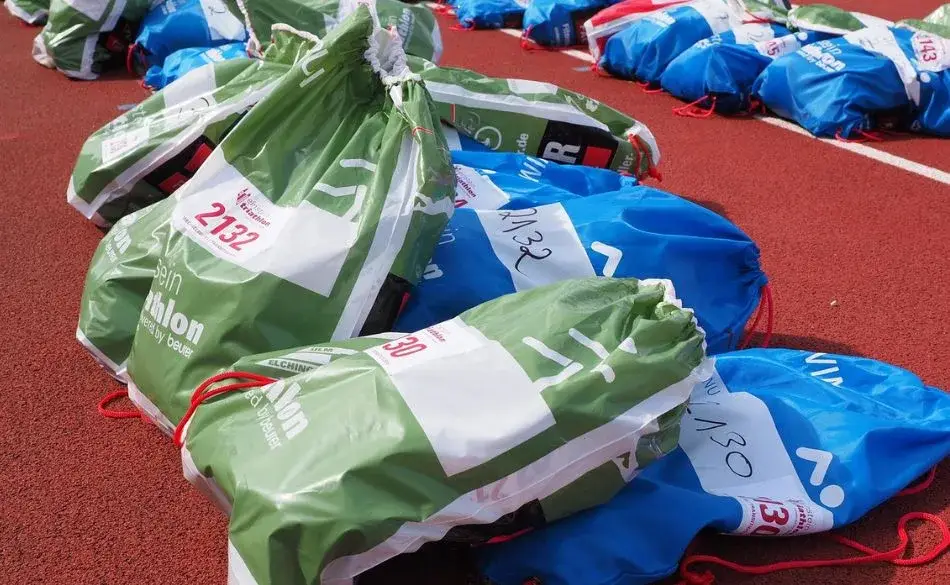
Setting up your transition area is one of the most important parts of race day, especially for first-time athletes. When your gear is organised, you feel calm. When your space is messy, you feel rushed. Most beginners worry about “doing something wrong,” but the truth is that a simple, clean layout always works. You don’t need fancy tricks. You just need a system that lets you move without thinking.
Before you place anything, take a moment to look at your rack number and the landmarks around it. A bright towel or a coloured bottle can help you find your spot fast when you come out of the water. Many beginners lose time here, so thinking about this early removes stress. This is where triathlon transition tips for beginners matter most. Small choices save big chunks of time.
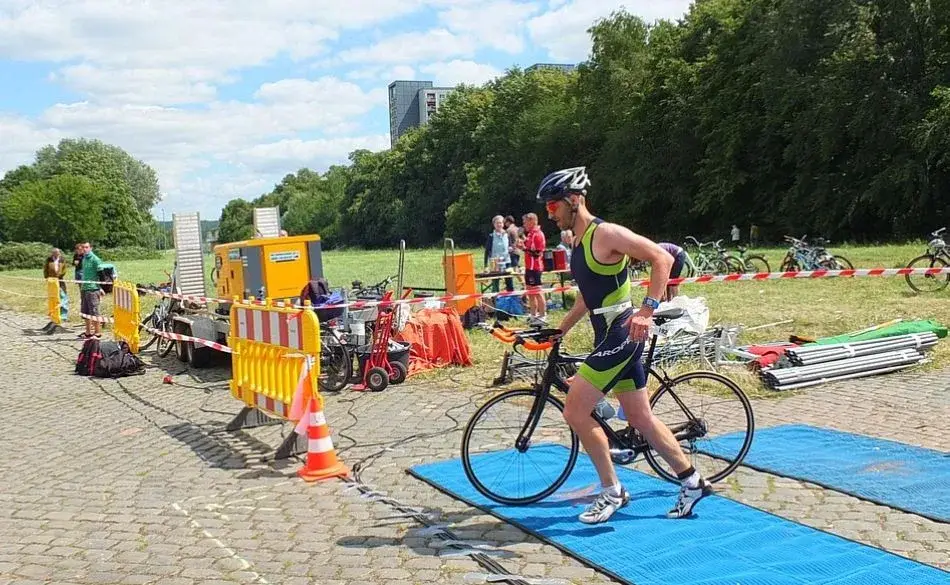
Your helmet should always sit on your handlebars or your bike seat with the straps open. This prevents fumbling and makes it natural to grab. Place your bike shoes in a position that feels smooth to step into, even if you’re nervous or shaky from the swim. Some athletes clip their shoes into the pedals before the race, but if you’re new, keeping them on the ground is usually easier.
Your running setup should feel even simpler. A pair of shoes, an open race belt, and a hat are all most beginners need. If something isn’t essential, don’t put it on the towel. The more items you add, the more decisions you make later. And on race day, simple always wins.
Ask yourself: If you were rushing, could you still find everything in the right order without stopping to think? If the answer is yes, your setup is ready. If you’d hesitate even for a moment, simplify again. Clean space equals a clear mind, and that’s exactly what helps you move quickly.
If you want clarity on exactly what comes after the swim and before you hit the bike, this article on what order is a triathlon clears it up simply. And if you’re still unsure about how much guidance you need for your first event, this article on whether you need a coach for your first triathlon can help you decide what level of support feels right for you.
If you want guidance that makes your training and transitions feel easier to manage, the Triathlon Coaching Program from SportCoaching gives you simple, clear steps that fit into everyday life—so you arrive on race day feeling organised and confident.
You’ll get structured weekly training, practical transition advice, and support that helps you stay calm and prepared as you approach your event.
Explore Coaching Options
Avoid These Beginner Transition Mistakes That Steal Your Time
Most first-time triathletes don’t lose time because they’re slow. They lose time because of small, preventable errors that build up under pressure. When you fix these early, everything on race day feels easier.
Beginner triathlon transition mistakes often start long before the swim even begins. Some athletes arrive late, rush to rack their bike, and quickly scatter gear without thinking about the order they’ll need it. By the time the race starts, they’ve already created stress they didn’t need. Arriving early, walking the flow, and giving yourself space to breathe makes a huge difference.
Another problem is doing too much in transition. It’s common to see beginners drying off, changing clothes completely, or digging through bags trying to find something they forgot to lay out. Every extra step slows you down. Instead of asking “What else should I bring?” try asking “What can I remove and still race well?” That mindset keeps your setup simple, fast, and focused.
Transition flow also matters. If you don’t understand how to set up your triathlon transition area so it follows the order of the race, you’ll end up shuffling gear with shaky hands. Think of your towel like a timeline: swim gear at the front, bike gear in the middle, and run gear at the back. As you move through the race, your hands naturally move forward too.
Many beginners also forget to practice the tiny skills that matter most. Putting on a helmet with wet hands, running while pushing a bike, or slipping on shoes with tired legs all feel harder when you’ve never tried them. This is where triathlon tips for first time racers become real: your transitions won’t improve by hoping—they improve by practicing.


Simple Ways to Practise Transitions Before Race Day
Most first-time racers feel nervous about transitions because they haven’t practised them enough. The good news is that learning how to practise triathlon transitions before race day doesn’t require special equipment or a full training day. You can do it in your driveway, your backyard, or even a quiet park. What matters most is repeating the same small movements until they feel smooth and automatic.
A lot of beginners think they need long sessions to get better, but short and frequent practice works far better. When you practise for only a few minutes at a time, you keep your focus sharp. You also build confidence without adding extra training stress. This is why many coaches tell beginners to practise transitions two or three times per week in the final month before their event.
Start with a simple setup. Lay out your towel, your helmet, your bike shoes, and your running shoes. Then move through your transitions slowly at first. Speed doesn’t matter at the beginning. Smoothness does. Once the order feels natural, you can begin to increase your pace. This is how you slowly build the ability to stay calm even when your heart rate is high.
Here are easy transition drills you can practise anywhere:
- Walk from an imaginary swim exit to your “bike,” put the helmet on, and lift the bike as if heading out of T1.
- Practise slipping your feet into your bike shoes with wet hands so you learn how they feel during a real race.
- Move from bike to run, focusing on how to switch from bike to run smoothly without rushing or looking down at your gear.
- Set a timer for one minute and see how calmly you can complete your setup without skipping steps.
As you practise more, you’ll notice that your breathing stays steadier and your movements feel cleaner. These tiny improvements add up fast. When race day arrives, your transitions won’t feel like chaos. They’ll feel like familiar routines you’ve already mastered.
Want a full step-by-step path from your first couch session to race-day readiness? This Beginners Guide to Couch to Triathlon walks you through every step in simple terms.
If you’re working toward a big goal and want your training and transitions to feel more organised, the Ironman Training Plans from SportCoaching give you clear guidance and sessions that fit comfortably into a busy week.
Each plan provides structure, flexibility, and step-by-step direction so you can build toward race day feeling confident rather than overwhelmed—no matter how hectic life gets.
Explore Ironman Plans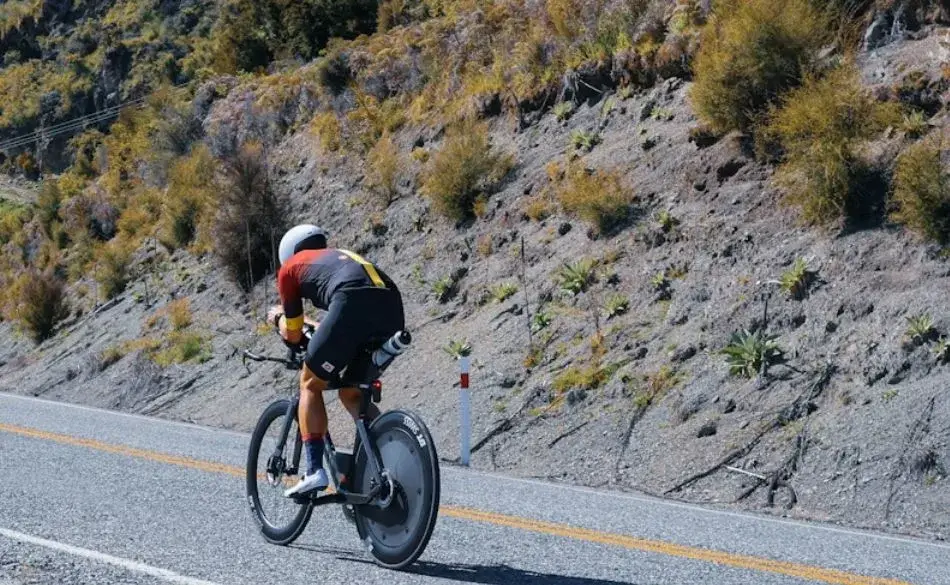
What to Expect Physically When Moving From Swim to Bike to Run
One of the most surprising parts of a triathlon is how different your body feels in each section. Even if you’ve trained well, the shifts between the swim, bike, and run can feel strange at first. Understanding what these changes feel like helps you stay calm and react with confidence. Many beginners don’t realise how much their heart rate, breathing, and balance shift during transitions, which is why learning how to get faster at triathlon transitions isn’t just about speed. It’s about knowing what to expect.
The swim-to-bike change can feel the toughest. You’re moving from lying horizontal in the water to standing upright, jogging, and trying to find your gear. Your legs may feel wobbly for a few seconds because blood flow is shifting. This sensation is normal and fades quickly as you settle onto the bike.
The bike-to-run shift is different. Your legs have been turning in smooth circles for the entire bike leg, and suddenly you’re asking them to absorb impact and move into a running rhythm. This is where beginners often experience “jelly legs.” It feels odd, but it passes within the first few hundred meters. These changes are why practising how to switch from bike to run smoothly can make a huge difference for new athletes.
Below is a detailed comparison-style table showing how your body responds during key transitions. This helps you understand what’s normal and what you can prepare for in training:
👉 Swipe to view full table
| Category | Swim to Bike | Bike to Run |
|---|---|---|
| Balance & Coordination | Body shifts from horizontal to upright; brief dizziness or leg wobble is common as blood flow changes. | Legs feel heavy or unstable at first due to switching from circular motion to impact-based running. |
| Heart Rate Response | Heart rate spikes when exiting water and running to transition; settles once cycling begins. | Heart rate often rises quickly at the start of the run before stabilising after a few minutes. |
| Muscle Activation | Upper body relaxes while major cycling muscles engage; this shift can feel awkward for a moment. | Quads and calves absorb more load immediately, often creating the “jelly leg” feeling. |
| Breathing Rhythm | Breathing may feel shallow after the swim but deepens naturally once your cadence settles. | Breathing can feel choppy at first as your body adjusts to upright impact and faster movement. |
| Best Preparation | Short swim-to-bike brick sessions focusing on calm breathing and smooth mounting. | Frequent micro-bricks improve rhythm and help remove early run fatigue. |
When you know what these shifts feel like, the transitions no longer surprise you. Instead of reacting with panic, you react with calm confidence. That’s the real key to moving efficiently through every leg of the race.
How to Stay Calm and Focused When Everything Feels Rushed
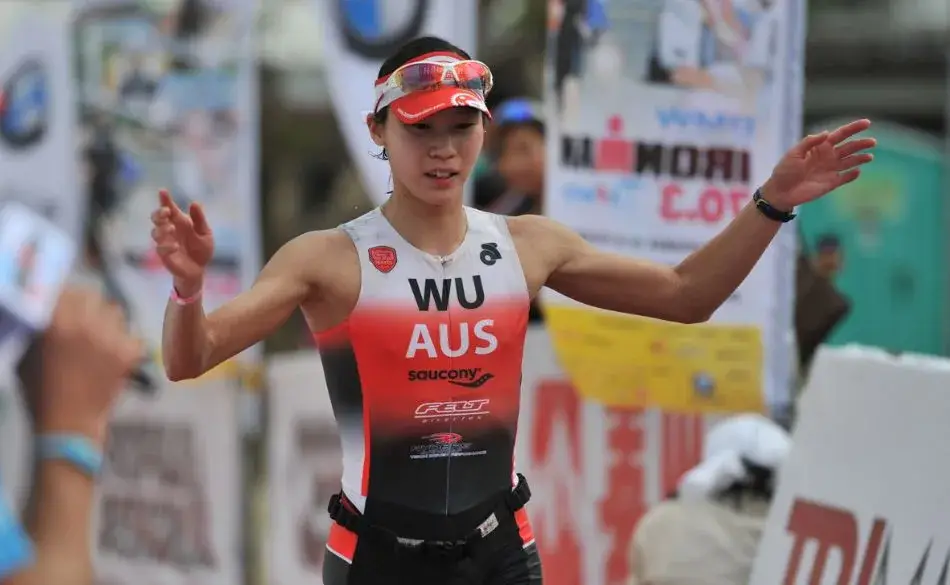
For many first-time racers, transitions feel like the most stressful part of the event. You’re moving fast, your heart is racing, and there are people everywhere. It’s easy to panic if you don’t know what to expect. Learning simple ways to stay calm helps you move smoothly instead of rushing and making mistakes. This is where understanding transition mistakes and knowing how to avoid them makes a real difference.
The first thing to remember is that everyone around you feels the same pressure. Even experienced athletes make small errors. What separates calm athletes from overwhelmed ones is that calm athletes follow the same routine every time. They don’t react to noise or movement around them. They focus only on what’s in front of them.
One of the best ways to stay calm is to slow down your thoughts. When you move with intention, your hands follow the pattern you’ve practised. This prevents fumbling and helps you avoid reaching for the wrong item. Your body may be moving quickly, but your mind stays relaxed and steady. Think of it like driving through a busy street. You don’t speed up because everyone else is moving fast. You stay steady so you don’t make mistakes.
Here are simple mental techniques you can use to stay relaxed during transitions:
- Take one deep breath as soon as you enter transition to steady your heart rate before touching your gear.
- Say a short cue in your head such as “helmet-bike-run” to remind yourself of the order.
- Keep your eyes on your gear, not on other athletes, so you don’t copy someone else’s panic.
- Make each movement smooth rather than fast; speed comes naturally when smoothness improves.
These skills may seem small, but they add up to a calmer, more controlled race day. When you stay focused on your own plan instead of everything happening around you, your transitions feel almost effortless. This sense of control is what helps you move more confidently from one discipline to the next.

Gear That Makes Transitions Faster and Easier for Beginners
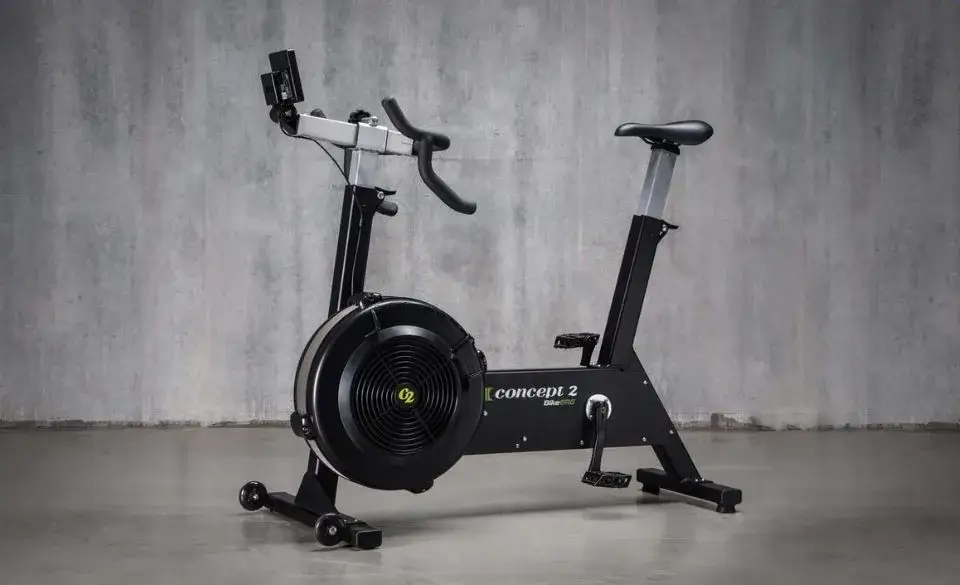
While skill and practice matter most, the right gear can make your transitions feel smoother and less stressful. Many first-time athletes don’t realise how much easier race day becomes when their equipment supports fast, simple movement. You don’t need expensive upgrades. You only need items that help you stay organised and move without hesitation.
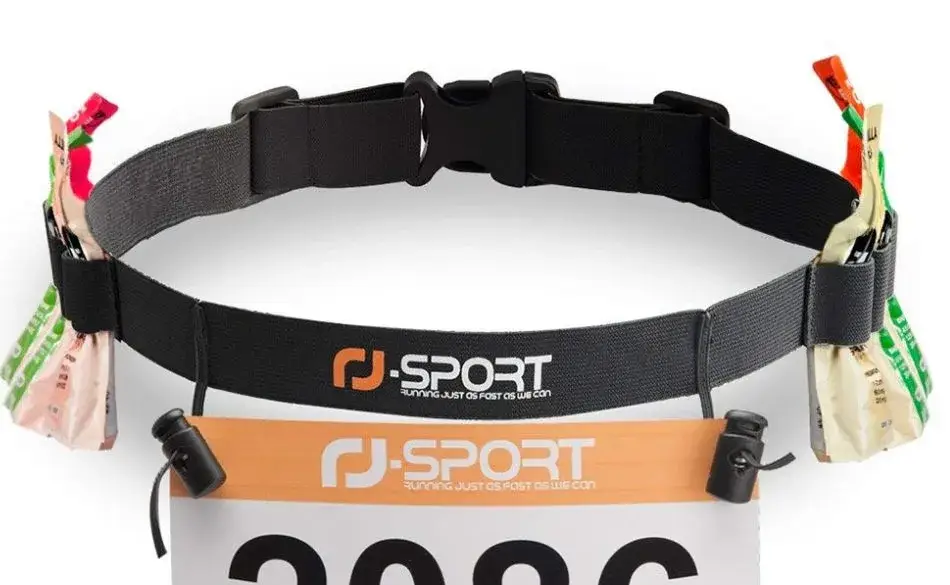
Start with the basics. Elastic laces are one of the simplest upgrades you can make. They turn your running shoes into slip-ons, which makes T2 feel fast and effortless. A race belt is another must-have. It lets you attach your number quickly without worrying about safety pins or crooked placement. These two items alone can save beginners a surprising amount of time.
Your bike shoes and helmet also play a role. If your helmet has a simple buckle system, you’ll waste less time securing it with wet hands. The same goes for bike shoes that open wide and close with a single strap. These small changes reduce fumbling, which is often what slows beginners the most. When your gear helps you move, you conserve mental energy for the bike and run.
Below are helpful gear items that support smooth transitions without complicating your setup:
- Elastic laces that let you slip into your running shoes without stopping or adjusting.
- A race belt so you can put on your number quickly and avoid pinning anything to your clothing.
- A lightweight transition towel to mark your space and organise your gear in a clear order.
- Simple strap-based bike shoes that are easy to close even with wet or shaky hands.
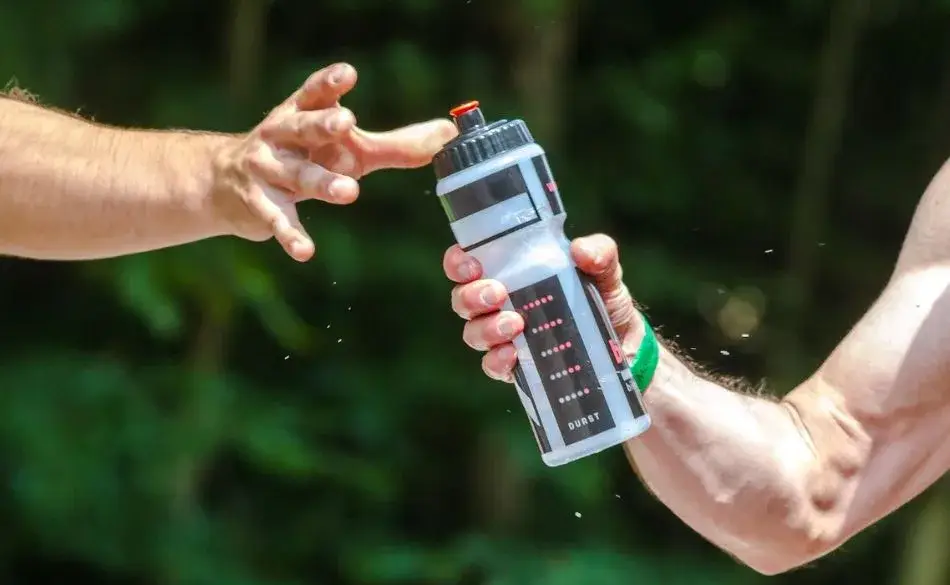
- A bright water bottle or item to help locate your transition spot quickly after the swim.
Small choices like these reduce stress and help you stay in control during the busiest moments of the race. When your gear works with you instead of against you, you feel more confident and ready for each part of the event.
For more broad advice on preparing for your first event, you might find this article on First Triathlon Tips You Should Know very helpful.
A Simple Race Morning Routine That Keeps You Calm and Ready
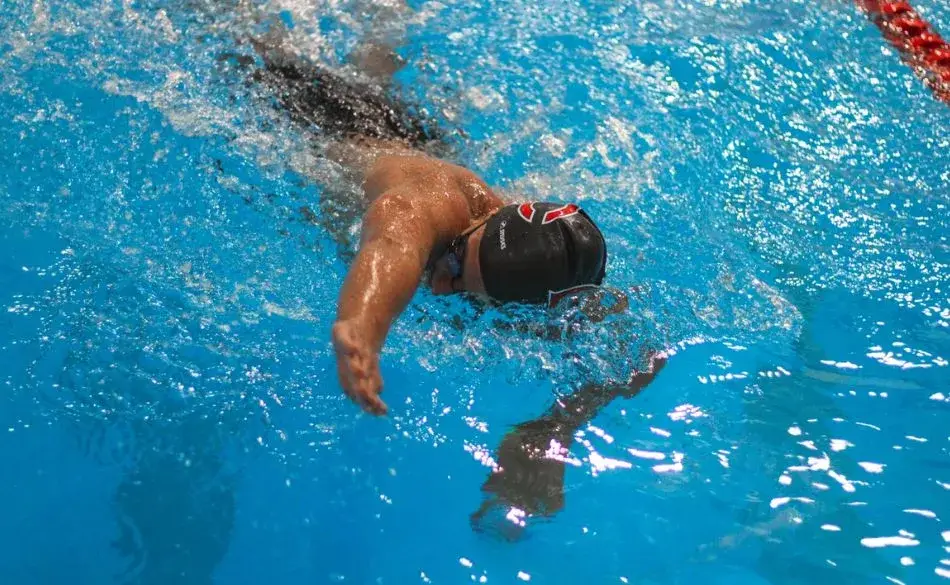
Race morning can feel intense, especially when you’re new to triathlon. There’s movement everywhere, volunteers giving directions, and athletes preparing in their own way. A clear routine helps you stay calm instead of getting caught up in the noise. This is where learning how to set up your triathlon transition area and practising it beforehand really pays off. When you know exactly what to do, the morning flows smoothly.
Start by arriving early. This gives you time to breathe, settle your nerves, and find your transition rack without rushing. Walk the path from the swim exit to your bike and then toward bike out. Doing this once or twice helps your brain remember the route, even when your heart rate is high later. Most beginners skip this step, and it often leads to confusion after the swim.
Next, check your gear in order. Make sure your helmet straps are open, your bike shoes are positioned the way you like them, and your running gear is simple and easy to grab. This is the moment to remove anything that feels unnecessary. Fewer decisions always create a faster transition. Think of it as cleaning your workspace before the race even starts.
Then, stand back and look at your setup from one step away. Ask yourself, “If I’m tired and moving fast, can I still see what comes next?” This simple check gives you confidence that everything is right where it needs to be. It also reinforces the routine you’ve been practising at home.
Finally, visualise each transition once. Picture yourself coming out of the water, reaching your bike, putting on your helmet, and heading out. Do the same for T2. Visualisation helps you stay calm because your brain recognises the sequence before it happens. It turns a stressful moment into something familiar and manageable.
For a full gear, transition and race-day list to help you arrive calm and ready, check out this Your Ultimate Triathlon Checklist and tick off everything before the start.
If you’re working toward a 70.3 and want a plan that keeps things simple and manageable, the Half Ironman Triathlon Training Plans from SportCoaching offer clear guidance and sessions that fit realistically into a busy week.
Each plan gives you structure you can rely on, flexibility when life gets unpredictable, and steady progress that helps you feel prepared for every part of race day—not just the training, but the transitions too.
Explore 70.3 Training Plans

How to Build a Simple Transition Strategy Based on Your Strengths
Every athlete brings a different mix of strengths to a triathlon. Some feel confident in the swim, others rely on the bike, and many first-time racers find their rhythm during the run. Building a transition strategy around your strengths helps you perform better without adding stress. It also makes your routine feel more natural, because you’re playing to what you already do well. This is where understanding triathlon tips for first time racers becomes useful. When you know your strengths, you can shape transitions that work for you instead of copying what others do.
If you’re a stronger swimmer, your focus in T1 should be clarity and calmness. Because you’re exiting the water earlier than many athletes, the transition zone may feel quieter. This gives you space to move with purpose. Your main goal is not to rush but to stay steady so you don’t undo the advantage you’ve earned. A simple, well-organised setup helps you hold that positive momentum.
If the bike is your strongest leg, you can use T1 to prepare for a confident start on the road. Make sure your helmet and shoes are positioned so you can grab them without hesitation. Smoothness matters more than speed, because a clean mount leads to better early pacing. This is especially true for new athletes learning how to get faster at triathlon transitions without feeling rushed.
If running is where you shine, T2 becomes even more important. Think of it as your chance to shift into your strongest gear. When you move from bike to run, your legs may feel heavy at first, but your confidence grows as soon as you find your rhythm. A simple, predictable T2 helps you get into that rhythm sooner. This is why practicing how to switch from bike to run smoothly is so valuable.
No matter your strengths, the best transition strategy is one that feels natural and repeatable. When your routine matches your abilities, everything flows with less effort. And on race day, that ease becomes a real advantage.


Your Transitions Can Become the Easiest Part of Your Race
Your first triathlon transition doesn’t have to feel stressful or confusing. When you practise the small skills, learn what to expect, and keep your setup simple, everything becomes easier. You don’t need to be the fastest swimmer, strongest cyclist, or most experienced runner to move smoothly through T1 and T2. You only need a routine that matches your strengths and gives you confidence. As you’ve seen in this guide, transitions aren’t about being perfect. They’re about being prepared.
Every athlete you’ll stand next to on race morning has felt the same nerves you feel now. The difference between overwhelmed beginners and calm racers is that calm racers rely on simple habits. They know where their gear is. They know what comes next. They trust the practice they’ve done at home. That’s what gives them steady hands and clear focus, even when everything around them feels busy.
Remember how my client Noah passed six athletes in T1 during his first sprint triathlon? He didn’t do it because he was faster. He did it because he kept things simple and followed the routine he practised.
As you prepare for your race, keep asking yourself what feels natural. Build a strategy around your strengths. Practise often, but keep each session short and focused. Trust the feeling of smoothness more than the idea of speed. And most of all, enjoy the process. Transitions are just another part of the adventure, another chance to learn, and another moment where you can surprise yourself.