
Why Exercise Can Interfere With Sleep Even When You Feel Physically Tired
It seems logical that a hard workout should knock you out at night. You’ve used energy, stressed muscles, and pushed your system, so sleep should come easily. But the body doesn’t work on simple logic. From a physiological point of view, training is a controlled stress event, and stress activates systems designed to keep you alert, not relaxed.
During exercise, especially moderate to high intensity work, your sympathetic nervous system ramps up. This is the “on” side of the nervous system. Heart rate rises, breathing becomes faster, and stress hormones like adrenaline and cortisol increase. These changes are useful during training, but they don’t switch off the moment you stop moving. For some athletes, especially endurance athletes doing long or hard sessions, these signals can stay elevated well into the evening.
Body temperature also plays a role. Core temperature increases during exercise and can take several hours to return to baseline. Sleep onset is closely tied to a gradual drop in core temperature. If your body is still running warm late at night, falling asleep becomes harder, even if you feel exhausted.
Fueling patterns add another layer. Low energy availability, under-fueling during the day, or finishing sessions in a depleted state can disrupt blood sugar regulation overnight. This can lead to restless sleep, early waking, or a racing mind despite physical fatigue.
One athlete I coached experienced this during a peak triathlon block. His sessions were well planned, but evening rides combined with late dinners meant his nervous system stayed switched on. Once we shifted harder work earlier in the day and improved post-session recovery habits, sleep improved without reducing training load.
The key point is that poor sleep after training isn’t a sign of weakness or poor fitness. It’s usually a signal that timing, intensity, or recovery needs small adjustments rather than a complete overhaul.
If you regularly struggle with poor sleep after workouts, it’s often a sign that training load, timing, and recovery aren’t fully aligned. Our Running Coaching helps you structure sessions in a way that supports performance without keeping your nervous system switched on at night.
Your coach works with you to balance intensity, weekly load, and recovery habits so your body can adapt to training stress and still settle properly when it’s time to sleep.
With experienced guidance, you stop guessing, reduce training-related sleep disruption, and build consistency without feeling wired or restless at bedtime.
Learn More →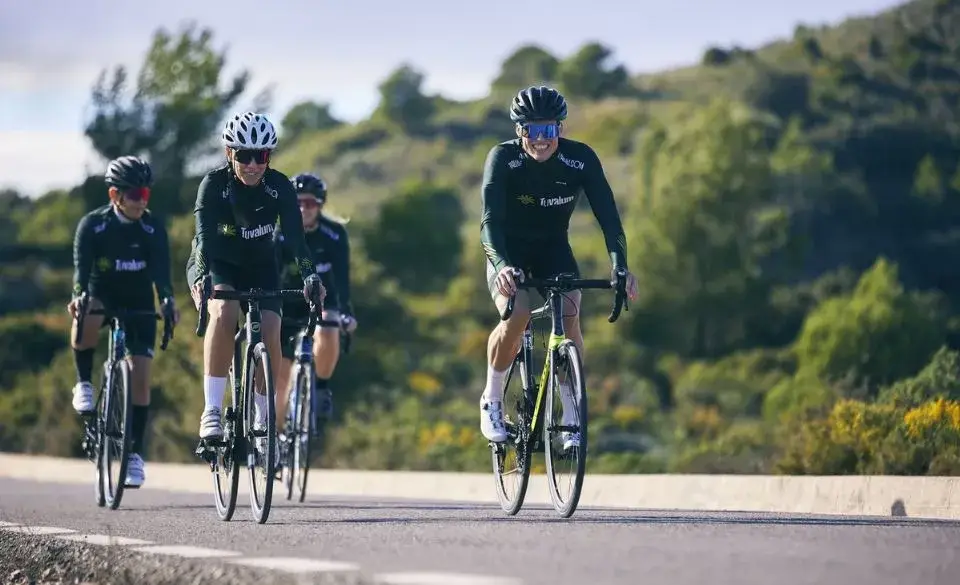

How Training Intensity and Timing Shape Your Ability to Fall Asleep
Not all workouts affect sleep the same way. Two sessions with the same duration can have very different effects depending on intensity and when they happen. This is one of the most common patterns I see with endurance athletes who report sleep issues during training blocks.
Higher-intensity work places a greater load on the nervous system. Intervals, threshold efforts, hard group rides, and race-pace sessions all increase adrenaline and cortisol more than easy aerobic work. These hormones help you perform, but they also delay the body’s ability to shift into a relaxed state. If a demanding session finishes late in the day, your nervous system may still be in a heightened state when you try to sleep, even if your muscles feel tired.
Timing matters just as much as intensity. Morning and early afternoon training usually aligns better with natural circadian rhythms. Cortisol is naturally higher earlier in the day, and body temperature rises and falls in a pattern that supports nighttime sleep. When hard training is pushed into the evening, especially after a full workday, the body receives mixed signals. You’re asking it to recover while also telling it to stay alert. This aligns with research on exercise timing and sleep quality from Harvard Health Publishing, which notes that late high-intensity exercise can delay sleep onset for some people.
This does not mean evening training is always a problem. Many athletes train after work and sleep well. The issue tends to appear when intensity, duration, and timing all stack together. A short, easy run or ride in the evening often has little effect on sleep. A long or intense session, combined with late meals and limited wind-down time, is more likely to interfere.
Another factor is cumulative load. During heavy weeks, even moderate sessions can feel stimulating because the nervous system never fully settles. Athletes often assume the last workout of the day is the problem, when in reality it is the total stress across the week.
Understanding these patterns helps you make small, effective changes. Shifting harder sessions earlier, keeping evening training truly easy, or building in a longer buffer between training and bedtime often improves sleep without reducing overall training quality.


What Your Heart Rate at Night Can Tell You About Recovery and Sleep Disruption
A lot of endurance athletes notice the same thing when they can’t sleep after training. They lie down, they feel tired, but their body does not feel calm. Sometimes the heart feels like it is beating harder than normal. Sometimes it is not fast, but it feels “busy.” This is one of the most useful clues you can pay attention to, because nighttime heart behaviour often reflects what your recovery system is doing.
After harder sessions, it is normal for heart rate variability to drop and resting heart rate to rise slightly for a short period. That is part of the adaptation process. But when your heart rate stays elevated late into the evening, it can be a sign that the sympathetic nervous system is still driving. In simple terms, your body still thinks it needs to be switched on.
There are a few common reasons this happens. One is that the session intensity was high enough to keep stress hormones elevated for hours. Another is dehydration or electrolyte imbalance, which can make the cardiovascular system work harder even when you are resting. Under-fueling is also a big one. If you finish a session and do not replace enough carbohydrate or overall energy, blood sugar can dip later at night. When that happens, the body often responds by releasing more stress hormones to stabilise things. That response can wake you up or make it hard to fall asleep.
Heat load matters as well. If you trained in warm conditions, wore extra layers, or did indoor sessions with limited airflow, your body may still be shedding heat long after the workout. Cooling down is not just about comfort. It is part of the shift into sleep mode.
If you track heart rate, you can use simple patterns rather than overthinking the numbers. A heart rate that stays noticeably higher than your normal evening baseline, especially alongside restlessness or light sleep, often points to incomplete recovery inputs rather than a mysterious sleep problem. It usually improves when you tighten up hydration, post-session fueling, and the time gap between training and bed.


How Food and Hydration After Training Can Make Sleep Better or Worse
When sleep breaks down after training, most athletes look first at the workout itself. That makes sense, but in practice, the hours after the session often matter just as much. What you eat and drink post-workout can either help the body settle or keep it working through the night.
The first issue is simple energy replacement. Endurance sessions, especially long runs, rides, or brick workouts, use a lot of carbohydrate. If you do not replace enough, the body may struggle to keep blood sugar steady overnight. You might fall asleep but wake up early with a wired feeling. This is not always hunger. It can feel like restlessness, light sleep, or a mind that will not switch off. The body may increase stress hormone output to protect blood sugar, and that can interfere with sleep depth.
The second issue is timing. A large meal very late at night can also disrupt sleep, not because food is bad, but because digestion is active work. Heavy meals close to bed can increase body temperature, raise heart rate slightly, and cause reflux or stomach discomfort. That combination makes it harder to drift off. Athletes sometimes swing between two extremes, either under-eating after training or eating the biggest meal of the day right before bed. Both can create sleep problems.
Hydration is similar. If you finish training dehydrated, your heart rate can stay elevated and recovery can feel unsettled. But over-drinking right before bed can also disrupt sleep through repeated bathroom trips. The goal is to rehydrate steadily over the afternoon and evening, not to “catch up” in the last hour.
For most endurance athletes, the most sleep-friendly approach is a balanced recovery meal soon after training, then a lighter evening meal if needed. This gives your body the fuel it needs without leaving digestion as the main overnight task. A small pre-bed snack can help some athletes, especially if training volume is high, but it should be simple, familiar, and easy to digest.
Food and hydration are not magic fixes, but they are often the easiest levers to adjust. When they are aligned, the nervous system tends to settle faster, and sleep becomes more predictable.
If cycling sessions regularly leave you feeling wired at night or struggling to sleep, it’s often a sign that intensity, timing, or weekly load need better balance. Our Cycling Coaching helps you structure rides so fitness improves without pushing your recovery system too far.
Your coach works with you to manage session intensity, training volume, and recovery days so hard rides build endurance and power without keeping your nervous system switched on at night.
With personalised guidance, you stop guessing, reduce sleep disruption linked to training stress, and ride more consistently week to week.
Learn More →

When Evening Workouts Are Fine and When They Tend to Cause Sleep Problems
Evening training is not automatically a bad idea. Many endurance athletes work full-time, have family commitments, and simply can’t train in the morning. Plenty of people run or ride after work and sleep well. The problem usually shows up when the session is too stimulating for the time available before bed.
The workouts most likely to interfere with sleep are hard interval sessions, threshold work, races, and long sessions that finish late. These sessions keep the nervous system activated and can leave you feeling alert even when your legs are tired. If you finish at 8:30pm, eat at 9:00pm, shower, check messages, and then try to sleep at 10:30pm, the body may not have enough time to downshift. This is especially true if the session was indoors, in warm conditions, or mentally demanding like a hard group ride.
In contrast, easy aerobic sessions often sit well in the evening. A relaxed jog, steady spin, or technique-focused swim can help some athletes transition out of the workday. It can even reduce stress and make sleep easier, as long as the intensity stays controlled. The key is that “easy” needs to be genuinely easy, not a disguised tempo session. For cyclists, intensity matters far more than timing, which we explore in more detail in our article on whether cycling before sleeping is good or bad for sleep.
A useful coaching rule is to look at your buffer. The closer you train to bedtime, the more the session should lean toward low intensity and shorter duration. If you only have one hour between finishing training and going to bed, keep the session light. If you have three to four hours, you have more room to include moderate work, but hard efforts can still be risky for some athletes.
It also helps to separate what you can control from what you can’t. If evenings are your only option, the goal is not to eliminate evening training. It is to plan the week so the most demanding sessions land on days where you can train earlier, and the late sessions stay supportive rather than disruptive.
This approach keeps training consistent, protects sleep, and reduces the cycle where poor sleep leads to worse training, and worse training leads to more sleep disruption.


Common Post Workout Sleep Patterns and What They Usually Mean
When athletes tell me they “can’t sleep after training,” it helps to get specific, because sleep disruption tends to follow a few repeatable patterns. The pattern matters because it hints at the likely cause. You do not need a lab test to learn something useful here. You just need to notice what type of night you are having and what training and recovery looked like in the hours before it.
The most common post-workout sleep patterns I see include:
- Delayed sleep onset: You get into bed feeling tired but cannot drift off. Your thoughts feel active and your body feels switched on. This often links to late high-intensity training, short wind-down time, caffeine timing, or excess screen exposure. Heat load can also play a role if core temperature has not dropped enough.
- Waking after two to four hours: You fall asleep easily but wake up suddenly and feel wide awake around 1:00am or 2:00am. This pattern is commonly associated with under-fueling after long or hard sessions, overnight blood sugar dips, dehydration, or accumulated stress.
- Light, restless sleep: Sleep happens, but it feels shallow with frequent waking. This is common during peak training weeks when overall load is high, even if no single session feels extreme. Athletes often notice higher resting heart rate, vivid dreams, or earlier-than-normal waking.
- Frequent bathroom trips: Waking multiple times to pee can result from pushing hydration too late in the evening or from large electrolyte and fluid shifts after heavy sweating. Alcohol, even in small amounts, can worsen this pattern.
These patterns often overlap, and none of them mean you are doing something wrong. They simply point toward different recovery levers. Once you recognise your dominant pattern, you can adjust training timing, fueling, cooling, and evening routines in a way that fits your real life and training goals.


Common Causes of Poor Sleep After Training and What Helps
The fastest way to improve sleep is to stop guessing. Most athletes try random changes, like magnesium one night, a warm shower the next, then cutting carbs, then adding carbs. The issue is that sleep disruption after training usually has a specific driver, and the fix needs to match that driver. The table below is a practical reference I use with endurance athletes because it links the most common “what I feel at night” problems with the most likely training or recovery cause, and then the simplest adjustment to try first.
A few notes before you use it. First, more than one cause can apply at the same time. A late interval session plus under-fueling plus a warm bedroom will stack together. Second, you do not need to do everything on the list. Pick one lever, test it for a few sessions, and see what changes. Third, if sleep disruption is new, severe, or paired with other symptoms like chest pain, dizziness, or panic-like sensations, it is worth checking in with a qualified health professional. Most of the time, though, this is about stress balance and recovery timing, not a dangerous problem.
Use the “first adjustment” column as your starting point. It is designed to be realistic. It focuses on changes you can make quickly without needing expensive tools or perfect routines. If the first adjustment helps but does not fully solve it, you can add the next step. If it does nothing after a few attempts, move to a different row and look for a better match to your pattern.
👉 Swipe to view full table
| Category | Morning Training | Evening Training |
|---|---|---|
| Nervous System Load | Stress hormones rise earlier in the day and have more time to settle before bedtime. | Adrenaline and cortisol may still be elevated close to sleep, especially after hard sessions. |
| Body Temperature | Core temperature peaks earlier and naturally drops in the evening, supporting sleep onset. | Body may still be shedding heat at bedtime, making it harder to fall asleep. |
| Heart Rate at Night | Heart rate usually returns to baseline well before sleep. | Heart rate may remain elevated, contributing to a “wired but tired” feeling. |
| Fueling Window | Plenty of time to refuel and stabilise blood sugar before bed. | Risk of under-fueling or very late heavy meals that disrupt digestion and sleep. |
| Sleep Quality | Often supports deeper, more consistent sleep patterns. | Late intense sessions may delay sleep onset or cause lighter, broken sleep. |
| Best Fit | Key intensity sessions, long workouts, or athletes sensitive to sleep disruption. | Short, easy sessions or athletes who allow enough time to wind down before bed. |
If early mornings, hard sessions, and stacked triathlon training leave you wired at night, it can be a sign that intensity, timing, or recovery aren’t fully balanced. Our Triathlon Coaching helps you structure swim, bike, and run sessions so performance improves without overwhelming your recovery system.
Your coach works with you to manage weekly load, session sequencing, and rest windows so that hard work builds fitness and your nervous system has time to settle before sleep.
With personalised triathlon guidance, you reduce common training-related sleep disruption and build consistency across all three sports without burning out.
Learn More →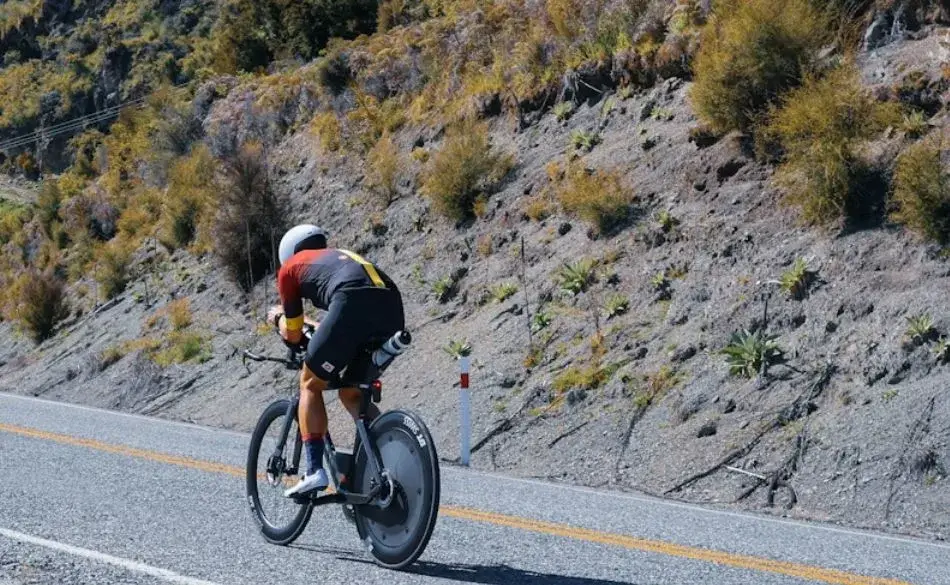

How Weekly Training Load Builds Sleep Debt Without You Noticing
Sleep problems after workouts are not always caused by a single session. In many cases, they develop quietly over the course of a week or two as training load accumulates. This is one of the easiest patterns to miss because each individual workout feels manageable, yet sleep quality keeps sliding.
As weekly volume or intensity increases, the nervous system spends more time in a heightened state. Even easy sessions require recovery when they stack together. If there is little variation between days, the body never fully drops into a deep recovery mode. Sleep may still happen, but it becomes lighter and less restorative. Athletes often describe this as sleeping “enough hours” but waking up feeling flat.
This effect is common during build phases and peak weeks. The training plan may be sound, but life stress, work demands, and family responsibilities add to the total load. The body does not separate training stress from non-training stress. It responds to the sum of everything. When that total stress crosses a certain threshold, sleep is often the first system to show strain, and it can be an early warning sign of broader fatigue patterns linked to overtraining symptoms in runners, cyclists, and triathletes.
Another sign of load-related sleep debt is inconsistency. One night you sleep well, the next night you don’t. This usually reflects small daily differences in intensity, duration, or recovery timing rather than randomness. Athletes often try to fix the bad nights instead of looking at the pattern across the week.
The solution here is rarely to stop training. More often, it is about restoring contrast. This might mean making easy days genuinely easy, protecting one or two lower-load days each week, or slightly reducing volume for a few sessions rather than pushing through. Practical approaches to managing this balance are outlined in our guide on how to avoid overtraining while preparing for a half marathon.
When sleep improves after a modest load adjustment, it confirms the issue was not motivation or discipline. It was recovery balance. Paying attention to weekly patterns rather than isolated nights helps you keep progressing without slowly digging a hole that takes weeks to climb out of.


Practical Ways to Support Better Sleep Without Changing Your Training Goals
Once you understand why training affects sleep, the goal becomes practical adjustment rather than restriction. Most athletes do not need to train less. They need to train with slightly better spacing, recovery, and boundaries so the body can shift from effort to rest more smoothly.
The most effective adjustments tend to be simple and repeatable:
- Protect a wind-down window: This is the time between finishing training and going to bed where stimulation steadily decreases. Avoid stacking stressors like hard training, rushed meals, bright screens, and work tasks back-to-back. A calmer transition helps signal that the day is ending.
- Support cooling after sessions: A gradual cool-down, a lukewarm shower instead of a hot one, and a slightly cooler bedroom all help core temperature drop. This is especially important after indoor sessions or warm-weather training. For athletes exploring structured cooling-based recovery, our plunge recovery guide for runners, cyclists, and triathletes explains when cold-water approaches may be useful.
- Keep sleep timing consistent: Going to bed and waking up at similar times trains your circadian rhythm just like training trains your muscles. Large daily swings in sleep timing make it harder for the body to predict when recovery should happen.
- Fuel and hydrate earlier rather than later: Eating enough earlier in the evening and spreading fluids across the afternoon reduces the need for heavy digestion or excess fluid close to bedtime.
These changes do not need to be perfect to work. Small improvements applied consistently tend to have a bigger impact than occasional ideal nights.
It is also important to keep perspective. A few poor nights during a heavy training block are not a failure. They are feedback. When sleep disruption becomes frequent, adjusting early helps prevent it from spilling into mood, motivation, and performance.
Sleep does not need to be perfect to support training. It just needs to be predictable enough that recovery keeps pace with the work you are doing.


When Sleep Problems Are a Normal Training Response and When They Deserve Closer Attention
Not every disrupted night means something is wrong. Endurance training asks the body to adapt, and adaptation comes with short-term trade-offs. During heavier weeks, it is normal to see brief changes in sleep depth, vivid dreams, or slightly earlier waking. These usually settle once load eases, intensity rotates, or recovery inputs improve. The key is duration and direction. If sleep disturbance appears for a few nights and then resolves with small adjustments, it is likely a normal response to stress.
Where athletes run into trouble is when poor sleep becomes persistent or escalates. Patterns to watch include trouble sleeping after a workout that lasts for weeks, rising anxiety around bedtime, consistently elevated nighttime heart rate, or sleep that keeps worsening despite sensible changes to timing, fueling, and cooling. When sleep stops rebounding on lighter days, it suggests the total stress load is staying too high.
Context matters. Big life changes, illness, travel, or sustained work pressure can tip the balance even if training looks reasonable on paper. The body responds to total stress, not just kilometres or watts. This is especially relevant when athletes are deliberately increasing volume or duration, where structured progression (like the approaches outlined in our guide on how to increase endurance in cycling) helps fitness improve without overwhelming recovery.
In these cases, the fix is rarely extreme. Often it is a short reduction in load, a clearer separation between hard and easy days, or restoring one truly low-stress day each week.
There are also times when it is appropriate to look beyond training. If sleep disruption is paired with symptoms such as chest pain, dizziness, unexplained shortness of breath, panic-like sensations, or significant mood changes, it is important to seek medical advice. Likewise, loud snoring, breathing pauses, or persistent daytime sleepiness can point to sleep disorders unrelated to training.
Most endurance athletes do not need supplements, gadgets, or drastic routines to sleep well. They need awareness. If sleep responds to small, sensible changes, training is likely the main driver. If it does not, that is useful information. Paying attention early helps prevent a slow slide from manageable fatigue into chronic stress that is harder to unwind.

Bringing Training and Sleep Back Into Balance
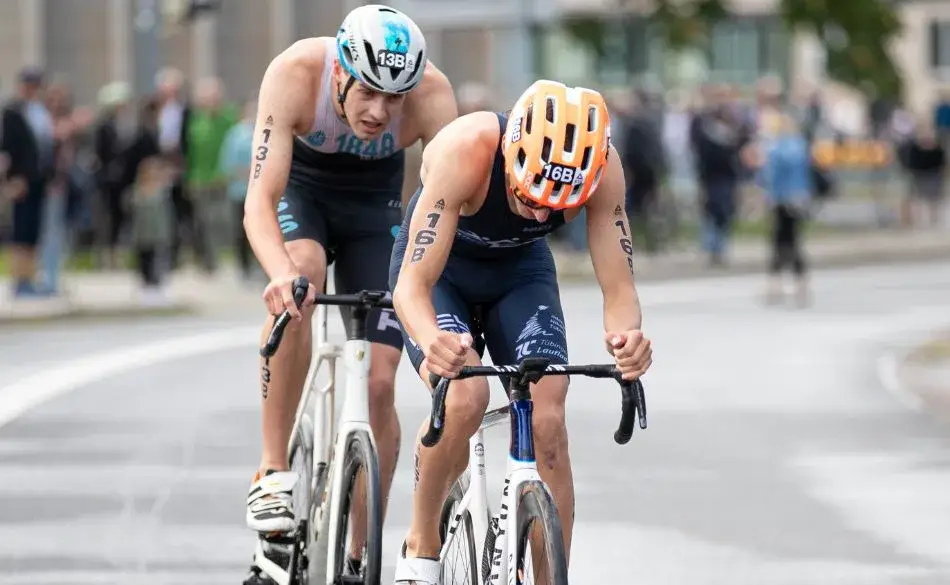
Trouble sleeping after a workout is rarely random. For runners, cyclists, and triathletes, it usually reflects how training stress, timing, fueling, and recovery are interacting. Hard or late sessions, stacked weekly load, under-fueling, heat, and short wind-down windows can all keep the body switched on when it needs to settle. The solution is not to avoid training, but to align it better with how the body transitions into rest.
Most improvements come from small, practical adjustments made consistently rather than dramatic changes. Paying attention to patterns across days and weeks matters more than chasing a perfect night. When sleep improves with sensible tweaks, it confirms recovery is keeping pace. When it does not, it is a signal to step back and reassess. Treating sleep as part of the training process helps keep progress steady, sustainable, and healthy over the long term.