Why Walking a Half Marathon Is More Achievable Than You Think
Walking a half marathon sounds huge at first. Thirteen-point-one miles can feel like a number only runners aim for, but the truth is very different. Your body is built for long, steady movement. When you give it regular practice, the distance becomes far less intimidating than it seems on paper. Many of the people I coach start with only a few miles each week, and they’re still able to build toward this goal with calm, steady progress.
One of the first questions people ask is, “Can anyone really do this?” Yes, most people can, because walking places far less strain on your joints than running. That’s why a walking half marathon training plan for beginners works so well. With simple weekly structure, you improve your endurance bit by bit. You also learn how to stay consistent without pushing too hard.
Another common question is how long the training should take. The answer depends on your current fitness, but many beginners succeed with eight to twelve weeks of focused walking. If you’ve been active recently, you might progress faster. If you’re just getting started, giving yourself extra time is smart. This is where a clear plan helps you avoid setbacks and enjoy your sessions rather than rushing them.
You may wonder why distance walking feels smoother over time. Your body adapts in three key ways. Your muscles learn to support steady pacing. Your breathing becomes more relaxed. Your mind becomes comfortable with being on your feet for longer periods. These shifts create confidence and rhythm, two things that matter more than speed.
As you move forward, remember this simple truth. You don’t need perfection. You only need consistency. Every mile teaches you something. Every walk brings you closer. And every step builds trust that walking a half marathon is not just doable, it’s something you’re fully capable of achieving.


How Long Should You Train Before Walking a Half Marathon
Walking a half marathon takes preparation, but the timeline is more flexible than most people think. Many beginners assume they need months of intense effort, yet a balanced plan often fits smoothly into your life. The most common question is how long you should train before feeling ready. For many people, eight to twelve weeks is enough time to build steady endurance without feeling rushed.
A key part of planning is understanding your starting point. If you already walk a few miles each week, your body is familiar with steady movement. You can slowly extend your distance while keeping the effort comfortable. If you’re new to walking for exercise, adding time gently helps you avoid sore feet and early fatigue. This is where knowing how long to train for a half marathon walk becomes helpful. You want enough time for your joints, muscles, and confidence to adapt.
One of my coaching clients once started her plan with only short walks. She felt unsure at first, wondering whether she could ever cover 13.1 miles. But with patient progression and steady pacing, she surprised herself. By week ten, she completed a long walk of ten miles and smiled the entire last stretch. Her story shows how progress feels when you don’t force it. Your path can look just as steady if you give yourself space to grow.
Your weekly structure should include one longer walk that slowly increases in time. This helps your body learn the rhythm of extended effort. Shorter, easier walks during the week support recovery and keep your legs fresh. Over time, your long walk may approach the distance of the event, or you may simply build close to it. Either method works because the real goal is confidence, not perfection.
When you follow a plan that suits your lifestyle, walking a half marathon becomes far more realistic. You’ll feel prepared, calm, and able to enjoy the challenge instead of worrying about the distance.

What Is a Realistic Time for Walking a Half Marathon
One of the biggest worries people have is how long the event will take. You might wonder if you will be out on the course “too long” or if everyone else will finish far ahead of you. The truth is that there is a wide range of normal, and you will not be alone at your pace.
A common guide for the average half marathon walking time is between 3 and 4 hours. This assumes a steady pace of about 14 to 18 minutes per mile (about 8.7 to 11.2 minutes per kilometre). Some walkers move faster. Some take a bit longer. Race cutoff times usually allow for this range, so you have room to walk at a pace that feels safe and steady.
To find your own target, it helps to test your current speed. Go for a 30 to 45 minute walk at a comfortable but purposeful pace. Use a watch or app to track your pace per mile or per kilometer. Then ask yourself a simple question. Could you keep this pace up with short breaks for several hours?
Here is a simple way to think about different pace ranges:
- Around 14–15 minutes per mile (about 8.7–9.3 minutes per kilometre) is a brisk fitness walk.
- Around 16–17 minutes per mile (about 9.9–10.6 minutes per kilometre) is a strong but relaxed pace.
- Around 18–19 minutes per mile (about 11.2–11.8 minutes per kilometre) is a steady, beginner friendly pace.
Once you know your usual speed, you can start to learn how to pace a walking half marathon. The goal is not to surge early and fade hard. The goal is to settle into a pace that feels easy in the first miles and still manageable near the end. Think about it like turning a dial, not flipping a switch.
As you train, you will gain a better feel for your natural rhythm. Your time may improve, but more important, your effort will feel smoother. If you ever wonder how your walking pace compares to gentle running, you can explore this more through slow jogging vs fast walking which can help you understand how different speeds affect comfort and performance. A finish that feels strong and proud matters more than chasing someone else’s number on a clock.

Choosing The Right Gear To Stay Comfortable From Start To Finish
When you think about walking a half marathon, your gear can make the difference between a strong finish and a painful shuffle. The distance is long enough that small problems, like a rubbing seam or stiff shoe, can turn into big issues by mile ten. The good news is that you don’t need fancy equipment. You just need smart choices that match your body and the course.
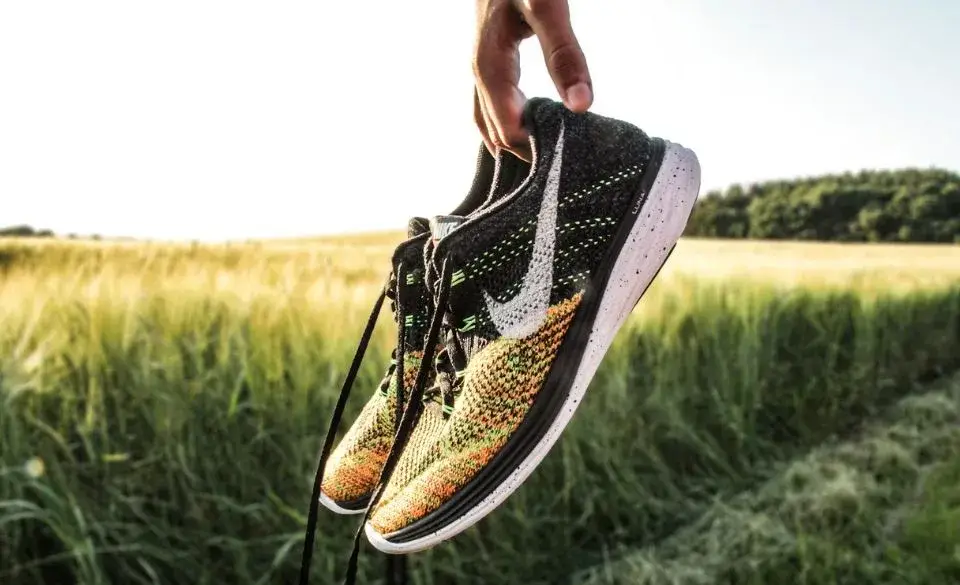
Your shoes are the most important piece. The best shoes for walking a half marathon are usually lightweight trainers with good cushioning and a flexible forefoot. You want enough support to keep your arches happy, but not so much stiffness that your toes can’t push off naturally. If you feel pressure on your toes or your heel slips when you walk quickly, that pair is not right for race day.
Socks matter more than most people think. Cotton holds sweat and increases friction, which raises your blister risk. Technical socks made from synthetic or wool blends help keep your feet drier and reduce rubbing over long distances. It may feel like a small switch, but it often leads to a huge jump in comfort. If you want to also support your posture and hip mobility (which matters a lot on long walks) you might check out The Samson Stretch Guide for an easy stretch routine that helps keep hips, back, and legs ready for many miles.
Clothing should feel light, breathable, and familiar. Race day is not the time to test brand-new shorts or shirts. Anything that chafes slightly on a short walk will likely become very annoying later. Before the event, try a full outfit on a longer training walk so you can fix any small issues early.
Here are some simple gear checks to make before your big day:
- Do your shoes feel comfortable at both slow and brisk walking speeds?
- Do your socks stay smooth inside your shoes with no bunching?
- Does your outfit stay comfortable when you swing your arms and walk quickly?
- Do you have an easy way to carry water and a small snack?
When your gear supports you instead of distracting you, you can focus on pacing, breathing, and enjoying the experience rather than worrying about your feet.

How to Pace Yourself for a Smooth and Confident Half Marathon Walk
Learning to pace yourself is one of the most important skills in walking a half marathon, and it’s something many beginners overlook. A steady pace helps you stay relaxed early, avoid fatigue late, and enjoy the full distance with confidence. Your goal is not to walk as fast as possible at the start. Your goal is to walk as evenly as possible from beginning to end.
One useful step is learning what your natural pace feels like. Go for a timed walk and pay attention to how your breathing and stride feel when you settle into a rhythm. This pace should feel smooth, almost automatic. Once you find that rhythm, you can build your event strategy around it. Many people are surprised to discover they can maintain a steady effort longer than expected once they avoid starting too quickly.
Training is also the perfect time to explore adjustments. You may feel stronger with a slightly quicker stride or more comfortable when you shorten it on hills. A pacing strategy should fit your body, not the other way around. This is especially helpful when you are learning how to pace a walking half marathon without stressing your joints.
Below is a simple pacing comparison to help you better understand how different speeds feel. This table is not about perfect numbers. It’s about learning how your body reacts at each level so you can choose a pace that feels sustainable on race day.
👉 Swipe to view full table
| Walking Pace | Minutes Per Mile | Minutes Per Kilometer | How It Usually Feels |
|---|---|---|---|
| Easy Pace | 18–19 | 11.2–11.8 | Comfortable, relaxed, good for warm-ups and recovery. |
| Moderate Pace | 16–17 | 9.9–10.6 | Steady, smooth, ideal for most of the event. |
| Brisk Pace | 14–15 | 8.7–9.3 | Strong walking effort, still sustainable with training. |
As your training grows, you’ll learn which pace helps you feel strong from start to finish. The more you practice, the easier it becomes to stay consistent and enjoy the journey. When pacing feels natural, the miles start to move underneath you in a smooth, steady rhythm.

Building Endurance Safely While Preparing for 13.1 Miles
When you start training for walking a half marathon, the biggest change you’ll notice is how your endurance grows week by week. You don’t need big jumps in distance to make progress. What you need is a steady plan that teaches your body how to stay relaxed over longer periods of walking. The goal is to increase your weekly volume gently so your muscles, joints, and energy systems strengthen without feeling overwhelmed.
One of the simplest ways to build endurance is to add a little more time to your longest weekly walk. Even ten extra minutes can make a big difference. Your body responds well to small, repeated increases because they improve your aerobic fitness without adding too much stress at once. Over several weeks, these tiny steps add up. You’ll notice that your breathing feels smoother and your legs stay comfortable for longer.
Part of this process is learning how many miles you should walk each week. While everyone is different, a helpful starting point is to build toward a weekly total that includes one long walk supported by two or three shorter sessions. When you follow this structure, you teach your body to recover well while still improving. This steady rhythm is what allows you to approach the event feeling prepared rather than guessing.
To help guide you, here are a few simple endurance-building tips you can follow during your training:
- Increase the length of your long walk slowly to support steady adaptation.
- Keep your easy walks at a relaxed pace that lets your legs recover.
- Listen for early signs of fatigue so you can adjust before soreness sets in.
- Use consistent weekly patterns so your body learns what to expect.
As your endurance improves, the idea of covering 13.1 miles will start to feel much more realistic. Each week gives you more confidence. Each walk teaches you something new about what your body can do, and you can explore even more helpful routines by visiting The Ultimate Guide to Walking Exercise Routines which expands on structured walking workouts. When you build slowly and consistently, you make race day feel not only possible but exciting.
Staying Strong On Race Day And Enjoying Every Mile
Race day for walking a half marathon has a feeling unlike any long walk you’ve done in training. The start line buzzes with excitement, and your nerves may feel sharper than usual. This is completely normal. The best thing you can do is trust the work you’ve already done and settle into the steady rhythm you practiced throughout your plan.
The early miles are all about patience. Many people rush out too fast because the crowd energy feels electric. But the simplest question you can ask yourself is, “How do I want to feel at mile ten?” If the answer is “steady and confident,” then you already know to begin at a pace that feels almost too easy. That small choice sets up the rest of your walk.
Fueling plays a quiet but important role in staying strong from start to finish. You don’t need large meals or heavy snacks during the event. What helps most is small, steady fueling that supports your energy without upsetting your stomach. Pair this with relaxed breathing and smooth posture, especially on hills, and your body will stay comfortable over the full 13.1 miles.
Here are a few simple ways to stay strong and focused during the event:
- Start slower than you think so your legs stay fresh later in the course.
- Take small sips of water at aid stations instead of large gulps.
- Eat a light snack or gel every 40–60 minutes to maintain energy.
- Shorten your stride on hills to keep breathing smooth and steady.
- Break the race into small sections so the distance feels manageable.
In the final miles, shift your focus from how tired you are to how far you’ve come. Each step is proof of the effort you’ve invested over weeks of preparation. Crossing the finish line is not just about the clock. It’s a celebration of your commitment, your patience, and your ability to move forward one step at a time.


Finishing Thoughts - Walking a Half Marathon With Confidence
Walking a half marathon is more than a fitness goal. It is a promise you make to yourself that you’ll keep showing up, one step at a time. By now, you’ve seen how training, pacing, gear, and mindset all work together. None of them need to be perfect. They just need to be good enough, repeated often, and adjusted when your body gives you feedback.
You might still wonder, “Will I really be able to do this on the day?” That doubt is normal. Almost everyone feels it at some point in their training. The answer is found in your everyday choices. Each walk you complete, each time you practice your pace, and each time you recover well, you’re proving to yourself that you can handle the distance.
It helps to think of your journey like building a strong path. Every training walk lays another stone. Some days feel smooth. Some feel heavy. Both belong in the process. What matters is that you keep laying stones in the same direction, toward that 13.1-mile finish line.
As race day approaches, try asking yourself a few simple questions. What kind of effort feels sustainable? How do you want to feel when you cross the line? Who are you doing this for? Your answers will help guide your choices about pacing, rest, and self-talk when things get challenging.
If walking a half marathon has been sitting in the back of your mind for a while, this is your sign. Start small, start gentle, but start. Your future self will be so glad you did.


Frequently Asked Questions (FAQ)
Can I walk a half marathon without training?
What pace should I walk to finish under 4 hours?
You’ll need to average about 11 minutes per kilometer or 18 minutes per mile to finish under 4 hours.
Is walking a half marathon good for weight loss?
Absolutely! You can burn between 900 to 1,500 calories depending on your weight and pace. Combined with healthy eating, it’s a great way to lose weight.