As an Amazon Associate, SportCoaching earns from qualifying purchases.










As an Amazon Associate, SportCoaching earns from qualifying purchases.
 Coach Graeme
Last updated:
Not sure where to start with training?
Tell us your goal and schedule, and we’ll give you clear direction.
No obligation. Quick, practical advice.
Explore our running training resources for more helpful articles and resources.
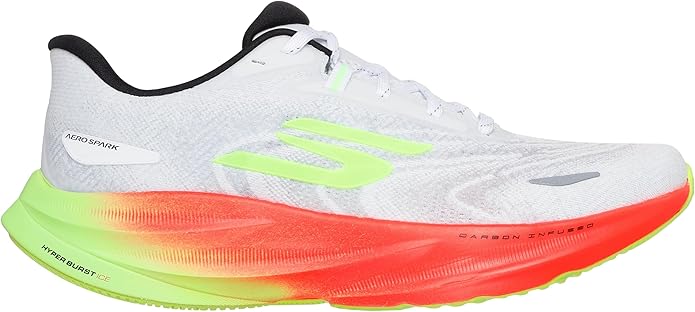
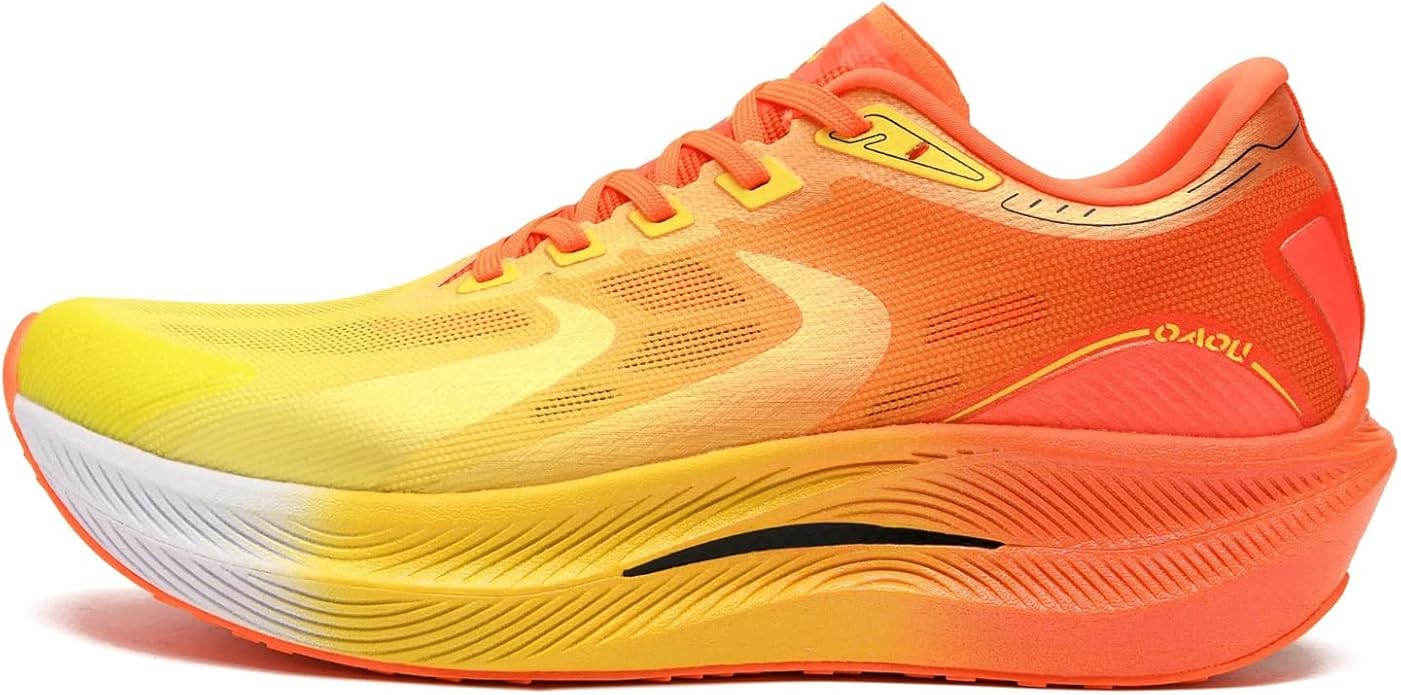
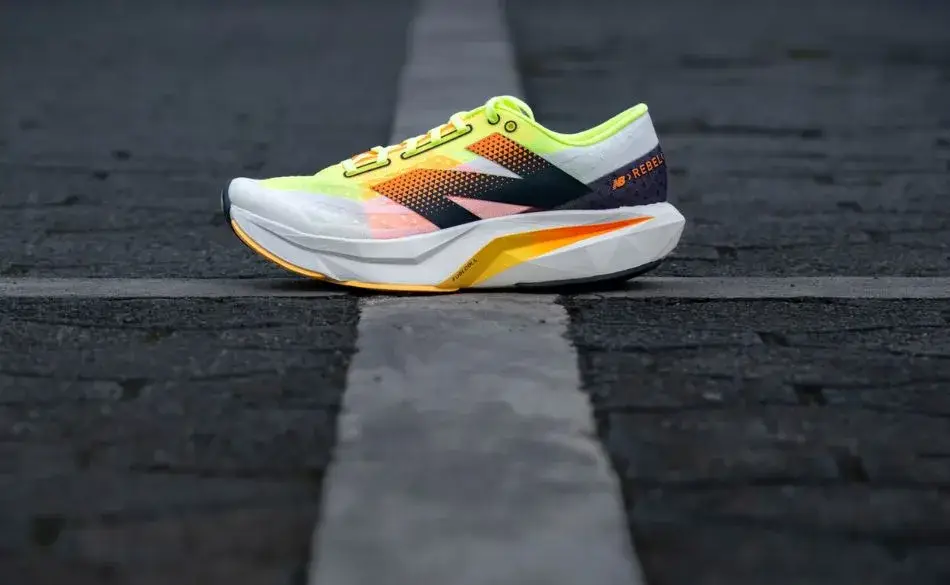
At the heart of carbon plate running shoes is a stiff plate embedded in the midsole. This plate works with lightweight foam to create a spring like effect. The design helps your foot roll forward more smoothly and reduces the energy lost with each step. Instead of your legs doing all the work, the plate and foam return some of the energy back to you.
Think of it like bending a diving board. When you push down, it loads with energy, then releases it to propel you forward. Carbon plated shoes act in a similar way during your stride. The result is improved running economy, meaning you can maintain a given pace with less effort.
Studies on running efficiency shoes, like the Nike Vaporfly and Adidas Adizero Pro, show improvements of 3–4% in running economy compared to traditional trainers. For long distance runners, that can translate to finishing minutes faster over a marathon. That is why you see them in almost every major race today.
It is not just about speed though. The reduced strain on your legs can also help with fatigue. Shoes with carbon plates lessen the pounding you feel after long miles, which is why many athletes save them for race day. However, they are not magic. You still need strong training and smart pacing to get the best results.
When considering shoes with a carbon plate, remember they perform best at faster paces. If you mostly run easy miles or use shoes for casual training, you may not notice as big of a benefit. This is why many runners own both a pair of everyday trainers and a pair of carbon plate racing shoes for key events.
Training alone can feel overwhelming, and it’s easy to get stuck in a routine that doesn’t bring results. Our Running Coaching gives you structure, accountability, and expert guidance to keep you moving forward.
Stop guessing and start training with confidence. Get coaching that helps you reach your goals step by step.
Start Personal Running Coaching →As an Amazon Associate, SportCoaching earns from qualifying purchases.
Not all carbon plate running shoes are built the same. Each brand has taken a slightly different approach, balancing lightweight foam, plate stiffness, and comfort. Some shoes, like the Nike Vaporfly, focus on maximum speed for the marathon. Others, such as the Hoka Rocket X or Saucony Endorphin Pro, aim to give runners a mix of cushioning and stability.
When you look at options, think about your racing goals. Are you aiming for a personal best in the marathon, or do you want a versatile trainer that feels responsive for shorter races too? Carbon plate shoes for running often differ in how aggressive the rocker shape feels, how soft the foam is underfoot, and how long the shoe will last before breaking down.
Here’s a quick comparison of some of the most popular models:
| Shoe Model | Best For | Key Features | Durability |
|---|---|---|---|
| Nike Vaporfly | Marathon racing | Soft foam, high energy return | 200–250 miles |
| Adidas Adizero Adios Pro | Half & full marathon | Energy rods + carbon plate feel | 250–300 miles |
| Saucony Endorphin Pro | Versatile racing | Balanced cushioning and stiffness | 250–300 miles |
| Hoka Rocket X | Training & racing | Stable ride with carbon plate | 300+ miles |
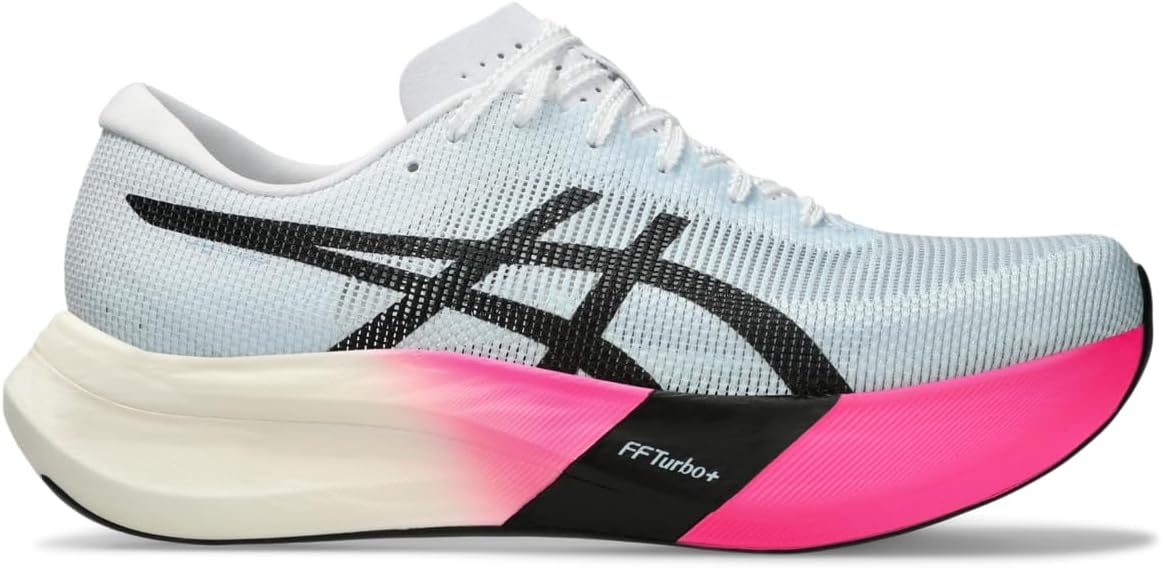
| Asics Metaspeed Sky | Fast marathon pace | Responsive foam, smooth rocker | 250–300 miles |
If you’re a beginner, a shoe like the Hoka carbon plate running shoes may feel more forgiving and stable. For experienced racers chasing seconds, the Nike Vaporfly or Asics Metaspeed Sky may deliver that extra edge. Always test fit and feel before buying, because small differences in shape can change your comfort over 26 miles.
Before you invest in a pair of carbon plate running shoes, it helps to weigh the benefits against the drawbacks. While they can transform your running experience, they aren’t perfect for everyone.
Pros
Cons
So, are carbon plate shoes worth it? The answer depends on your goals. If you’re chasing a personal best or racing frequently, they can give you a noticeable edge. On the other hand, if you’re just building fitness or logging easy training miles, a well-cushioned everyday trainer might serve you better.
When you view them as a performance tool rather than an everyday shoe, their value becomes clear. Many runners keep a pair of carbon plate racing shoes in their rotation for key events, while using standard trainers for most training runs. That balance saves money, keeps you comfortable, and still lets you enjoy the performance benefits when it matters most.
A common question runners ask is whether they should train daily in carbon plate running shoes or save them only for races. The answer depends on your goals, your budget, and how your body responds to them.
Most experts recommend using them primarily for specific key workouts. This is because the lightweight foams and carbon plates are designed for performance, not durability. Logging every mile in them can wear them out quickly, and at $200–$300 a pair, that adds up fast.
That doesn’t mean they have no place in training. Many competitive runners use them for:
For everyday running, it’s better to rely on a more durable trainer without a carbon plate. Shoes like Saucony Ride, Asics Novablast, or Hoka Clifton provide cushion and support at a lower price. Saving your carbon shoes for race day means they’ll feel fresher and give you the maximum energy return when it matters most.
Some runners wonder if using carbon plate shoes for training makes you depend on them. The reality is that training in a variety of shoes can help you stay strong and reduce injury risk. Mixing in traditional trainers improves muscle recruitment and stability, while still letting you benefit from carbon plates when performance is on the line.
If you’re new to distance running, consider starting with a regular trainer. As your mileage builds and your paces improve, you’ll notice a bigger benefit from carbon plates. Advanced runners chasing PRs, however, may benefit from incorporating them strategically into both training and racing.
Carbon plate running shoes are not one-size-fits-all. While they can provide incredible benefits, they are designed with certain runners in mind. Here’s a simple guide to help you decide if they’re right for you.
Best Suited For
Not Ideal For
If you’re still unsure, think about how often you race and at what distances. For shorter local 5Ks, they may be overkill. For half and full marathons, however, the payoff is usually greater. Many athletes keep a pair of carbon plate racing shoes specifically for events and key workouts, while relying on more affordable trainers for everyday running.
If you need extra support or have flat feet, see our guide to the best running shoes for flat feet for stable, everyday options that pair well with race day carbon shoes.
The evolution of carbon plate running shoes is far from over. Since Nike first launched the Vaporfly, every major brand has entered the race to build faster, lighter, and more efficient footwear. Current trends suggest that the next wave of designs will focus on fine-tuning the balance between speed, comfort, and durability.
One clear development is variety. Instead of only offering elite-level racers like the Nike Vaporfly or Adidas Adizero Adios Pro, brands now release different tiers. The Saucony Endorphin Speed, for example, uses a nylon plate rather than carbon, making it more affordable and durable for training. This means recreational runners now have access to some of the same benefits without the $250 price tag.
Another trend is customization. Companies are experimenting with tailoring carbon plate shoes to different running styles. The Asics Metaspeed Sky is designed for stride runners who cover more ground with each step, while the Asics Metaspeed Edge suits cadence runners who move with faster turnover. Expect more models that target biomechanics rather than a one-size-fits-all approach.
Durability improvements are also on the horizon. Early models wore out quickly, but new foams and outsole materials are extending shoe life. Runners may soon see carbon plate racing shoes that hold performance beyond 400 miles without losing responsiveness.
Finally, regulation continues to play a role. World Athletics currently limits stack height to 40 mm and allows only one plate, but brands push the boundary of innovation within these rules. See the full World Athletics Athletic Shoe Regulations for details. As materials improve, we’ll likely see lighter foams and smarter designs that deliver more rebound without breaking regulations.
In short, the future is bright. Whether you’re an elite marathoner or a recreational runner, the expanding range of carbon plate running shoes means there’s likely a pair built for your needs and budget.
One of the biggest questions runners face is are they worth the investment. With price tags often between $200–$300 USD (≈$310–$460 AUD), they sit at the very top of the running shoe market. For some, the performance benefits outweigh the cost. For others, the limited durability makes them harder to justify.
The main value comes from improved running economy and energy return. If you’re racing a marathon, shaving even 2–3 minutes off your time could feel priceless. Competitive runners often consider the expense part of their race preparation, much like an entry fee or a nutrition plan. For them, the payoff is clear.
But durability remains a drawback. Most carbon plate racing shoes are built for about 200–300 miles, which means they won’t last nearly as long as a pair of everyday trainers. This makes cost per mile much higher compared to shoes like the Asics Novablast or Saucony Ride, which often last 500 miles or more.
To stretch their value, many runners keep carbon shoes only for race day or select workouts. By rotating them with regular trainers, you preserve their responsiveness and still benefit when it counts most.
| Shoe Type | Average Cost (USD) | Average Cost (AUD) | Durability (Miles) | Cost per Mile |
|---|---|---|---|---|
| Carbon Plate Running Shoes | $200–$300 | $310–$460 | 200–300 | $0.80–$1.50 USD / $1.20–$2.30 AUD |
| Daily Trainers | $120–$160 | $185–$245 | 400–600 | $0.25–$0.40 USD / $0.40–$0.60 AUD |
This makes the decision more practical. If racing is your main focus, the higher cost per mile can be justified. If not, a strong daily trainer may give you more long-term value.
Following a random program often leads to frustration and plateaus. Our Running Weight Loss Plan gives you structure, accountability, and clear guidance to help you make steady progress.
Don’t leave your progress to chance. Follow a plan that’s designed to keep you moving forward with confidence.
View the Running Weight Loss Plan →Picking the right pair of carbon plate running shoes can feel overwhelming with so many models on the market. The good news is that you can narrow it down by focusing on your goals, your running style, and your budget.
The first step is to think about purpose. Are you buying shoes for marathon racing, or do you want a versatile option for training and shorter events? Race-only shoes like the Nike Vaporfly or Adidas Adizero Adios Pro deliver the most energy return, but they wear out faster. On the other hand, trainer-friendly models like the Saucony Endorphin Speed or Hoka carbon plate running shoes balance performance with durability.
Next, consider pace. Carbon plate shoes for running are most effective at faster speeds. If you run most of your miles at an easy pace, you might not feel a huge benefit until you pick up the tempo. This is why many runners save them for interval sessions, race simulations, and race day itself.
Fit and feel also matter. A high stack height gives extra bounce but may feel unstable for some. Softer foams feel springy, while firmer blends offer more control. Always try them at goal pace if possible, what feels smooth in a jog may feel very different when running faster.
Finally, weigh cost against durability. Most carbon plate racing shoes last 200–300 miles, so plan your mileage around key workouts and races. Pairing them with a reliable daily trainer helps you save their best miles for when performance counts.
In the end, the right choice depends on your running journey. Ask yourself: will these shoes help me train smarter, race faster, or simply enjoy the run more? If the answer is yes, then they’re worth the investment.
If you struggle with forefoot discomfort, it’s also worth checking our guide to the best running shoes for metatarsal pain for models that prioritize cushioning and support alongside performance.
Wondering how long your shoes will last once you’ve chosen the right pair? Check out our guide on when you should replace your running shoes to make sure you get the best performance without running in worn-down footwear.
Staying consistent with running isn’t always easy. Dips in motivation, risk of injury, and lack of structure can all slow your progress. Our Running Training Plans are designed to keep you focused, safe, and motivated while working toward your goals.
Take the guesswork out of training. Follow a plan that gives you direction, accountability, and lasting results.
Explore Training Plans →As an Amazon Associate, SportCoaching earns from qualifying purchases.
The rise of carbon plate running shoes has changed the way athletes approach training and racing. What started as an innovation for world record chasers is now available to everyday runners who want to feel faster and more efficient on the road. Still, the key to getting the most from these shoes is knowing when and how to use them.
If your main focus is everyday training or building fitness, a traditional trainer may be the smarter choice. These models last longer, cost less, and provide the stability you need for daily miles. But if you’re preparing for a key race and want every advantage, a pair of carbon plate racing shoes can give you that extra edge. The boost in running economy may not feel dramatic during an easy jog, but over 26 miles, those small savings add up to big results.
It’s also worth remembering that no shoe can replace consistent training, smart pacing, and good recovery. Think of carbon plate shoes as a tool, one that enhances your performance when you’re already prepared. The right model can help you run smoother, delay fatigue, and finish stronger, but the effort always comes from you.
Looking ahead, the options are only going to get better. From lighter foams to more durable designs, the next generation of carbon plate shoes will likely bring even more choices for runners at every level. Whether you’re chasing a marathon PR or just want to experience the latest technology, there’s a pair that can fit your needs.
So, what should you do before buying? Ask yourself how often you’ll race, what distances matter most, and whether the investment aligns with your goals.
Head Coach
Graeme has coached more than 750 athletes from 20 countries, from beginners to Olympians in cycling, running, triathlon, mountain biking, boxing, and skiing.
No matter your goals, SportCoaching offers tailored training plans to suit your needs. Whether you’re preparing for a race, tackling long distances, or simply improving your fitness, our expert coaches provide structured guidance to help you reach your full potential.
Smart, progressive training from 5km to marathon with weekly guidance.
What’s included
Browse upcoming Australian running, cycling, and triathlon events in one place. Filter by sport, check dates quickly, and plan your training around something real on the calendar.
Choose your plan to get started with personalized training plans designed to help you reach your goals.
Get consistent feedback, ongoing plan adjustments, and direct support from a coach who understands your training, your data, and your goals.
Prefer to chat? Talk with a coach now →


Minna Backman
When you’re new, feedback is especially important, and Graeme is highly skilled at both analyzing numbers and understanding the importance of mental strength.