Building a Strong Base with Endurance Training
Every road cyclist needs a foundation, and that foundation is base training. Think of it as the groundwork for all other methods of training. Without a solid endurance base, high-intensity sessions won’t deliver lasting improvements, and fatigue will hit earlier than expected.
Base training focuses on time spent in Zone 2 training, typically 65–75% of your maximum heart rate or around 55–70% of your FTP (Functional Threshold Power). Riding at this steady pace strengthens your aerobic system, teaching your body to burn fat efficiently while sparing glycogen. Over time, it improves cardiovascular fitness, muscular endurance, and your ability to recover between harder workouts.
Many cyclists skip this step because it feels “too easy.” But the science is clear (consistent low-intensity work builds the platform for higher performance). Riders who jump straight into intervals often see short-term gains but plateau quickly.
One of the athletes I coach, James, learned this lesson the hard way. He spent an entire winter hammering every ride. By spring, he was burnt out and frustrated. When we shifted his training to focus on long, steady endurance cycling, he not only regained fitness but went on to set a personal best in a 100-km event, feeling stronger in the final hour than he ever had before.
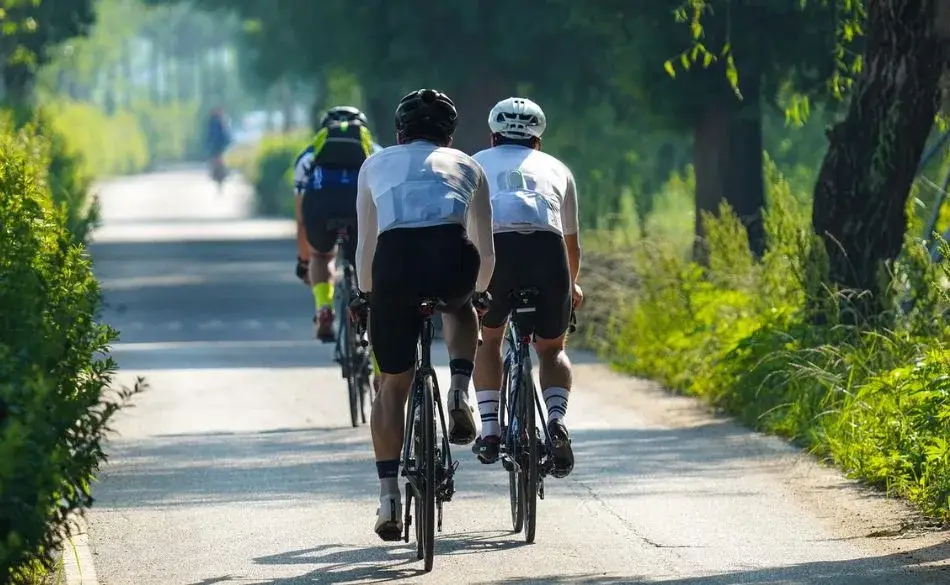
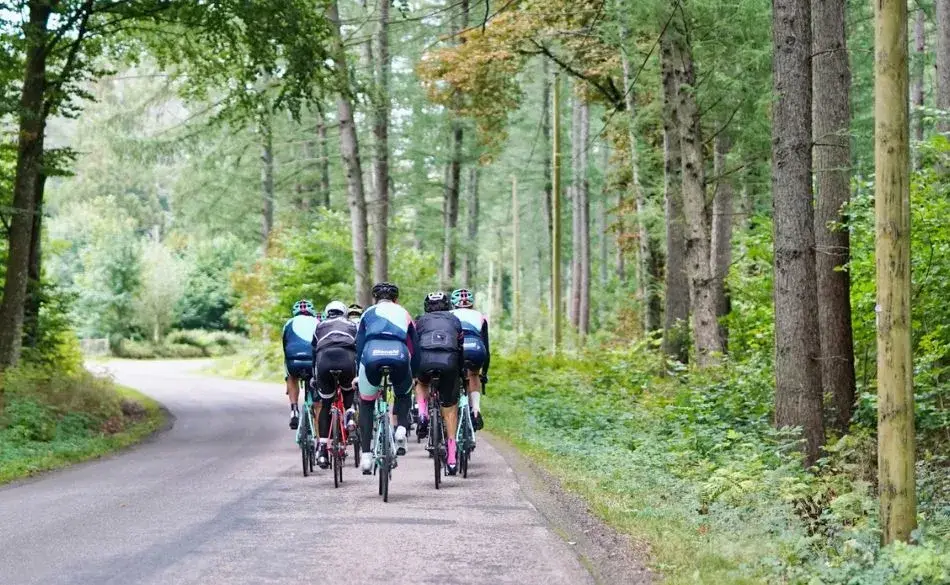
However not every base ride has to be solo. Group rides at an endurance pace keep motivation high, and when the weather turns bad, indoor cycling workouts on platforms like Zwift or Rouvy can help you hit your training zones consistently.
👉 Swipe to view full table
| Workout | Duration | Intensity | Purpose |
|---|---|---|---|
| Zone 2 Endurance Ride | 2–4 hours | 65–75% max HR / 55–70% FTP | Build aerobic base and fat utilization |
| Cadence Drills | 90 min | Low to moderate effort | Improve pedal efficiency and neuromuscular coordination |
| Tempo Ride | 90–120 min | 76–85% FTP | Bridge gap between endurance and threshold training |
| Endurance Group Ride | 2–3 hours | Endurance pace | Develop aerobic capacity while adding social motivation |
The key takeaway is simple: endurance training should make up the bulk of your early-season cycling training plan. It’s the “engine build” phase that allows every other training method to work. Skip it, and your performance ceiling will always be lower than it could be.


Interval Training: Unlocking Power and Speed
Once your endurance base is set, it’s time to sharpen the blade with interval training. This is one of the most powerful methods of training for road cycling because it directly improves your Functional Threshold Power (FTP), VO2 max, and ability to handle repeated surges during rides.
Intervals are short, focused efforts at higher intensities, followed by recovery periods. They stress the body in ways endurance riding can’t, forcing adaptation that leads to more power and speed. Riders who want to climb faster, hold a strong pace in breakaways, or sprint at the finish line all benefit from structured interval sessions.
There are different types of interval training, each targeting a specific system:
- Threshold Intervals (90–95% FTP): Build sustainable power for long climbs and time trials.
- VO2 Max Workouts (110–120% FTP): Improve maximum oxygen uptake and explosive strength.
- Anaerobic Capacity Intervals (30–60 sec max efforts): Train your ability to produce and repeat short bursts of high power.
- Over-Under Intervals: Alternate slightly above and below threshold to boost lactate clearance.
An effective cycling training plan usually includes a mix of these workouts, depending on the rider’s goals. A racer focusing on criteriums might emphasize anaerobic capacity and sprint work, while a long-distance rider preparing for a gran fondo will see more benefit from threshold and tempo intervals.
The key is balance. Too much intensity without recovery leads to burnout. That’s why periodization in cycling is so important. You cycle through phases of building, sharpening, and resting.
When applied correctly, interval training transforms a rider’s performance. It doesn’t just raise power numbers on paper, it builds confidence, teaches pacing, and prepares you for the unpredictable demands of the road.
👉 Swipe to view full table
| Workout Type | Duration | Intensity | Example Session | Training Benefit |
|---|---|---|---|---|
| Threshold Intervals | 2×20 min | 90–95% FTP | 2×20 min efforts with 5 min recovery | Build sustainable climbing and time trial power |
| VO2 Max Intervals | 5×3 min | 110–120% FTP | 5×3 min hard efforts, 3 min recovery | Increase maximum aerobic capacity |
| Anaerobic Capacity | 8×45 sec | Max effort | 8×45 sec sprints with 3 min recovery | Boost sprint power and repeatability |
| Over-Under Intervals | 4×10 min | Above/Below FTP | Alternate 1 min at 105% FTP, 1 min at 95% FTP | Improve lactate tolerance and clearance |
For riders looking to push their top end even further, short explosive efforts can be a game-changer. Tabata sessions are one of the most effective high-intensity formats for boosting both speed and endurance in limited time. Learn more in our full guide on Cycling Tabata Intervals.
Among the most effective methods of training is structured threshold work. If you’ve enjoyed the challenge of interval training, our Cycling Threshold Training Plan will help you turn indoor cycling workouts into steady, lasting gains. Built for both smart trainers and outdoor rides, it focuses on threshold and sweet spot progressions that boost sustainable power for rolling terrain and climbs.
- Targeted sessions: Classic 2×20, 3×12 sweet spot, and over-under intervals to raise FTP and pacing control.
- Zwift-ready files: Custom .zwo workouts with ERG targets and clear cues—practice off-ERG for real-world pacing.
- Zone accuracy: Retesting built into the plan to update training zones and keep progress on track.
- Balanced load: Recovery rides, cadence drills, and fueling tips to maintain quality through the week.
- Flexible scheduling: Indoor and outdoor options that fit around family, work, and group rides.
If you want smoother speed, stronger tempo, and a higher FTP, this plan makes your indoor time pay off outdoors.
Start Threshold Training →

Strength Training for Cyclists: Build Power That Lasts
Smart riders use the right methods of training off the bike too. Strength training for cyclists builds durability, raises peak force, and helps you hold power longer. It also supports joint health, so you can train more weeks without setbacks.
Keep the focus simple. Use compound lifts that train many muscles at once. Think hinges, squats, pushes, and pulls. Two short gym sessions each week can improve pedal torque, sprint start, and climbing posture. You do not need heavy bodybuilding volume. You need safe, repeatable work that supports road cycling training.
Start your year with a general prep phase. Build movement quality, core stability, and mobility. Then shift to a cycling-specific phase. Lower reps, longer rest, and intent on each rep. On the bike, pair this with tempo and Zone 2 training so fatigue stays manageable. Near events, reduce gym load but keep one light session to maintain strength.
- Key lifts: trap-bar deadlift or hip hinge, front squat or goblet squat, split squat, Romanian deadlift, bench or push-up, row, and pull-up.
- Core and hips: side plank, dead bug, Pallof press, Copenhagen plank, hip airplane for control on climbs.
- Power moves: kettlebell swing, box jump, or light med-ball throw to support anaerobic capacity.
- Mobility pairings: ankle dorsiflexion work and thoracic rotation to improve position and breathing.
How do you fit this into a cycling training plan? Place gym sessions after an easy ride, or on a separate day from high-intensity intervals. Keep the total set count low during VO2 weeks. If you feel knee or back fatigue, cut volume first, not movement quality.
Pros include better force at low cadence, safer sprint mechanics, and improved posture late in rides. Possible cons are sore legs and poor interval quality if you lift too hard. Manage load with simple rules: two days per week in base, one to two in build, and taper to one light session before key events.
Done well, strength work makes every pedal stroke steadier. It supports endurance, protects your body, and raises the ceiling for speed.
If you’re new to combining gym sessions with cycling, starting with the basics makes all the difference. Knowing how to balance lifting with riding helps you build power without adding unnecessary fatigue. Check out our guide on Cycling and Weight Training for Beginners to get started the right way.


Recovery Methods for Cyclists: The Overlooked Key to Progress
Many riders focus only on hard sessions, but true gains happen in recovery. Among all methods of training, none are as underestimated as structured rest. Without it, your body can’t adapt, rebuild muscle, or prepare for the next block of road cycling training.
Recovery includes more than just a day off the bike. It involves sleep, nutrition, hydration, and active techniques that restore your system. Neglecting this area often leads to overtraining symptoms like chronic fatigue, irritability, and performance decline. Proper recovery improves power, resilience, and motivation.
There are several proven strategies cyclists can use:
- Sleep: Aim for 7–9 hours each night. Growth hormone release peaks in deep sleep, supporting muscle repair.
- Nutrition: A mix of carbohydrates and protein within 30 minutes after a ride improves glycogen storage and muscle recovery.
- Hydration: Replace fluids and electrolytes lost in sweat to reduce cramping and maintain blood volume.
- Active Recovery: Easy spins in Zone 1–2 training enhance blood flow and reduce stiffness.
- Mobility & Stretching: Light stretching or yoga helps restore flexibility and keeps you comfortable in the saddle.
Some athletes I coach used to think more training meant faster results. When we built recovery into their cycling training plans, their numbers improved. One rider increased FTP by 15 watts after a recovery-focused block, proving adaptation thrives on balance.
The pros of structured recovery are clear: stronger adaptations, fewer injuries, and more consistent training weeks. The only con? It takes discipline to rest when you feel like riding. Think of recovery as fueling progress, not slowing it down. The fresher you feel, the harder you can push when it matters most.
👉 Swipe to view full table
| Recovery Method | When to Use | Duration/Focus | Main Benefit |
|---|---|---|---|
| Sleep | Every night, especially after hard rides | 7–9 hours | Hormonal balance, muscle repair, glycogen restoration |
| Active Recovery Spin | Day after intense intervals or races | 30–60 min in Zone 1–2 | Improved blood flow, reduced stiffness |
| Post-Ride Nutrition | Immediately after training | Carbs + protein within 30–60 min | Faster glycogen replenishment and muscle recovery |
| Hydration & Electrolytes | During and after long/hot rides | Fluids + sodium/potassium replacement | Maintains blood volume and prevents dehydration |
| Mobility & Stretching | After rides or on rest days | 10–15 min light movements | Improved flexibility, reduced tightness |
To get even more from your recovery, what you drink after a ride can be just as important as the training itself. Knowing the best post-ride options can help you rebuild faster and feel fresher for your next session. Check out our full guide on the Best Post-Workout Drink for Cyclists for practical advice.

Indoor Cycling Workouts & Technology: Training Smarter at Home
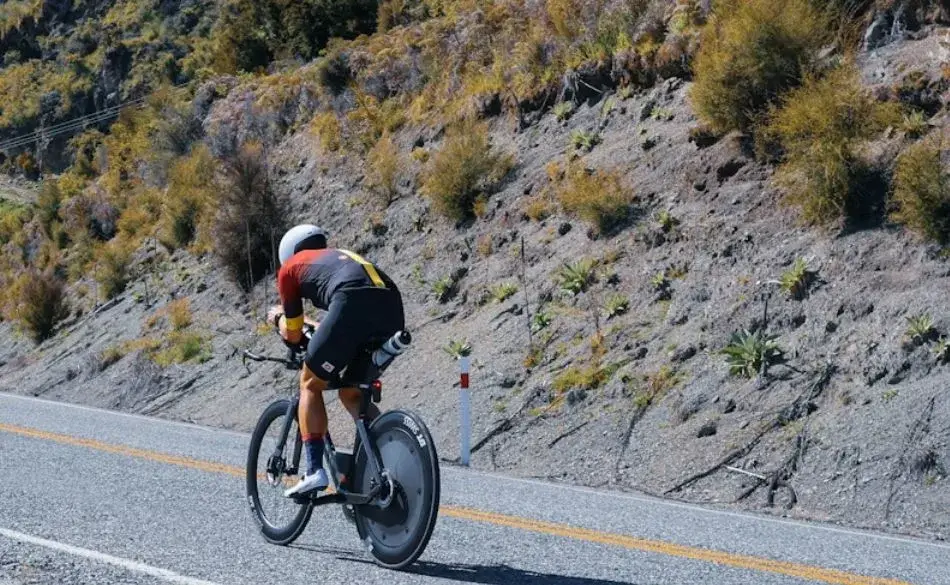
Indoor training has become one of the fastest-growing methods of training for cyclists. Thanks to platforms like Zwift, Rouvy, and TrainerRoad, riders can now complete structured indoor cycling workouts without leaving home. These sessions are efficient, weather-proof, and allow precise control of effort.
Smart trainers connected to training apps measure power, cadence, and heart rate in real time. This means every interval in your cycling training plan can be executed exactly at the right intensity. Unlike outdoor riding, where terrain and traffic interrupt pacing, indoors you can hit the exact targets needed for adaptation.
Indoor sessions are especially useful for time-crunched cyclists. Even a 45-minute structured workout can provide meaningful gains. Common formats include:
- Sweet Spot Sessions: Sustained efforts at 88–94% of FTP to balance intensity and volume.
- VO2 Max Workouts: Repeated 3–5 minute intervals above 110% FTP to improve aerobic ceiling.
- Endurance Blocks: 60–90 minutes steady in Zone 2 when weather prevents long outdoor rides.
- Race Simulations: Group rides or races on Zwift to practice surges, tactics, and pacing.
Technology also makes progress easier to track. Platforms save data automatically, sync to training software, and highlight trends in power-based training. Riders see FTP changes, heart rate efficiency, and total workload week by week.
Of course, indoor training has drawbacks. The lack of wind cooling means higher sweat loss, requiring strong hydration strategies. It can also feel mentally tougher to stay motivated indoors compared to scenic outdoor routes. Using fans, varied workouts, and group rides online can help offset this.
For many athletes, combining indoor and outdoor sessions provides the best balance. Indoors you can sharpen precision, while outdoors you build real-world handling skills and enjoy the road. Together, they make training more adaptable and sustainable year-round.
If you’re deciding which indoor platform best supports your training, comparing features side by side can save time and frustration. Understanding how MyWhoosh and Zwift stack up will help you choose the one that fits your riding style and goals. Read our full breakdown in the MyWhoosh vs Zwift Complete Guide.
Love riding in Watopia and chasing events on Zwift? Turn your indoor cycling workouts into real outdoor gains with structured coaching. Our Cycling Coaching connects directly with your Zwift setup—so every session fits your goals and training blocks with purpose.
- Zwift-specific sessions: Custom .zwo files with ERG targets for sweet spot, VO2 max, and over-under intervals.
- Event prep: Tapers, pacing strategies, and group workout practice for races, fondos, and climbing challenges.
- Data-driven progress: Full review of power, heart rate, cadence, and TSS—with updated zones after FTP tests.
- Flexible scheduling: Weekly blocks that balance Zwift rides, outdoor sessions, and recovery.
- Strength integration: Simple core, hip, and leg training to support steady power on climbs and sprints.
Make every indoor minute count—build a plan around your Zwift goals and carry those gains to the road.
Start Your Coaching Journey →
Cross-Training for Cyclists: Adding Variety and Balance
Not every method of training needs to happen on the bike. Cross-training for cyclists is an effective way to build fitness, prevent overuse injuries, and keep training fresh. By mixing in other endurance sports, you can develop muscles and energy systems that support your road cycling training.
Running, swimming, hiking, and even cross-country skiing are excellent complements. They stress the body in different ways, reducing repetitive strain while still building aerobic capacity. For example, running strengthens bone density and leg drive, while swimming develops upper-body strength and improves breathing control.
Strength-focused activities like rowing or circuit training can also boost anaerobic capacity and general resilience. These sessions don’t need to replace cycling, they can supplement it, especially in off-season or during recovery from minor injuries.
Some practical cross-training choices include:
- Running: Short 20–40 min steady runs for bone health and aerobic carryover.
- Swimming: Low-impact cardio that strengthens the upper body and enhances lung capacity.
- Hiking or Trail Running: Builds leg strength, balance, and endurance outside the saddle.
- Rowing: Full-body power and coordination, useful for sprint support.
To help you choose the right option, here’s a breakdown of popular cross-training activities, their benefits, and when to use them:
👉 Swipe to view full table
| Cross-Training Activity | Main Cycling Benefit | Best Time to Use | Potential Drawback |
|---|---|---|---|
| Running | Improves bone density and leg drive | Off-season or winter base phase | Risk of joint stress if mileage is too high |
| Swimming | Builds upper-body strength, improves breathing control | During recovery weeks or hot-weather training | Low transfer to cycling-specific muscles |
| Rowing | Full-body power and aerobic conditioning | Short winter sessions or cross-training days | High upper-body fatigue may affect bike workouts |
| Hiking/Trail Running | Enhances balance, climbing strength, mental variety | During off-season or endurance blocks | Delayed soreness can interfere with key rides |
| Circuit Training | Boosts anaerobic capacity and general resilience | Off-season or maintenance phase | Overdoing intensity can reduce recovery |
Used in moderation, cross-training gives you a mental break from the bike while still building fitness that carries over to your riding. The key is balance, let it complement, not compete with, your main cycling workload.
If your goal is to finish or race a 100 km ride, this real-world plan turns your training into results. The 100 km Cycling Training Plan is a 6 to 12 week program built for riders of all levels, whether you're prepping for your first 100 km or chasing a time goal. It uses your heart rate, power, or RPE zones to guide you every step.
- Custom workouts: Long endurance rides, threshold sessions, tempo builds, and strategic recovery.
- Three intensity modes: Designed to work from heart rate, power, or rate of perceived exertion (RPE).
- Flexible scheduling: 4 to 15 hours per week, tailored to your life and fitness level.
- Event pacing help: Ride pacing strategies, long-ride prep, and endurance tuning included.
- One-time purchase: No subscription. You get full access after payment.
Turn your base, interval, and recovery work into 100 km success. Start the plan that trains smarter, not just harder.
Start the 100 km Plan →

Periodization in Cycling Training: Structuring Your Season
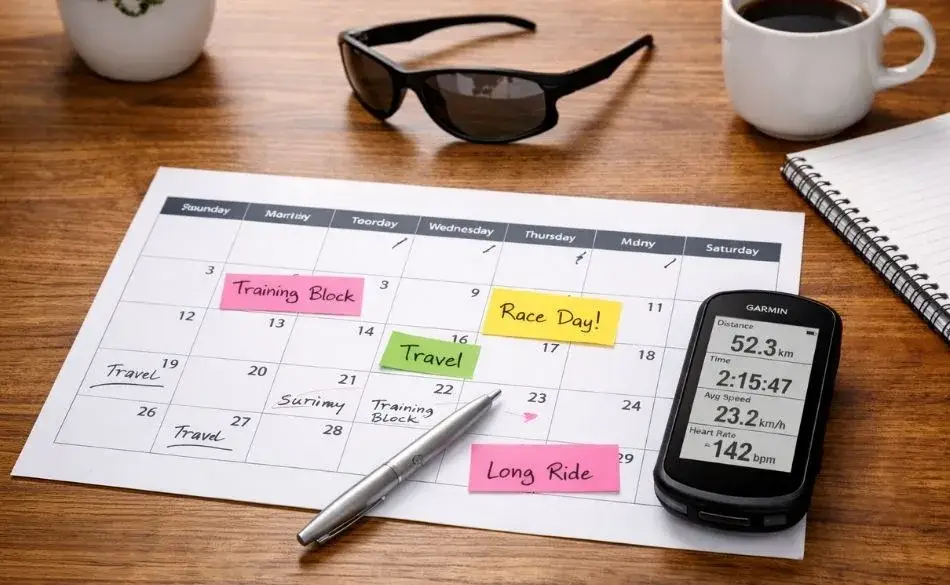
Knowing the best methods of training is only half the equation. The other half is understanding how to put them together in the right order. That’s where periodization in cycling comes in. It’s the practice of breaking your training year into phases so each block builds on the last.
The traditional model begins with a base phase, focused on endurance and Zone 2 training. Once a strong aerobic foundation is set, intensity increases with intervals to raise Functional Threshold Power (FTP) and VO2 max. Closer to your goal events, training shifts toward race-specific efforts like surges, sprints, and pacing practice. Finally, tapering reduces training load so you arrive fresh and sharp.
A simple breakdown looks like this:
- Base Phase: High volume of endurance rides, some strength training, focus on consistency.
- Build Phase: Introduce structured interval training to raise power and resilience.
- Specialty Phase: Target workouts that mimic event demands, such as long climbs or short sprints.
- Taper: Reduce training volume while maintaining intensity to peak for race day.
Different periodization styles exist. Some riders use the linear model, progressing from base to build to peak. Others prefer block periodization, focusing intensely on one aspect for two to three weeks before rotating. Both methods work, but consistency is more important than the exact model you choose.
One common mistake is neglecting recovery within these phases. Without rest weeks, fatigue builds until performance drops. Planned recovery every three to four weeks allows your body to adapt and prevents overtraining.
To see how this looks in practice, here’s an example of a 12-week periodized training cycle:
👉 Swipe to view full table
| Week | Phase | Main Focus | Typical Sessions | Training Load |
|---|---|---|---|---|
| 1–3 | Base | Build endurance and aerobic capacity | Long Zone 2 rides, light strength work | Moderate |
| 4 | Recovery | Adaptation and rest | Short easy spins, mobility, rest days | Low |
| 5–7 | Build | Increase power and resilience | Threshold intervals, tempo rides | High |
| 8 | Recovery | Absorb training stress | Active recovery rides, stretching | Low |
| 9–11 | Specialty | Race-specific sharpening | Sprint work, VO2 max intervals, simulation rides | High |
| 12 | Taper | Peak for event | Short, sharp efforts, reduced volume | Low–Moderate |
If you want a deeper look at how to build your season with clear goals and structured phases, following a step-by-step plan can make the process easier. A well-built cycling fitness plan shows you how to progress without the guesswork. Check out our Complete Guide to a Cycling Fitness Plan for a full breakdown.
Putting It All Together – The Road to Smarter Training
The best methods of training for road cycling aren’t about choosing one over the other. They work together like gears on your bike, each turning at the right time to move you forward. Endurance builds the engine, intervals sharpen the edge, strength training adds durability, recovery allows growth, indoor sessions bring precision, and periodization ties it all into a clear plan.
As a rider, your job is to blend these methods in a way that matches your life, goals, and motivation. A beginner might focus mostly on base training with just a touch of intensity, while an experienced racer may need more VO2 max workouts and race simulations. The key is progression and balance. Too much of one and not enough of another can hold you back.
From coaching athletes of all levels, I’ve seen that those who stay consistent, listen to their bodies, and respect recovery always progress. It’s not about doing everything perfectly, it’s about doing the right things, at the right time, over and over again.
Think about your own training. Are you building a strong base? Are you recovering as hard as you train? Are you using structure to stay motivated indoors when life gets busy? Asking these questions helps you steer your plan with intention instead of just spinning the pedals.
Cycling is a journey that rewards patience, discipline, and smart decisions. If you embrace these methods, you won’t just see improvements in numbers like FTP or average speed, you’ll feel stronger, fresher, and more confident every time you clip in. That’s the real win.
Now it’s your turn. Choose one method you’ve been neglecting and put it into action this week. Training smarter, not just harder, is the path to lasting progress on the road.