Why Your Hip Adductors Matter More Than You Think
Your hip adductors do much more than bring your legs together. They help guide every step you take and steady your hips during each pedal stroke. When these muscles are strong, your movement feels smoother and more efficient. When they’re weak, small shifts in your form can build up and cause problems over time.
Many runners don’t realise how much the adductors influence foot placement. They work with your glutes to stop the knee from drifting inward when your foot hits the ground. When these muscles fatigue, you may notice your stride feels a little unstable, especially on long or hilly runs. This is where exercise for hip adductors becomes valuable, helping you stay aligned when the miles add up.
Cyclists notice adductor weakness in different ways. You might see your knees flare outward during hard efforts, or your hips may rock more on steep climbs. Adding a few hip adductor exercises for cyclists can help keep your knees tracking straight, steady your pedal stroke, and improve power delivery.
Your adductors also support injury prevention by reducing unnecessary stress on your knees and hips. When they’re strong, your lower body moves more cleanly, with fewer compensations. This is why many endurance athletes use hip adductor exercises for injury prevention as part of their strength routine.
If you’ve ever felt your form collapse late in a run or ride, your adductors may be part of the reason. Strong adductors help your hips stay centred and balanced, which allows you to move forward with more stability, even though these muscles work mostly in a sideways direction.
Think of your adductors as quiet stabilisers. They rarely get attention, but once trained, they make everything feel more controlled and connected.
If you’ve been working on improving your control, balance, or overall movement quality, our Running Training Plans make it easier to build strength and endurance without feeling lost or overwhelmed.
Each plan blends simple warm ups, clear pacing guidance, and structured sessions that support smoother, more confident stride mechanics over time.
If you’re aiming to feel steadier on long runs or just want a routine that supports healthy movement, having a roadmap can make all the difference.
Find Your Plan →

Are Your Hip Adductors Letting You Down Without You Realising It
Most runners and cyclists don’t notice weak adductors until something starts to feel “off.” It might not be sharp pain. It often shows up as wobble, drift, or a feeling that one side works harder than the other. Have you ever felt your leg slide slightly outward when you push harder on the bike or when you start to tire in a run?
One simple way to notice weakness is to watch how your knee tracks. If it drops inward when you land or when you squat on one leg, your adductors and glutes may not be doing their job. On the bike, if your knee moves side to side instead of following a clean line, that’s another sign.
You can use a few quick checks at home:
- Stand on one leg and slowly sit into a mini squat
- Do 10 slow side lunges and notice if one side feels shaky
- Lie on your side and lift your bottom leg up and down, testing each leg separately
If one leg feels less stable, it may benefit from targeted work. This is where beginner hip adductor exercises can be so useful. They give you a safe way to wake these muscles up without overloading them.
Mobility matters too. Tight adductors can affect how your hips move, especially during the early part of a run or ride. Adding hip adductor mobility exercises before training can help your legs feel smoother and lighter, especially during the first few minutes of your session.
Once you know you have a weakness, you can build from simple to more advanced hip adductor exercises for runners and cyclists. That progression helps you move from “I feel wobbly” to “I feel solid and controlled” in just a few weeks of consistent practice.

Simple Hip Adductor Exercises You Can Start Today
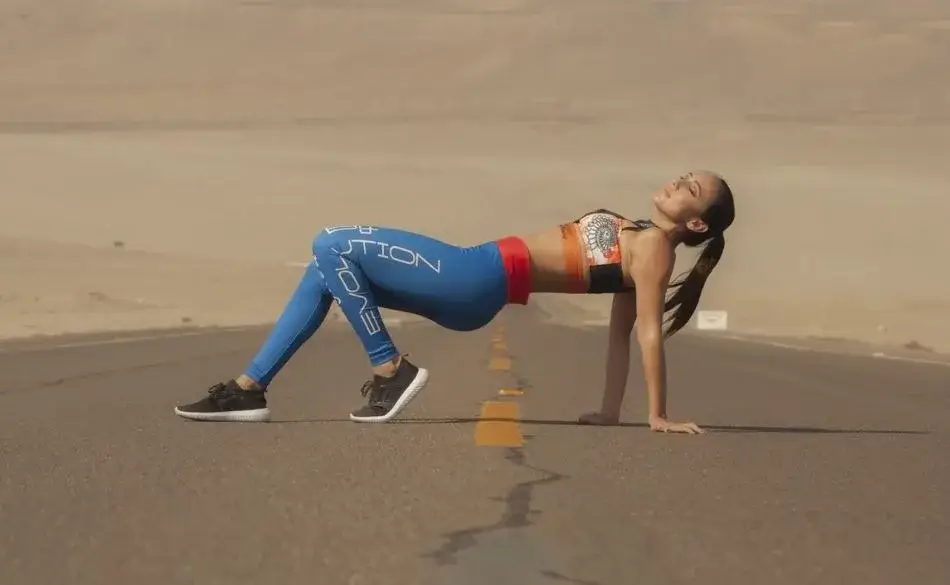
When you think about strength work, you might picture heavy squats or lunges. But your adductors respond really well to simple, focused moves that you can do at home with just your body weight. The goal isn’t to crush your legs. It’s to wake these muscles up and teach them to support your running and cycling.
Here are three easy exercises you can use to build a basic hip adductor strengthening routine:
- Side-lying leg lift
Lie on your side with the bottom leg straight and the top leg bent and crossed over. Lift the bottom leg up and down slowly for 10–15 reps. You should feel the inner thigh on the bottom leg working, not your hip flexor. - Low side lunge
Stand with your feet wide. Shift your weight to one side and sit your hips back, keeping the other leg straight. Push back to the middle and repeat. This move builds control in the inner thigh and mimics the side-to-side demands of hip adductor exercises for runners on uneven ground. - Short-lever Copenhagen hold
Lie side-on next to a bench or chair. Place your top knee on the bench, bottom leg relaxed underneath. Lift your hips so your body forms a straight line, then hold for 10–20 seconds. This is one of the most effective evidence-backed hip adductor exercises for injury prevention, especially for athletes who’ve had groin tightness in the past.
None of these should feel sharp or nervy. You’re aiming for a warm, deep fatigue in the inner thigh, like a controlled burn. If you’re unsure, ask yourself: “Do I feel this more in the inner thigh than in the front of the hip?” If the answer is yes, you’re on the right track.
Start with two sets of each move, two to three times per week. As they get easier, you can increase the time under tension rather than rushing to add weight.


How Often Should Runners and Cyclists Train Their Hip Adductors
Once you know these muscles matter, the next question is simple. How often should you train them without feeling sore all the time? The good news is that you don’t need long, brutal gym sessions. Small, steady work wins here.
Most runners and cyclists do well starting with two days per week. You can add a short block of exercise for hip adductors after an easy run or low-intensity ride. This keeps the load manageable and stops you from stacking hard strength on top of hard endurance days. Think of it as housekeeping for your hips rather than a full workout.
As you adapt, you can move to three short sessions per week. These don’t all need to be the same. One day might focus on isometric holds, another on controlled reps, and another on light power moves. This variety helps your body learn to use the adductors in different ways, which carries over well to real training.
If you care about form, pairing adductor exercises to improve running form with your technique days works well. Do your drills, strides, or short hill reps, then add a few focused adductor sets. Your brain is already tuned in to how your legs move, so the strength work “sticks” more.
Cyclists can match their strength days with low to moderate ride days. Doing adductor exercises to improve cycling power after a steady ride helps your brain link the new strength with the pedal pattern you just used. Over time, this often supports cleaner knee tracking and more controlled power application.
The key is consistency, not perfection. If you can fit in two or three small sessions most weeks, your adductors will get stronger in the background while you keep training normally. You shouldn’t feel wrecked. You should feel a little more solid, week by week, in both your runs and rides.
You can also learn more about managing knee stability issues in this guide to inside knee pain after running, which many athletes find helpful when they notice their form drifting under fatigue.
If you’ve been working on improving your balance, knee tracking, or overall movement on the bike, our Cycling Coaching provides clear structure that helps you get stronger and smoother without adding stress to your week.
Each personalised plan includes targeted sessions, simple warm ups, and guidance that supports cleaner pedal mechanics and better body control during training.
Whether you’re gearing up for a big climb or just want to feel more stable during everyday rides, having expert support can make every session feel more confident.
Explore Coaching →

Which Hip Adductor Exercises Are Best For Your Training
Not every athlete needs the same plan. A beginner runner with wobbly knees doesn’t need the exact program as a strong cyclist with a tight groin. The best approach is to match the exercise to your current problem, your training load, and how much time you actually have.
If you’re not sure where to start, it helps to think in simple categories. Do you need basic strength, more control, or extra support because of past pain? The table below gives you a clear view of how different hip adductor exercises for runners and hip adductor exercises for cyclists can fit into your week without overloading you.
Use it as a guide rather than a rulebook. You can move between categories as your body changes. If groin tightness has been an issue, you’ll see where gentle adductor exercises for groin pain fit best. If you already feel strong but unstable at speed, the more advanced options may suit you better.
The goal is to make choices that match your reality now, not some perfect version of training on paper. As you build strength and control, you can shift to the next level when your body feels ready.
👉 Swipe to view full table
| Category | Running Focus | Cycling Focus |
|---|---|---|
| Best Starter Exercise | Side-lying leg lifts with slow control for 2–3 sets of 10–15 reps per leg. | Short-lever Copenhagen holds for 2–3 sets of 10–20 seconds per side. |
| When You Have Groin Tightness | Gentle adductor rock-backs and low side lunges used as adductor exercises for groin pain before easy runs. | Small-range adductor squeezes with a ball between the knees after low-intensity rides. |
| Time-Crunched Sessions | One strength block of 5–8 minutes after an easy run, 2 times per week. | Two short isometric holds per leg at the end of a trainer ride, 2–3 times per week. |
| Building Strength | Progress from bodyweight lunges to loaded goblet side lunges over 4–6 weeks. | Progress from short-lever to longer-lever Copenhagen holds as control improves. |
| Before Key Workouts | Light activation, such as 1–2 sets of side-lying lifts, to “switch on” the inner thighs. | Short adductor squeezes and gentle holds to improve hip stability before intervals. |
| Best For | Runners needing more knee control, better form on hills, and fewer niggles in long runs. | Cyclists wanting smoother knee tracking, more stable climbing, and steadier power application. |
If you’d like to add another simple way to build balance and core control alongside your hip work, you may find this set of stability ball exercises helpful as an optional extra in your weekly routine.


How Strong Hip Adductors Improve Real-World Running and Cycling
Strong hip adductors don’t just help you during strength sessions. They change how your body behaves when you’re out on the road, on the trail, or on the bike. You might not notice the difference right away, but over weeks of consistent work, the improvements start to feel real.
For runners, stronger adductors create better side-to-side control with every step. This helps your knee stay stable when you land, especially on uneven ground or during long runs when fatigue usually causes form to fall apart. If you’ve ever felt your stride collapse late into a race, building these muscles can make that moment arrive much later. Adding simple hip adductor exercises for cyclists can also help triathletes feel more solid when they switch between sports.
For cyclists, strong adductors improve your ability to resist unwanted movement around the knee and hip. This leads to cleaner pedal strokes and less wasted motion. Many riders are surprised at how much more “locked in” they feel when climbing or pushing tempo once their adductors start pulling their share of the load. This is where a reliable hip adductor strengthening routine makes a lasting difference, and many cyclists also build balanced strength using guides like this strength training resource for cyclists to support better stability and control.
There’s also a protective benefit. Strong adductors help your lower body stay aligned, lowering the risk of overuse issues that come from small, repeated movement errors. If you’ve dealt with mild groin tightness in the past, activating the inner thigh muscles can help the area feel more responsive in training.
The gains are subtle at first, but powerful over time. You feel more balanced when you pick up speed, more confident on technical terrain, and more controlled during long rides. These are the kinds of improvements that help you train more consistently and consistency is what creates real progress.
If you’d like to see research on how strengthening the adductors helps reduce injury risk, this review on hip and groin injury prevention in elite athletes explains how stabilisation and load management protect the area during high training volumes.

What Mistakes Should You Avoid With Hip Adductor Training
Here’s the thing about strength work. It’s easy to get excited and then overdo it. Your hip adductors are no different. They sit deep, close to the groin, so if you rush the process or choose the wrong load, they’ll let you know pretty fast.
One common mistake is doing too much, too soon. If you jump straight into heavy side lunges or long Copenhagen holds without a base, the inner thigh can feel strained for days. That doesn’t mean the exercises are bad. It just means your body wasn’t ready yet. Starting with beginner hip adductor exercises and building up slowly is almost always the smarter move.
Another mistake is skipping warm-up. Cold adductors don’t like sudden stress. A few minutes of light movement, such as marching, easy squats, or gentle hip adductor mobility exercises, helps the area feel ready to work. Think of it as giving your inner thighs a heads-up rather than a surprise.
You’ll also want to avoid “chasing the burn” every session. Soreness is not proof of progress. Control and quality matter much more. Ask yourself during each exercise for hip adductors: “Can I move smoothly and keep the rest of my body relaxed?” If the answer is no, the load or range is too big for now.
These simple checks can keep you out of trouble:
- Increase volume or difficulty one step at a time, not five
- Keep reps slow and smooth instead of bouncing or jerking
- Stop if you feel sharp, nervy, or pinching pain rather than a simple muscle burn
A final mistake is treating adductor work like a short “fix” instead of a long-term habit. Adductors benefit from regular attention, even though they’re smaller stabilising muscles. Quiet, consistent work will always beat one heroic session that leaves you limping the next day.
If you're working on improving your overall movement and control in swim, bike, and run sessions, our Triathlon Coaching helps you build strength and efficiency without adding confusion or unnecessary stress to your week.
Each personalised plan brings structure to your training, with clear endurance sessions, effective warm ups, and smart guidance that supports smoother transitions between each sport.
Whether you're preparing for your first event or aiming to feel more balanced during longer races, having expert support can help every session feel more connected and confident.
Explore Coaching →

Bringing Hip Adductor Strength Into Your Weekly Training For Good
By now, you’ve seen how much your inner thighs really do for you. Your hip adductors help steady every stride and every pedal stroke, even when you’re tired, stressed, or training on less-than-perfect terrain. The real win comes when this work stops feeling like “extra” and becomes a normal part of your week.
If you’re a runner who often feels wobbly late in long runs, start with two short blocks of hip adductor exercises for runners each week. Tag them onto easy days so you’re not adding more load to your hardest sessions. Ask yourself after a few weeks, “Do my legs feel more stable when I push the pace or hit a cambered road?” That’s the kind of progress you’re looking for.
If you’re a cyclist who notices your knees drifting or your hips rocking on climbs, slip a few hip adductor exercises for cyclists after trainer rides. You don’t need to smash yourself. Quiet, focused sets done consistently will help your pedal stroke feel more controlled, especially during harder efforts.
If you’re new to strength work, it’s okay to start very small. One simple exercise for hip adductors, done well, will always beat a long list you never stick to. Can you commit to five to ten focused minutes, two or three times a week? If you can do that, your adductors will adapt in the background while you keep doing the running and riding you enjoy.
Most of all, remember this isn’t about perfection. It’s about giving your body the support it needs to move well for years, not just for one race or one season. When your hips feel stable and your legs feel connected, training becomes more fun, not just more effective. And that’s when you start to notice the quiet confidence that comes from knowing your body is working with you, not against you.
If you like, you can also read this guide to recovery runs as a gentle recovery run often pairs well with light adductor work on easy days.


A Simple Hip Adductor Routine You Can Use Every Week
You don’t need a long, complicated routine to make progress. A short, focused plan will help you build strength without overwhelming your schedule. This is the routine I give many runners and cyclists when they’re just getting started. It’s simple, it’s quick, and it fits easily around training.
This routine includes one strength movement, one control movement, and one mobility drill. That’s enough to hit the muscle from different angles and help it support your stride or pedal stroke. You can adjust the sets and reps based on how your body feels. If you’re unsure, start small and build up slowly. Adding consistent exercise for hip adductors will help you feel more connected and stable in everyday training.
Here’s your simple weekly routine:
- Strength: Short-lever Copenhagen hold – 2–3 sets of 10–20 seconds per side
- Control: Side-lying leg lifts – 2 sets of 10–15 reps per side
- Mobility: Adductor rock-backs – 1–2 sets of 10 slow reps
If you’re a runner, you can use this routine after an easy run once or twice a week. It pairs well with low-intensity days because your legs are warm but not tired. These hip adductor exercises for runners help you maintain clean knee tracking and more stable landings.
If you’re a cyclist, this routine works well after a steady trainer ride. You don’t need extra load. Your legs are already warm, and light control work is enough. These hip adductor exercises for cyclists keep your knees from drifting and help you pedal more efficiently.
This plan isn’t meant to exhaust you. It’s meant to keep you stable, strong, and confident through the miles you’re already doing. Quiet, consistent work can make a surprising difference over time—especially when your training volume climbs or your efforts get harder. Let this routine grow with you as your body adapts.
For added flexibility and overall mobility after rides or runs, many athletes use this 15 Minute Stretching Workout for Runners, Cyclists & Triathletes, especially on recovery days.


Ready To Give Your Hip Adductors The Attention They Deserve
Let’s be honest. Hip adductor work will never feel as “sexy” as big squats, sprint intervals, or new race shoes. But if you care about staying healthy and moving well as a runner or cyclist, these quiet muscles matter more than most people realise.
You don’t need the perfect plan. You just need a small, steady habit. Two or three times a week, choose one simple exercise for hip adductors and do it with focus. That alone can shift how stable you feel when the road tilts, the trail gets messy, or the race starts to bite.
If you’re a runner, think about the last time your form fell apart late in a long run. Imagine feeling your knees stay steady and your hips hold strong instead of dipping and wobbling. That’s what regular hip adductor exercises for runners can give you. Not magic. Just quiet, reliable support when you need it most.
If you’re a cyclist, picture your next hard climb. Your knees track cleanly. Your hips stay level. Your power feels like it goes straight into the pedals instead of leaking out through extra movement. That’s the payoff from simple hip adductor exercises for cyclists done week after week.
You don’t have to overhaul your training. Start with five minutes. Tag it onto an easy run or steady ride. Notice how your body feels after a few weeks, not just after one session. Strength in these muscles builds slowly, but the benefits stack up for a long time.
Most of all, remember this: taking care of the small things is what lets you keep doing the big things you love. When your hips feel strong and your legs feel connected, running and cycling become less of a fight and more of a flow. And that’s exactly what consistent adductor work is there to protect.
If you're building toward longer events and want to stay steady through tough terrain and long hours on your feet, our Ultra Running Coaching gives you structured training that supports smoother movement and better control over big miles.
Each personalised plan includes clear pacing guidance, progressive endurance blocks, and warm ups that help your body stay balanced as the distance increases.
Whether you're preparing for your first ultra or aiming to feel stronger late in long runs, having experienced support can make every step feel more confident.
Explore Coaching →

FAQ: Exercise for Hip Adductors
What are the best exercises for hip adductors at home?
Should you train hip adductors and abductors together?
How do I know if my adductors are weak?
Common signs include groin tightness, poor balance when standing on one leg, and hip or knee pain during running or jumping.