What Is Actually Changing When You Build a Cardio Base
When people think about cardio fitness improving, they often picture their lungs getting stronger or their legs toughening up. In practice, however, the biggest changes happen quietly and mostly out of sight. Building a cardio base is really about improving how efficiently your body moves oxygen from the air into your muscles, and how calmly it can do that work over time. This is the same principle that underpins effective base training for running, where slowing down allows deeper aerobic adaptations to develop.
To begin with, one of the earliest adaptations happens in the heart. With consistent aerobic training, the heart becomes better at pumping blood with each beat. As a result, it does not need to beat as fast to deliver the same amount of oxygen during easy and steady efforts. Over time, this often shows up as a lower heart rate at familiar paces. Many athletes notice this before they feel noticeably fitter, which can be reassuring when progress still feels subtle.
Alongside this, your blood volume increases slightly. This allows more oxygen to be carried around the body and helps with temperature regulation during longer sessions. At the same time, muscles begin to adapt by developing more mitochondria, the structures responsible for turning oxygen into usable energy. These are the same adaptations targeted through well-structured cardiovascular fitness workouts, which focus on steady aerobic effort rather than constant intensity. As this process settles in, movement starts to feel more economical. You are doing the same work, but it costs a little less effort.
Beyond these cardiovascular and muscular changes, the nervous system also plays an important role. Early in training, movement can feel awkward and tiring even at low speeds. With repeated, consistent effort, your body gradually learns which muscles to recruit and when to relax others. This improved coordination reduces unnecessary tension and wasted energy, allowing running or cycling to feel smoother well before endurance improves dramatically.
All of these adaptations are sensitive to overall training stress. They respond best to steady, repeatable work rather than constant intensity. When every session feels hard, the body spends more time managing fatigue than building efficiency. This is why easy aerobic training forms the foundation of a cardio base. It provides enough stimulus for adaptation without overwhelming recovery.
Seen this way, patience becomes easier to justify. You are not just getting fitter in a general sense. You are teaching multiple systems to work together calmly and reliably, and that process needs time to settle in.
Many runners know they should slow down to build aerobic fitness, but still feel unsure how much is enough, when to progress, or whether fatigue means they’re adapting or just doing too much. Without guidance, it’s easy to rush the process or stay stuck second-guessing every session.
With personalised support through our Running Coaching , we help runners build a durable cardio base at the right pace for their body — aligning training load, recovery, and progression so fitness develops steadily rather than reactively.
Learn More →

How Long It Typically Takes to Build a Cardio Base
Once you understand what is changing inside the body, the question of timing becomes easier to answer. Rather than appearing all at once, a cardio base develops in phases, with each stage laying the groundwork for the next. While individual circumstances matter, the overall pattern is fairly consistent when training is regular and recovery is respected.
For most people, the first changes begin to appear within the first three to four weeks. At this point, improvements are often subtle and easy to overlook. Breathing may feel a little more controlled during easy sessions, and recovery between workouts may start to improve. You might also notice that everyday fatigue is slightly lower. These early gains are largely driven by cardiovascular and nervous system adaptations rather than major changes in muscle endurance. Progress is happening, even if it does not yet feel obvious.
As training continues into weeks five through eight, aerobic fitness tends to become more noticeable. This is when many athletes find that familiar paces feel easier or that they can exercise for longer before discomfort builds. Heart rate at steady efforts often drops slightly, and sessions begin to feel more repeatable across the week. Together, these changes reflect growing efficiency in oxygen delivery and use, along with better movement economy. Training starts to feel more predictable rather than hit-or-miss.
By around ten to twelve weeks, most people who have trained consistently reach what could be described as a functional cardio base. This does not mean peak fitness or race readiness. Instead, it means the body can tolerate regular aerobic training without excessive soreness, lingering fatigue, or frequent setbacks. At this point, you can gradually increase volume, introduce controlled intensity, and still recover in a reasonable timeframe.
From a coaching perspective, this is often the moment when training options begin to open up. Before this stage, intensity needs to be used sparingly and with care. After it, the body is generally more resilient and responsive. One athlete I worked with returned to running after a long break and felt frustrated during the first month because pace barely improved. By the third month, however, easy runs felt calm and repeatable, and progress became much easier to manage.
The key point is that building a cardio base usually takes several months rather than just a few weeks. Trying to rush the process rarely speeds it up. Steady training, applied patiently, almost always leads to better and more durable results.

What Factors Influence How Quickly You Build a Cardio Base
While there are common timelines for building a cardio base, progress is never identical from one person to the next. In practice, the rate at which aerobic fitness develops reflects a combination of training habits, daily life demands, and individual history. Recognising these influences helps explain why progress may feel faster or slower than expected, even when effort seems consistent.
To start with, training consistency plays the largest role. Aerobic adaptations respond best to regular, repeatable stimulus rather than occasional bursts of effort. This does not mean training every day or pushing volume aggressively. Instead, it means showing up often enough that the body can build on previous work rather than starting over each week. Because aerobic fitness is highly reversible, long gaps between sessions slow adaptation even when individual workouts feel demanding.
Your starting point also shapes the timeline. Someone new to aerobic training often sees early improvements more quickly because the system is adapting for the first time. By contrast, athletes returning after years of structured training may find that rebuilding takes longer and feels less dramatic. This is not a failure of effort or discipline. It simply reflects the fact that adaptations slow as the body becomes more trained.
Alongside training itself, recovery quietly influences how fast progress occurs. Sleep quality, nutrition, and overall stress determine how well the body can adapt between sessions. When recovery is compromised, the body prioritises managing fatigue rather than improving efficiency. In those situations, training may feel heavier over time even when volume and intensity stay the same. Improving sleep or fueling often unlocks progress that extra sessions cannot.
Intensity balance is another important consideration. Too little stimulus can slow adaptation, but too much intensity too early often has the opposite effect of what is intended. When most sessions feel hard, fatigue accumulates faster than aerobic capacity improves. This is why easy aerobic work remains the backbone of base training across endurance sports.
Finally, age and injury history can influence how quickly volume and frequency increase. Older athletes often adapt just as well as younger ones but may need more recovery between sessions. Previous injuries can also limit how quickly training load progresses, even when cardiovascular fitness is improving. In these cases, patience is not a limitation. It is what allows consistent progress without interruption.
How to Tell If You’re Building a Cardio Base (and Not Just Getting Tired)
One of the hardest parts of base training is knowing whether it is actually working. Because progress is gradual, it is easy to confuse normal training fatigue with meaningful aerobic adaptation. As a result, many people second-guess themselves, change plans too quickly, or add intensity before the foundation is ready.
One of the clearest signs that a cardio base is developing is improved repeatability. Sessions start to feel more predictable across the week. You may still feel tired during or after training, but that fatigue clears within a reasonable timeframe. Importantly, you can complete a similar session again a few days later without it feeling significantly harder. When tiredness lingers and performance slips from week to week, adaptation is usually being outpaced by stress.
Alongside this, changes in how effort feels provide useful feedback. During easy or steady training, breathing tends to settle earlier in the session. You are not bracing yourself for the work or constantly managing discomfort. Instead, the effort feels steady and controlled, even if it is not effortless. Notably, this often occurs without any obvious change in pace or distance. Feeling calmer at the same workload is frequently a stronger sign of progress than moving faster.
Recovery between sessions also tells an important story. As a cardio base builds, soreness becomes less intrusive and day-to-day movement feels easier. You might still notice fatigue, but it no longer dominates your mood or motivation. When every session requires willpower to start and days off do not restore energy, that pattern usually points to accumulated fatigue rather than productive training.
Heart rate and perceived effort can add context, but they need to be interpreted cautiously. A slightly lower heart rate at the same easy pace, or less drift during steady efforts, often reflects improving efficiency. However, these numbers fluctuate for many reasons. What matters more is the overall pattern. Over time, do sessions feel more stable and repeatable?
Finally, mindset offers another useful clue. Early in training, it is common to feel uncertain about whether you will cope with the session ahead. As aerobic fitness improves, that uncertainty gradually fades. You begin to trust that your body can handle the work, even on days when energy feels average. This quiet confidence is often one of the clearest signs that aerobic foundations are taking hold.
Balancing swim, bike, and run training can be confusing, especially when cardio fitness feels uneven across disciplines. Many athletes push intensity too early, struggle to recover between sessions, or feel unsure whether their training is actually building endurance or just adding fatigue.
With personalised support through our Triathlon Coaching , we help athletes develop a durable aerobic base across all three sports — aligning volume, intensity, and recovery so fitness builds steadily and transfers smoothly into race-specific training.
Learn More →

What a Solid Cardio Base Actually Feels Like
Once a cardio base is established, the changes are often easier to notice in how training feels than in any single performance number. This distinction matters, because many people look for progress only in pace, distance, or data on a watch. In reality, a strong aerobic foundation shows up first through stability and repeatability rather than speed.
One of the clearest signs is that easy training genuinely feels easy. Breathing settles quickly, and you no longer feel as though you are fighting the effort from the start of a session. You can hold a conversation, stay relaxed, and finish feeling worked but not drained. Importantly, this does not mean sessions feel effortless. Instead, the effort feels controlled and predictable rather than stressful. These are the same qualities that underpin long-term endurance and are often expanded on through practical approaches like those outlined in our 10 ways to improve running stamina guide.
Alongside this, recovery between sessions improves. With a solid cardio base, soreness is less persistent and fatigue clears more reliably from one day to the next. You can train multiple times per week without feeling like you are constantly catching up. While missed sleep or a slightly harder session may still be noticeable, it no longer derails the entire week. This growing resilience is one of the most practical benefits of base training.
Another indicator appears in heart rate and perceived effort during steady work. Rather than climbing steadily for the same pace or power, heart rate tends to stabilise earlier in the session. Effort feels even from start to finish instead of gradually becoming harder. These patterns reflect improved oxygen delivery, more efficient fuel use, and calmer nervous system responses to workload.
Beyond the physical markers, a solid cardio base also supports mental steadiness. Early in training, it is common to feel anxious about breathing, effort, or whether you will last the session. As aerobic fitness improves, that uncertainty gradually fades. You begin to trust that your body can handle the work, which reduces tension and helps movement stay smooth.
It is also useful to be clear about what a cardio base does not feel like. It does not feel fast, sharp, or race-ready. Those qualities develop later, once intensity is layered on top of the foundation. A cardio base feels quiet, controlled, and reliable. While it may not be exciting, it creates the conditions that allow all other fitness qualities to develop safely and sustainably.

Typical Cardio Base Timelines by Background and Training History
While general timelines are useful, they become much more meaningful when placed in context. The time it takes to build a cardio base depends heavily on where you are starting from and how consistently training fits into your life. For that reason, it is often more helpful to think in ranges rather than fixed deadlines.
For someone completely new to structured exercise, early changes often arrive relatively quickly. Within the first month, breathing may feel steadier, recovery between sessions improves, and confidence begins to grow. However, these early signs should not be mistaken for a fully developed cardio base. They simply indicate that the body is responding to a new stimulus. To make those changes reliable and durable, consistency still needs to be maintained over several more weeks.
By comparison, people returning after a long break tend to follow a slightly different pattern. Initial sessions may feel unexpectedly hard, even if fitness was once high. This can be discouraging, but it is normal. Aerobic fitness fades faster than many people realise, yet it also returns predictably when training is patient. In this situation, the first six to eight weeks are usually about restoring rhythm, tolerance, and confidence rather than chasing previous paces.
Experienced endurance athletes often notice that rebuilding takes longer again. Because their bodies are already well adapted, further gains come more gradually. While this can feel frustrating, it is also a sign of long-term development. The aerobic system is no longer learning from scratch. Instead, it is refining existing adaptations, which naturally takes more time.
To bring these differences together, the table below summarises typical cardio base timelines across common starting points. These ranges are not promises or guarantees. They are practical reference points based on coaching experience and well-established training patterns.
👉 Swipe to view full table
| Starting Point | Early Changes Noticed | Functional Cardio Base Established |
|---|---|---|
| New to structured exercise | 2–4 weeks: breathing steadier, recovery improving | 10–12 weeks with consistent, mostly easy training |
| Returning after a long break | 3–5 weeks: effort feels more controlled | 12–16 weeks depending on prior training history |
| Previously trained endurance athlete | 4–6 weeks: rhythm and repeatability return | 12–20 weeks as adaptations refine rather than rebuild |
| Older athlete (50+) | 3–6 weeks: recovery improves first | 12–16 weeks with slightly longer recovery between sessions |
| Training around injury history | Variable: fitness improves before volume tolerance | Often 16+ weeks due to gradual load progression |


Why Cardio Base Timelines Are Different for Running, Cycling, and Swimming
Although the heart and lungs sit at the centre of cardio fitness, how quickly a cardio base develops depends heavily on the sport you are doing. In practice, running, cycling, and swimming place very different demands on the body, and those differences shape how fast aerobic fitness feels like it is improving.
To begin with, running often feels the hardest at the start, even for people who are already fit in other sports. This is because running combines cardiovascular work with repeated impact. While the heart and lungs may adapt relatively quickly, bones, tendons, and muscles need more time to tolerate the load of regular ground contact. Early fatigue in running is therefore often driven by local muscular and tissue stress rather than breathing alone. As a result, cardio improvements can be masked until the body becomes more resilient to impact, which is why running base timelines often feel slower.
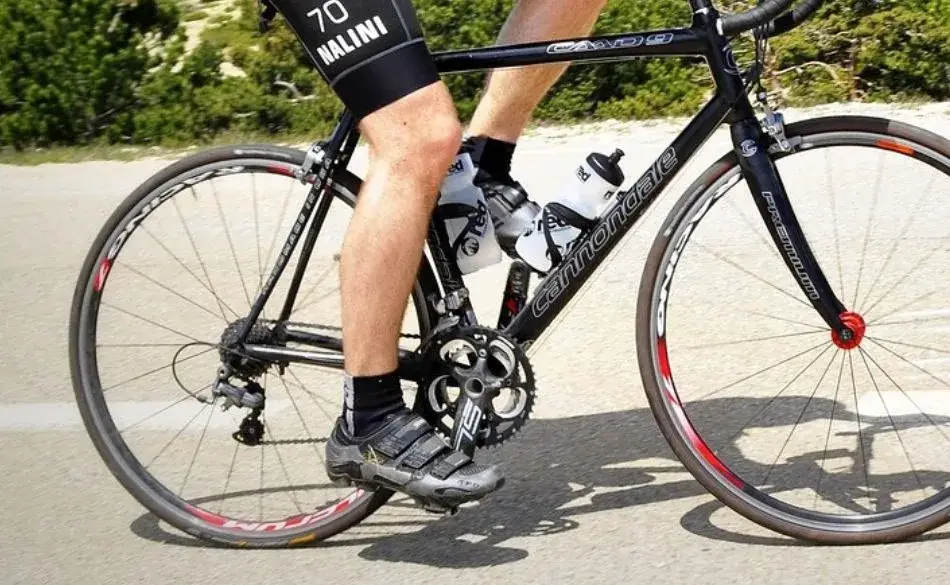
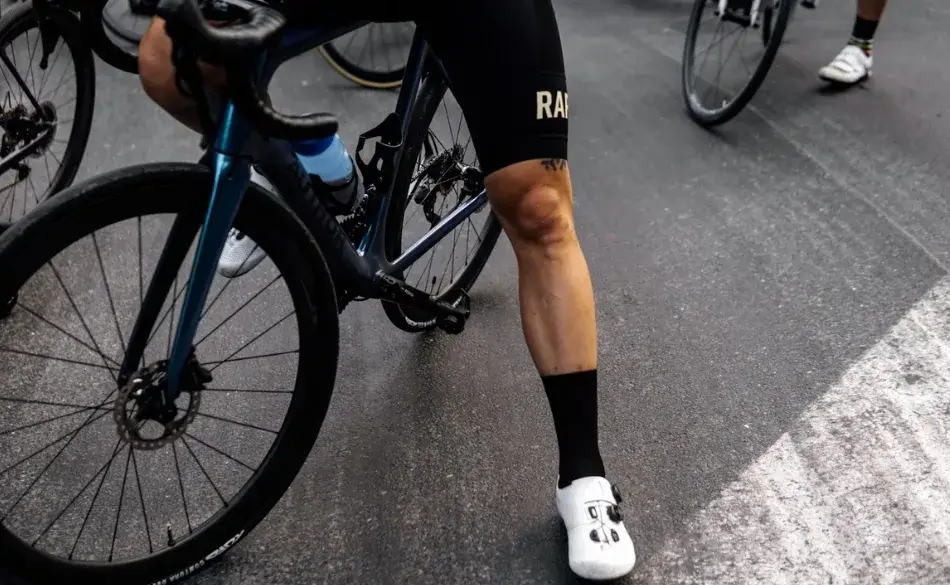
By contrast, cycling usually allows aerobic fitness to develop more smoothly. Because cycling is non-impact, the cardiovascular system can often be stressed consistently without the same level of tissue strain. This makes it easier to accumulate volume and repeat sessions across the week, both of which support aerobic development. Many riders follow structured approaches like those outlined in our
proven methods of training for road cyclists, which focus on repeatable endurance work and manageable fatigue. As a result, many people feel their “cardio” improve faster on the bike, even when overall fitness is similar.
Swimming presents a different challenge again. While it is also low-impact, swimming is highly technical. Breathing patterns, body position, and coordination all influence how hard a given pace feels. For many people, limited technique rather than aerobic capacity is the main constraint early on. This can make cardio progress feel slow or inconsistent, even when fitness is improving. Until technique becomes more efficient, the aerobic system cannot be stressed as effectively as it can in running or cycling.
These sport-specific differences matter most for people who cross-train or move between disciplines. For example, how well aerobic gains from cycling carry over to running is explored in our article on
does cycling fitness transfer to running, which explains why cardiovascular fitness transfers only partially and why sport-specific durability still needs to be developed. A strong cycling base does not automatically translate to running durability, and good running fitness does not guarantee swimming efficiency. Each sport still requires its own period of adaptation, even when overall cardio fitness is high.
Many cyclists train hard but still feel unsure whether their endurance is actually improving. Some rely heavily on intensity, others accumulate volume without structure, and many struggle to balance fatigue, recovery, and progression across the week.
With personalised support through our Cycling Coaching , we help riders build a strong aerobic base through repeatable, well-paced training — aligning intensity, volume, and recovery so fitness develops steadily and translates into real on-bike durability.
Learn More →
Why Doing Too Much Too Soon Slows Cardio Progress
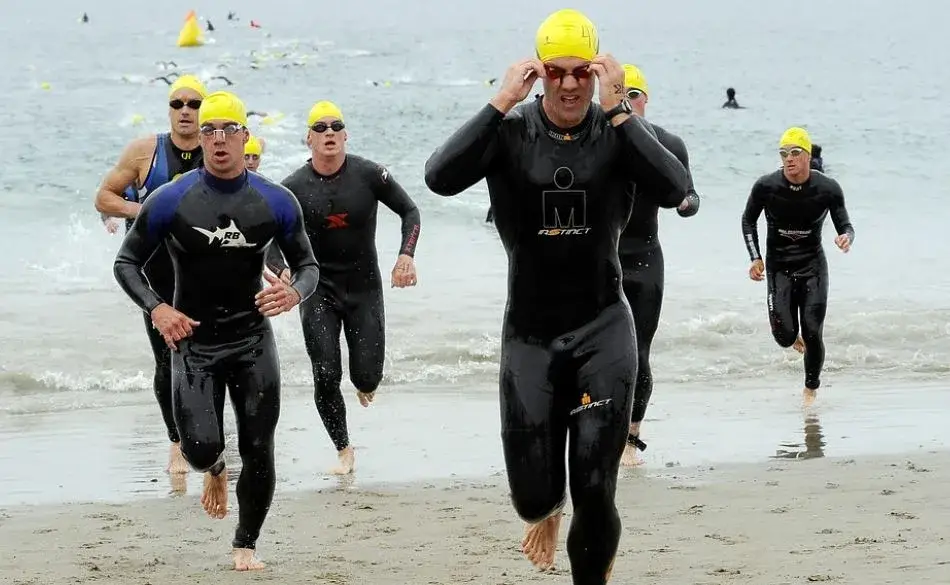
When someone wants to build a cardio base quickly, the most common mistake is training too hard too often. This usually comes from a good place. You feel unfit, so you push. You finish sessions exhausted, so it feels productive. However, aerobic fitness develops best when the body can repeat work frequently without being overwhelmed by fatigue.
Hard sessions certainly create a strong training signal, but they also carry a large recovery cost. As intensity rises, the need for rest increases, and training frequency often drops. Easy sessions begin to feel harder than they should, and overall volume becomes inconsistent. In that situation, the aerobic system does not receive the steady, repeated stimulus it needs. Instead of building efficiency, you spend more time managing soreness, disrupted sleep, and a lingering sense of heaviness.
Another issue to consider is that intensity can mask weak foundations. You may notice short-term improvements, such as being able to push harder for a few minutes, yet still struggle to hold steady effort for longer periods. A true cardio base is built around sustainability. It is the ability to maintain a comfortable effort and recover well enough to train again soon, rather than simply producing brief hard efforts.
This balance becomes especially important for runners. While the heart and lungs often adapt relatively quickly, bones, tendons, and connective tissues take longer to strengthen. When intensity increases too rapidly, impact-related stress accumulates, and injury risk rises. Unfortunately, nothing slows aerobic development more effectively than enforced time away from training.
For this reason, a practical rule works well for most people: the majority of base training should feel easy. You should finish most sessions feeling like you could have done a little more. This is not a lack of effort, but a sign of appropriate pacing. Over time, this approach allows training frequency and volume to build, which are the main drivers of a strong aerobic foundation.
When intensity is introduced later, it tends to work better because it sits on top of a system that can tolerate it. In that sense, patience early on is not about staying slow forever. It is about building the engine properly so that later training actually sticks.


Putting Cardio Base Timelines Into Perspective
Building a cardio base is not a race against the clock. It is a gradual process in which your heart, muscles, and nervous system learn to work together more efficiently over time. For most people, early improvements appear within a few weeks, while a more reliable aerobic foundation takes several months of consistent, mostly easy training. The exact timeline varies, but the underlying pattern remains the same.
What matters most is not how hard individual sessions feel, but how well you can repeat them week after week. When training is patient and well paced, progress tends to arrive quietly. Breathing settles, recovery improves, and effort becomes more predictable. These signs are often more meaningful than pace or distance alone.
Rushing this phase rarely speeds it up. In fact, pushing too hard too soon often interrupts the very adaptations you are trying to build. By allowing enough time for your body to adapt, you create a foundation that supports everything that comes next, whether that is running farther, training harder, or simply enjoying movement without constant fatigue.