







Find Your Next Running Race
Ready to put your training to the test? Here are some upcoming running events matched to this article.
 Coach Graeme

Last updated:
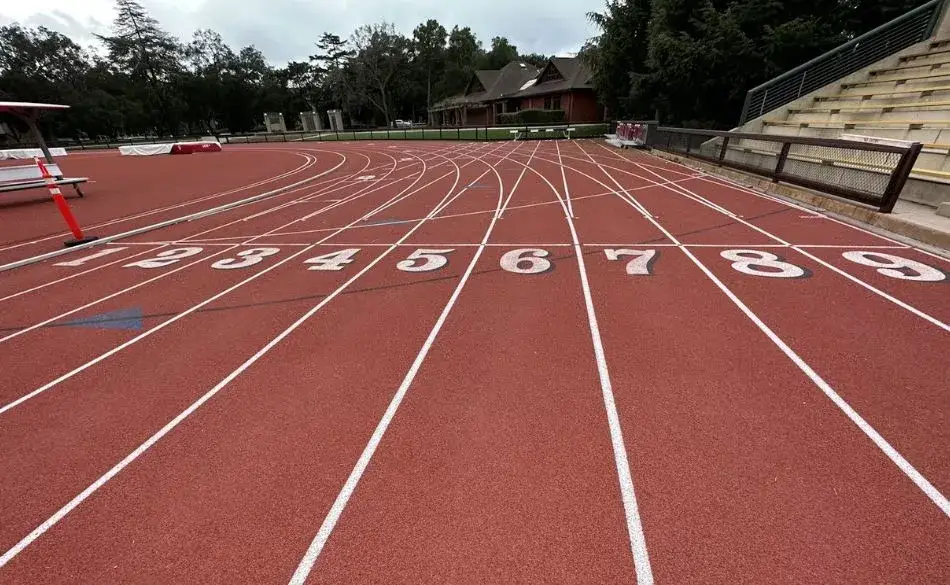
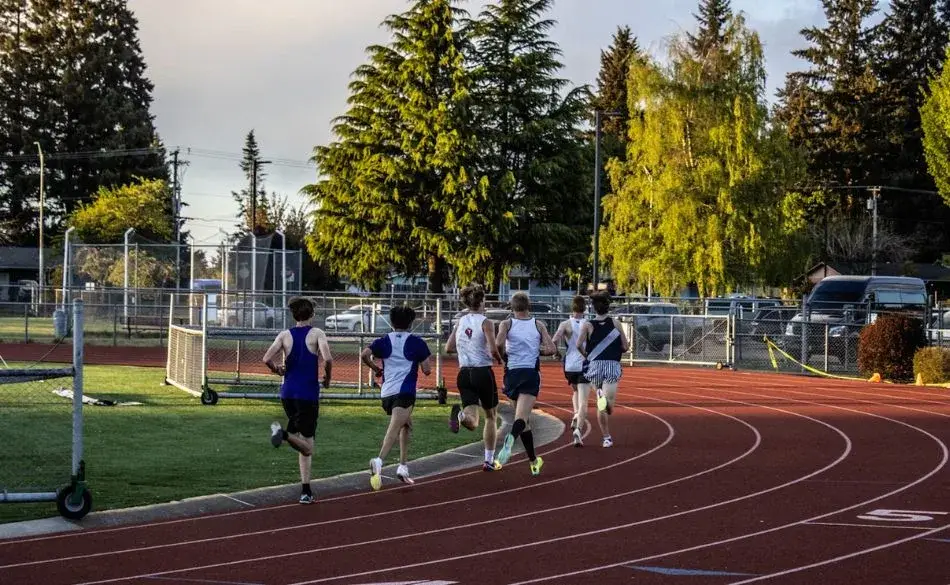
A 10K is 6.2 miles. That's 10,000 metres, or exactly 25 laps of a standard 400-metre athletics track. The K in 10K simply stands for kilometre — so a 10K is 10 kilometres, converted to 6.2137 miles and universally rounded to 6.2. It is exactly double a 5K (3.1 miles) and exactly half a 20K (12.4 miles).
If you're wondering how long it takes to run, what pace you need for common goal times, how many steps it involves, or how to train for one — this guide covers all of it.
Not sure where to start with training?
Tell us your goal and schedule, and we’ll give you clear direction.
No obligation. Quick, practical advice.
Explore our running workouts and tips for more helpful articles and resources.
A 10K is 10 kilometres — exactly. Converting to miles: 10 × 0.621371 = 6.2137 miles, rounded to 6.2 miles for everyday use. Here’s how the 10K sits among other common running distances:
| Distance | Kilometres | Miles | Track laps (400m) |
|---|---|---|---|
| 1K | 1 km | 0.62 miles | 2.5 laps |
| 5K | 5 km | 3.1 miles | 12.5 laps |
| 10K | 10 km | 6.2 miles | 25 laps |
| Half marathon | 21.1 km | 13.1 miles | 52.75 laps |
| Marathon | 42.2 km | 26.2 miles | 105.5 laps |
In practical terms: if you have a regular 5K training route, a 10K is running it twice. If you know a 1-mile loop, a 10K is just over six of those. Most experienced walkers can cover a 10K in 90 minutes to 2 hours; most recreational runners finish in under 70 minutes. The 10K occupies a useful middle ground — demanding enough to require genuine preparation, short enough to complete without the fuelling and pacing complexity of a half marathon or marathon.
How long does a 10K take? It depends on fitness, training, and goals. Here are the benchmark times most runners use:
| Goal time | Pace per mile | Pace per km | Who it suits |
|---|---|---|---|
| 75:00 | 12:04/mile | 7:30/km | Beginners; walk/run approach |
| 60:00 | 9:39/mile | 6:00/km | First-time runners; common beginner goal |
| 55:00 | 8:51/mile | 5:30/km | Recreational runners |
| 50:00 | 8:03/mile | 5:00/km | Men's approximate average finish; solid intermediate |
| 45:00 | 7:15/mile | 4:30/km | Strong recreational performance |
| 40:00 | 6:26/mile | 4:00/km | Competitive club runner level |
| 35:00 | 5:38/mile | 3:30/km | Semi-elite / top age-group performance |
| 26:24 | 4:15/mile | 2:38/km | Men's road world record (Rhonex Kipruto, Valencia 2020) |
| 29:14 | 4:42/mile | 2:55/km | Women's road world record (Yalemzerf Yehualaw, Castellón 2022) |
The most common first-time goal is finishing in under 60 minutes (6:00/km). Sub-50 minutes is a popular next milestone. Sub-45 minutes is a strong recreational performance that puts you in the top third of most race fields. Sub-40 minutes is competitive club runner territory. Our running pace calculator generates your target 10K time from your current training paces or a recent 5K result.
| Goal time | Per km | Per mile | 5km split | Treadmill speed |
|---|---|---|---|---|
| 60:00 | 6:00/km | 9:39/mile | 30:00 | 10.0 km/h |
| 55:00 | 5:30/km | 8:51/mile | 27:30 | 10.9 km/h |
| 50:00 | 5:00/km | 8:03/mile | 25:00 | 12.0 km/h |
| 45:00 | 4:30/km | 7:15/mile | 22:30 | 13.3 km/h |
| 40:00 | 4:00/km | 6:26/mile | 20:00 | 15.0 km/h |
The 10K rewards even pacing — most runners who miss their goal time go out too fast in the first 2–3km and pay for it in the final kilometre. A useful strategy is to run the first 5km at or slightly slower than goal pace, then aim to run the second 5km equal to or faster. Our negative split running guide covers this pacing approach in detail.
Most runners take approximately 12,500 steps to run a 10K, based on an average running stride length of 75–80cm (1,250–1,333 steps per kilometre). Taller runners or those with longer strides may take fewer — around 11,000–12,000 steps. Shorter runners or those with a high-cadence style may take 13,000–14,000 steps.
To find your personal figure: during a training run, count your steps over a measured kilometre (or check your GPS watch’s step count), then multiply by 10. Most modern GPS watches and fitness trackers record step count automatically during runs.
Complete beginner (no current running habit): 8–12 weeks. Start with a run/walk approach and build to continuous running before adding 10K-specific training. 3 runs per week is the minimum effective frequency.
Can already run 5K: 6–8 weeks. The aerobic base is there — training focuses on building the long run to 8–10km and adding one weekly speed session (tempo run or intervals) to improve 10K-specific fitness. Our 10K training plans cover this progression for every starting level.
Existing base, targeting a time goal: 4–6 weeks of sharpening work. Tempo runs at 10K race pace, weekly long run at easy effort, interval sessions (e.g. 5 × 1km at faster than race pace). A short 3–5 day taper before race day.
The 10K is one of the most time-efficient race distances to train for. Unlike a half marathon or marathon, it does not require the long Sunday runs that consume 2–3 hours of the weekend. Most 10K training plans peak at a long run of 8–10km — manageable for runners with moderate weekly time to train. Our running training plans cover everything from a first 10K to sub-40 minute targets.
The 10K sits in a particularly useful position on the race distance spectrum. It is long enough to require genuine endurance training — you cannot sprint a 10K the way you can a 5K — but short enough that fuelling during the race is not required for most runners (glycogen stores are sufficient for up to 90 minutes of running at moderate intensity). This makes the 10K a clean test of aerobic fitness and race-pace sustainability without the nutritional complexity of longer distances.
For runners building toward a half marathon or marathon, the 10K serves as an excellent benchmark race — a 10K time is one of the most reliable predictors of half marathon and marathon potential. Our half marathon distance guide and marathon distance guide cover those next steps.
Ready to Run Your Best 10K?
SportCoaching's 10K training plans are structured for every level — from first-timers to runners targeting a personal best. Every session has a specific paced target so you always know exactly what effort you're training at.
How many miles is a 10K?
6.2 miles (10 kilometres exactly). On a 400m track, that’s 25 laps. Exactly double a 5K (3.1 miles) and exactly half a 20K (12.4 miles).
How long does it take to run a 10K?
Average: ~47–50 min for men, ~55–60 min for women. Beginners: 60–75 min. Common goals: sub-60 min (beginner), sub-50 min (intermediate), sub-45 min (strong recreational), sub-40 min (club runner). World record: 26:24 (Rhonex Kipruto, Valencia 2020).
How many km is a 10K?
Exactly 10 kilometres (10,000 metres). The K in 10K stands for kilometre. 10km = 6.2137 miles, rounded to 6.2 miles.
How many steps is a 10K?
Approximately 12,500 steps for most runners. Range: 11,000–14,000 depending on stride length and cadence. Estimate yours: steps-per-km × 10.
How long does it take to train for a 10K?
Complete beginner: 8–12 weeks. Can run 5K: 6–8 weeks. Existing base targeting a time goal: 4–6 weeks. 3–4 runs per week minimum, with one weekly long run building to 8–10km and one speed session.
Ready to put your training to the test? Here are some upcoming running events matched to this article.


Head Coach & Founder, SportCoaching
Graeme is the founder of SportCoaching and has coached more than 750 athletes from 20 countries, from beginners to Olympians, in cycling, running, triathlon, mountain biking, boxing, and skiing. His coaching philosophy and methods form the foundation of SportCoaching's training programs and resources.
No matter your goals, SportCoaching offers tailored training plans to suit your needs. Whether you’re preparing for a race, tackling long distances, or simply improving your fitness, our expert coaches provide structured guidance to help you reach your full potential.
Smart, progressive training from 5km to marathon with weekly guidance.
What’s included
Browse upcoming Australian running, cycling, and triathlon events in one place. Filter by sport, check dates quickly, and plan your training around something real on the calendar.
Choose your plan to get started with personalized training plans designed to help you reach your goals.


Minna Backman
When you’re new, feedback is especially important, and Graeme is highly skilled at both analyzing numbers and understanding the importance of mental strength.











