














Find Your Next Running Race
Ready to put your training to the test? Here are some upcoming running events matched to this article.
 Coach Graeme

Last updated:
Finishing a marathon leaves most runners in a strange state — exhausted, proud, and oddly restless. Within a day or two, the question arrives: when can I run again? For some it's anxiety about losing fitness. For others it's habit and the genuine pull of running. Either way, the answer is more nuanced than it looks, because what's happening inside the body in the weeks after a marathon doesn't match what you feel on the surface.
The soreness fades. The legs feel more or less normal. You feel fine walking around. And yet research consistently shows that muscle damage, inflammatory markers, and immune suppression are still present for weeks after race day — often well past the point where you feel recovered. Running on that concealed damage is one of the most reliable ways to turn a great marathon into a frustrating injury in the weeks that follow. This guide covers what's actually happening, when it's genuinely safe to return, and how to structure the comeback.
Not sure where to start with training?
Tell us your goal and schedule, and we’ll give you clear direction.
No obligation. Quick, practical advice.
Explore our running workouts and tips for more helpful articles and resources.
The physical recovery from a marathon is slower and deeper than most runners expect. The soreness you feel in the first 48–72 hours — the classic DOMS that makes stairs an adventure — is just the surface layer. Underneath it, several systems are dealing with genuine damage that doesn’t resolve nearly as fast.
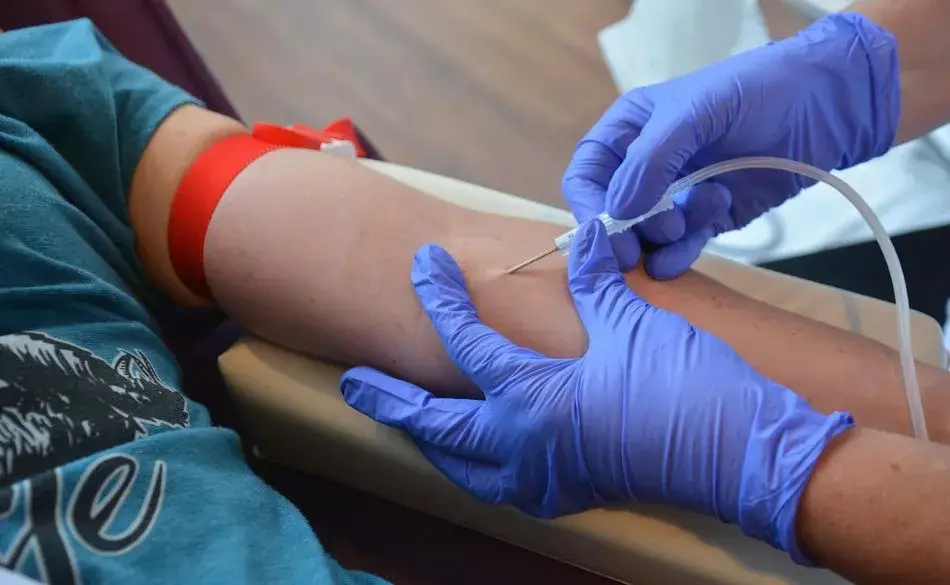
Yale Medicine orthopaedic sports surgeon Dr. Elizabeth Gardner describes it plainly: “There are many muscle breakdown byproducts in the blood that will certainly be elevated for at least a week and may still be higher than normal up to four weeks after an event like a marathon.” The specific markers — creatine kinase (CK), myoglobin, and inflammatory cytokines — are elevated even when you can’t feel them. CK damage, a marker of muscle cell membrane breakdown, persists for more than 7 days post-marathon. Myoglobin (released from damaged muscle fibres) remains elevated in the bloodstream for 3–4 days. Research cited by Polar on marathon muscle damage found inflammation and fibre necrosis that “significantly impaired muscle power and durability,” with full restoration of normal muscle function taking up to two weeks.
These aren’t just numbers in a research paper. They represent muscles that literally cannot generate the same force or recover from workouts at the same rate as normal. Running on this compromised musculature — especially anything beyond gentle movement — puts stress on tissue that’s already struggling to repair itself. The result is often a nagging injury that appears seemingly out of nowhere in week three or four, which is usually traced back to training that started too aggressively too soon.
The immune system is another factor most runners don’t account for. Research shows marathon running significantly suppresses immune function in the days following the race — what sports scientists call the “open window” — during which susceptibility to upper respiratory infections is meaningfully elevated. This isn’t just about feeling under the weather. Illness during the early recovery window extends recovery significantly and delays the return to training far more than another week of rest would have.
Beyond the muscles and immune system, the nervous system carries a fatigue load from months of marathon training that isn’t cleared by one race and a few easy days. The central nervous system fatigue that accumulates through 16–20 weeks of progressive mileage is real, and it’s part of why runners who return to training within a week or two post-marathon often find their easy paces feel harder than expected, quality sessions feel flat, and motivation is lower than it should be. Our guide on easy run effort covers what genuine Zone 2 effort feels like — relevant context for the first weeks back, when everything will feel harder than the heart rate suggests it should.
| Week | What's happening | What to do | What to avoid |
|---|---|---|---|
| Days 1–3 | Peak DOMS; elevated CK and myoglobin; immune window open; muscle power impaired | Rest; walking only; eat and hydrate well; sleep as much as possible | Running; intense cross-training; anything that produces muscle soreness |
| Days 4–7 | DOMS fading; CK still elevated; immune system recovering; nervous system fatigued | Light walking; gentle swimming or cycling for 20–30 min; foam rolling; good nutrition | Running; hard gym sessions; racing; anything high-impact |
| Week 2 | Surface soreness mostly gone; internal damage still present; motivation may dip | Short easy runs of 20–30 min if feel genuinely ready; otherwise continue active recovery | Pace targets; intervals; tempo; hills; anything with intensity |
| Weeks 3–4 | Feeling more normal; muscle function returning; fitness still largely intact | Rebuild easy run duration gradually; normal easy paces start to feel normal again | Jumping back to pre-marathon mileage; quality sessions before body signals readiness |
| Weeks 5–6 | Most runners feel genuinely recovered; ready for structured training | Reintroduce one easy quality session (strides or light fartlek); rebuild mileage toward baseline | Racing; peak training; aggressive mileage increases |
| Week 6+ | Full recovery for most; ready for new training cycle | Resume normal training structure including quality sessions and long runs; plan next goal | Nothing — you're back |
Runners Connect makes a point worth repeating: Meb Keflezighi took three weeks of forced rest after the 2012 NYC Marathon and still had enough time to prepare for the Olympic Trials, which he won — with just 70 days of preparation after that rest period. Even another two weeks of injury-related rest didn’t stop him finishing fourth at the London Olympics. Fitness comes back quickly when recovery is genuinely complete. What doesn’t come back quickly is the fitness lost to an injury that develops from rushing the recovery.
The concept of a reverse taper — deliberately structured reintroduction of training volume, mirroring the pre-race taper in reverse — is one of the most useful frameworks for post-marathon recovery. You reduced mileage over 2–3 weeks before the marathon to arrive fresh. You rebuild over 2–4 weeks after it to arrive back at training capacity without overloading a body that’s still recovering.
The principle is straightforward: don’t increase volume by more than 10% per week during the return phase, exactly as you would in a base-building phase. Start from essentially nothing in week one (walking and light movement), build to easy short runs in week two, return to normal easy run duration in week three, and begin approaching pre-marathon weekly mileage in weeks four and five.
Quality sessions — tempo runs, intervals, and speed work — don’t belong in the first four weeks of return. The physiological point is important: muscles that are still repairing from marathon damage can’t perform quality training at the level it needs to be done to produce adaptation. A “tempo run” done while the muscles are still compromised from marathon damage is neither a recovery run nor a proper tempo — it’s an unproductive session that adds fatigue without the training stimulus. Our guide on speed work for runners covers when and how to reintroduce quality after a recovery period — the return-to-speed principles apply equally after a marathon as after an injury layoff.
The specific return sequence that most coaches advocate: easy running for 2–3 weeks, strides added toward the end of week 3, fartlek or very light threshold efforts in week 4–5, structured intervals and tempo not until week 5–6 minimum. This timeline assumes the marathon itself went reasonably well. A marathon with a hard final 10km blow-up, significant cramping, or a course much harder than expected may require an extra week or two on every phase.
A specific and practical test for when to start running comes from The Running Channel’s guidance: two conditions, both of which need to be present.
First, physical readiness: no lingering DOMS, soreness, tightness, blisters, or joint aches. You can walk normally up stairs. Nothing is grumbling that shouldn’t be. This sounds obvious, but many runners return while still experiencing minor stiffness in the morning or discomfort on stairs, which is a sign that the underlying damage hasn’t cleared.
Second — and this one is often overlooked — mental readiness: you feel genuinely excited and motivated to run again, not just like you should be returning because it’s been a certain number of days. The psychological component of marathon recovery is real. Months of structured training focused on a single goal event, followed by the event itself and then a period of enforced rest, produces a mental transition that many runners underestimate. Some feel flat and unmotivated for 1–2 weeks post-marathon. This isn’t weakness — it’s the natural psychological aftermath of a peak effort followed by a removal of routine and purpose. Forcing runs during this period tends to produce joyless, low-effort sessions that don’t contribute meaningfully to recovery or fitness.
Both signals present? You’re ready to start. Just one? Keep recovering. The fitness cost of another 3–5 days of rest is essentially zero. The fitness cost of an injury that develops from premature return is measured in weeks.
Rest does not mean sitting completely still. Active recovery — gentle movement that promotes blood flow without adding load — is better than total inactivity during the first two weeks. The specific options that work well:
Walking. A 20–30 minute walk from day one is fine and beneficial. It moves the legs, promotes circulation, and gets you outside without any real strain on recovering muscles.
Easy swimming or cycling. From around day 4–5, 20–30 minutes of easy non-impact cardio — swimming, cycling, elliptical — provides light cardiovascular stimulus and helps with circulation and psychological wellbeing without loading the joints and muscles that are still recovering. Yale Medicine’s sports medicine guidance specifically recommends low-impact cross-training as part of an effective recovery strategy.
Sleep. More sleep than usual in the first week. Growth hormone, tissue repair, and immune function all peak during deep sleep. A runner who consistently gets 8–9 hours in the week post-marathon will recover meaningfully faster than one who sleeps poorly and compensates with extra movement.
Nutrition. Post-marathon recovery nutrition is often underestimated. The body is still repairing tissue, restoring glycogen, and managing inflammation for 2–3 weeks post-marathon. Protein intake at around 1.6–2.2g per kg of bodyweight supports muscle repair. Anti-inflammatory foods — berries, oily fish, leafy greens — are worth prioritising. This isn’t the moment for restrictive eating.
On hydration: the days immediately after a marathon often involve significant residual dehydration even after post-race rehydration. Consistent fluid intake with electrolytes for the first 2–3 days helps clear the inflammatory markers and metabolic byproducts more efficiently. Our sweat test guide covers individual hydration needs — relevant context for the recovery period when fluid balance matters more than usual.
The first run back after a marathon recovery period often surprises runners — either it feels better than expected or worse. Both are normal. If it feels worse: your cardiovascular fitness has detrained slightly (normal for 2+ weeks of no running), your legs are still adjusting to impact load after a period without it, and the psychological freshness of time off sometimes makes early runs feel heavier, not lighter. Don’t adjust the plan in either direction based on one session.
Pace targets are not appropriate for the first 2–3 weeks of return. The only metric that matters in those early sessions is effort — and the effort should be genuinely easy, passing the talk test throughout. Our Zone 2 running guide gives the heart rate numbers for what this should look like. Heart rate will likely run slightly higher than usual at the same pace for the first week or two back — this is normal cardiac drift from the recovery period and resolves as training resumes.
Older runners typically need a longer recovery window at every phase. The processes of muscle repair and immune recovery that take two weeks at 30 often take three to four weeks at 55. Our guide for older athletes covers how training and recovery timelines shift with age — including the post-marathon recovery considerations that make rushing back particularly counterproductive for masters runners.
The marathon is done. The recovery window is the right time to think about what’s next rather than jumping back into the same structure. If you ran well, you have a fitness platform to build from — the aerobic base is solid and the next training cycle starts from a stronger position. If you struggled, the recovery period is when you can reflect honestly on what worked and what didn’t without the distortion of fatigue and race-day emotion.
Most coaches recommend waiting until 6–8 weeks post-marathon before committing to the next training block — not because you can’t start running earlier, but because the quality of the first hard sessions in a new cycle is meaningfully better when the recovery is complete. A new training cycle that starts from genuine recovery produces better returns than one that starts from a 60% recovered state and compounds fatigue from day one. Our guide on building marathon mileage safely covers how to structure the next training block with the 10% rule and appropriate recovery weeks built in. Our marathon training plans are available when you’re ready to commit to the next goal.
What's Next After Your Marathon?
SportCoaching's running coaches help you structure the recovery period and build toward your next goal — whether that's a faster marathon, a first ultra, or simply running consistently and injury-free. AUD $143/month, no lock-in, 90-day guarantee.
How soon after a marathon can you run again?
Most sports medicine experts recommend 5–7 days minimum rest. Muscle breakdown markers remain elevated for at least a week and possibly up to four weeks. For most runners, genuinely easy running is appropriate around day 7–10; quality training returns at 4–6 weeks.
How long does it take to fully recover from a marathon?
Full recovery — ready for hard training — typically takes 4–6 weeks. Muscle inflammation and fibre necrosis can take two weeks to resolve; CK damage persists more than 7 days. Even elite runners take 3–4 weeks before returning to hard training.
Can I run the day after a marathon?
Not recommended. There are no real benefits, and you risk delaying recovery. Your muscles are functioning below capacity, your immune system is suppressed, and your nervous system is fatigued. Walking or rest is more appropriate for days 1–3.
What is a reverse taper after a marathon?
A structured return mirroring the pre-race taper: start from very easy walking and light movement, build to short easy runs, return to normal easy duration, then gradually reintroduce mileage. Quality sessions return around weeks 5–6 at the earliest.
How do I know when I’m ready to run after a marathon?
Two signals both need to be present: physical readiness (no soreness, normal stair-climbing) and mental readiness (genuinely excited to run, not just feeling like you should be). Both physical and psychological recovery are necessary — rushing back when one is missing produces low-quality running that doesn’t serve either recovery or fitness.
Ready to put your training to the test? Here are some upcoming running events matched to this article.



Head Coach & Founder, SportCoaching
Graeme is the founder of SportCoaching and has coached more than 750 athletes from 20 countries, from beginners to Olympians, in cycling, running, triathlon, mountain biking, boxing, and skiing. His coaching philosophy and methods form the foundation of SportCoaching's training programs and resources.
No matter your goals, SportCoaching offers tailored training plans to suit your needs. Whether you’re preparing for a race, tackling long distances, or simply improving your fitness, our expert coaches provide structured guidance to help you reach your full potential.
Smart, progressive training from 5km to marathon with weekly guidance.
What’s included
Browse upcoming Australian running, cycling, and triathlon events in one place. Filter by sport, check dates quickly, and plan your training around something real on the calendar.
Choose your plan to get started with personalized training plans designed to help you reach your goals.


Minna Backman
When you’re new, feedback is especially important, and Graeme is highly skilled at both analyzing numbers and understanding the importance of mental strength.











