How Your Training Setup Shapes the Power You Can Produce
Getting stronger on the bike starts with understanding how your environment affects your power. Most riders overlook this, but the space you train in, the tools you use, and the structure you follow can all shape how quickly your power grows.
If you’re trying to boost your watts without a coach, your first goal should be consistency. You can build a lot of strength with cycling power training at home if you set things up in a way that supports regular riding. That means using your indoor space in a smart way and treating it like a training zone, not just a corner with a bike in it.
Many cyclists think indoor training is boring, but it’s actually one of the best ways to work on raw power. A controlled environment makes it easier to track progress and repeat high-quality efforts. It also removes weather, traffic, and time pressure. If you’ve ever wondered how to improve cycling power indoors, this is where it begins.
One of my coaching clients once told me he never believed he could increase his power on his own. He didn’t have a coach, and he felt stuck around the same wattage for years. After setting up a simple indoor routine and focusing on steady structure, he increased his FTP by almost 25 watts in eight weeks. It wasn’t magic, it was consistency in the right environment. If you’re wondering how much you can increase your FTP by training smart without a coach, this article gives realistic expectations based on your experience level.
Below are a few simple ways to prepare your space so you can train with more focus and fewer distractions:
- Make sure your fan and airflow setup prevent overheating
- Keep your bike, shoes, and bottles in one place so sessions start faster
- Use a basic training mat to reduce noise and increase stability
- Keep a small towel and hydration nearby to avoid stopping mid-ride
- Use your phone or bike computer to save every ride for tracking
Small details build big habits. And strong habits create power.
You can build a lot of power on your own, but if you want faster progress with less guesswork, our Cycling Coaching gives you structured sessions, personalised feedback, and clear week-to-week progression designed to boost your wattage with confidence.
It’s ideal for riders who’ve built a base through self-coached training and now want a plan that removes uncertainty and keeps power rising month after month — without wasting effort or time.
Explore Cycling Coaching
Simple Power Sessions You Can Do At Home
If you want more power without a coach, your sessions need a clear job. Most riders just “go for a ride” and hope their legs get stronger. That works a little, but not for long. If you want to know how to increase cycling wattage in a steady way, you need a few simple workout types you can repeat each week.
The good news is you can do almost all of them at home. A basic trainer, a bike computer, or even a simple timer is enough. The key is to match each session to a clear goal. Some rides build strength. Some rides build engine. Some rides sharpen top-end power. Together they do what a coach would do for you.
Below is a table that shows different cycling intervals to increase power and what they actually train. This is also a great guide on how to increase ftp for beginners, because it keeps things simple and clear.
👉 Swipe to view full table
| Session Type | Example At Home Workout | Main Power Benefit |
|---|---|---|
| Sweet Spot Power | 3 x 8–10 min at 88–94% of FTP with 4–5 min easy between | Builds sustainable power and raises FTP with moderate fatigue |
| Short VO2 Intervals | 5 x 3 min hard at 105–115% of FTP with 3 min easy between | Improves aerobic engine and high-end power for hills and surges |
| Low Cadence Strength | 4 x 6–8 min seated at 60–70 RPM on a steady resistance | Builds muscular strength and torque for climbing and headwinds |
| Sprint Efforts | 8–10 x 10–15 sec all-out sprints with 2–3 min easy between | Boosts peak power and acceleration for town signs and attacks |
| Endurance Base Ride | 60–90 min at easy to steady pace where you can talk in full sentences | Builds aerobic base so you can handle harder sessions and longer rides |
| Best For Beginners | 1–2 Sweet Spot sessions plus 1 Endurance ride each week | Simple structure that steadily lifts FTP without burning out |
You don’t need to use every session in one week. Pick two or three that fit your life and repeat them. Over time, these simple patterns build real power, even without a formal plan or coach. Research supports this approach too, with a peer-reviewed study showing that focused interval blocks can quickly improve mean power output. To explore more beginner-friendly ways to structure your effort, this cycling interval guide for beginners is a helpful place to start.
If you’re ready to take the next step in your power training, our Cycling Threshold Training Plan gives you a structured, progressive approach designed to raise your FTP and improve your sustained power both indoors and outdoors.
It’s perfect for riders who’ve built a base on their own and now want focused sessions that target real breakthroughs in threshold strength, climbing speed, and overall endurance power — all without needing a full-time coach.
View Threshold Training Plan
Build Real Strength With Simple At Home Workouts
If you want more power, you can’t rely on the bike alone. Your muscles need extra strength work so every pedal stroke feels solid, not soft. The best part is you can do most of this with basic cycling strength training at home, using bodyweight or light weights.
Think of your legs as the engine and your core as the frame that holds everything steady. If your core is weak, your power leaks away through rocking hips and poor posture. When you make your legs and core stronger, you turn the same effort into more speed and more stable power. That’s how smart self coached cycling training works.
You don’t need long gym sessions to see gains. Two short strength sessions each week are enough to help your power rise over time. You can place them on easy ride days or on days when you don’t have time to get outside. Ask yourself this simple question. Are you giving your muscles any reason to get stronger off the bike?
Here are simple strength moves that support more power on the bike:
- Squats or chair squats to build basic leg strength
- Lunges or split squats to balance each leg and protect your knees
- Glute bridges or hip thrusts to wake up your main power muscles
- Planks and side planks to hold a strong, stable position on the bike
- Calf raises to support ankle control and smoother pedal strokes
Start with one or two sets of each exercise and progress slowly. Focus on smooth, controlled movement, not rushing the reps. Over time, this quiet work changes how strong your legs feel in every interval.
Indoor training is one of the easiest ways to build power when you’re short on time. Even a single hard session each week can move your numbers upward if the intervals are done with purpose. If you want ideas for a compact session that still builds real strength, this best 1-hour cycling workout is a great starting point.
How Can Better Technique Give You Free Power Without Extra Fitness?
Here’s the thing about power. You don’t always need stronger legs to go faster. Sometimes you just need to use the power you already have in a smarter way. That’s where technique comes in. When you work on pedaling technique to increase power, you turn more of each push into real speed.
Most riders mash the pedals on the downstroke and forget about the rest of the circle. This wastes energy and overloads the quads. A smoother stroke spreads the work across more muscles. Think of it like stirring a thick sauce instead of stabbing it with a spoon. When the motion flows, everything feels lighter and more controlled.
One simple trick is to focus on three parts of the pedal stroke. Push across the top, drive down through the middle, and then lightly sweep back at the bottom. You don’t need to pull hard on the upstroke. Just avoid going totally dead. Over time, this reduces “dead spots” and makes your power graph look smoother and more stable.
If you want to increase climbing power cycling, technique matters even more. On hills, every small mistake in form costs you speed. Keep your upper body still, relax your hands, and keep your chest open so you can breathe. Picture your hips as a quiet hinge and your legs as smooth pistons driving the bike forward.
Cadence plays a big role too. Riding climbs at a very low cadence all the time can grind your legs. Riding at a slightly higher cadence, often around 75–90 RPM for many riders, helps you balance torque and rhythm. Your breathing will feel more even, and your legs won’t load up as quickly.
Ask yourself this. Are you fighting the bike on climbs, or are you moving with it? Small technique upgrades can turn the same fitness into noticeably more speed.

How Smart Training Progression Helps You Build Power Week After Week
If you want to get stronger without a coach, the most important skill you can learn is managing your own training progression. Power doesn’t come from random rides. It comes from applying the right stress at the right time and then letting your body adapt. That’s how steady, reliable progress happens, even when you’re doing everything on your own.
Most riders make the same mistake. They train hard when they feel good, easy when they feel tired, and hope it balances out. But if you want to grow real power, especially when using cycling power training at home, you need a simple structure that tells your body, “It’s time to level up.”
The easiest way to build power is by increasing one of three things at a time:
- A little more time at Sweet Spot
- A little more time in VO2 intervals
- A little more weekly ride time
These changes don’t need to be big. A few minutes added to a key workout each week is enough to nudge your fitness forward. Think of it like saving spare coins in a jar. At first the changes feel tiny. After a few weeks, they become something you can feel in your legs and see in your power numbers.
A good self-coached system looks like this:
- Week 1: Do your baseline workouts
- Week 2: Add 5–8 minutes of work
- Week 3: Add another small step
- Week 4: Keep volume but lower intensity so you can absorb the gains
This rhythm works whether you’re trying to learn how to improve cycling power indoors or pushing for harder sessions outdoors. It also supports riders learning how to increase ftp for beginners, because the changes are small and safe.
Ask yourself this: are you building your weeks with purpose, or just hoping for progress? When you give your training a clear structure, each ride becomes a small step forward, and your power starts to rise in a steady, predictable way.
Putting It All Together With a Simple Weekly Power Plan
When you’re training without a coach, the hardest part is knowing how to mix your sessions so your power rises without feeling overwhelmed. The goal is to take everything you’ve learned (structure, technique, progression, and at-home work) and place it into a simple week that’s easy to follow. This plan gives you steady growth whether you’re working on how to improve cycling power indoors or combining indoor and outdoor rides.
Think of your week like a small recipe. Each day has a purpose, and each ride supports the next one. You don’t need long hours or complicated planning. You only need a clear layout you can repeat with small progressions each week. That’s how riders build real power through self coached cycling training.
Below is a simple weekly structure you can follow. It uses Sweet Spot work, strength sessions, and cycling intervals to increase power in a balanced way:
Weekly Layout Example
Monday – Rest or Light Stretching
Let your body absorb the previous week.
Tuesday – Sweet Spot Power Session
3 x 8–10 min at Sweet Spot. Builds steady strength and improves FTP.
Wednesday – Strength Session (20–25 minutes)
Basic cycling strength training at home with squats, lunges, glute bridges, planks.
Thursday – VO2 Power Session
5 x 3 minutes hard. Helps raise high-end power and supports how to increase cycling wattage over time.
Friday – Easy Spin (45–60 minutes)
Very light effort. Helps your legs feel fresher for the weekend.
Saturday – Longer Endurance Ride
60–90 minutes at a talking pace. Supports recovery and base fitness.
Sunday – Technique + Low Cadence Strength Ride
Focus on pedaling technique to increase power and add 3 x 6 min low cadence climbing work.
This structure works because it balances hard work and recovery. You get two strong power sessions, one technique day, one strength day, and enough easy time to keep your legs responsive. As you repeat this week, add small progressions like more minutes at Sweet Spot or slightly longer VO2 intervals. Over time, your power grows in a predictable, steady way.
Ready to choose a plan that matches your schedule, goals, and training style? Visit our Cycling Training Plans page to view a full selection of pre-built programs designed for power, endurance, climbing, sprinting, indoor training and more.
Whether you’re building a base, chasing higher wattage, or prepping for your next big ride, there’s a proven plan here to help you move from solo training to consistent progress — with or without a coach.
Explore Plans Now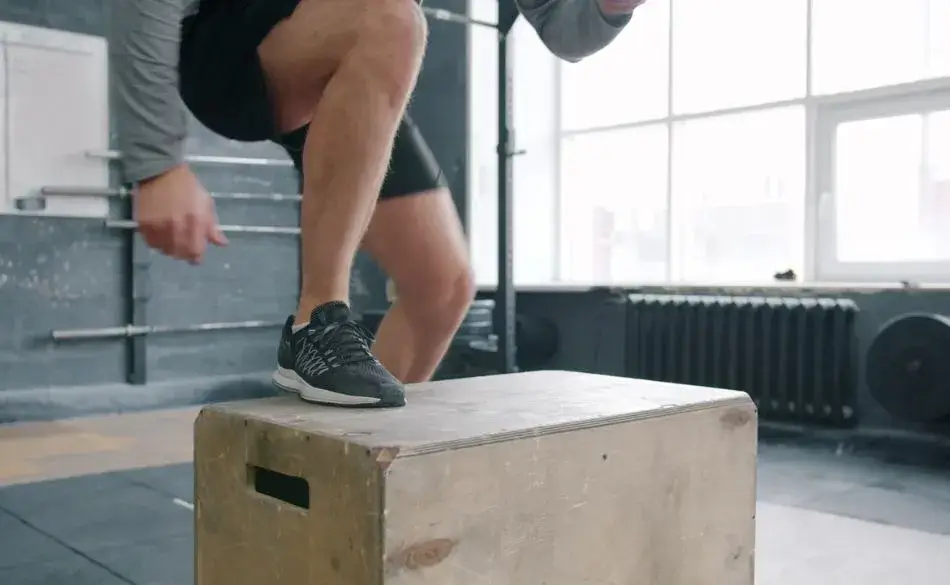

How to Track Your Power Gains Without a Coach
If you want to get stronger on your own, the most important skill you can learn is how to track your progress. You don’t need a coach or expensive tools to see whether your training is working. You just need a simple way to measure your rides and compare how you feel over time. When you can see small improvements, it builds confidence and keeps you moving forward.
The first step is choosing one or two numbers you want to follow. Many riders focus on FTP, but that’s only one measure. You can also track how long you can hold a certain power, how steady your cadence feels on climbs, or how fast you finish a familiar route. If you’re doing self coached cycling training, keeping things simple is your biggest advantage.
A good way to measure progress is to repeat the same short test every four to six weeks. This doesn’t need to be a full FTP test. A 12-minute hard effort or a 20-minute steady push works just as well. What matters is consistency. Same route, same warm-up, same goal. Over time, you’ll see whether your training is lifting your power.
You can also use a few simple signs to check if you’re improving without looking at numbers:
- Hard efforts feel smoother than they used to
- You recover quicker between intervals
- You can hold your target pace longer
- Climbing feels easier at the same gear
- Your breathing feels more controlled on steady rides
These “feel checks” are just as important as data. They show how your body is adapting behind the scenes, especially when you’re learning how to increase cycling power without outside help.
Another helpful tool is keeping a short training note after each ride. Write one sentence about how your legs felt, what went well, and what felt hard. After a month, read back through your notes. You’ll notice a clear pattern of growth that numbers sometimes miss. If you’d like to learn exactly how to increase your FTP by 50 watts, our detailed guide shows proven strategies and realistic timelines.
Tracking your progress doesn’t have to be complicated. When you use simple tests, repeatable rides, and honest notes, you can see your gains clearly and stay motivated as your power keeps climbing.
Building Confidence and Keeping Your Power Gains Growing
When you’re training without a coach, it’s easy to doubt yourself. You might wonder if you’re doing the right sessions, riding enough, or pushing hard enough. Here’s the truth. If you’re following a simple plan, staying consistent, and paying attention to how your body feels, you’re already ahead of most riders. You don’t have to be perfect to get stronger. You just have to keep showing up.
Power doesn’t rise in a straight line. Some weeks your legs feel great. Other weeks you feel flat, even though you’re doing the same work. That’s normal. Instead of judging every single ride, look at the bigger picture. Are your intervals a little smoother than last month? Are your climbs a bit easier at the same pace? Those are real signs that your work is paying off.
When you think about how to increase cycling wattage, remember it’s not only about pushing harder. It’s also about sleeping enough, eating well, and giving yourself time to recover. Strong riders respect rest days. They know easy spins and quiet days are what turn hard sessions into lasting power. Ask yourself, are you giving your body enough space to adapt, or are you always chasing one more hard ride?
You’re now in control of your own progress. You know how to use at-home sessions, strength work, technique drills, and weekly structure to build power even without a coach. That’s a big skill. Keep notes, track your rides, and adjust slowly when life gets busy. You can always step back for a week and then rebuild.
Most of all, stay patient with yourself. Power comes from hundreds of small, honest efforts, not one heroic workout. If you keep doing the simple things well, your legs will prove it on every climb, every interval, and every ride where you suddenly notice you’re going faster than you thought possible.