
Quick Answer
An Ironman 70.3 covers 1.9km swim, 90km bike, and 21.1km run. A full Ironman covers 3.8km swim, 180km bike, and 42.2km run. Most athletes need 16 to 20 weeks for a 70.3 and 24 to 30 weeks for a full Ironman. Training typically requires 8 to 12 hours per week for 70.3 and 12 to 16 hours for full distance.Ironman Distances Explained
Understanding exactly what you are training for helps you plan your preparation and set realistic expectations.
👉 Swipe to view full table
| Distance | Swim | Bike | Run | Cut-off Time | Typical Finish |
|---|---|---|---|---|---|
| Ironman 70.3 | 1.9 km | 90 km | 21.1 km | 8 hrs 30 min | 5:00 – 7:30 |
| Full Ironman | 3.8 km | 180 km | 42.2 km | 17 hours | 10:00 – 15:00 |
The 70.3 is the most popular long-course triathlon distance in the world. It is challenging enough to require serious preparation but short enough that most working adults can fit the training into their week. For a deeper explanation of what the 70.3 involves, read our complete guide to the 70.3 triathlon.
The full Ironman doubles every distance and roughly triples the training commitment. It is a fundamentally different challenge — not just physically, but mentally and logistically. Most coaches recommend completing at least one 70.3 before attempting a full Ironman.
How Long Does It Take to Train?
Ironman 70.3: 16 to 20 weeks for most athletes. Beginners with a sprint or Olympic triathlon background should allow the full 20 weeks. Experienced triathletes can prepare in 12 to 16 weeks. Training typically requires 8 to 12 hours per week, peaking at 12 to 14 hours in the biggest weeks. For a breakdown of weekly hours by level, read our guide on how much time you need for 70.3 training.
Full Ironman: 24 to 30 weeks for most athletes. The longer timeline allows for gradual volume progression without the injury risk that comes from building too quickly. Training peaks at 14 to 18 hours per week in the biggest weeks, though many athletes prepare successfully on 12 to 14 hours with focused, quality sessions. Our 24-week Ironman training plan covers the full periodised approach.
Structuring Your Training Week
Ironman training requires balancing three disciplines plus strength work and recovery within a realistic weekly schedule. Here is an example week for an athlete training for a 70.3 on approximately 10 hours per week.
👉 Swipe to view full table
| Day | Morning | Evening |
|---|---|---|
| Monday | Rest | Strength (20 min) |
| Tuesday | Swim — intervals (45 min) | Run — easy (40 min) |
| Wednesday | Bike — tempo or intervals (60 min) | — |
| Thursday | Swim — endurance (45 min) | Run — tempo (40 min) |
| Friday | Rest or easy spin (30 min) | — |
| Saturday | Bike — long ride (2–3.5 hrs) | — |
| Sunday | Brick: bike + run (90 min total) | — |
The long bike on Saturday is the anchor session — it builds the cycling endurance that forms the backbone of any Ironman race. The brick on Sunday teaches your body to run off the bike, which feels awkward and heavy until you have practised it repeatedly. Two swims per week is the minimum for maintaining swim fitness; three is ideal if time allows.
Coach’s tip: The bike leg accounts for roughly half your total race time in both 70.3 and full Ironman. Yet many athletes undertrain on the bike and overtrain on the run. If your training time is limited, prioritise bike volume — it has the biggest impact on your overall finish time.
Training for Each Discipline
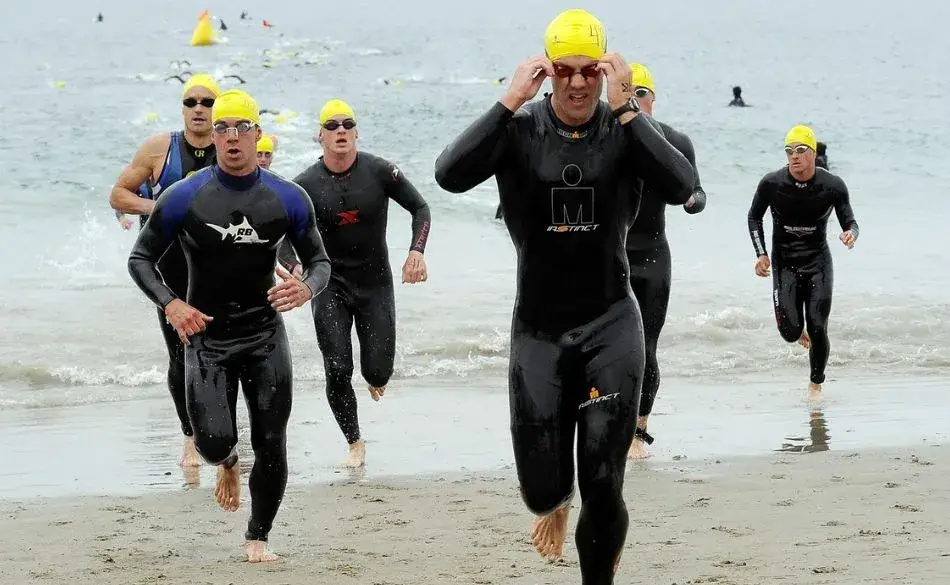
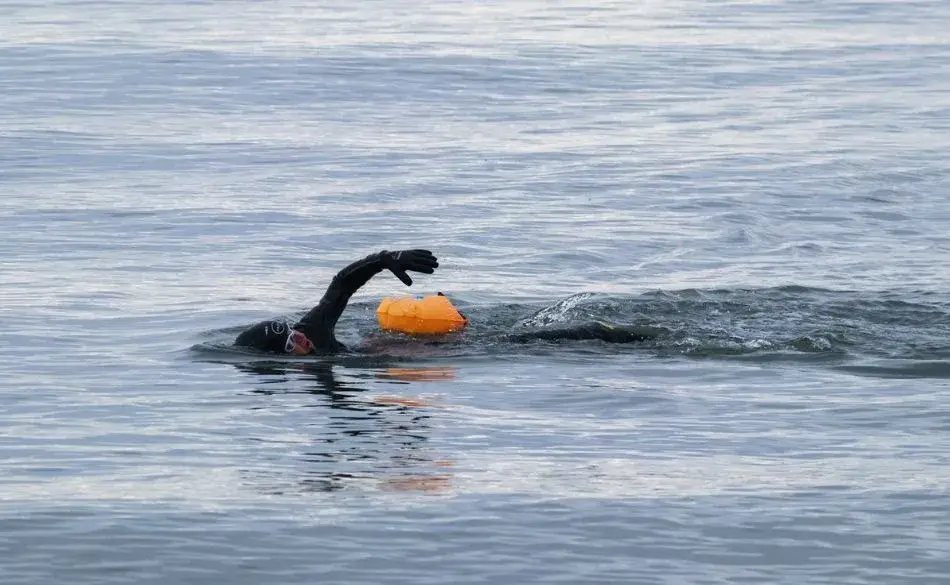
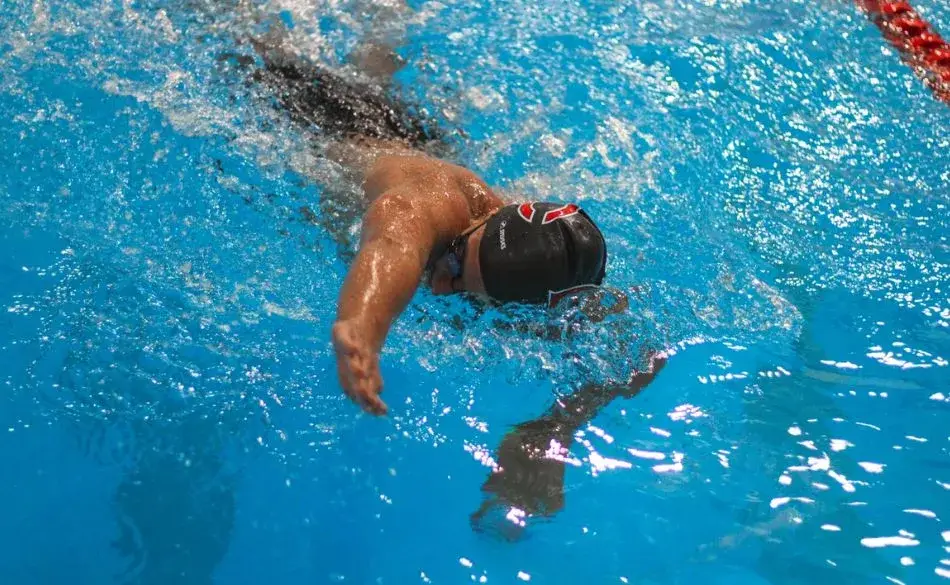
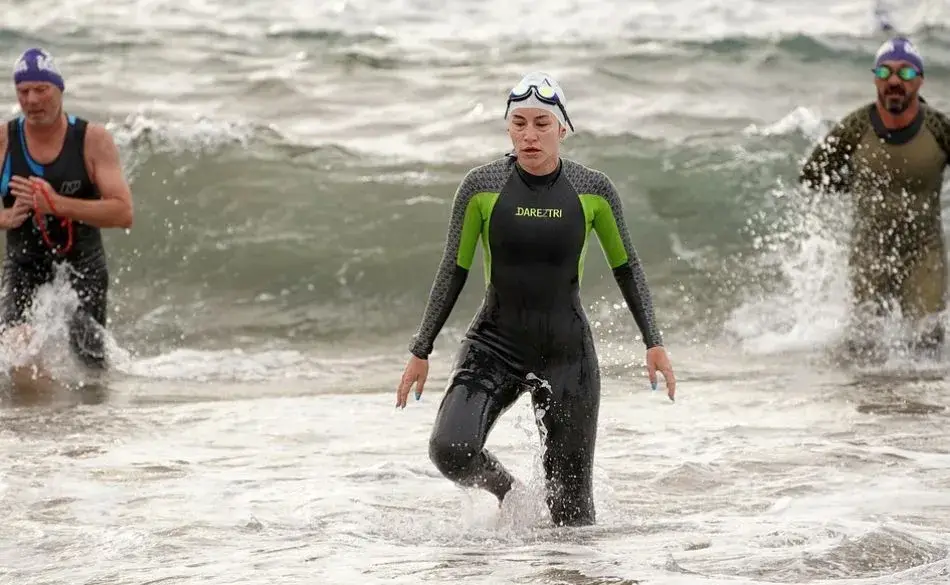
Swimming. The swim is the shortest leg but causes the most anxiety for beginners. For a 70.3, you need to swim 1.9 kilometres in open water, typically within 1 hour and 10 minutes. Focus on technique over speed — a relaxed, efficient stroke saves enormous energy for the bike and run. Practise open water swimming at least three to four times before race day. Read our guide to mastering the 70.3 swim for detailed preparation.
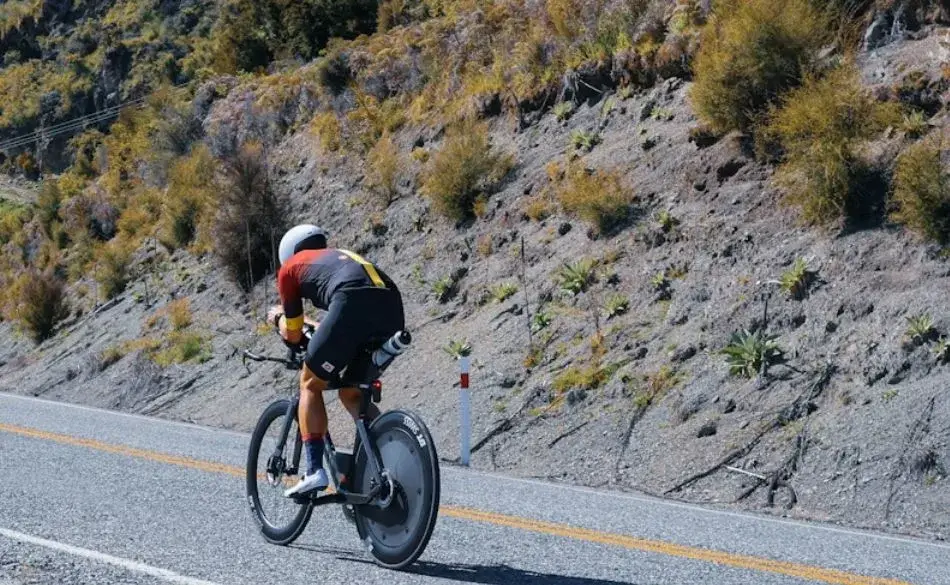
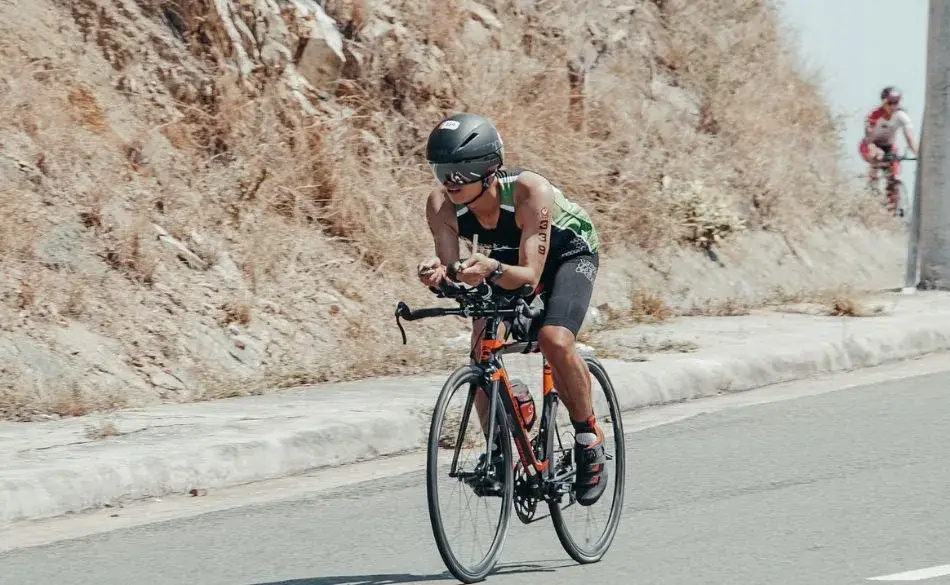
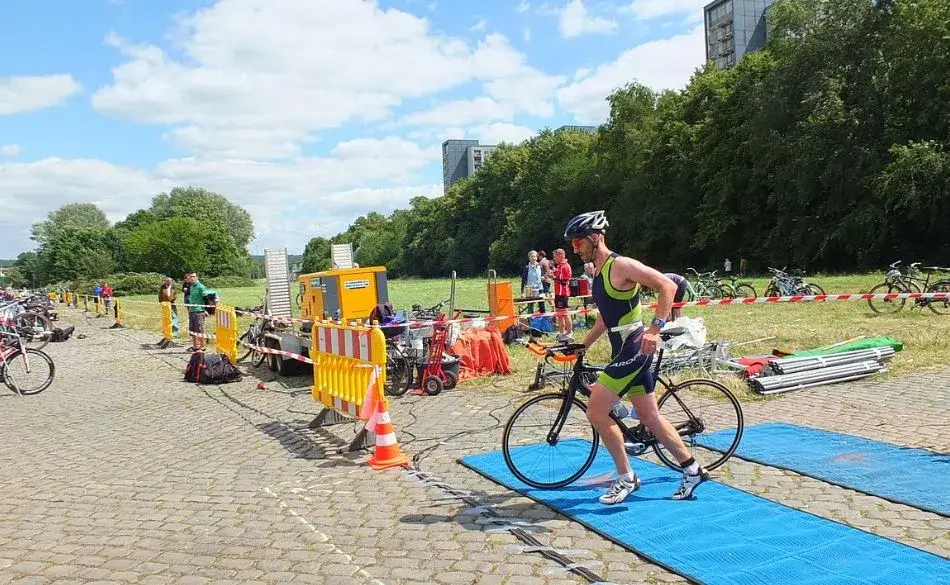
Cycling. The bike is where races are won or lost. For a 70.3, you ride 90 kilometres. For a full Ironman, 180 kilometres. Long, steady rides at race effort build the aerobic endurance and pacing discipline needed to arrive at the run with enough energy to finish strong. Train with power or heart rate to avoid the common mistake of riding too hard early. Our cycling training plan guide covers structured bike training in detail.
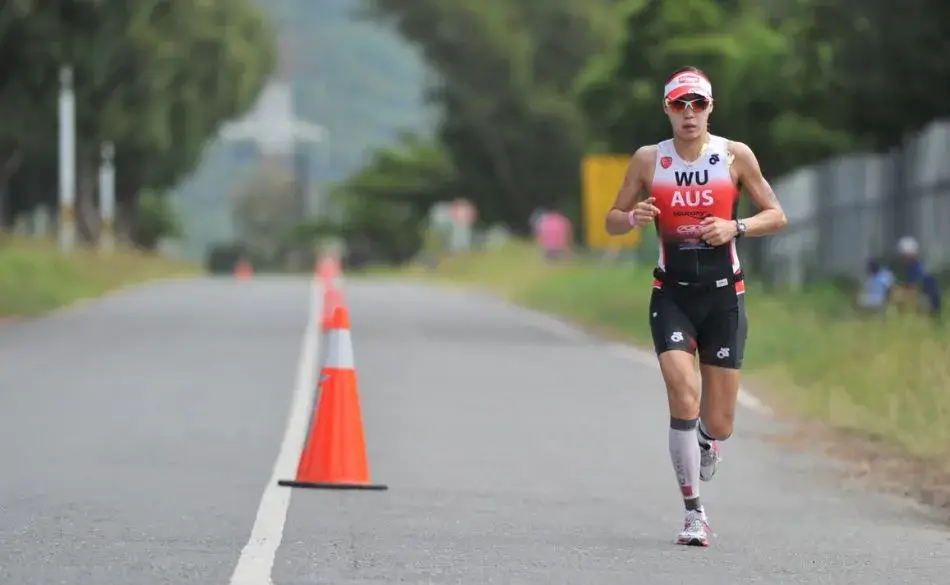
Running. The Ironman run is not a standalone race — it is a run after hours of swimming and cycling. Brick sessions (bike followed immediately by a run) are essential for preparing your body and mind for this transition. For a 70.3, your run is a half marathon. For a full Ironman, it is a full marathon on tired legs. Pacing patience is critical — start conservatively and build. Our Ironman running guide covers race-specific run preparation.
Ironman Nutrition — The Fourth Discipline
Nutrition separates finishers from DNFs at the Ironman distance. You cannot complete a 70.3 or full Ironman on willpower alone — your body needs consistent fuel from the start.
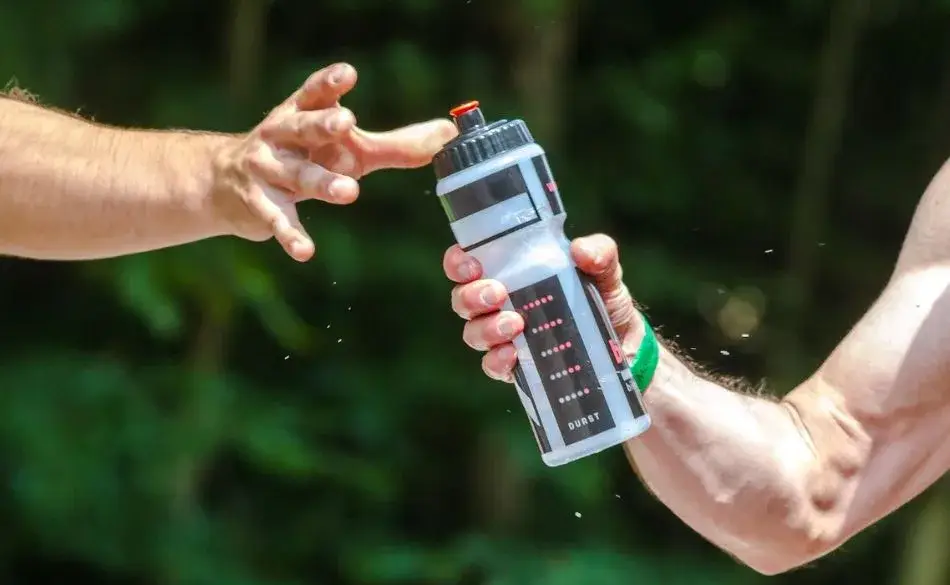
On the bike: aim for 60 to 90 grams of carbohydrate per hour from a combination of sports drink, gels, and solid food. The bike is the easiest place to eat and drink because your stomach is under less stress than during running. Practise your exact race nutrition on every long ride.
On the run: drop to 30 to 60 grams of carbohydrate per hour. Gels, cola, and aid station food are the most common options. Many athletes cannot tolerate solid food on the run — test everything in training.
Hydration: drink to thirst, not to a fixed schedule. In hot Australian conditions, expect to lose 500 to 1000 millilitres of sweat per hour. Add sodium through electrolyte tablets or capsules, especially for races over four hours.
Race morning: eat a familiar breakfast three hours before the start. Porridge, toast with honey, or a banana with peanut butter are safe choices. Nothing new on race day.
Race Day Strategy
Ironman racing rewards patience and punishes ego. The athletes who execute the smartest race almost always finish faster than those who go out hard.
Swim: start easy and find your rhythm within the first 200 metres. Do not sprint off the start line. Settle into a sustainable stroke and focus on smooth, relaxed breathing.
Bike: ride to your power or heart rate targets, not to how you feel. You will feel strong early — that is the freshness of the taper, not a sign to push harder. Save your legs for the second half of the bike and the entire run. For a 70.3, ride at 70 to 75 percent of your FTP. For a full Ironman, 65 to 70 percent.
Run: walk through the first aid station. Seriously. Take 30 seconds to settle, drink, and reset. Then start running at a pace that feels almost too easy. Build gradually in the second half if you have the legs. The runners who walk the final 10 kilometres almost always started the run too fast.
Understanding 70.3 cut-off times helps you plan your pacing so you finish comfortably within the limits.
Ironman Events in Australia
Australia hosts some of the best Ironman events in the world, with courses suited to first-timers and experienced athletes alike.
Ironman 70.3 races: Western Sydney (flat, fast, PB-friendly), Sunshine Coast (warm, scenic, moderate difficulty), Cairns (tropical, rolling bike, flat run), Geelong (cool conditions, strong crowd support), and Melbourne. For a full breakdown of every Australian 70.3, read our Ironman 70.3 Australia guide.
Full Ironman races: Ironman Cairns and Ironman Western Australia (Busselton) are the two primary full-distance events. Cairns offers a tropical setting with a rolling bike course. Busselton is flat and fast — one of the quickest full Ironman courses in the world.
Browse our triathlon events calendar to find upcoming Ironman and 70.3 events across Australia, or visit the official Ironman race calendar for global event details and registration.
Why Coaching Makes the Biggest Difference at Ironman Distance
Ironman training is where coaching delivers the highest return. The margin for error in nutrition, pacing, training load, and taper timing is much smaller than at shorter distances. A coach who has guided athletes through Ironman preparation understands these margins and adjusts your training accordingly.
At SportCoaching, we have coached athletes from first-time 70.3 finishers to Ironman age-group podiums. Coach Graeme has over 20 years of experience in triathlon coaching and builds every plan around your available time, your strengths and weaknesses across three disciplines, and your target event.
Our triathlon coaching includes personalised plans delivered through TrainingPeaks, weekly adjustments, race-specific preparation, and 24/7 coach access. For athletes who want a structured plan without ongoing coaching, our 70.3 training plans and Ironman training plans are available as one-off purchases.
The distance demands structured preparation across swim, bike, and run — plus nutrition, pacing, and taper timing that a generic plan cannot provide. At SportCoaching, every Ironman plan is built around your event, your fitness, and your life.
Start Triathlon CoachingFAQ: Ironman and 70.3 Training
Can I do an Ironman 70.3 as my first triathlon?
It is possible but not recommended. Completing at least one sprint or Olympic distance triathlon first gives you race experience with transitions, open water swimming, and pacing across three disciplines. This experience is invaluable and significantly reduces the chance of a bad race day at the 70.3 distance.
How many hours per week do I need to train for a 70.3?
Most athletes train 8 to 12 hours per week for a 70.3, with peak weeks reaching 12 to 14 hours. Beginners can prepare on as little as 7 to 8 hours if sessions are focused and well-structured. The key is consistency across weeks rather than big sporadic efforts.
Do I need a triathlon bike for Ironman?
No. A road bike with clip-on aero bars is perfectly fine for your first 70.3 or Ironman. A triathlon bike offers aerodynamic advantages but is not essential until you are racing competitively. Fit and comfort matter more than frame type at this stage.
What is the hardest part of an Ironman?
For most athletes, the run is the hardest part — not because the running itself is difficult, but because you are running a half marathon or full marathon after hours of swimming and cycling. Fatigue, nutrition issues, and mental doubt all peak on the run. Brick training and consistent race nutrition practice are the best preparation.
Should I do a 70.3 before a full Ironman?
Yes, strongly recommended. The 70.3 teaches you race execution, transition management, nutrition timing, and pacing — all at a distance that is forgiving enough to learn from mistakes. Most successful first-time Ironman finishers have at least one 70.3 under their belt.
Find Your Next Triathlon Race
Ready to put your training to the test? Here are some upcoming triathlon events matched to this article.
Hell of the West 2026
PTC Triathlon & Duathlon 2026