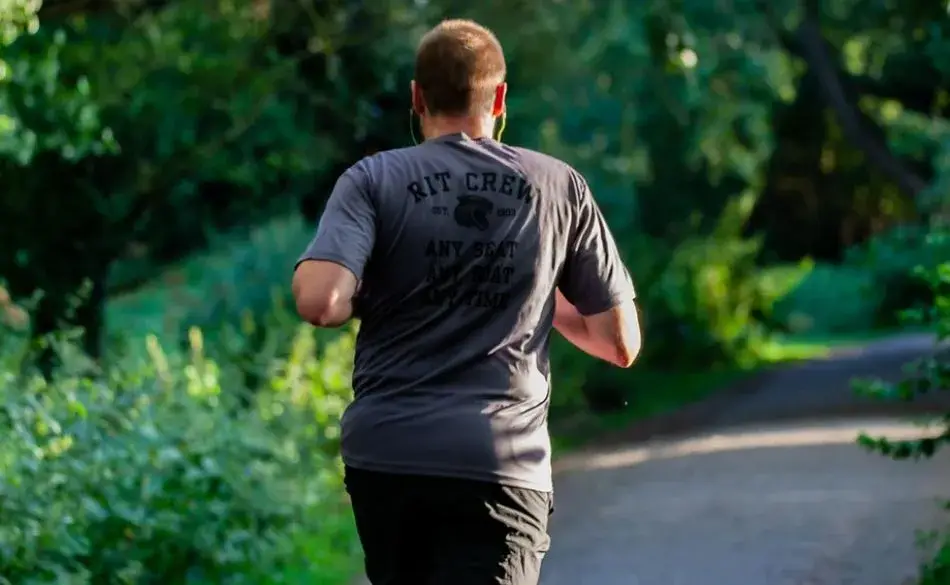
Why Every Runner Needs Stronger Legs
When most people think of improving their running, they focus on logging more miles. While endurance matters, ignoring strength leaves your body vulnerable. Adding specific leg exercises for runners helps you build the foundation needed for faster, safer, and more efficient training.
Here’s the truth, running mainly develops cardiovascular endurance. Your muscles, however, don’t always get the balanced strengthening they need. Weak quads or hamstrings can throw off your stride. Weak glutes make your hips drop late in long runs, which adds stress to your knees. Calves that fatigue too quickly increase the chance of shin splints or Achilles issues. Have you ever noticed how your form falls apart near the end of a race? That’s often the result of undertrained leg muscles.
Research shows that runners who include strength training in their training improve running economy, which means using less energy to run at the same pace. Think of it like tuning up an engine. A stronger, more efficient motor not only goes faster but also lasts longer before breaking down. The same happens when you train your legs to handle the stress of repeated strides.
One of my athletes, James, learned this the hard way. He relied only on mileage for his first marathon. By mile 20, his quads were so fatigued he could barely hold form. After adding runners lunges and step-ups to his training, his next marathon felt completely different. His legs carried him strong through the final stretch, and his finish time improved by almost ten minutes.
If you want to unlock your potential, don’t see strength work as “extra.” See it as essential. Every stride becomes more powerful, every run more efficient, and your chances of injury drop dramatically when you commit to consistent leg workouts.
Adding leg exercises for runners is just one part of building a stronger stride. If you’re ready to combine strength with smart running workouts, our Half Marathon Running Training Plan gives you the structure you need to turn training into race-day performance.
- Strength & endurance: balance running mileage with targeted workouts that build lasting leg power
- Smart fueling: nutrition strategies to keep energy high and recovery smooth
- Form & technique: drills that improve efficiency and reduce injury risk
- Built-in recovery: sessions designed to keep your legs fresh while still progressing
- Adaptable program: works for both first-time racers and experienced runners chasing PBs
Train smarter, strengthen your legs, and line up on race day confident and prepared.
View Half Marathon Plan →Why Squats Matter for Runners
If there’s one exercise that deserves a permanent place in your training plan, it’s the squat. Squats are often called the king of leg exercises for runners because they target multiple muscle groups at once. They strengthen your quads, glutes, hamstrings, and even your core. For a runner, that means more power in each stride and greater stability when fatigue sets in.
Unlike running, which mostly trains endurance, squats build raw power. That power translates to stronger push-offs, faster hill climbs, and better resilience late in races. Think of squats as the foundation of a house. Without it, the structure is weak. With it, everything else becomes stronger and more reliable.
One of my coaching clients, Sarah, was skeptical at first. She thought lifting weights would make her “too bulky.” But after six weeks of adding bodyweight squats and progressing to weighted squats, she noticed her uphill running felt smoother. She even set a new personal best in the 10K without increasing her mileage. The secret wasn’t more miles; it was stronger legs built through consistent squatting.
To get the most from squats, focus on form. Keep your chest tall, your knees aligned with your toes, and lower slowly to build eccentric strength. That controlled lowering phase mimics the demands of downhill running and helps protect your knees. As you get stronger, you can progress from bodyweight to goblet squats and eventually barbell back squats for more load.
Adding squats to your weekly routine doesn’t just make you stronger. It also makes you a more efficient runner. With improved power and stability, every stride feels lighter, smoother, and more controlled. For any runner serious about improvement, squats are non-negotiable.


How Lunges Help Runners Build Balance and Strength
Running is essentially a series of single-leg movements, which makes lunges one of the most effective leg exercises for runners. They strengthen your quads, glutes, and hamstrings while training stability on one leg. This balance is crucial for maintaining form when fatigue sets in during long runs.
There are several lunge variations that benefit runners. Forward lunges emphasize the quads, reverse lunges are easier on the knees while targeting the glutes, and walking lunges challenge both strength and coordination. Each variation improves your stride efficiency and builds resilience against overuse injuries.
- Forward Lunges: Great for building quad power and mimicking the push-off phase of running.
- Reverse Lunges: Easier on the joints while engaging the glutes and hamstrings.
- Walking Lunges: Boost coordination, balance, and endurance under fatigue.
One of my athletes, Brendan, used to struggle with late-race wobbling in his stride. After adding lunges to his weekly routine, he developed more stability and control. His finishing form improved dramatically, and he cut several minutes off his half marathon time without increasing mileage. That’s the power of single-leg strength work.
For runners, lunges are more than just a strength exercise. They’re a way to rehearse better form under load, teaching your body to stay steady and efficient even when tired. Adding them to your routine gives you stronger, smoother, and more confident running.
You’ve just learned how powerful leg exercises for runners can be for strength, speed, and injury prevention. To take the next step, our Running Training Plans combine strength work with structured sessions, clear progression, and expert guidance so you can get the most from every mile.
- Plans for every distance: from 5K to marathon
- Balanced training: running workouts paired with strength sessions that build durable legs
- Expert guidance: proven coaching methods that improve performance safely
- Recovery built-in: mobility, rest, and easy sessions that keep you consistent
- Flexible scheduling: adapt plans to your lifestyle and training availability
Build strength, stay injury free, and train with confidence toward your next goal.
View Training Plans →Step Ups to Build Power for Hills
If you’ve ever felt your legs burn halfway up a hill, you know how much strength it takes to climb efficiently. That’s where step ups come in. As one of the most specific leg exercises for runners, they replicate the explosive drive needed for hills without the pounding of constant uphill running.
Step ups strengthen your glutes, hamstrings, and quads, which are the prime movers in running. They also train coordination and balance since you’re working one leg at a time. The controlled motion reduces impact on your joints while building the power you need to push strongly off the ground.
- Bodyweight Step Ups: Ideal starting point for beginners to build form and stability.
- Dumbbell Step Ups: Add resistance to increase strength and explosive power.
- High Box Step Ups: Boost range of motion and mimic steep hill running.
One of my athletes trained for a marathon known for its tough hill sections. Instead of endless uphill repeats, we added loaded step ups twice per week. On race day, she held her pace on the climbs and even passed other runners who were struggling. The strength carried her through and gave her the confidence to push harder in the final miles.
Think of step ups as hill running indoors. You’re practicing the same upward drive but with more control and less strain. For any runner aiming to conquer hills or add explosive finishing power, step ups are a key part of a balanced runner leg workout.


Calf Raises to Protect and Strengthen Your Stride
Your calves take on a massive load every time you run. In fact, studies show they absorb forces up to six times your bodyweight with each stride. Without proper strengthening, they fatigue quickly, leading to issues like shin splints or Achilles pain. That’s why calf raises are one of the most overlooked but essential leg exercises for runners.
Strong calves improve push-off power, running efficiency, and overall endurance. When they’re well trained, your stride feels lighter and more controlled, especially late in long runs. By building this strength, you protect yourself from common overuse injuries that often sideline runners during training blocks.
There are several variations worth including in your runner leg workout:
- Standing Calf Raises: Target the gastrocnemius, the main calf muscle that drives explosive push-offs.
- Seated Calf Raises: Strengthen the soleus, which supports endurance during long-distance running.
- Single-Leg Calf Raises: Build balance and stability while addressing left-to-right imbalances.
The key with calf raises is consistency. Start with bodyweight reps and gradually add weight for progression. Control the lowering phase to build eccentric strength, which is especially helpful for downhill running where calves are under constant stretch. Over time, this not only improves strength but also enhances resilience against fatigue.
For runners who often feel their calves tightening late in races, calf raises can be a game changer. By making this exercise a regular part of your leg workouts, you’ll notice smoother strides, stronger push-offs, and far less risk of injury.
For runners who often feel their calves tightening late in races, calf raises can be a game changer. By making this exercise a regular part of your leg workouts for runners, you’ll notice smoother strides, stronger push-offs, and far less risk of injury.
Want to expand your calf training even further? Check out our guide: Toe Raises – How To, Benefits & Variations


Glute Exercises to Unlock Power and Stability
Your glutes are the powerhouse of your stride. They stabilize your hips, drive your legs backward, and protect your lower back and knees from strain. Weak glutes, on the other hand, lead to collapsed hips, slower running economy, and higher injury risk. That’s why adding glute-focused movements is one of the smartest leg exercises for runners.
Many runners assume their glutes are strong because they run frequently. But running alone doesn’t fully activate these muscles. Strength training fills that gap. When your glutes fire properly, every stride feels smoother and more efficient, especially when you’re climbing hills or sprinting to the finish.
Here are three proven glute exercises for runners worth including:
- Glute Bridges: Build hip extension strength and improve stability during each stride.
- Hip Thrusts: Develop explosive power for sprinting and uphill running.
- Clamshells: Strengthen smaller stabilizers to keep knees and hips aligned under fatigue.
When I coached an athlete preparing for a mountainous trail race, we focused heavily on glute training. After weeks of bridges, hip thrusts, and clamshells, she reported feeling more controlled on climbs and noticed her hips no longer sagged late in long runs. The extra stability made every mile less taxing.
For an explosive bodyweight exercise that challenges strength and endurance, check out our guide: Navy Seal Burpees Workout.
Think of your glutes as the anchor of your running form. Without them, the rest of your legs work harder and wear out faster. With them, you gain stability, power, and a stride that holds strong deep into races. That’s why no runner leg workout is complete without glute exercises.


Hamstring Exercises to Build Strength and Prevent Injury
Your hamstrings play a huge role in running mechanics. They extend the hip, control leg swing, and stabilize the knee. Yet many runners neglect them, focusing too much on quads. This imbalance often leads to hamstring tightness, strains, or inefficient strides. That’s why specific hamstring exercises are critical.
Strong hamstrings mean better propulsion and smoother running form. They also improve your ability to handle fast paces, since sprinting demands far more from these muscles than easy running. Training them helps protect your knees from overload and keeps your stride balanced when fatigue sets in.
Here are three effective leg workouts for runners that target hamstrings:
- Romanian Deadlifts: Strengthen the hamstrings through hip hinge movement and build resilience against strains.
- Single-Leg Deadlifts: Improve balance, stability, and single-leg control, which directly transfers to running.
- Nordic Hamstring Curls: Develop eccentric strength, reducing the risk of hamstring injuries during fast running.
When trained correctly, hamstrings act like springs. They store and release energy with each stride, making running feel lighter and more efficient. By focusing on controlled lowering and full range of motion, you’ll strengthen them in the exact way they function while running.
One of my athletes used to suffer recurring hamstring tightness during speed workouts. We added single-leg deadlifts and Nordic curls twice a week. Within two months, the tightness disappeared, and he set a new personal best in the 5K. His hamstrings no longer limited his training—they fueled it.
If you want to run faster, stay injury free, and keep your stride smooth, don’t skip hamstring work. A strong backline balances your legs, supports your stride, and keeps you moving forward with confidence.
Strength work and smart mileage go hand in hand when it comes to improving fitness and burning calories. If your goal is weight loss as well as performance, our Running Weight Loss Plan combines structured running sessions, progressive leg workouts for runners, fueling advice, and recovery strategies so you can see lasting results.
- Fat-burning sessions: running and strength workouts designed to maximize calorie burn
- Balanced nutrition: fueling strategies to support energy needs while shedding weight
- Recovery support: mobility and rest days that keep your legs strong and fresh
- Progress tracking: build intensity step by step without risking injury
- Flexible structure: effective for both beginners and experienced runners
Build strength, burn calories, and enjoy running with a plan designed for sustainable weight loss.
View Weight Loss Plan →Core and Leg Strength to Improve Running Form
It’s easy to think of running as all legs, but your core is the silent stabilizer that keeps your body aligned. Without it, even the strongest quads and hamstrings can’t perform at their best. That’s why combining core and leg strength for runners is so important for performance and injury prevention.
Your core keeps your torso steady as your legs move beneath you. A weak core leads to wasted energy and sloppy form, especially late in long runs. On the flip side, a strong core allows your legs to generate more power with every stride. It’s the bridge that transfers energy efficiently through your body.
Here are a few effective exercises that blend core stability with leg strength:
- Plank with Leg Lift: Strengthens your core while activating glutes for better hip control.
- Bulgarian Split Squats: A single-leg movement that challenges balance, core, and leg power together.
- Mountain Climbers: Builds endurance, engages the core, and trains hip flexors used in running.
When I coached Sarah through her marathon training, we added planks with leg lifts and Bulgarian split squats to her plan. She noticed her form held strong, even at mile 22, when fatigue usually made her collapse forward. The added stability allowed her to finish with power instead of dragging herself to the line.
Think of your core and legs as teammates. The stronger the connection, the smoother and more efficient your stride becomes. Adding these exercises to your weekly runner leg workout makes you not only stronger but also more durable for the miles ahead.
Want to know more about how running itself impacts your midsection? Check out our guide: Does Running Strengthen Your Core? For more ways to challenge your core and burn calories, explore our guide: 7 Stability Ball Exercises to Burn Belly Fat


Simple Runner Leg Workout Plan
By now you’ve seen how different movements target quads, hamstrings, glutes, calves, and core. The next step is combining them into a balanced routine. A well-structured runner leg workout doesn’t have to be complicated. Two sessions per week can build the strength you need without taking away from mileage.
Here’s a sample plan that blends the best leg exercises for runners into one workout. Start with bodyweight versions if you’re new, then progress with dumbbells or a barbell as you gain confidence.
| Exercise | Sets & Reps | Muscles Worked | Progression Tips |
|---|---|---|---|
| Squats | 3 × 8–12 | Quads, glutes, hamstrings, core | Start with bodyweight, add dumbbells, then barbell. |
| Walking Lunges | 3 × 10 steps per leg | Quads, glutes, hamstrings | Add weights or try reverse lunges to reduce knee stress. |
| Step Ups | 3 × 8 per leg | Glutes, hamstrings, quads | Increase box height or hold dumbbells for added challenge. |
| Calf Raises | 3 × 15–20 | Calves (gastrocnemius, soleus) | Progress from two-leg to single-leg and add weight. |
| Glute Bridges | 3 × 12–15 | Glutes, hamstrings, core | Hold at the top for 2–3 seconds or add resistance bands. |
| Plank with Leg Lift | 3 × 20–30 sec | Core, glutes, shoulders | Extend hold time or add ankle weights for progression. |
Rest for 60–90 seconds between sets. Focus on form, not speed. Quality movement ensures strength gains that transfer directly to running. Over time, progress gradually with weight or volume to avoid overload.
One of my marathon clients followed a plan like this for eight weeks. He noticed his stride became more powerful, his recovery improved, and his recurring niggles disappeared. By race day, he ran with more confidence and control than ever before.
This type of strength training for runners is the hidden engine that powers every stride. Build it consistently, and you’ll feel the results in both training and racing.
For a complete strength routine that complements your running, see our guide: Strength Training Program for Runners.
You’ve now seen how powerful leg exercises for runners can be, but sometimes the missing piece is a plan tailored to your goals. Our Running Coaching service pairs you with expert guidance, customized training plans, and direct feedback so you can integrate strength and running effectively to hit your best results.
- Customized plans: running and strength sessions tailored to your needs
- Form & technique feedback: improve efficiency and reduce injury risk
- Progress tracking: structured goals and ongoing adjustments
- Flexible support: adapt sessions around your schedule and training load
- Motivation & accountability: one-on-one coaching to keep you consistent
Train smarter, strengthen your stride, and enjoy the journey with a coach guiding every step.
View Running Coaching →

Stronger Legs for a Smoother Stride
Strength training may feel like an extra task, but it’s the hidden foundation of consistent running. By committing to simple leg exercises for runners, you give your body the tools to stay strong through every mile.
Think back to the athletes who struggle late in races. Often it isn’t fitness that breaks down, it’s muscle fatigue. Quads tighten, calves cramp, and hips collapse. The solution isn’t just more miles. It’s building strength through movements like squats, lunges, and step ups that directly support your stride.
These runner leg workouts don’t need to be complicated. Two short sessions each week can transform how you move. Even bodyweight versions improve balance, power, and efficiency. As you progress, adding weights or resistance bands keeps the challenge fresh.
Here’s the encouraging part. You don’t need to overhaul your training plan to see benefits. A few focused minutes after an easy run or on cross-training days is enough to start. Small steps add up, and over time you’ll notice runs feel smoother and more controlled.
The real reward comes on race day. Stronger legs mean you hold form when others fade. You climb hills with confidence, finish fast, and recover quicker. That’s the power of consistent strength training for runners.
So ask yourself: what’s one exercise you can add today? Start simple, stay consistent, and let the results build. Your legs will thank you, and your running will never feel the same.