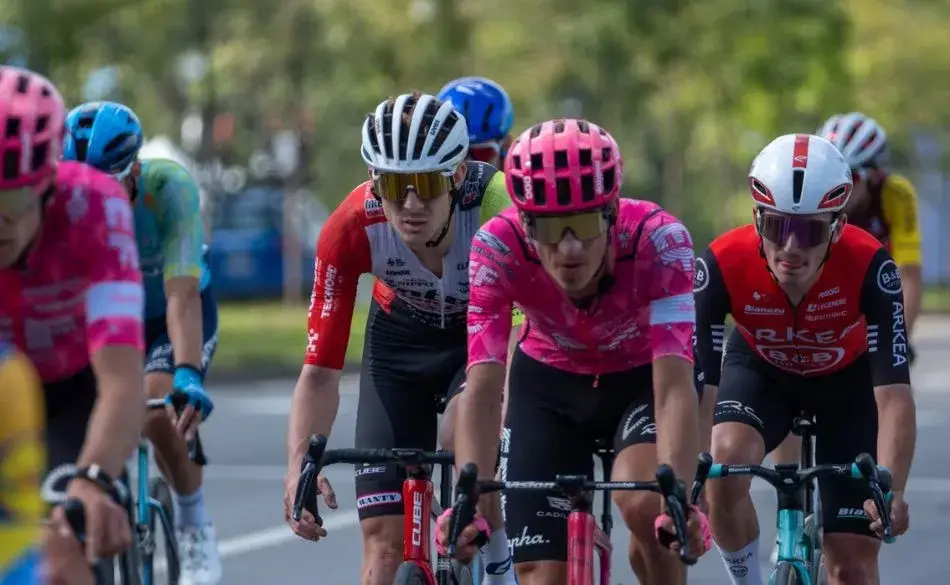
What Is Maximum Overload in Cycling?
Maximum overload for cyclists isn’t about endless suffering or chasing fatigue. It’s about using science-backed training stress to push your limits just enough to trigger meaningful adaptation. Think of it as teaching your body to handle more, but in a smart, controlled way.
In a structured training block in cycling, overload happens over one to three weeks. You gradually increase training load cycling by boosting ride intensity, duration, or frequency. Then, you follow it with recovery. This balance between stress and rest is what sparks real gains in power output, muscular endurance, and mental toughness.
Here’s the thing about overload: more isn’t better. Cyclists often assume the harder they train, the faster they’ll improve. In reality, the key lies in finding the sweet spot between progress and burnout. When you apply progressive overload cycling correctly, your functional threshold power (FTP) rises without draining your energy reserves.
Imagine your body like a rechargeable battery. You deplete it during hard training, but recovery recharges it stronger than before. Over time, this cycle builds resilience, aerobic efficiency, and the ability to sustain high-intensity efforts longer.
Most riders benefit from adding an overload training week every 4–6 weeks, followed by a deload week. Tracking heart rate variability, sleep quality, and perceived fatigue helps prevent overtraining while ensuring each overload block delivers measurable performance growth.
When you commit to this approach, your body learns to adapt faster, ride longer, and recover deeper. That’s the real secret behind maximum overload. Not endless grind, but calculated progress.
Want to see real improvements in your cycling performance? Our coaching program provides personalised guidance, structured sessions, and practical advice to help you ride smarter, stronger, and more confidently.
Your plan will be tailored to your goals, available time, and preferred terrain. From steady endurance rides to short, high-intensity efforts, the program covers everything you need to improve stamina, handling, and efficiency.
Gain strength, confidence, and the skills to tackle any route with ease.
Explore Coaching Options
How do you structure a maximum overload training block?
A strong training block cycling plan follows a clear rhythm (load, adapt, then grow). The purpose isn’t endless suffering; it’s steady progressive overload that develops fitness without draining motivation or energy.
Start with your baseline. Look at your last month of riding and note weekly volume, intensity, and recovery. That snapshot shows where to begin your cycling training overload. From there, plan a short overload training week lasting one to three weeks. Increase your training load by about 10–25%, depending on your experience.
You can raise load by adding one more interval session, increasing long-ride duration by 30–40 minutes, or doing back-to-back endurance days. Choose two to three focused workouts, such as:
- A high intensity cycling block with VO₂ max intervals.
- Hill repeats to develop torque and power output cycling.
- Tempo clusters on rolling terrain to build sustained strength.
Balance is everything. Place easy recovery rides after tough days, and don’t be afraid to rest. Even during overload, your aerobic base cycling must stay strong. Include one steady endurance ride each week to maintain that foundation.
After the overload period, deload for 5–7 days by cutting volume 30–50%. Use that time for recovery after heavy training (extra sleep, quality food, and light spinning). This is where the real adaptations occur.
Stay aware of fatigue signals. If you notice poor sleep, irritability, or a drop in power for three rides straight, you’re drifting toward overtraining. Back off early and let your body reset.


What overload strategies deliver results without burnout?
You don’t need fancy tricks to grow fast; you need simple, proven moves done well. That’s how cycling training overload delivers real gains without frying your legs. Work from your baseline, add stress in small, sharp doses, and let recovery lock it in. That rhythm builds durable fitness you can feel on every climb.
Use the “two keys and one keeper” rule each week: two hard sessions that raise training load cycling, and one steady endurance ride to protect your cycling aerobic base. Everything else can stay easy. Stack your stress with purpose. If you’re in a high intensity cycling block, put your intervals when you’re fresh, then place strength or torque work on rolling terrain the next day, followed by a light spin. That contrast drives adaptation.
Keep targets tight. Each interval should have a clear purpose (power, cadence, or time in zone). When you hit your numbers cleanly, you’re creating a precise overload signal. Miss them repeatedly, and you’re just building fatigue. Two focused weeks of quality are better than four of chaos. This is block periodisation done right. Focused work, deliberate recovery, and steady progression.
Plan your recovery after heavy training as seriously as you plan the workouts. Sleep, nutrition, and mobility are all part of training. Watch the trend, not just one ride. A single off day is normal, but three in a row means you’re flirting with overtraining. Cut back early, recover, and you’ll bounce back stronger.
Below are practical overload strategies you can plug into your strength-based cycling program or training block cycling now:
- VO₂ intervals to raise power output cycling and oxygen uptake
- Threshold repeats to build functional threshold power (FTP)
- Big-gear hill climbs for torque and pedal efficiency
- Back-to-back endurance rides for multi-day ride preparation
- Tempo clusters for late-stage fatigue resistance
- Easy spins post-key sessions to enhance recovery
- Short deloads every 2–3 weeks to prevent overtraining in cycling

Comparing overload variables and how to adjust them
Every cyclist responds differently to maximum overload. What pushes one rider forward might push another into fatigue. The trick is adjusting your training variables (volume, intensity, and recovery) to fit your body and goals. That’s where a smart strength-based cycling program or the correct cycling training plan makes all the difference.
The table below shows how small changes in each variable can influence your power output cycling, endurance, and recovery speed. These guidelines come from what I’ve seen in athletes I coach, combined with current research on progressive overload and block periodisation.
👉 Swipe to view full table
| Training Variable | Goal or Focus | Adjustment Range | Impact on Performance | Coach’s Tip |
|---|---|---|---|---|
| Volume (hours/week) | Build endurance and aerobic base | +10–20% for 2–3 weeks | Increases stamina and aerobic capacity | Don’t extend every ride — just add 1 long day. |
| Intensity (power or HR zone) | Boost threshold and VO₂max | Add 1–2 sessions per week | Improves speed and power output | Schedule hard sessions when you’re well-rested. |
| Frequency (rides/week) | Enhance load tolerance | Add 1 recovery spin or short endurance ride | Builds consistency without heavy stress | Frequency trumps duration for beginners. |
| Rest and Recovery | Enable adaptation and performance growth | Deload every 3–4 weeks | Improves adaptation and prevents burnout | If fatigue builds for 3+ days, reduce load early. |
| Strength Training | Increase muscle endurance and torque | 1–2 sessions per week | Boosts climbing and sprint power | Combine with off-bike work during base season. |
Understanding how to balance these variables separates the riders who train harder from those who train smarter. Each small tweak compounds into major gains across a season, especially when you respect recovery and track progress with metrics like functional threshold power (FTP) or HRV.
For a deeper understanding of how to effectively increase your training load while maintaining balance, consider reading Cycling Weekly’s article on Too much too soon? How to increase your cycling training most efficiently.
Reach your cycling goals with one of our structured training programs . Whether it’s tackling long rides, preparing for multi-day events, or improving endurance, each plan is designed to match your current ability and schedule.
Pick a plan that fits your available time and experience. Plans are flexible, progressive, and structured to help you build strength, stamina, and confidence on the bike.
Take control of your training with a plan that adapts to you and helps you ride smarter.
Explore Training Plans Now
The real-world impact of maximum overload
One of the athletes I coach, Emma, once struggled to move past a mid-season plateau. Her training block cycling plan looked solid on paper (good volume, consistent rides, and solid recovery). But she wasn’t seeing any new gains in functional threshold power (FTP). Together, we introduced a short progressive overloadphase. It wasn’t extreme, just three back-to-back high-load weeks with one more overload training week of focused VO₂ and tempo work.
By week four, her power dipped. That’s normal during heavy load. But after a full deload and a week of easy spins, she came back 4% stronger, sustaining higher watts for longer and finishing climbs with ease. This is what makes maximum overload for cyclists powerful: controlled fatigue followed by deep recovery.
Every rider can benefit from this approach, whether you’re training for your first multi-day ride preparation event or refining a strength-based cycling program. The key is balance, knowing when to push and when to pull back. No one gets faster without discomfort, but smart discomfort leads to adaptation, not burnout.
Remember: data matters, but feel does too. Use your metrics (power output, HRV, RPE )but also trust your sensations. Legs that feel empty every morning aren’t adapting. Legs that ache a little but bounce back the next day are growing stronger.
So, if you’ve been coasting in your comfort zone, it might be time to nudge it upward. Structured overload isn’t punishment, it’s progression. Every pedal stroke through that fatigue window lays the groundwork for your next breakthrough.
Every rider can benefit from structured guidance, whether training outdoors or indoors. For those using virtual platforms to complement their rides, check out our MyWhoosh vs Zwift: Complete Guide to understand which platform aligns best with your training style and goals. Using the right tools can make overload sessions more measurable and effective.
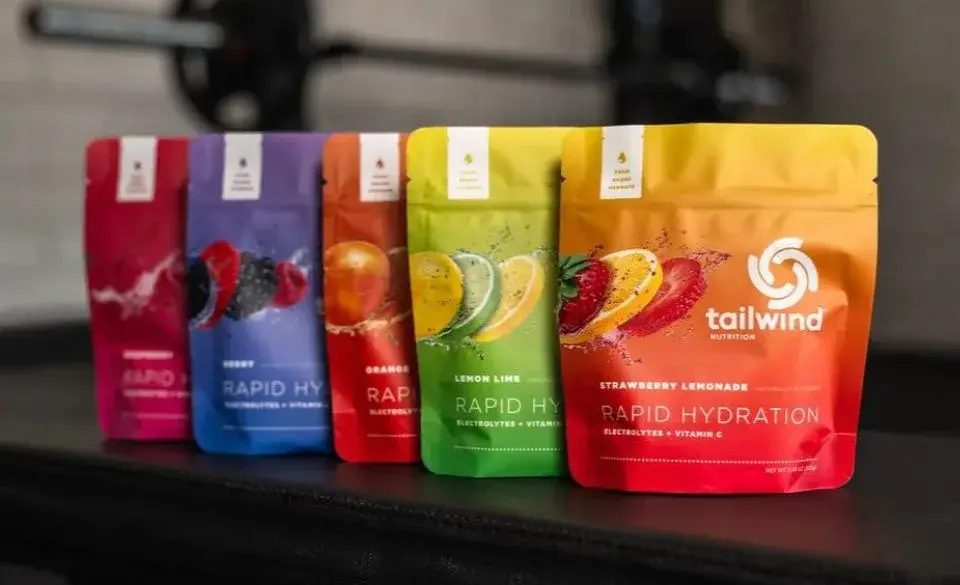

Balancing intensity and recovery in overload training
If there’s one thing cyclists often overlook, it’s recovery. The truth is, every progressive overload cycling plan is only as strong as its recovery strategy. You can’t just push harder every week and expect endless gains. Adaptation only happens when your body has time to rebuild.
Balancing your cycling training load and recovery is like fine-tuning a rhythm: too much intensity, and you break; too little, and you stagnate. The key is managing how your body responds to each phase of maximum overload for cyclists.
Sleep, nutrition, and active recovery are your performance pillars. If any one of them slips, even the best strength-based cycling program can backfire. Here’s what I teach athletes to focus on during high-load weeks:
- Sleep quality: Aim for 7–9 hours nightly. Deep sleep boosts growth hormone release and repairs muscle tissue.
- Nutrition timing: Eat protein within 30 minutes of hard rides to maximize recovery and muscle synthesis.
- Hydration: Even a 1–2% drop in body weight from fluid loss can cut endurance performance by up to 5%. Keep fluids consistent before, during, and after sessions to sustain power output and recovery.
- Active recovery: Light spins or yoga sessions improve blood flow and flush fatigue faster than full rest.
- Mindful breaks: Use one full rest day each week to recharge mentally, not just physically.
When you respect recovery as part of your training block, you get stronger with less risk of overuse injuries. I’ve seen countless cyclists make breakthroughs not by adding more training, but by sleeping better, eating smarter, and recovering with purpose.
Balancing effort and recovery doesn’t mean you need endless hours on the bike. Short, structured sessions can deliver real gains when done smartly. For those looking for a focused, time-efficient option, check out our Best 1-Hour Cycling Workout, designed to boost fitness while respecting recovery periods. Incorporating this type of session into your routine can help maintain intensity without overloading your system, giving you measurable improvements in stamina, power, and consistency.
Maximise your trail strength, technical handling, and explosive power with our Mountain Bike Coaching . Whether you’re focused on cross-country, enduro, or downhill racing, this plan is built around your personal goals and riding style.
We design structured overload blocks, technical skill sessions, and recovery strategies to help you improve your climbing power, sprint output, and endurance on varied terrain. You’ll learn how to ride smarter, handle technical sections with confidence, and apply overload principles safely for MTB performance gains.
Ride harder, descend smarter, and build the fitness to dominate the trails.
Explore MTB Coaching

Tracking progress and staying consistent
Measuring progress is critical to make maximum overload for cyclists work. You can push hard and recover well, but without tracking, you won’t know if your training block is actually improving performance.
Start with functional threshold power (FTP). Repeat a standard 20-minute test at the end of each overload cycle. Track average watts and heart rate to see if your cycling power output is rising. Small gains (even 2–5% ) indicate that your overload strategy is effective.
Combine metrics with subjective measures. Ask yourself: Do you feel stronger on climbs? Is RPE lower for the same effort? Check HRV trends to monitor fatigue and readiness. High HRV often signals full recovery, while consistent dips suggest it’s time for an extra deload.
Consistency matters more than perfection. Overload blocks are most effective when repeated over a season, with careful planning and recovery between cycles. Keep a log of volume, intensity, and recovery, so patterns emerge.
Use simple tools: a bike computer, power meter, or HR monitor. Even notes in a training journal help. Consistent data allows you to tweak variables like volume, intensity, or session frequency safely.
Finally, celebrate small wins. Every extra watt, smoother climb, or faster recovery confirms that your progressive overload cycling is working. Tracking turns short-term effort into long-term gains, ensuring your season builds steadily toward new personal bests. For cyclists planning long rides or aiming to complete challenging distances, our 100 Mile Cycle Ride Training Plan provides structured weekly guidance to help you succeed.


Embrace maximum overload for lasting gains
Now that you understand maximum overload for cyclists, it’s time to bring it all together. The magic lies in combining structured cycling training block , smart progressive overload , and intentional recovery. When these elements work in harmony, you unlock sustainable improvements in power output, endurance, and overall confidence on the bike.
Remember Emma’s story (the athlete I coach who broke through a plateau by trusting the process). Her gains weren’t from sheer volume but from controlled overload, deliberate recovery, and careful tracking. That’s a lesson every cyclist can apply: smart, consistent stress followed by thoughtful recovery creates real adaptation.
Ask yourself: Are you willing to push a little beyond your comfort zone while respecting recovery? Can you track your performance, adjust intelligently, and embrace short-term fatigue for long-term power? These questions are essential because success in overload training is as much mental as it is physical.
Ultimately, maximum overload for cyclists is about precision, patience, and persistence. It’s not punishment, it’s opportunity. Every thoughtfully applied pedal stroke brings you closer to your goals, whether it’s climbing faster, riding longer, or simply enjoying the confidence that comes from knowing your body can handle more than ever before.
Embrace overload, track your progress, recover well, and your gains will follow. You’ve got the tools , now it’s your turn to ride stronger than ever. If you’re ready to take the next step and start with personalised guidance, visit our Getting Started page and kick off your training journey today.