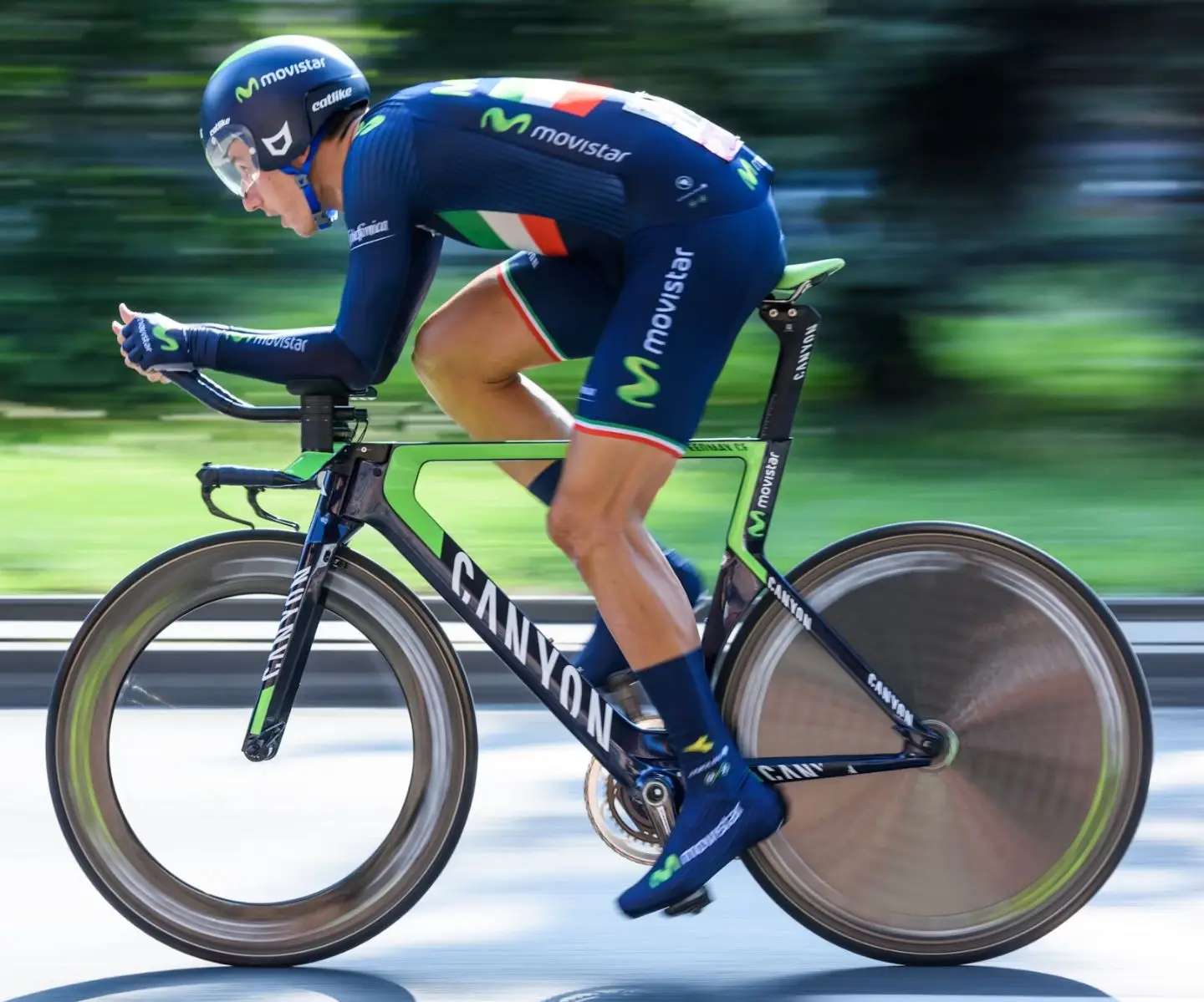
Why Does Metatarsalgia Pain Start When You Ride?
Metatarsalgia pain often shows up in the same spot for most cyclists (the ball of the foot). It feels sharp, hot, or pressured. Sometimes it feels like you’re stepping on a small stone. This happens because the metatarsal bones under your forefoot take a lot of load every time you push on the pedals.
But here’s the thing most riders don’t realise. Cycling may look low impact, but your forefoot takes repeated, focused pressure. If that pressure isn’t spread out well, it shifts toward a smaller area, causing forefoot pain when cycling and irritation around the nerves.
You might wonder why it hits harder on long rides. As the minutes add up, your foot gets tired and your form shifts. Small changes in plantar flexion pressure can increase stress on the front of your foot. Add stiff shoes or poor cleat alignment, and the forefoot gets trapped with nowhere to escape.
Many cyclists also ride in shoes that are too tight. A narrow fit squeezes the toes and increases nerve compression forefoot issues. This can lead to numb toes when cycling, burning sensations, and even hot foot cycling on intense climbs.
Your cleats matter too. If your cleats sit too far forward, your body naturally pushes more weight into the front of the shoe. Over time, this creates metatarsal overload. Even being a few millimeters off can create cycling foot pain you feel on every climb.
So the real question is this:
Are your feet hurting because of load, equipment, or technique?
Most riders experience a mix of all three. Your foot shape, riding style, and habit of pushing hard on climbs all influence the stress your forefoot absorbs. The good news is that once you identify the cause, relief becomes much easier.
You’ll soon see how a few simple adjustments can reduce foot pressure cycling and help you feel more balanced on every ride.
If you want a quick medical breakdown of the condition itself, the Cleveland Clinic Metatarsalgia Guide gives a clear explanation of how the forefoot becomes overloaded.
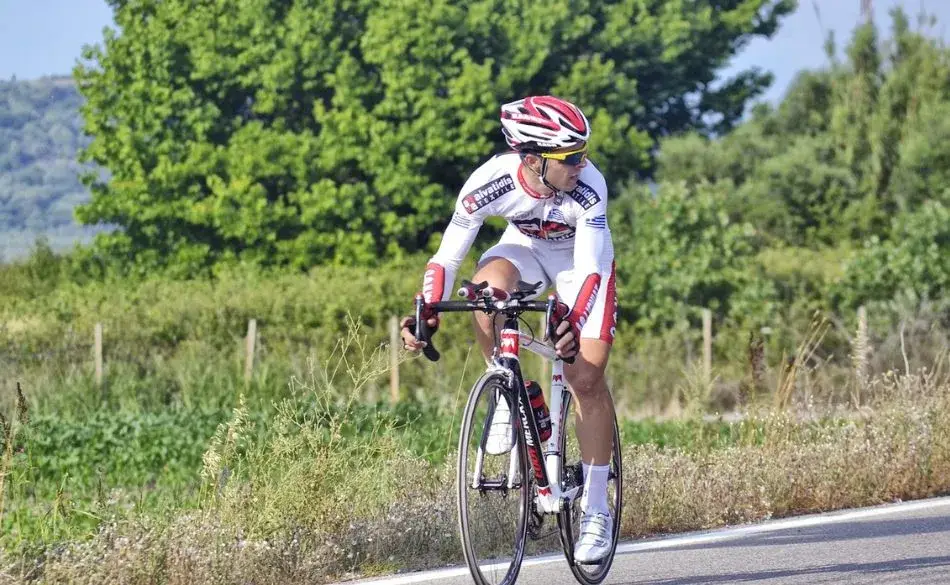
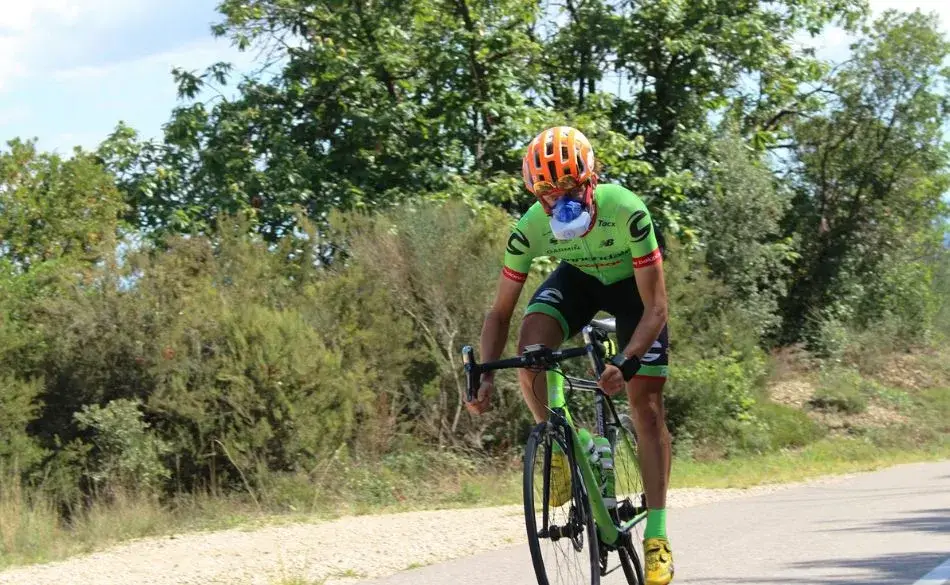
Are Your Shoes And Cleats Making Your Forefoot Pain Worse?
A lot of riders are surprised by how much their shoes affect forefoot comfort. When the fit isn’t right, pressure builds under the ball of your foot with every pedal stroke. Over time, that pressure collects around the metatarsal bones, and the soreness becomes hard to ignore.
Tight shoes are a common issue. When the toe box is narrow, your forefoot can’t spread the way it should. This increases nerve compression forefoot, which often shows up as burning or numb toes when cycling. Riders with wider feet feel this sooner because the shoe limits natural movement.
Sole stiffness plays a role too. Stiff shoes help transfer power, but they also lock your foot into one position. If that position doesn’t match your foot shape, pressure shifts to a smaller area. This leads to that familiar hot foot cycling feeling, especially during long climbs.
Cleat placement adds another layer. A cleat that sits too far forward loads the forefoot. Moving it slightly back toward a midfoot cleat position can soften forefoot pain when cycling without affecting your ability to push hard. Even slight changes in angle or spacing affect load distribution, which is why good cycling cleat alignment matters.
All of this leads to one simple question:
Which small adjustment will reduce your forefoot pressure the fastest?
These changes are a good place to start:
- Loosen the upper strap to remove extra pressure on the forefoot.
- Try a shoe with a wide toe box if your toes feel cramped.
- Use a met pad or forefoot support cycling insert to spread pressure.
- Move the cleats 3–5 mm back toward a midfoot cleat position.
- Adjust lateral cleat alignment to lessen cycling foot pain on long rides.
Make small adjustments one at a time and give your feet a chance to settle. If pain remains, a proper bike fit for foot pain can reveal subtle foot pressure issues you can’t spot on your own.


Does Your Technique Increase Forefoot Pressure Without You Realising?
Many cyclists look at shoes and cleats first, but your technique can quietly add pressure to the front of your foot. The way you pedal, climb, or hold your weight affects how force moves across the metatarsal bones. When these patterns repeat for thousands of pedal strokes, small habits can turn into noticeable pain.
Cadence is a big piece of the puzzle.
Riding with a low cadence forces you to push harder on every stroke. That higher force increases strain under the ball of your foot and can trigger ball of foot pain cycling, especially during tough climbs or long rides.
Climbing changes things even more.
When you stand, your weight shifts toward the front of the bike. This sends more load into the forefoot, which can speed up foot pressure cycling and create cycling foot numbness. Hot weather exaggerates this because swelling in the forefoot reduces space inside the shoe.
Pedal stroke control matters too.
Many riders naturally push down harder than they pull through. This uneven pattern increases metatarsal overload at the bottom of the stroke. Over time, that repeated spike in force can irritate nerves and soft tissue around the met heads.
All of this leads to one clear question:
Is your technique making forefoot pressure worse without you noticing?
To make things simple, here’s a comparison showing how small technique changes affect pressure:
👉 Swipe to view full table
| Riding Factor | Low Pressure Load | High Pressure Load |
|---|---|---|
| Cadence | Higher cadence spreads force and reduces forefoot strain. | Low cadence increases force per pedal stroke and metatarsal stress. |
| Climbing Style | Seated climbing keeps weight balanced across the midfoot. | Standing shifts load forward, increasing forefoot compression. |
| Pedal Stroke | Smooth circular motion controls pressure at the bottom of the stroke. | Hard downward pushing increases forefoot impact on every rotation. |
Small skills make a big difference. Once you adjust how you climb, pedal, and manage your cadence, your forefoot often feels calmer and more stable. These changes don’t require new gear, just awareness and a few smoother habits.

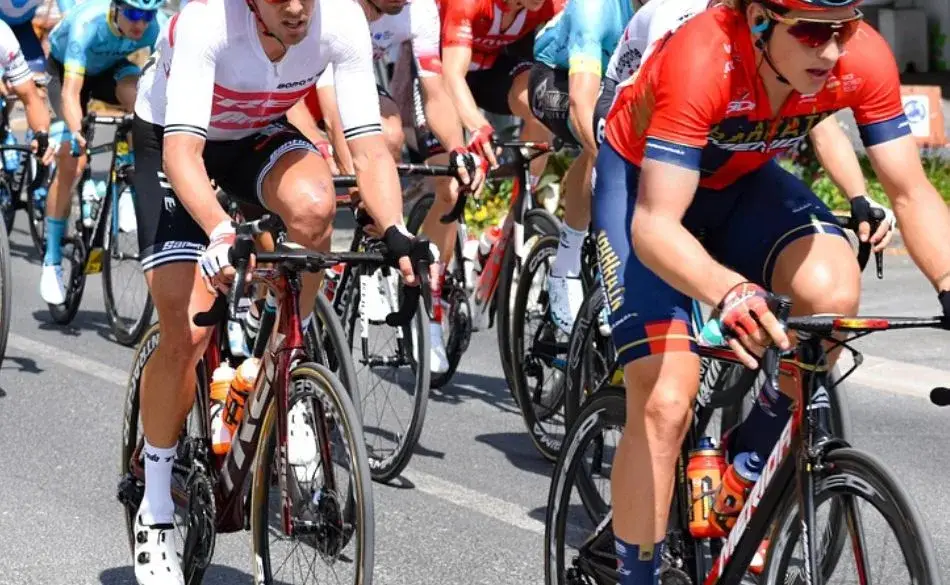
What Training Changes Actually Reduce Forefoot Pain?
Training habits play a bigger role in foot comfort than most cyclists realise. Even with the right shoes and cleats, your weekly workload can keep adding pressure to the ball of your foot. Small adjustments in volume, cadence, and ride type can ease cycling foot pain relief faster than changing gear.
Start by reducing the stress your feet absorb each week. Shorten rides slightly while the pain calms down. Spread harder sessions farther apart. This kind of simple rest and recovery gives irritated tissue time to settle, and most riders notice improvement within days.
Cadence helps more than people expect. When you spin a little quicker, each pedal stroke loads the forefoot less. Over time, this reduces the force that creates forefoot pressure and irritation. It’s a small change, but it shifts work from your feet to your aerobic engine.
I saw this firsthand with one of my athletes, Sam, when he kept getting burning pain on long climbs. We raised his climbing cadence, trimmed one intense session from his week, and added a short mobility routine. Within two weeks, his “hot foot” symptoms faded, and he could stay on the pedals longer without discomfort. That’s the kind of simple change that makes riding fun again.
All of this leads to a practical question:
Which of these training tweaks will give your forefoot the quickest relief?
Here are the ones that help most riders:
- Use a slightly higher cadence on climbs to reduce metatarsal overload.
- Replace one hard session with steady tempo riding to lower stress.
- Choose endurance terrain instead of steep climbs while symptoms settle.
- Add gentle stretching for foot pain after rides to relax tight tissue.
- Strengthen small stabilisers with easy drills to support the forefoot.
- Use soft-pedal recoveries to avoid pressure spikes between efforts.
- Track your symptoms so patterns become clear and easier to fix.
These changes don’t take away fitness. They simply shift stress away from sensitive areas of your foot. With a little patience, the soreness fades, your pedalling feels smoother, and you can build back stronger without battling pain every ride.
If you’d like targeted workouts to build foot and lower-leg strength, explore our Strength Training Exercises for Cyclists article which outlines easy drills you can do at home.
If you’re ready to tackle technical routes, feel more confident descending, or just enjoy your ride without frustration, our Mountain Bike Coaching provides clear structure, personalised support, and a plan to help you ride with more skill and ease.
Each coaching setup is designed to help you build skill, strength, and control so you can focus on the ride itself—less thinking about problems, more enjoying trails with confidence.
Start Mountain Coaching
What Recovery Steps Help Settle Metatarsalgia Faster?
Once the pressure on the front of your foot starts to ease, recovery becomes the next key step. Good recovery doesn’t just calm pain, it helps the tissues around the metatarsals adapt so the problem doesn’t return. When you mix the right strategies with steady training changes, the irritation behind metatarsalgia pain cycling settles much faster.
You can start with simple off-bike habits that help calm irritated tissue. Icing after long or intense rides reduces swelling, while light movement keeps blood flowing without adding stress. Short walks and gentle stretching give your forefoot the chance to recover so you can return to training feeling fresher.
Foot mobility also matters. When the small joints in your forefoot move well, pressure spreads more evenly each time you pedal. Gentle stretching for foot pain or basic mobility work keeps the front of your foot relaxed instead of stiff and compressed. Just a minute or two after a ride can make a difference.
Supportive strength work plays a role as well. When your lower-leg and foot muscles grow stronger, they absorb more load with each stroke. This reduces metatarsal overload and protects irritated tissue. Think of it as adding extra suspension beneath your foot.
Here are the most effective ones riders rely on:
- Ice the front of your foot for 10–12 minutes after long or intense rides.
- Gently mobilise the toes and midfoot to reduce stiffness.
- Do light calf and plantar stretches to calm tight tissue.
- Strengthen the arch with small daily drills to support load distribution.
- Wear comfortable shoes off the bike to avoid extra compression.
- Raise your legs briefly after rides to reduce swelling.
- Massage the ball of the foot lightly to relax tight muscles.
Recovery isn’t about doing everything at once. It’s about choosing the small habits that make your feet feel better day by day. With steady consistency, those tiny improvements add up, and your rides start feeling lighter, smoother, and far more comfortable.
If you’ve noticed that tightness in your lower leg affects how your foot feels on the bike, you may find the plantaris pain cycling guide helpful in understanding how those muscles influence pressure through the foot.


Which Equipment Upgrades Make Riding More Comfortable?
Equipment changes can make a big difference when you’re dealing with forefoot discomfort. The right upgrades help your foot spread pressure more evenly, so each pedal stroke feels smoother. When your gear supports your feet properly, the irritation behind metatarsalgia pain settles much faster.
Shoe width is often the first place to look. A wide toe box cycling shoe gives your toes space to move naturally, which reduces nerve irritation and lowers the chance of numb toes when cycling during long rides. A tight shoe squeezes the front of your foot and forces pressure into a smaller area, which increases the risk of burning or sharp discomfort.
Sole stiffness also plays a role. Stiff soles can improve power transfer, but only if the shoe matches your foot shape. When stiffness and shape don’t align, the forefoot takes more load than it should. Switching to a slightly more flexible sole can soften the pressure under your metatarsal bones without hurting performance.
Inside the shoe, small upgrades help even more. A cycling insole for metatarsalgia supports the arch and spreads load across a broader area. Adding a subtle metatarsal pad cycling insert lifts the tissue just enough to reduce hotspots. These changes create a more balanced platform for your foot, which helps calm irritated structures during longer rides.
Cleat placement is another quiet but powerful factor. Sliding cleats a few millimeters back toward a gentle midfoot cleat position shifts weight away from the ball of the foot. Cleaning up your cleat alignment ensures your foot tracks smoothly through the entire stroke, which reduces twisting forces and lowers forefoot stress.
For many riders, it’s the combination of toe-box width, insole support, and cleat position that finally brings relief. You don’t have to change everything at once. Make one adjustment, test it over a few rides, and then decide what comes next. With the right tweaks, your foot finally feels supported, your pedalling becomes smoother, and your confidence grows with every ride.
You can also explore how positioning affects comfort by reading the KOPS method guide, which explains another approach riders use to understand balance on the bike. And for a deeper dive into how bike fit affects every part of your body and pedalling mechanics, check out the Triathlon Bike Fit Complete Guide which covers setup in full detail.


How To Keep Metatarsalgia From Returning
Keeping metatarsalgia from coming back starts with creating stable patterns in your training. When your weekly load stays predictable, the tissues around your metatarsal bones adapt without getting irritated. Sudden jumps in intensity or long blocks of climbing add stress faster than your forefoot can handle, even if your equipment is perfect.
Maintaining a comfortable cadence helps spread force more evenly. Slow, heavy pedalling pushes more load into the ball of your foot, while a smoother rhythm eases pressure and keeps your cycling weight distribution balanced. Staying seated longer on climbs also protects the front of your foot from the extra compression that comes with standing.
Choosing supportive footwear off the bike makes everyday life easier on your forefoot. Shoes that allow natural toe splay reduce nerve irritation, and consistent comfort during the day carries over into training. If your feet remain stiff or tense when you’re not riding, that stiffness often returns the moment you start pedalling.
Checking equipment regularly keeps small issues from becoming painful ones. Cleats can shift slightly during normal use, and insoles gradually compress. When either of these happens, load begins to concentrate under the wrong areas again. Reviewing your cycling cleat alignment and ensuring your shoes still support you well helps maintain smooth, steady pressure through the foot.
When your technique, daily habits, and equipment stay aligned, your feet remain calm and resilient. Over time, these steady choices build confidence on the bike, helping you ride longer and stronger without that familiar burn creeping back in.
If you want clearer structure and smoother progress on the bike, our Cycling Training Plans give you a balanced path forward. Each plan helps you ride with more control, better comfort, and fewer guesswork moments during your week.
With steady progression, thoughtful sessions, and training that supports how your body feels, you’ll find your confidence growing as your rides become more enjoyable and sustainable.
Browse Training Plans
Building Long-Term Comfort And Confidence On The Bike
Building long-term comfort on the bike comes from small, consistent habits that support your feet every time you ride. When those habits line up with your technique and equipment, the irritation linked to metatarsalgia pain settles, and your pedal stroke starts to feel naturally smoother. This steady balance makes each ride more enjoyable and much easier on your forefoot.
Comfort improves when your choices before, during, and after rides point in the same direction. A balanced shoe fit, relaxed toe space, and a steady cadence help your feet adapt instead of getting overloaded. When you ride with awareness and catch discomfort early, you stop forefoot pain when cycling long before it forces you to cut a session short.
Technique is a big part of that process. Smooth pedalling spreads force more evenly than short, heavy pushes. Staying seated longer on climbs keeps your weight centered instead of shifting onto the ball of your foot. These smaller adjustments keep metatarsal overload from building up and protect the soft tissues around the forefoot.
Daily habits outside training reinforce what you feel on the bike. Supportive everyday footwear, light mobility work, and gentle strengthening help your feet stay calm. When you begin a ride with relaxed and stable feet, everything else feels more controlled and predictable.
If not, start focusing on a few simple habits that make long-term comfort easier:
- Keep a steady cadence that reduces load on the ball of your foot.
- Maintain supportive, comfortable footwear throughout daily life.
- Check cleat position and insole support regularly for small shifts.
- Stay seated longer on climbs to minimise forward pressure.
- Use light mobility and strengthening to reset your feet between rides.
When these habits work together, comfort becomes automatic. You gain confidence, your rides feel smoother, and your forefoot stays calm mile after mile.


Comparing The Most Effective Fixes For Metatarsalgia Pain While Cycling
Choosing the right fix for metatarsalgia can feel confusing, especially when several adjustments seem helpful on paper. Each option affects pressure distribution in a slightly different way, and the best choice often depends on where your discomfort starts. Understanding how these upgrades compare makes it easier to choose the one that gives you the most relief with the least trial and error.
Shoe width plays a big role. A wide toe box cycling shoe spreads your forefoot, reducing nerve compression and easing burning sensations. Insoles and met pads work differently—they lift and support the arch and metatarsal heads so pressure doesn’t pool under one specific spot. Cleat changes shift how force travels through your foot, which can be one of the fastest ways to reduce localised pain.
Pedals affect comfort too, especially on longer rides. A larger platform spreads force over a broader surface, and a stable pedal interface helps control unwanted hot spots. When these elements align, your cycling weight distribution feels smoother and more predictable.
The table below compares the most common solutions riders use for metatarsalgia pain, showing how each one affects comfort, pressure, and long-term stability:
👉 Swipe to view full table
| Fix | What It Changes | Best Benefit |
|---|---|---|
| Wide Toe Box Shoe | Adds space for forefoot and toes to splay naturally. | Reduces nerve compression and burning sensations. |
| Cycling Insole for Metatarsalgia | Supports arch and redistributes pressure. | Lowers stress under metatarsal heads. |
| Metatarsal Pad | Lifts tissue behind ball of foot. | Reduces hot spots and localised pain. |
| Rearward Cleat Position | Moves cleat closer to midfoot. | Shifts weight away from ball of foot. |
| Larger Pedal Platform | Spreads force over wider area. | Eases pressure during long or intense rides. |
When you compare these options side by side, patterns become clearer. The more evenly you can spread pressure, the calmer your forefoot becomes. Choosing the adjustment that best matches your symptoms sets you up for quicker relief and more confident, comfortable riding.


Ride Comfortable Again With Calmer Forefeet
Finding relief from metatarsalgia pain while cycling isn’t about one big fix. It’s the steady rhythm of small changes that work together. When your shoes fit well, your cleats sit in the right place, and your cadence feels smooth, the front of your foot finally gets the break it needs. That’s when riding starts feeling comfortable again.
Every ride gives you a chance to reinforce those habits. A relaxed toe box, a centred cycling weight distribution, and a calm pedal stroke all reduce stress on your metatarsal bones. These aren’t complicated adjustments, they’re simple choices that help you ride longer without the burn returning.
Recovery keeps the progress going. Light mobility, sensible weekly load, and comfortable everyday footwear make your feet more resilient. When you support them off the bike, they support you better on the bike.
If you’re tired of dealing with foot discomfort, guessing at adjustments, or feeling unsure how to structure your riding, our Cycling Coaching Programs give you clear guidance, balanced training, and practical support. You’ll know exactly how to ride in a way that feels smoother and more manageable week after week.
Every plan is built to help you ride with more confidence, understand how to manage discomfort, and make steady progress without feeling overwhelmed. With the right structure, comfort and performance can grow together.
Explore Coaching OptionsFrequently Asked Questions
Can cycling shoes cause metatarsalgia?
How long does it take to recover from metatarsalgia?
Yes, improperly fitting cycling shoes can contribute to metatarsalgia by increasing pressure on the metatarsal heads. Tight shoes, narrow toe boxes, or stiff soles without proper support can exacerbate foot pain.