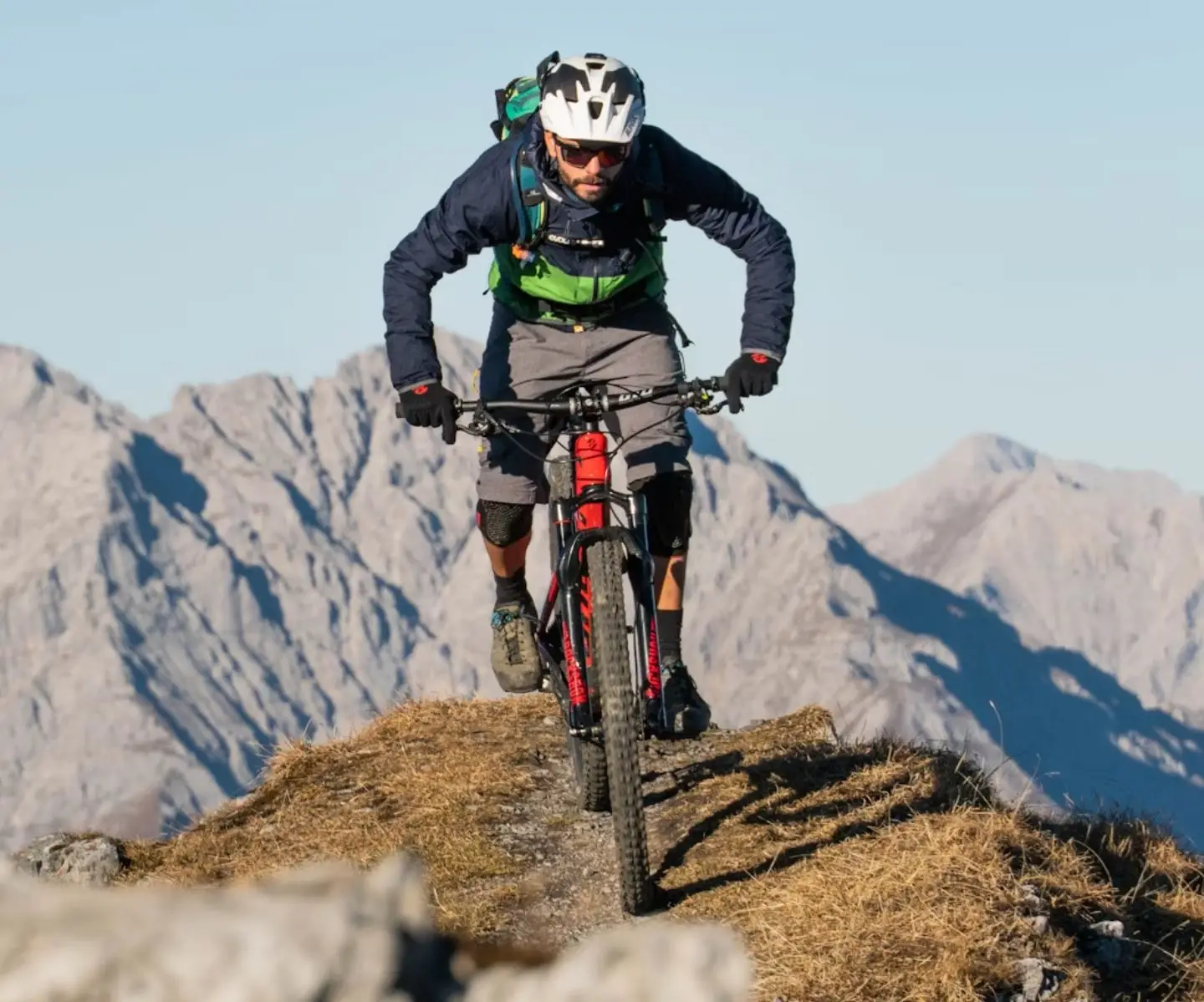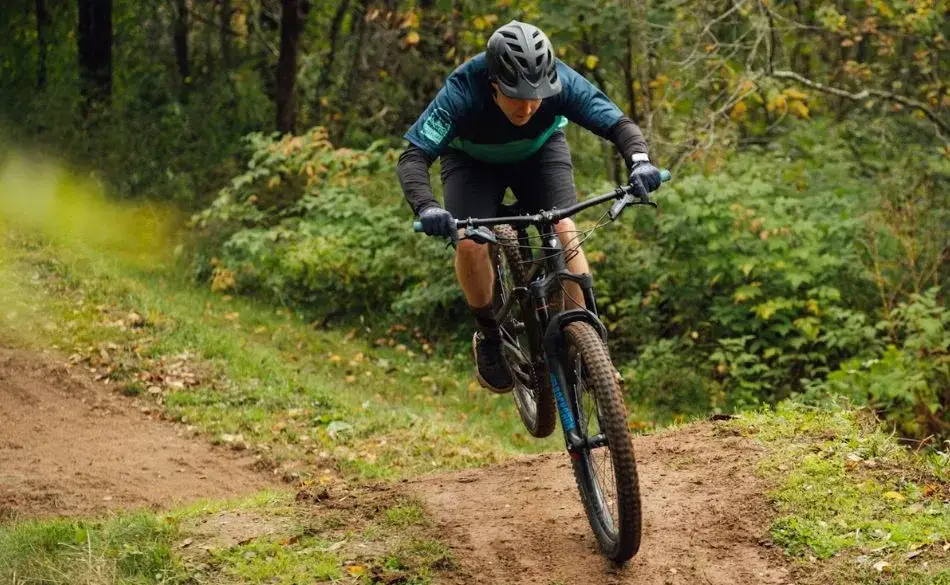
The Fitness Battle Between Two Worlds
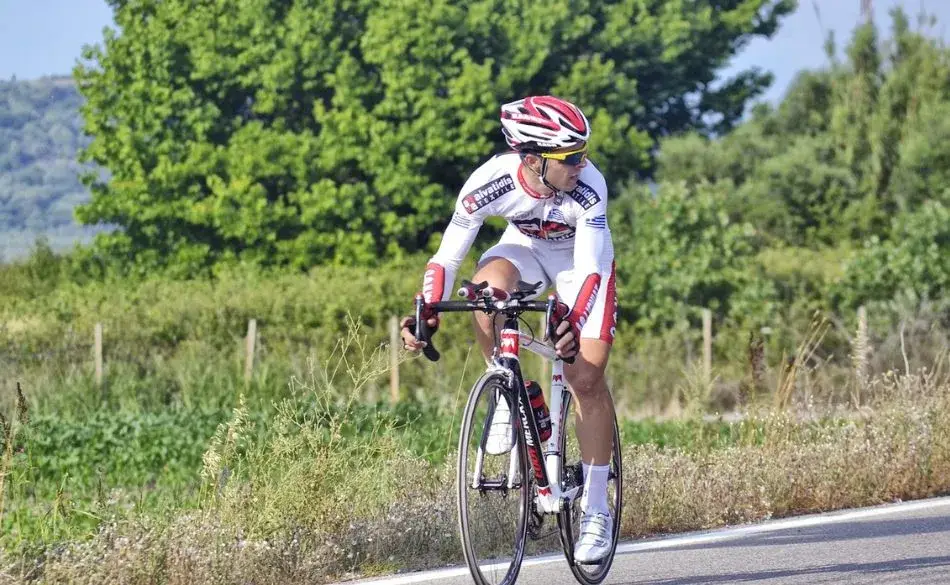
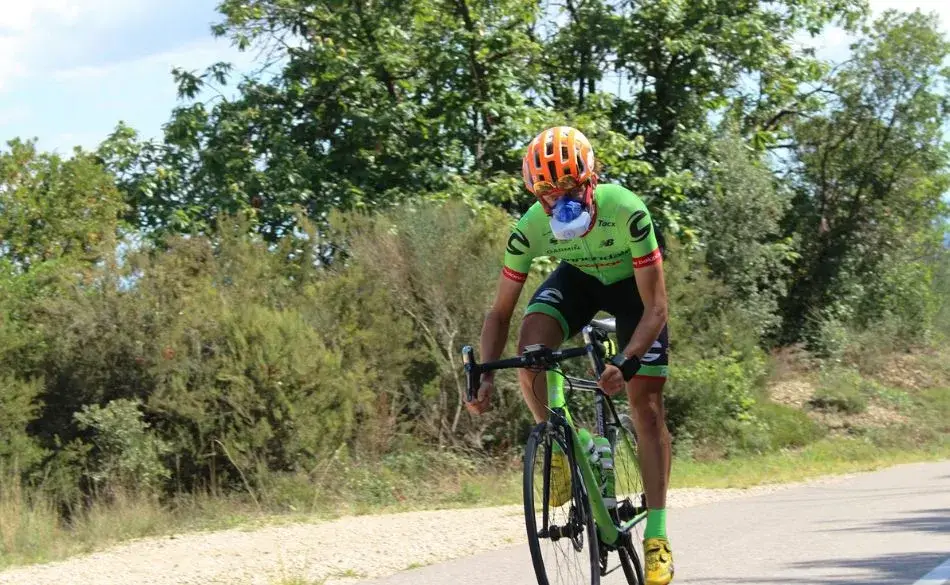
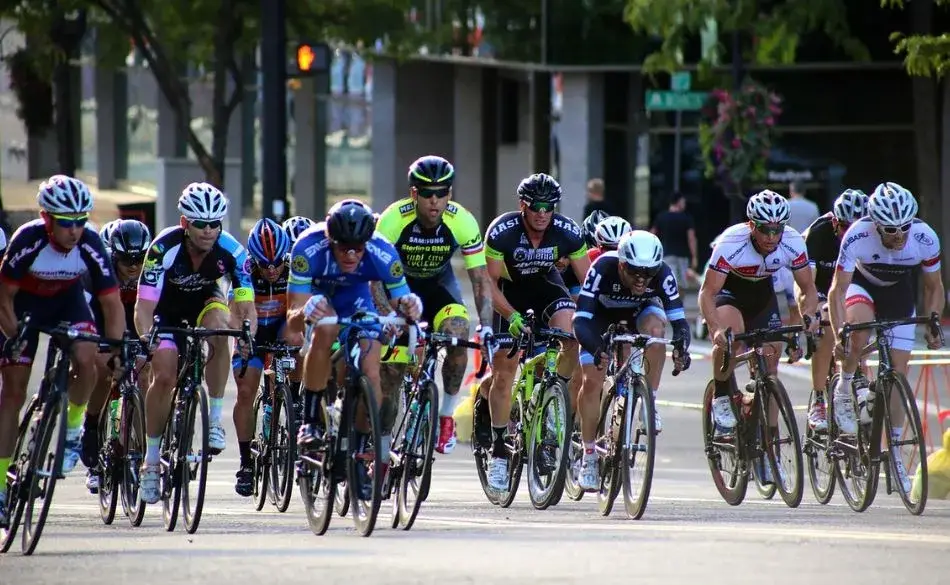
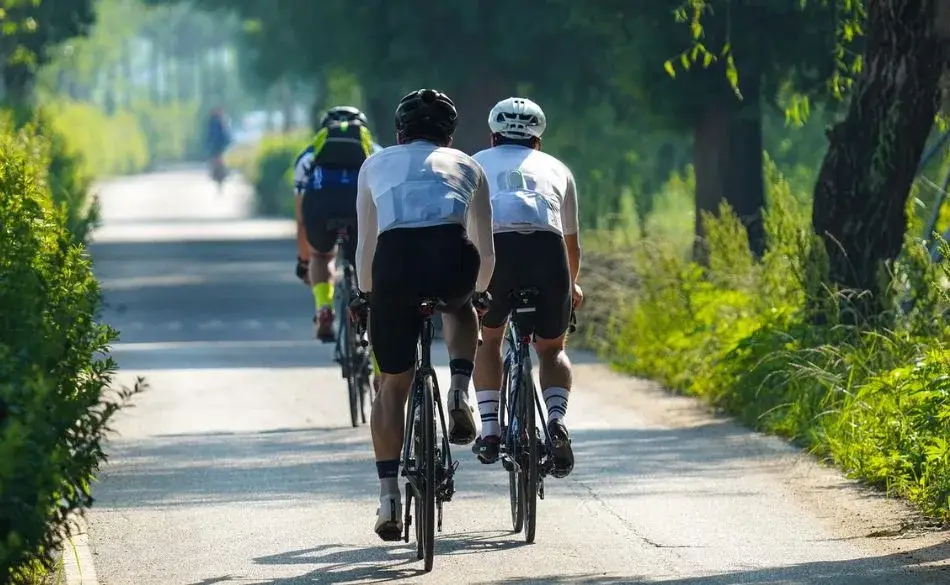
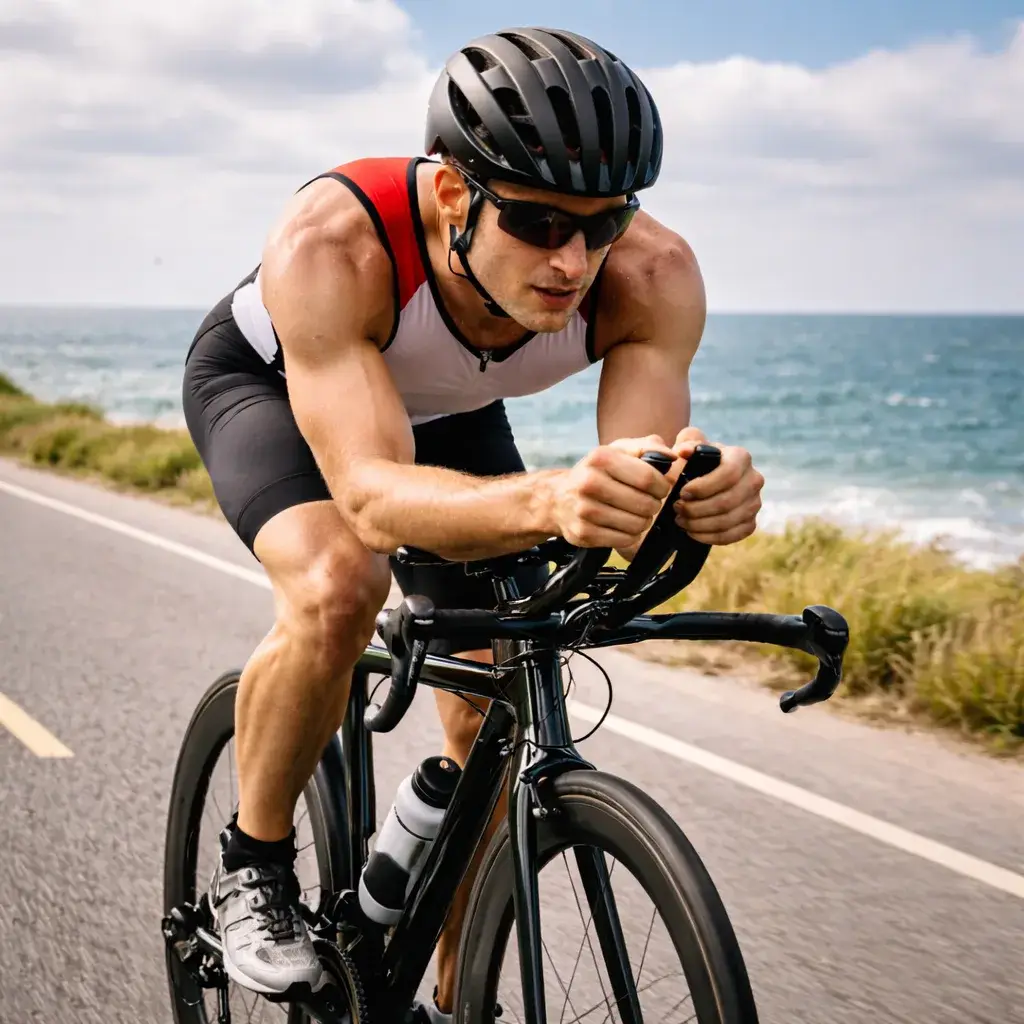
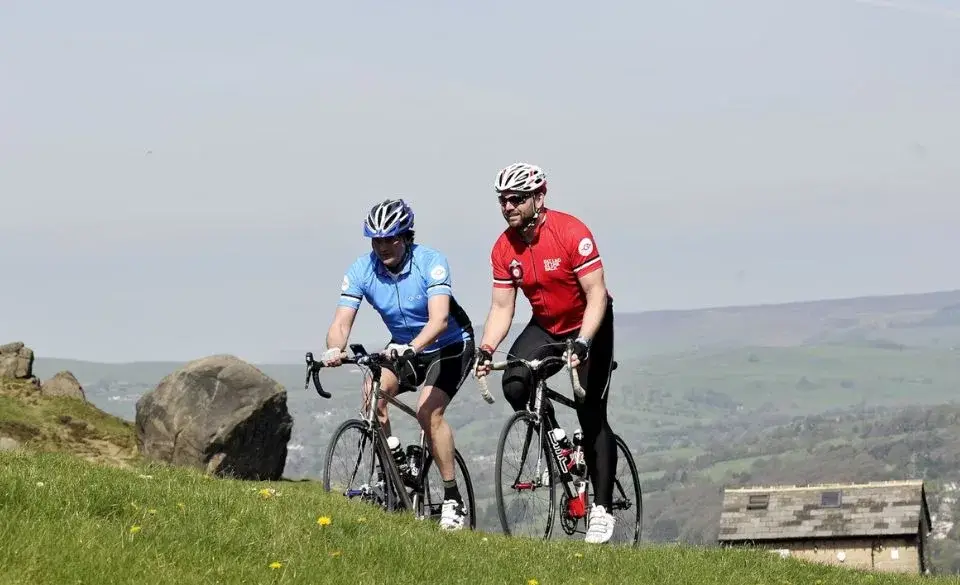
If you’re comparing MTB vs road for fitness, both deliver impressive results , just in different ways. Road cycling is like a long, steady workout for your heart and lungs. You hold a consistent pace, keeping your heart rate in the endurance zone for hours. It’s one of the best ways to improve aerobic capacity and train your Functional Threshold Power (FTP).The maximum effort you can hold before fatigue sets i).
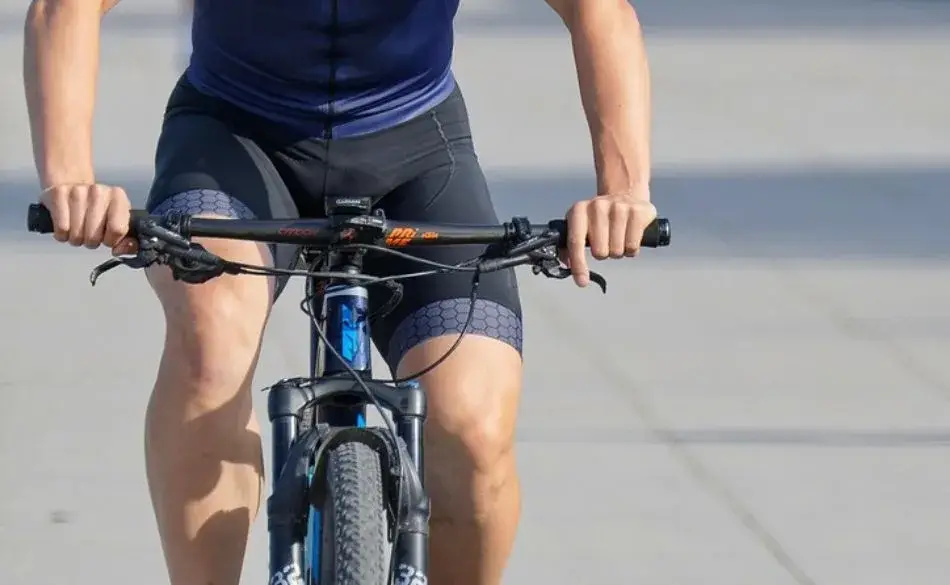
A mountain bike, however, trains fitness more explosively. The constant changes in terrain force you to shift gears, stand, and power over rocks or short climbs. Each burst works your anaerobic system and builds strength in your core, glutes, and upper body, muscles that stay mostly relaxed on a road bike.
Let’s be honest, mountain biking feels more like interval training in disguise. Every climb and descent demands power, balance, and recovery. You’re not just pedaling, you’re engaging your entire body to stay in control. This unpredictability improves your coordination and muscular endurance.
Meanwhile, road cycling focuses on rhythm and control. You develop smoother pedal strokes, better pacing, and efficient breathing. For endurance athletes or those chasing faster times, it’s an unbeatable way to condition your body for long efforts.
So which builds better fitness? It depends on your goals.
- Choose mountain biking if you want a full-body workout, dynamic effort, and variety.
- Choose road cycling if you want to develop endurance, stamina, and speed over distance.
The best approach? Mix both. Many cyclists combine road sessions for base fitness with MTB rides for strength and agility. That balance creates well-rounded conditioning and keeps training exciting all year long.
Ready to improve your fitness on both tarmac and trails? Our Cycling Coaching plan gives you structured workouts, personalised guidance and real results whether you're hitting paved roads or off road tracks.
We’ll customise your training based on your goals, terrain, and schedule. Expect targeted sessions for endurance, power, and technique. From long steady rides to explosive bursts and technical handling, this plan covers everything.
Build stronger legs, better stamina, and the confidence to tackle any surface.
Explore Cycling Coaching
How Bike Design Shapes Training Results
When you compare MTB vs road, each bike’s design shapes how your body trains. The frame angles, tyres, and handlebars all influence effort, muscle use, and how power is delivered.
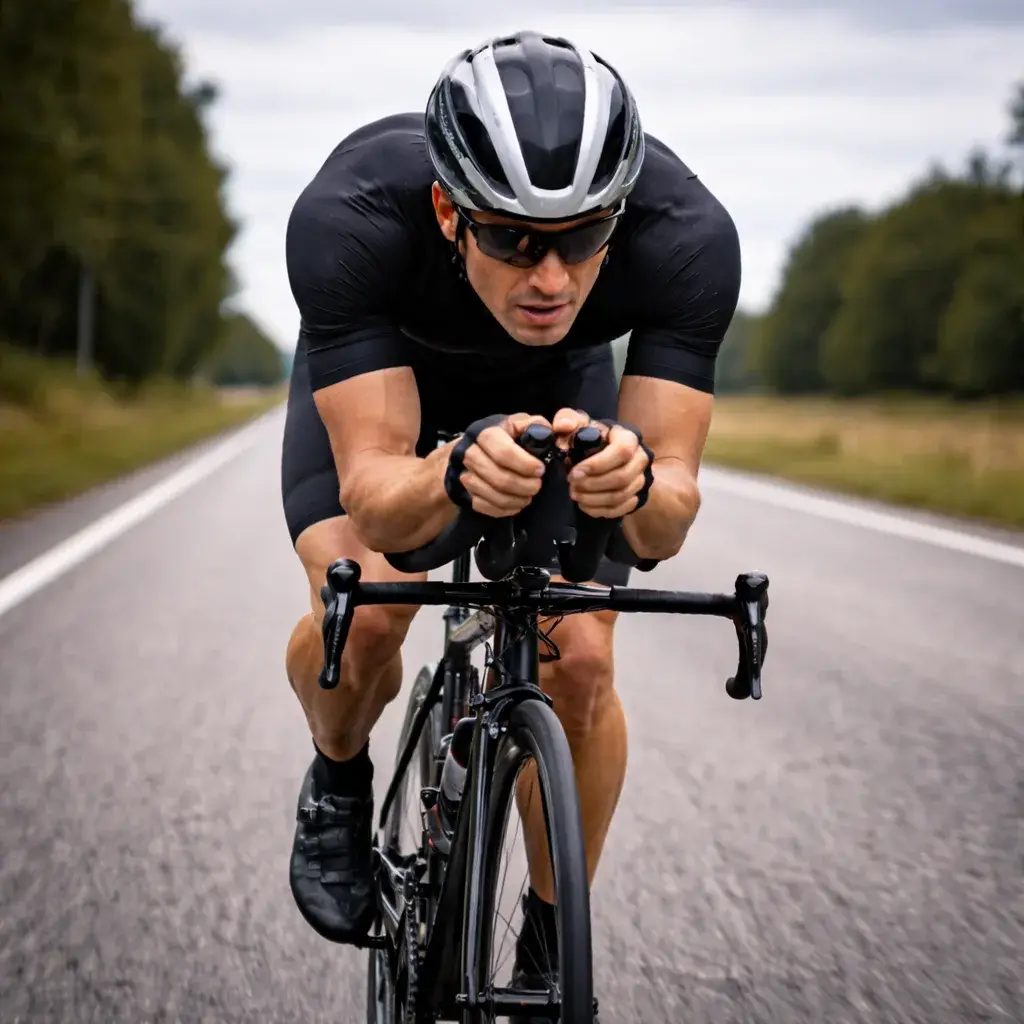
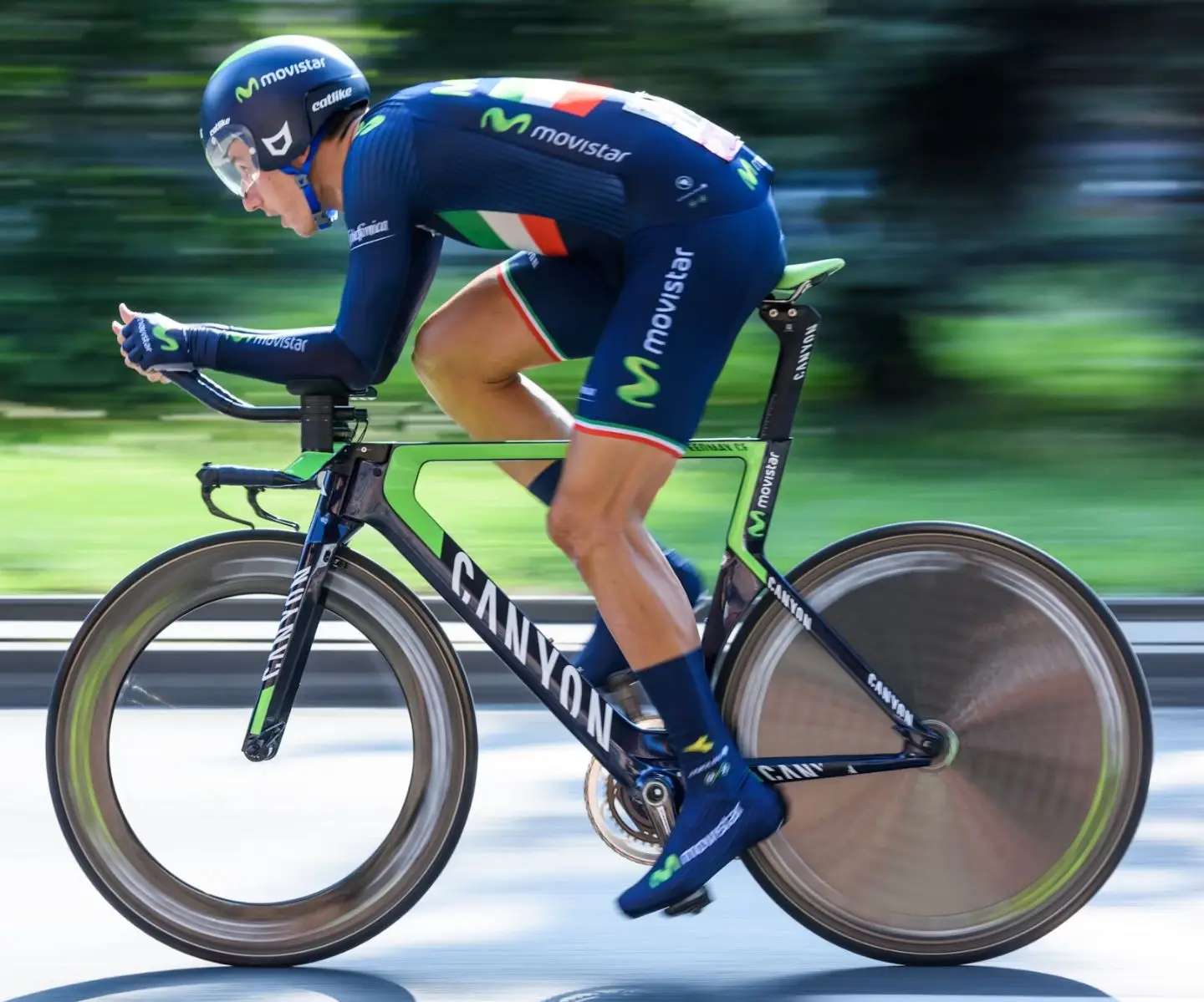
A road bike features narrow tyres, lightweight wheels, and an aerodynamic position. Together, they reduce rolling resistance and wind drag, letting you hold steady power and cadence for long blocks with fewer spikes in effort.
An MTB is built for control and adaptability. Wider tyres, suspension, and a more upright position help you handle rough ground but demand more energy overall. Those small surges and constant micro-adjustments increase your total workload over time.
Gearing also changes the way you train. Road drivetrains keep you spinning smoothly through tempo and threshold zones, ideal for structured endurance work. MTB gearing, on the other hand, allows quick bursts over steep climbs and tricky terrain, training your anaerobic system and timing under pressure.
Handlebars play a role too. Drop bars promote a strong core and stable hip hinge for efficient cadence, while flat bars widen your stance and activate the lats, shoulders, and upper back to maintain control and stability.
Want to climb stronger on any terrain? Explore our guide on how to get better at cycling uphill to build technique, pacing, and strength that transfers to both bikes.
Here’s a clear mountain bike vs road bike comparison for training:
👉 Swipe to view full table
| Design Feature | Road Bike Training Effect | MTB Training Effect |
|---|---|---|
| Tyre width & tread | Narrow slicks cut rolling resistance, ideal for tempo and FTP work | Wide knobbies add grip and drag, raise average work on trails |
| Frame geometry | Longer, lower, more aero for steady power | Shorter reach, higher stack for control and agility |
| Suspension | Rigid or minimal compliance keeps power direct | Front or full suspension smooths hits, adds small energy loss that increases demand |
| Handlebars | Drop bars aid aerodynamics and high-cadence efficiency | Flat/riser bars improve leverage, upper-body stability, and steering strength |
| Gearing | Close ratios for smooth pacing and threshold intervals | Wider range for bursts, steeps, and repeated surges above threshold |
| Terrain flow | Predictable surfaces for long aerobic blocks | Variable terrain creates natural HIIT-style sessions |
| Muscle emphasis | Quads, glutes, calves with core bracing | Adds core rotation, lats, forearms, and small stabilizers |
So what does this mean for your plan? Use road sessions for base, tempo, and long threshold blocks. Use MTB rides for strength, skills, and repeatable power spikes. That mix covers endurance, control, and speed without burning you out.
To better understand how your gearing and effort translate to real performance, try our Power to Weight Ratio Calculator to measure your efficiency and track strength improvements over time.


Training Benefits You Can’t See but Definitely Feel
When people think about MTB vs road, they often focus on speed, gear, or terrain. But there’s a lot more happening beneath the surface. Especially when it comes to what these rides do for your overall body and mind.
Let’s start with the invisible gains. Road cycling teaches your body discipline. Holding a consistent cadence for hours builds mental endurance, not just physical. You learn to focus, control effort, and pace every climb. Over time, this carries into other areas of fitness (long runs, gym sessions, even daily energy levels).
Mountain biking, on the other hand, strengthens body awareness. Every twist of the trail forces your core and stabilizers to engage instinctively. You’re not just moving your legs, your shoulders, arms, and back constantly react to maintain balance. This improves proprioception, the body’s ability to sense movement and position, which helps prevent injuries in all sports.
MTB rides also train quick decision-making. You’re reading terrain, adjusting speed, and choosing lines in real time. That mental alertness boosts reaction times and concentration, benefits road riders sometimes overlook.
Here’s how each ride adds something special to your training:
- Road cycling builds rhythm, cardiovascular fitness, and pacing efficiency.
- Mountain biking develops strength, coordination, and confidence on unpredictable terrain.
Both styles burn calories at similar rates depending on intensity, but MTB usually spikes your heart rate more often due to constant resistance changes. That variability mimics high-intensity interval work, keeping your metabolism elevated even after the ride ends.
If you want to train smarter, not harder, blend both. Use your road bike for structured workouts and endurance days. Use your MTB for skill sessions, off-road climbs, or active recovery when you want fitness without monotony. Together, they form one of the most balanced and enjoyable cross-training systems in cycling.
Which Ride Builds Better Strength and Endurance for Athletes
If your main goal is building strength and endurance, the MTB vs road decision gets interesting. Both challenge the body in powerful but opposite ways.
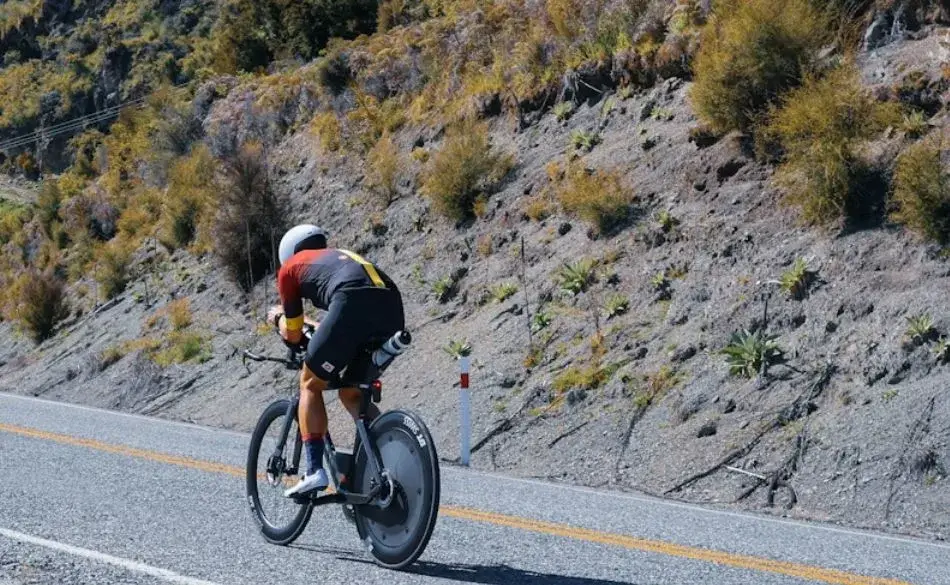
Road cycling focuses on sustained power output. Long climbs and tempo sessions push your legs to hold force over time, building muscular endurance in your quads, glutes, and calves. When you ride for hours at steady intensity, your slow-twitch muscle fibers adapt to use oxygen more efficiently. This leads to stronger aerobic capacity, making you faster in long events or triathlon training.
Mountain biking flips that script. You need to generate explosive strength to clear roots, sprint up short hills, and maneuver through rocky sections. This repeated effort trains your fast-twitch fibers,the same muscles that power acceleration and sprinting. Over time, it builds leg and core strength while improving power-to-weight ratio.
From a physiological view, road cycling improves VO₂ max and lactate threshold, while MTB boosts neuromuscular coordination and force production. Combined, they form a complete endurance-strength system.
Here’s a quick breakdown of how each supports athletic performance:
- Road cycling: Best for steady aerobic base, long intervals, and cardiovascular endurance.
- Mountain biking: Best for leg strength, core activation, and short-burst power.
Interestingly, research shows MTB riders often produce similar average power to road cyclists despite terrain changes, but their peak outputs are much higher. That means MTB demands strength and agility at once. Perfect for athletes wanting balance and resilience.
For a better understanding of how to structure your training intensity, try our Cycling Power Zone Calculator to identify your personal power zones and optimize your workouts.
If you’re training for performance, periodize your riding. Use winter or base phases for longer road sessions, then add MTB rides in the build phase for dynamic strength. This structure keeps your engine strong and your handling sharp, no matter where you ride.
For another perspective on how each discipline builds fitness and strength, check out this feature from Red Bull that highlights the key differences and benefits of both mountain and road cycling.
Achieve your goals with one of our targeted Cycling Training Plans . From 100 km rides to multi-day events and FTP boosts, each plan is structured for your level and event profile.
Choose a plan built around your time availability, experience and terrain. Whether you're training for endurance, climbing, time trials or weight loss, expect clear weekly sessions, consistent progression and a plan that adapts with you.
Get a plan that fits your schedule, challenges your fitness, and delivers results.
Explore Training Plans Now
Which Is Better For Weight Loss And Heart Health?
If your goal is fat loss and a stronger heart, the MTB vs road choice comes down to how you like to train. Both can burn serious calories and improve cardiovascular health, but they do it in different ways.
A road bike encourages long, steady rides. That keeps you in your aerobic zone, where fat becomes a primary fuel source. The longer you hold a comfortable pace, the more you develop your cardiovascular endurance and the heart’s ability to pump more blood per beat. Over time, this lowers resting heart rate and makes climbing or long efforts feel easier.
An MTB, by contrast, delivers bursts of power. Climbing steep sections and rolling over rough terrain push your heart rate higher for short periods. These surges act like natural intervals, improving heart efficiency and post-ride calorie burn. Because of this, many riders find mountain biking feels more like a total-body workout, physically demanding but mentally engaging.
For weight management, the key isn’t which bike you ride but how often and how long you ride it. Consistency matters more than terrain. A one-hour MTB session at high intensity might burn roughly the same calories as a longer, moderate-paced road ride, but that depends on fitness, terrain, and effort.
For heart health, mixing both styles is ideal. Road cycling supports long, controlled Zone 2 sessions, while MTB naturally includes short Zone 4 or 5 spikes that strengthen your heart’s full range of response. Combined, they provide a balanced stimulus for endurance and cardiac strength.
Think about what motivates you. Do you enjoy the calm rhythm of open roads, or do you thrive on unpredictable trails and bursts of power? The best choice is the one that keeps you consistent, because over months of steady training, both MTB and road cycling can transform your heart, fitness, and overall health.
Want specific workout ideas designed for fat loss and cycling? Check out our guide on bicycle workout for weight loss to discover structured sessions for outdoor and indoor riding that support your heart health and waistline.
Choosing the Right Bike for Your Training Goals
Now that you understand how MTB vs road cycling affects your fitness, it’s time to figure out which one actually fits your goals. The best choice depends on what kind of rider you want to become and what motivates you to train consistently.
If your focus is building endurance, a road bike gives you structure. Long, uninterrupted rides are perfect for tracking pace, heart rate, and power. You can build your aerobic base week after week with predictable progression. The smoother terrain also makes it easier to control intensity, helping you stay in the right training zones without interruption.
If your goal is strength, agility, or cross-training, an MTB is your best tool. Trails demand more from your muscles and mind. Every turn tests your coordination, and every climb builds force and balance. Mountain biking keeps you mentally engaged and physically challenged. Ideal if you get bored easily with steady efforts.
For most riders, the smartest approach is blending both. Think of it like this:
- Use road cycling for base miles, tempo work, and recovery sessions.
- Use mountain biking for short, intense efforts and skill-based workouts.
You can even alternate by season. Spend winter months building endurance on the road, then move to trails in spring for power and handling. This seasonal approach mimics how professional endurance athletes train. That means switching surfaces to avoid plateaus and overuse injuries.
At the end of the day, the perfect bike is the one that makes you excited to ride. Whether it’s open roads or muddy trails, the key is consistency. The more you ride, the fitter you get. Pick the style that keeps your motivation high and your legs spinning year-round.
Maximise your trail strength, technical handling and explosive power with our Mountain Bike Coaching . Whether you’re riding cross-country, enduro or simply want to dominate the dirt, this plan is built around your goals.
We’ll personalise your training schedule to match your terrain, discipline and time-availability. Expect structured sessions for climbs and descents, data-driven analysis, and targeted mobility work to keep you strong, agile and race-ready.
Ride harder, descend smarter, and build the fitness to dominate the trails.
Explore MTB CoachingTraining Strategies to Get the Most From MTB and Road Rides
When you train with both MTB and road bikes, the goal isn’t to split your time evenly, it’s to use each bike where it helps you most. Road rides build endurance and pacing. MTB rides sharpen strength, power, and control. Blending them creates a training system that works year-round.
Start with your base phase. This is where road cycling shines. Long, steady sessions at Zone 2 heart rate teach your body to use fat for fuel and boost your aerobic capacity. Aim for 60-90 minutes three to four times a week. Keep cadence smooth and heart rate consistent.
When you reach the build phase, bring out the MTB. Short, technical climbs and quick bursts of power train your anaerobic system and leg strength. A few trail sessions each week can replace gym work for many riders. Focus on explosive efforts followed by recovery, that’s what mimics real racing demands.
During your peak phase, mix both. Use the road for structured threshold intervals and use trails for intensity and handling. Switching terrain keeps the body guessing and prevents burnout.
Don’t forget recovery. Active recovery rides on the road at low intensity help clear fatigue faster than total rest. Light MTB spins also work, just avoid big climbs or technical sections.
Finally, track progress. Power meters, HR monitors, and training apps show how each session fits your goals. You’ll start seeing patterns: smoother pacing from road work and quicker reactions from trails. The best cyclists use both tools to balance stamina, strength, and skill.


Simple Weekly Plans You Can Use Right Now
If you want results fast, pair MTB vs road with a clear plan. Keep it simple. Train steady most days, then add short, hard work where it counts. Here are two easy blueprints you can copy this week.
Endurance-first plan (4–5 rides):
- Mon: Rest or 30–40 min easy spin (road or MTB bike path). Keep breathing relaxed.
- Tue: Road tempo 2×15 min at a pace you can hold but can’t chat. Spin easy 10 min between.
- Wed: Easy 45–60 min road ride. Focus on smooth cadence and light pressure.
- Thu: MTB skills and hills 6–8 short climbs at hard effort, coast back down for recovery.
- Sat: Long road ride 90–150 min in Zone 2. Eat and drink on schedule.
- Sun (optional): 40–60 min very easy MTB trail spin for flow and confidence.
Strength-and-power plan (4–5 rides):
- Mon: Mobility 15–20 min. Light 30 min spin if you like.
- Tue: MTB “punchy laps” 5–7 laps on a short loop with 1–2 min hard each lap.
- Wed: Recovery road 40–50 min easy, keep heart rate low.
- Thu: Road over-unders 3×8 min: 1 min just above threshold, 1 min just below, repeat.
- Sat: MTB long trail 75–120 min, pick lines and stay relaxed on descents.
- Sun (optional): 30–40 min easy spin or full rest.
Tips to make both plans work:
- Keep hard days hard and easy days truly easy.
- Fuel early on long rides. Small bites every 20–30 minutes.
- Track one metric per ride: power target, heart rate zone, or cadence.
- Adjust volume by 10–15% if you feel run down, then rebuild the next week.
These plans use the strengths of each bike. Road rides build steady endurance and pacing. MTB rides add power, control, and quick reactions. Stick with one plan for three weeks, then take a lighter week before you progress. Consistency beats perfect every time.
*Make sure to adjust based on your experience, fitness level and recovery.

Conclusion: The Best Bike Is the One That Makes You Stronger
When comparing MTB vs road, both styles of cycling build fitness in unique but complementary ways. Road cycling focuses on steady endurance, efficient pacing, and cardiovascular development. Mountain biking adds strength, coordination, and handling skills that improve overall athletic ability.
Together, they cover nearly every part of a cyclist’s fitness. Road sessions improve aerobic power and energy efficiency, while MTB rides enhance muscle engagement and reaction time. Mixing both creates a balanced rider who can handle long climbs, short bursts, and unpredictable conditions.
The smartest approach is to train with purpose. Use the road to build stamina and structure. Use trails to add power and agility. Adjust your training based on your goals, recovery, and the demands of your events.
In the end, there’s no right answer in the MTB vs road debate. Only the one that matches your training needs and keeps you improving. The best cyclists use both to stay strong, adaptable, and ready for anything the ride brings.