The Hidden Reasons Your Shoulders Hurt More Than Your Legs on Long Rides
Shoulder pain can feel confusing because your legs are doing all the work, yet your upper body is what aches first. This usually starts with tiny posture habits that build tension mile after mile. When your shoulders slowly creep upward or your elbows lock out, the muscles around your neck and upper back have to hold your weight instead of letting your skeleton support you. Over time, this creates the kind of slow burn that feels impossible to shake.
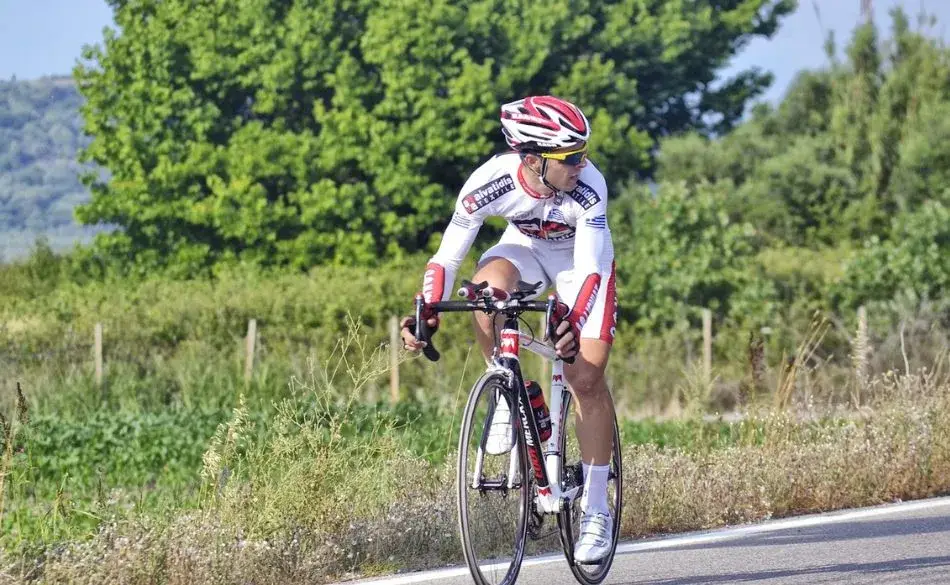
A common issue I see with riders is a drifting position on the bars. When you reach even a little too far, your shoulders handle more load than they should. That long stretched-out feeling pulls on the top of your arms, tightens the muscles around the shoulder blade pain area, and increases stress through the trapezius tightness zone. You may not feel it at first, but on long bike rides, this tension grows until your shoulders feel locked in place.
Your cycling posture also plays a huge role. If your chest drops or your head tilts upward for long periods, the muscles around your neck work overtime. This strain often shows up as neck and shoulder pain cycling, especially on climbs or windy days. Poor posture doesn’t always come from inexperience, it can happen when you’re tired, distracted, or even trying to ride harder than usual.
Another quiet cause is weak stabilisers. When your core tires, your arms take over. Riders with low cycling core strength often shift more weight into their hands, which increases the pressure on your shoulders. Even strong cyclists get caught out by this during longer or more intense sessions.
I once coached a rider who pushed through shoulder discomfort for years. He assumed it was “just part of cycling” until we looked closely at his cycling form. A shorter reach and a slight change to his handlebar height reduced his pain in just one week. Sometimes the smallest adjustments offer the biggest relief.

What Small Bike Fit Changes Reduce Shoulder Pain the Fastest
Many cyclists don’t realise how much a small bike fit change can transform the way their shoulders feel on every ride. The upper body carries more hidden load than most people think. When the bars sit too low or too far away, your arms act like support beams. That constant tension builds through your shoulder blade pain area and into your neck. The fix often starts with tiny adjustments that help your body relax into a more natural line.
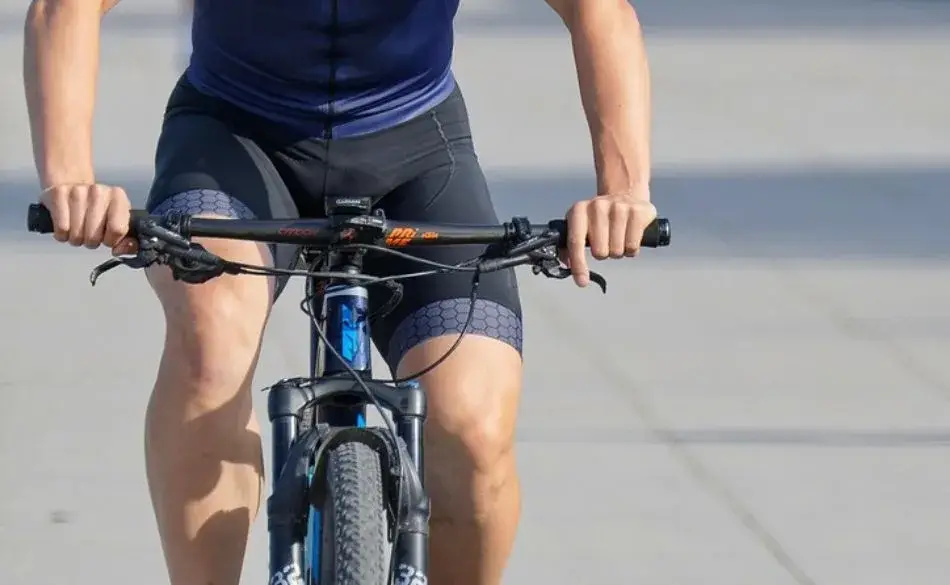
One of the quickest wins is changing your handlebar height. Even a small rise shifts weight away from your arms and into your hips. This helps your shoulders stay lower and calmer during long sessions. Another easy improvement is shortening your reach. If your cockpit is too stretched out, your arms support your upper body instead of your core. A shorter reach increases comfort and improves proper cycling posture without forcing you to fight your position.
Your cycling ergonomics matter too. Many riders tilt their wrists or rotate their elbows in ways that increase strain without noticing. Simple resets can make your whole upper body feel lighter, and issues like why your hands go numb when cycling often reveal that your cockpit setup needs a closer look. Here are adjustments that often deliver fast relief:
- Raise the front end slightly if you feel heavy in your hands or shoulders.
- Shorten the stem if you’re reaching farther than feels natural.
- Rotate the bars so your wrists stay neutral and relaxed.
- Check handlebar width to ensure your shoulders aren’t pulled inward.
- Adjust the saddle tilt to help your hips support more of your weight.
Research also shows how much your upper body responds to small shifts in position, and studies like Upper body posture and muscle activation in recreational cyclists highlight how posture changes can reduce unnecessary strain on your shoulders during longer rides.
Each of these changes helps reduce load on your shoulders by restoring balance. When your bars, saddle, and reach match your body, your muscles don’t need to fight your position. Your core can support you more naturally, and your arms stay softer and less tense.
If you’ve been dealing with shoulder pain when cycling for years, these small adjustments may feel almost too simple. But cyclists are often surprised at how quickly their shoulders relax once their position finally fits the way they move.
If you want more than a generic training plan, our Cycling Coaching Plan gives you fully personalised sessions, clear weekly structure, and expert guidance tailored to your goals, schedule, and current fitness.
With one-on-one support, regular adjustments, and feedback from an experienced coach, you’ll train with purpose, stay accountable, and see steady progress instead of guessing what to do next.
View Cycling Coaching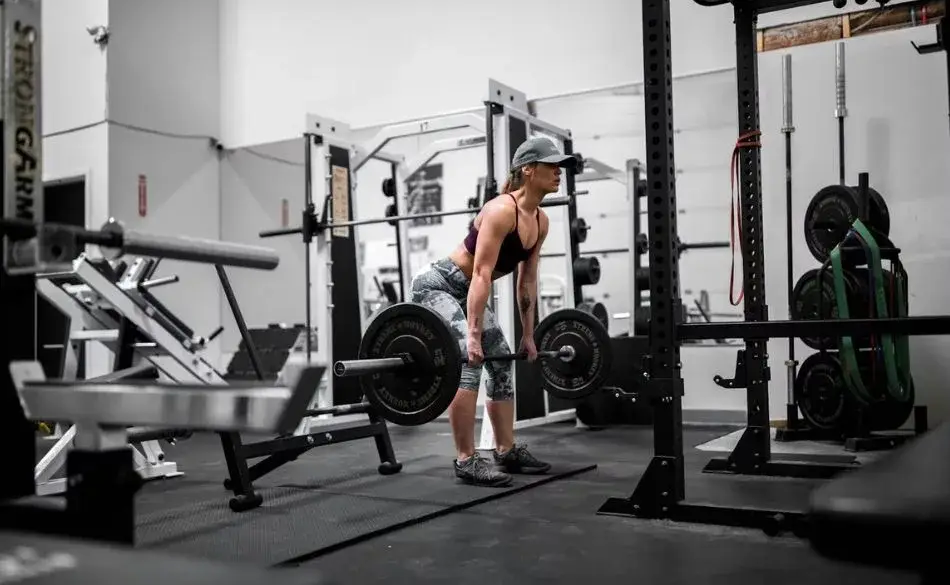

How Should You Hold Your Upper Body To Ride Without Shoulder Pain
Here’s the thing about cycling posture. Most riders think about pushing power through the pedals, not how they hold their upper body. But the way you stack your shoulders, spine, and hands can decide whether you finish your ride feeling smooth or fighting sharp upper back pain.
Start by checking your cycling shoulder position on the bike. Your shoulders should sit low and relaxed, not shrugged up toward your ears. Imagine you’re gently sliding your shoulder blades into your back pockets. This simple cue helps reduce tension around the neck and eases that slow burning shoulder pain when cycling that builds over time.
Next, look at your arm shape. Your elbows should stay slightly bent, not locked straight. Soft elbows act like small shock absorbers. They let the road buzz fade before it reaches your neck and shoulders. Straight arms send every vibration into the joints and muscles that are already working hard to hold you up.
Your head position matters more than most people realise. If you ride with your chin lifted high, the muscles at the back of your neck work overtime. Try to keep your gaze about 5–10 metres ahead, with your neck long and relaxed. Can you feel the difference when you soften your stare and let your jaw unclench?
Here are some simple cycling comfort tips you can use on your next ride:
- Think “heavy hands, light grip” so you’re resting, not clenching, on the bars.
- Every 10–15 minutes, gently roll your shoulders back and down.
- Check that your breathing is deep and steady, not shallow and tight in your chest.
- Scan for tension in your face, jaw, and fingers, then consciously relax them.
You don’t need perfect form to feel better. You just need a few repeatable habits that you can check during every ride. Over time, these small posture cues become automatic, and your body starts to trust the position you’re in. That’s when your shoulders finally stop complaining and let your legs do their job.

Which Shoulder Pain Pattern Do You Have And What Should You Change First
Not all shoulder pain feels the same, and that’s important. The way your pain shows up can tell you a lot about what’s going wrong with your cycling form. Some riders feel a sharp pinch near the front of the shoulder. Others get a deep ache across the upper back. A few notice more of a burning line along the neck. Each pattern points to a slightly different cause and a different first fix.
If you feel pain at the front of the joint, it may involve the rotator cuff working too hard to stabilise your shoulder while you lean on the bars. If the ache sits between your shoulder blades, it often links to reach, posture, and bar position. A tight band that runs from your neck into your shoulder can point to overload in the upper traps and poor cycling ergonomics.
To make this simpler, here’s a detailed table you can use to match your pain pattern with a likely cause and a smart next step. It doesn’t replace medical advice, but it gives you a practical starting point before you adjust your setup or training.
👉 Swipe to view full table
| Pain Pattern | Common Cause on the Bike | What It Often Feels Like | Quick On-Bike Fix | Long-Term Fix |
|---|---|---|---|---|
| Front of Shoulder | Excess weight on hands, poor support from core, stressed rotator cuff. | Sharp pinch when leaning on bars or reaching for drops. | Raise bars slightly and bend elbows to soften the load. | Improve cycling core strength and refine proper cycling posture. |
| Between Shoulder Blades | Reach too long, rounded back, tight upper back muscles. | Dull ache that builds on climbs or long bike rides. | Sit taller, bring chest forward, relax shoulders down. | Shorten reach and add targeted stretches for shoulder pain. |
| Neck Into Shoulder | Head lifted too high, shrugged shoulders, poor cycling posture. | Burning band from neck into top of shoulder. | Lower gaze, drop shoulders, loosen grip on the bars. | Work on relaxed cycling shoulder position and mobility. |
| Outer Shoulder and Arm | Handlebar width mismatch, overreaching to controls. | Tight, tired feeling along outer arm and shoulder. | Move hands closer to the centre and soften elbows. | Adjust bar width and review overall bike fit for shoulder pain. |
| General Fatigue Both Shoulders | Core fatigue, tense grip, poor pacing. | Heavy, tired shoulders late in the ride. | Shake out arms, reset posture, ease effort briefly. | Build strength, pacing skills, and better cycling ergonomics. |
When you can name your pattern, you stop guessing. You know whether to work on posture, position, strength, or all three, and your changes become much more targeted and effective, especially when issues in areas like your hips are involved, as explained in this guide on hip pain when cycling.


Strength And Mobility Work That Makes Riding Feel Easier
Strength and mobility don’t need to be complicated to help your shoulders feel better on the bike. In fact, the easiest routines often have the biggest impact because you can repeat them on a regular basis. Most riders think shoulder pain comes only from the bike, but your body plays an equal role. When the muscles that support your posture tire too quickly, more load shifts into your hands and arms. That’s when the familiar ache appears during long rides.
A small amount of weekly strength work supports the muscles that hold you stable. Your upper back, deep core, and the areas around your shoulder blades play a big part in keeping your arms relaxed. When these muscles are strong, you’re less likely to fall into rounded posture or rely on your hands for balance. This makes it easier to maintain a calm cycling shoulder position even when you’re pushing hard.
Mobility matters just as much. Tightness around the chest and upper back pulls your shoulders forward, which increases the stress on your neck and makes shoulder pain when cycling show up sooner. Opening these areas helps your body find a more neutral position, which reduces strain and improves your breathing on the bike.
Here are a few simple strength and mobility ideas that work well for riders:
- Light row variations to strengthen your upper back and support posture.
- Gentle chest stretches to help reverse the forward cycling position.
- Core stability exercises to reduce the load on your hands and arms.
- Slow shoulder blade movements to build control and reduce tension.
These exercises don’t need to take long. A few minutes before or after a ride creates enough consistency to make a difference. Even on busy weeks, a short routine helps maintain a balanced position on the bike and reduces the effort your upper body needs to stay comfortable. When your body supports the position you’re asking it to hold, you naturally feel lighter, smoother, and far more in control every time you ride.


The Mid-Ride Shoulder Reset Every Cyclist Should Learn
Most cyclists don’t realise how quickly tension builds during a ride. You start relaxed, but as the minutes pass, your shoulders slowly creep upward, your elbows stiffen, and your breathing becomes shallow. This creates the perfect setup for shoulder pain when cycling, especially on windy days, climbs, or long steady efforts. The good news is that you can break this cycle with a simple reset routine that only takes a few seconds.
First, check your shoulders. Without changing anything else, notice where they are. Are they lifted? Are they hiding near your ears? If so, gently let them drop. Imagine the weight melting down your back. This small shift alone reduces upper-trap load and helps ease that creeping shoulder blade pain that comes on during long bike rides.
Next, soften your elbows. Many riders lock their arms without meaning to, which sends every vibration straight into the neck and shoulders. A soft bend acts like natural suspension. It makes your cycling posture more stable and lets your upper body move with the bike instead of bracing against it.
Then reset your breathing. Deep, steady breaths lower the tension around your chest and neck. When breathing becomes shallow, your accessory muscles (especially the upper traps) work harder, which can worsen neck and shoulder pain cycling. Focus on filling your belly, not your chest, and notice how much lighter your upper body feels when oxygen flows more freely.
Finally, relax your grip. Many cyclists hold the bars far tighter than they need to. A tight grip creates tension through your forearms and into your shoulders. Lighten your hands until you feel like you’re resting, not clenching. This alone can make a surprising difference in how relaxed you feel on the bike.
A quick posture check every ten to fifteen minutes prevents tension from building into something painful. These tiny resets take almost no effort, but they help your body stay calm, balanced, and in control.
Improving posture through small habits adds up across your whole body, and resources like lower back pain cycling fixes can help you build even more comfort on longer rides.


Are Your Off The Bike Habits Secretly Fueling Your Shoulder Pain
Shoulder pain doesn’t start only when you clip in. The way you sit, work, drive, and scroll through your phone all shape how your shoulders feel once you’re riding. If you spend most of your day with rounded shoulders, a forward head, and arms reaching toward a keyboard, you’re already putting your body into a mini riding position before you even touch the bike. Then, when you start pedalling, your muscles are tired before the session begins.
Think about your desk setup. If your screen is low, you crane your neck forward. If your chair doesn’t support you, your spine rounds and your shoulders roll in. That same pattern often shows up as shoulder pain from long bike rides, because your body simply continues the posture it has repeated all day.
Driving can have a similar effect. Many cyclists grip the steering wheel tightly, lock their elbows, and lean forward in traffic. This position feeds into shoulder fatigue on long rides, because the same muscles must hold you up both on the road and behind the wheel. Even long phone or tablet use, with your head dropped and shoulders curled, can make your upper back and neck feel stiff before a training session.
Sleep plays a role too. If you always lie on one side with your top shoulder rolled forward, the tissues around the joint can feel tight and irritated. Then, when you get on the bike, a normal reach suddenly feels like a stretch.
Here’s the quiet truth. Even perfect cycling posture and a great bike fit for shoulder pain can only do so much if your off the bike life constantly pushes you into the opposite direction. When you start matching your daily positions with the way you want to ride (more open chest, relaxed shoulders, and a long, neutral neck) your body stops fighting itself. And building stronger postural muscles with resources like best back exercises for cyclists can support that shift every day.
If you want clear direction for your weekly rides, our Cycling Training Plans show you exactly which heart rate zones to ride in so you can build endurance, strength, and speed without second-guessing your effort.
Each plan includes structured progression, targeted sessions, and balanced weekly load so you always know when to ride easy, when to push harder, and how to train smarter while still recovering properly.
Explore Cycling Plans
Tools And Trends That Make Cycling More Comfortable For Your Shoulders
There’s a quiet shift happening in the cycling world. Riders aren’t just chasing watts anymore. They’re chasing comfort, sustainability, and joint health. That’s good news if you’re dealing with shoulder pain when cycling, because there have never been more tools to help you ride pain free.
One big change is how easy home bike fitting has become. In the past, you had to visit a studio to get any real insight into your cycling ergonomics. Now, phone apps and simple video tools let you record your position from the side and front, then compare it to recommended angles for reach, handlebar height, and torso position.
Wearable tech is also stepping in. Many riders now use heart rate, power, and even muscle oxygen sensors to guide pacing. Why does this matter for your shoulders? Because better pacing means less gripping, less bracing, and fewer panic efforts where your whole upper body tenses. When your effort is controlled, your cycling form tends to stay calmer too.
Recovery tools are improving as well. Foam rollers, massage balls, and simple bands make it much easier to work on tight areas after a ride. Short sessions focused on the chest, upper back, and shoulders pair perfectly with shoulder mobility exercises you can do at home. This kind of work supports your proper cycling posture instead of expecting the bike fit to do all the heavy lifting.
Even bike design is slowly shifting. More endurance frames now prioritise stable handling and relaxed fit over extreme aerodynamics. Wider tyres and better vibration damping take some of the buzz out of the bars, which helps reduce shoulder blade pain on rough roads and long bike rides.


Bringing It All Together So Your Shoulders Finally Relax On Every Ride
Let’s be honest. It’s hard to enjoy your riding when you’re counting down the minutes until your shoulders start to burn. But by now, you’ve seen that shoulder pain when cycling usually isn’t random. It’s a mix of position, strength, tension, and habits you can actually change.
The first piece is your setup. A small bike fit for shoulder pain review can transform how you feel on the road. Adjusting handlebar height, reach, and bar width gives your body a fair chance to sit in a neutral, supported line. Good cycling ergonomics don’t just look tidy, they protect your joints when the rides get longer and harder.
The second piece is how you move. Calm, repeatable habits around your cycling form and proper cycling posture help your shoulders stay relaxed instead of constantly bracing. Soft elbows, low shoulders, and steady breathing all work together. When you check in every so often, you catch tension early, before it turns into real shoulder blade pain on those long bike rides.
The third piece is what you do off the bike. Simple shoulder mobility exercises and regular stretches for shoulder pain help your body handle the position you’re asking it to hold. Building cycling core strength means your midsection, not your shoulders, carries more of the load. That’s where a lot of modern training is heading. More riders are using strength work, physio guidance, and even motion-tracking apps to support better posture and comfort.
So ask yourself: which piece do you need most right now – fit, posture, or strength? You don’t have to fix everything at once. Choose one or two changes, test them on easy rides, and notice what feels different.