Why Cyclists Need More Than Just Strong Legs
Many cyclists don’t realise how much the upper body shapes the way they ride. When you think about cycling power, it’s easy to picture quads and calves doing all the work. But the truth is simpler and more important. Your arms, shoulders, and back control every movement on the bike. When these areas lack strength, your legs end up doing far more than they should. That’s when fatigue sets in early, posture breaks down, and performance drops.
This is where upper body strength for cyclists becomes a real advantage. A strong upper body helps you keep your bike stable on climbs, sprints, and rough surfaces. It also reduces the tiny wobbles and energy leaks that make long rides feel harder than they need to be. Riders who add even light strength training often notice they breathe easier and hold better form late into a ride.
You might have wondered, “do cyclists need upper body strength?” The answer is yes, and the reasons are practical. A stronger torso helps support your spine on long rides. Strong shoulders keep you steady during descents. A balanced upper body protects your neck and back from tightening up on longer sessions. Even simple upper body mobility workouts makes it easier to stay relaxed instead of stiff and tense.
If you’ve ever felt sore wrists, a tight lower back, or unstable handling in crosswinds, you’ve felt the effect of weak upper body support. But the good news is that small changes bring big benefits. Adding a gentle upper body weightlifting routine for cyclists a few times a week makes a huge difference. You don’t need heavy barbells or intense gym sessions. You can start with controlled movements and light resistance to build stability and comfort.
Here are a few simple benefits you’ll notice once you strengthen your upper body:
- Better bike control on climbs and descents
- Less fatigue in long or windy rides
- Smoother breathing and better posture
- Reduced risk of overuse aches and pain
When your upper body works with your legs instead of against them, everything about your ride feels easier and more efficient.
If you want simple strength and mobility guidance backed by health experts, the NHS provides easy strength and flexibility exercises suitable for cyclists of all levels.
Our Cycling Coaching Program helps you build the strength, technique, and consistency that support real on-road improvements. Your plan includes balanced sessions designed to improve posture, bike control, and climbing stability—key benefits of upper body training.
Instead of guessing how much strength work to add or when to fit it in, you’ll follow a clear structure that works with your riding schedule. Each week supports steady progress without overloading your legs or hurting your performance.
Whether you’re working toward smoother handling, stronger climbing, or better endurance on long rides, guided coaching helps you stay consistent and avoid the mistakes that slow many riders down.
Explore Cycling Coaching →

Which Upper Body Muscles Matter Most for Cyclists
When you think about getting stronger on the bike, it helps to know which muscles actually do the work. You don’t need a bodybuilder’s routine. You need focused upper body exercises for cyclists that support how you sit, breathe, and handle the bike.
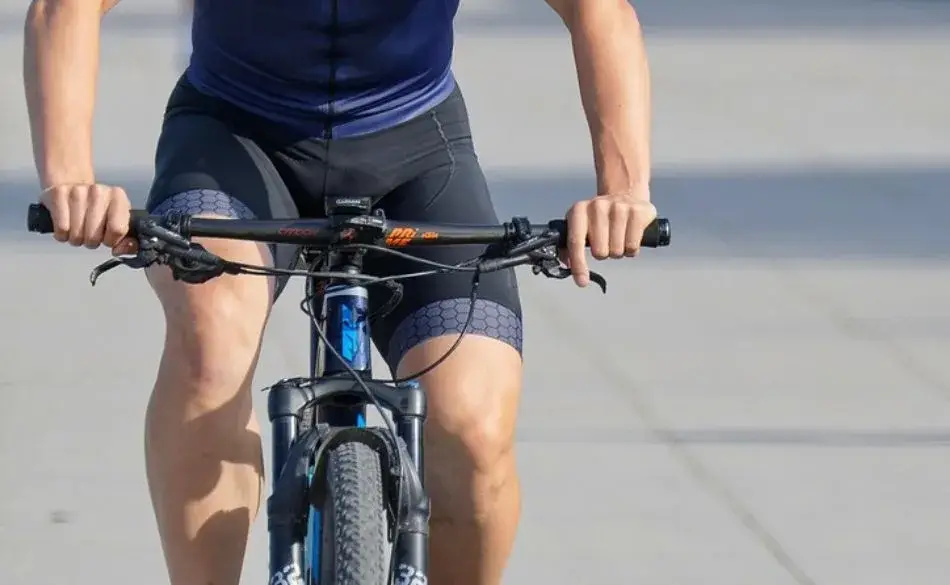
Your shoulders and upper back keep you stable on the bars. When these muscles are weak, your elbows lock, your neck tightens, and every bump feels sharper. Strong lats and mid-back muscles help you stay relaxed while still feeling in control of the front wheel. That’s a big part of staying calm in fast bunch rides or on loose descents.
Your chest and triceps help you hold your position when you’re in the drops or pushing into a headwind. They don’t drive the pedals, but they stop your upper body from collapsing forward. This means more pressure going into the pedals instead of into your hands and wrists.
Your core ties everything together. It supports your spine, keeps your hips stable, and lets your legs move smoothly. If the core is soft, your pelvis rocks side to side, which wastes power and can even lead to overuse issues.
Here are the key areas you want to target with strength training:
- Shoulders and upper back for steering control and stability
- Chest and triceps for support in the drops and on climbs
- Core muscles for a steady pelvis and smooth pedal stroke
- Forearms and grip for better braking and bar control
You don’t need endless exercises to cover these areas. A simple mix of pushing, pulling, and core work is enough to build useful upper body strength for cyclists. When you train the right muscles instead of everything at once, you get stronger without feeling beaten up or overly tired for your next ride.
If you’ve ever felt a tight lower back at the end of a long ride, check out this guide on lower back pain fixes for cycling to find posture tweaks and mobility cues that complement your strength work.


How to Build Upper Body Strength Without Hurting Your Ride
A common fear among cyclists is getting bulky or feeling slow after lifting weights. The good news is that the right approach to weight training for cyclists avoids both problems. You don’t need heavy max lifts or long gym sessions. What you need is controlled movement, smart volume, and exercises that match cycling demands.
I once coached a rider who struggled with wrist pain and upper back fatigue on long rides. He avoided lifting because he thought it would make him slower. After eight weeks of simple sessions, he said his bike suddenly felt lighter on climbs and he didn’t tense up in crosswinds. This is the kind of change a structured plan can create, even if you’re new to strength work.
To get stronger without affecting your recovery, focus on movements that improve stability and pulling strength. These support better breathing and smoother handling without adding unnecessary muscle mass. When you follow this approach, upper body strength for cyclists becomes a performance booster instead of something that gets in the way.
Here’s a simple structure you can follow:
- Pick two pushing exercises and two pulling exercises to create balance in your routine.
- Add one core movement that supports posture and breathing on long rides.
- Use light to moderate weight and focus on clean, controlled reps.
- Train two days per week so your legs stay fresh for key rides.
One of the most useful additions for riders is dumbbell workouts. Dumbbells challenge each side of the body separately and help correct small imbalances. They also make it easier to control your range of motion, which supports better upper body mobility for cyclists.
If you train with purpose instead of intensity, you’ll avoid adding unwanted bulk. Instead, you’ll feel more stable, more relaxed, and more capable on fast descents, long rides, and intense efforts. It’s a small investment that pays you back every time you get on the bike.


The Most Effective Upper Body Routine for Cyclists
Now that you understand why strength matters, it’s time to see what a smart routine actually looks like. The goal isn’t to lift heavy or spend hours in the gym. It’s to build strength that supports posture, reduces fatigue, and improves control on the bike. A focused plan makes weight training for cyclists simple and effective without cutting into your riding time.
This table gives you a clear view of what each exercise does and why it helps. The movements build pulling strength, pushing strength, grip stability, and better trunk control. All of these support smoother breathing, steadier handling, and better power transfer on long rides. This approach works especially well during offseason strength training when you have more space to develop strength without worrying about big ride volume.
👉 Swipe to view full table
| Exercise | Main Benefit | Why Cyclists Should Do It |
|---|---|---|
| Seated Dumbbell Row | Strong upper back | Improves control of the front wheel and reduces neck tension. |
| Push Ups | Chest and tricep strength | Supports your weight when in the drops or pushing into the wind. |
| Face Pulls | Shoulder stability | Builds posture strength to help keep your upper body relaxed. |
| Planks and Side Planks | Core stability | Reduces pelvic rocking to improve power transfer on climbs. |
| Dumbbell Shoulder Press | Shoulder strength | Supports strong steering control on rough or uneven surfaces. |
| Farmer Carry | Grip and trunk strength | Improves bar control and reduces wrist fatigue on long rides. |
Use this routine two to three times per week. Keep the weight light to moderate so your riding performance stays sharp. If you follow these movements consistently, you’ll build the kind of strength that supports better posture, smoother handling, and more confidence on both fast rides and long days in the saddle.
To improve your climbing efficiency even further, take a look at this practical article on how to get better at cycling uphill which pairs nicely with the strength routines laid out above.

How to Fit Upper Body Strength Into Your Weekly Training
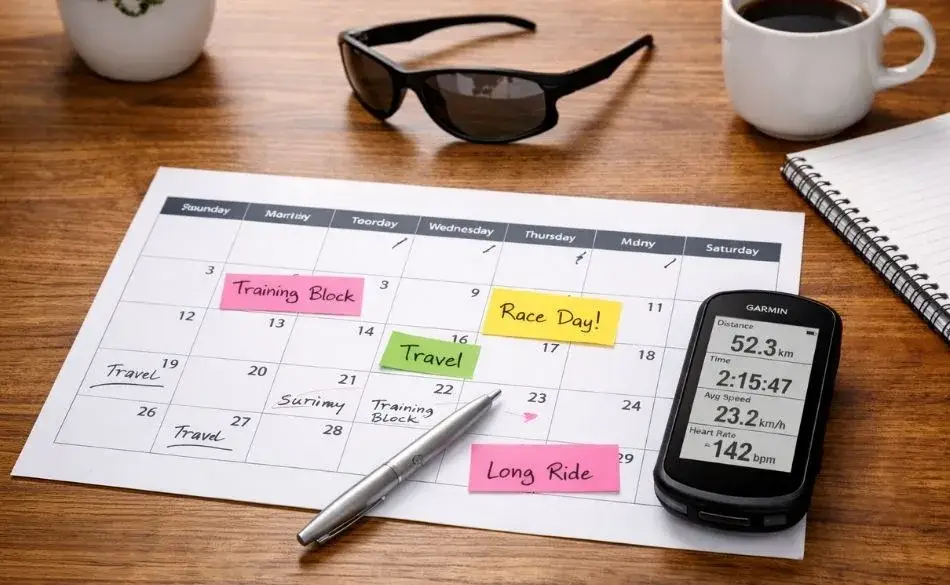
The biggest challenge for many cyclists isn’t knowing what to do. It’s figuring out how to add strength work without feeling drained for key rides. The good news is that you don’t need long sessions or heavy weights. A simple plan keeps your legs fresh while still building the stability you need. This is where smart scheduling makes upper body strength for cyclists even more useful.
The best time to lift is on days when your body is already working. Pairing strength with an easier endurance ride helps recovery because your training stress happens in one block instead of spread across separate days. This leaves more room for rest, which keeps your performance high. If you’re following offseason strength training for cyclists, you can add an extra session each week since your riding volume is lower.
Here are some simple ways to fit strength work into your week without overthinking it:
- Train upper body on the same day as low-intensity rides to keep recovery windows clear.
- Keep sessions short so your legs stay fresh for harder intervals or long weekend rides.
- Use dumbbell workouts for cyclists at home if you’re short on time or avoiding the gym.
- Include mobility work to keep your shoulders, ribs, and spine moving well.
The beautiful part is that even a small amount of strength training makes a noticeable difference. When your upper body stays strong, your breathing improves on climbs, your handling feels more confident in traffic or wind, and your posture stays stable on longer rides. Better posture means less wasted energy, and less wasted energy means more power where it counts.
As your routine becomes consistent, you’ll start noticing the small things. You grip the bars with less tension. You finish rides without the usual neck ache. Your bike feels more controlled, and long days in the saddle feel easier than before. These are signs that your upper body is finally supporting your ride instead of holding you back.
For detailed guidance on how many total hours you should ride and train each week, check out this article on how many hours per week you should train cycling to help align your strength and bike work with realistic weekly load.
Our Cycling Training Plans give you a clear and structured path to build endurance, strength, and better on-bike stability. Each plan is designed to complement your riding style and pairs perfectly with the upper body work that keeps your posture steady and your power consistent.
Instead of trying random workouts or guessing how much to ride, you’ll follow a balanced schedule that supports steady improvement while keeping you fresh for key sessions. Every week is laid out so you know exactly what to do and why it matters.
Whether you’re preparing for climbing-heavy routes, longer endurance rides, or a faster season ahead, the right plan helps you stay focused and avoid overtraining while still getting stronger every week.
Find Your Cycling Plan →
The Connection Between Upper Body Strength and Climbing Power
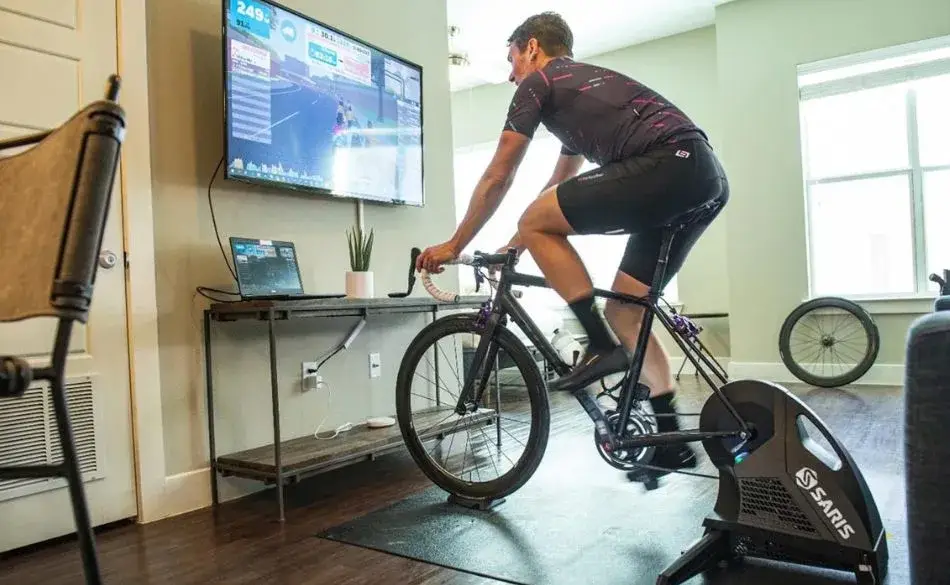
Most cyclists think climbing is all about leg strength, but your upper body plays a much bigger role than you might realise. When the road tilts upward, your core, shoulders, and back work together to keep your body steady so your legs can drive the pedals smoothly. Without that stability, your energy leaks away through wobbling, rocking, and extra movement you don’t even notice. This is where upper body strength becomes a major advantage.
Think about the feeling of a long climb. Your breathing gets heavy, your grip tightens, and your body tries to stay balanced as the gradient changes. If your upper back and shoulders are weak, you start to collapse forward. Your chest tightens, your ribs stop expanding well, and your power drops even if your legs still feel okay. A balanced upper body weightlifting routine for cyclists helps you stay supported so your breathing stays open during steep efforts.
Your core is another key piece of climbing strength. When it’s strong, your pelvis stays level, allowing every pedal stroke to land cleanly. When it’s weak, your hips rock, your knees drift, and your legs work harder than they need to. Even small improvements in stability create noticeable gains in climbing comfort and efficiency.
If you want better control on steep gradients, here are simple ways to build strength that directly helps your climbing:
- Add pulling movements like rows to improve posture and keep your chest open.
- Use pressing exercises to stabilise the shoulders and support your upper torso.
- Include core work so your hips stay stable during long climbs.
- Improve upper body mobility to keep your breathing deep and relaxed.
Climbing feels easier when your whole body supports the effort. With smart strength training, you reduce wasted movement, keep your breathing steady, and maintain power longer. A stronger upper body turns tough climbs into smoother, more controlled efforts that feel far less draining.

A Complete At-Home Upper Body Routine for Cyclists
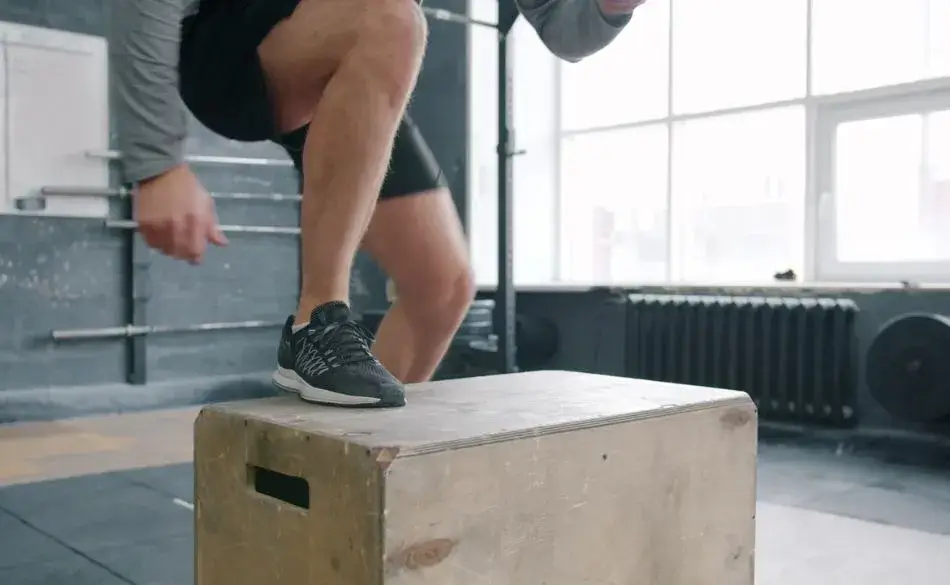
You don’t need a gym membership or heavy equipment to build useful strength for cycling. Most riders can make real progress with simple movements done at home, because the goal isn’t to lift huge weights. It’s to create stability, better posture, and smooth breathing under load. An at-home plan helps you stay consistent, and consistency is what makes strength training work over time.
This routine focuses on pushing, pulling, core support, and mobility. These areas give you the most benefit on the bike. Everything here works well even if you only have a pair of light dumbbells or resistance bands. If you don’t have weights, you can still build strength with slower reps and controlled movement. That’s a big part of why dumbbell workouts for cyclists are so effective, the movements are simple, stable, and easy to adjust.
Before you begin, remember that your upper body doesn’t need high volume. Two or three sessions each week are enough to improve posture and reduce fatigue. Your goal is to feel more stable on climbs, less tense in the shoulders, and smoother through long rides—not worn out.
Here’s an easy at-home routine that supports upper body strength for cyclists:
- Push ups: Improves chest and arm support for long periods in the drops.
- Backpack rows: Use any loaded bag to train your upper back for better steering control.
- Band pull aparts: Builds shoulder stability and improves posture on long rides.
- Plank holds: Strengthens core control and reduces pelvic rocking during climbs.
- Side planks: Improves hip and trunk stability for smoother pedal strokes.
- Wall angels: Helps upper body mobility by opening the chest and improving shoulder movement.
Do one or two sets of each exercise when you start. Keep the movements slow and steady so your muscles learn control, not just tension. Over time, your handling will feel smoother, your breathing will stay more relaxed on climbs, and long rides will feel far less draining.
This simple routine helps your upper body support your legs instead of holding them back, all without leaving your living room.
If you want a simple starting point that explains how to blend cycling with gym work, this guide on cycling and weight training for beginners walks you through the basics in a way that’s easy to follow and beginner friendly.

Bringing Your Strength and Cycling Together
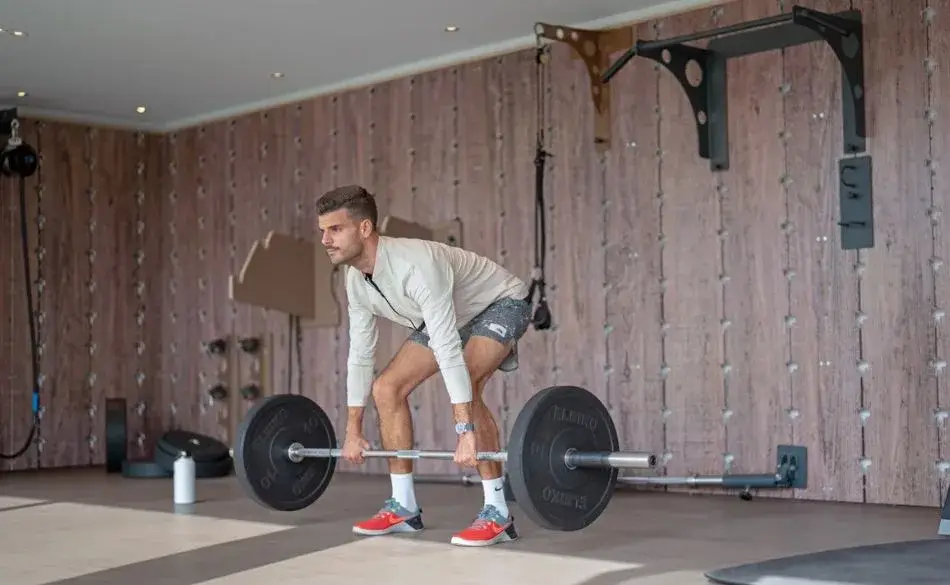
Upper body strength is one of the most overlooked tools in a cyclist’s training, yet it can change the way every ride feels. When your shoulders, back, and core work together, your legs can push with more power and less wasted energy. You breathe easier on climbs, you handle the bike with more confidence, and you stay comfortable on long days in the saddle. Even better, you don’t need a gym or heavy lifting to get these benefits. Simple routines and steady consistency are enough.
The routines and ideas you’ve learned here are designed to fit into real life, whether you lift at home or add a short session after an easy ride. As you build strength, you’ll start to notice the subtle improvements first (better posture, smoother breathing, steadier control). Then you’ll feel the bigger changes: stronger climbing, less fatigue, and a ride that feels more stable from start to finish.
If you stay consistent, your upper body won’t just help you on the bike, it will support every part of your training. And the next time the wind picks up, the descent gets rough, or the climb stretches longer than expected, you’ll feel the difference where it matters most.