This guide breaks down the facts, the science, and some personal experience so you can ride smarter—whether you’re indoors or out. We’ll explore how power meters, terrain, bike setup, and your own position affect your wattage comparison stationary bike to race bike.
Power Metrics Explained (For Beginners)
Understanding your power data is easier than you think. Here are the most common terms you’ll see when comparing your stationary bike watts to your road bike power output:
Functional Threshold Power (FTP)
FTP is the highest average power (in watts) you can hold for one hour. Think of it as your “cycling benchmark.” Most training plans are built around this number.
Example: If your FTP is 250 watts, riding at 200 watts is 80% of your FTP.
Watts per Kilogram (W/kg)
This shows how strong you are for your size. It’s your power divided by your body weight in kilograms. It helps compare performance fairly between riders.
Example: 200 watts ÷ 70 kg = 2.86 W/kg (a solid number for recreational cyclists)
Normalized Power (NP)
NP adjusts for uneven efforts (like coasting or sprinting). It’s often higher than average power because it shows what your ride “felt like” overall.
Example: You average 190 watts but your NP is 210—your ride had bursts of effort.
Training Stress Score (TSS)
TSS measures how hard a workout was, based on your FTP. Higher TSS = more fatigue. It’s useful for planning recovery.
Example: A 90-minute steady ride might have a TSS of 60. An intense session could be 100+.
Intensity Factor (IF)
This shows how intense your ride was compared to your FTP. A 1.0 means you rode at FTP for the whole session.
Example: IF of 0.85 = 85% of your FTP. Hard, but sustainable.
Don’t worry if you don’t “get” these right away. Just start tracking your FTP and W/kg. Everything else will make more sense with time in the saddle.
Want to see how your power data reflects your aerobic fitness? Use our Cycling VO2 Max Calculator to estimate your cardiovascular capacity based on your current power output.
Why Do Your Watts Feel Different Indoors vs Outdoors?
Here’s the thing about indoor vs outdoor cycling: it’s not an apples-to-apples comparison. Even when the numbers look similar, the effort often feels very different. Why?
One big reason is resistance. Most indoor trainers or stationary bikes apply resistance using magnets, fans, or smart technology. But they can’t replicate wind resistance, rolling terrain, or subtle bike movements. That means the watts you push indoors might not create the same sensations or outputs you experience outside.
I remember doing an FTP test on my indoor smart trainer and hitting 240 watts. Later that week, I rode the same duration on my race bike outdoors, felt stronger, but only averaged 225 watts. That puzzled me until I realized I was coasting more, standing on climbs, and not holding as steady a pace. The outside world simply throws more variables at you.
You’re not imagining it. Scientists and coaches confirm the power gap between indoor and outdoor riding. Factors like bike movement, cooling, and hip stability affect this difference. Learn more in a detailed expert post from Wahoo Fitness: Ask the Experts: Indoor Cycling Power vs. Outdoor Power
How Is Wattage Measured Differently?
The way you measure power can also skew results. A power meter on a race bike is often mounted at the crank, pedals, or rear hub. These locations measure your actual effort, with slight variations. On the other hand, stationary bikes or smart trainers usually estimate watts through flywheel speed and resistance.
There can be a 5–20 watt difference even when you’re putting in the same effort. Some indoor setups read high due to flywheel inertia or calibration errors. That’s why coaches often suggest adjusting your Functional Threshold Power (FTP) separately for indoor and outdoor riding.


What Factors Affect Power Readings the Most?
Let’s dive into the specifics. Here are the key differences that explain your wattage comparison stationary bike to race bike:
- Body Position: Indoors, you tend to stay seated and upright. Outdoors, you’re more dynamic—standing, coasting, braking.
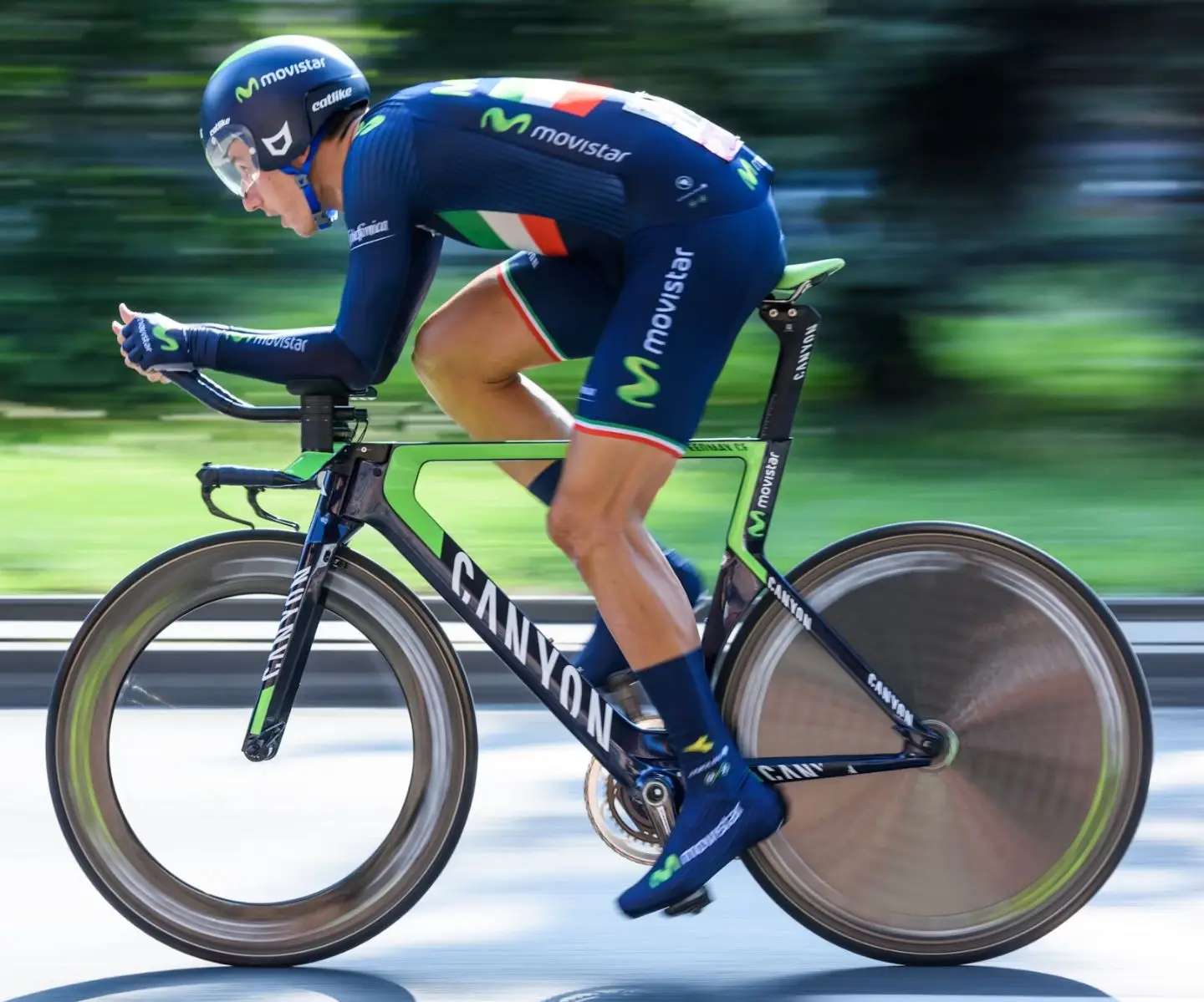
- Environmental Resistance: Wind, road surface, and incline all affect road bike power output but don’t exist indoors.
- Cooling: Indoors, unless you have a fan, your body heats up fast. This reduces performance. Outdoors, airflow cools you down naturally.
- Bike Fit & Setup: A mismatch between your indoor trainer geometry and your race bike can change muscle activation and perceived effort.
- Equipment Accuracy: A crank-based power meter might not align with your smart trainer’s internal sensor. Calibration matters.
A Real-World Comparison: Indoor vs Outdoor Power Data
| Ride Type | Avg Power | Normalized Power | FTP % | Perceived Effort |
|---|---|---|---|---|
| Stationary Bike | 230 watts | 240 watts | 95% | 8/10 |
| Race Bike (flat) | 215 watts | 220 watts | 88% | 6/10 |
| Race Bike (hilly) | 205 watts | 225 watts | 91% | 7/10 |
Note how normalized power (a metric that accounts for variability) helps make more sense of uneven terrain and coasting. Your training stress score (TSS) and intensity factor (IF) will also vary, even if total time stays the same.
Want to improve your FTP and make better use of your power data indoors and out? Our Cycling Threshold Training Plan is designed to help you ride stronger at race pace and push your limits with confidence.


Which Power Is More “Accurate”?
That’s a tricky question. Both are valid but they serve different purposes.
If your goal is training control, indoor stationary bike watts are useful. You can lock into specific power zones and complete intervals without traffic, terrain, or stop signs. But if your goal is race prep or pacing for long outdoor rides, you need real-world road bike power output to adjust for variables.
Think of it like treadmill vs trail running. The treadmill is precise but limited. The trail is dynamic but less predictable.
If you’re training indoors and want a quick, effective way to boost power output, Tabata intervals are a smart option. They fit perfectly into high-intensity days and translate well to outdoor performance. Learn more in our guide on Cycling Tabata Intervals.
How to Align Indoor and Outdoor Power
To bridge the gap, use these tips:
- Calibrate both devices regularly
- Test your FTP indoors and outdoors separately
- Track your watts per kilogram for both setups and monitor long-term trends
- Consider using the same power meter indoors and outdoors (e.g., pedal-based units)
- Use normalized power to make better comparisons
A good rule of thumb? Expect a 5–10% drop in power when moving from indoor to outdoor unless you’ve optimized your setup.
To make your training even more precise, use a power zone calculator. It helps ensure your intervals match your actual ability whether you’re riding indoors or out. Try our free Cycling Power Zone Calculator to fine-tune your training zones based on your FTP.


Common Questions Cyclists Ask
Why is my indoor power always higher?
Can I use the same FTP for both?
It’s better to have separate Functional Threshold Power (FTP) values. Indoor riding tends to feel harder, even at the same watts.
Do cooling and fans really make a difference?
What’s a good watts per kg for average riders?
Recreational cyclists typically ride at 2.0–3.0 watts per kilogram. Elite cyclists exceed 4.5–6.0 for sustained durations.
How do power zones compare indoors vs out?
Power zones stay consistent, but indoor conditions make it easier to hold exact targets. Outdoors requires more awareness and pacing skill.


Final Thoughts on Wattage Comparison
If you’ve ever wondered whether your indoor rides are “easier” or “harder” than outdoors, the answer is yes—to both.
Your wattage comparison stationary bike to race bike depends on many factors, from your setup to terrain to mental fatigue. Both training modes have value. The key is knowing how to use the data, not just chasing numbers.
You’re not weaker because your outdoor watts are lower. You’re simply adjusting to more variables. Likewise, don’t overestimate indoor gains without seeing how they translate to the road.
So whether you’re spinning indoors or sprinting outside, trust your legs, trust the process, and above all, trust your data.
Let the watts guide you, not define you.