The Muscle Transformation You’ll Notice First
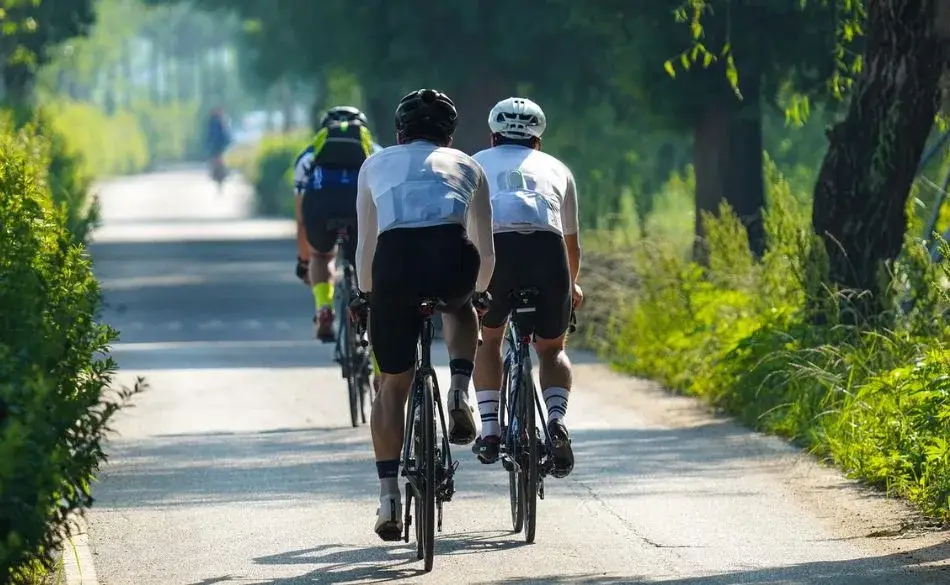
When you start riding regularly, the first change shows in your quadriceps. They feel firmer as you press each pedal, stroke after stroke. Cycling is gentle on joints but relentless on muscle endurance, so tone arrives before size. Your jeans fit better. Stairs feel easier.
I call cycling a low-impact strength-endurance workout. You don’t lift heavy for five reps. You complete thousands of smooth strokes that build strength with stamina. That’s why beginners notice shape without bulk. It also lets you train more often with less soreness. These are low-impact cycling workouts for leg muscle development, so your knees and hips stay happy.
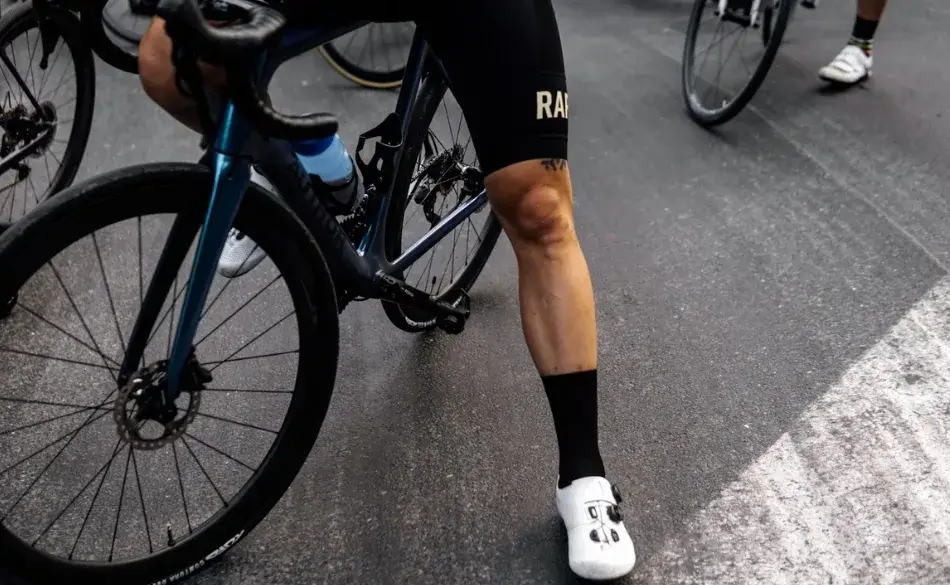
The pedal circle spreads the work. Quads drive the downstroke. Hamstrings sweep the back half. Glutes light up on hills and when you stand. Your calves act like small springs at the bottom of the stroke. Keep your core steady and the force transfers cleanly. The result is balanced leg development you can feel in daily life.
One athlete I coach, Mia, came from running with a nagging knee. We shifted to short, seated climbs and smooth cadence work on the trainer. Six months later she was pain-free, her quads and calves were clearly defined, and her five-minute hill power doubled. That’s how cycling tones leg muscles effectively when you train smart.
Want tone without chasing bulk? Keep resistance moderate to high and cadence controlled. Practice a light pull on the upstroke, not just the stomp. The best cycling techniques for stronger quads and calves start with full-circle pressure and steady breathing. Small form cues add up fast, especially for newer riders still learning pedal skill.
Here’s how you’ll know it’s working. Standing from a chair feels lighter. Short hills that once bit now feel fair. Calves look etched after showers. Your thighs feel stable when you carry groceries. Let’s be honest: that quiet confidence keeps you coming back for more miles.
- Add 6–8 × 20–30s hill sprints once a week.
- Do 5–10 min of single-leg focus at easy power.
- Hold 3–5 × 3 min low-cadence climbs at 60–70 rpm.
- Finish with 2–3 short efforts out of the saddle.
Want a deeper look at which muscles fire on every pedal stroke? Our guide breaks down quads, hamstrings, glutes, and calves with form tips to train smarter. Read the article: What Muscles Are Used on a Stationary Bike?
Building stronger, more powerful legs doesn’t have to come at the cost of comfort. Our Cycling Threshold Training Plan is designed to increase your sustainable power while keeping your riding position efficient and body-friendly. You’ll target the key muscles—quads, hamstrings, glutes, and calves—so you can hold speed longer without fatiguing early.
- Power endurance focus: Structured threshold sessions that develop lasting leg strength for long rides.
- Muscle and core synergy: Combine on-bike efforts with targeted stability drills for balanced lower-body power.
- Progressive structure: Workload increases gradually to maximise gains without overloading muscles.
- Performance results: Improve climbing speed, flat-road pacing, and overall riding efficiency.
💡 If your goal is to ride faster, climb stronger, and keep your legs firing deep into every ride, this plan gives you the exact framework.
View the Threshold Training Plan →
How Cycling Builds Endurance and Muscle Balance
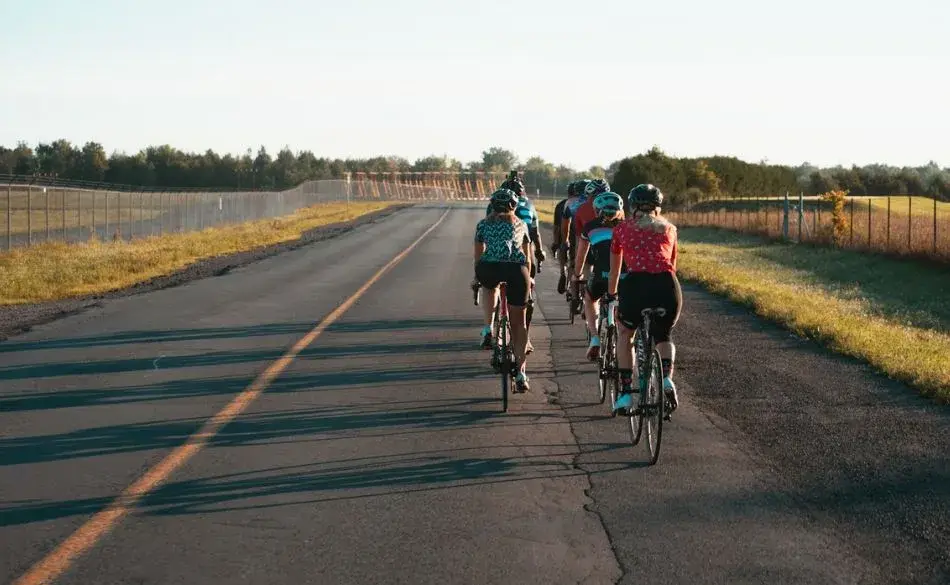
Cycling quietly builds leg endurance without the harsh impact of running or jumping. Each ride trains your heart and muscles to hold steady power for longer. That steady work makes daily tasks feel easier and helps you recover faster between workouts.
Your slow-twitch fibers do most of the lifting during easy and moderate rides. They’re built for stamina, not speed. Over weeks, they grow more efficient at using oxygen. Even stationary bike exercises for toned calves and thighs can spark these changes when you keep a smooth cadence and steady breathing.
Balance improves too. Quads and hamstrings share the load when the pedal stroke is round, not choppy. Calves act like springs near the bottom of the circle. Wondering, does cycling build muscle tone in hamstrings and glutes? Yes, especially on gentle climbs and when you stand briefly to keep momentum.
One rider I coach, Mark, came in with desk-job legs: strong quads, weaker hamstrings, and cranky knees on long walks. We added low-cadence climbs and simple cadence drills on the trainer. After three months, his hamstrings had caught up, the knee ache faded, and he felt “even” for the first time in years.
Blood flow is a hidden win. The rhythmic motion pumps fresh blood through your legs like a gentle massage. Better circulation clears waste products sooner, so your legs feel fresher the next day. This is why many athletes can ride more often than they can lift heavy in the gym.
Here’s the real payoff: efficient legs that hum along for hours. If you want cycling benefits for leg strength and endurance without injuries, think progression, not punishment. Ask yourself, could you add ten minutes to the weekend ride, or one short hill repeat midweek? Small steps stack results.
- Build volume slowly: add 5–10% weekly ride time for three weeks, then back off.
- Do 3–5 × 4–6 min low-cadence climbs at 60–70 rpm with easy spin between.
- Include 8–12 min of cadence drills (15–30s high-spin bursts, smooth not sloppy).
- Add short standing efforts to engage glutes and reinforce a round pedal stroke.
- Finish with light mobility for hips and calves to keep the stroke fluid.


The Aesthetic & Toning Effects You’ll See
Let’s be honest, you don’t just feel cycling in your legs, you see it. Regular riding carves lean lines through your thighs and calves. It builds tone without bulk. Your legs look athletic, not inflated.
This happens because rides blend steady endurance with moderate resistance. You repeat smooth, controlled movements for a long time. That repetition conditions fibers for definition. It’s why cyclists often have firm quads and etched calves yet still fit their jeans well.
Quads usually change first. They take on a gentle, powerful curve along the outer thigh. Hamstrings firm up as your pedal stroke improves. Glutes lift with every climb and short standing effort. Calves act like springs near the bottom of the circle and gain shape as cadence control improves.
There’s a hidden win too: circulation. The rhythmic spin pumps fresh blood through working muscles. Better flow brings oxygen and clears waste. Skin can look smoother, and post-ride heaviness fades faster. Many riders say their legs feel “awake” after even short spins.
Want to guide where the shape shows up? Blend climbs and sprints. Seated climbs light up glutes and hamstrings. Short, fast surges sharpen the look of quads and calves.
Ask yourself, how does cycling tone your leg muscles effectively? Focus on three things: cadence control, steady pressure through the whole circle, and bite-sized intensity blocks. Small tweaks change how the work spreads across your legs. That’s the art behind the look.
Keep this mindset: train for function, and the form follows. If you chase smoothness and balance, definition appears as a byproduct. Use cycling to sculpt and strengthen your legs safely and let consistency do the rest. Your reflection will tell the story long before you notice the numbers.
- Do 4–6 × 60–90s hill surges, seated, with easy spin between.
- Add 6–10 × 10–15s high-cadence sprints on flat terrain.
- Mix 2–3 short standing efforts per climb to recruit glutes.
- Finish with light calf raises and hip mobility for symmetry.
For lean tone without bulk, pair rides with simple strength that supports pedal mechanics and joint health. Read more here: Strength & Weight Training for Cyclists
If you want legs that can hold strong power for longer rides without burning out, our Cycling Time Trial Training Plan is designed to develop sustainable strength, endurance, and efficiency. You’ll target the exact muscles that make a difference—quads, hamstrings, glutes, and calves—while improving your ability to ride at a consistent, high pace.
- Power endurance focus: Structured sessions to help you maintain high output for longer.
- Muscle balance training: Workouts that build both front and back leg strength for better pedal efficiency.
- Injury prevention: Tips on bike fit, cadence, and posture to reduce strain on knees and lower back.
- Performance structure: A progressive plan that fits seamlessly into your weekly routine.
💡 Whether you’re chasing faster times, better climbing power, or simply stronger legs for everyday riding, this plan gives you the tools to get there.
View the Time Trial Training Plan →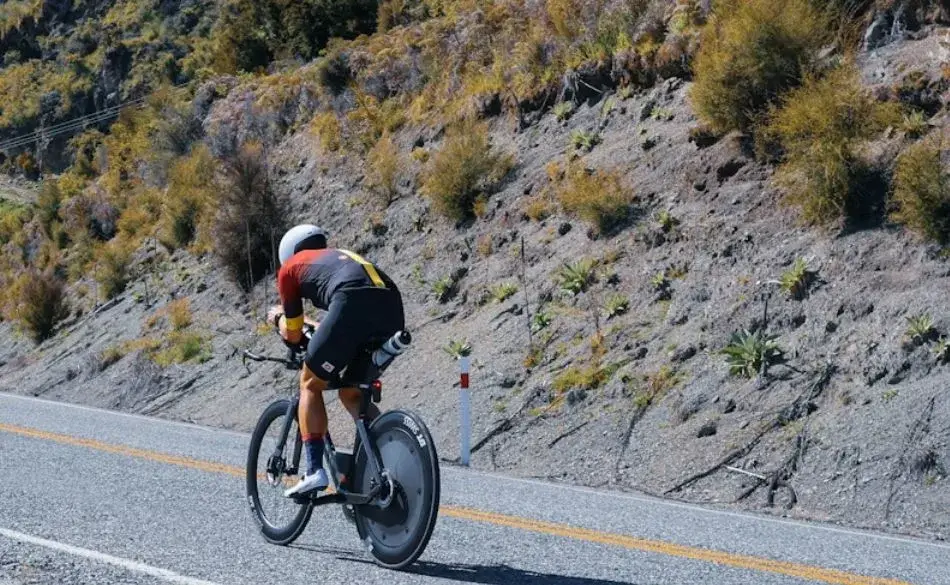

Performance Power: Turning Strength into Speed
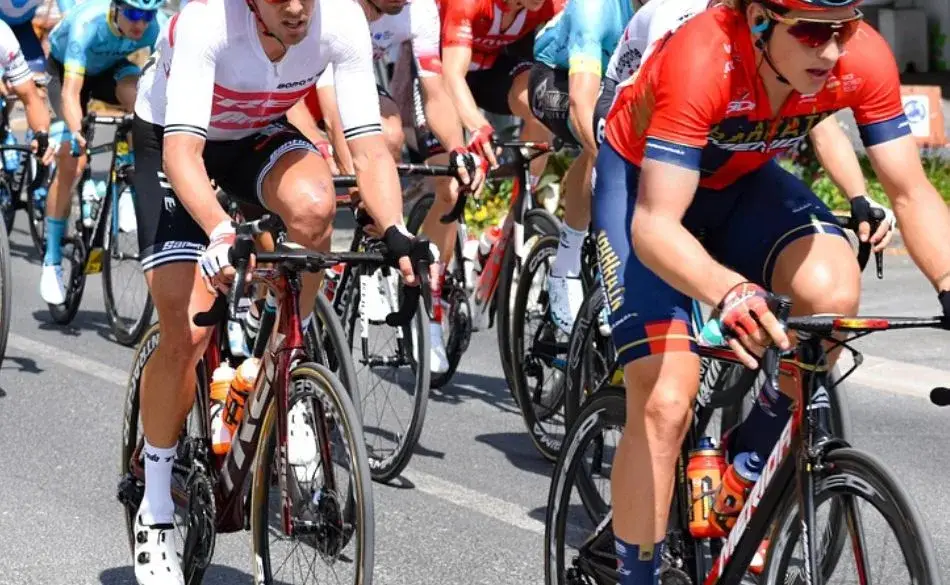
Cycling doesn’t just change how your legs look. It changes what they can do. Stronger legs turn into smoother speed, better control, and easier climbs. You feel steady power on demand instead of short, tiring bursts.
This is functional strength. Each pedal circle asks your muscles to push, sweep, and lift. You create force in many angles, not just one. That’s why riding carries over to hiking, running, and even stairs. Your legs learn to work as a team.
Both fiber types improve. Fast-twitch fibers handle short surges and quick jumps. Slow-twitch fibers carry you through long rides without the heavy-leg feeling. Together, they help you start fast and stay strong.
Efficiency is the quiet weapon. A round pedal stroke reduces wasted motion. Better timing means more torque to the wheel with less effort from you. Small form gains add up over thousands of strokes.
Want the best cycling technique for stronger quads and calves? Keep knees tracking over toes. Stay tall through your trunk so hips don’t rock. Drive through the ball of your foot, then sweep back and up. Think “light pull,” not “hard yank.”
Hills and low-cadence work act like strength training without pounding your joints. These are true low-impact cycling workouts for leg muscle development. You get strong and durable at the same time. Your legs feel ready more days per week, so you can train consistently.
Ask yourself: could you hold form when tired? Can you start a climb smooth instead of spiky? Would one extra minute of steady pressure make the next ride easier? That’s how you turn strength into speed.
Use this simple structure to lock in gains. Keep it clear, controlled, and repeatable. Performance follows.
- Warm up 8–12 min easy, include 3 × 10–15s spin-ups.
- Do 3–5 × 3–4 min low-cadence climbs at 60–70 rpm; easy spin between.
- Add 4–6 × 20–30s seated surges at moderate-hard effort; full recovery.
- Finish with 5–10 min smooth cadence work at 90–95 rpm.
- Cool down easy and include 3–5 min hip and calf mobility.
Want to turn steady form into real speed? Use sweet spot and threshold work to raise sustainable power fast. How to Increase Your FTP by 50 Watts

Recovery and Adaptation: The Secret to Long-Term Leg Gains
Here’s the thing about building strong, toned legs from cycling. It’s not just the rides that matter. The magic happens when your body adapts during recovery. Each pedal stroke causes micro-tears in muscle fibers. Given the right rest, your body repairs them stronger than before.
This is where many riders go wrong. They chase more miles or harder sessions without giving muscles time to rebuild. The result? Fatigue, plateaus, and even overuse injuries. If you want cycling benefits for leg strength and endurance without injuries, you need a recovery plan as intentional as your training plan.
Think of recovery like laying bricks. Training is mixing the mortar and setting the bricks in place. Rest is when the mortar dries. If you keep adding bricks without letting the mortar set, the wall crumbles. Your legs work the same way.
Simple recovery strategies that work for riders at any level include:
- Light recovery spins at very easy effort to boost blood flow.
- Mobility drills for hips, hamstrings, and calves to maintain a smooth pedal stroke.
- Nutrition focused on lean protein and complex carbs within 60 minutes post-ride.
- Sleep. Aim for at least seven hours to optimize muscle repair.
When you allow proper rest, slow-twitch fibers recover faster, keeping endurance rides comfortable. Fast-twitch fibers need a bit more time, but when fully recovered, they deliver explosive power for sprints and climbs.
One of my coached athletes, Jenna, used to ride hard six days a week. She saw quick gains at first, but her legs soon felt heavy all the time. When we cut her hard sessions to three and added active recovery days, she came back stronger, posting her best hill climb times within a month.
Recovery isn’t a sign of weakness, it’s part of the process. Pairing smart effort with smart rest is how you keep sculpting legs that are not only powerful but also durable for years to come.
Ready to take your leg gains to the next level? Explore our wide range of Cycling Training Plans crafted for riders of all levels. Whether you're chasing lean tone, climbing strength, or riding longevity, there's a plan designed to help your quads, hamstrings, glutes, and calves perform—and look—their best.
- Tailored to your goal: Tone and define, climb stronger, or ride longer—pick what works for you.
- Balanced muscle development: Programs blend endurance, power, and form work for complete leg conditioning.
- Smart progression: Plans ramp up intensity gradually so you avoid burnout and stay injury-free.
- Adaptable routines: Fit workouts into your week—whether you're a time-crunched commuter or weekend warrior.
💡 Want stronger, more resilient legs that not only look toned but keep performing? Start here and let your legs do the talking.
View All Training Plans →
Cycling Styles and Their Impact on Leg Development
Not all cycling styles affect your legs the same way. Some focus on raw power, others on endurance, and some on balanced muscle tone. Knowing the differences helps you choose the best fit for your goals. Whether that’s building strength, improving stamina, or achieving lean definition.
👉 Swipe to view full table
| Cycling Style | Main Leg Muscle Focus | Why It Works This Way | Best Use Case |
|---|---|---|---|
| Hill Climbing (Outdoors or Trainer) | Quads, Glutes, Hamstrings | Low-cadence, high-resistance pedaling recruits large muscle groups for sustained power. | Building climbing strength, improving sprint power, and sculpting upper legs. |
| Flat Road Endurance Riding | Slow-Twitch Fibers in Quads and Calves | Steady cadence over time develops muscular endurance without excessive bulk. | Improving stamina for long-distance rides or all-day cycling events. |
| Interval Training (Sprints) | Fast-Twitch Fibers in Quads, Calves | Short bursts of high-intensity pedaling activate explosive power and speed. | Boosting sprint capability and leg reaction time in racing situations. |
| Mountain Biking | Quads, Glutes, Stabilizing Muscles | Variable terrain engages different leg muscles and improves balance and coordination. | Full-leg conditioning with added core stability benefits. |
| Indoor Cycling (Structured Workouts) | Balanced Lower-Body Development | Custom resistance and targeted intervals build both strength and endurance. | Year-round training with precise control over muscle engagement and effort. |
Mixing different cycling styles ensures you target all major leg muscles while avoiding overuse injuries. The right blend can give you the perfect balance of strength, tone, and endurance.
The Takeaway: Stronger Legs, Stronger You
Cycling isn’t just exercise. It’s a steady promise to your legs. Each ride lays another layer of strength, balance, and calm endurance. You feel it on gentle hills, at stoplights, and on stairs that used to bite. Power comes on smooth. Fatigue arrives later.
The real win is how your muscles learn to work together. Quads press, hamstrings sweep, glutes steady your hips, and calves finish the stroke. That teamwork turns effort into flow. It’s why a headwind feels less scary and long rides feel more possible. Your legs stop fighting the bike and start dancing with it.
If you’re new, start small and keep it kind. Spin easy. Find a flat loop you enjoy. Add one short rise each week. Ask yourself: can you breathe through your nose and talk in short sentences? If yes, you’re building a base that lasts. Don’t chase pain. Chase smooth.
If you’re experienced, sharpen the simple things. Hold a round pedal stroke under light load. Add brief low-cadence climbs to deepen strength. Sprinkle in short spin-ups to wake fast-twitch fibers. Tiny, repeatable upgrades stack faster than big, heroic days that break you.
Remember recovery. Easy spins push fresh blood through tired legs like a gentle pump. Good sleep and a little mobility work keep the circle clean. When in doubt, ride easy today so you can ride well tomorrow. Consistency beats intensity when you want durable legs.
Here’s the thing about progress: it shows up first in feelings, then in mirrors, and only later in numbers. You notice steadier breathing. You feel planted over the pedals. Hills that once hurt now feel fair. Then definition appears, and finally the data agrees.
Want cycling benefits for leg strength and endurance without injuries? Keep rides mostly comfortable, add small bites of challenge, and let form lead the way.