The Only Cycling Essentials Beginners Truly Need
When you start cycling, it is easy to feel unsure about what you really need. There is so much gear out there that you might wonder what matters and what does not. The truth is that cycling essentials for new riders are simple. You only need a few core items to feel safe, comfortable, and ready for your first rides. Buying less can actually help you enjoy the sport more because you focus on the experience instead of the equipment.
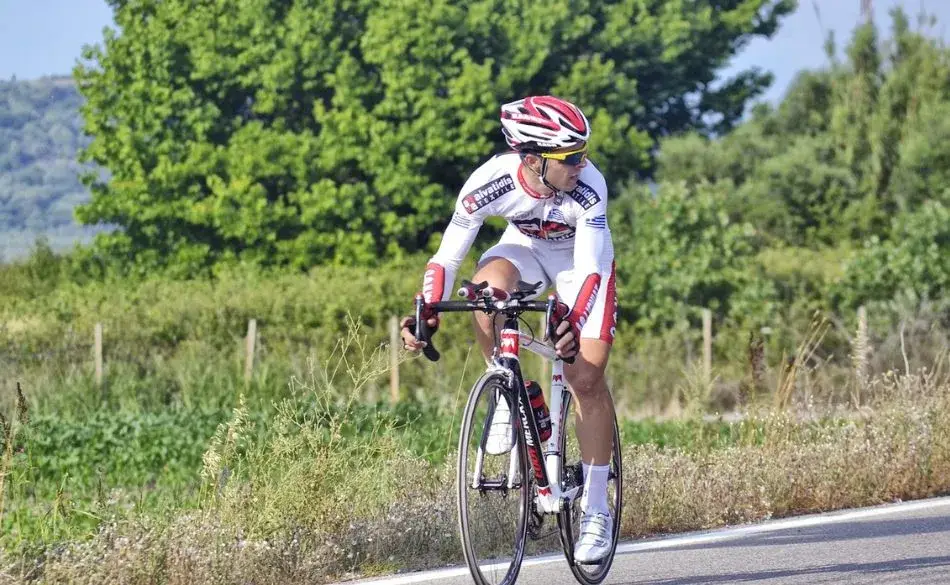
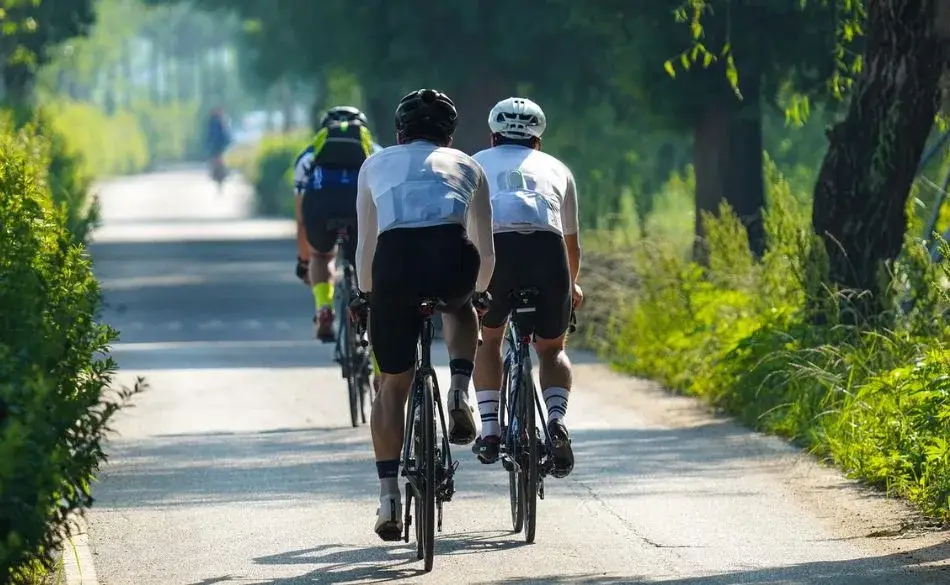
A good helmet should be the first thing on your list. Modern helmets feel light against your head, have soft interior padding, and allow airflow that keeps you comfortable. The science backs helmet use too. A major review found helmets reduce the risk of head and brain injury by roughly two thirds. Helmets for preventing head and facial injuries in bicyclists shows how much difference a proper helmet can make in real crashes. If you ever find yourself asking what equipment you need to start cycling, a helmet should always be the first answer. It protects you and gives you peace of mind whenever you roll onto the road or path.
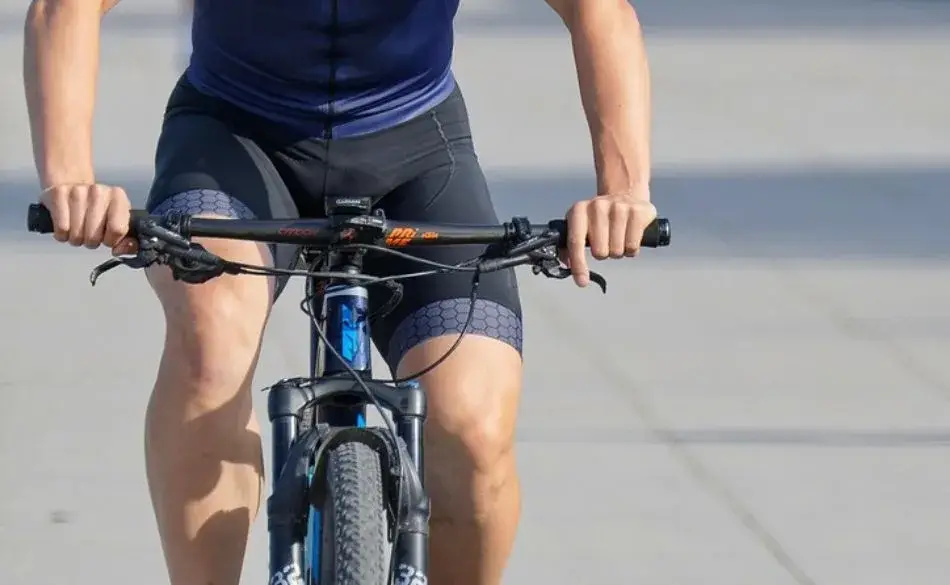
The next upgrade is padded shorts. They may feel a little strange when you first try them, but you quickly understand their value. These shorts reduce pressure on the saddle and help prevent soreness. Many riders say that padded shorts changed their comfort on longer rides, and they are one of the smartest pieces of beginner cycling gear to get early.
Lights are another essential part of a beginner cycling setup. Even if you never plan to ride at night, lights make you easier to see during cloudy mornings, tree covered paths, or busy commutes. Small front and rear lights make drivers notice you sooner, and that extra visibility helps you feel more relaxed on the bike.
When you stick to these simple items, you set yourself up for a safe and enjoyable start. You do not need fancy gadgets. You do not need top level gear. You only need the basics that help you ride with confidence and comfort.


What Should You Buy First as a Beginner Cyclist
When you first step into a bike shop, it can feel like walking into another world. There are helmets, shoes, tools, computers, and racks of clothing. It is normal to think, “What equipment do I need to start cycling?” The good news is that you do not need everything you see. You only need a few smart choices to get rolling.
Think of your gear in layers. First you cover safety, then comfort, then small extras that make rides easier. This approach keeps your beginner cycling setup simple and affordable. It also helps you avoid buying items you will not use.
Here is a helpful way to think about the best cycling gear for beginners in order of priority:
- A well fitting cycling helmet for beginners
- Padded cycling shorts for comfort
- Front and rear lights so others can see you
- A water bottle and cage for easy drinking and don’t forget, what you drink after your ride matters too; check out Best Post Workout Drink For Cyclists for tips on recovery.
- A small saddlebag for basic repair tools
Once you have these items, you can look at road bike gear that improves comfort and control. Simple cycling gloves protect your hands and add grip when your palms get sweaty. A basic pair of clear or lightly tinted glasses can shield your eyes from wind, dust, and bugs.
You do not have to spend a lot to get started. Many brands offer affordable cycling gear for beginners that works well and lasts for years. Focus on fit, comfort, and safety before style. If a helmet feels snug without pressure points, if your shorts reduce soreness, and if your lights are bright enough to catch attention, you are already set up better than most new riders.
Many beginners get overwhelmed with all the gear options and end up feeling unsure on the bike. A few simple adjustments in how you set up your bike, arrange your gear, or plan your rides can make every ride feel smoother and more enjoyable. If you want clear guidance and support while building your confidence, our Cycling Coaching program offers personalised advice and small tweaks that help you feel more in control and comfortable on every ride.
It’s perfect for riders who want a plan that fits their schedule, guidance that takes the guesswork out of setup and training, and reassurance that each ride is helping them progress safely.
Explore Cycling Coaching
What Are The Best Bike Accessories For Beginners
When you have your basic cycling gear sorted, the next step is choosing a few helpful extras. These small items do not look as important as a helmet or shorts, but they can make every ride smoother and less stressful. Think of them as quiet helpers that work in the background while you enjoy the road.
Some of the best bike accessories for beginners focus on safety and awareness. A simple bell lets you signal to walkers and other riders without shouting. A small mirror that clips to your handlebar or glasses can help you see traffic behind you. These tools give you more information and more time to react, which is a big win for new riders.
The next group of accessories helps you deal with common problems. Every rider, no matter how careful, will face a flat tire or a loose bolt at some point. That is why a small set of cycling tools and repair kit items is so useful. You do not need a full workshop. You just need the basics.
Here are simple accessories most new cyclists find helpful:
- A compact hand pump or CO₂ inflator
- A spare tube that matches your tire size
- Tire levers to remove the tire safely
- A small multitool with hex keys and a screwdriver
- A basic chain lube to keep your drivetrain smooth
These items turn “ride-ending” problems into small breaks by the side of the path. They also support your core cycling essentials for new riders by keeping your bike working well. When you know you can fix a flat or tighten a loose part, you ride with more calm and confidence. That feeling of being prepared is one of the biggest upgrades you can give yourself as a beginner.


What Should You Wear as a Beginner Cyclist
Once you understand the basic gear, the next question most beginners ask is what they should actually wear. Many new riders think they need to look like a pro right away, but you really do not. You can start with a simple setup that feels good, works in different weather, and fits your budget. Your goal should always be comfort, not trying to look fast.
The most helpful piece of clothing is still your padded cycling shorts for beginners. They reduce rubbing, lower pressure on the saddle, and make longer rides feel much easier. You can wear them on their own or underneath regular shorts if you prefer. Most riders notice a big improvement in comfort once they start using padded shorts consistently.
A basic cycling jersey is the next smart step. Jerseys are made from light, quick drying fabric that handles sweat far better than cotton. The pockets on the back are also useful for carrying snacks, your phone, or a small tool. You do not need a top brand. Any jersey that fits well, feels smooth on your skin, and does not flap in the wind will do the job.
When the weather cools, think about using light layers. A thin base layer under your jersey and a simple windproof jacket on top are usually enough to stay warm without feeling heavy. This setup is great for beginners because you can unzip or remove layers as your body warms up. It is far more comfortable than riding in a thick hoodie that traps sweat and makes you feel sticky.
Gloves and socks might seem like small details, but they matter more than you think. Thin, padded gloves protect your hands and help you keep a steady grip on the bars. Good socks keep your feet dry and reduce the chance of blisters. When you put these clothing pieces together, you get a strong set of cycling gear that keeps you comfortable in a wide range of conditions.
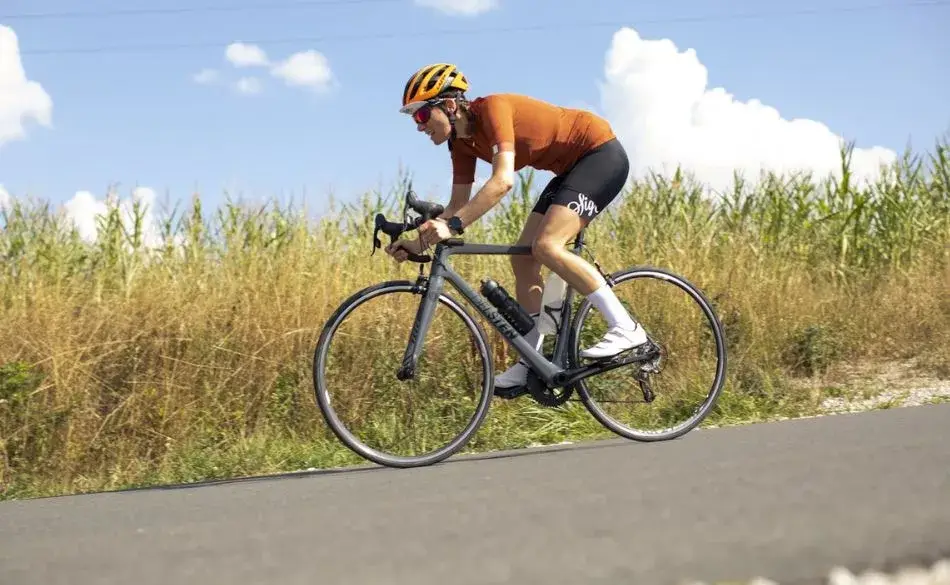
Which Cycling Gear Categories Matter Most For Beginners
See the most important cycling gear categories beginners should pay attention to. You’ll learn what each item is for, what you should buy first, and how to choose gear that makes you feel confident instead of unsure.
Once you have a basic idea of what you need, it helps to understand how all the different gear pieces fit together. This is where many beginners feel a bit lost. You look at helmets, shorts, lights, tools, shoes, and so many other options that it can be hard to know what matters. Breaking everything into simple groups makes things clearer. Each category supports your comfort, safety, or peace of mind in its own way.
Below is a comparison table that explains what each piece of gear does, what beginners should look for, and the price ranges you can expect. These categories form the core of good cycling gear for beginners and give you a setup that can grow as you improve. You do not need to buy everything right away. Start with the items that help you the most now, and add more when you are ready. If you want to treat yourself or know someone who is just starting out, check out 25 Brilliant Gifts for Cyclists for extra inspiration.
👉 Swipe to view full table
| Category | Purpose | Beginner Recommendation | Approx Cost (AUD) | Approx Cost (USD) |
|---|---|---|---|---|
| Helmet | Protects your head in case of a fall. | Lightweight, well-ventilated, safety-certified helmet. | $60–$180 AUD | $40–$120 USD |
| Padded Shorts | Improves saddle comfort and reduces friction. | Entry-level shorts with a basic foam or gel chamois. | $45–$130 AUD | $30–$90 USD |
| Cycling Jersey | Keeps you cool and offers pockets for essentials. | Basic quick-dry jersey with a comfortable fit. | $40–$120 AUD | $25–$80 USD |
| Lights | Makes you visible in all conditions. | USB rechargeable front and rear lights. | $35–$120 AUD | $25–$80 USD |
| Gloves | Provides grip and protects hands during falls. | Light, padded gloves with breathable fabric. | $30–$90 AUD | $20–$60 USD |
| Repair Kit | Helps fix common roadside issues. | Tube, levers, mini pump, and multitool. | $40–$110 AUD | $30–$70 USD |
| Floor Pump | Maintains correct tire pressure at home. | Basic floor pump with pressure gauge. | $40–$100 AUD | $30–$70 USD |
| Water Bottle & Cage | Keeps you hydrated on longer rides. | Plastic cage with a BPA-free bottle. | $20–$50 AUD | $15–$35 USD |
| Cycling Shoes | Improves pedaling efficiency and control. | Simple Velcro or dial closure shoe. | $100–$220 AUD | $70–$150 USD |
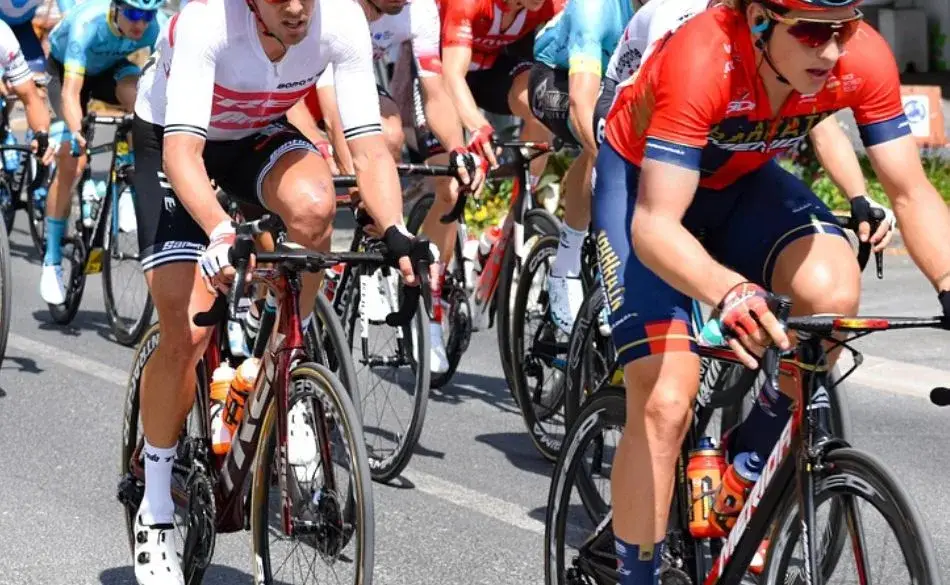
What Should You Wear In Different Seasons As A Beginner Cyclist
Clothing plays a big role in how comfortable you feel on the bike. When you are new to cycling, the weather can surprise you. You might start a ride feeling cold, warm up after a few minutes, and then cool down again when the wind picks up. That is normal. The goal is to pick simple pieces that can handle those shifts. You do not need a full wardrobe to stay comfortable. You only need a few layers that work in different conditions.
On warm days, light fabrics make the biggest difference. A basic cycling jersey and padded shorts are usually all you need. Jerseys breathe better than cotton, so you stay cooler as you move. The padded shorts protect your skin when the heat and sweat build up. If the sun is strong, you can add light arm sleeves or a thin sun-protection layer. These help block the sun while still feeling cool against your skin.
Cooler mornings or breezy days call for a little more planning. Start with a thin base layer under your jersey to keep your core warm without trapping sweat. A simple windproof jacket on top gives you protection when the wind starts to bite. You can unzip it or take it off once you warm up. This is an easy way to build a useful cycling gear collection without spending too much or carrying bulky clothing.
Riding in cold weather can feel challenging at first, but the basics still work. Keep your ears, fingers, and toes warm. These areas lose heat fast, and once they get cold, the whole ride feels harder. Thin gloves, warm socks, or a light headband under your helmet can make a big difference. When your hands and feet stay warm, the rest of your body feels more relaxed and ready for longer, more enjoyable rides.

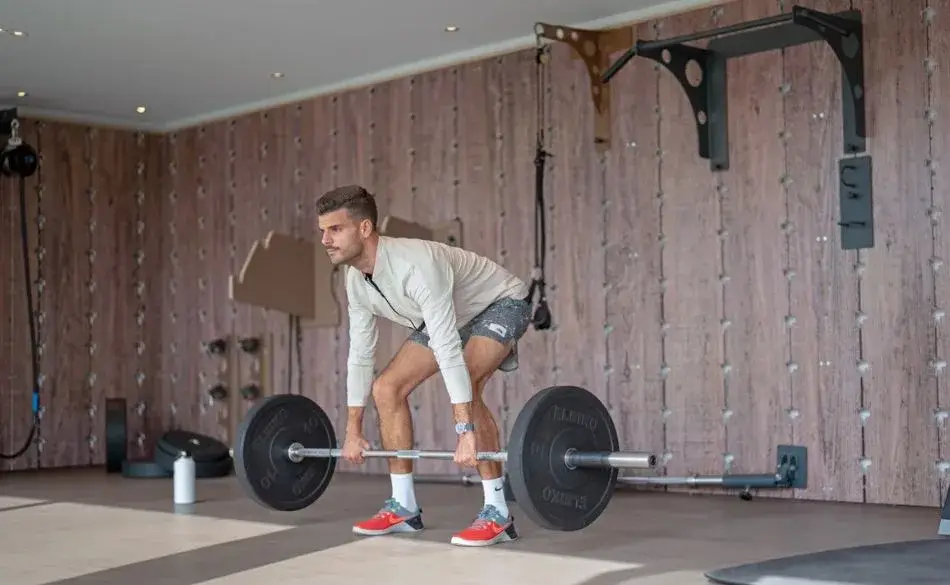
How Should You Carry Your Gear As A Beginner Cyclist
Once you start riding more often, you will notice that carrying the right items can make your rides feel smoother and more relaxed. When you are new to cycling, it can be hard to know where everything should go. You may wonder if you need a big bag, a backpack, or if your pockets are enough. The good news is that a simple setup works best for most beginners. You only need a few ways to store the essentials you bring on every ride.
The first place to look is your bike itself. A small saddlebag is one of the easiest additions to any cycling setup. It sits under your seat and holds the things you will not touch until you need them, like a spare tube, tire levers, and a small multitool. Keeping these items out of your pockets feels cleaner and helps you stay organized. It also gives you peace of mind because you know you have the tools to handle a basic repair.
A lightweight frame bag is another option if you want a bit more room. It sits along the top tube and keeps everything close without getting in your way. Some beginners like using one because it feels more secure than carrying items in their jersey pockets. You can store snacks, a small pump, or your phone inside. This setup reduces the chance of something falling out while you ride over bumps or rough roads.
Your jersey pockets are the last piece of the puzzle. They are perfect for the items you want close at hand. Phones, small snacks, and light layers fit well in the pockets without feeling heavy. You do not need to carry a lot. You only need what makes you feel comfortable and prepared.

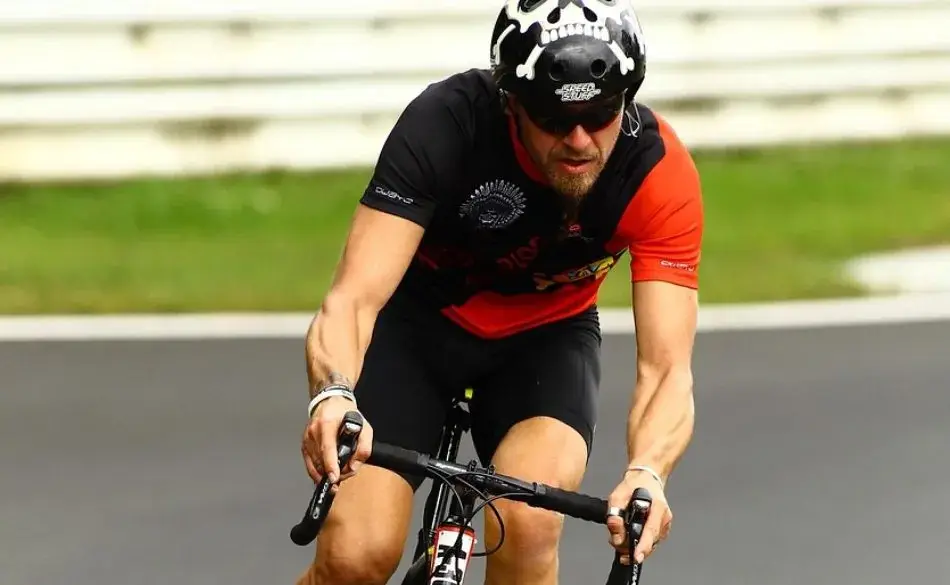
How To Choose Your First Cycling Shoes Or Pedals
Choosing your first cycling shoes or pedals can feel confusing at the start. There are flat pedals, clip-in pedals, stiff shoes, soft shoes, and many small details that all seem important. If you are new to cycling, it helps to slow things down and focus on what will actually make your rides feel safer and more comfortable. The goal is to build confidence, not pressure yourself into using advanced gear before you are ready. This is an important part of your beginner cycling gear setup, so it is worth taking your time.
If you want the easiest and most relaxed option, begin with flat pedals and regular athletic shoes. Flat pedals let you move your feet freely, which helps when you are still learning how to balance, start, and stop smoothly. Many beginners feel more at ease when they can quickly put a foot on the ground, especially at traffic lights or on steep hills. Flat pedals are also great for short rides, casual cruising, or rides where you stop often. They give you space to learn the basics without worrying about clipping in or out.
When you feel ready for more control, you can look at clip-in pedals, also known as “clipless” pedals. These connect your shoes to the bike using a small cleat. Many riders enjoy them because they help you pedal more smoothly, especially on hills or longer rides. If you try clip-in pedals, start with a beginner-friendly system. Choose pedals with a loose tension setting so your foot releases easily when you twist your heel. This makes the learning phase much less stressful.
Shoes matter just as much as pedals. A good cycling shoe should feel snug but not tight. Your toes should have a little room to move, and your heel should stay secure without lifting. Stiffer soles help transfer more power into each pedal stroke, but you do not need the stiffest or most expensive shoe to enjoy the benefits. A simple Velcro or dial-closure shoe is enough for most new riders.
If you decide to use clip-in pedals, you might also consider other upgrades that help you track your progress. Adding a power meter is one way to measure your effort and improve your training. see our guide on Power Meter On Bike Upgrade for tips on when and how to add one.
What Cycling Gear Do Beginners Really Need To Get Started
Starting cycling should feel exciting, not stressful. When you pick the right gear, every ride becomes easier, safer, and a lot more enjoyable. You do not need a huge setup to get going. You only need the pieces that help you feel confident on the bike. As you ride more, you will learn what matters to you and what you want to upgrade. That learning process is part of the fun.
Most beginners find that a few smart choices make the biggest difference. A safe helmet, a pair of padded shorts, bright lights, and a simple repair kit can turn a hard or uncomfortable ride into one that feels smooth and relaxed. Add a bottle, a basic jersey, and a small saddlebag, and you have a setup that works for almost any short or medium distance ride. Everything else can come later when you know your own style and goals.
If you are wondering what it might cost to get started, here is a simple guide. These are rough averages based on common beginner choices and give you a clear idea of what to expect.
Basic Beginner Cycling Budget (AUD):
Helmet: $60–$180
Padded Shorts: $45–$130
Jersey: $40–$120
Lights: $35–$120
Small Repair Kit: $40–$110
Bottle & Cage: $20–$50
Saddlebag or Frame Bag: $25–$70
Total Starting Range: $260–$780 AUD
Basic Beginner Cycling Budget (USD):
Helmet: $40–$120
Padded Shorts: $30–$90
Jersey: $25–$80
Lights: $25–$80
Small Repair Kit: $30–$70
Bottle & Cage: $15–$35
Saddlebag or Frame Bag: $15–$45
Total Starting Range: $180–$520 USD
You do not need to be at the high end of the range to enjoy cycling. Most beginners start near the lower half and upgrade slowly over time. Buy what helps you feel safe. Choose the clothing that makes you comfortable. Pick the accessories that make your rides easier. When you stay focused on the basics, everything else falls into place.
If you want to build a full training roadmap instead of just collecting gear, our Complete Guide to Building a Cycling Fitness Plan shows you how to mix rides, recovery, and training to get stronger and enjoy cycling even more.