Want help turning consistency into progress? Coaching keeps your training simple, structured, and sustainable.
Start Coaching →
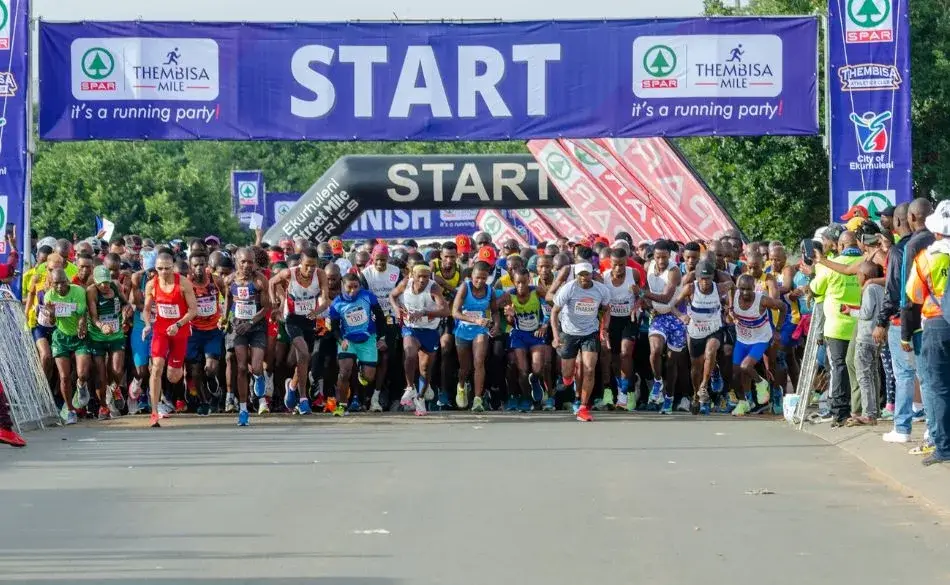
Large group of runners starting a 5K community race, showing why a 5K is so popular with beginners and casual runners

Last updated:

Why Is a 5K So Popular With Beginner Runners?

Why is a 5K so popular? It appeals because it feels achievable, understandable, and welcoming, especially if you are new to running or coming back after a break. A 5K is long enough to feel like a real challenge, but short enough that most people can picture themselves completing it, which helps remove much of the uncertainty that stops people from entering their first event.


In Australia, the 5K has become the default distance for community events, from parkruns to school and charity fun runs. You see runners, joggers, walkers, and walk run participants all sharing the same course, often starting together and finishing within the same space. The 5K is not popular because it is easy. It is popular because it feels realistic and accessible for everyday people.

Chat with a SportCoaching coach

Not sure where to start with training?

Tell us your goal and schedule, and we’ll give you clear direction.

No obligation. Quick, practical advice.

Article Categories:

Explore our running training content for more helpful articles and resources.

Quick Answer

A 5K is popular because it feels achievable, familiar, and welcoming for a wide range of people. The distance is long enough to feel meaningful, but short enough that beginners, return-to-run runners, and walkers can realistically picture themselves finishing. Its strong presence in community events also reinforces the idea that a 5K is a sensible starting point, not an extreme challenge.

The distance feels understandable and manageable

One reason a 5K is so popular is that the distance makes sense to people. Five kilometres is long enough to feel meaningful, but not so long that it becomes abstract or intimidating. Many beginners struggle with distances that are hard to visualise, which is why understanding how many miles a 5K race actually is can make the challenge feel clearer and more manageable. A marathon sounds extreme, and even a half marathon can feel disconnected from everyday experience. A 5K sits within a range people recognise from daily life, whether that is a regular walk around the neighbourhood or a short drive.

This matters for confidence. When you can picture the distance, you are more likely to believe you can complete it. That belief lowers the mental barrier to starting and reduces hesitation around signing up for an event. It does not mean the run will be easy, but it feels possible, which is an important distinction for someone deciding whether to take the first step.

In Australia, the 5K also aligns well with familiar settings. Many parkrun courses follow shared paths, local parks, or simple out-and-back routes. Seeing the full course or knowing that it loops around helps runners feel oriented rather than overwhelmed, because they are moving through spaces that feel normal and contained rather than disappearing into the distance.

Beginners are not usually asking how fast they can run when they consider a first event. They are asking whether they can get through the distance without feeling overwhelmed or out of their depth. A 5K answers that question clearly by offering a challenge that feels achievable without demanding a long history of running or a large training base. The popularity of the 5K comes from clarity and reassurance rather than challenge alone, which is why it continues to attract people who are new to running or returning after time away.

It fits easily into real life and busy schedules

Another reason the 5K has become so popular is that it fits into everyday life without requiring major disruption. For beginners and return to run runners, time is often the biggest constraint. Training for a 5K can be built around short, regular sessions that feel manageable alongside work, family, and other commitments. As consistency improves, many people start to wonder whether it is safe to run every day, even though long weekend runs or hours set aside each week are not required to feel prepared.

This lower time demand reduces the entry barrier. When running feels like something that can slot into your week rather than take it over, people are more likely to begin and more likely to stay consistent. That consistency matters more than motivation alone, because routines are easier to maintain when they do not compete heavily with the rest of life.

In the Australian community running scene, this practicality shows up clearly. Many people use parkrun or a local fun run as a simple weekly anchor. Early morning starts mean the run is often finished before the day properly begins, leaving the rest of the weekend open. Participants can run, walk, or combine both approaches, then move on with their day without feeling as though the event has taken over their schedule.

The 5K also removes pressure around identity and expectations. It does not require someone to see themselves as an athlete or a serious trainer. The task is straightforward: turn up and move for a set distance. That framing reduces comparison, lowers pressure, and makes participation feel accessible rather than demanding. As a result, the 5K continues to appeal to people who want to stay active without reshaping their entire routine around training.

It welcomes mixed abilities without separating people

A major reason the 5K is so popular is that it works well for people of very different abilities at the same time. Runners, joggers, walk run participants, and walkers can all share the same event without anyone feeling out of place. That shared experience removes much of the anxiety beginners often carry into their first run, because participation does not depend on speed or experience.

This matters more than pace. Many first time runners worry about being last, getting in the way, or standing out for the wrong reasons. The 5K has developed a culture that normalises variation rather than performance. Some people finish quickly, while others take their time, and both outcomes are expected and accepted within the same event space.

In Australia, this inclusiveness is reinforced through community events such as parkrun and local council fun runs. Courses are often wide paths or looped routes where people naturally spread out. Marshals, volunteers, and regular participants are accustomed to seeing walkers at the back and new runners stopping to catch their breath, which reduces pressure around continuous running and aligns closely with the idea of running without a break not being a requirement at this distance.

Seeing that behaviour in others provides reassurance. When beginners notice people walking or mixing running and walking, it gives permission to approach the distance in a flexible way. A 5K supports that approach because it is short enough that walking sections feel reasonable rather than discouraging. Its ongoing popularity reflects atmosphere as much as distance, creating an environment where participation matters more than performance, particularly for those just starting out or returning to running.

It feels like a proper achievement without feeling extreme

The 5K sits in a useful middle ground. It feels like a genuine accomplishment, but it does not carry the weight or expectation that comes with longer race distances. For beginners, that balance matters. The finish line needs to feel meaningful without also feeling distant or intimidating, which is often what discourages people from entering their first event.

Covering five kilometres under your own effort is enough to create a real sense of pride. It goes beyond a casual jog or a short burst of exercise and marks a clear step forward. At the same time, the distance does not automatically suggest suffering, exhaustion, or months of intense preparation. That perception shapes how people approach both training and race day, making the process feel constructive rather than daunting.

This difference is reflected in how people talk about their first 5K. It is often described as a milestone rather than a test. People focus on completing the distance rather than enduring it, which changes the emotional tone around preparation. Nervous energy becomes curiosity, and anticipation replaces fear, making the experience feel positive rather than stressful.

A 5K is also commonly viewed as a starting point rather than a final goal. It opens the door to future runs without demanding that someone already see themselves as a runner. For return to run participants, it provides a clear marker of progress that says they are back, without pushing them to prove anything further. That sense of achievement without excess pressure is a key reason the 5K continues to appeal to people who want progress while still choosing a sensible place to begin.

It is widely available and easy to access

Another reason the 5K is so popular is simple availability. If someone wants to take part in an organised run, a 5K is usually the easiest option to find. In Australia, these events appear everywhere, from weekly parkruns to school fundraisers, charity runs, and council-run community days. Participation rarely requires long-term planning or travel, which makes taking part feel achievable rather than complicated.

That level of access reduces friction. When an event is nearby, familiar, and low cost or free, it becomes easier to say yes. People can decide to participate without months of build up, detailed logistics, or extensive preparation. This matters for beginners in particular, because hesitation often increases when events feel formal, exclusive, or difficult to navigate.

The format of most 5K events also contributes to their accessibility. They are typically simple, with one start time, one course, and one finish line. Participants are not required to choose between waves, distances, or qualifying standards. The task is clear from the outset, which removes unnecessary decision making and allows people to focus on simply turning up and moving forward.

Community involvement further reinforces this appeal. Many people attend 5K events with friends, family, or colleagues, with some running, some walking, and others volunteering. The distance allows all of these roles to exist together within the same event, turning participation into a shared experience rather than a specialised race. Its continued popularity reflects how easily the 5K fits into everyday community life, where access and understanding matter as much as the distance itself.

Why the 5K Continues to Work for So Many People

The 5K is popular because it sits at a rare intersection of clarity, accessibility, and confidence. It is a distance people can understand, fit into their lives, and complete without needing to change who they are or how they see themselves. For beginners and return to run runners, that matters more than speed, finish times, or structured training plans.

Within the Australian community running landscape, the 5K has become part of everyday life. Early morning starts, mixed ability fields, and walkers and runners sharing the same course all reinforce the idea that a 5K is normal and achievable. It is not reserved for competitive runners or those who already identify as athletes. It is something everyday people take part in.

The distance also strikes a careful balance between challenge and reassurance. A 5K asks enough of participants to create a sense of pride at the finish, while avoiding the weight and expectation that often come with longer events. It removes much of the uncertainty around what the challenge involves, because people know where they are going, how far it is, and roughly how long it might take.

For many runners, this combination is what makes the 5K such a powerful starting point. It makes beginning feel sensible rather than daunting, allows flexibility without judgement, and builds confidence through experience rather than overthinking. In many cases, a 5K is not just a first event, but the point where running starts to feel possible.

Want a Simple, Supportive Way to Work Towards Your First 5K?

Starting running, or returning after a long break, often comes with uncertainty. How far should you run, how often should you train, and is it normal to need walk breaks? Without structure, it is easy to feel unsure even when you are doing the right things.

If you want a clear, beginner-friendly framework that builds confidence step by step, the Couch to 5K Running Training Plan from SportCoaching is designed to help you progress gradually, combine running and walking comfortably, and reach a 5K feeling prepared rather than pressured.

View the Couch to 5K training plan
Facebook
Twitter
LinkedIn
Telegram
Graeme

Graeme

Head Coach

Graeme has coached more than 750 athletes from 20 countries, from beginners to Olympians in cycling, running, triathlon, mountain biking, boxing, and skiing.

Start Your Fitness Journey with SportCoaching

No matter your goals, SportCoaching offers tailored training plans to suit your needs. Whether you’re preparing for a race, tackling long distances, or simply improving your fitness, our expert coaches provide structured guidance to help you reach your full potential.

  • Custom Training Plans: Designed to match your fitness level and goals.
  • Expert Coaching: Work with experienced coaches who understand endurance training.
  • Performance Monitoring: Track progress and adjust your plan for maximum improvement.
  • Flexible Coaching Options: Online and in-person coaching for all levels of athletes.
Learn More →

Choose Your Next Event

Browse upcoming Australian running, cycling, and triathlon events in one place. Filter by sport, check dates quickly, and plan your training around something real on the calendar.

View Event Calendar