What Actually Causes Numb Hands on the Bike
If you’ve ever shaken out your hands mid-ride because your fingers suddenly “checked out,” you’re not imagining things. That strange fading, tingling, or buzzing is your body telling you something isn’t quite right. Most of the time, it comes down to a mix of handlebar pressure, nerve irritation, and the way your upper body holds itself over the bike. Even a tiny setup change or a small shift in posture can load your palms more than you realise, which is why hand numbness when cycling often sneaks up on people slowly.
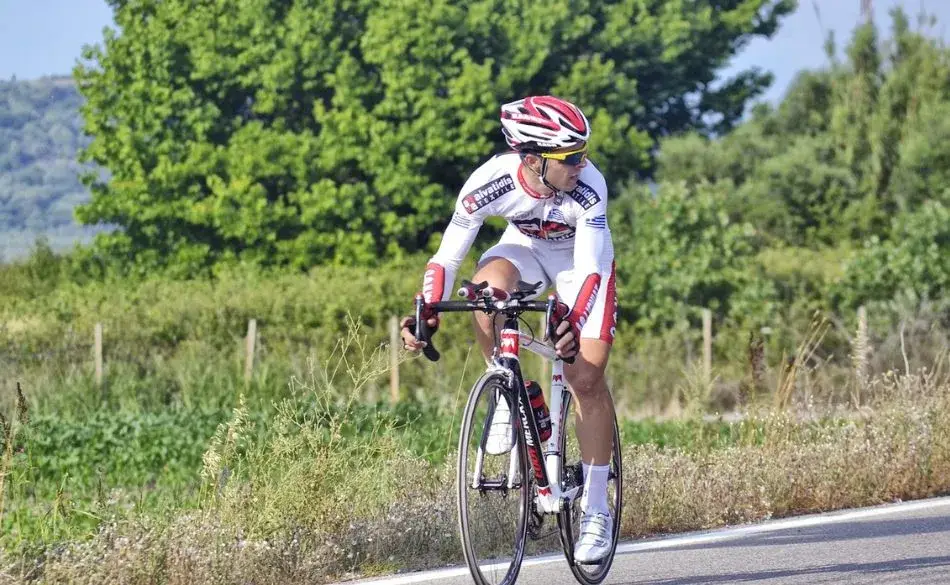
On a road bike, your hands end up carrying more weight than they were designed to. When your core starts to tire, or when your reach is a little long, or your bars sit lower than they should, your whole body tips forward. That extra pressure lands directly on two major nerves: the median nerve and the ulnar nerve. The median nerve controls sensation in your thumb, index finger, and middle finger. The ulnar nerve controls your ring finger and pinky. When either one gets irritated, you feel that familiar tingling or numbness that can turn a smooth ride into a frustrating one.
One of my coaching clients used to deal with numb fingers cycling every single weekend. He kept blaming his gloves, but the real issue turned out to be his handlebar height. They were set just a bit too low, forcing all his weight into his hands. After we raised the bars slightly, the numbness disappeared almost overnight. It was such a simple fix, but like most cyclists, he assumed it had to be something complicated.
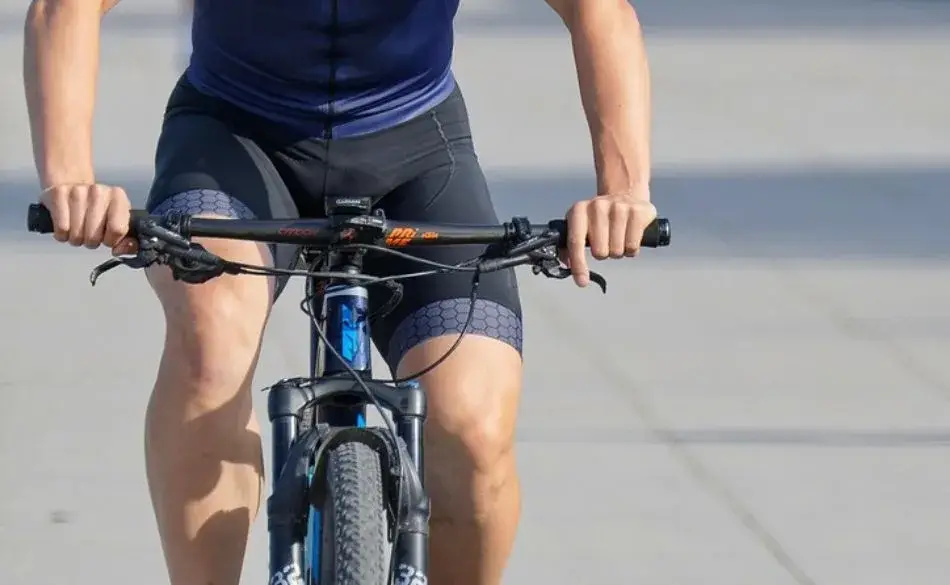
A lot of solving numb hands comes down to how relaxed your upper body feels. If your shoulders creep up, or your elbows lock out, or your wrists bend too far, the pressure builds fast. Road cyclists often forget that soft elbows act like tiny shock absorbers. A lighter grip keeps the blood flowing. And a neutral wrist protects the nerves running through your palm. These small details can change everything on longer rides.
Before you rush out to buy new gear, start by noticing where your weight is going. You might be putting far more load into your hands than you think.
You’ll also find many more helpful articles in our cycling resources library, including detailed guides on posture, bike fit and strength training: Cycling Fitness Articles.


Why Your Riding Position Matters More Than You Think
Your riding position plays a huge role in whether your hands stay comfortable or slowly go numb as the ride goes on. Most road cyclists don’t realise how much small posture habits affect sensitive areas in the hands. If your shoulders round forward, your elbows lock, or your wrists tilt too far back, extra pressure builds on the nerves running through your palms. That’s when numb hands becomes almost impossible to avoid.
The biggest thing to understand is this: your upper body decides how much weight your hands carry. If your core isn’t supporting you, your palms end up doing the job instead. That’s why riders who fatigue early often feel cycling hand pain later in their ride. The longer your posture collapses, the more those nerves struggle.
You may already be asking yourself: Do I rely more on my hands when I get tired?
If so, you’re not alone. Most riders do.
Here are the most common posture mistakes that lead to hand numbness when cycling:
- Dropped shoulders: When your shoulders creep upward toward your ears, it tightens your neck and increases nerve tension down your arms.
- Locked elbows: This sends every road vibration straight into your hands instead of letting your arms absorb the shock.
- Bent wrists: A tilted wrist compresses the median and ulnar nerves, increasing the chance of numb fingers.
- Rigid grip: Squeezing the bars too hard blocks blood flow and increases local pressure.
- Core fatigue: When your trunk gives out, all your weight shifts to your hands, and symptoms grow quickly.
Road cyclists often spend long periods on the hoods, which increases handlebar pressure if your wrists aren’t neutral. A simple cue like “soft hands, soft elbows” helps reduce strain. Think of your upper body like a bridge: your core is the strong frame, and your arms are just light supports. When that frame collapses, everything else is forced to work harder than it should.


How Bike Fit Can Make or Break Your Hand Comfort
Most riders don’t realise how quickly a small bike-fit issue can turn into numb hands cycling, especially during longer road rides. Your bike doesn’t need to be wildly “wrong” for symptoms to show up. Even a few millimetres of change in reach, bar height, or saddle position can shift pressure straight into your palms. That’s why touring riders and endurance cyclists often spend so much time fine-tuning their fit. When your bike fits you well, your hands feel light. When it doesn’t, everything feels heavier.
A proper bike fit for hand numbness focuses on three key areas: your saddle height, your reach to the bars, and the drop from your saddle to your handlebars. These points decide how much your body leans forward and how much weight your hands must support. For an in-depth guide on setting your saddle just right, check out Mastering the LeMond Saddle Height Method. If the bars sit too low, you lean too far. If the reach is too long, your arms straighten…
You might be wondering: How do I even know if my fit is the problem?
Here are a few signs your setup could be causing hand numbness when cycling:
- Low handlebars: If your bars sit too low, your weight shifts onto your wrists, increasing compression of the ulnar nerve.
- Long reach: When you stretch too far forward, your elbows often lock, sending vibration directly into your palms.
- Saddle too far forward: This pushes your entire body toward the front of the bike, increasing handlebar pressure.
- Incorrect saddle tilt: A nose-down saddle makes you “slide,” forcing your hands to catch your body weight.
- Wide bars or poor hood angle: Both can force your wrists into unnatural positions that affect nerve pathways.
Getting a fit isn’t just for pros. Beginner and intermediate road cyclists often benefit the most because small issues show up earlier in their riding journey. If you fix your setup early, your hands stay happier for years.


Which Fixes Work Best For Different Types of Hand Numbness?
Not all numb hands feels the same. Sometimes your fingers tingle only on rough roads. Other times they go dead halfway through every long ride. The fixes that work best depend on when the numbness shows up, how strong it feels, and what kind of riding you do most.
The good news is that you don’t need to guess. You can match your symptoms to simple changes. Think of it like a menu. You pick what fits your situation, test it for a few rides, then keep what works. Over time, your setup becomes more tailored to you and less like a “default” position.
If your numbness is mild and only appears late in a ride, you may get relief from small changes like moving your hands more often, checking your wrist position, or easing your grip. If your symptoms are stronger or start early, you’ll likely need bigger changes like a different bar shape, improved bike fit for hand numbness, or better cycling gloves for numb hands with padding in the right places.
The table below compares different solutions for numb hands while cycling and when they usually help most. Use it as a quick guide to choose your next step rather than trying random tweaks each week.
👉 Swipe to view full table
| Category | Mild or Late-Ride Numbness | Frequent or Early-Ride Numbness |
|---|---|---|
| Hand Position & Posture | Change hand positions often, relax your grip, and keep a neutral wrist position cycling. | Shorten reach, raise bars, and work on core strength so your hands don’t hold your body up. |
| Gloves | Use padded cycling gloves for numb hands with light cushioning under the palm. | Choose gloves with targeted padding for the ulnar area and test true vibration reducing gloves on rough roads. |
| Bar Tape & Cockpit | Add fresh, slightly thicker tape or double wrap the tops for comfort. | Switch to the best bar tape for hand numbness you can afford and consider new bars or hoods that suit your hand size. |
| Road Surface & Riding Style | Soften your arms on rough chip-seal and avoid gripping harder when the road gets noisy. | Lower tyre pressure within safe limits, use wider tyres, and pick smoother lines where possible. |
| Ride Duration | Build up duration slowly so your body adapts to longer rides. | Break long rides into segments with short shake-out breaks for hands and shoulders. |
| When to Seek Help | Monitor symptoms and adjust setup if numbness lasts more than a few rides. | See a bike-fitter or health professional if numbness lingers off the bike or keeps getting worse. |
Sometimes, you’ll need both posture changes and equipment upgrades. Think of your hands as the final result of everything happening further up the chain. When your core, shoulders, and cockpit all work together, your hands finally get to relax.
If you’re looking for a cycling-specific breakdown of why numbness shows up in hands, feet or the saddle area, check this article by TrainerRoad: Cycling Numbness: Dealing with Numb Hands, Feet, & Saddle. It reinforces many of the fit and gear-based points covered here.


Simple Technique Changes That Reduce Hand Numbness Fast
Sometimes the quickest way to fix numb hands during a ride isn’t new gear or a full bike fit. It’s changing the way you use your hands, arms, and upper body while you ride. Most cyclists hold more tension than they realise. A death grip on the bars, stiff shoulders, or straight elbows make every bump feel harsher. Small shifts in technique can immediately reduce handlebar pressure and keep your nerves from getting irritated.
Think about the last time you rode on rough chip-seal. Did you tense up? Did your grip tighten? Those reactions are normal, but they also increase compression in the palm. When you stay loose and let the bike move beneath you, your hands stay happier. Road cycling is smoother when your upper body acts like a soft spring rather than a rigid frame.
Here are simple technique changes that often reduce hand numbness when cycling right away:
- Lighten your grip: Pretend you’re holding two baby birds. Enough control to steer, not enough to crush them. A looser grip improves blood flow almost instantly.
- Unlock your elbows: Slightly bent elbows absorb road vibration before it hits your hands.
- Rotate positions often: Switch between the tops, hoods, and drops to give your nerves a break.
- Relax your shoulders: Let them fall away from your ears. Tension in your shoulders creates tension in your hands.
- Check wrist angle: Keep a neutral line from forearm to hand. A bent wrist increases nerve compression.
If you’ve ever wondered, Why do my fingers go numb only on the hoods? the answer is often simple: many riders lean too far forward when they reach for this position. That tilt increases the angle of the wrist and adds pressure over the ulnar nerve. By keeping your wrists straighter and your elbows soft, you protect both nerve pathways and reduce cycling hand pain over the course of a ride.
Technique changes may feel strange at first, but they’re often the fastest way to relieve symptoms before trying bigger adjustments.


Smart Gear Choices That Take Pressure Off Your Hands
Once your position and fit are close, your gear can make a real difference to numb hands cycling. Think of equipment as fine-tuning, not magic. The goal isn’t to hide a bad setup. It’s to support the changes you’ve already made so your hands stay more comfortable, especially on longer road rides.
Gloves are often the first thing riders look at. The right cycling gloves for numb hands don’t just have thick padding. They place the padding in the right spots, away from the most sensitive nerve pathways in your palm. Too much cushion in the wrong place can actually increase local pressure. A snug, secure fit also matters. Loose gloves bunch up and create hot spots that make tingling worse.
Bar tape is another underrated part of the puzzle. Fresh tape with a little give helps smooth out road buzz. Many riders find that switching to the best bar tape for hand numbness they can reasonably afford is one of the cheapest comfort upgrades they’ll ever make. Some tapes use gel or foam layers to absorb vibration. Others are slightly thicker, which helps spread pressure more evenly across the hand.
You can also think about vibration control more broadly. Tyre width and pressure have a big impact on how much shock reaches your hands. Slightly wider tyres at sensible pressures soften the ride without making you feel slow. When you combine that with quality tape and gloves, your hands deal with less constant battering from the surface below.
Modern road gear is slowly moving toward comfort-focused design. Ergonomic bar shapes, flared drops, and redesigned hoods are all part of a trend that aims to reduce cycling hand pain. You don’t need the newest setup to see benefits, but knowing what’s out there helps you choose upgrades that actually matter for your hands.

Training Your Body So Your Hands Don’t Take All the Load
Even with a good bike fit for hand numbness and better gear, your body still needs enough strength and control to support you. When your core and upper back tire early, your hands end up holding more of your body weight. That’s when numb hands often appears sooner and feels more intense on road rides.
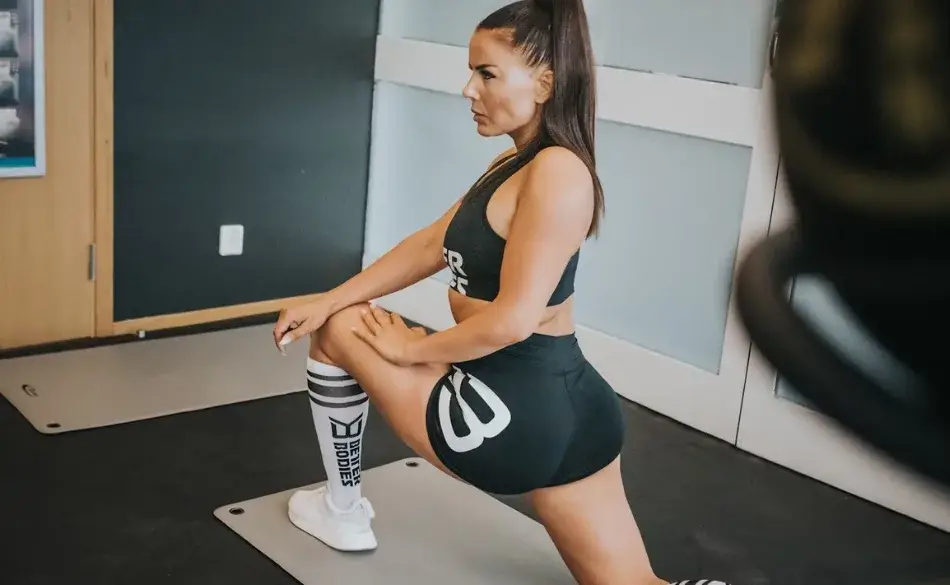
Think of your core as the frame that keeps everything steady. When it’s strong, your torso can hover over the bike without collapsing into the bars. Simple strength work, two or three times a week, helps a lot. Planks, dead bugs, and light rowing movements all teach your body to stay stable while your arms remain relaxed. You don’t need heavy weights to see a benefit. You need consistent, repeatable practice.
Your shoulders and upper back also play a big role. If they round forward all day at a desk, they’ll likely do the same on the bike. Gentle mobility work for your chest and thoracic spine can help your upper body sit more naturally when you ride. If you’re ready to strengthen that part of your body, see our article on best back exercises for cyclists. With more freedom through your ribs and shoulder blades, you’re less likely to dump extra load into your hands and more likely to hold a neutral wrist position cycling.
There’s also the nerve side of the equation. Some riders benefit from simple nerve-gliding drills taught by a physio or sports therapist. These gentle movements help the nerves slide more freely through the tissues instead of feeling “stuck” under pressure. They’re not a magic cure, but they can support the other changes you make on and off the bike.
Ask yourself this: do you only train your legs, or do you train the body that supports your riding position too? When you build strength and mobility around your cycling posture, your hands stop working overtime. Adding regular mobility work can help a lot, and guides like best stretches for cyclists make it easier to stay consistent. Instead of being the first thing to complain, your hands become just another quiet part of a well-balanced system.

When Is Hand Numbness a Sign You Should Worry?
Let’s be honest, most cyclists shrug off numb hands during cycling as “just part of riding.” A little tingling here, a bit of buzzing there, and you shake it out and keep going. But sometimes your body is telling you more than “I’m a bit tired.” Ongoing hand numbness when cycling can be a sign that your nerves are under more stress than they can handle.
Short, occasional tingling that fades quickly after you change hand position is usually less serious. It often points to simple things like extra handlebar pressure or a slightly awkward posture. But if numbness turns into burning, weakness, or lingers long after you’ve finished your ride, it’s time to pay closer attention. This is especially true if you notice changes in grip strength or find it harder to do everyday tasks, like opening jars or typing.
One of the main concerns is long-term ulnar nerve pressure cycling. The ulnar nerve runs along the outside of your hand, into the ring finger and pinky. When it’s compressed again and again over many rides, it can become irritated and inflamed. Some cyclists start to notice constant tingling in those two fingers, even when they’re off the bike. At that point, it’s not just a comfort issue; it’s a health issue.
You might ask yourself, How do I know when to get help instead of just changing my setup again? A good rule is this: if numbness lasts for more than a few weeks, appears earlier and earlier in your rides, or shows up in daily life, speak with a health professional. A sports doctor, physio, or hand specialist can check whether the nerves are being compressed and guide you on treatment.
Cycling should leave you feeling tired in your legs, not worried about permanent damage in your hands. Listening early means you’re far less likely to face long-term nerve problems later.

Conclusion
Hand numbness doesn’t mean you’re doing something wrong. It just means your hands are trying to tell you something. When you understand why numb hands happens and how small details add up (your posture, your setup, your gear, and your body) you have real control over how comfortable every ride feels.
The best part is that most fixes are simple. A small change to your reach, a lighter grip, a better wrist position , or fresh bar tape can make a huge difference. You don’t need the newest bike or the most expensive gear. You just need a setup that supports you, not one that slowly wears your hands down.
As you start applying these changes, ask yourself how your hands feel after each ride. Do you notice earlier relief? Do your fingers stay awake longer? Every improvement shows you’re moving in the right direction. And if symptoms linger, getting help early keeps small problems from becoming bigger ones.
Cycling should feel smooth, steady, and freeing. Not painful or distracting. When your hands feel good, your whole experience changes.