Personalised Cycling Coaching
Personalised cycling coaching is unique because it adapts every workout to your individual needs. Unlike generic training programs, it considers your fitness, recovery, strengths, weaknesses, and lifestyle to create cycling training plans that evolve as you improve. This makes progress more consistent and reduces the risk of overtraining.
A key difference from other coaching types is the flexibility. While road cycling coaching or time trial coaching may focus strictly on performance goals, personalised coaching adjusts sessions in real-time based on your current form and schedule. It balances intensity, endurance, skill, and strength depending on what your body actually needs that week.
The structure often includes a mix of endurance rides, interval sessions, technical drills, and strength-focused workouts like cycling strength training. The combination ensures riders improve overall performance rather than only excelling in one area.
Another distinction is feedback. Coaches monitor your progress closely, making subtle adjustments and providing guidance tailored to your goals. This hands-on approach sets it apart from online or group coaching styles, where changes are slower or less specific.
For riders of all levels, personalised cycling coaching offers the advantage of efficient, targeted training. Beginners gain confidence, intermediate riders correct bad habits, and advanced cyclists refine performance with precision. Its adaptive nature is what makes this type of coaching stand out among the 15 options in cycling.
Online Cycling Coaching
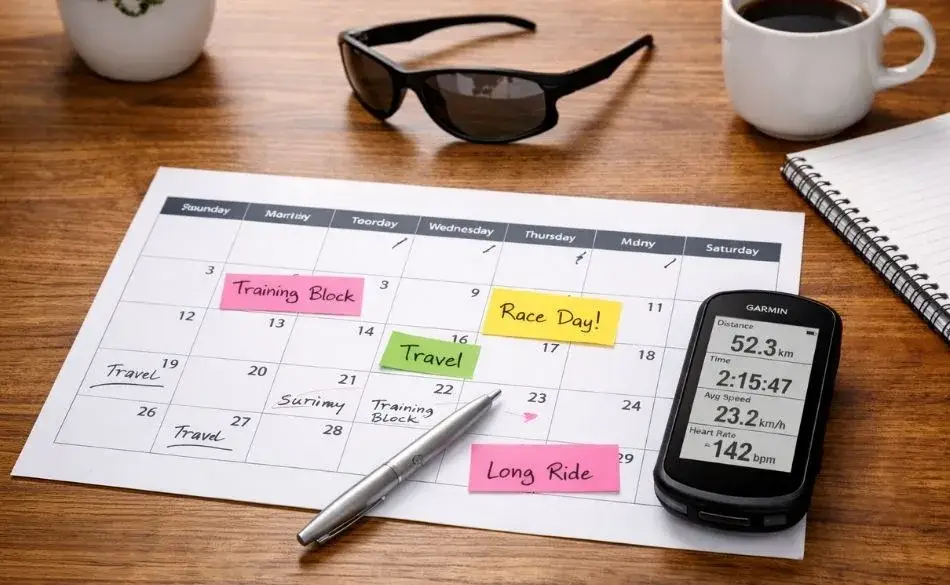
Online cycling coaching differs from personalised coaching because it delivers structured guidance through digital platforms rather than in-person oversight. Riders follow cycling training plans via apps or websites, allowing training anywhere, anytime. While personalised coaching adapts in real-time based on direct feedback, online coaching relies on digital data submissions and scheduled check-ins to adjust the program.
Riders benefit from access to performance metrics like power, heart rate, and cadence. Coaches analyze this data remotely, making small adjustments to maintain progression and prevent overtraining. This makes online coaching more accessible and flexible, especially for those with busy schedules or who travel frequently.
A key difference from group or discipline-specific coaching (like road cycling coaching or time trial coaching) is its scalability. One coach can guide multiple riders using the same platform while still providing targeted feedback. This reduces cost but maintains quality if data is submitted regularly.
Key advantages of online cycling coaching include:
- Structured weekly cycling training plans that remove guesswork
- Feedback and adjustments delivered remotely
- Flexibility to train at home, on the road, or during travel
- Access to digital performance metrics
- Steady, measurable progress without in-person sessions
Some riders worry about missing hands-on guidance, but video submissions or live calls often cover technical and skill corrections. Overall, online cycling coaching balances accessibility, performance tracking, and structured training, offering a practical alternative to traditional personalised coaching.
If you’re looking to improve power, endurance and technique, our Cycling Coaching Program gives you a personalised plan, expert feedback and 24/7 support so you train with confidence and clarity.
Designed for all levels—from beginners to seasoned riders—this program delivers structured cycling training plans, precision metrics (power, heart rate), and strength‑building sessions so you arrive at your next ride with more speed and control.
Explore Cycling Coaching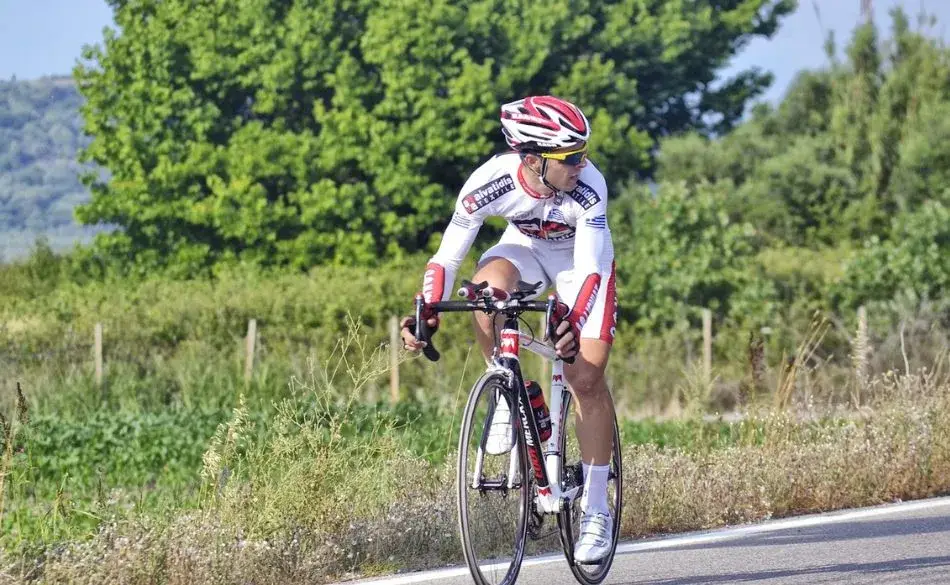
Road Cycling Coaching
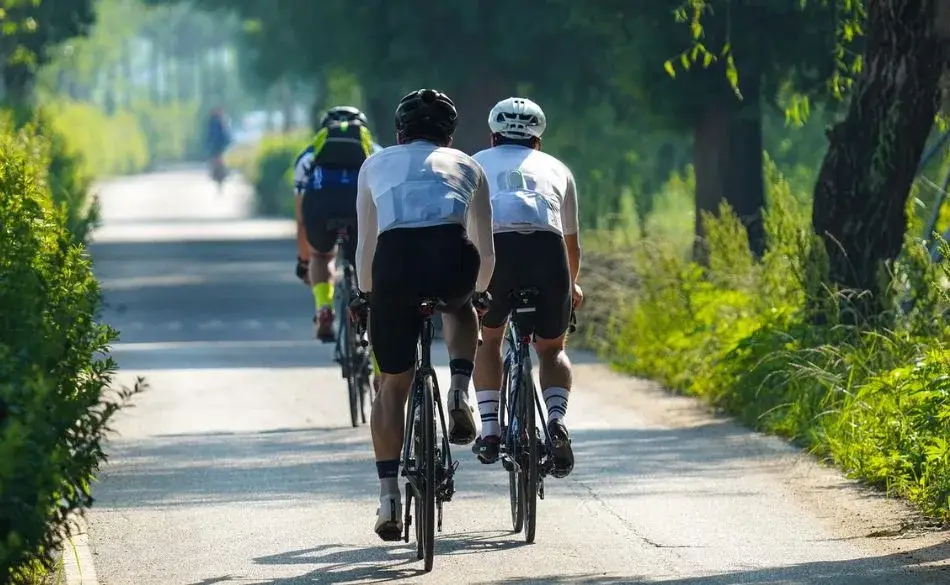
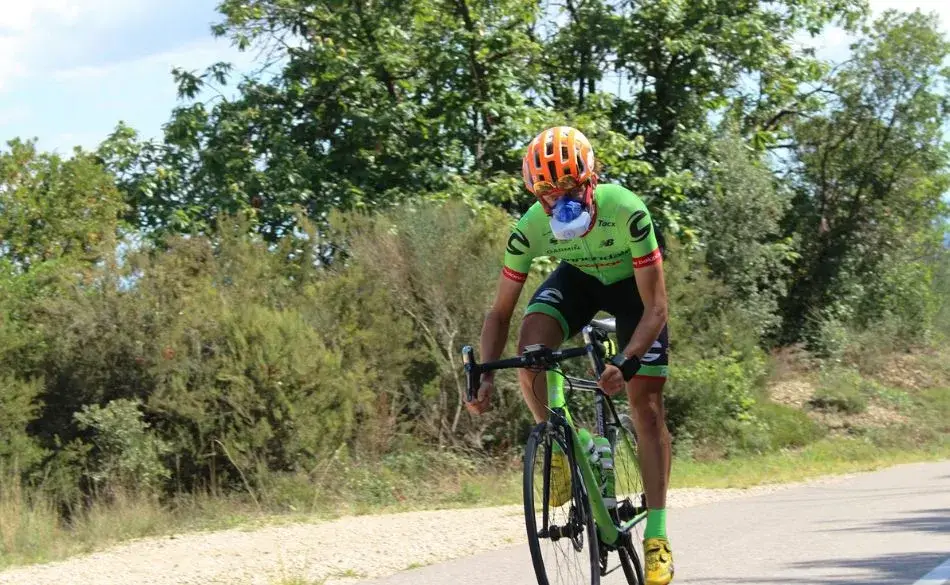
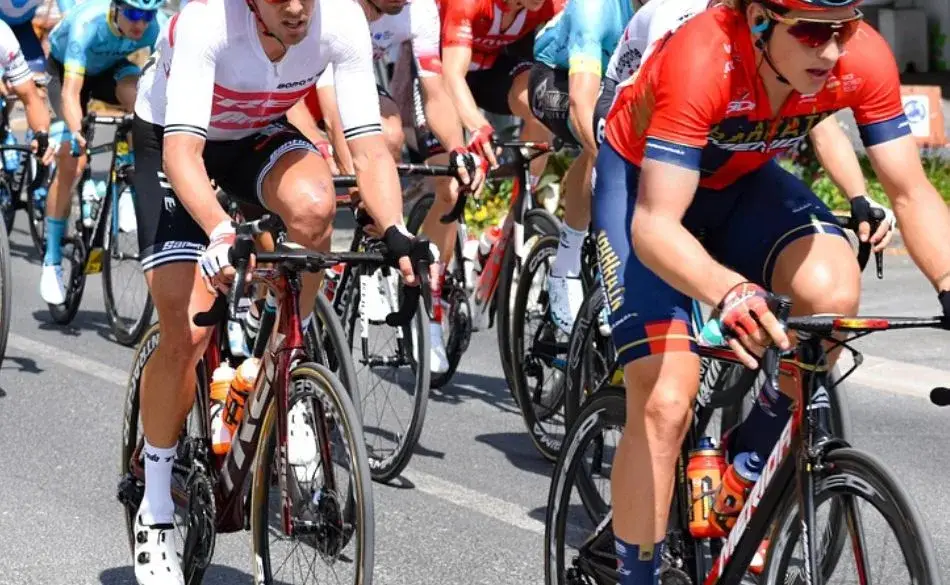
Road cycling coaching differs from personalised or online coaching because it emphasizes tactical skills, group riding, and performance in road-specific conditions. While personalised coaching adapts to your individual needs and online coaching is flexible and remote, road cycling coaching focuses on the nuances of riding efficiently in a pack, handling wind, and timing efforts during races or structured group rides.
A major component is positioning and drafting. Coaches teach riders how to conserve energy by choosing the correct spot in a group and using aerodynamic advantages. This is critical for long rides, breakaways, or maintaining speed over rolling terrain.
Power metrics like functional threshold power are often integrated into sessions. Road cycling coaching uses intervals and sustained efforts to build power, stamina, and pace awareness. Riders learn when to push and when to recover within a structured cycling training plan designed for road performance. If you’re focusing on improving your rhythm and pedaling efficiency, check out our How to Improve Cycling Cadence guide for drills and insights.
Technique and safety are also central. Efficient cornering, braking, and cadence transitions improve speed while reducing wasted energy. These practical skills allow riders to ride harder with less fatigue, differentiating road cycling coaching from more general or off-road-focused programs.
This type of coaching also includes group-ride drills, tempo rides, and simulated race conditions. Combined with cycling strength training, these methods enhance endurance, stability, and power output.
In short, road cycling coaching prepares riders to perform efficiently on the road, blending tactical awareness, endurance, and technical skills in ways that general or online coaching programs may not. It’s ideal for cyclists who want speed, confidence, and mastery in road riding scenarios.
Mountain Bike Coaching
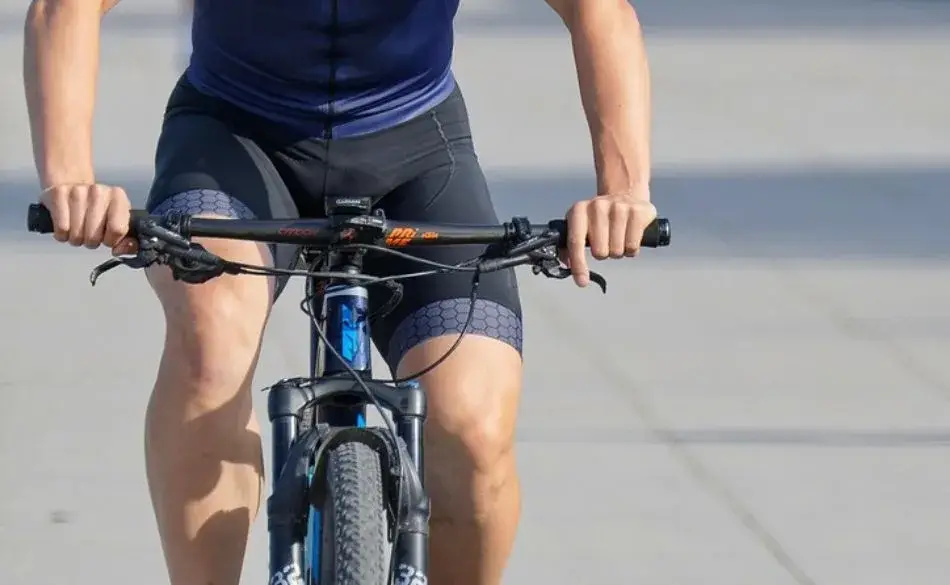
Mountain bike coaching is distinct because it emphasizes technical trail skills combined with structured training. Unlike road or online coaching, it targets uneven terrain, obstacles, and rapid changes in elevation. Riders learn how to ride efficiently while maintaining control in challenging conditions.
Training typically starts with body position drills. Through mountain bike coaching, riders practice a low, balanced hinge through the hips and knees, allowing the bike to move beneath them while maintaining upper-body stability. This develops confidence and prepares them for technical sections.
Braking and cornering are core focuses. Coaches integrate these into cycling training plans so riders learn how to modulate front and rear brakes, maintain speed through turns, and safely handle descents. These drills reduce mistakes and energy waste.
Vision and line choice are reinforced during every session. Riders learn to look through corners, anticipate obstacles, and let their shoulders guide the bike. Combined with progressive trail challenges, this develops rhythm and flow.
Key benefits of mountain bike coaching include:
- Improved balance and bike handling
- Faster, safer cornering and descents
- Smarter brake and suspension use
- Confidence to ride technical trails
- Greater endurance and stability through cycling strength training
Progressions are structured. Coaches start riders on easier trails, refine skills on intermediate terrain, and move to advanced lines. This structured training approach sets mountain bike coaching apart from other coaching types by blending skill, fitness, and confidence on real trails.


Gravel Cycling Coaching
Gravel cycling coaching stands out because it focuses on endurance, bike handling, and adaptability across mixed surfaces. Unlike road cycling coaching, which emphasizes speed and tactics, gravel coaching prioritizes consistent performance over long, variable terrain. Riders learn to manage energy, maintain stability on loose surfaces, and handle unexpected obstacles efficiently.
Training often includes long endurance rides combined with intervals to develop stamina and power. Coaches integrate training plans that balance time on gravel with technique drills, strength work, and recovery sessions. These sessions prepare riders for extended events, races, or multi-day tours.
Bike handling is central. Gravel coaching teaches riders to navigate loose gravel, dirt roads, and variable conditions while maintaining cadence and control. Gravel skills coaching focuses on balance, line selection, cornering, and braking on surfaces where traction varies. Riders practice adapting quickly to changes in terrain.
Key benefits of gravel cycling coaching include:
- Enhanced endurance and pacing for long rides
- Improved bike handling on mixed surfaces
- Structured gravel training plans that combine skill, power, and recovery
- Confidence managing loose or technical terrain
- Balanced performance across different conditions
Riders progress by gradually increasing distance, technical difficulty, and ride intensity. Combined with strength training, gravel cycling coaching strengthens core stability and leg power, making it easier to maintain control and efficiency on long mixed-surface rides.
In summary, gravel cycling coaching differs from other types by blending endurance, adaptability, and technical skill into a structured training approach that prepares riders for unpredictable terrain.
Time Trial Coaching
Time trial coaching stands out because it focuses on sustained power, pacing, and aerodynamics over individual efforts. Unlike road cycling coaching, which emphasizes group tactics, or gravel coaching, which emphasizes adaptability, time trial coaching is about riding alone against the clock with maximum efficiency.
Training involves structured intervals targeting functional threshold power, aerobic endurance, and high-intensity efforts to improve your ability to sustain a steady pace. Coaches design time trial training plans that gradually increase intensity while teaching recovery strategies to maintain consistent performance over the race distance.
Aerodynamics and positioning are critical. Time trial coaching teaches riders how to hold optimal positions for minimal drag without sacrificing power output. Core and hip stability from strength training supports longer aero positions while reducing fatigue.
Pacing strategies are another key difference. Coaches emphasize consistent effort, power monitoring, and energy management. Riders learn when to push, when to maintain, and how to handle variable conditions like wind or rolling terrain.
Key benefits of time trial coaching include:
- Improved sustained power and pacing
- Enhanced aerodynamics for efficiency
- Structured time trial training plans targeting threshold and interval work
- Increased mental focus for solo efforts
- Optimized recovery and endurance for longer events
Overall, time trial coaching differs from other coaching types by focusing on solo performance, aerodynamics, and maintaining consistent power. It prepares riders to maximize speed in every second against the clock while complementing strength, endurance, and skills training.
No more guessing what to train next. Our Cycling Training Plans give you structured weekly sessions, clear progression, and support to help you build endurance, power, and riding confidence.
Suitable for all levels—from first‑time cyclists to racers chasing PBs—this program mixes skill work, smart intervals, and strength sessions so every ride counts toward your next cycling goal.
View Training Plans
Triathlon Cycling Coaching
Triathlon cycling coaching is unique because it focuses on cycling within the context of multisport performance. Unlike road, gravel, or time trial coaching, the sessions consider how your legs will feel for the run and swim segments of a triathlon. It’s about sustainable power and pacing for a complete race rather than just one cycling discipline.
Training plans typically include long aerobic rides, tempo intervals, and race-specific efforts at functional threshold power. Coaches design training plans that integrate brick sessions, where cycling is immediately followed by running, to simulate race conditions and improve endurance under fatigue.
Pacing strategies are critical in triathlon cycling. Coaches emphasize riding at controlled intensities that preserve energy for the run while still maintaining competitive speeds. Monitoring power, heart rate, and cadence ensures consistent performance without overexertion. For riders looking to combine structured cycling with swim and run training, our Half Ironman Triathlon Training Plans provide integrated sessions tailored for multisport performance.
Technical skills are also a priority. Skills coaching focuses on efficient pedaling, cornering, and bike handling, especially when navigating transition areas, tight turns, or variable course conditions. Combined with strength training, these elements improve stability, power transfer, and injury prevention.
Key benefits of triathlon cycling coaching include:
- Improved pacing for multisport endurance events
- Increased aerobic and muscular endurance for bricks
- Structured training plans tailored to race distance
- Enhanced bike handling for technical courses and transitions
- Reduced fatigue during the run through optimized cycling efforts
Overall, triathlon cycling coaching differs from other coaching types by blending endurance, power, technique, and multisport-specific pacing to prepare riders for the unique demands of triathlon events.
If you're racing an Ironman and want a cycling plan that removes guesswork, our Ironman Cycling Training Plan gives you a 10‑18 week structured program, targeted sessions, and expert consultation tailored for the bike leg of your race.
You’ll train smarter with focused workouts for endurance, pacing, and power output—so when you mount your bike on race day, you’re prepared, confident, and in control.
Explore the Ironman Cycling PlanCyclocross Coaching
Cyclocross coaching is unique because it combines technical skills, explosive power, and endurance for short, intense races on varied terrain. Unlike road or gravel cycling coaching, cyclocross emphasizes frequent accelerations, dismounts, remounts, and tight cornering under fatigue. The training focus is highly specific to the demands of cyclocross racing.
Training plans include short, high-intensity intervals to improve anaerobic capacity and repeated power surges, combined with endurance rides for overall fitness. Coaches design structured cycling training plans that incorporate technical drills, barrier practice, and obstacle navigation to simulate race conditions.
Bike handling is a core focus of cyclocross coaching. Riders learn to manage traction on mud, grass, and sand, practice quick dismounts and remounts, and refine cornering skills. These drills are repeated within the cycling skills coaching framework to build confidence and efficiency.
Strength and conditioning is integrated as well. Strength training enhances core stability, leg power, and upper body endurance, enabling riders to handle repeated explosive efforts while maintaining control of the bike.
Key benefits of cyclocross coaching include:
- Improved technical handling on mixed surfaces
- Enhanced explosive power for repeated accelerations
- Structured training plans tailored to race conditions
- Confidence in dismounting, remounting, and navigating obstacles
- Increased anaerobic capacity and race-specific endurance
In summary, cyclocross coaching differs from other cycling coaching types by blending technical, power, and endurance training specifically for the unique demands of cyclocross racing.
Track Cycling Coaching
Track cycling coaching is unique because it focuses on high-intensity, short-duration efforts on a velodrome. Unlike road, gravel, or cyclocross coaching, track cycling emphasizes explosive power, cadence, and precise tactical positioning in a controlled environment. Riders learn to maximize speed while maintaining form and safety on banked tracks.
Training sessions are highly structured. Coaches design track sessions with repeated sprints, standing starts, and flying laps. These sessions develop anaerobic capacity, leg power, and high-speed endurance. Track coaching also incorporates tactical drills for pack positioning, lead changes, and sprint timing.
Technique is crucial. Skills coaching focuses on smooth pedal stroke, optimal line choice on banked curves, and aerodynamic positioning. Riders practice maintaining balance at high speeds while executing tactical moves. Core and leg strength are reinforced with strength training to support explosive efforts and maintain stability in sprints.
Key benefits of track cycling coaching include:
- Increased sprinting power and cadence
- Optimized riding lines and tactical awareness on the velodrome
- Structured training plans targeting short, high-intensity efforts
- Enhanced explosive strength through strength training
- Improved safety and confidence at high speeds
In summary, track cycling coaching differs from other cycling coaching types by prioritizing explosive power, precision, and tactical mastery in a controlled track environment. It prepares riders for competitive racing while complementing overall cycling performance.
Indoor/Smart Trainer Coaching
Indoor cycling coaching, often paired with smart trainer coaching, focuses on structured, controlled sessions that improve performance regardless of weather or terrain. Unlike road or gravel coaching, indoor programs allow precise monitoring of power, cadence, and heart rate in a consistent environment.
Training sessions typically include intervals, cadence drills, and endurance rides. Coaches design training plans to target specific zones, ensuring efficient improvements in functional threshold power, endurance, and recovery. Indoor coaching allows real-time adjustments based on rider feedback and metrics, which is harder to do on variable outdoor terrain.
Another key advantage is the ability to replicate race conditions. Virtual platforms and smart trainers simulate hills, resistance, and time trials, helping riders practice pacing and strategy in a controlled setting. Repeating high-intensity intervals and endurance sessions indoors maximizes efficiency and performance gains.
Key benefits of indoor/smart trainer coaching include:
- Consistent, weather-independent training
- Precise control of intensity and resistance
- Structured training plans with data-driven adjustments
- Targeted improvements in endurance, power, and efficiency
- Ability to safely repeat high-intensity intervals
In summary, indoor and smart trainer coaching differs from outdoor-focused coaching by providing precise, structured, and repeatable sessions that maximize performance gains. It’s ideal for riders looking to improve power, endurance, and consistency in a controlled environment.


Skills-Focused Cycling Coaching
Skills-focused coaching is unique because it prioritizes technique and efficiency over pure endurance or power. Unlike road or time trial coaching, which emphasize speed or sustained output, skills coaching concentrates on handling, cadence control, balance, and pedaling efficiency.
Training sessions include drills to improve cornering, braking, and pedal stroke. Coaches design training plans that integrate short technical exercises with endurance rides, ensuring that improvements in skill transfer directly to real-world riding conditions.
This type of coaching also differs from indoor or smart trainer coaching. While smart trainer sessions are structured for power and endurance in a controlled environment, skills-focused coaching emphasizes real-world application, helping riders manage variable terrain, obstacles, and pack dynamics.
Key benefits of skills-focused cycling coaching include:
- Improved bike handling and stability
- Enhanced pedal efficiency and cadence control
- Greater confidence in technical sections or group riding
- Structured plans that combine skill drills and endurance
- Reduced energy waste and improved overall performance
Progression is gradual. Riders start with basic techniques and advance to complex scenarios, combining skill practice with endurance and strength sessions. Incorporating strength training further supports stability, core control, and power transfer, reinforcing gains from technical work.
In summary, skills-focused cycling coaching differs from other coaching types by concentrating on handling, technique, and efficiency, ensuring riders can apply their strength and endurance effectively in all cycling disciplines.
Endurance/Ultra Cycling Coaching
Endurance and ultra cycling coaching is distinct because it focuses on building the stamina and mental resilience required for long-distance events. Unlike road or time trial coaching, which may prioritize speed or explosive power, endurance coaching emphasizes sustainable performance over extended periods.
Training includes long aerobic rides, tempo sessions, and carefully structured intervals to develop both cardiovascular endurance and muscular durability. Coaches design training plans that gradually increase volume and intensity, allowing riders to safely adapt to the demands of multi-hour or multi-day rides.
Pacing strategies are central. Endurance coaching teaches riders how to distribute effort efficiently across long rides, manage nutrition and hydration, and avoid early fatigue. This focus differentiates it from short-distance or sprint-focused coaching, where intensity is higher but duration is shorter.
Key benefits of endurance/ultra cycling coaching include:
- Increased aerobic capacity for long rides
- Enhanced muscular endurance and fatigue resistance
- Structured plans for progressive overload
- Improved pacing, nutrition, and energy management
- Greater confidence in completing ultra-distance events
Strength work complements the training. Strength training targets core and leg stability, reducing the risk of overuse injuries and improving efficiency over extended rides. Riders learn to sustain consistent power while maintaining form and comfort.
In summary, endurance/ultra cycling coaching differs from other cycling coaching types by combining volume, pacing, and progressive endurance training, preparing riders for the unique physical and mental challenges of long-distance cycling.
Ready to ride technical trails with more confidence and control? Our Mountain Bike Coaching Program gives you a structured plan, expert trail drills, and tailored strength sessions so you stay sharp and fearless on forest, fire‑roads, or singletrack.
Whether you’re new to trail riding or chasing your next level, this program combines skill‑focused drills, **cycling strength training**, and smart progression so you handle tech climbs, storm through descents, and enjoy more fun ride after ride.
Explore Mountain Bike Coaching

Strength and Conditioning Coaching
Training sessions include resistance exercises, core routines, and functional movements designed to improve pedaling efficiency, stability, and power output. Coaches integrate these exercises into cycling training plans to ensure balance between gym work and riding sessions. For detailed exercise routines, check out our Strength Training Exercises for Cyclists guide, which complements this coaching type by offering specific movements to enhance your on‑bike performance.
A unique aspect of this coaching type is its focus on muscular endurance for cycling. While time trial coaching or track cycling coaching may target peak power or explosive efforts, strength and conditioning builds the foundation that allows cyclists to maintain form and power across long rides or repeated high-intensity efforts.
Key benefits of strength and conditioning coaching include:
- Increased leg and core strength for efficient pedaling
- Enhanced stability and bike control
- Reduced risk of overuse injuries
- Structured training plans integrating gym and riding sessions
- Improved endurance and power transfer on the bike
Progressions are gradual. Exercises are adapted to the rider’s ability and cycling goals, ensuring safe and effective development. When combined with specific on-bike coaching, strength and conditioning enhances performance, allowing riders to ride stronger, longer, and with better overall efficiency.
In summary, this coaching type differs by targeting off-bike fitness to directly improve cycling performance, providing a solid foundation for all other cycling disciplines.
Power Meter–Based Coaching
Power meter–based coaching differs from other cycling coaching types by relying heavily on real-time power data to guide training decisions. Unlike endurance or road cycling coaching, which may use heart rate or perceived effort, power-based coaching gives precise feedback on output, intensity, and pacing.
Training focuses on intervals, threshold efforts, and structured sessions guided by power zones. Coaches design plans that leverage these metrics to improve functional threshold power, sprint capacity, and sustained efforts, ensuring each session is targeted for maximum performance gain. If you’re still using heart rate only, consider the benefits of a Power Meter on Bike Upgrade to unlock true data‑driven training.
This type of coaching also provides instant feedback. Riders can see whether they are hitting target watts, adjusting effort, or pacing correctly. This precision helps avoid overtraining and ensures adaptations occur efficiently.
Key benefits of power meter coaching include:
- Accurate measurement of effort and performance
- Structured plan based on power zones
- Optimized pacing and threshold development
- Improved efficiency and energy management during rides
- Data-driven adjustments to maximize training effectiveness
Unlike indoor or skills-focused coaching, power meter–based programs are highly quantitative. Every ride can be analyzed, and sessions adjusted to target specific weaknesses. Combined with strength training, riders build not only power but also endurance, efficiency, and consistency.
In summary, power meter–based coaching stands out for its data-driven approach, precision, and ability to fine-tune training, making it ideal for riders seeking measurable performance gains.

Beginner Cycling Coaching
Beginner cycling coaching differs from other coaching types by focusing on foundational skills, confidence, and gradual progression. Unlike endurance, power-based, or technical coaching, it prioritizes establishing good habits, safe riding techniques, and consistent training routines for those new to cycling.
Training plans are carefully structured. Coaches design training plans that start with basic endurance rides, cadence practice, and low-intensity interval work. This ensures new riders build aerobic fitness safely while learning proper pedaling technique and bike handling.
Safety and confidence are central. Coaches teach cornering, braking, gear use, and group riding etiquette. These sessions are less intense than time trial, track, or cyclocross coaching, allowing beginners to develop comfort and competence on the bike without being overwhelmed. If you’re brand‑new to riding, explore our Getting Started page for step‑by‑step guidance on how to begin your cycling journey.
Key benefits of beginner cycling coaching include:
- Safe introduction to cycling techniques and road skills
- Structured cycling training that gradually build endurance
- Development of confidence in traffic or group riding
- Early habit formation for long-term consistency
- Balanced integration of low-intensity rides, technique drills, and strength work
Progressions are gradual and monitored. Coaches adjust distances, intensity, and complexity based on the rider’s comfort and ability. Incorporating cycling strength training helps stabilize the core and improve pedaling efficiency, supporting longer rides and reducing injury risk. For beginners, following a structured plan like Cycling and Weight Training for Beginners can make the introduction to training safer and more effective.

Choose the Right Cycling Coaching for Your Goals
With 15 types of cycling coaching outlined, it’s clear that each style offers unique benefits and training focuses. From personalised cycling coaching that adapts to your needs, to power meter–based coaching that leverages precise data, every type has a distinct purpose. Some improve endurance, others build speed or technical skill, and some prepare you for multi-sport events or ultra-distance rides.
The key is understanding your goals, current ability, and the type of riding you enjoy. Are you looking for technical mastery, longer endurance, explosive power, or a structured introduction as a beginner? Matching your choice of coaching to your goals ensures the most efficient and enjoyable progress.
One of the most rewarding aspects of cycling coaching is how it blends structured cycling training plans, strength work, and targeted skill development to make you a stronger, more confident rider. Whether you’re riding solo, in a pack, on gravel, or tackling a triathlon, there’s a coaching style that fits your needs.
Take the time to explore your options and consider speaking with a coach to identify which type aligns with your goals. The right guidance can transform your training, improve performance, and make cycling more fun. Which type of cycling coaching will you try next to reach your next milestone?
Frequently Asked Questions
How do I choose the right cycling coach?
Look for a coach who specializes in your preferred cycling discipline and has experience working with athletes at your level.
Can I combine different types of cycling coaching?
Yes, many cyclists mix endurance training with strength and conditioning or indoor sessions to optimize performance.
How often should I train with a cycling coach?
It depends on your goals. Competitive cyclists may train daily with structured plans, while recreational riders may only need weekly guidance.
Is indoor cycling coaching as effective as outdoor training?
Yes, indoor training allows for precise power and endurance workouts, making it highly effective for performance gains.
Do I need a coach if I’m not racing?
A coach can help recreational cyclists improve fitness, avoid injuries, and stay motivated, even without competitive goals.

Graeme
Head Coach
Graeme has coached more than 750 athletes from 20 countries, from beginners to Olympians in cycling, running, triathlon, mountain biking, boxing, and skiing.
Start Your Fitness Journey with SportCoaching
No matter your goals, SportCoaching offers tailored training plans to suit your needs. Whether you’re preparing for a race, tackling long distances, or simply improving your fitness, our expert coaches provide structured guidance to help you reach your full potential.
- Custom Training Plans: Designed to match your fitness level and goals.
- Expert Coaching: Work with experienced coaches who understand endurance training.
- Performance Monitoring: Track progress and adjust your plan for maximum improvement.
- Flexible Coaching Options: Online and in-person coaching for all levels of athletes.