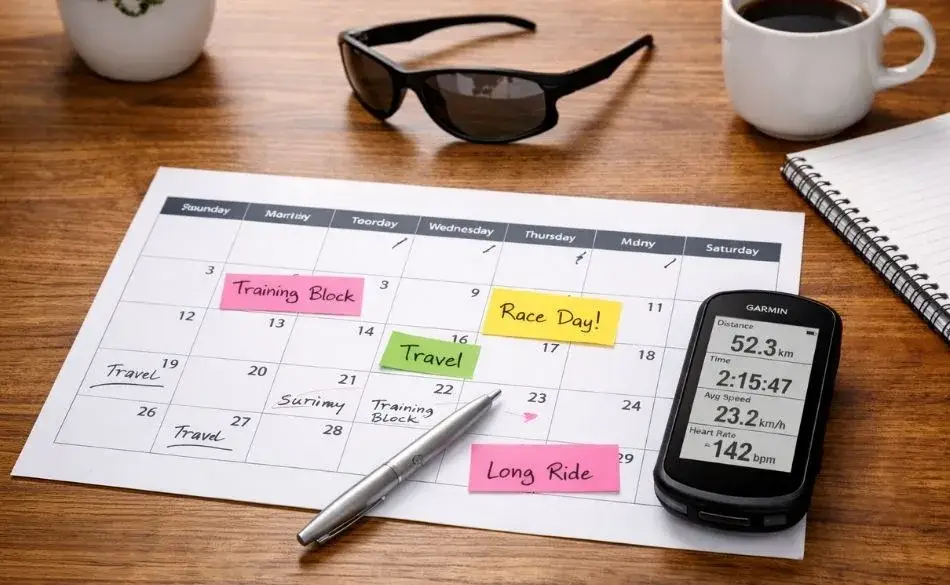
Why Sprint Training Matters For Every Cyclist
When most riders think about sprinting, they imagine pro sprinters launching at insane speeds during the final meters of a race. But sprint training is something you can benefit from, whether you ride for fitness, group rides, or weekend climbs. In fact, the best sprint workouts for cyclists help you improve far more than just top speed. They build the kind of explosive strength that makes every ride feel smoother and more powerful.
Sprinting fires up your fast-twitch muscles. These are the fibers that help you jump, change pace, and accelerate when your group suddenly surges. When you train them through cycling sprint workouts or short cycling power sprints, your legs learn to respond quicker, almost like they’re waking up from a deep sleep. You’ll notice that your bike reacts faster under you, and even small climbs feel easier because you can push harder for short periods.
Another huge benefit is neuromuscular training. This is a fancy term for how your brain and muscles talk to each other. When you do fast bursts of effort, that connection becomes stronger. You create a smoother, faster pathway so your power comes out instantly instead of hesitating. Many riders say this is the first improvement they feel after adding sprint interval training for cyclists, and if you want to understand how your acceleration compares to other riders, you can check your numbers using this power to weight ratio calculator.
I once coached a rider named Christer who struggled to keep up during fast group rides. His endurance was great, but the moment the pace changed, he’d drift off the back. After just four weeks of structured sprint work, his acceleration transformed. He wasn’t just hanging on, he was taking the lead during surges. His confidence grew because he finally understood how sprint work affects real-world riding.
You may wonder, “Do I need to be fast already to try sprint training?” Not at all. Anyone can start, and the early gains are some of the most exciting. If you’re willing to push for just a few seconds at a time, you’ll see meaningful results faster than you expect.
If you want your sprint sessions, acceleration drills, and power efforts to deliver real gains, our Cycling Coaching Plan gives you a clear progression to follow. You’ll know exactly when to sprint, how to structure recovery, and how to build explosive power without risking burnout.
With personalised guidance, every sprint you complete becomes more effective — helping you accelerate faster, carry speed longer, and feel more confident in every ride.
Explore the Coaching Plan

How Should You Warm Up For Sprint Workouts?
Let’s be honest. The fastest way to ruin a good sprint session is to rush your warm up. Your body needs time to wake up before you ask it for max power. A careful start protects your muscles and actually helps you hit higher watts during sprint workouts.
Think of your warm up as “turning on” the system. Your heart rate rises slowly. Blood flow increases to your legs. Your joints loosen. This prepares you for cycling sprint workouts where the effort jumps from easy to very hard in seconds.
A smart warm-up for cycling sprints has three simple parts. First, you ride very easy. Then you build to a steady pace. Finally, you add short, controlled efforts. By the time you reach your first real sprint, your body already knows what’s coming.
Here’s a simple structure you can follow on most days:
- 10 minutes easy spinning at a comfortable pace
- 5–8 minutes of steady riding in Zone 2 to Zone 3
- 3–4 short efforts of 10–15 seconds at a hard but controlled pace
- Easy pedaling for 1–2 minutes between each short effort
These short efforts are not full sprints. Think of them as “practice accelerations.” They switch on your fast-twitch fibers so your sprint interval training feels smoother and less shocking.
You can also add a few high-cadence spins. For example, pedal at 100–110 rpm for 20–30 seconds, then relax. If you want a deeper dive into how to improve your cadence and integrate it into your training, check this guide on how to improve cycling cadence.
If you ever feel tight, dizzy, or off, extend the easy part of the warm up. There’s no harm in taking more time. A good warm up should leave you feeling sharp, not tired. When you clip in for your first true sprint, you want your body saying, “I’m ready for this,” not, “What just happened?”
What Are The Best Sprint Workouts You Can Start With?
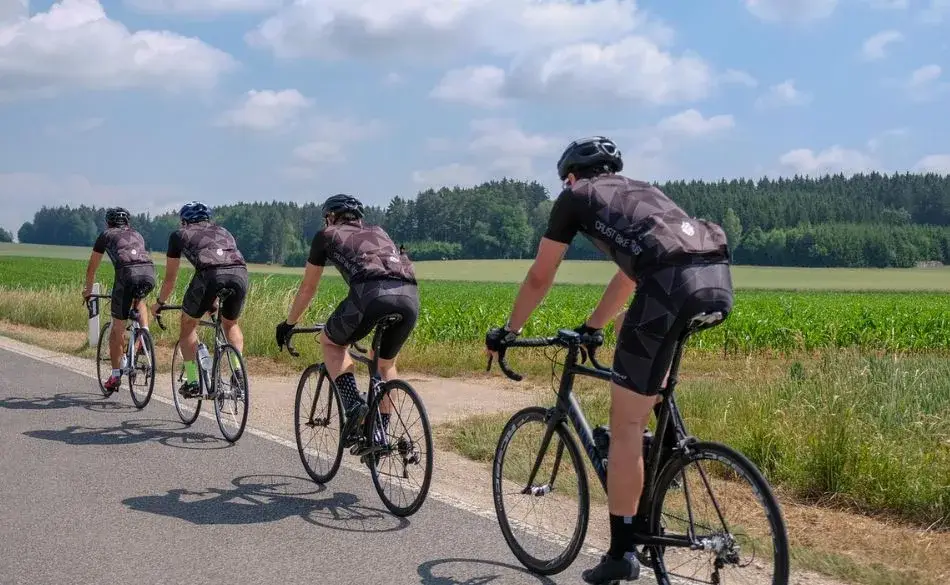
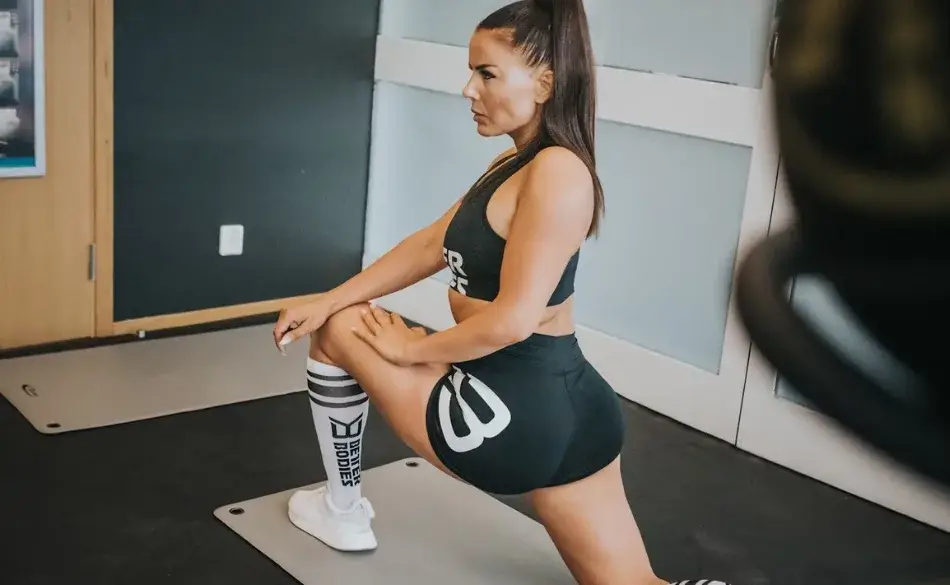
Now that you know why sprinting matters and how to warm up, let’s talk about the work itself. The best sprint workouts for cyclists are simple, short, and focused. You don’t need a special track or a perfect road. You just need a safe stretch of road or trainer time, and the willingness to go hard for a few seconds.
A good starting point is basic cycling sprint intervals. These help you learn what “full gas” feels like without draining your whole system. Over time, they also help you improve cycling watts and build real top-end power.
Here are three classic cycling sprint workouts you can rotate through:
- Flat Road Standing Starts
From almost a stop in a big gear, sprint out of the saddle for 6–8 seconds. Focus on strong, smooth strokes. This builds torque and cycling power sprints for race starts, climbs, and group rides. - Rolling Sprints From Tempo
Ride at a steady tempo pace for 2–3 minutes, then sprint all-out for 8–12 seconds. This mimics real-world attacks, where you jump from hard, not from easy. It’s great for cycling sprint technique and fatigue resistance. - High-Cadence Spin Ups
Start at a moderate speed and spin your legs faster and faster for 15 seconds without bouncing in the saddle. Aim for a very quick cadence. This trains leg speed and supports cycling explosive power training.
If you’re looking to build your sprint power from the ground up and support your on-bike efforts with off-bike strength work, check out this guide on cycling and weight training for beginners which pairs beautifully with your sprint drills.
Each of these sessions should include full recovery between efforts, usually 3–5 minutes of easy spinning. That rest is where your body resets, so you can hit high power again.
You don’t need to do all these in one day. Pick one style per session and repeat it for several sprints. Over a few weeks, you’ll notice your jump feels sharper, and your bike feels like it wants to leap forward the moment you press on the pedals.
If you want even more ways to improve your technique and mix up your sprint sessions, you can explore a wider range of helpful cycling drills in this guide on best cycling drills, which pairs perfectly with the sprint workouts above.

How Often Should You Do Sprint Workouts Each Week?
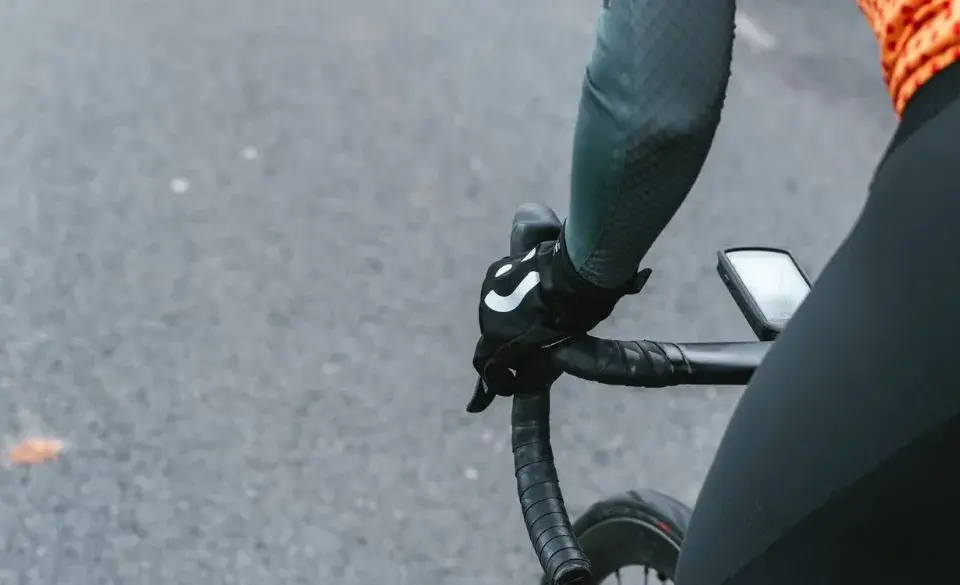
Here’s the thing about sprint training. More is not always better. Because these efforts are so intense, you only need a small amount each week to see big gains from the sprint workouts. The goal is quality, not exhaustion.
Most riders do well with one or two dedicated cycling sprint workouts per week. If you’re new to hard efforts, start with just one. Because sprint training creates high neuromuscular load and stress, it’s important to avoid overload and let your body recover. For a deeper look at how to safely push your limits without breaking your system, here’s a detailed article on maximum overload for cyclists. You can still ride easy or steady on other days.
A simple way to think about it is this. Place your sprint days when you’re most fresh, and keep them away from your hardest long rides. That way, your legs have enough snap to hit real power. Ask yourself, “On which days do I usually feel most awake and ready to push?” Those are great sprint days.
Here’s a basic guide you can use:
- Beginners
One beginner cycling sprint workout per week. Keep total sprints low, maybe 4–6 efforts. - Intermediate riders
One to two sprint sessions per week. Slightly more efforts, like 6–8 sprints, and a simple bike sprint training plan across several weeks. - Advanced or race-focused riders
Two focused sprint sessions most weeks, with clear rest days after. You can also mix in cycling sprint progression blocks, where you slowly add more efforts or slightly longer sprints.
Between sprint days, keep at least 48 hours before your next high-intensity workout. Gentle endurance rides are fine, and they can even help you recover. If your legs feel heavy, dull, or sore, that’s your body’s way of telling you to back off. Power comes from smart timing, not constant suffering.
If you’re working on sprint intervals, acceleration drills, or high-torque efforts, our Cycling Climbing Training Plan helps you turn that new power into real on-road speed. The strength you build for hills also boosts your sprint foundation, letting you hit harder efforts and hold speed longer after you launch.
With structured sessions that improve leg strength, control, and fatigue resistance, you’ll feel more explosive, stable, and confident every time you sprint or attack on a climb.
View the Climbing Plan

Which Sprint Workout Style Fits Your Goals Best?
Every cyclist sprints for a different reason. Some want raw speed. Others want a stronger jump in group rides. Some simply want to feel more explosive on hills. The best part is that the best sprint workouts can be tailored to match exactly what you want to improve. To help you choose the right approach, here’s a clear breakdown of four common sprint goals and the workout style that best supports each one.
Before reading the table, think about what you want most. Do you want faster acceleration? Better top speed? More control at high cadence? Knowing your priority makes the whole process easier.
Below is a simple comparison to help you find the right training focus. The table shows the most useful sprint styles and when to use them. This makes it easy to match the workout to your needs without guessing.
👉 Swipe to view full table
| Goal | Best Workout Type | Why It Works |
|---|---|---|
| Faster Acceleration | Standing Starts | Builds torque, strength, and explosive power for quick launches. |
| Higher Top Speed | High-Cadence Sprints | Improves leg speed and neuromuscular firing for fast turnover. |
| Better Race Surges | Sprints From Tempo | Trains your body to go all-out when already under load. |
| All-Around Sprint Strength | Mixed Sprint Session | Combines different efforts for balanced cycling sprint technique. |
Once you know which style fits your needs, you can build a simple plan around it. If your goal changes later, you can swap to another type without starting over. This flexibility is what makes sprint training so effective. It grows with you, adapting as your riding improves and your confidence builds.


How Do You Know If Your Sprint Training Is Working?
One of the most exciting parts of following the best sprint workouts for cyclists is seeing real progress. But because sprinting is short and intense, improvement can feel subtle at first. You may not notice it during every ride, but there are clear signs that your training is paying off.
The first sign is how your bike reacts under you. When cycling sprint intervals begin to work, your bike feels lighter during the first few pedal strokes. You don’t feel like you’re fighting the gear as much. This is because your neuromuscular system learns to fire faster, helping you push more power in less time.
Another sign is your recovery. When you start, each sprint might leave you breathing hard for several minutes. After a few weeks, you recover faster between efforts. This means your anaerobic system is getting stronger.
For riders using power meters, the trend is even clearer. You may see your peak power or your 5–10 second numbers go up. Even small jumps matter. A gain of 50 watts in peak power is huge in sprinting, and improvements happen sooner than most people think.
Here are a few things that show your sprint work is on track:
- Your acceleration feels smoother and more controlled.
- You reach high cadence faster during cycling explosive power training.
- You no longer hesitate before jumping. The effort feels automatic.
- Your sprint form feels cleaner, with less wobbling or bouncing.
- Your top speed climbs, even if only by a few km/h.
Don’t rely only on numbers. You’ll also feel it in group rides. Maybe you hold the wheel when the pace surges. Maybe you start to lead the surges yourself. These small wins are proof your work is coming together, and they’re some of the best confidence builders in cycling.


How Do You Build Sprint Power That Lasts Longer On Every Ride?
Most riders think sprinting is only about that first explosive jump, but real sprint strength also comes from how well you hold power after the initial burst. You’re not just trying to hit a high number, you’re trying to stay fast long enough to make it count.
The secret is learning how to carry speed after your first few pedal strokes. When your body understands how to stay relaxed under pressure, you can maintain watts instead of fading. This is one reason riders who focus on cycling sprint intervals often notice their sprints “stretch out” over time. They don’t fall apart after three seconds. They hold power for eight, ten, or even twelve seconds.
One simple way to build this skill is with controlled efforts that feel strong but not chaotic. For example, try a 6-second standing start followed by another 4 seconds seated while keeping cadence high. This helps you link explosive force with smoother sustained power. Over a few weeks, you’ll feel yourself “carrying your jump,” a hallmark of strong cycling explosive power training, and you can see how this fits into the broader phases of sprint development explained in the four phases of sprint training.
You can also use micro-progressions to extend your sprint without feeling overwhelmed. Small steps work best. For example:
- Add just one extra second to your sprint each week.
- Increase cadence slightly while keeping the same gear.
- Start the sprint from a slightly higher rolling speed.
All these methods help your body learn to tolerate more intensity without blowing up. The goal isn’t to sprint longer, it’s to sprint stronger for longer.
Remember, endurance work still supports strong sprinting. Easy rides improve recovery, while steady efforts strengthen your aerobic base. These elements help you hit higher numbers more often because your legs feel fresher. When your base is solid, every jump feels sharper, your form stays cleaner, and your power holds longer than you ever expected.
If you want your sprint work, acceleration drills, and power sessions to fit together smoothly each week, our Cycling Training Plans give you clear schedules that balance sprint intensity with endurance, recovery, and technique—so you always know exactly when to go hard and when to back off.
Each plan is designed to help you build stronger speed, better control, and more consistent sprint power without the stress of planning everything yourself.
Explore Cycling Plans

Extra Sprint Workouts You Can Add For Even More Speed
Once you’ve built a strong base with the best sprint workouts for cyclists, you might want fresh challenges to stay motivated and continue progressing. Variety keeps your nervous system sharp and helps you develop power in different riding situations. These extra sprint sessions aren’t meant to replace your main workouts, they’re optional tools you can rotate in when your legs feel good and you want something new.
One great option is the micro-burst sprint set. These fast, tiny efforts help your body react quicker and sharpen your initial punch. You simply ride easy for ten seconds, sprint all-out for five seconds, and repeat this several times. It’s a simple but very effective way to boost neuromuscular firing without exhausting yourself.
If you want more torque and climbing strength, try hill sprints. Find a small hill, start from low speed, and sprint for 8–12 seconds. The resistance forces you to push harder and build the kind of power that makes your accelerations feel stronger on rolling terrain. Hill sprints are especially useful for improving overall cycling sprint technique.
For riders who want more leg speed, downhill over-speed sprints are a fun challenge. You start on a gentle descent, build speed, and sprint for ten seconds with a quick cadence. The downhill helps you reach a cadence you normally can’t hit on flat ground, which is excellent for developing faster cycling cadence and explosive power.
If you want a workout that mimics late-race efforts, try big-gear surges. Ride steady for a couple of minutes, shift to a heavier gear, then sprint for 8–10 seconds. This builds the strength to hold power longer and teaches your body how to surge under fatigue.
Finally, if you ride with a friend, partner chase sprints are both fun and brutally effective. One rider jumps first, and the other tries to chase them down. It’s one of the best ways to practice real-world acceleration in a dynamic, unpredictable environment.

Take Your Sprinting To the Next Level
Sprint training might look intense from the outside, but once you start exploring it, you realise how fun and rewarding it can be. The Best sprint workouts for cyclists aren’t just about hitting big numbers, they’re about feeling stronger, quicker, and more in control of your bike. When you add these sessions into your routine, even in small amounts, your whole riding experience changes. You react faster, accelerate with confidence, and carry speed in ways you never expected.
Remember that progress comes from consistency, not perfection. Every sprint you do teaches your body something new. So keep experimenting, stay patient, and enjoy the feeling of becoming a more explosive rider.