How Cycling Influences Belly Fat Over Time
When you ride a bike, fat loss doesn’t happen in isolation. Your body looks at the total demand you place on it and decides how to respond. Cycling creates that demand in a steady, repeatable way, which is why it plays such a strong role in long-term body composition change.
During most rides, especially at comfortable or moderate effort, your muscles rely on a blend of fat and carbohydrate for fuel. The more consistently you ride, the better your body becomes at accessing fat as an energy source. This adaptation doesn’t happen overnight. It builds quietly with each session.
One reason cycling is so effective is that it’s sustainable. You can ride frequently without excessive soreness or joint stress. That allows you to accumulate more training time across the week, which matters far more than any single hard workout. Fat loss responds to patterns, not heroic efforts, a principle we expand on in our Cycling for Weight Loss Complete Guide, and one that aligns with broader lifestyle guidance such as Healthline’s evidence-based tips for losing belly fat.
This is where expectations often get misaligned. Many riders ask does cycling burn belly fat, then feel discouraged when that area changes last. Belly fat is hormonally sensitive and strongly influenced by stress, sleep, and overall energy balance. It’s often the final place your body is willing to let go of stored energy.
Cycling helps by improving how your body handles fuel. Regular riding increases insulin sensitivity, which means your muscles absorb energy more easily instead of sending it to storage. Over time, this reduces the conditions that encourage fat to settle around the waist.
There’s also a stress component that’s easy to overlook. Repeated high-intensity training can raise cortisol levels, which are closely linked to belly fat retention. Cycling done at the right intensity supports recovery rather than fighting it. That calmer physiological state is often when fat loss finally starts to show.
Think of cycling like adjusting the climate inside your body. You’re not forcing fat to disappear. You’re creating conditions where holding onto it no longer makes sense. When those conditions stay consistent, change follows.
Many riders train regularly but still feel unsure whether they’re doing the right type of riding to see results. Some weeks feel productive, others feel wasted. Without structure, it’s easy to ride too hard, recover poorly, or lose momentum altogether.
Personalised coaching removes the guesswork by matching your ride intensity, frequency, and recovery to what your body responds to best. Instead of chasing effort, you learn how to ride in a way that supports steady progress, better energy, and long-term consistency.
Get Personalised Cycling Coaching
Cycling to Lose Belly Fat Starts With the Right Weekly Rhythm
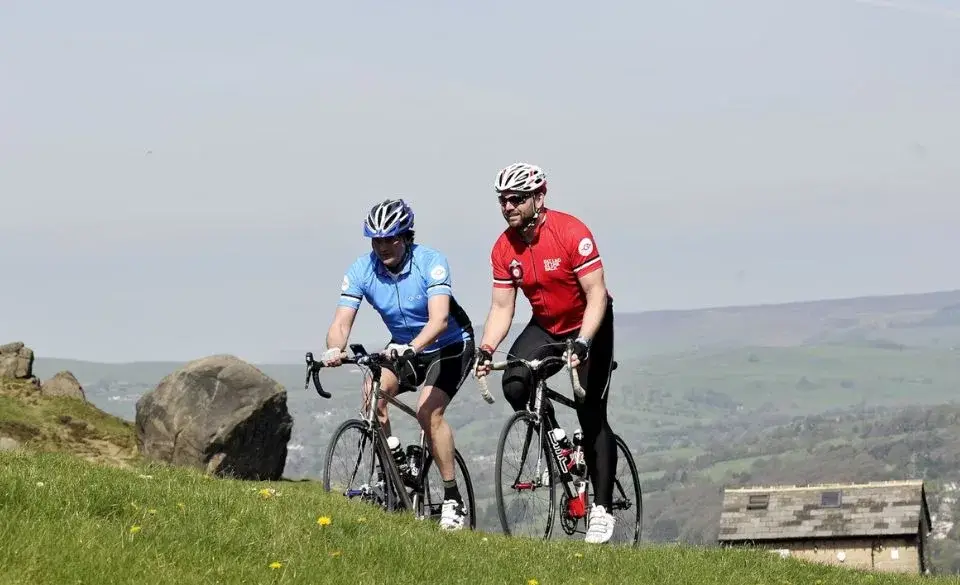
If you want your waist to change, your weekly pattern matters more than one “perfect” ride. The riders who see steady progress usually do one simple thing well. They show up often enough for cycling to become a normal part of their energy balance.
That doesn’t mean you need to train like a pro. It means you need a rhythm you can repeat. Your body responds best when the signal is consistent. Ride, recover, repeat. When that loop happens week after week, fat loss becomes much more likely.
A good starting point is three to five rides per week. More can work, but only if you recover well. Less can still work, but you’ll need patience and tighter habits around food. The goal is not to smash yourself. The goal is to create regular, manageable work that adds up.
Here’s an “insider” rule I use with athletes. If your rides leave you so tired that you move less for the rest of the day, fat loss often slows down. You burn calories on the bike, then unknowingly save them later. A slightly easier ride that keeps you active all day can be more effective than a hard ride that wipes you out.
To make your weekly rhythm work, use a mix of ride types.
- Two steady rides where you can talk in short sentences and finish feeling like you could do more.
- One longer ride that builds endurance and gives you more total time burning energy.
- One optional harder ride if you sleep well and recover well.
- One easy spin if your legs feel heavy but you still want to stay consistent.
This approach keeps you training often without living in exhaustion. It also makes it easier to stay consistent when work, family, or weather gets in the way. Once your rhythm is stable, you can adjust intensity and duration based on your results.

Why Cycling Often Works Better Than Other Cardio for Belly Fat
Once you settle into a steady cycling routine, it’s natural to start comparing it to other forms of cardio. You might wonder whether cycling is enough, or if running, walking, or gym workouts would reduce belly fat faster.
The truth is that fat loss doesn’t respond best to the hardest exercise. It responds best to the exercise you can repeat week after week without breaking down. This is where cycling quietly stands out.
Cycling places far less stress on your joints than high-impact activities. That single factor changes everything. When your knees, hips, and lower back feel good, you train more often. When you train more often, your total weekly energy use increases. That steady accumulation matters far more than how intense any single session feels.
This is also why comparisons based only on calories burned per hour miss the point. While running may burn more calories per minute, many people can cycle longer and more consistently across the week, leading to higher overall energy use, a difference we break down in our cycling vs running calories comparison.
To make this difference clearer, it helps to look at how cycling compares to running across factors that actually influence belly fat loss.
👉 Swipe to view full table
| Category | Cycling | Running |
|---|---|---|
| Impact on the Body | Low impact, allowing frequent training with minimal joint stress. | High impact, increasing strain on joints and connective tissue. |
| Ability to Train Often | Easier to ride multiple times per week with consistent quality. | Often limited by soreness or injury risk. |
| Total Weekly Energy Use | Higher over time due to longer and more frequent sessions. | Can be lower if recovery limits session frequency. |
| Recovery Between Sessions | Faster recovery supports steady momentum. | Longer recovery needs can interrupt consistency. |
| Long-Term Belly Fat Results | Strong results driven by consistency and sustainability. | Effective when tolerated well, but harder to maintain long term. |
The takeaway isn’t that one exercise is superior for everyone. It’s that belly fat responds best to the activity that fits your body and your life. For many people, cycling provides the right balance of effort, recovery, and repeatability for long-term results.

How to Structure Your Riding if You Want Belly Fat to Shift
Once you understand why cycling supports fat loss, the next step is using it in a way your body actually responds to. This is where many people stall. They ride hard when they feel motivated, skip rides when life gets busy, and then wonder why results feel inconsistent.
If your goal is cycling to lose belly fat, structure matters more than motivation. Your body adapts to patterns, not bursts of effort. The riders who see steady change usually follow a simple, repeatable approach rather than chasing exhaustion.
I’ve seen this play out clearly with a coaching client who came to me frustrated. He was riding fast group rides twice a week and felt fit, but his waist hadn’t changed in months. When we adjusted his training to include more steady rides and less all-out effort, his energy improved first. His belt notches followed a few weeks later.
The most effective structure usually includes a mix of ride types that support fat loss without overwhelming recovery.
- Steady endurance rides done at a pace where breathing stays controlled and conversation is possible in short sentences.
- Longer rides that increase total time on the bike and gently raise weekly energy use.
- One harder session each week to maintain fitness and muscle engagement without dominating the plan.
- Easy recovery spins that keep blood moving and stress low on tired days.
This balance matters because belly fat is sensitive to stress. Too much intensity can slow progress by raising fatigue and appetite, even if your fitness improves. Riding slightly easier more often often works better than riding hard less often.
Think of this approach like setting a steady drip instead of turning the tap on and off. Each ride contributes a small signal that says, “We’re using energy regularly now.” Over time, your body adapts by becoming more willing to draw from stored fuel. When your training feels manageable and repeatable, you’re far more likely to stick with it, which is why many riders notice broader changes in energy, sleep, and daily movement when cycling becomes a frequent habit, as outlined in what happens when you cycle every day.
If you want a clearer idea of how much energy your rides are actually using, you can estimate it using the cycling kcal calculator, which helps put ride duration and intensity into real-world context.
How Long It Really Takes Cycling to Change Belly Fat
One of the hardest parts of fat loss is the waiting. You start riding more consistently, your fitness improves, and yet the mirror doesn’t seem to change. This is usually where frustration sets in, not because cycling isn’t working, but because expectations move faster than physiology.
It’s common to ask how long does it take cycling to lose belly fat because belly fat tends to respond later than other changes. Your body prioritises survival first. That means improving energy use, recovery, and hormonal balance before it lets go of stored fat around the waist.
In the early weeks, most of the progress is internal. Your muscles become more efficient at using fuel. Your blood sugar control improves. Stress responses start to settle. None of these changes are visible, but all of them are necessary before fat loss becomes obvious.
For many people, noticeable changes around the waist begin after several weeks of steady riding. For some, it takes closer to two or three months. The exact timing depends less on effort and more on consistency, sleep, food habits, and how well your training fits into your life.
This is also why the scale can be misleading. Cycling often improves muscle tone and water balance at the same time fat is slowly decreasing. Weight may stay stable while body shape changes underneath.
Rather than watching the scale or mirror every day, it helps to pay attention to quieter signals.
- Clothes fitting differently even when weight stays the same.
- Energy feeling steadier across the day.
- Hunger becoming easier to manage.
- Recovery improving between rides.
These shifts suggest the environment inside your body is changing. Once that environment stabilises, visible fat loss usually follows. Cycling doesn’t reward impatience, but it does reward consistency. When you give it time, the results tend to last.
You’ve learned how steady training and smarter pacing support long-term change. But knowing what to do and putting it into a weekly plan are two different things. Many riders feel stuck between wanting results and not knowing how to organise their sessions in a way that actually works.
Our Cycling Weight Loss Plan gives you a clear structure tailored to your current fitness level and schedule. You’ll get workout pacing, frequency guidance, and recovery strategies designed to keep your progress steady and manageable.
View the Cycling Weight Loss Plan

Why Intensity Matters Less Than Most People Think
When people try to speed up fat loss, intensity is usually the first lever they pull. Harder rides, faster speeds, less rest. On the surface, that feels logical, because more effort should mean better results.
In practice, intensity only helps when it supports consistency. When it starts to interfere with recovery, sleep, or appetite, it often slows progress rather than accelerating it. This is one of the most common reasons people stall despite riding regularly.
Cycling works so well because it allows you to spend meaningful time moving without constantly pushing your limits. Moderate rides don’t feel dramatic, but they create a steady demand for energy while keeping stress manageable. That balance is critical for long-term change.
Very hard sessions still have a role. They help maintain fitness and keep muscles engaged. The problem comes when every ride feels like a test. Fatigue builds, daily movement drops, and hunger becomes harder to control later in the day.
A more effective approach is letting most rides feel controlled and repeatable. You finish knowing you’ve worked, but not feeling flattened. That leaves room for normal movement, better sleep, and steadier energy across the day.
It helps to think of intensity as seasoning rather than the main ingredient. A small amount adds value. Too much overwhelms everything else.
When cycling is paced so it fits naturally into your week, the cumulative effect becomes powerful. Fitness improves, recovery improves, and the body becomes more willing to draw from stored energy instead of protecting it.


The Role of Food and Recovery in Cycling Results
It’s tempting to treat fat loss as an exercise-only problem. Ride more, ride harder, eat less. In reality, food and recovery shape the outcome just as much as training does, especially when cycling volume increases.
Cycling raises energy use, but it also raises appetite. When rides are too intense or recovery is poor, hunger signals often become louder and harder to manage. This can quietly cancel out the work you’re doing on the bike without you realising it.
Riders who see steadier progress usually eat to support training rather than fighting it. That means enough food to recover well, but not so much that energy intake consistently exceeds output. Extreme restriction often backfires by increasing fatigue and cravings.
Recovery plays a similar role. Sleep quality, stress levels, and easier days all influence how the body responds to training. When recovery is neglected, the body becomes more protective. Holding onto stored energy starts to make sense from a survival point of view.
Good recovery doesn’t require perfection, but it does require awareness. A few simple habits tend to make the biggest difference.
- Regular sleep patterns help regulate appetite and stress hormones.
- Easier ride days allow adaptation without stopping movement completely.
- Balanced meals reduce the urge to snack from fatigue.
- Low-stress riding supports consistency instead of draining it.
When cycling, food, and recovery work together, progress feels calmer. You’re no longer chasing results or correcting mistakes. You’re reinforcing a system that slowly moves in the right direction.

What Makes Cycling Work for Belly Fat in the Real World
By the time cycling starts to affect belly fat, most people notice something unexpected. The change didn’t come from pushing harder. It came from riding in a way that felt sustainable.
This is where cycling quietly outperforms many other fat-loss strategies. It doesn’t demand perfect conditions. You can ride when time is tight, when energy is average, or when motivation is low. Those rides still count, and over time, they add up.
What makes the difference isn’t a special workout. It’s the way cycling blends into daily life. When riding becomes familiar instead of forced, the stress around exercise drops. That matters more than it sounds, especially for belly fat.
In practice, people who see lasting change tend to share a few habits, even if their training looks different on paper.
- They prioritise frequency, riding often enough that movement feels normal.
- They avoid extremes, using harder rides sparingly instead of constantly chasing intensity.
- They fuel with intention, eating to support training rather than reacting to exhaustion.
- They recover actively, choosing easy spins instead of stopping completely.
As these habits settle in, other changes follow without much effort. Daily movement increases. Sleep becomes more consistent. Food choices feel calmer. None of these shifts are dramatic on their own, but together they create the conditions belly fat responds to.
This is why cycling often feels slow at first, then quietly effective later. It improves the environment inside your body before it changes what you see on the outside.
When cycling fits into your life instead of fighting it, fat loss stops feeling like a battle. It becomes a side effect of a system that’s finally working with you.