Why Core and Stability Matter for Cyclists
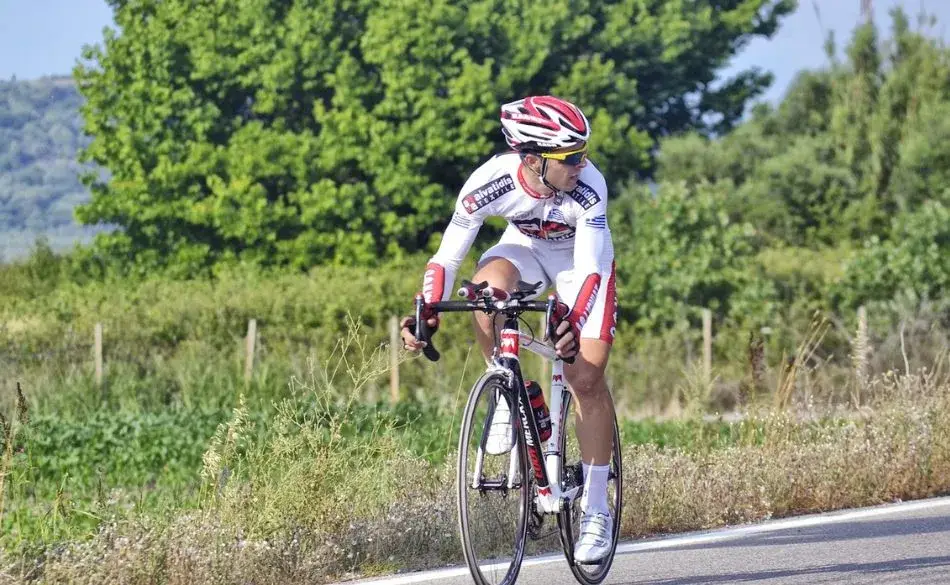
Cycling may appear to be driven almost entirely by the legs, but the quality of your riding depends heavily on what happens through your trunk. Every pedal stroke creates force that has to travel through the hips and torso before it reaches the handlebars and saddle. When the core is stable, that force moves cleanly. When it is not, some of that effort is lost through unnecessary movement.
On the bike, the core acts more like a brace than a prime mover. Its primary role is to hold the pelvis steady, control spinal position, and allow the legs to push against a stable base. As rides get longer or intensity rises, this role becomes more important. During sustained efforts, even small losses in stability tend to accumulate. Riders often notice this as early fatigue, increased hip rocking, or tension building in the lower back and shoulders.
Stability also influences how comfortably you can hold position over time. Many cyclists can produce reasonable power for short periods, yet struggle to maintain posture as fatigue sets in. As the core tires, the upper body often begins to collapse, weight shifts excessively into the hands, and breathing can feel more restricted. Importantly, this does not mean the legs are weak. More often, it reflects a lack of endurance in the muscles responsible for keeping the body organised.
From a performance perspective, these effects are most noticeable during steady riding rather than short bursts. Long climbs, time trial efforts, and endurance rides place continuous demands on postural control. Cyclists with better core stability tend to hold form longer, waste less energy correcting movement, and arrive at the later stages of a ride feeling more composed.
Finally, core stability plays a role in how well you tolerate training volume. When the trunk provides consistent support, stress is spread more evenly across the body. This often reduces the low-level aches that quietly limit how frequently someone can ride. Over weeks and months, that ability to train consistently becomes more important than any single hard session.
For cyclists, then, core and stability work is less about building strength for its own sake and more about supporting the demands of riding. When the core does its job quietly in the background, the legs are free to do theirs with less wasted effort and better control.

How Core Fatigue Shows Up During Real Rides
Core fatigue in cycling rarely announces itself clearly. Instead, it tends to show up through small changes in how you ride that become more noticeable as time and distance accumulate. Early on, these shifts can feel subtle. As fatigue builds, however, they begin to influence comfort, efficiency, and overall control on the bike.
One of the first signs is a gradual loss of posture. As the muscles responsible for stabilising the trunk tire, the upper body often sinks forward or collapses slightly. This, in turn, shifts more weight into the hands and shoulders. Riders may notice numbness in the fingers, tightness in the neck, or a sense that they are “hanging” on the handlebars rather than sitting balanced over the bike. Importantly, these sensations are not usually caused by bike fit alone, but by a reduced ability to hold position as the ride progresses.
Alongside this, increased movement through the hips often appears. When core endurance drops, controlling the pelvis becomes harder, particularly under sustained load. This may show up as subtle side-to-side rocking or uneven pressure through the saddle. Over time, that extra movement increases energy cost and can contribute to localised discomfort in the lower back or hips. In most cases, this reflects fatigue rather than anything structurally wrong.
Breathing patterns can also be affected. As postural control declines, the rib cage may become less free to expand. Riders sometimes feel short of breath earlier than expected, even when effort has not increased. This sensation is not a limitation of the lungs, but a consequence of altered posture and increased muscle tension around the trunk.
Core fatigue can also influence how power is applied. As stability decreases, maintaining smooth force through the pedals becomes more difficult, particularly during longer efforts. Cadence may fluctuate slightly, or pedalling can feel less coordinated. While these changes are subtle, they add up over time.
From a coaching perspective, recognising these signs matters. They usually point not to a lack of leg fitness, but to a limit in postural endurance. Addressing this through targeted core and stability work helps riders maintain form deeper into rides, improving comfort and efficiency without increasing overall training load.

Designing Core and Stability Workouts That Actually Transfer to Cycling
Once the role of the core is clear, the next step is understanding how to train it in a way that genuinely carries over to riding. Many cyclists fall into the habit of treating core work as a separate fitness task, disconnected from how they move on the bike. In practice, core and stability workouts are most effective when they reflect the demands of cycling rather than generic gym routines.
For cyclists, transfer comes from exercises that emphasise control, endurance, and position rather than maximal strength. On the bike, the trunk stays relatively still while the legs move rhythmically underneath. Core training that mirrors this pattern challenges you to maintain posture while resisting movement. As a result, exercises built around slow, controlled effort over longer durations tend to align better with riding demands than short, explosive movements.
Breathing also deserves attention. Core stability and breathing are closely linked, particularly in endurance sports like cycling. When exercises encourage breath holding or excessive bracing, they often reinforce habits that do not translate well to the bike. In contrast, effective core workouts allow you to breathe steadily while maintaining control. This reinforces the ability to stay relaxed under load, which becomes increasingly important during longer rides.
Frequency matters just as much as exercise choice. Core and stability work does not need to be long or exhausting to be effective. In fact, shorter sessions performed regularly tend to produce better results than occasional, high-effort workouts. This approach reduces interference with riding and lowers the risk of lingering fatigue that can carry over into key sessions on the bike.
From a coaching perspective, progression is best guided by quality and duration rather than complexity. Being able to hold a simple position with good control for longer is often more valuable than performing many different movements poorly. Over time, these improvements in control and endurance make it easier to maintain posture on the bike, particularly late in rides.
Ultimately, core and stability workouts should support cycling rather than compete with it. When exercises reinforce the ability to stay organised, breathe comfortably, and resist fatigue, they integrate smoothly into a cycling routine. That integration is what allows core training to enhance riding rather than becoming another source of stress.


Comparing Common Core and Stability Exercises for Cyclists
Not all core exercises place the same demands on the body, and as a result, not all of them transfer equally well to cycling. Some movements emphasise dynamic strength through larger ranges of motion, while others focus on resisting movement and maintaining posture. For cyclists, understanding these differences helps prioritise exercises that support riding rather than simply adding extra workload.
In broad terms, exercises that ask you to hold position under steady tension tend to align more closely with cycling demands. On the bike, the trunk is required to remain stable while the legs move continuously. Exercises that mirror this relationship reinforce the same patterns of control and endurance. By contrast, movements that involve repeated flexion, rotation, or faster changes in position can build general strength, but they often have less direct carryover to riding posture.
This does not mean dynamic core exercises are without value. They can still play a role in general conditioning or during earlier stages of training. However, when time is limited, cyclists often benefit more from exercises that improve their ability to stay organised under load. With that in mind, the table below compares common core and stability exercises based on how closely they reflect cycling demands and how they are typically best used.
👉 Swipe to view full table
| Category | Plank Variations | Dead Bug & Bird Dog | Sit-Ups & Crunches | Rotational Cable Exercises |
|---|---|---|---|---|
| Main Focus | Postural endurance and whole-trunk stability | Coordination and low-level control | Dynamic trunk flexion strength | Controlled rotation under load |
| Movement Pattern | Minimal movement, sustained holds | Resisting movement while limbs move | Repeated bending and shortening | Active rotation through range |
| Similarity to Cycling | High — mirrors steady trunk support | High — reflects quiet torso with moving limbs | Low — limited relevance to riding posture | Moderate — useful in controlled doses |
| Fatigue Profile | Gradual, endurance-based | Low fatigue, technique-driven | Local muscle fatigue | Variable depending on load |
| Best Use for Cyclists | Building postural endurance for long rides | Reinforcing control and coordination | General conditioning only | Supplementary stability work |
Looking across these comparisons, a clear pattern emerges. Exercises that emphasise holding position and resisting movement tend to transfer most directly to the bike. They reinforce the same quiet control required during long or steady rides. More dynamic movements can still have a place, but they generally work best as secondary tools rather than the foundation of a cyclist’s core routine.
In practice, effective core and stability workouts for cyclists usually rely on a small number of well-chosen exercises performed consistently. When the focus stays on control, endurance, and quality of movement, these exercises support riding posture without adding unnecessary fatigue.


Core and Stability Workouts for Cyclists
Once the purpose of core and stability work is clear, the next step is knowing what to do in practice. The routines below are designed to be simple, repeatable, and easy to fit around riding. They focus on control, endurance, and posture rather than fatigue or complexity, which makes them suitable for most cyclists.
Many of these exercises place a steady demand on the obliques, particularly the external obliques, which help resist unwanted rotation and keep the trunk organised while the legs are working. This role is especially important in cycling, where stability matters more than visible movement. If you want to understand this in more detail, our guide to obliquus externus exercises for core stability breaks down how this muscle group contributes to control on the bike.
Workout A: Short Post-Ride Stability (8–10 minutes)
This routine works well after an easy ride or on days when time is limited.
- Front plank: 3 × 20–30 seconds
- Side plank (each side): 2 × 15–25 seconds
- Bird dog (slow and controlled): 2 × 6–8 reps per side
- Rest 30–45 seconds between exercises
The aim is to hold positions with steady breathing and minimal tension. Finish feeling worked, not exhausted.
Workout B: Core Endurance and Control (15–20 minutes)
This session fits well on rest days or after shorter rides.
- Dead bug: 3 × 6–8 reps per side
- Front plank with shoulder taps: 3 × 20–30 seconds
- Side plank with leg lift: 2 × 15–20 seconds per side
- Pallof press (if available): 2 × 8–10 reps per side
- Rest 45–60 seconds between sets
Focus on slow movement and maintaining posture throughout. If form breaks down, reduce duration or reps.
Workout C: Maintenance Option for Heavy Training Weeks (8–12 minutes)
Use this routine during periods of high riding load or close to events.
- Front plank: 2 × 20–30 seconds
- Bird dog hold: 2 × 10–15 seconds per side
- Side plank: 1–2 × 15–20 seconds per side
- Minimal rest, move steadily between exercises
Progress these routines by extending hold times slightly or improving control, not by adding large volumes. When the core feels stable on the bike and sessions remain repeatable, the work is doing its job.
Core and stability exercises are most effective when they support your riding rather than compete with it. Without guidance, it’s easy to either do too much or drop the work entirely when training time feels tight.
Our Getting Started guide explains how we help cyclists structure training so on-bike sessions, strength work, and recovery fit together in a way that’s realistic and sustainable.
Get Started with SportCoaching

How Often Cyclists Should Do Core and Stability Work
Once exercises are chosen, the next question is how often core and stability workouts should be included. For most cyclists, the answer is less about frequency in isolation and more about how the work fits alongside riding. Core training should support cycling, not compete with it or add unnecessary fatigue.
In practical terms, two to three short sessions per week is enough for most riders. These sessions do not need to be long. In fact, ten to twenty minutes of focused work is usually sufficient when exercises are well chosen and performed with control. The aim is not to exhaust the muscles, but to provide a consistent stimulus that builds endurance and coordination over time. This balance is particularly important for newer cyclists who are still adapting to regular riding. If you are just starting to combine gym work with cycling, our guide to cycling and weight training for beginners explains how to introduce off-bike work without undermining consistency on the bike.
Where these sessions sit in the week also matters. Many cyclists find it easiest to attach core work to easier ride days or rest days. Alternatively, doing stability work after a hard ride can work, provided the intensity stays moderate. What tends to be less effective is placing demanding core sessions immediately before key rides. When the trunk is heavily fatigued, comfort and control on the bike can suffer, particularly during longer or higher-intensity efforts.
Progression should remain gradual and subtle. Unlike leg strength training, where increases in load are obvious, core progression often comes from improvements in quality. Holding positions for slightly longer, maintaining steadier breathing, or reducing unnecessary tension are all meaningful signs of progress. Adding complexity too quickly often reduces effectiveness rather than enhancing it.
It is also important to adjust expectations across the training year. During heavy riding blocks or race periods, core work may need to be simplified or reduced. In these phases, a single maintenance session per week is often enough to preserve gains without adding stress. During quieter periods, slightly more emphasis can be placed on building endurance and control.

Common Mistakes Cyclists Make With Core Training
Despite good intentions, many cyclists struggle to get meaningful benefit from core and stability work. In most cases, the issue is not a lack of effort, but a mismatch between how the training is done and what cycling actually requires.
One common mistake is treating core workouts as a test rather than a tool. Long, exhausting circuits or high-repetition challenges can feel productive in the moment, but they often create fatigue without improving control. When core sessions regularly leave you sore or drained, they are more likely to interfere with riding than support it. For cyclists, the aim is not to push the core to failure, but to build steady endurance and coordination that can be repeated week after week.
Timing is another area where problems tend to arise. Core work placed randomly, or squeezed in without regard for ride quality, can subtly reduce comfort on the bike. Riders sometimes notice that key sessions feel flat or unstable, not because fitness is lacking, but because the trunk is already fatigued. This is particularly common when harder core sessions are scheduled before long rides or sustained efforts.
There is also a tendency to add complexity too quickly. Progressing from basic exercises to unstable surfaces or advanced variations can seem logical, but without sufficient control, these progressions often reduce movement quality. Breathing becomes compromised, tension increases, and the exercise no longer serves its intended purpose. One way to introduce progression without sacrificing control is through light resistance band work, which allows gradual increases in challenge while keeping movements organised. Our guide to resistance band training for cyclists explains how band-based exercises can support stability without unnecessary fatigue.
I have seen this with a coaching client who added daily high-intensity core circuits in an attempt to “strengthen everything at once.” Within a few weeks, their riding felt less controlled rather than more stable. By reducing core work to two short, focused sessions and prioritising breathing and posture, their comfort on longer rides improved without changing ride volume.
Integrating Core and Stability Work Into a Real Cycling Routine
Even when cyclists understand what to do, the biggest challenge is often making core and stability work fit into everyday training. In reality, life rarely allows for perfectly structured weeks, and core work is often the first thing dropped when time feels tight. Because of this, integration matters more than ideal planning.
One practical approach is to treat core work as an extension of riding rather than a separate session. Short routines added after easy rides, or on rest days, tend to stick better than standalone gym sessions that require extra motivation. When core training feels like a natural part of the routine rather than an additional task, it becomes easier to maintain over time. It is this consistency, more than intensity, that allows the benefits to carry over to the bike.
It also helps to match expectations to the purpose of the work. Core and stability training is not meant to dominate your week or feel like a central workout. Instead, it should feel supportive and almost background in nature. When sessions are short and focused, they rarely disrupt recovery or interfere with key rides. For cyclists who include gym work, this usually means treating stability as a foundation that supports broader strength development rather than a replacement for it. Our guide to strength training exercises for cyclists explains how these elements can work together without competing for recovery.
It is also worth adjusting core work as overall training load changes. During busy periods, maintaining one short session per week can be enough to preserve gains. When riding volume drops, core work can take on a slightly larger role without increasing overall stress. This flexibility allows core training to adapt to your cycling rather than dictating it.
From a coaching perspective, the most effective routines are the ones that survive real life. Core and stability work does not need to be perfect to be useful. When it fits comfortably alongside riding and recovery, it quietly supports better posture, control, and comfort on the bike. Over time, that steady support is what makes the work worthwhile.


Bringing Core and Stability Work Back to the Bike
Core and stability workouts matter for cyclists not because they add something new to riding, but because they support what is already there. When the trunk can stay organised under load, breathing feels easier, posture holds together for longer, and fatigue accumulates more slowly across a ride. These changes are subtle, but over time they influence comfort, consistency, and overall ride quality.
What makes core work effective is not intensity or complexity, but how well it fits into the broader training picture. Exercises that emphasise control, endurance, and quiet stability tend to transfer best to cycling. When sessions are short, repeatable, and placed thoughtfully within the week, they support riding rather than compete with it.
Just as importantly, core training does not need to dominate your attention. Its value comes from steady application alongside riding, recovery, and realistic scheduling. When expectations are aligned and the work remains manageable, it becomes easier to maintain over months rather than weeks.
From a coaching perspective, the goal is not to build a stronger core in isolation, but to support better movement on the bike. When core and stability work quietly reinforces posture and control, it has done exactly what it is meant to do.