Why Cyclists Benefit From Using a Pace Calculator
A cycling pace calculator is one of the easiest tools you can use to improve your riding, yet many cyclists overlook how powerful it can be. You might think it’s just a simple way to check how fast you’re going, but it actually helps you understand the full picture of your performance. By pairing it with an average cycling speed calculator, you start to see trends in your riding that don’t show up during a normal workout.
When you know your pace, you can predict how long certain routes will take, set realistic goals, and manage your effort more effectively. It’s especially useful on longer rides where small pacing mistakes can add up. Have you ever finished a ride feeling like you pushed too hard early on? That’s exactly where pace tracking shines. It shows you how to spread your effort so you finish strong instead of fading.
A pacing tool also reduces guesswork. Many riders rely on feel alone, but feel changes from day to day. Weather, sleep, and stress all affect how fast you think you’re riding. Numbers give you something solid. They give you confidence. And honestly, confidence on the bike can change everything.
One of my coaching clients, Marcus, used to start every ride far too fast. Once he began using a simple cycling pace per km calculator, he noticed how inconsistent his pace really was. Within three weeks, he learned to hold a steady rhythm, and his overall ride times improved without any extra effort. Small adjustments like that can make a huge difference.
Have you ever wondered whether your pace is holding you back, or if you’re actually improving each month? A pacing tool helps answer that. It makes training clearer, smarter, and far more enjoyable.
Cycling Pacing Calculator


How a Cycling Pace Calculator Actually Works
After you understand why pacing matters, the next step is knowing how a cycling pace calculator turns your ride data into something useful. The idea is simple. It takes the numbers you already have (your distance and your time) and shows you the pace behind them. This makes your training feel much more predictable instead of relying on guesswork from ride to ride.
Most riders don’t realise how often they estimate their speed based on feel alone. But feel changes every day. That’s why using an average cycling speed calculator gives you a clearer starting point. It takes the data from your ride and translates it into something you can actually use to plan your next session.
Here’s what most pacing tools let you enter:
- Your total distance in kilometres or miles
- Your total ride time in hours, minutes, and seconds
- The unit you prefer, such as km/h, mph, or min per km
Once those numbers are in place, the calculator shows you your pace, your speed, or your estimated finish time. If you need to switch units because your bike computer and training plan don’t match, a cycling pace converter mph to kmh keeps everything aligned. This prevents you from riding too fast or too slow just because of a unit mix-up.
Some tools also work as a cycling time calculator for distance. This is useful when you’re planning a new route and want to know how long it will take at a certain pace. Instead of wondering whether you’ll make it back before dark, you can check the numbers and ride with confidence.
Have you ever started a ride hoping the timing would work out, only to realise halfway through that you misjudged it? When you understand how these calculators work, situations like that become rare and less stressful
Many cyclists try to manage their pacing on their own but still feel unsure about how hard to ride, how fast they should progress, or how to stay consistent from week to week. With the right structure and a clear plan, you can build smoother pacing habits, stronger endurance, and far more predictable ride outcomes. If you want support that adapts to your ability, goals, and lifestyle, our Cycling Coaching program provides personalised guidance so you can ride with clarity instead of guesswork.
Ideal for cyclists who want expert feedback, structured weekly sessions, and reassurance that every ride is helping them progress.
Start Your Cycling Coaching

When You Should Use a Cycling Pace Calculator in Your Training
Now that you understand how a cycling pace calculator works, the next step is knowing when to use it. Many riders only check their pace after a ride, but the real value comes when you use it before and during your training week. The more intentional you are with pacing, the more progress you see over time. And honestly, it feels good when your numbers finally match the effort you’re putting in.
One of the best times to use it is when you’re planning longer routes. Pacing mistakes show up more clearly on long rides, so knowing your estimated speed helps you avoid burning too much energy early on. It also helps you stay realistic about start times, daylight, and nutrition needs.
You might also find a cycling time calculator for distance helpful when you’re building weekly training structure. Planning sessions becomes much easier when you know how long different rides will take based on your current pace.
Here are some key moments when using a pace calculator can make a big difference:
- Before a long endurance ride: Helps you plan pacing so you don’t fade late in the session.
- When training for an event: Gives you realistic speed targets based on your current fitness.
- During structured intervals: Keeps your pacing steady so you hit the right effort each time.
- After a recovery week: Helps you check whether your pace is improving or staying consistent.
- When adjusting for terrain: Allows you to estimate changes in pace on climbs vs flats.
Have you ever jumped into a ride without a clear pacing idea and ended up regretting it halfway through? Using these tools ahead of time fixes that problem. You start the ride with a clear plan, and that plan makes each session feel more controlled and rewarding. For riders who want a better sense of how their own speed compares to others, this guide on typical cycling speeds offers a helpful reference that fits perfectly with pace-based training.
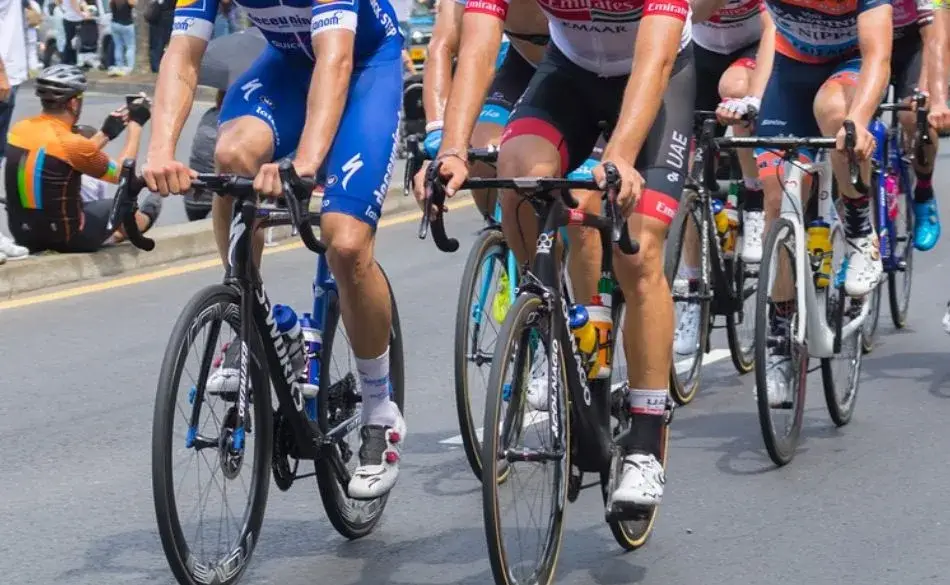

A Simple Pace Table to Help You Plan Your Rides Better
Sometimes the easiest way to understand your pace is to see it laid out in a clear table. A lot of cyclists prefer a visual guide because it helps you compare speeds, paces, and estimated times without doing any calculations yourself. This becomes even more useful when you’re switching between different units like km/h and mph, especially if you’re using a cycling pace converter mph to kmh to match your training plan or bike computer.
A table also helps you notice the small changes that affect your riding. For example, increasing your speed by just 1 km/h can noticeably reduce your total ride time on longer routes. It’s one of the reasons riders use tools like a cycling time calculator for distance when preparing for big rides. Seeing these numbers in a simple layout can make your planning feel a lot more accurate and less stressful.
Below is a detailed pace comparison table designed to help you understand how speed and time connect. It’s especially useful when you’re trying to match your training goals with realistic pacing expectations. Have you ever wondered how much faster your ride could be with a small pace improvement? This table gives you a clear starting point.
👉 Swipe to view full table
| Speed (km/h) | Pace (min/km) | Time for 20 km | Time for 40 km | Time for 60 km |
|---|---|---|---|---|
| 18 km/h | 3:20 | 1h 06m | 2h 13m | 3h 20m |
| 22 km/h | 2:44 | 54m | 1h 49m | 2h 43m |
| 25 km/h | 2:24 | 48m | 1h 36m | 2h 24m |
| 28 km/h | 2:08 | 42m | 1h 26m | 2h 08m |
| 30 km/h | 2:00 | 40m | 1h 20m | 2h 00m |
Feel free to use this table when planning your rides. It gives you a quick way to compare how small pacing changes add up, especially if you’re tracking progress. Once you start matching your training goals to real pacing data, everything becomes smoother, more consistent, and far more rewarding.
It’s one thing to track pace and understand your ride data — but planning a training schedule that fits your lifestyle and growth is another challenge. A structured plan helps you build endurance, manage training load, and avoid burnout or inconsistency. If you’d like a training plan tailored to your experience and goals, check out our Cycling Training Plans — designed to help riders of all levels train smarter, stay motivated, and see real improvements.
Perfect for cyclists who want clear structure, progressive training phases, and support that grows with their riding.
View Our Training Plans
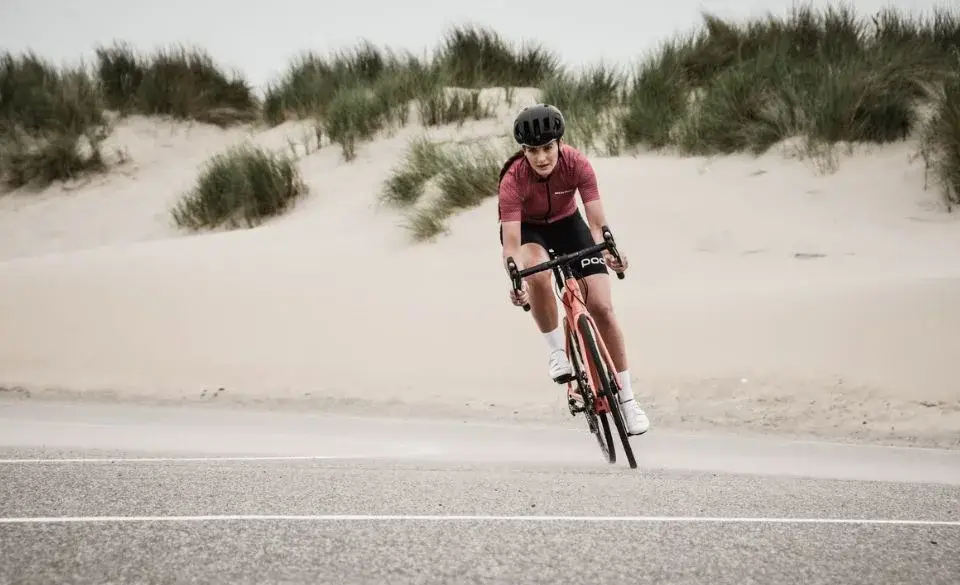
How to Adjust Your Pacing for Different Types of Rides
Once you’ve started using a cycling pace calculator regularly, you’ll notice something interesting. Your ideal pace changes depending on the type of ride you’re doing. A long endurance session, a short recovery ride, and a challenging hill workout all require different pacing choices. This is where the numbers you’ve been tracking start to become extremely valuable. Instead of just riding by feel, you can shape each ride around a pace that actually supports your goals.
For steady endurance ride find a comfortable pace they can maintain for hours. This is usually a speed that feels smooth, controlled, and sustainable. If you’re riding too hard, you’ll notice your pace drifting upward early in the session, and that’s usually a sign that fatigue is coming sooner than you’d like. Having a consistent pace helps you avoid that late-ride fade most cyclists know too well.
Shorter rides work differently. On recovery days, pacing works differently. These sessions are meant to feel light and gentle, almost like a reset for your legs. But lots of cyclists ride faster than they think during recovery. That’s why even a simple check with an average cycling speed calculator can help you stay honest about keeping things easy. If you want to test where you’re really at before making comparisons, a quick 12-minute cycle test offers a simple way to gauge your current cycling fitness.
Then there are hilly routes, where pace naturally shifts depending on the grade. Climbing tends to slow your pace, while descending increases your speed. The key is not to force a certain number on the hills. Instead, use the pace calculator to compare your climbing pace over time. Are you getting faster on similar grades? Are your efforts more controlled? These indicators matter more than hitting a specific pace on every slope.
Understanding how to adjust your pace for each type of ride makes your training feel more personalised. It adds structure without making things complicated, and it helps you stay connected to your goals each time you head out.


Common Mistakes Cyclists Make When Tracking Pace
Even when you’re using a cycling pace calculator regularly, it’s still easy to fall into habits that make your pacing less accurate or less useful. Many cyclists don’t even realise they’re making these mistakes until their training feels harder than it should. The good news is that most pacing problems have simple solutions once you know what to look for.
One of the biggest mistakes is relying only on short sections of a ride to judge your pace. It’s natural to check how you’re moving on a climb or a fast flat stretch, but single moments rarely show the full picture. What matters most is your overall rhythm from start to finish. If you only focus on small pieces, you might think you’re improving when the ride actually tells a very different story.
Another common issue appears when riders skip warm-ups. Starting cold makes your early pace slower and your perceived effort higher. When you look back at your data later, your numbers might seem inconsistent even if the middle part of your ride was smooth. A proper warm-up gives your pacing a stable starting point, which helps your data make more sense.
Here are a few pacing mistakes cyclists run into often:
- Comparing rides with completely different conditions: Wind, temperature, and road surface can change your pace more than you think.
- Holding the same pace on every terrain: Hills require flexibility, not strict pace targets.
- Ignoring how you feel: Numbers matter, but fatigue, stress, or poor sleep can slow any rider down.
- Misjudging recovery rides: Many cyclists ride too fast on easy days without meaning to. If you want a more precise way to monitor effort instead of relying only on pace, a power-zone calculator can help you track and regulate your intensity more accurately.
- Checking pace too often mid-ride: This creates stress and prevents you from settling into a rhythm.
Have you ever finished a ride feeling confused about why the numbers didn’t match your effort? These mistakes are almost always the reason. Once you avoid them, your pacing becomes clearer, more reliable, and much easier to build progress around.


How Pace Awareness Helps You Build Long-Term Progress
As you spend more time using a cycling pace calculator, something interesting begins to happen. You start to notice patterns in your riding that you would have completely missed before. These small patterns are what allow you to build progress that lasts, rather than improvements that fade after a few weeks. When you understand your pace, you understand your training, and that makes everything feel more controlled and less random.
One of the first benefits riders notice is greater consistency. When you check your pace over similar routes or similar ride durations, your training becomes easier to compare. You stop guessing whether you’re improving and start seeing it clearly. Even small changes (like holding a steadier effort on rolling terrain) show up in your data. That kind of feedback can be motivating, especially on days when your legs feel heavy.
Pacing awareness also helps you stay patient during slower phases of training. Every cyclist has days where the numbers don’t look as strong. Instead of getting discouraged, you can look back at previous weeks and see the bigger picture. This makes your training feel more stable, especially when you’re preparing for long events or trying to build endurance steadily over time.
You might even find that your confidence changes. Knowing your pace helps you make decisions with less hesitation (like when to push harder on a climb or when to settle into a comfortable rhythm). One of my coaching clients once told me that learning his average pace was the first time he felt “in control” of his cycling instead of guessing his way through each session. That feeling alone can make every ride more enjoyable.
Tracking pace and planning training are key — but when you’re building up for long-distance events or Ironman-level cycling, you need a plan that grows with your goals. Our Ironman Cycling Training Plan is tailored for riders who want to build endurance, pacing strategy, and consistency over weeks and months. It pairs well with pace tracking tools to help you ride stronger, smarter, and with confidence.
Ideal for cyclists chasing big-distance goals or looking to peak for a major event — with structured progress, clear guidance, and pacing support built in.
Check the Ironman Plan