Can Adults Get Taller by Cycling? The Surprising Truth
Once you’ve finished growing, your growth plates close, usually around age 18–21. At this point, no exercise, including cycling, can add bone length. So, can adults get taller by cycling? The straightforward answer is no. But here’s the twist, cycling can still help you look taller and carry yourself with more confidence.
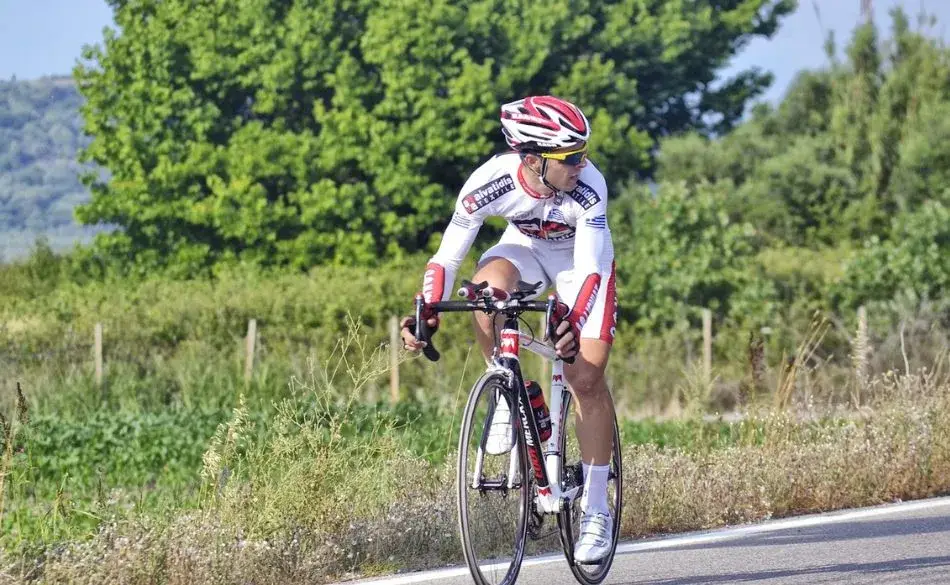
Cycling strengthens the muscles that support your spine and hips. When those muscles are engaged, your body naturally sits straighter, reducing slouching and rounding in the shoulders. Over time, this better posture gives the impression of added height, even if your bones haven’t changed.
Another factor is spinal decompression. Hours spent sitting at desks or standing with poor posture compress the spine, making you look shorter. Cycling, when done with proper form, gently stretches the spine and can offset some of that compression.
Here are a few posture-related benefits of cycling for adults:
- Spinal alignment: Encourages better balance between your core and back muscles.
- Hip flexibility: Reduces stiffness that often pulls posture downward.
- Core strength: Builds stability, making it easier to maintain an upright stance.
- Confidence boost: Looking taller is often about how you carry yourself.
While cycling won’t reopen growth plates, these changes can make a noticeable difference in how tall you appear. Think of it as the difference between someone standing tall with shoulders back versus someone slouching. Same height on paper, but very different impressions.
So, adults shouldn’t expect cycling to physically add inches. But if you want to maximize your natural frame, improve spinal health, and project more height through posture, regular cycling is one of the simplest and most enjoyable ways to do it.


Can Cycling Help Teenagers Grow Taller?
One of the most common questions is whether cycling can help teenagers increase their height. During adolescence, growth plates in the long bones are still open. This is the stage where height changes occur most dramatically, and lifestyle choices can have an influence. But can cycling really push those numbers higher on the measuring scale?
The simple truth is that cycling can’t override genetics. However, it may support natural growth by improving bone health and posture. The repetitive motion of pedaling strengthens leg muscles, encourages better spinal alignment, and promotes circulation, all of which support the body’s overall development. These factors don’t directly make bones longer, but they help teenagers reach their maximum genetic potential.
Studies suggest that weight-bearing activities like running and jumping have the strongest effect on bone density and growth. Cycling, while excellent for fitness, is not as impactful on bone loading because it’s lower impact. Still, the benefits shouldn’t be overlooked. When paired with proper nutrition and adequate sleep, cycling can play a positive role in an adolescent’s development.
Parents often wonder if activities like cycling can “stretch” a child’s body. While cycling doesn’t literally elongate bones, it does reduce postural compression and keeps the spine aligned. This is why many people talk about cycling and bone growth during adolescence as being linked, even though the effect is indirect.
So, for teenagers, cycling can be part of a growth-supportive lifestyle. It won’t guarantee extra inches, but it will help ensure the body grows strong, balanced, and upright. Combined with healthy eating and regular exercise variety, cycling is an excellent choice for teens aiming to look and feel their best as they grow.


How Daily Cycling Improves Posture and Makes You Look Taller
Even if cycling doesn’t physically add inches, the way you ride can shape how tall you appear. Daily cycling develops muscle balance, strengthens your core, and improves spinal health. These factors don’t change your skeleton, but they dramatically change how you carry yourself.
Many adults and teenagers spend hours sitting. Whether thats sitting at a desk, in a car, or hunched over phones. This lifestyle compresses the spine and pulls the shoulders forward, creating a shorter, rounded look. Cycling, when done consistently, helps counteract these patterns by encouraging upright posture and flexibility.
Here are some of the key effects of daily cycling on posture and height appearance:
- Spinal stretch: Pedaling with proper form lengthens the back and relieves pressure on the discs.
- Core stability: A strong midsection helps you maintain an upright position off the bike.
- Shoulder balance: Cycling strengthens the upper back, reducing forward slouch.
- Hip mobility: Smooth, repetitive pedaling improves hip flexibility, preventing stiffness that shortens stride and stance.
- Height illusion: Standing taller through better posture makes you look taller, even without added bone growth.
Think of posture like presentation. A person with slumped shoulders may appear smaller than someone of the same height who stands upright with confidence. Cycling encourages the second version – strong, aligned, and taller-looking. It’s not magic; it’s the cumulative effect of small daily habits adding up to visible results.
If your goal is to maximize height appearance, combining daily cycling with stretching, strength training, and mindful posture exercises provides the best results. Over time, these habits reshape how you stand, walk, and carry yourself, creating the impression of added height even if the measuring tape doesn’t change.
Holding steady power in a time trial doesn’t just improve performance—it reinforces your core stability, posture, and breathing control. These elements all influence how tall and strong you feel on the bike. Our Cycling Time Trial Training Plan is designed to sharpen your sustained strength and pacing indoors while carrying those benefits to outdoor efforts.
- Posture-focused training: Sessions that strengthen your back and core for better alignment.
- TT-specific intervals: Structured workouts that develop threshold and over-under power.
- Indoor & outdoor ready: Perfect for smart trainer work or real-world time trials.
- Progressive structure: Gradual build-up in duration and intensity for lasting improvements.
Improve posture, build steady power, and ride with the confidence of a stronger, taller stance.
View Time Trial Plan →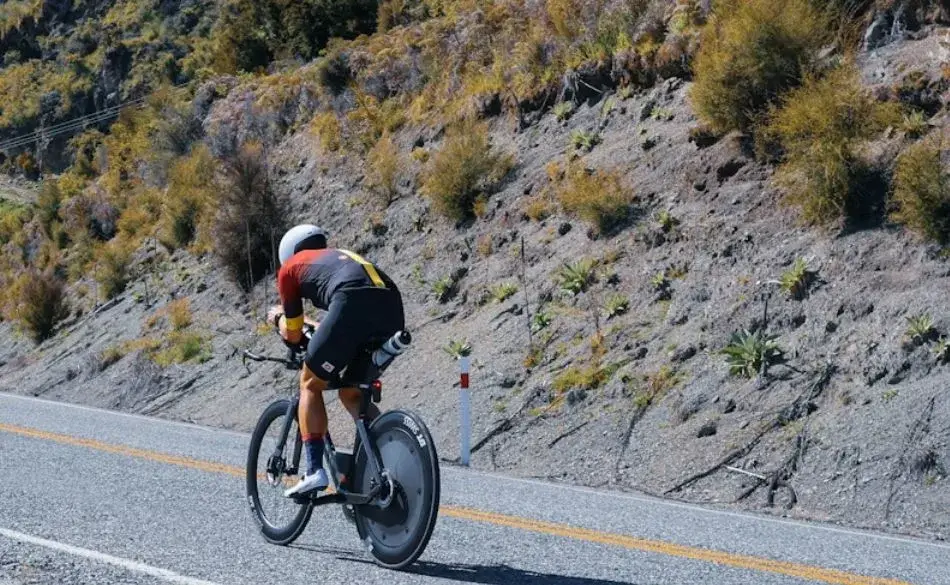

Cycling, Bone Health, and Growth Support
When people ask, “does cycling increase bone health and growth?”, the answer depends on how you define growth. Cycling doesn’t lengthen bones once growth plates are closed, but it does contribute to long-term skeletal strength and resilience. That matters because strong bones support better posture and movement, which directly influence how tall you appear.
Cycling is classified as a low-impact exercise, meaning it’s easier on the joints compared to running or jumping. While this is excellent for avoiding injuries, it also means that cycling alone doesn’t load the bones heavily enough to trigger density gains. However, it still plays an indirect role in growth support by improving muscle balance and blood flow to the skeletal system.
The key to maximizing bone benefits from cycling is to combine it with weight-bearing activities. For example, pairing your cycling routine with bodyweight strength training, resistance exercises, or even light jogging can help increase bone density. This combination ensures the skeletal system gets both protection and stimulation.
Another often overlooked factor is nutrition. Without adequate calcium, vitamin D, and protein, bones cannot grow or remain strong. Cycling encourages higher energy use, which naturally makes you pay more attention to diet. When that diet is rich in bone-supporting nutrients, cycling indirectly contributes to healthier development during adolescence and stronger skeletal health in adulthood.
Think of cycling as a supportive partner in the growth process. It keeps your body aligned, active, and energized, while other elements (genetics, nutrition, and weight-bearing exercise) play the direct role in bone growth. Together, these elements create the foundation for a healthier, stronger, and taller-looking body over time.
Wondering how cycling affects your lumbar health? Dive into our expert guide on is cycling good for lower back pain to learn how posture, bike fit, and movement habits can help you ride comfortably and pain-free.

Cycling vs Other Exercises: Which Supports Height Better?
It’s important to compare cycling with other forms of exercise when discussing height and growth. While cycling is excellent for fitness, posture, and appearance, not all activities affect the body in the same way. Some directly load the bones, while others, like cycling, focus more on muscle endurance and cardiovascular health.
Below is a simple comparison table showing how cycling stacks up against other common activities when it comes to posture, bone health, and growth support:
👉 Swipe to view full table
| Exercise | Impact on Bone Growth | Posture Benefits | Height Appearance |
|---|---|---|---|
| Cycling | Low – not weight-bearing, but supports circulation | High – strengthens spine and core | Moderate – improves spinal stretch and upright stance |
| Running | High – weight-bearing, improves bone density | Moderate – core engagement, but high impact on joints | Moderate – upright posture, but stress on knees/back |
| Swimming | Low – buoyancy reduces bone loading | High – promotes flexibility and spinal extension | High – stretches muscles, creates lengthened appearance |
| Strength Training | Very High – builds density and bone strength | High – reinforces upright body mechanics | High – enhances physique and posture confidence |
This table shows why cycling is a valuable part of the mix. It may not deliver the same bone-strengthening effect as running or strength training, but it shines when it comes to posture and spinal health. When combined with other exercises, cycling creates a well-rounded foundation that supports both growth potential in teens and height appearance in adults.
Want to understand more about how cycling shapes your muscles? Discover the full impact in our detailed guide on what cycling does to your legs. It’s a great resource to learn how pedaling changes strength, endurance, and appearance over time.
Strong climbing fitness doesn’t just make hills easier—it also reinforces your core, posture, and body alignment, all of which influence how tall and confident you look on and off the bike. Our Cycling Climbing Training Plan gives you structured intervals designed to build lasting uphill strength and endurance.
- Posture-enhancing efforts: Core-driven workouts that help you ride taller and stronger.
- Climb-specific intervals: Targeted sessions to boost sustained uphill power.
- Indoor & outdoor ready: Train on a smart trainer or take it to the road.
- Progressive overload: Structured blocks that steadily improve strength and confidence.
Build climbing power, improve posture, and maximize the benefits of cycling with a plan designed for real results.
View Climbing Plan →
Cycling and Height: Myths vs Facts
There’s a lot of confusion about cycling and height. Some claims sound convincing, but they don’t match how the body grows. Let’s clear it up with simple, science-based facts.
Myth: “Cycling makes you taller by stretching your legs.”
Fact: Bones lengthen only while growth plates are open during adolescence. After that, no exercise adds bone length. So, does exercise like cycling make you taller? Not once you’re fully grown.
Myth: “Adults can gain height through intense cycling.”
Fact: Can adults get taller by cycling? No. But cycling can improve posture and reduce spinal compression. Better alignment creates a taller look, not taller bones.
Myth: “Cycling alone builds strong bones for growth.”
Fact: Cycling is low impact. It supports fitness and circulation, but it’s not heavy bone loading. For stronger bones, add weight-bearing work like strength training or light running.
Myth: “Teenagers who cycle will grow taller than their genes allow.”
Fact: Genetics set your ceiling. Still, cycling and bone growth during adolescence can be linked indirectly. Good sleep, protein, calcium, vitamin D, and varied training help teens reach their maximum genetic potential.
Myth: “Daily cycling is enough to fix posture.”
Fact: The effects of daily cycling on posture improvement can be great, but you need more than pedaling. Mix in mobility and core work. That’s how you get the best posture exercises for taller appearance.
Curious how bike setup can affect your posture and power? Learn all about fitting your ride right in our comprehensive guide to triathlon bike fit. It covers how the right alignment improves efficiency, comfort, and body mechanics. Benefits that support a taller, more confident ride.
So where does cycling shine? It supports an upright stance, core stability, and smooth hip motion. Think of it as a gentle tool that helps you move well. Over time, better alignment and a balanced body can change how tall you look in photos and in the mirror.
If your goal is a “taller” look, pair riding with strength training and simple mobility drills. Add a few minutes of thoracic extension and hip flexor stretches after rides. These habits help create a long, open chest and a stacked spine. Exactly what you want for that taller, confident silhouette.
In short, does cycling increase height naturally? Not in inches. But it absolutely can help you stand taller, move better, and feel stronger every day.

Maximizing Your Height Potential With Cycling
While cycling won’t change your genetic limit, it can play a valuable role in helping you look and feel taller. The key is combining riding with smart habits that support overall body alignment and growth potential. Whether you’re a teenager still developing or an adult aiming for a stronger stance, these strategies can make a difference.
Here are some ways to make the most of cycling for height appearance and body confidence:
- Ride with proper form: Keep your back straight, shoulders relaxed, and core engaged. This reduces unnecessary slouching.
- Stretch after rides: Include hip flexor, hamstring, and spinal stretches to counter tightness from sitting and pedaling.
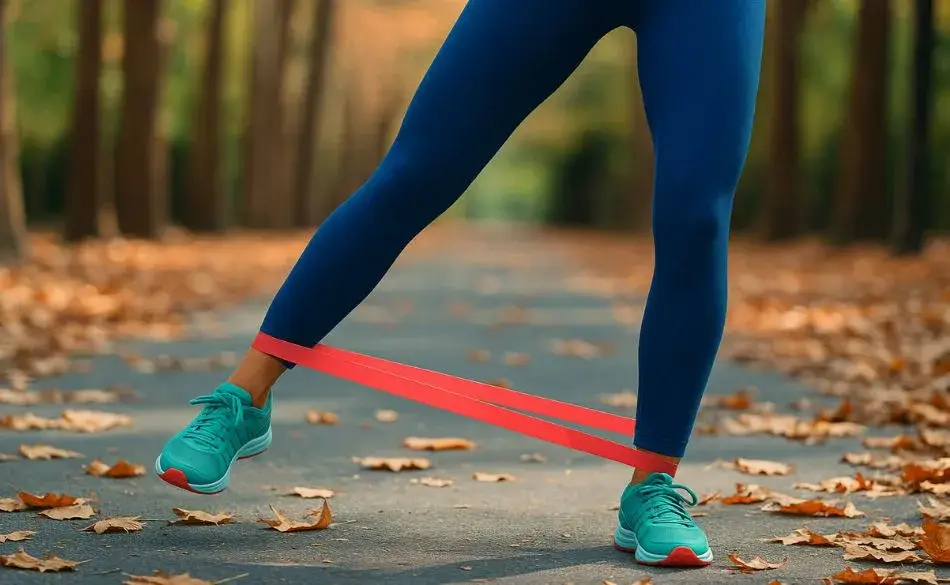
- Mix in strength training: Simple bodyweight squats, planks, and pull-ups add bone-loading stimulus that cycling alone lacks.
- Support with nutrition: Adequate protein, calcium, and vitamin D fuel bone health and posture strength.
- Focus on recovery: Growth and repair happen during sleep and rest, not just during the ride.
By combining these approaches with consistent cycling, you maximize the benefits for both posture and overall skeletal health. Teenagers, in particular, can benefit from this mix because their bones are still developing. For adults, it’s more about unlocking the height you already have by preventing spinal compression and standing taller.
Think of cycling as one piece of the puzzle. Alone, it’s great for cardiovascular health, endurance, and posture. But when paired with stretching, strength, and recovery, it becomes a tool for creating the strongest and tallest version of yourself.
The Final Verdict: Does Cycling Increase Height?
So, after exploring the myths, facts, and science, what’s the real answer? Does cycling increase height naturally? The straightforward truth is that cycling won’t add inches to your skeleton once growth plates close. Your height is largely determined by genetics. But that doesn’t mean cycling doesn’t play a meaningful role in how tall you look and feel.
Cycling supports better posture, strengthens core and back muscles, and reduces spinal compression. These factors combined can help you stand taller, appear more confident, and move with greater ease. For teenagers, cycling can be part of a healthy growth-supportive lifestyle when combined with proper nutrition, adequate sleep, and other weight-bearing activities.
For adults, the benefits are clear too. Improved posture and spinal alignment create the impression of added height, even if the tape measure doesn’t change. The effects of daily cycling on posture improvement are noticeable and rewarding over time, making it an excellent habit for anyone looking to maximize their natural frame.
Think of cycling as a long-term investment in your body. It may not change your DNA, but it will change how you carry yourself. And in many ways, that’s what truly shapes how tall and strong you appear to others—and to yourself.
If you’ve ever asked, “Can cycling help you grow taller?” the answer is simple: not beyond your natural potential, but it can absolutely help you look and feel like the tallest version of yourself. And that’s a win worth pedaling for.
The right structure in training doesn’t just build fitness—it shapes how you ride and carry yourself. Our Cycling Training Plans help you strengthen your core, improve posture, and unlock the benefits that make you look and feel taller on and off the bike.
- Posture-focused: Build a stronger spine and reduce slouching.
- Balanced training: Mix of endurance, strength, and flexibility work.
- Indoor & outdoor ready: Smart trainer or road—your choice.
- Confidence-driven: Ride taller, stand taller, and move with strength.
Maximize your height potential and cycling performance with a plan designed to keep you consistent and growing stronger every week.
Explore Cycling Plans →