How Cycling Works Your Glute Muscles
If you’re curious whether does cycling tone your bum, the answer depends on how much your glutes actually work during your rides. Your glutes help extend your hips, stabilise your pelvis, and support every push through the pedal stroke. They’re always involved, but how much they shape or strengthen depends on intensity, posture, and resistance.
In easy rides or relaxed indoor sessions, your quads tend to take over most of the effort. They’re efficient and naturally become the main drivers of the pedal stroke. Your glutes are still active, but they work more for stability than power. This is why many beginners don’t feel much happening in their bum right away. The muscles are working, just not hard enough yet to create noticeable shaping.
The moment you add hills, heavier gears, or standing climbs, the story changes. Research shows glute activation increases when your hip angle deepens and the workload rises. If you’ve ever pushed up a steep climb and felt a deep burn behind your hips, that’s your glutes contributing far more force. The same thing happens in studio cycling, but only when the resistance is set high enough. Riders asking does indoor cycling tone your bum usually get better results in classes that include heavy climbs or intervals, not light spinning.
Your posture matters too. A small forward lean increases hip flexion, which naturally boosts glute involvement. Smooth pedal strokes also help your bum muscles contribute through more of the cycle instead of letting the quads dominate. These tiny shifts make a real difference over time.
Cycling doesn’t just use your glutes. It recruits many lower-body muscles (quads, calves, hamstrings, glutes) together in a smooth movement. To see a full breakdown of which muscles are used on a stationary bike and how each one works, check out what muscles are used on a stationary bike.
Cycling won’t change your bum shape overnight, but when your glutes activate properly, they do respond. Stronger glutes feel firmer, more lifted, and more defined. With steady work, you start to see the changes you hoped for, on and off the bike.
Many riders struggle to feel their glutes working on the bike, even when they train often. Without the right posture, cadence, and resistance, most of the effort shifts to the quads, slowing down your toning progress. With personalised guidance and structured sessions, you can learn how to activate your glutes properly, increase pedal power, and see real changes in firmness and shape. If you want a plan tailored to your current fitness and goals, our Cycling Coaching program helps you train smarter so every ride works your glutes more effectively.
Ideal for cyclists who want expert feedback, targeted glute-focused sessions, and reassurance that each workout is moving them closer to a stronger, more toned lower body.
Start Your Cycling Coaching
Does Cycling Make Your Bum Bigger or Just More Toned?
Many riders want to know whether cycling changes the size of their bum, and it’s a fair question. The simple answer is that cycling can strengthen and shape your glutes, but it rarely adds a lot of bulk. When you ride, especially with resistance, your gluteus maximus helps power the pedal stroke, but it doesn’t experience the same kind of heavy loading you’d get from gym exercises like hip thrusts or squats. That’s why cycling tends to create firmness and lift rather than dramatic size increases.
Still, some riders notice a slight increase in muscle in the first few months of consistent training. This happens more often when you ride hills, push harder gears, or include indoor sessions with strong resistance. Efforts like these increase workload on the glutes and can lead to small amounts of muscle development. For many people, this creates a more rounded or lifted look rather than a visibly larger bum. When people ask does cycling make your bum bigger, it’s usually this subtle shaping they’re actually seeing.
Your starting point also matters. If you naturally have less muscle in your glutes, you may notice definition sooner. If you carry more fat in the bum area, cycling may first help reduce some of that while keeping or slightly increasing muscle. That combination can make the area look tighter and more sculpted.
The bigger picture involves your whole lower body. Riders often wonder whether does cycling tone your legs and bum at the same time, and the answer is almost always yes. Your quads, hamstrings, and glutes share the workload, especially when resistance rises, so the entire lower body becomes stronger and more toned over time.
If your goal is a noticeably larger bum, you’ll still want to add strength training. If your goal is a firmer, more defined shape, consistent cycling already moves you in the right direction, especially when you mix in the tougher sessions that activate your glutes the most. To understand more about how your lower body adapts, you can also read what cycling does to your legs for deeper insight.

How to Activate Your Glutes While Cycling for Better Bum Toning
If you want real changes in firmness and shape, learning how to activate glutes while cycling is one of the most effective things you can do. Many riders pedal for months relying almost entirely on their quads without realising their glutes aren’t fully engaged. When your glutes switch on, the pedal stroke feels smoother and more powerful, and the toning results become much easier to notice.
A small adjustment in posture often makes the biggest difference. A gentle forward lean at the hips increases your hip angle, which research shows can improve glute recruitment. You don’t need an aggressive bend. Just a comfortable hinge that lets your hips move freely helps you find the best cycling position for glutes without straining your back or shoulders.
Resistance also matters. Light spinning simply doesn’t challenge the glutes enough to create meaningful changes. When you ride with moderate to heavy resistance, your glutes contribute more force during the power phase of the pedal stroke. This is why many riders who wonder does indoor cycling tone your bum only notice firming when their studio sessions include climbs, intervals, or heavier blocks. Low-resistance spinning builds endurance but not much shape.
Cues can help guide your form. Different riders respond to different cues, so rather than forcing one technique, try experimenting with what your body responds to best. Some riders feel more glute engagement when they keep their chest slightly lowered or when they focus on pushing through the full pedal circle instead of just the downstroke.
Here are helpful cues you can test during your rides:
- Use a slight hip hinge to deepen your hip angle.
- Keep your upper body relaxed while maintaining a strong core.
- Choose resistance that feels challenging but still controlled.
- Smooth your pedal stroke to avoid relying only on your quads.
- Try low-cadence climbs once or twice per week.
These habits help your glutes fire more naturally. If you’re wondering how long does it take for cycling to tone your bum, improving activation is often the step that speeds up early progress.
If you want to improve activation even further, mixing in specific off-bike exercises can help your glutes fire more consistently during rides. A great place to start is this guide on best glute exercises for cyclists, which supports stronger muscle recruitment and better power transfer on the bike.
And ff you want to explore more about how cycling uses your muscles and how each contributes to pedalling power, you can read this detailed guide on muscles used in cycling which breaks down the lower-body muscle groups involved.

How Training Style Affects Bum Toning Results
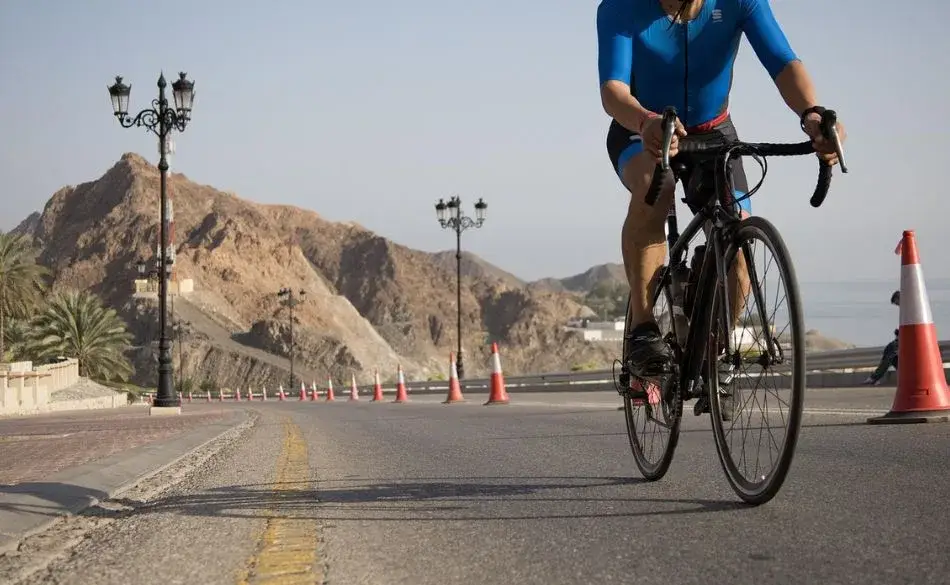
If you’re trying to understand why some riders see fast changes while others don’t, the answer often comes down to training style. Two people can ride the same number of hours each week and see totally different results in glute activation and overall shape. Your effort level, terrain choice, resistance, and even cadence all play a role in how much your bum changes over time.
Higher-resistance riding creates the greatest glute demand. When you push against a heavier load, your glutes help stabilise your hips and generate more power with each stroke. This is why cyclists who regularly ride hills or complete strength-focused indoor sessions often notice faster improvements in firmness and lift. Lower-resistance rides still build fitness, but they don’t ask enough of the glutes to create a real shaping effect.
Cadence also matters. Lower cadences with moderate resistance are more likely to recruit the glutes, while very high cadences shift most of the effort to the quads. Many riders think fast pedalling equals better results, but in reality, slower and stronger efforts are what help build a firmer bum.
One of my coaching clients learned this first-hand. She had been riding five days a week but felt nothing happening in her glutes. After adding two short low-cadence climbs and one moderate-resistance indoor session each week, she started feeling her glutes switch on within two weeks. By the second month, her pedal stroke felt stronger and she noticed her bum looked more lifted, even though her overall training time didn’t change at all.
To get similar results, include sessions that challenge your glutes more directly:
- Low-cadence climbs (60–75 RPM)
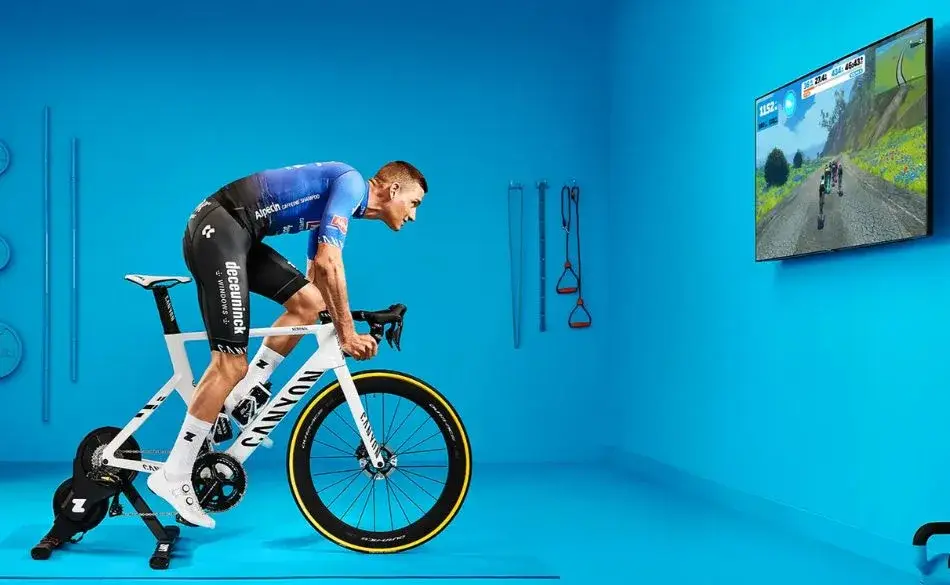
- Moderate or heavy resistance blocks indoors
- Standing climbs for short bursts
- Hill repeats on varied gradients
These sessions ask more from your glutes and strengthen them in ways easy spinning never will. With consistent effort, your bum becomes firmer, more defined, and more powerful on the bike. For those interested in how muscle shaping can affect appearance over time, you might also enjoy this detailed explanation of the double gluteal fold and what changes there really mean for your bum shape.
Which Types of Cycling Tone Your Bum the Most
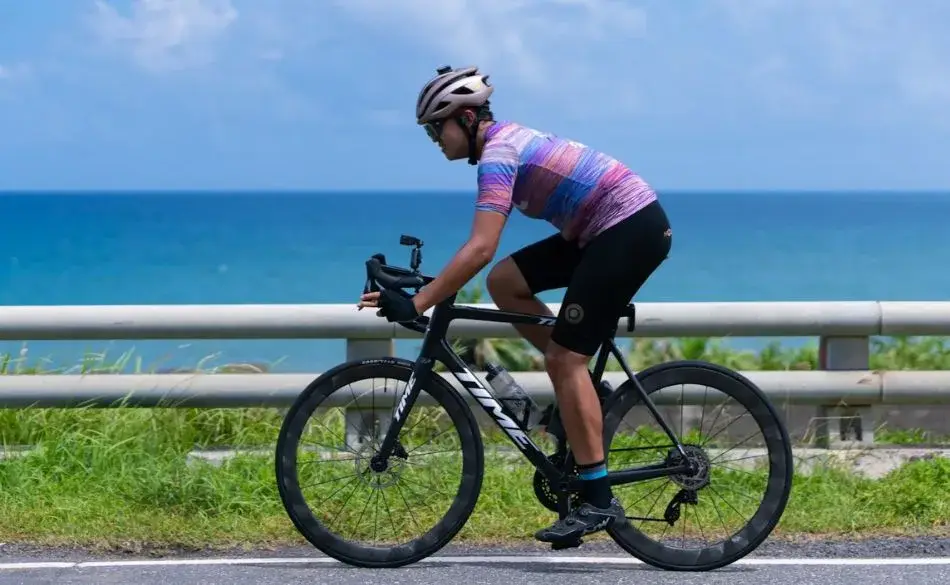
Not all rides affect your bum in the same way. Easy spins, commutes, hill sessions, and heavy indoor intervals all load your cycling bum muscles differently. If you want the best results, it helps to understand which styles activate your glutes the most so you can plan your week with purpose. When riders ask does cycling tone your bum, the answer usually depends on the type of cycling they’re doing, not just how often they ride.
Lighter sessions build fitness and support recovery, but they don’t challenge your glutes enough to create significant shaping. These rides rely more on the quads and only use the glutes for stability. In contrast, glute-focused cycling sessions use heavier resistance or steeper gradients, which increases hip extension work and places more demand on the bum muscles. This combination is what leads to firmer, stronger glutes over time.
To help you see how different ride types compare, the table below outlines the key differences between lighter cycling and glute-focused training. This makes it easy to choose the sessions that give you the most shaping potential.
👉 Swipe to view full table
| Category | Lighter Cycling Sessions | Glute-Focused Cycling Sessions |
|---|---|---|
| Glute Activation | Low to moderate; glutes assist mainly with stability, not power. | Moderate to high; glutes drive the pedal stroke when resistance or gradient increases. |
| Bum Toning Potential | Helps build basic firmness but produces slower visible changes. | Higher potential for shaping, lifting, and firming when performed consistently. |
| Typical Examples | Easy spins, flat commutes, social rides, light indoor recovery sessions. | Hill repeats, low-cadence climbs, heavy indoor intervals, strength-based trainer workouts. |
| Perceived Effort | Comfortable breathing; mild muscular fatigue. | Noticeable effort; deeper fatigue in glutes and upper legs. |
| Body Feel After | Fresh or gently warmed up; ideal for recovery. | Glutes feel worked; mild soreness or tightness is common. |
| Best For | Beginners, recovery days, building fitness without heavy strain. | Riders wanting stronger, firmer glutes and better shaping results. |
Balancing both types of sessions helps you stay fresh while still giving your glutes the workload needed to grow stronger and more defined. Over time, this is what transforms regular riding into noticeable changes in how your bum looks and feels.
Cycling isn’t just about endurance or speed — it can also help you shed extra weight and sculpt your legs and bum. But getting the most from each ride means balancing intensity, resistance, and consistency. Our Cycling Weight Loss Plan gives you a personalized framework of rides, resistance work, and recovery, so you maximise fat burn while strengthening your lower body.
Perfect for cyclists aiming to lose weight, tone glutes and legs, and build sustainable habits — all without guesswork or generic plans.
Start Your Weight-Loss Plan
How Long Does It Take for Cycling to Tone Your Bum?
One of the most common questions riders ask is how long does it take for cycling to tone your bum, and while there isn’t a single timeline for everyone, you can expect gradual and steady changes with consistent training. The speed of your results depends on how often you ride, how much resistance you use, and how well your glutes activate during your sessions.
Your glutes respond more to workload than time. Light spinning is great for fitness, but it doesn’t create much tension in the glute muscles. When you ride hills, use heavier gears, or include low-cadence strength sessions, you give your glutes a stronger stimulus. These rides usually lead to faster improvements in firmness and shape because they ask more from the muscle.
Most riders first notice changes in feel rather than appearance. Your bum may feel firmer, more engaged, or slightly stronger when climbing. These early signs are normal and come from improved muscle activation and neural adaptation. Visible changes come later and vary from person to person.
Here’s a general range of what many cyclists experience when riding consistently:
- Week 1–2: Better glute activation, subtle firmness, improved control on hills.
- Week 3–6: Early shaping may begin if rides include moderate or high resistance.
- Week 6–12: More noticeable lift and strength, especially with regular glute-focused work.
- Beyond 12 weeks: Continued firmness, improved endurance, and clearer definition.
These ranges aren’t strict rules, some riders see visible changes sooner, while others take a little longer. Factors like training intensity, frequency, nutrition, and individual muscle response all play a role.
The encouraging thing is that once your glutes start firing well, the process becomes smoother. Your body learns to engage them more naturally during each ride, which means your bum continues to tone even during regular training sessions. With steady effort and consistent glute activation, your bum becomes firmer, more defined, and noticeably stronger on the bike.

Is Cycling Enough to Tone Your Bum
By now, you can probably see that the answer to does cycling tone your bum depends on the kind of riding you’re doing. Cycling can make your glutes stronger, firmer, and more defined, especially when you mix in hills, resistance, and sessions that challenge your pedal stroke. But whether it’s “enough” on its own comes down to your goals and how much workload you give your glute muscles each week.
If you want a toned, lifted bum, cycling can take you a long way. Glute-focused rides (like low-cadence climbs, heavy indoor intervals, and strength-based trainer sessions) ask more from your glutes than steady spinning. Over time, this leads to better activation, improved muscle endurance, and greater firmness. These changes create the lifted, shaped look many riders hope for.
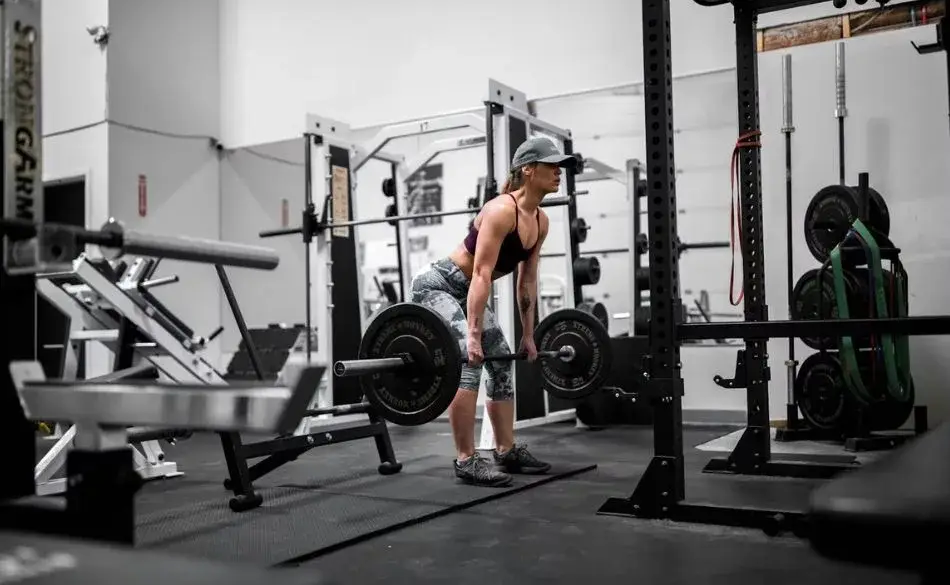
If your goal is to noticeably increase glute size, cycling alone may not provide the level of mechanical tension needed for significant muscle growth. In that case, cycling works best alongside strength exercises such as squats, hip thrusts, and deadlifts. For a full set of glute-specific strength movements you can combine with your rides, check out glute exercises for cycling. These movements load the glutes more directly and create the hypertrophy stimulus that cycling naturally lacks. Think of cycling as the foundation that builds stamina and tone, while strength training helps refine the shape.
Training trends support this approach. Many indoor cycling programs now blend ride-based glute work with off-bike strength sessions. This combination improves performance and appearance, giving riders more balanced results.
As you plan your training, it helps to reflect on a few simple questions. Are you including rides that genuinely challenge your glutes at least once or twice a week? Are you focusing on your posture and pedal technique so your glutes activate properly? And most importantly, are you staying consistent long enough to let real changes take place?
If you can commit to those things, cycling becomes more than a workout. It becomes a steady, effective path to a firmer, more toned bum that strengthens both your confidence and your ride.