
Why Exercising and Putting on Weight Is More Common Than You Think
Exercising but putting on weight often feels like a contradiction. However, from a coaching perspective, it is not unusual at all. The main reason is that exercise changes what your body is made of before it changes how much your body weighs. Those two things rarely move in sync, especially early on.
To begin with, when you start exercising regularly, particularly if strength work or higher-effort training is involved, your muscles begin adapting quite quickly. Muscle tissue is denser than fat tissue. That means it takes up less space but weighs more per unit volume. As a result, body composition can improve even while scale weight increases slightly. This is often why clothes fit better or movement feels easier, despite the scale suggesting otherwise.
On top of that, water balance plays a significant role. Exercise creates microscopic stress in muscle tissue, which is normal and necessary for adaptation. In response, the body increases fluid storage to support repair and recovery. This temporary water retention can add one to two kilograms without reflecting fat gain. It commonly appears in the first few weeks of a new routine and tends to settle once training becomes familiar.
Alongside these changes, appetite regulation can also shift. Exercise does not always suppress hunger, particularly for beginners or people returning after time away. In some cases, it increases appetite more than energy expenditure, especially when sessions feel hard or recovery is limited. When food intake rises slightly without being noticed, weight can drift upward even though activity levels are higher.
There is also an important timing element to consider. Fat loss tends to be slow and cumulative, while strength gains, glycogen storage, and fluid shifts happen much faster. When weight is assessed over short windows, such as one or two weeks, these faster processes dominate what the scale shows. This can easily create the impression that exercise is “not working,” even though the body is still adjusting.
Seen in this context, the situation becomes easier to interpret. Exercising and putting on weight does not automatically mean something is wrong. More often, it means the body is responding to new demands in predictable ways that require perspective, patience, and the right next adjustment rather than frustration.
Exercising but putting on weight can feel confusing, especially when effort is high and consistency is there. Often, the issue isn’t motivation, but how training load, recovery, and food intake are working together. With our Running Weight Loss Plan , the focus is on creating the right conditions for weight change, not guesswork.
The plan balances running volume, intensity, and recovery so weight trends move in the right direction without overtraining or unnecessary restriction.
View the Plan →

When Training Improves Fitness but the Scale Moves the Other Way
For many people, this is where confusion really sets in. You begin to feel fitter while the scale starts moving up instead of down. Walks feel easier, runs last longer, and daily tasks take less effort. Objectively, fitness is improving. Yet at the same time, the scale seems to tell a different story. This disconnect is real, and it often leads people to question whether exercise is actually helping.
What helps here is understanding that fitness improvements are driven by several adaptations that do not require immediate fat loss. Your heart becomes more efficient, your muscles coordinate better, and your nervous system learns to produce force with less effort. None of these changes directly reduce body weight. Instead, they improve performance first. Weight change, by contrast, is a slower outcome that reflects longer-term energy balance and recovery patterns. This is a common experience for runners, and one explored in more detail in our guide on gaining weight from running.
At the same time, changes in training load affect the body as a whole. When volume or intensity increases, the body interprets that as a new demand and responds by prioritising stability. Stress hormones such as cortisol can rise temporarily, especially if sleep, nutrition, or recovery are not keeping pace. This can increase fluid retention and subtly alter how energy is managed. Importantly, this does not mean exercise is harmful. It means the system is adapting.
Alongside this, fuel availability becomes more noticeable. As fitness improves, you may naturally move more throughout the day without thinking about it. You might stand more, walk more, or train with greater intent. At the same time, hunger cues often increase to support that activity. If intake rises slightly beyond what the body actually needs, weight can increase even while health markers improve.
This phase is best viewed as transitional. The body is learning that regular training is now part of its environment. Once that becomes normal, stress responses settle, appetite signals stabilise, and weight trends become easier to influence deliberately. Trying to force weight loss during this period by cutting food aggressively or adding excessive exercise often backfires by increasing stress and slowing adaptation.
For this reason, context matters more than single data points. Feeling stronger, moving better, and recovering faster are meaningful signs that training is doing its job. When those improvements are present, a short-term increase in weight is usually a cue to refine the process rather than abandon it.


Why Exercise Can Quietly Increase Weight Through Food Intake
Once regular training is established, another piece of the puzzle often comes into view: food intake. This is where many people feel surprised, because the issue is rarely about “bad choices” or lack of discipline. More often, it comes down to small, gradual shifts that happen without much awareness.
As training places greater demands on the body, hunger signals tend to increase as well. This is especially noticeable when sessions feel hard, recovery is limited, or workouts are longer than what your body is used to. In these situations, appetite does not always rise neatly in line with calories burned. Instead, it can overshoot slightly. Over time, even a small daily surplus is enough to move body weight upward, despite being active.
At the same time, perception plays a role. Many people unintentionally overestimate how many calories exercise burns and underestimate how easily that energy can be replaced. A solid workout may burn a few hundred calories, yet that same amount can be consumed quickly through slightly larger portions, extra snacks, or liquid calories. Because exercise feels productive, these additions often feel reasonable and go unnoticed.
There is also a behavioural layer worth acknowledging. Training can subtly relax food boundaries. You may feel more comfortable eating certain foods because you are exercising regularly. This is not a failure of willpower. It is a normal human response to effort. However, when these small allowances become consistent, they can gradually shift energy balance upward.
Timing adds another layer. When workouts happen later in the day, hunger often peaks afterward. If evening intake increases while overall movement slows, weight can trend upward even when food quality improves. Similarly, eating too little earlier in the day can lead to larger intakes later on, particularly after training.


The Role of Stress, Sleep, and Recovery in Unexpected Weight Gain
Beyond training itself and the way food intake shifts, recovery plays a quieter but equally important role in why people find themselves exercising but putting on weight. This is often overlooked because recovery feels passive, yet physiologically it drives many of the signals that influence body weight.
When training stress rises faster than recovery capacity, the body tends to shift into a protective mode. Poor sleep, irregular schedules, or ongoing life stress can all amplify this response. In that state, the body becomes more conservative with energy. Fluid retention increases, fatigue accumulates, and weight can creep upward even when training volume feels reasonable. This is not a failure of effort. It is a sign that the system is under more strain than it can comfortably absorb.
Sleep, in particular, has a strong influence. Short or fragmented sleep alters appetite hormones, increasing hunger and reducing satiety the following day. It also reduces insulin sensitivity in the short term, meaning the body handles carbohydrates less efficiently. Together, these changes make it easier to eat more than intended and harder for the body to regulate energy smoothly. Over time, this can show up as gradual weight gain despite consistent exercise.
Recovery gaps also affect how training feels. When you are under-recovered, workouts often feel harder for the same output. This raises perceived effort and, in turn, appetite. At the same time, you may subconsciously move less outside of training simply because you feel tired. The result is a subtle mismatch: energy intake rises while total daily movement drops, even though structured exercise sessions are still happening.
From a my perspective, this is where many people become stuck. They respond to fatigue and weight gain by adding more exercise or tightening food rules. Unfortunately, layering more stress onto an already stressed system rarely produces the desired outcome. Instead, it often prolongs fluid retention, disrupts sleep further, and stalls progress.
When recovery improves, weight patterns often begin to shift without dramatic changes elsewhere. Better sleep, planned rest days, and training loads that match your current capacity allow stress hormones to settle. Appetite signals become clearer, energy levels stabilise, and weight trends become more predictable. In this sense, recovery is not a luxury. It is a prerequisite for exercise to support, rather than undermine, long-term weight management.


Why the Scale Is a Poor Short-Term Judge of Progress
At this stage, a clear pattern usually begins to emerge. Many of the reasons people find themselves exercising but putting on weight are short-term, adaptive, and largely invisible when the scale is the only reference point being used. This is where the scale itself can quietly become part of the problem.
Body weight is a single data point that blends fat mass, muscle tissue, glycogen, water, food volume, and digestive contents into one number. It cannot distinguish between any of these. Because of that, it is highly sensitive to daily fluctuations that have nothing to do with fat gain. Training, hydration, sodium intake, sleep quality, and even the timing of your last meal can all move the scale by a kilogram or more within 24 hours.
Early in an exercise routine, this variability tends to increase. Glycogen stores expand, fluid retention rises, and muscle tissue adapts. All of these changes add weight that the scale records but cannot explain. When progress is judged over short time frames, such as a few days or a single week, these normal shifts can easily drown out slower fat loss signals. As a result, it can feel as though exercise is “not working,” even when underlying trends are moving in a positive direction.
Expectations also play a role. Many people assume weight loss should begin immediately once exercise starts. In reality, the body often prioritises adaptation before reduction. It stabilises first, learns the new demands, and only later becomes more responsive to deliberate weight change. This delay is normal, and it’s why questions like can you lose weight by running every day are often more about timeframes and consistency than effort alone.
For this reason, weight is best interpreted through trends rather than snapshots. Looking at averages over several weeks is far more informative than reacting to individual measurements. Pairing the scale with other indicators such as waist measurements, training performance, recovery quality, and how clothing fits provides a clearer picture. When these markers improve while weight fluctuates, it usually signals progress rather than failure.
Used carefully, the scale can still serve a purpose. Used in isolation or checked too frequently, it quickly becomes noise. Understanding its limitations helps keep it in context, rather than allowing it to override clearer signs that the body is adapting as it should.


When Weight Gain Reflects Muscle, Glycogen, or Water Rather Than Fat
At this point, it helps to look more closely at what the scale is actually measuring. Not all weight gain is the same, and the number on the scale gives no insight into where that weight is coming from. When exercise becomes regular, increases in muscle tissue, glycogen stores, and body water are all common and expected responses.
Muscle gain is often the first explanation people consider, although in practice it tends to be modest. Even with consistent strength training, muscle accumulates slowly. Still, small increases matter because muscle is denser than fat. As a result, relatively small changes in muscle mass can show up on the scale without creating a noticeable change in body size. This is why weight may increase while waist measurements stay the same or even decrease.
Alongside this, glycogen plays an even larger role, particularly for those doing endurance training or higher-volume exercise. Glycogen is the stored form of carbohydrate in muscles and the liver. As training becomes more consistent, the body stores more glycogen to meet demand. Each gram of glycogen is stored with several grams of water, which can add noticeable weight without any increase in body fat. This is also why understanding how running burns fat over time helps separate short-term scale changes from actual fat loss.
Water retention also shifts with training stress, salt intake, hormonal cycles, and recovery status. Hard sessions create microscopic inflammation, drawing fluid into muscle tissue as part of the repair process. This response is normal and temporary. The scale captures this fluid, but it cannot distinguish it from fat mass.
The key distinction is how these changes behave over time. Muscle adaptation slows, glycogen stores reach a steady level, and fluid balance normalises once the body adjusts to the training load. Fat gain, by contrast, tends to be gradual and persistent over longer periods. Looking at longer-term trends rather than short-term changes helps separate the two.
When exercise is new or recently intensified, a rise in weight is often a sign of adaptation rather than a setback. Understanding what contributes to that change makes it easier to respond calmly, rather than assuming every increase represents fat gain that needs immediate correction.


When Exercise Masks, Rather Than Causes, an Energy Surplus
As the picture continues to build, another subtle pattern often comes into focus. Exercise does not always cause weight gain directly. In many cases, it simply masks an underlying energy surplus that was already present or has quietly developed alongside training.
When activity levels increase, it is easy to assume a calorie deficit automatically follows. That assumption feels logical, but it is not always accurate. Exercise energy expenditure is often smaller than people expect, especially once the body becomes more efficient. At the same time, food intake may rise in response to hunger, routine changes, or social cues around training. The result can be a surplus that feels unlikely simply because “more exercise” is happening.
This masking effect is strongest when exercise becomes the main lever people rely on. Training sessions feel productive and effortful, which creates confidence that progress is being made. Meanwhile, small increases in daily intake can slip in without drawing attention. Portions become slightly larger, snacks appear more often, or recovery-focused foods are added without adjusting elsewhere. None of this feels excessive, but over time it adds up. This is why structured sessions designed specifically for fat loss, such as those outlined in our bicycle workouts for weight loss guide, tend to be more effective than simply riding more often.
Adaptation adds another layer. As fitness improves, the body often completes the same workouts with less energy cost. A session that once felt demanding may later burn fewer calories because movement has become more efficient. If intake stays the same or increases while expenditure quietly drops, weight can begin to trend upward despite consistent training.
This does not mean exercise is ineffective or counterproductive. Rather, it highlights that exercise alone is a blunt tool for managing body weight. Without some awareness of intake and recovery, an energy surplus can easily hide behind training volume. When that happens, the scale appears to contradict effort, even though it is simply reflecting the balance between what is coming in and what is going out.
Recognising this pattern allows for a calmer response. The solution is rarely to train harder or longer. More often, it involves small, thoughtful adjustments to eating habits, portion awareness, or training structure. When exercise supports health and performance and intake aligns with actual needs, weight trends become clearer and more predictable. In that context, exercise stops masking the issue and starts working in the direction most people expect.


How to Tell Short-Term Weight Changes From Real Fat Gain
With all of these factors in mind, it helps to slow things down and look at patterns side by side. One of the biggest sources of frustration when exercising but putting on weight is not knowing what kind of weight change you are seeing. Short-term increases caused by training adaptations behave very differently from true fat gain, yet the scale presents them as the same thing.
Short-term weight increases tend to appear quickly after changes in training. They are often linked to muscle repair, glycogen storage, and fluid shifts. These changes can happen within days, fluctuate from week to week, and usually level out once training becomes consistent. Importantly, they often occur alongside positive signs such as better performance, improved recovery, or clothes fitting the same or better.
Fat gain, by contrast, follows a different pattern. It develops gradually over longer periods when energy intake consistently exceeds needs. It is less affected by daily training stress and does not settle on its own. When fat gain is occurring, weight trends upward steadily over weeks and months, often accompanied by increases in waist measurements or noticeable changes in how clothes fit.
Seeing these differences clearly helps prevent overreaction. Many people respond to short-term scale increases by cutting food sharply or adding more exercise, which can disrupt recovery and prolong the very fluctuations they are trying to fix. Stepping back and using simple reference points instead keeps decisions calmer and more grounded.
The comparison below highlights the practical differences between short-term training-related weight changes and longer-term fat gain. It is not designed for lab-level precision. Rather, it is meant to help recognise patterns that guide more effective, measured adjustments.
👉 Swipe to view full table
| Category | Short-Term Training-Related Weight Increase | Longer-Term Fat Gain |
|---|---|---|
| Speed of Change | Appears quickly, often within days or weeks of starting or increasing exercise. | Develops slowly over weeks or months with a consistent energy surplus. |
| Primary Cause | Glycogen storage, muscle repair, inflammation, and fluid retention. | Sustained intake exceeding energy needs over time. |
| Scale Fluctuation | Weight often moves up and down from week to week. | Weight trends steadily upward with fewer reversals. |
| Waist & Clothing Fit | Usually stable or improving despite scale changes. | Gradual tightening around the waist and hips. |
| Response to Recovery | Improves with better sleep, rest days, and consistent training. | Unaffected by short-term recovery changes alone. |
| Best Initial Response | Maintain consistency and observe trends over several weeks. | Review intake patterns and make small, deliberate adjustments. |


When Exercise Highlights Deeper Lifestyle Mismatches
As training becomes more consistent, it often acts more like a spotlight than a solution on its own. Exercise can bring attention to mismatches in sleep, work stress, eating patterns, and daily routines that were already present but easier to overlook before. When those mismatches exist, weight gain may appear alongside exercise, not because of it, but because the overall system is under strain.
One common example is time pressure. Adding exercise into an already busy schedule can compress the rest of the day. Meals become rushed, planning drops off, and convenience foods creep in more often. Portions may increase simply because eating happens later, faster, or in response to fatigue rather than hunger. None of this feels dramatic, but taken together it can quietly shift energy balance upward. This is also why choosing an activity that realistically fits your schedule and stress levels matters, as discussed in our guide on the best sport to lose weight.
Stress is another subtle contributor. Exercise is often added during periods when people are already stretched thin. While movement can help manage stress, it does not automatically cancel it out. When overall stress remains high, appetite regulation, sleep quality, and recovery all tend to suffer. The body becomes less responsive to weight change, and short-term fluid retention becomes more common. In this context, weight gain reflects cumulative load rather than a simple calorie issue.
There is also the matter of balance between training and the rest of the day. Structured exercise may increase, but general movement outside of workouts can decrease. Long periods of sitting, reduced walking, or mental fatigue can quietly offset the activity gained from training sessions. When this happens, total daily energy expenditure may change far less than expected, even though exercise feels like a major addition.
What matters most here is alignment rather than blame. Exercise works best when it fits into a lifestyle that supports it. That includes enough sleep to recover, enough structure around meals to eat with intention, and enough flexibility to avoid constant stress. When those pieces are missing, exercise can feel as though it is “not working,” when in reality it is revealing where support is lacking.
Recognising this pattern opens the door to smarter adjustments. Instead of adding more training or tightening food rules, the more effective response is often to simplify. Protecting sleep, reducing unnecessary stress where possible, and creating routines that make eating and recovery easier tend to produce better results. When exercise is supported by the rest of life rather than squeezed into it, weight trends usually begin to make more sense and move in a more predictable direction.
Cycling consistently without seeing the weight change you expect can be frustrating. Often, it’s not effort that’s missing — it’s the right plan matching training, recovery, and nutrition. The Cycling Weight Loss Plan helps you train with purpose and clarity so your body responds the way you want it to.
This plan balances ride structure, recovery, and energy needs so weight trends become more predictable without overtraining or unnecessary restriction.
View the Plan →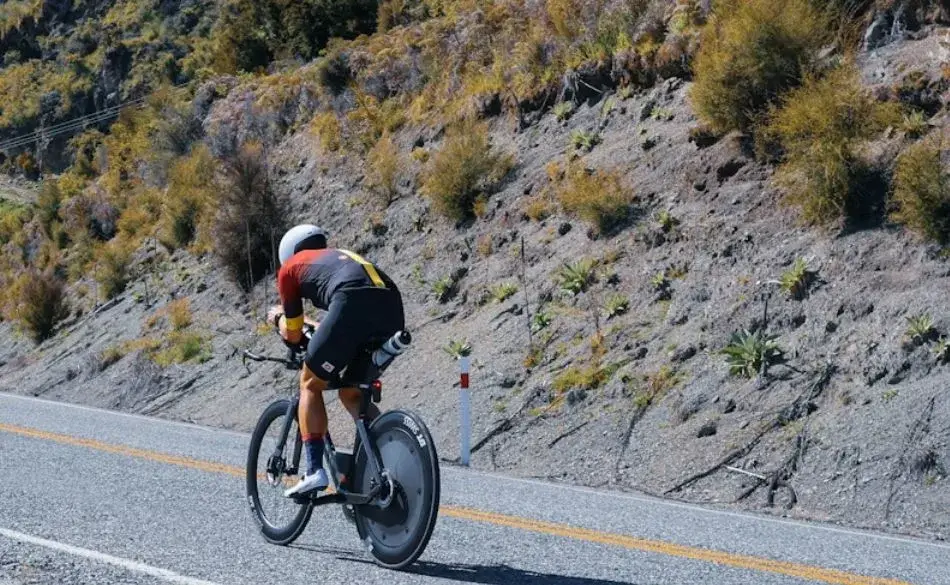

A Practical Way to Respond When Exercise and Weight Don’t Align
With a clearer understanding of why exercising but putting on weight can happen, the next step is deciding how to respond. In most cases, the answer is not dramatic. Progress usually comes from small, deliberate adjustments rather than sweeping changes to training or diet.
To begin with, it helps to slow decision-making down. Reacting to a single weigh-in or a short run of upward readings often leads to overcorrection. Instead, look for patterns over several weeks. Pair the scale with simple markers such as waist measurements, how clothes fit, training performance, and recovery quality. When those indicators are stable or improving, aggressive changes are rarely necessary.
From there, bring gentle awareness to intake without turning food into a problem. This does not mean strict tracking or cutting entire food groups. It simply means noticing portions, timing, and patterns that may have shifted since training increased. Often, one or two small changes, such as improving breakfast quality, spacing meals more evenly, or reducing liquid calories, are enough to bring energy balance back into line.
Training itself also benefits from a calm review. More exercise is not automatically better. If sessions feel consistently hard, recovery is poor, or motivation is fading, load may be outpacing capacity. In those situations, holding volume steady, improving sleep, or adding a rest day can be more effective than pushing harder.
There is also value in patience. Many of the weight changes that appear alongside new or intensified exercise resolve once the body settles into the routine. Allowing that adaptation to occur without interference often produces clearer signals about what, if anything, needs adjustment.
In practical terms, the most effective response is usually calm and incremental. Maintaining consistency, supporting recovery, and making small, thoughtful refinements to intake or training structure tends to bring exercise and weight trends back into alignment, without the need for extreme measures or constant second-guessing.

Making Sense of Weight Changes When You’re Exercising
Taking all of this into account, exercising but putting on weight is rarely a sign that something has gone wrong. More often, it reflects how the body adapts to new demands before it changes in the ways people expect. Muscle repair, glycogen storage, fluid shifts, appetite changes, stress, and recovery all influence body weight, particularly in the early or transitional phases of training. The scale captures all of this at once, without providing any context.
What tends to matter most, then, is recognising patterns rather than reacting to moments. Short-term increases that fluctuate, settle, or occur alongside better fitness and recovery usually reflect adaptation. Slower, steadier increases over longer periods point to a mismatch between intake, activity, and recovery that can be adjusted calmly and deliberately.
In practice, exercise works best when it is supported by the rest of life. Adequate sleep, manageable stress, regular meals, and training loads that match current capacity all help the body respond more predictably. When those pieces are in place, weight trends tend to make more sense and require fewer corrections.
Ultimately, the goal is not to force outcomes, but to create conditions where progress can unfold. With patience, awareness, and small refinements, exercise and weight usually realign over time, without extremes, confusion, or constant second-guessing.