What Hydration Really Means Inside the Body
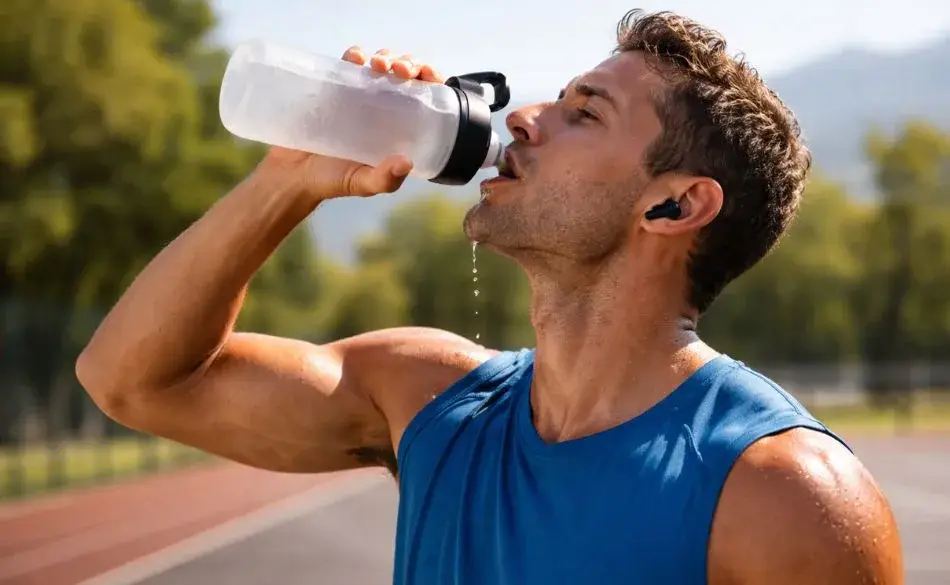
When most people think about hydration, they picture water entering the body and immediately fixing the problem. That assumption is understandable, but in practice, hydration is more complex. It refers to how fluid is distributed and regulated across several compartments in your body, including your bloodstream, the space between cells, and inside the cells themselves. Drinking water is only the first step in that process, not the outcome in itself.
To understand why hydration takes time, it helps to look at what happens after you drink. Once fluid reaches your stomach, it does not go straight into your muscles or brain. Instead, it must pass through the intestines, where absorption happens gradually. From there, water enters the bloodstream and begins contributing to blood volume. That increase supports circulation, temperature control, and oxygen delivery, but it does not stabilise instantly. From there, the body continues redistributing fluid to tissues that need it, while the kidneys constantly adjust how much water is retained or released.
At the same time, hormones are quietly directing the process. When you are dehydrated, your body releases signals that reduce urine output and conserve fluid. As hydration improves, those signals slowly ease rather than switching off all at once. This is why hydration does not flip from “low” to “normal” immediately, even after drinking a large amount. The system is designed to protect balance and stability, not react sharply to sudden changes.
Electrolytes add another layer to this picture, especially sodium. Fluid balance depends not only on how much you drink, but on how well the body retains that fluid once it is absorbed. If intake dilutes sodium levels too much, the body may increase urine output, reducing fluid retention and slowing effective rehydration. This helps explain why simply drinking more water does not always improve how you feel after heavy sweating or long training sessions.
Seen this way, hydration is best understood as a steady adjustment rather than a rapid correction. Your body is continuously managing fluid based on recent activity, environmental stress, and current demand. Drinking supports that process, but it does not override it. Once this is clear, the focus shifts away from speed and towards consistency: not “How fast can I hydrate?”, but “How can I support hydration steadily so my body does not have to play catch-up?”
Many runners drink plenty of water but still feel flat, heavy, or slow to recover. Without guidance, it’s easy to miss how hydration, fuelling, and training load interact day to day.
With personalised support through our Running Coaching , we help runners align training, recovery, and hydration so progress feels steadier and fatigue is easier to manage.
Learn More →

How Long Does It Take to Hydrate Under Normal Conditions
With a clearer picture of how hydration works inside the body, it becomes easier to set realistic expectations. Under normal conditions, hydration is not an all-day problem, but it is also not something that resolves in minutes. For most healthy adults at rest, mild dehydration can usually be corrected within two to four hours, provided fluid intake is steady and losses are not continuing.
One of the most common examples is overnight dehydration. After several hours of sleep without fluid intake, most people wake up slightly dehydrated. Once drinking resumes, hydration does begin improving within about 20 to 30 minutes, as fluid is absorbed into the bloodstream. Even so, full balance rarely returns immediately. Blood volume tends to recover first, followed by a more gradual redistribution of fluid into tissues. For many people, this process takes one to two hours, which helps explain why early-morning fatigue or headaches can linger briefly even after drinking.
Hydration timelines extend a little further after light activity. When movement, sweating, and breathing losses are added, such as after a short walk, easy gym session, or light run, the body needs more time to stabilise. In these cases, hydration often settles within three to four hours if you drink regularly. This does not require large volumes of fluid. In fact, small, repeated drinks are usually absorbed and retained more effectively than one large intake taken all at once.
As training demands increase, so does the recovery window. After longer or harder exercise, particularly in warm conditions, restoring hydration may take most of the day. Even when thirst fades and urine colour improves, fluid balance within muscle tissue can continue adjusting for several more hours. This is a normal part of recovery and not a sign that hydration has failed.
From a coaching perspective, this is where expectations matter most. Many athletes assume that if they drink enough immediately after training, hydration should be “done.” In reality, post-exercise hydration unfolds alongside refuelling, tissue repair, and rest. Supporting it means spreading intake across the following hours rather than chasing a quick fix. When hydration is approached this way, energy levels, concentration, and training quality tend to stabilise more reliably across the day.

Factors That Change How Fast You Hydrate
Up to this point, the timelines discussed assume fairly stable conditions. In real life, however, hydration rarely happens in a controlled setting. How quickly you rehydrate depends heavily on what your body is dealing with at the time, which is why two people can drink the same amount of fluid and feel very different a few hours later.
One of the biggest influences is sweat rate. Simply put, the more you sweat, the more fluid you have to replace. Sweat rate rises with higher body mass, greater exercise intensity, warmer temperatures, and increased humidity. On top of that, individual variation is large. Some athletes lose very little fluid during easy sessions, while others lose significant amounts even at low effort. When losses are higher, hydration naturally takes longer, no matter how promptly you start drinking. For athletes who want more precision, measuring sweat rate and sodium loss can remove a lot of guesswork, as outlined in this
sweat test for athletes guide.
Alongside fluid loss, sodium loss plays a major role. Sweat contains sodium, and when large amounts are lost, drinking plain water alone may not restore balance efficiently. Without enough sodium, the body is more likely to excrete a portion of the fluid you consume, extending the time needed to rehydrate. This does not mean electrolytes are always required, but it does mean hydration tends to progress more slowly when salt losses are high and not replaced.
Digestive factors add another layer. How you drink matters, not just how much. Very large volumes taken in one go can slow stomach emptying and increase urine output. Smaller, regular drinks are usually absorbed more steadily and retained better. If gastrointestinal stress is present, whether from hard exercise, heat, or illness, absorption can slow further, delaying hydration even when intake seems adequate.
Beyond exercise itself, daily stress and sleep quality influence hydration more than many people realise. Poor sleep and high stress can raise hormones that increase fluid loss through urine. In these situations, hydration may lag even when drinking habits appear unchanged. Caffeine and alcohol can also slightly increase fluid loss for some people, particularly when intake is high or baseline hydration is already low.
Finally, it helps to consider what is still happening around hydration. If fluid losses are ongoing, such as during repeated training sessions, outdoor work, or continued heat exposure, hydration becomes a moving target. Balance improves more slowly because intake is constantly trying to catch up with loss. In these cases, the goal shifts away from rapid correction and toward narrowing the gap between what you lose and what you replace.

Water vs Electrolytes: How Drink Choice Changes the Timeline
With hydration timelines and individual differences in mind, it becomes easier to see why drink choice can matter. Water is often treated as the default solution, and in many situations that approach works well. However, the type of fluid you drink can subtly influence how quickly hydration stabilises, particularly after exercise or periods of heavy sweating.
In everyday conditions, plain water is usually effective. When fluid losses are small and sodium levels are already adequate, water is absorbed efficiently and supports hydration without complication. In these situations, hydration timelines tend to sit toward the shorter end of the expected range, often settling within a few hours.
The picture shifts as sweat losses increase. Sweat contains both water and sodium, and when large amounts of sodium are lost and not replaced, the body becomes less efficient at holding on to the fluid you drink. As a result, some of that fluid may be excreted rather than retained, even though you may still feel thirsty or under-recovered. This does not mean water is harmful or ineffective. Rather, it means that on its own, it may not restore balance as efficiently when losses are higher.
This is where electrolytes, particularly sodium, can play a supporting role. By helping maintain blood volume and signalling to the kidneys that fluid should be conserved, electrolytes can reduce unnecessary fluid loss and shorten the time it takes for hydration to stabilise after long or hard sessions. For some runners, this raises practical questions about sodium intake during training and whether tools like salt tablets are useful in certain conditions, which is explored in more detail in this salt tablets for runners article.
Over longer sessions or stacked training days, hydration becomes less about a single drink and more about how fluid and sodium are managed across hours, which is where a broader endurance hydration strategy becomes especially important for runners and triathletes.
At the same time, it is important to keep perspective. Electrolytes do not make hydration instant, and more is not always better. Excessively concentrated drinks can slow stomach emptying or cause gastrointestinal discomfort, which ultimately works against hydration rather than supporting it. The aim is not to maximise intake, but to match the drink to the level of fluid and salt loss.
Many triathletes know hydration matters, but fitting fluid intake around swim, bike, and run sessions — plus recovery — can be confusing. Without tailored guidance, it’s easy to miss how hydration interacts with pacing, load, and adaptation.
With personalised support through our Triathlon Coaching , we help triathletes structure training, hydration, and recovery so performance builds steadily across all three disciplines.
Learn More →

Hydration Timelines in Common Daily Scenarios
With the basics of hydration and drink choice covered, it becomes easier to see how these principles play out in day-to-day life. Most people are not hydrating in isolation. They are fitting fluid intake around work, training, meals, and sleep. Looking at common scenarios helps put hydration timelines into a more realistic context.
After waking, hydration usually starts from a small deficit. Fluid is lost overnight through breathing and urine, even in cool conditions. Once you begin drinking in the morning, hydration improves within the first half hour, but full balance takes longer. For many people, one to two hours of steady intake is needed before hydration truly stabilises. This helps explain why feeling sluggish or foggy early in the day is common and why it does not resolve instantly with a single glass of water.
During a normal workday with light movement, hydration becomes more about maintenance than recovery. When intake keeps pace with ongoing losses, balance tends to remain stable. When drinking is irregular or delayed, mild dehydration can creep in quietly, often showing up as reduced concentration or a late-afternoon energy dip. In these situations, hydration usually improves over the following few hours once intake becomes more consistent.
Training days shift the picture again. After short or easy sessions, hydration typically settles within three to four hours if fluids are spaced out. After longer or harder training, especially in warm conditions, the timeline extends. Hydration may continue adjusting for most of the day, even when thirst fades and urine colour appears normal. This reflects ongoing fluid movement into muscle tissue as recovery progresses.
Heat exposure outside of training adds another layer. Outdoor work, travel, or time spent in hot environments increases fluid loss without always triggering strong thirst cues. When this happens, hydration can lag unless intake is deliberate. Recovery tends to take longer because losses accumulate gradually rather than all at once.
Across these scenarios, a consistent pattern emerges. Hydration improves fastest when intake is spread out and matched to losses, and slowest when drinking is delayed or reactive. Seeing hydration as part of a daily rhythm, rather than something to “fix,” makes it easier to support steadily and maintain without overthinking it.
👉 Swipe to view full table
| Daily Scenario | Typical Fluid Loss Pattern | When Hydration Starts Improving | Time to Feel Fully Rebalanced | Coach’s Practical Focus |
|---|---|---|---|---|
| After Waking | Mild overnight fluid loss through breathing and urine. | Within 20–30 minutes of drinking. | About 1–2 hours with steady intake. | Begin drinking early and spread intake rather than relying on one large glass. |
| Normal Workday | Low but continuous loss from breathing and light movement. | Gradually, once regular drinking resumes. | A few hours if intake has been inconsistent. | Focus on maintenance and regular sipping rather than reacting to thirst late in the day. |
| Short or Easy Training | Mild sweat loss, usually low sodium loss. | Within 30–60 minutes post-session. | Approximately 3–4 hours. | Use water and spread intake across the next few hours. |
| Long or Hard Training | High sweat and sodium loss, especially in heat. | Within the first hour post-session. | Most of the day, sometimes longer. | Prioritise steady intake and consider electrolytes to support retention. |
| Heat Exposure (Non-Training) | Gradual fluid loss without strong thirst cues. | Slow and often delayed. | Several hours once intake becomes deliberate. | Drink proactively rather than waiting for thirst or fatigue. |
Looking across these scenarios, one practical factor often shapes hydration more than people realise: access. It’s much easier to drink regularly when fluid is easy to carry, especially during short runs, warmer days, or busy schedules where stopping to refill isn’t realistic. Having bottles or carriers that suit how and where you run can quietly support better hydration habits, which is why finding a setup that works for you matters. If you’re weighing up options, this guide to water bottles for joggers breaks down what tends to work best for different running situations.
Signs That Hydration Is Catching Up
As hydration improves, the changes are usually gradual rather than dramatic. This often catches people out, because many expect a clear signal that hydration is “done.” In reality, the body adjusts quietly in the background. Understanding how these signs tend to appear can help you judge progress without forcing intake or second-guessing every sensation.
One of the earliest shifts is a change in urine colour and frequency. As fluid balance starts to improve, urine typically becomes lighter and more regular. This reflects changes in blood concentration and kidney signalling rather than total body hydration on its own. For that reason, it often improves before hydration is fully restored, particularly after exercise or heat exposure.
Energy levels and mental clarity tend to follow. Over the next few hours, feelings of fogginess, irritability, or low motivation often ease gradually rather than disappearing all at once. This aligns with improving blood volume and circulation to the brain. Alongside this, heart rate during light movement or easy training may drift slightly lower as hydration improves, simply because the cardiovascular system does not have to work as hard.
Muscle sensations change more slowly. As recovery continues, tightness, heaviness, or a dull cramping feeling may soften as fluid balance inside muscle tissue normalises. These shifts often occur later than changes in thirst or urine colour and can continue well into the day after longer or harder sessions.
It is also useful to notice when intake overshoots. If drinking outpaces absorption, frequent clear urination, bloating, or a sloshing feeling in the stomach can appear. These are signs that intake is exceeding what the body can retain at that moment and do not speed hydration.
When Hydration Takes Longer Than Expected
Even with solid habits in place, there are times when hydration does not rebound as quickly as you expect. This can feel confusing, especially if you are drinking regularly and still feel flat, heavy, or slow to recover. In most cases, this is not a sign that you are doing something wrong. Rather, it reflects other demands on the body that extend the hydration timeline.
Illness is one of the most common reasons hydration lags. When the body is unwell, fever, diarrhoea, and vomiting all increase fluid loss while also reducing absorption. Even mild illness can leave the body slightly behind for a day or two, because fluid is being directed toward immune function as well as circulation and temperature control. In these situations, hydration tends to improve gradually as the body settles, not immediately once drinking resumes.
Training load across multiple days also plays a role. When hard sessions are stacked together, such as back-to-back long runs, intense workouts, or repeated heat exposure, a rolling deficit can develop. Even if you rehydrate reasonably well after each session, the body may still be catching up overall. This often shows up as persistently elevated heart rate, restless sleep, or a sense of heaviness rather than clear thirst. In these cases, hydration improves as training stress eases and recovery accumulates, not simply by increasing fluid intake.
Under-fuelling can quietly slow hydration as well. Fluid balance does not exist in isolation from energy intake. Fluids are absorbed and retained more effectively when the body has enough fuel available. If carbohydrate intake is very low during periods of heavy training, the body tends to hold less fluid, which can make hydration feel harder to achieve. In these situations, some athletes find that fluids providing both hydration and a small amount of carbohydrate are easier to tolerate and retain than plain water alone, a nuance explored further in this article on orange juice for dehydration.
Sleep and stress often compound these effects. When sleep is short or stress is high, hormones that influence fluid regulation shift in ways that increase urine output. In these conditions, hydration may lag even when intake looks adequate on paper.
The key point is that hydration responds to the whole recovery picture. When training load, illness, fuelling, sleep, or stress are out of balance, hydration timelines stretch. During these periods, the goal is not to force balance quickly, but to support the body steadily and allow regulation to catch up as overall load comes down.
Many cyclists drink regularly but still struggle with flat legs, midday fatigue, or slow recovery after long rides. Without tailored guidance, it’s easy to miss how hydration, pacing, and intensity interact over a training week.
With personalised support through our Cycling Coaching , we help cyclists develop structured plans that align hydration, training load, and recovery so your performance improves steadily and predictably.
Learn More →

What This Means for Everyday Hydration
Taken as a whole, hydration is not something that happens instantly, nor does it follow a single fixed timeline. For mild dehydration, balance often improves within a few hours. After heavier fluid and salt losses, full rehydration can take most of the day or longer. Seen this way, what matters most is not speed, but consistency.
Understanding how hydration works inside the body helps set realistic expectations. Rather than responding to thirst alone, it helps to remember that fluid must be absorbed, distributed, and regulated before balance is restored. Drink choice, sweat rate, activity level, heat, fuelling, sleep, and stress all influence how quickly this process unfolds. Because of this, hydration works best when it is supported steadily rather than treated as a problem to fix after the fact.
From a coaching perspective, the most reliable approach is calm and patient. Over time, drinking regularly, matching intake to losses, and adjusting based on conditions proves far more effective than rigid rules or quick fixes. When hydration is handled this way, it quietly supports energy, recovery, and performance without demanding constant attention or extreme strategies.