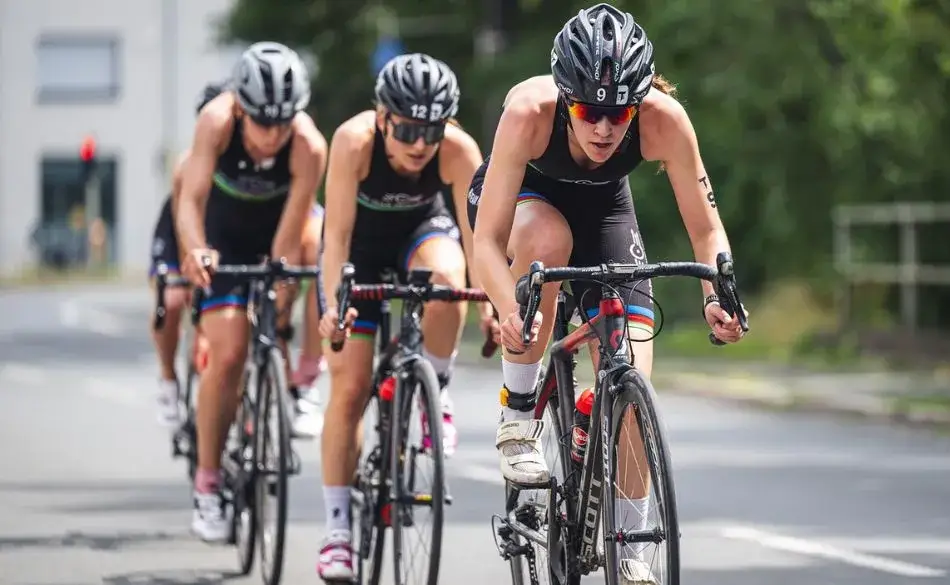
What Is Lactate Threshold in Cycling Training and Why It Matters
Lactate threshold cycling is the point where your body starts making more lactate than it can clear. When this happens, your legs feel heavier, your breathing picks up, and the effort suddenly feels less steady. You can still push, but you know deep down that you won’t be able to hold that pace for long. This moment is tied to your lactate threshold heart rate, which marks when your body shifts into a harder gear.
Here’s the thing about riding at this level. Most cyclists spend years training without ever learning how this system works. They ride a little too fast on recovery days and not quite hard enough on days meant to lift their power. When you train with purpose, you teach your body to improve lactate clearance, strengthen slow-twitch muscle fibers, and boost your buffering capacity. All of this lets you stay calm and steady even when the pace creeps up.
You’ll often hear riders talk about functional threshold power, or FTP. It’s a close cousin to lactate threshold, which is why people search for FTP vs lactate threshold so often. FTP comes from a power test, while true lactate threshold comes from measuring blood lactate levels in a lab. Different tools, same idea. Both help you build smart threshold training zones so your effort actually lines up with your goals.
What surprises a lot of riders is that threshold isn’t just about strong legs. It’s really about how well you use oxygen. Better mitochondrial adaptations help you hold more power without slipping into that burning, out-of-control feeling. That’s why two cyclists with the same muscle size can ride at completely different speeds.
When you raise your threshold, everything becomes smoother. Long climbs feel less like a fight. Group rides stop feeling chaotic. You don’t fade as quickly when the pace lifts. Imagine holding a solid pace without your chest burning or your legs tightening. That’s what good lactate threshold training builds for you.
If you want to make real progress on the bike, our Cycling Coaching Plan can help you train with purpose and avoid the guesswork. You’ll get guidance that matches your fitness level, your goals, and the type of riding you enjoy most.
With personalised sessions and support from an experienced coach, you’ll learn how to pace better, handle tougher efforts with confidence, and build strength that lasts through long rides and challenging climbs.
Explore the Coaching Plan

How Do You Measure Your Lactate Threshold Without a Lab
If you ride long enough, you start to wonder where your real red line sits. That’s basically what lactate threshold cycling tries to pinpoint. It’s the effort you can hold for a long time without fully blowing up. The good news is you don’t always need a lab to find it.
The most accurate way is a lab-based lactate threshold test. In this test, you ride in stages while a coach or technician takes small blood samples from your finger or ear. They track your blood lactate levels as power and heart rate rise. The point where lactate starts to jump quickly is your threshold.
Not everyone has access to a lab, though. That’s where simple field tests come in. These tests are not perfect, but they’re close enough for training. One of the most common is a time trial based on functional threshold power. You ride as hard as you can for a set period and use that data to estimate your threshold.
Here’s a simple way to test on your own using heart rate and power:
- Warm up for 15–20 minutes with a few short efforts.
- Ride 20 minutes as hard as you can hold in a steady way.
- Record your average power and heart rate for the full 20 minutes.
- Take about 95 percent of the power as an estimate of FTP.
- Use the average heart rate from the last 15 minutes as your lactate threshold heart rate.
Pay attention to how it feels, too. Some of the best clues come from your body. At threshold, breathing is deep but controlled. You can’t talk in full sentences, but you’re not gasping. If your vision is narrowing and your legs are on fire after just a few minutes, those are clear signs you’re above lactate threshold and not at it.
These simple tests give you a solid starting point. Over time, you can repeat them every six to eight weeks. When your power at the same heart rate rises, it’s a strong sign your threshold is improving, even without fancy lab numbers.
If you want to explore the research behind how threshold measurements relate to cycling performance, this study on lactate threshold and time-trial performance offers a clear scientific breakdown.
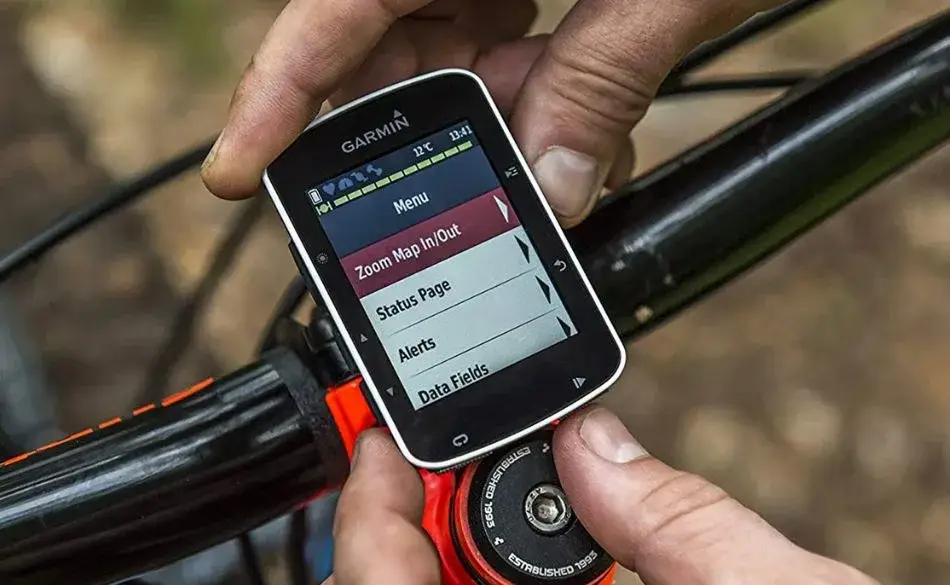

How Can You Improve Your Lactate Threshold with Smart Training
Improving your lactate threshold is one of the most effective ways to become a stronger cyclist. When you raise this level, you can hold more power for longer without slipping into that deep burn that forces you to slow down. The key is training in the right range often enough to create real mitochondrial adaptations and better lactate clearance.
Threshold training sits near your hardest “sustainable” effort. It’s tough, but not all-out. When you spend time at this level, your body becomes better at using oxygen and controlling lactate. That’s why lactate threshold cycling is so valuable for both new and experienced riders.
One of my coaching clients, a rider named Sam, used to fade halfway through every long climb. His fitness wasn’t the issue. His pacing looked fine. But his threshold sat too low for the power he wanted to hold. Once we added two weekly threshold interval workouts, his whole riding style changed. Within eight weeks, he was climbing with a smoothness he had never felt before.
Here are some simple ways you can train your threshold:
- Ride steady efforts in Zone 4 for controlled blocks of time.
- Add longer intervals such as 2×20 minutes at threshold with short recovery.
- Use over-under sessions that push you slightly above and below threshold.
- Include weekly tempo rides that build strength before harder work.
- Repeat your tests every 6–8 weeks to see how your body adapts.
The trick is balancing the right amount of stress with enough recovery. If every ride feels like a grind, your body won’t adapt well. But if you hit threshold once or twice a week with purpose, your slow-twitch muscle fibers grow stronger and your buffering capacity rises. Over time, this lets you stay under control at power levels that once felt impossible.
As you make progress, you’ll notice your breathing becomes smoother and your pace feels more stable. That’s your threshold rising. And once it does, everything from long climbs to fast-paced group rides becomes far more enjoyable.


Key Workouts That Build a Strong Lactate Threshold
If you want to raise your lactate threshold, the right workouts make a huge difference. These sessions don’t need to be complicated. They just need to target the effort where your body learns to handle rising lactate without losing control. When these workouts are done consistently, your lactate threshold cycling improves faster than almost anything else.
The key is working in your threshold training zones. This usually sits close to the highest pace you can hold steadily without drifting into your anaerobic threshold. The effort feels firm, controlled, and focused. These sessions help improve your lactate clearance, strengthen your slow-twitch muscle fibers, and push your body toward better mitochondrial adaptations.
Here are some of the most effective workouts to build your threshold:
- 2×20 minutes at Threshold
Ride two long blocks at threshold with 5 minutes recovery. This classic session builds strong control and boosts your sustainable power. - 3×12 minutes at 95–100% of Threshold
A great mid-week workout when you want quality work without draining your legs. - Over-Unders
Alternate 2 minutes just below threshold and 1 minute just above it. This teaches you to handle rising blood lactate levels while staying smooth. - 30-Minute Steady Threshold Ride
Ride one continuous block at your threshold effort. This improves pacing and mental focus. - Tempo into Threshold
Ride 20 minutes at tempo followed by 10–15 minutes at threshold. This builds durability for long climbs and late-ride efforts.
These sessions work best when you do one or two per week. More than that can leave you fatigued and slow down progress. Instead, pair these harder days with true easy rides, steady fueling, and good sleep. Over time, you’ll notice your breathing become smoother and your power more stable at intensities you once found overwhelming.
If you want an additional structured session that fits well into your week, you can explore this best 1 hour cycling workout which pairs perfectly with threshold training and helps build steady, repeatable power.
If you’re serious about improving your sustainable power and mastering intensity on the bike, check out our Cycling Threshold Training Plan . This plan is designed specifically around the science of threshold efforts and structured workouts for real improvement.
You’ll receive guided sessions based on your current level, a clear progression path, and support in dialling in your threshold training zones. The aim is to build control, power and confidence — not just sweat.
Get the Threshold Plan Now
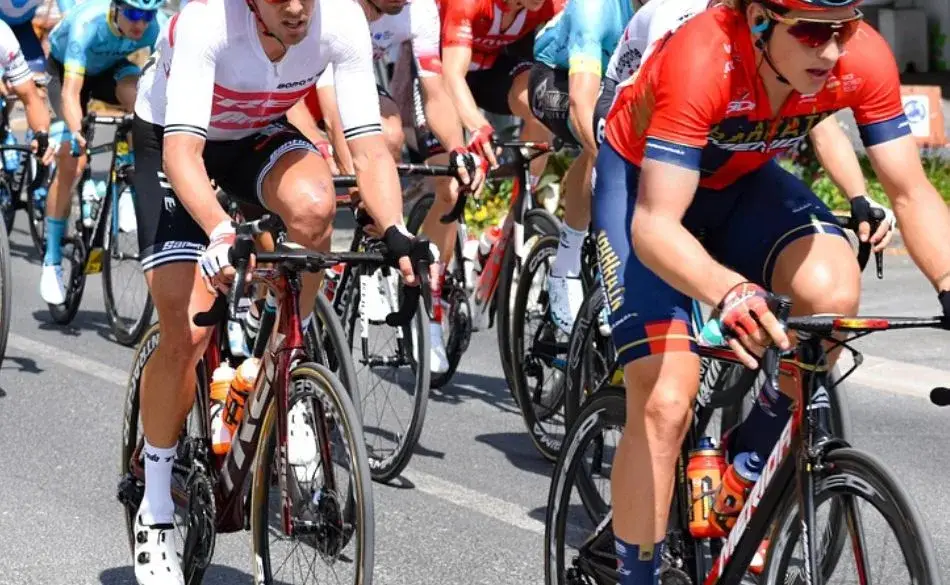
How Often Should You Train at Lactate Threshold Each Week
One of the most common questions cyclists ask is how often they should train at threshold. The answer is simple, but it often gets overlooked. Most riders only need one or two dedicated lactate threshold cycling sessions per week. Anything more than that can create too much fatigue, especially if you’re already doing long rides or higher-intensity work. The goal is to train smart, not to stack so many hard days that your body never gets a chance to adapt.
Your threshold sessions should sit inside your threshold training zones, close to the edge of your anaerobic threshold but not past it. These efforts place steady stress on your system, building stronger slow-twitch muscle fibers and improving your lactate clearance. But because the work is demanding, recovery plays a huge role in how well you actually improve.
For most cyclists, here’s what a weekly structure looks like:
- One threshold session early in the week when your legs are fresh.
- A second session later in the week, only if recovery has been solid.
- Easy endurance rides between threshold days to support adaptation.
- Longer weekend ride at steady aerobic pace to reinforce durability.
Riders with busy schedules often find that one high-quality threshold session works better than trying to fit in multiple lower-quality sessions. Consistency matters more than volume. If you rush recovery, the quality of your work drops and you spend more time above your limit instead of training your actual threshold.
Advanced cyclists can handle two threshold sessions most weeks, but even they cycle through harder and lighter periods. This gives their mitochondrial adaptations time to grow and keeps their blood lactate levels under control during tough blocks.
Think of threshold work as a long-term investment. When you give your body the right mix of stress and rest, your threshold rises in a predictable way.


How Does Lactate Threshold Differ Between Beginner Intermediate and Advanced Cyclists
Your lactate threshold doesn’t stay the same as you gain fitness. It shifts as your body adapts to more training, better pacing, and stronger aerobic ability. This is why a beginner’s sustainable power feels very different from someone who has years of structured lactate threshold cycling behind them. Understanding the differences helps you set realistic goals and avoid comparing yourself to riders with far more experience.
Beginners usually hit their threshold early because their slow-twitch muscle fibers are not fully developed and their lactate clearance systems are still learning how to work under stress. Intermediate riders have stronger engines, better pacing skills, and more efficient mitochondrial adaptations. Advanced cyclists can stay steady at high power for long periods because their bodies are trained to manage rising blood lactate levels without falling apart.
This table shows clear differences in typical thresholds based on rider level. These are general guidelines, not strict rules, but they give you a helpful view of what to expect as you progress.
👉 Swipe to view full table
| Category | Beginner Cyclist | Intermediate Cyclist | Advanced Cyclist |
|---|---|---|---|
| Typical Power at LT | 60–75% of FTP or lower sustained power | 75–90% of FTP depending on training history | 90–100% of FTP for longer durations |
| Heart Rate at LT | 80–85% of max heart rate | 85–90% of max heart rate | 90–95% of max heart rate |
| Time Able to Hold LT | 10–20 minutes before fatiguing | 20–40 minutes depending on conditioning | 40–70 minutes with smooth control |
| Common Limiting Factors | Pacing, low aerobic base, rising lactate | Lactate management, muscular fatigue | V02 drift, late-stage fatigue, fueling |
| What Progress Looks Like | Holding steady power without burning out early | Stable breathing and longer sustained efforts | High power with calm breathing and strong control |
These differences show how your body grows with steady training. As you move from beginner to advanced, your threshold training zones shift upward, your breathing becomes more controlled, and you can stay under pressure without crossing your anaerobic threshold. This slow upward climb is why threshold work remains important no matter your fitness level.
For riders tackling hilly terrain or big climbs, this article on elevation gain in cycling explains why threshold efforts matter even more when the road goes up.

What Training Mistakes Slow Down Your Lactate Threshold Progress
Most cyclists want a higher lactate threshold, but many slow their progress without realising it. These mistakes don’t just hold you back. They can make every ride feel harder than it needs to be. When you understand what’s getting in the way, your lactate threshold cycling sessions become much more effective and far easier to repeat week after week.
One of the biggest issues is riding too hard on easy days. When every ride drifts into a moderate effort, your body never gets the recovery it needs to adapt. This can lower the quality of your threshold training zones and make your legs feel heavy before sessions even start. On the other hand, if your hard days are not actually challenging enough, you won’t create the stress needed to boost mitochondrial adaptations or improve lactate clearance.
Fueling is another area where riders get tripped up. If you start a threshold session with low glycogen, you may slip above your anaerobic threshold too early and lose control of the effort. Even small fueling changes, like eating 30–60 grams of carbs before the session, can make your pace smoother and your breathing easier.
Here are common mistakes that slow threshold progress:
- Riding easy days too fast, which limits full recovery.
- Doing threshold work too often, leading to fatigue and poor adaptation.
- Skipping carbs before or during sessions, causing early burnout.
- Ignoring pacing and starting intervals too hard.
- Using outdated power zones that don’t match current fitness.
Another major mistake is failing to adjust training as you improve. Your threshold will rise with consistent work, but if your zones stay the same for months, your training stops targeting the right intensity. This is why repeating a lactate threshold test every six to eight weeks is so important. It keeps your training honest and ensures you’re still working at the right effort.
When you avoid these mistakes, you feel stronger, smoother, and far more in control during threshold sessions. Progress comes faster, and your body responds in a more predictable way. The goal is simple: give your body enough challenge to grow, enough rest to recover, and enough structure to move forward without guesswork.
If you’re new to training and unsure how your bike sessions fit with gym work, check out this helpful guide to cycling and weight training for beginners to get your strength-work in sync with your threshold efforts.
If you’re prepping for your next time trial or looking to sustain high power over long efforts, our Cycling Time Trial Training Plan is built for you. It aligns exactly with the skills you need to stay fast, steady and strong when every second counts.
The plan focuses on sustained efforts at your key power levels, efficient pacing, and smart recovery. You’ll learn how to manage fatigue and ride with confidence from start line to finish.
Explore the Time Trial Plan

What Does Riding at Lactate Threshold Actually Feel Like
Most cyclists hear about lactate threshold, but not many know what it truly feels like. When you ride at this level, you’re sitting right on the edge of control. Your breathing is strong but steady, your legs are working hard, and you feel focused without tipping into panic mode. This balance is what makes lactate threshold cycling so useful for building long-lasting power.
The effort should feel tough but fair. You’re not sprinting, but you’re definitely not cruising either. It’s the kind of pace where talking becomes difficult and single words are easier than full sentences. Your legs feel warm, maybe even a little heavy, but they don’t burn right away. That burning sensation usually appears when you drift above your anaerobic threshold and start to break down control.
The sensations in your body give you important clues. Steady breathing shows you’re working inside your threshold training zones. When your breathing becomes sharp or choppy, that’s a sign you’ve pushed past your limit. The same goes for your legs. A firm, even pressure means you’re at threshold; a sudden surge of heat and tightness means you’re above it. Learning to read these signals allows you to fine-tune your pacing without staring at your power numbers the whole time.
Here are some simple signs you’re riding at or near your threshold:
- Your breathing is deep and rhythmic but not easy.
- You can speak single words but not full sentences.
- Your legs feel warm and loaded but not burning immediately.
- Your heart rate stays steady between 85–95 percent of max, depending on fitness.
- Your power output stays consistent with minimal early drop-off.
This feeling becomes more familiar as your body adapts. After a few weeks of consistent work, you’ll notice your breathing smooths out, your legs stay calmer, and your confidence rises. These changes happen because your slow-twitch muscle fibers grow stronger and your body becomes better at handling rising blood lactate levels. The more you train at this edge, the more comfortable it becomes.
Riding at threshold shouldn’t feel reckless or chaotic. It should feel controlled, determined, and steady. When you learn to recognise this effort, you unlock one of the most powerful pacing tools in cycling.


Why Raising Your Lactate Threshold Transforms Your Cycling Experience
When your lactate threshold rises, your entire riding experience changes. You don’t just get stronger. You also feel more in control during the moments that used to break you. That’s why so many cyclists focus on lactate threshold cycling as a key part of their training. It gives you power, confidence, and a steady rhythm on rides that once felt overwhelming.
The biggest shift you’ll notice is how long you can hold a strong pace without tipping into chaos. Climbing becomes smoother. Long rides feel more stable. You can stay just under your anaerobic threshold for much longer, which keeps your breathing controlled and your legs from burning too early. This sense of calm effort is one of the clearest signs of better lactate clearance and stronger slow-twitch muscle fibers.
You’ll also feel a huge benefit on group rides. When the pace rises, you won’t panic or rush your pedals. Instead, you settle into your threshold training zones and hold a steady rhythm. Riders often describe this as the moment the sport “makes sense,” because everything feels more predictable. You stop reacting to every surge and start responding with confidence.
Here are some simple ways a higher threshold changes your riding:
- You can climb for longer without fading or losing form.
- Hard efforts feel smoother and easier to control.
- Your power stays steadier, even late in a ride.
- You recover faster between surges and short climbs.
- You feel less mentally stressed when the pace increases.
The more your threshold improves, the more enjoyable cycling becomes. Your legs feel stronger, your breathing feels smoother, and your mind stays calmer under pressure. This comes from better mitochondrial adaptations and a body trained to handle rising blood lactate levels with far less difficulty.
To see how these changes show up physically, you can read more about what cycling does to your legs and how stronger leg muscles support better control during harder efforts.
Whether you’re chasing strength, endurance, speed or threshold breakthroughs, our full suite of Cycling Training Plans gives you structured paths designed by expert coaches. You’ll find a plan that fits your goals and your calendar.
From base building to peak events, you can pick a training plan based on your level, setup, and riding style. Let’s make every ride count.
View All Training Plans

Finding the Right Balance for Your Rides
Raising your lactate threshold isn’t about chasing perfect numbers or trying to look like a pro. It’s about giving yourself more control over the way you ride. When you invest time into lactate threshold cycling training, you build strength that lasts throughout an entire ride, not just the first few minutes. You also learn how your body reacts under pressure, which makes every climb, surge, and long stretch of road feel more manageable.
If you’re just starting out, don’t worry about doing everything perfectly. Even small changes help you move closer to the rider you want to be. And if you’ve been training for years, remember that your threshold training zones can still shift upward with smart, consistent work. Your body adapts at every level, especially when sessions target the right balance of effort and recovery.
The more familiar you become with threshold riding, the more natural it feels. You’ll notice your breathing smooth out, your legs stay calmer, and your confidence grow during efforts that once felt overwhelming. These improvements come from real physiological changes, like stronger slow-twitch muscle fibers, better lactate clearance, and smoother responses below your anaerobic threshold. Over time, these changes make the sport feel more enjoyable and far less chaotic.
Your progress won’t happen overnight, but it will happen. The key is to stay patient and trust the process. Keep showing up for your sessions. Keep testing yourself every few weeks. Keep learning what threshold feels like in your own body. When you do, you’ll unlock a level of control and strength that makes every ride more rewarding.