Fit Comes First: Why New Balance Works Well for Many Runners
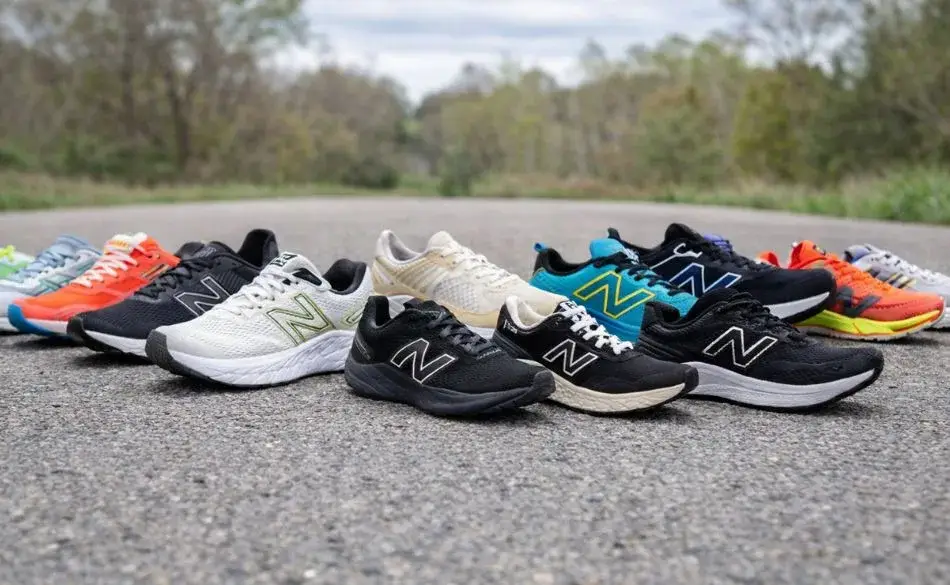
From a coaching standpoint, fit is always the first filter I use when recommending a running shoe. Before cushioning, stability, or performance even enter the discussion, the shoe has to match the shape of your foot. This is one area where New Balance often stands out compared to many other major brands, especially for everyday runners.
Many runners assume that foot pain automatically means they need more support or a different category of shoe. In practice, the issue is often simpler. The shoe is too narrow, particularly through the forefoot. When toes are compressed, pressure builds with every step. Over time, that pressure can show up as arch soreness, hot spots, numbness, or forefoot pain that lingers even outside of running. In those cases, understanding how shoe shape and width affect loading can be important, especially if you’re dealing with ongoing discomfort, as outlined in this guide on finding the best running shoes for metatarsal pain.
This is where New Balance’s approach becomes relevant. Many of their core running models are available in multiple width options. For runners with wider feet, higher-volume midfeet, or orthotics, this flexibility matters, something New Balance also explains in its overview of running shoe design and fit. It allows the shoe to sit naturally around the foot instead of forcing the foot to adapt to the shoe. As a result, foot loading tends to feel more stable and relaxed, particularly late in longer runs when fatigue sets in.
The heel fit follows a similar philosophy. New Balance heel counters are usually structured without being overly rigid. This helps reduce heel slip while avoiding unnecessary pressure on the Achilles. When heel irritation or soreness shows up after running, it’s often linked to this combination of fit, cushioning, and movement, which is explained further in this guide on heel pain after running.
One coaching client I worked with had persistent forefoot discomfort despite rotating through several popular shoe models. Once they switched to a comparable New Balance trainer in a wider fit, the issue settled within weeks, without any change to training load. The shoe wasn’t more advanced. It simply fit better.
Ultimately, this focus on fit doesn’t make New Balance exciting on paper, but it does make them reliable in real training. When shoes disappear on your feet, your body can focus on running instead of compensating.


Cushioning and Ride Feel: What to Expect When You Run in New Balance
Once fit is dialled in, the next thing runners usually notice is how a shoe feels underfoot while moving. This is where New Balance often feels different from brands that prioritise a highly springy or aggressive ride. From a coaching perspective, that difference is usually intentional and, for many runners, beneficial.
Across their daily training range, New Balance generally uses midsole foams that focus on impact absorption and stability rather than strong rebound. The cushioning is designed to soften landing forces without becoming unstable or overly soft. As a result, the ride tends to feel calm and predictable, especially during easy runs and longer aerobic sessions where fatigue can subtly change how you load the foot. Instead of encouraging pace, the shoe supports rhythm.
That predictability matters more than many runners expect. When cushioning is extremely soft or highly reactive, form can drift late in a run. Overstriding and uneven loading become more likely as fatigue sets in. Many New Balance running shoes reduce that risk by providing a consistent platform that feels similar early and late in a session. For runners trying to build durability and tolerate frequent training without breakdown, this kind of consistency plays an important role in staying healthy over time, as discussed in this guide on running without a break.
Another characteristic worth noting is ground feel. New Balance shoes usually allow enough feedback to stay connected to the surface without exposing the foot to harsh impact. This balance can help runners maintain natural cadence and foot placement rather than relying on rebound from the shoe. From a coaching perspective, this supports efficiency-focused training rather than forced speed.
It’s also important to be precise here. Not all New Balance shoes feel the same. Models built with more performance-oriented foams are noticeably more responsive and energetic. However, those shoes sit alongside, not instead of, the brand’s more protective daily runners.
Overall, New Balance cushioning is best described as supportive and controlled in most training models. It doesn’t try to change how you run. Instead, it reduces stress so your body can tolerate consistent training week after week.


Stability and Support: How New Balance Manages Motion Without Overcorrecting
After cushioning, the next concern many runners raise is support. This is often where confusion creeps in, because “support” is treated as a single feature rather than a spectrum. From a coaching perspective, New Balance tends to approach this area thoughtfully, particularly for runners who don’t fit neatly into rigid categories.
Rather than relying heavily on firm medial posts or aggressive correction, many New Balance shoes use platform shape, sidewall geometry, and midsole density to influence how the foot loads. In practice, this means the shoe encourages stable movement without forcing the foot into a fixed path. For a large number of runners, especially those with mild pronation or fatigue-related collapse late in runs, this approach is easier to tolerate over time. It can also suit runners whose mechanics fall outside the typical “overpronation” discussion, such as those with stiffer feet or reduced inward roll, which is explained in more detail in this guide on underpronation in runners.
This distinction matters because overcorrection can create as many problems as it solves. When a shoe pushes too hard against natural movement, the body often compensates elsewhere. In coaching, this frequently shows up as calf tightness, lateral foot soreness, or hip discomfort in runners using overly rigid stability shoes they don’t actually need. New Balance’s more measured approach reduces that risk for many runners.
Another important factor is how stability holds up under fatigue. As runners tire, mechanics become less precise. Shoes with narrow bases or highly unstable cushioning can exaggerate this breakdown. By contrast, many New Balance models counter this with wider platforms and consistent foam behaviour. The shoe doesn’t suddenly feel different when form slips, which helps keep loading predictable during longer sessions.
Importantly, New Balance still offers true stability models for runners who need additional structure. Even then, the feel is typically smoother and less abrupt than older motion-control designs. This makes them more suitable for runners seeking guidance rather than restriction.
From a coaching standpoint, this balanced support profile is why New Balance often works well for runners returning from injury, building volume, or training through multiple sessions each week. In simple terms, New Balance support is about managing motion rather than controlling it, which aligns well with long-term, sustainable running development.


Who New Balance Running Shoes Tend to Suit Best
When deciding whether New Balance running shoes are a good choice, it helps to look at the types of runners who consistently do well in them. From a coaching perspective, this is less about labels like beginner or advanced and more about how someone trains, how their body responds to load, and what they need from a shoe over time.
In general, New Balance tends to suit runners who value comfort and predictability over novelty. If your training includes a lot of easy and steady running, the calm ride and stable platform often feel reassuring rather than dull. These are the runners who want their shoes to feel the same on day three of the week as they did on day one, without constantly thinking about what’s happening underfoot.
They also work particularly well for runners building volume gradually. As weekly mileage increases, shoes that behave consistently under fatigue become more important. Many runners experience subtle form changes late in long runs, and New Balance shoes often handle this phase without suddenly feeling unstable or overly soft. As a result, long-run recovery tends to feel more manageable.
Another group that benefits is runners with wider feet or higher-volume foot shapes. This includes people who have struggled with toe numbness, forefoot pressure, or recurring hot spots in narrower shoes. When the shoe fits properly, those issues often settle without needing to adjust training or add extra support. In practice, this is why New Balance is often a turning point for runners who have cycled through several brands without success.
New Balance shoes also tend to suit runners returning from injury or managing ongoing sensitivity. Because the cushioning and support are measured rather than aggressive, the shoes are less likely to introduce abrupt changes in loading. This makes them easier to integrate during rehabilitation phases or cautious training rebuilds.
That said, runners who prioritise speed sensation or race-day excitement may not immediately connect with many New Balance trainers. If you want a shoe that feels fast and reactive on every run, some models may feel muted. This doesn’t make them poor shoes, but it does mean they’re better aligned with consistency-focused training rather than constant performance chasing.

A Practical Look at New Balance as Running Shoes (Coach Comparison)
After looking at fit, cushioning, and support in isolation, it helps to step back and assess how New Balance performs as a running shoe brand overall. From a coaching perspective, this kind of comparison matters because runners don’t experience shoes in pieces. You experience them over weeks of training, across different sessions, and under fatigue.
New Balance generally performs well because its design priorities are consistent. Fit options are broad, cushioning behaviour is predictable, and stability is managed rather than forced. These choices don’t make the shoes feel dramatic on the first run, but they often make them easier to live with as training volume builds. For runners juggling work, family, and limited recovery time, that reliability is often more valuable than short-term performance feel.
Another advantage is how little guesswork is involved. When runners switch into New Balance after struggling with narrow or unstable shoes, the improvement usually comes from better fit and calmer ride rather than from a radical change in mechanics. That reduces the risk of secondary issues appearing elsewhere in the body.
The table below summarises how New Balance typically performs in the areas runners care about most, and what that means in day-to-day training.
👉 Swipe to view full table
| Factor | How New Balance Typically Performs | What This Means for Runners |
|---|---|---|
| Fit & Width Options | Multiple widths offered across many models, including wide and extra wide. | Better comfort for broader feet and fewer pressure-related issues. |
| Cushioning Feel | Generally controlled and protective rather than highly springy. | Supports steady mileage and longer runs without instability. |
| Stability Approach | Relies on platform shape and geometry instead of hard correction. | Guides movement without forcing mechanics, especially under fatigue. |
| Durability | Foams and outsoles tend to hold structure over higher mileage. | Shoes often feel consistent deeper into their lifespan. |
| Best Training Use | Everyday running, base building, long runs, and cautious rebuilds. | Well suited to runners prioritising consistency over speed sensation. |

Durability, Mileage, and Value Over Time
Beyond fit and feel, one of the most practical questions runners ask is how long a shoe will actually last. From a coaching perspective, durability matters because training consistency depends on predictable footwear behaviour. When shoes break down early, runners are often forced to adjust mechanics or replace footwear sooner than planned, both of which can quietly disrupt training.
In general, New Balance running shoes perform well in this area. Many of their daily trainers maintain midsole structure and outsole integrity across higher mileage ranges. This doesn’t mean the cushioning never softens. Rather, the change tends to be gradual instead of sudden. As a result, runners are less likely to experience the sharp drop-off where a shoe feels fine one week and noticeably flat the next.
That gradual wear pattern is important. When cushioning collapses unevenly or stability features degrade quickly, runners often compensate without realising it. Over time, this compensation can show up as calf tightness, plantar irritation, or knee soreness. Because New Balance shoes usually age predictably, runners can sense when a shoe is nearing the end of its useful life rather than being caught off guard. In these cases, spreading training load across more than one pair can also help manage wear and reduce repetitive stress, as explained in this guide on whether you should rotate your running shoes.
Outsole durability follows a similar pattern. Many New Balance models use rubber compounds that handle road mileage well, especially for runners who scuff slightly or load one side more than the other. From a coaching standpoint, this becomes particularly helpful for runners building volume, where replacing shoes too frequently is both costly and inconvenient.
Value over time is where this durability shows its real benefit. While New Balance shoes are not always the cheapest option upfront, the cost per kilometre often works out favourably. Runners training three to five times per week tend to get consistent performance deeper into the shoe’s lifespan, reducing the need for early rotation or replacement.
That said, durability always depends on context. Heavier runners, higher weekly mileage, and repeated hard sessions will wear any shoe faster. New Balance doesn’t bypass those realities. What it does offer is predictability. When runners know roughly how a shoe will feel at different points in its lifespan, they can plan training and replacements with greater confidence.


Final Verdict: Are New Balance Good Running Shoes?
When you step back and consider the full picture, New Balance running shoes tend to succeed for reasons that matter in real training rather than on paper alone. They prioritise fit accuracy, stable geometry, and predictable cushioning over dramatic ride sensations. From a coaching perspective, those design choices align closely with how most runners actually train from week to week.
Rather than offering instant excitement, New Balance shoes focus on reducing friction in training. When shoes fit properly, behave consistently under fatigue, and wear down gradually, runners spend less time managing niggles and more time focusing on the work they’re doing. Over months of training, that reliability becomes far more valuable than how a shoe feels during a short test run.
This doesn’t mean New Balance is the right answer for everyone. Runners chasing a highly responsive or race-focused feel may naturally gravitate toward brands that emphasise energy return and speed sensation. In the same way, runners with very specific performance goals may choose to rotate New Balance with lighter or more aggressive shoes for certain sessions.
However, for runners who value comfort, durability, and dependable support across varied training loads, New Balance consistently performs well. This includes runners building mileage, returning from injury, managing wider feet, or balancing training with work and family life.
In simple terms, New Balance running shoes are good not because they promise to make you faster, but because they help you train without unnecessary distractions. They don’t try to change how you run. Instead, they support the way you already do. For many runners, that quiet reliability is exactly what allows steady progress to happen over time.