Why Cyclists Need Strong Backs
When most riders think about training, their focus usually lands on powerful quads, strong calves, and aerobic endurance. But the back is the true workhorse of cycling, quietly stabilizing every pedal stroke. Without a strong foundation here, long hours on the bike can turn into nagging discomfort or even injury.
Cycling positions your body in a forward lean. Over time, this posture places pressure on the lower back and tightens the upper back and shoulders. Add in vibrations from the road or trail, and it is no wonder many riders feel sore after tough sessions. A weak back magnifies these stresses and makes it harder to hold form.
The best back exercises for cyclists don’t just prevent pain. They improve efficiency. When your spinal muscles are conditioned, they transfer energy from your legs to the pedals with less loss. That means you ride faster, smoother, and with less wasted effort.
Think about your longest ride in recent months. Did your back start to stiffen halfway through? Did your shoulders hunch forward near the end of a climb? Those are signals that your body is asking for more stability and strength.
Cycling strength training off the bike fills this gap. A balanced program of mobility, stability, and strengthening work keeps your spine aligned and your core firing. Over time, this reduces aches and boosts endurance. Riders who commit to consistent back work often notice they can hold better posture, recover quicker, and push harder without discomfort.
Your legs may be the engine, but your back is the frame that keeps the whole machine working. Build it up, and every ride feels stronger, smoother, and more enjoyable.
A proper bike fit, smart training, and the right recovery can make all the difference. Our Cycling Coaching program helps you prevent injuries like lower back pain cycling while building strength, endurance, and confidence on the bike.
- Personalized setup: Guidance on bike fit, saddle height, and handlebar position to reduce pain.
- Strength & mobility: Core-focused workouts to improve posture and stability.
- Progressive training: Build fitness without risking overuse injuries.
- Coach support: Adjustments and feedback to keep you riding pain-free.
Don’t let back pain hold you back. Get expert coaching designed to keep you strong, balanced, and injury-free.
Start Your Coaching →

The Best Back Exercises for Cyclists You Can Start Today
You don’t need fancy equipment to build strength in your back. Some of the most effective moves are simple bodyweight drills that you can fit into your week with little time. These target the muscles that hold posture, stabilize your spine, and keep power flowing from your legs to the pedals.
The back exercises should feel controlled and steady. Focus on smooth movement rather than speed. Quality form builds strength faster than rushing through sets.
- Superman Holds: Lie face down, lift your arms and legs, and squeeze your back. Strengthens the lower spine and builds endurance.
- Bird Dogs: From hands and knees, extend opposite arm and leg. Improves core stability and balance.
- Glute Bridges: Press your hips upward while squeezing glutes. Helps with pelvic control and reduces lower back pain cycling can cause.
- Plank with Shoulder Taps: Hold a plank, tap each shoulder. Enhances posture and stability while resisting rotation.
- Reverse Snow Angels: Lying face down, sweep your arms in an arc. Opens the upper back and eases shoulder tightness.
These movements may seem simple, but together they create a strong foundation. Over time they improve posture correction, reduce fatigue, and allow you to ride longer without discomfort. Even ten minutes twice a week can make a difference you will notice on the bike.
Keep reps manageable and stop before form breaks. This way your back grows stronger without risk of strain. Consistency matters more than intensity at the start. Build gradually and let your body adapt to the work.
With practice, these Back Exercises for Cyclists will give you more control, steadier climbs, and smoother rides.
👉 Swipe to view full table
| Exercise | Main Focus | Recommended Sets/Reps |
|---|---|---|
| Superman Holds | Lower back endurance | 3–4 sets, 20–30s hold |
| Bird Dogs | Core stability and balance | 3 sets, 8–10 reps per side |
| Glute Bridges | Pelvic control and hip drive | 3 sets, 12–15 reps |
| Plank with Shoulder Taps | Posture and anti-rotation strength | 3 sets, 15–20 taps |
| Reverse Snow Angels | Upper back and shoulder mobility | 3 sets, 8–10 reps |


Weight Training for the Cyclist’s Back
Bodyweight drills are a strong starting point, but adding resistance takes your training further. Weight training develops the power and durability needed to handle long climbs, heavy mileage, and the repeated strain cycling places on your spine.
The best back exercises for cyclists with weights target both the lower and upper back. They reinforce posture, increase endurance, and build strength that transfers directly to the pedals. You don’t need heavy loads. Moderate weight and controlled movement are more effective than chasing numbers.
- Dumbbell Rows: Strengthens the lats and mid-back, helping keep shoulders open and posture upright.
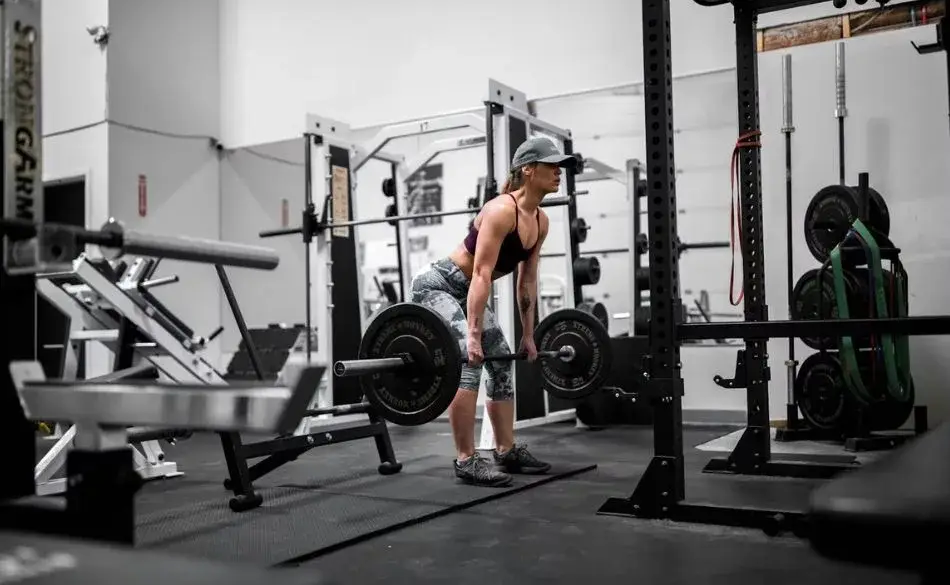
- Romanian Deadlifts: Focuses on the hamstrings and spinal erectors, improving hip hinge and lumbar stability.
- Face Pulls: Excellent for reversing rounded shoulders and opening the upper back.
- Cable Pallof Press: A powerful anti-rotation drill that ties core and back stability together.
- Trap Bar Deadlifts: Builds full-body strength with less stress on the lower back compared to straight-bar deadlifts.
One of my riders who struggled with back tightness on long weekend rides began adding rows and Romanian deadlifts twice a week. After six weeks he not only reported less stiffness, but also noticed his climbing felt smoother and more controlled.
Start with one or two weight training sessions per week, focusing on form and consistency. Pair these lifts with mobility drills to stay balanced. Combined with your cycling, this approach builds the resilient back you need for performance and injury prevention.
Weight training is not about becoming bulky. It is about building a strong, stable platform that lets you ride harder, recover quicker, and stay pain free.
Ready to add a smart rowing variation for better posture and power? Read more: Helms Row Exercise Guide.
Every cyclist rides with different goals, from building endurance to hitting peak power. Our Cycling Training Plans give you structured, progressive workouts designed to fit your schedule and level, so every pedal stroke brings you closer to your goals.
- Tailored progression: Plans for beginners through advanced cyclists.
- Clear structure: Workouts designed to build FTP, stamina, and climbing strength.
- Event-ready: Options for sportives, road races, triathlons, and century rides.
- Flexible design: Fits into busy schedules while still driving results.
Stop guessing your training. Follow a proven plan built for cyclists who want real progress.
Explore Training Plans →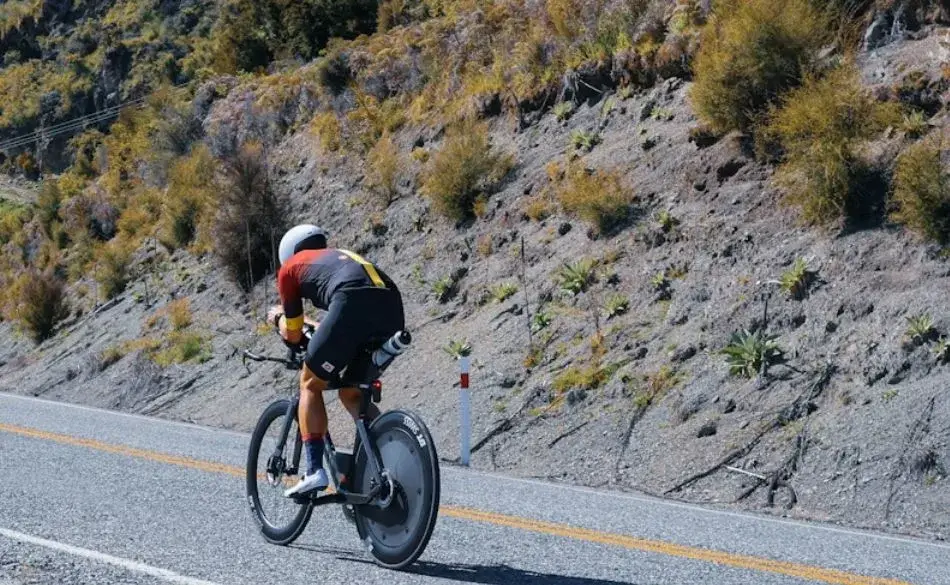

How Strong Backs Improve Cycling Performance
A strong back is not only about preventing pain. It is a direct path to better performance on the bike. When the muscles around your spine and core are conditioned, they create a stable platform that channels every ounce of power to the pedals.
The best back exercises for cyclists focus on strength and stability. With stronger spinal support, your body resists wobble, making climbing smoother and sprinting more efficient. Power moves directly into the drivetrain rather than leaking through weak posture.
One of my athletes used to struggle with tightness after long climbs. We introduced targeted cycling strength training for the back. Within eight weeks, his endurance improved and he noticed far less stiffness. Not only did his posture look sharper, but his recovery after long rides was faster too.
Think of your back as the frame of your bike. A stiff frame carries power cleanly, while a flexing frame wastes energy. The same principle applies to your body. A stronger back holds firm, and the results show in smoother pedaling and stronger finishes.
Improved back strength also supports control. On uneven roads or trails, stability helps you absorb shocks without losing form. For road cyclists it means efficiency in the drops. For mountain bikers it means balance on technical sections. Both benefit from a spine that stays steady under load.
Fatigue reduction is another hidden gain. Shoulders stay open, hips remain level, and breathing feels easier when posture holds steady. Over time this adds up to higher endurance and more consistent power output across long sessions.
Building strength here requires patience. Quick fixes might ease tightness, but lasting gains come from steady training. Commit to consistent Back Exercises and you will feel the difference every mile you ride.


Mobility and Flexibility for a Healthier Back
Strength is only one side of the equation. Mobility and flexibility are just as important for keeping your back healthy on the bike. Tight muscles restrict movement, increase strain, and make it harder to hold posture. Adding mobility drills to your weekly routine helps your back move freely and recover quicker after long rides.
The best back exercises for cyclists often blend strength with mobility. A few minutes of stretching after rides can prevent stiffness from building up over time. Focus on areas that directly affect spinal alignment: hamstrings, hips, and thoracic spine.
- Cat–Cow Stretch: Warms up the spine by moving it through flexion and extension. Great before or after rides.
- Thoracic Rotations: From all fours, reach one arm under the body and then twist open. Improves mid-back mobility.
- Seated Forward Fold: Gently stretches hamstrings and lower back. Hold without forcing the movement.
- Hip Flexor Stretch: Keeps the pelvis neutral and reduces strain on the lower spine during long rides.
- Child’s Pose: A simple position that releases tension in the lower back and shoulders.
I worked with a rider training for a gran fondo who often finished with a stiff lower back. Once we introduced hip flexor and thoracic mobility drills three times a week, his discomfort faded and his recovery between sessions improved noticeably. He described it as feeling like he had “more room to breathe on the bike.”
Mobility work is easy to overlook, but it is one of the simplest ways to support your back. Just five to ten minutes before or after a ride can make a lasting difference in comfort and performance.
Need a simple cooldown that actually helps your spine recover? Learn more: Back Stretching After Workout.
Riding 100km is a huge milestone for any cyclist. Our 100km Cycling Training Plan gives you a clear roadmap to build endurance, increase speed, and complete the distance with confidence.
- Step-by-step guidance: Structured sessions that gradually build stamina and strength.
- Balanced approach: Training that mixes long rides, intervals, and recovery for steady progress.
- Event-focused: Designed to prepare you for sportives, group rides, or your first century.
- Coach-designed: Created by experienced cycling coaches who know what it takes to go the distance.
Stop guessing your preparation. Follow a proven 100km plan and ride stronger on event day.
Get Your 100km Plan →
Posture and Bike Fit for Long-Term Back Health
Even the best back exercises for cyclists won’t fully protect you if your bike fit and posture are off. Small misalignments create big problems over time, especially on long rides. The way you sit, reach, and hold your bars can either support your back or slowly break it down.
Think about your position the next time you ride. Are your shoulders hunched? Is your lower back rounded? These subtle cues often reveal where support is lacking. A balanced posture lets your spine hold steady without excess tension.
Bike fit is the foundation here. A saddle set too high forces your hips to rock, straining the lumbar spine. A low handlebar position pulls you forward and compresses the discs in your back. Even cleat placement can affect alignment from the ground up. A proper fitting ensures everything works with your body rather than against it.
Here are a few posture cues to keep in mind every ride:
- Engage your core slightly to protect the lower back.
- Hinge from your hips instead of rounding your spine.
- Relax your shoulders and let elbows bend softly.
- Check your form every 15–20 minutes on long rides.
When posture holds, efficiency rises. Breathing feels easier, power transfer improves, and strain on the spine decreases. Combined with smart cycling strength training, a good fit and mindful posture can extend the years you ride pain free.
Want practical tweaks that ease discomfort fast? Learn more here: Lower Back Pain Cycling Fixes.
Hills and mountains test every cyclist. Our Cycling Climbing Training Plan is designed to help you build power, improve endurance, and tackle climbs with confidence.
- Climbing strength: Specific sessions to boost leg power and pedaling efficiency uphill.
- Endurance focus: Workouts that prepare you for long climbs and challenging gradients.
- Proven structure: Balanced training that mixes intervals, steady climbs, and recovery.
- Coach-built: Developed by experienced coaches to make you faster and more confident on every ascent.
Stop dreading the hills. Train smart and turn every climb into your advantage.
Get Your Climbing Plan →A Complete Back Training Plan for Cyclists
It’s one thing to know the best back exercises for cyclists. It’s another to put them together into a plan that balances strength, mobility, and recovery. The goal isn’t to overload you but to give your back consistent, targeted work alongside your rides. This sample two-day split is simple, effective, and fits into a busy week.
Do each session once per week on non-consecutive days. Use light weights or just bodyweight to start, and progress gradually as your strength builds.
👉 Swipe to view full plan
| Day | Exercise | Focus | Sets/Reps |
|---|---|---|---|
| Tuesday (Day A) | Superman Holds | Lower back endurance | 3×20–30s hold |
| Tuesday (Day A) | Bird Dogs | Core stability and balance | 3×8–10 reps per side |
| Tuesday (Day A) | Glute Bridges | Pelvic control and hip drive | 3×12–15 reps |
| Tuesday (Day A) | Plank with Shoulder Taps | Anti-rotation strength | 3×20 taps |
| Tuesday (Day A) | Thoracic Rotations | Mid-back mobility | 2×10 per side |
| Friday (Day B) | Dumbbell Rows | Upper and mid-back strength | 3×10–12 reps |
| Friday (Day B) | Romanian Deadlifts | Hamstrings and spinal stability | 3×8–10 reps |
| Friday (Day B) | Face Pulls | Upper back and shoulders | 3×12–15 reps |
| Friday (Day B) | Trap Bar Deadlifts | Full-body power, reduced spinal stress | 3×6–8 reps |
| Friday (Day B) | Hip Flexor Stretch + Child’s Pose | Recovery and posture reset | 2×30s hold each |
This program combines mobility, bodyweight drills, and resistance training into one plan. Stick with it for 6–8 weeks and you will notice improved posture, reduced tightness, and stronger rides. Adjust load and volume as your body adapts, always keeping quality form as the priority.
Want more dumbbell ideas that suit cyclists and runners? Explore: Dumbbell Back Exercises for Runners, Cyclists & Triathletes.
Multi-day stage races like the Haute Route demand more than fitness. Our 5-Day Haute Route Cycling Training Plan is built to prepare you for back-to-back days in the mountains with the endurance, climbing strength, and recovery strategies you need.
- Stage-race focus: Training tailored for consecutive hard days on the bike.
- Climbing power: Specific workouts to handle long ascents and steep gradients.
- Recovery strategies: Sessions designed to maximize adaptation and keep you fresh each day.
- Coach-designed: Structured plan created by experienced cycling coaches who know the demands of multi-day racing.
Stop guessing your preparation. Follow a proven plan that helps you thrive in every stage.
Get Your Haute Route Plan →
Recovery Strategies to Keep Your Back Strong
Training is only half the battle. Recovery is where your body adapts, repairs, and grows stronger. Without proper recovery, even the best back exercises for cyclists won’t deliver the full benefit. Your back muscles, just like your legs, need time and care after hard sessions or long rides.
Simple recovery habits make a huge difference. Stretching helps release tension, massage eases stiffness, and rest days give your muscles space to rebuild. A cyclist who respects recovery often rides stronger than one who only focuses on pushing harder.
- Stretching Routine: Spend 5–10 minutes after rides on hip flexors, hamstrings, and thoracic spine.
- Foam Rolling: Roll gently along the upper and lower back to ease tightness and improve blood flow.
- Massage or Percussion Therapy: Helpful for deep tissue release, especially after long rides or races.
- Active Recovery: Easy spins or walks encourage circulation without adding more strain.
- Sleep and Hydration: The simplest yet most powerful recovery tools. Aim for 7–9 hours of quality sleep.
One rider I coached used to skip recovery entirely, focusing only on miles. He constantly battled stiffness in his lower back. After adding two recovery sessions each week (stretching and foam rolling) his pain reduced dramatically and he was able to increase training volume without setbacks.
Think of recovery as part of training, not an optional extra. With a steady balance of strength work, mobility, and recovery, your back becomes resilient enough to handle years of cycling with less pain and more enjoyment.


Conclusion: Building a Back That Supports Every Ride
Your back is more than just a support system on the bike. It is the foundation that keeps you stable, powerful, and pain free. With the right approach, you can turn a common weakness into one of your biggest strengths.
We’ve covered the best back exercises for cyclists, from simple bodyweight drills to targeted weight training, mobility work, and recovery strategies. Each plays a role in helping you ride longer, recover faster, and avoid the stiffness that can hold you back.
The truth is, small steps add up. Just two short sessions per week can transform how you feel on the bike. Pair that with consistent recovery, good posture, and a balanced training plan, and your back will reward you with smoother miles and stronger performances.
If you’re serious about cycling, don’t overlook your back. Train it, care for it, and let it support your passion for riding. Your legs may drive the pedals, but your back is what keeps you riding strong and staying pain free.