Unlock Speed By Fixing Your Riding Form
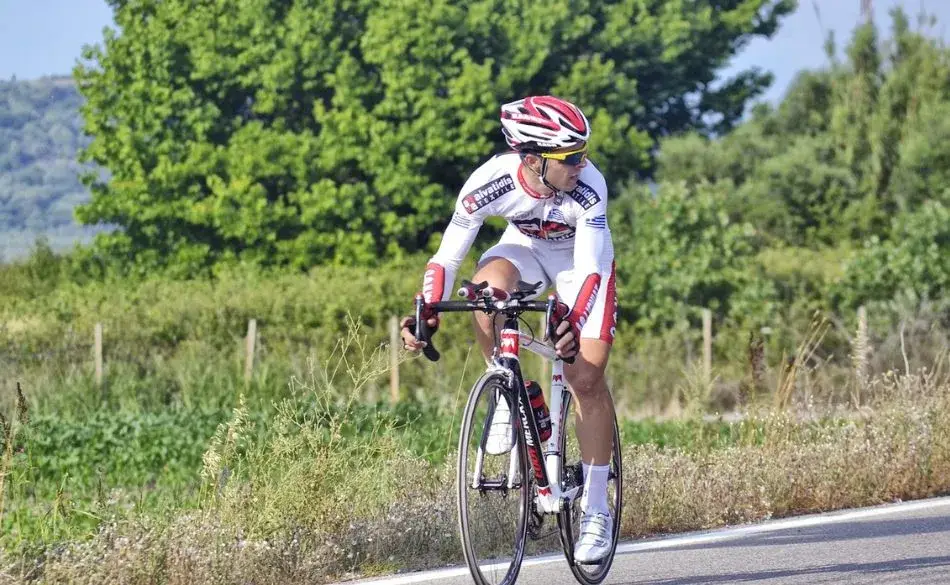
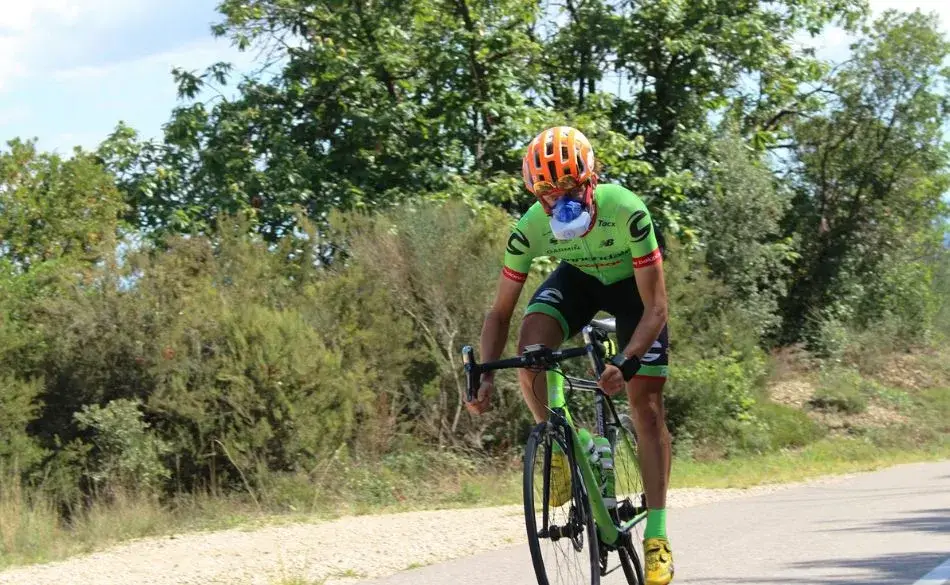
Your riding form is the engine behind every fast ride. When your position is stable and controlled, your power goes straight into the pedals. But when your body moves out of sync, you lose speed without realizing it. Most riders think fitness is the problem, but technique is often the real limiter.
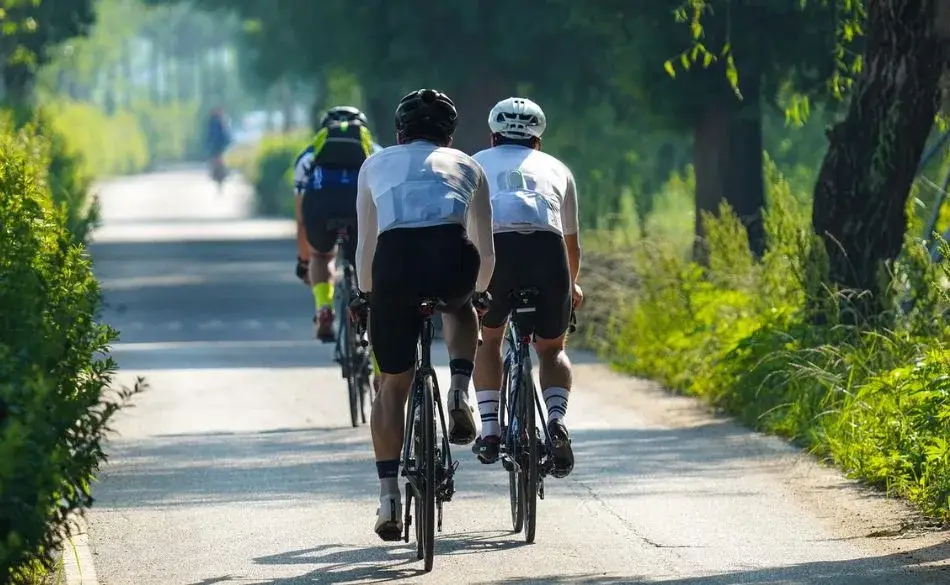
One of the biggest gains comes from understanding how to reduce wasted energy cycling. When your torso sways from side to side, your centre of mass shifts away from the crank. This forces your body to correct balance every pedal stroke. Research shows this can increase oxygen use by 6–8%. A quiet, steady upper body keeps your mass centred, so more of your effort becomes forward motion instead of sideways movement.
You also gain immediate speed by learning how to improve cycling efficiency through better body alignment. Soft elbows act like little shock absorbers. Straight wrists transfer force cleanly. A relaxed grip reduces vibration, letting your bike track smoothly over the road. This lowers neuromuscular fatigue, meaning your muscles fire more consistently and waste less energy.
Saddle height plays a much bigger role than most cyclists think. A seat that’s too low increases knee flexion at the top of the stroke. This forces your quads to work harder and shortens the travel of your glutes, reducing leverage. A saddle that’s too high creates pelvic rocking, which wastes power and increases strain on your hamstrings. The ideal height lets your knee reach about 25–35° of bend at the bottom of the stroke. That angle produces the best balance of joint torque, muscle length, and mechanical leverage.
Even your breathing affects speed. When you breathe from your chest, your shoulders rise and tighten. That tension travels into your arms and reduces upper-body stability. Diaphragmatic breathing opens your lower ribs and lets your torso settle, improving control and rhythm. A calm upper body always leads to smoother pedaling.
If you’ve ever wondered why some rides feel effortless while others leave you drained, our Cycling Coaching Plan gives you clear direction. Each week is designed around your body, your riding habits, and what you want to improve, so you can focus on technique, efficiency, and enjoyment without guessing.
With structured support, small adjustments, and a plan that respects your recovery, you can ride with more confidence, knowing every session has purpose and helps you feel smoother, stronger, and more in control on the bike.
View Cycling Coaching
Master Cadence to Unlock More Free Speed
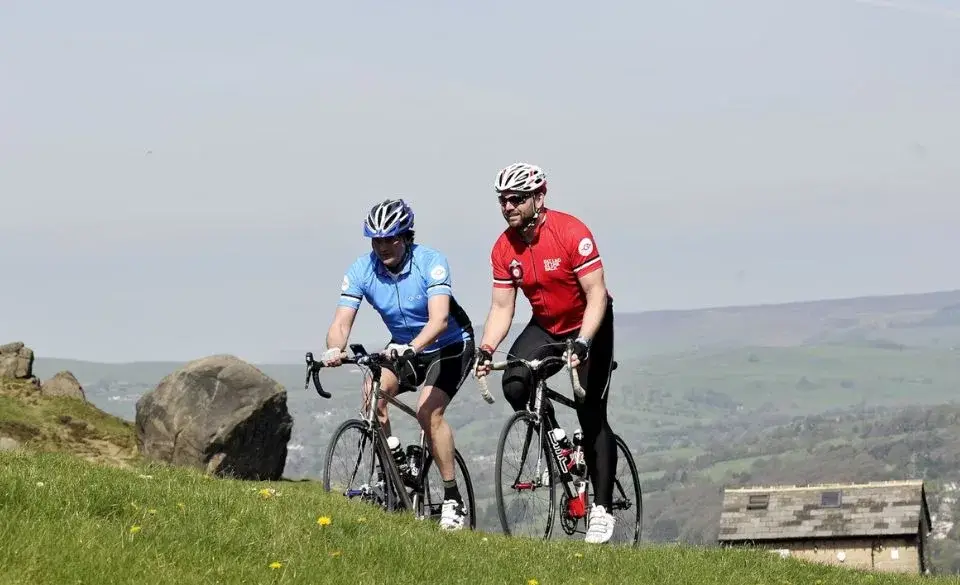
Most riders try to get faster by pushing harder, but speed often comes from learning how to pedal smarter instead. Your cadence (the number of pedal revolutions per minute) is one of the biggest drivers of free speed. When your cadence is too low, you rely on heavy torque. That feels powerful at first, but it drains your legs quickly and limits how fast you can go. When your cadence is too high, you bounce in the saddle and waste energy through unnecessary movement.
The sweet spot sits around 85–95 RPM for most riders, and this is where cycling cadence make a real difference. At this rhythm, your muscles complete more work with less strain per stroke. You spread the effort across more revolutions instead of grinding through each push. Riders who switch to a smoother cadence often gain 1–2 km/h on flat roads without increasing effort.
Your gearing choices also shape cadence. Many cyclists stay in a harder gear because it “feels strong,” but it actually slows acceleration and increases muscular fatigue. Using slightly easier gears lets you spin faster with better control. Think of it like changing your walking stride. Longer, slower steps take more effort. Shorter, quicker ones feel lighter and keep you moving faster.
This is also where knowing how to reduce wasted energy cycling matters. If your hips bounce or your upper body shakes, your cadence rhythm collapses. Your body works against itself instead of with itself. The more stable your torso, the smoother each pedal circle becomes.
One of my coaching clients felt stuck at 26 km/h no matter how hard he trained. His strength wasn’t the problem, his cadence was. He rode at 65 RPM for years without realizing it. When we shifted his target to 90 RPM and adjusted his gearing, his average speed jumped to 30 km/h within four weeks. No extra training. Just better rhythm. For those looking to combine cadence improvements with structured sessions, our high intensity interval training workouts for cyclists offer effective guidance to push your limits safely.
When you ride, do your legs spin freely, or do they feel like they’re pushing through mud? Your answer tells you exactly where your next free speed gain lives.
If you’re feeling stuck in the same speed zone and want a structured way to push your limits without burning out, our Cycling Threshold Training Plan guides you step by step. Each week builds strength, confidence, and targeted power so you can ride harder and finish stronger.
With manageable intervals, balanced recovery, and an emphasis on control—not just volume—you’ll gain that next level of performance without getting burned out.
View Threshold Training Plan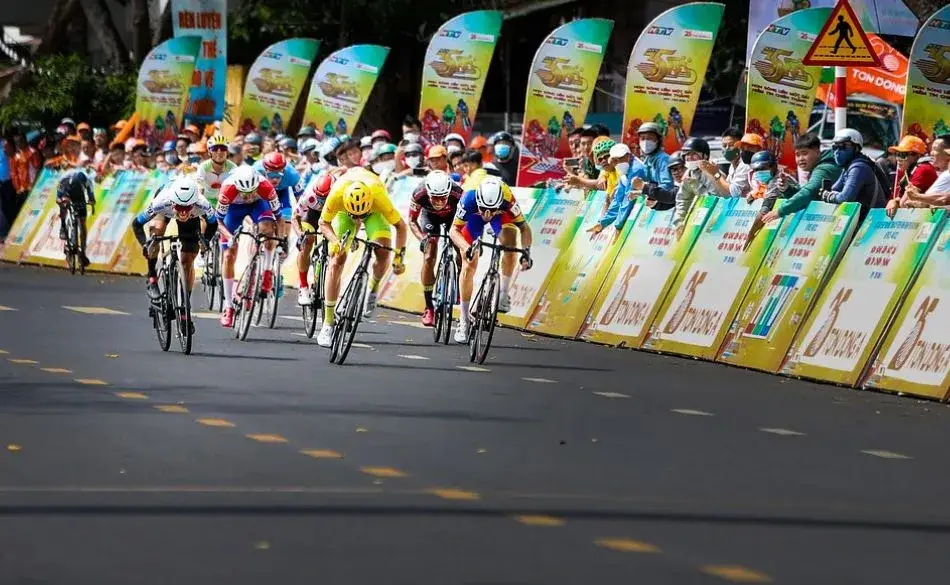

Use Aerodynamics to Get Faster Without Getting Fitter
One of the most overlooked free speed cycling tips is how you move through the air. Once you ride above roughly 25 km/h, wind resistance becomes the main force holding you back. You can try to push more power into the pedals, or you can shape your body so the air passes over you more cleanly. Most riders don’t realise how big the difference can be.
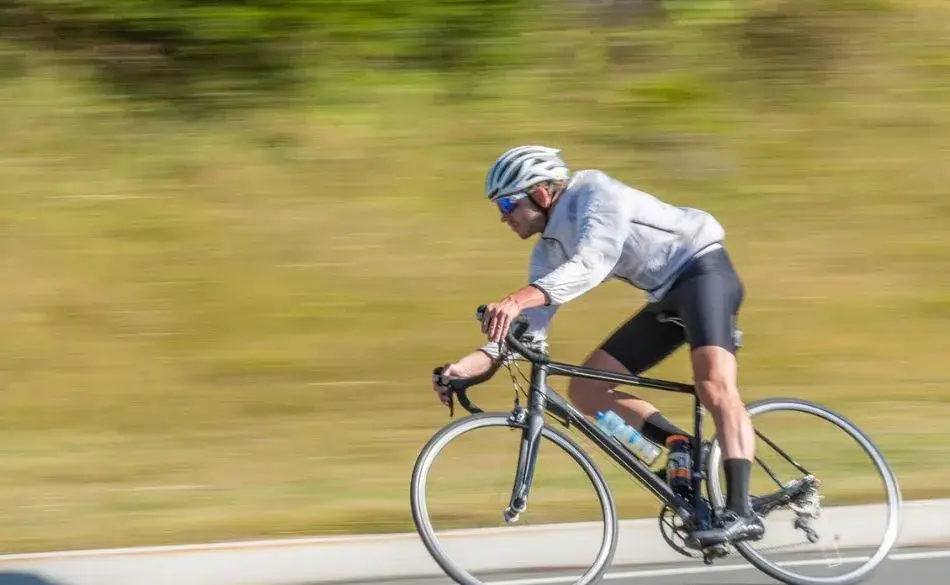
For everyday cyclists, this starts with a simple, safe aero position cycling for beginners. You don’t need to look like a time trial specialist. You only need to lower your front end slightly, bend your elbows, and reduce how much of your upper body faces the wind. Even small changes (like riding with relaxed shoulders and a flatter back) can cut drag by a noticeable amount.
Think of your body as a sail. The wider the sail, the more force the wind pushes back with. When you tuck your elbows in and let your head follow the line of your spine, you shrink your sail. You’re still using the same effort, but now more of that effort pushes the bike forward instead of fighting the wind. For a deeper dive into how body position, drag area, and gear shape affect your ride, see “Cyclist aerodynamics through time: Better, faster, stronger”, a recent review of aerodynamic research.
Your clothing plays into this more than many people think. Loose fabric acts like tiny parachutes, pulling at you and slowing you down. A snug jersey and well-fitted shorts keep the airflow clean around your body. Even closing your jacket zip or tucking away a flapping pocket can reduce drag over time.
Here are some simple aero habits to test on your next ride:
- Bend your elbows slightly and ride with a softer, lower front end when the road is safe.
- Slide your hands to the drops on straight, open roads to feel the difference in wind resistance.
- Keep your knees moving naturally but avoid letting them flare out too far, which adds a little extra frontal area.
- Wear fitted clothing and avoid loose layers that catch air.
- Keep your head relaxed and in line with your spine instead of lifting it high into the wind.
On your last ride, were you sitting tall and catching the wind, or using a smaller, smoother shape? That one habit alone could be costing you free speed every time you roll out.


Strengthen Key Muscles to Gain Free Speed
Even without extra rides, your legs and core can give you measurable speed improvements. Targeting specific muscles enhances cycling efficiency and allows you to pedal smoother, hold your cadence longer, and maintain a cleaner aero position. For a more detailed guide on building strength safely and effectively, check out our Strength and Weight Training for Cyclists resource.
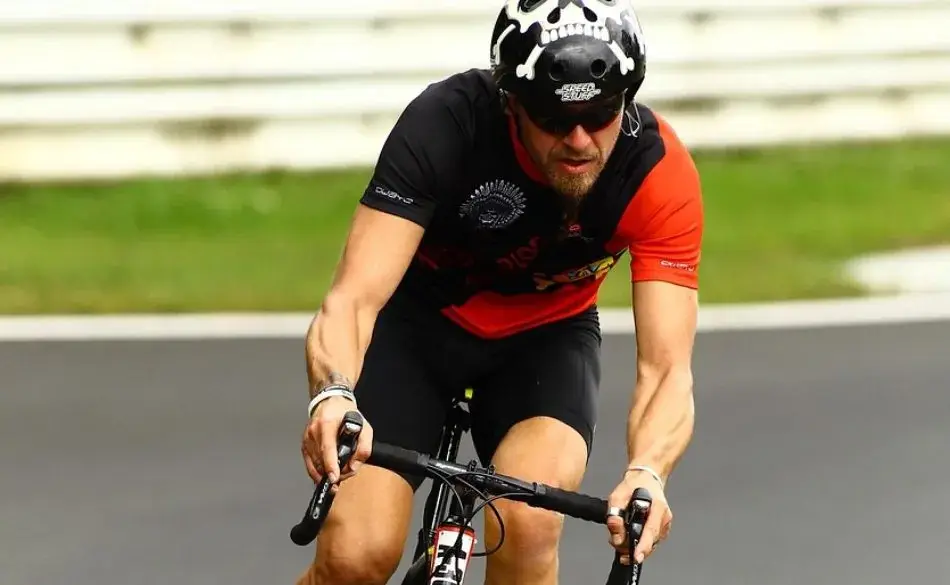
The primary muscles to focus on are your glutes, hamstrings, quadriceps, and core. Strong glutes prevent excessive quad dominance and reduce fatigue during long rides. Hamstrings balance pedal force and control your leg recovery on the upstroke. Core muscles stabilize your torso, keeping your upper body quiet and letting your legs spin freely. A stable torso also supports aero position, so your form doesn’t collapse under wind resistance.
Here are exercises you can do at home or in the gym with minimal equipment:
- Glute bridges – Lie on your back, drive hips upward, and squeeze glutes at the top.
- Single-leg Romanian deadlifts – Improves hamstring strength and balance.
- Planks with rotation – Strengthens obliques for torso stability while pedaling.
- Step-ups – Simulate climbing motion and build unilateral leg strength.
- Seated leg extensions or squats – Targets quads for sustained power.
Riders often underestimate the role of small stabilizing muscles. Even 10–15 minutes of targeted work, 2–3 times per week, can increase your pedaling economy. One of my coaching clients, who struggled with early fatigue on flat group rides, added focused glute and core exercises for six weeks. His cadence held steadier, and his average speed increased by 1.5 km/h without adding extra rides.
When working on strength, focus on quality rather than quantity. Slow, controlled movements with proper form are more effective than heavy loads with poor technique. This approach prevents injury and ensures the benefits translate directly to cycling performance. Think of it as tuning an engine: precise adjustments produce more horsepower than simply revving it harder.

Optimize Gear and Equipment for More Speed
Even subtle adjustments to your bike and equipment can give you noticeable gains without extra training. This is where free speed shines when it comes to cycling. Small technical changes add speed with zero extra rides.
Start with gear selection. Using too high a gear for your cadence slows your pedaling rhythm and increases fatigue. Slightly easier gears allow smoother, faster pedaling at optimal cadence. Your legs spin more efficiently, and your power output spreads evenly across the stroke. Paired with cycling cadence tips, this creates instant free speed without additional effort. For riders who want to dial in their setup for maximum efficiency, our Triathlon Bike Fit: A Complete Guide shows how to adjust frame, bars, and position to optimize comfort and performance.
Tire pressure is another simple but often ignored factor. Under-inflated tires increase rolling resistance and sap energy, while over-inflated tires can reduce traction and comfort. The right balance depends on rider weight, bike type, and road surface, but a properly inflated tire can add 0.5–1 km/h on long rides.
Clothing and gear also contribute. Aerodynamic helmets, snug jerseys, and short sleeves reduce drag and improve airflow around your body. Loose items like flapping pockets or untucked layers create turbulence, which slowly slows you down. Even small adjustments like tucking in a jersey zipper or streamlining your backpack straps help.
Pedal and cleat setup matter too. Misaligned cleats can cause knee strain and energy loss. Proper alignment ensures your power flows directly into the crank, improving efficiency and maintaining smooth cadence.
Here are some key tips to optimize gear and equipment for free speed:
- Check tire pressure and adjust for road conditions and weight.
- Use slightly easier gears to maintain cadence and reduce fatigue.
- Wear close-fitting clothing and tuck loose layers to reduce drag.
- Align cleats and pedals for efficient power transfer.
- Consider an aero helmet for high-speed sections or windy conditions.
Think about it: have you checked your bike and gear in the past month, or are you riding with small inefficiencies that cost speed every ride? Addressing these details is one of the fastest ways to get measurable gains without extra training.
Compare Your Options with This Detailed Speed Optimization Table
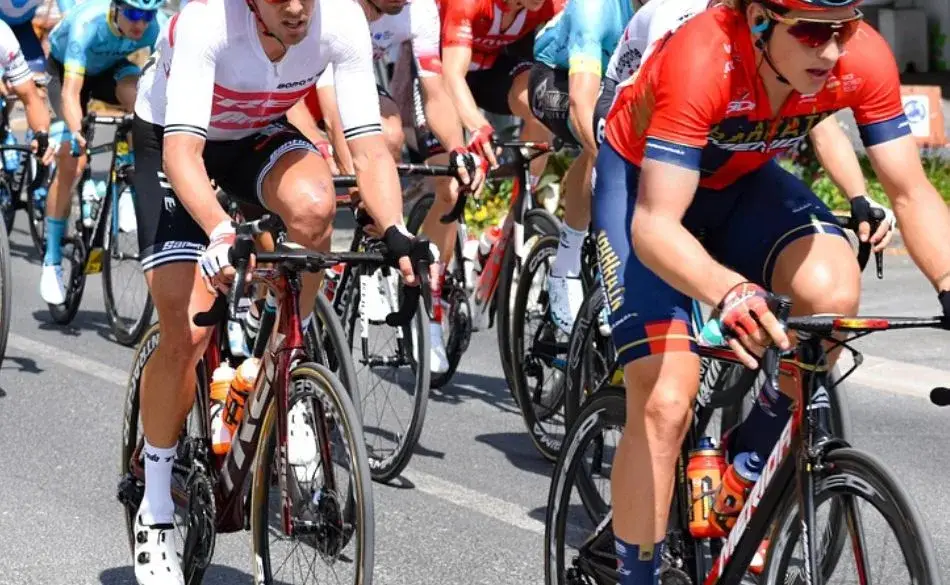
When it comes to gaining free speed, knowing how different strategies compare can save you time and effort. Some changes give instant gains, while others require a few weeks of adaptation. This table summarizes the key areas where small adjustments produce measurable speed improvements, helping you prioritize what to focus on first.
We’ve broken it down into categories, expected effect, time to adapt, and required effort. This format makes it easy to see where your free speed opportunities lie.
👉 Swipe to view full table
| Category | Expected Effect | Time to Adapt | Required Effort |
|---|---|---|---|
| Cadence Adjustment | 1–2 km/h increase on flats | 2–4 weeks | Low – focus on rhythm and gearing |
| Upper Body Stability | 5–10% better pedaling efficiency | 3–6 weeks | Moderate – core exercises and posture drills |
| Saddle & Position | 1–3 km/h smoother pedal stroke | Immediate – minor adjustments | Low – bike fit tweaks |
| Aero Position & Clothing | 1–2 km/h free speed gain | Immediate to 1 week | Low – tuck layers, lower torso, helmet choice |
| Strength & Core Work | 1–1.5 km/h average speed gain | 4–6 weeks | Moderate – 10–15 min exercises 2–3x/week |
| Tire Pressure & Gear Optimization | 0.5–1 km/h on long rides | Immediate | Low – check tire PSI, adjust gear selection |
By comparing categories side by side, you can decide which changes provide the biggest return on effort. For example, a small adjustment in cadence combined with a more aerodynamic posture and properly inflated tires can add 3–4 km/h collectively without increasing training volume.
Think about which one of these tweaks you could implement on your next ride to instantly feel faster. Prioritize the adjustments that fit your current riding style and equipment.
Whether you’re aiming for your first century ride, finishing an Ironman, or simply riding smoother and stronger, our Cycling Training Plans offer structured guidance tailored to your level, schedule, and goals. No guesswork. Just clear direction.
With planned training blocks, balanced recovery, and support from experienced coaches, you’ll ride with confidence and focus—knowing each session serves your bigger picture.
View All Training Plans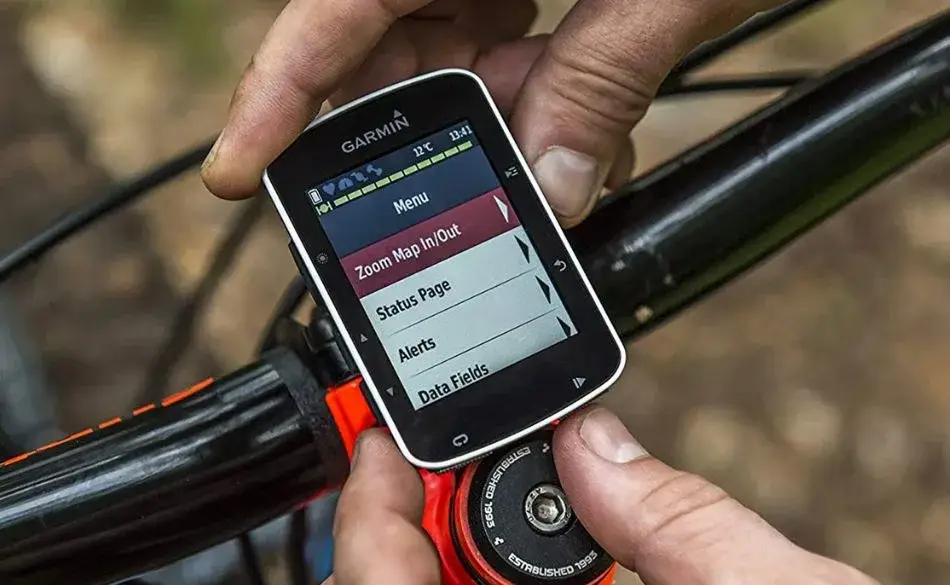
Terrain-Specific Tactics to Ride Faster Without Extra Training
Your speed isn’t just about fitness, it’s also about how you handle different terrain. Flats, climbs, and descents all require slightly different techniques, and optimizing your approach on each can unlock free cycling speed cycling without adding more miles.
On flat roads, the goal is to maintain optimal cadence while keeping your posture stable. Stay relaxed in your upper body and spin smoothly at around 85–95 RPM. Small aero adjustments, like tucking elbows and lowering your torso slightly, reduce drag and increase efficiency. Paired with proper gearing, this helps you hold a high average speed with minimal extra effort.
Climbs demand smart power distribution. Instead of mashing a big gear, shift to maintain a consistent cadence. Engaging your glutes and hamstrings prevents early quad fatigue. Standing occasionally during steeper sections can recruit more muscles, but overdoing it wastes energy. A smooth seated pedal stroke is often more efficient on long climbs than constantly jumping out of the saddle.
On descents, positioning and control are key. Keep your torso low and relaxed, but your hands firm on the bars for safety. Smooth braking and gentle steering allow you to maintain speed while reducing energy loss. Streamlined clothing and helmets help here as well, letting gravity work in your favor.
Here are quick terrain-specific tips:
- Flats: Focus on cadence, stable torso, slight aero tuck.
- Climbs: Maintain consistent cadence, engage glutes/hamstrings, avoid over-mashing gears.
- Descents: Keep relaxed low position, firm grip, smooth braking, and look ahead for clean lines.
One of my coaching clients struggled on rolling hills, always burning out too early. By adjusting cadence on climbs, staying seated longer, and using smoother lines on descents, he increased his average speed by nearly 2 km/h across hilly routes. All without extra training.
Thinking strategically about how you approach each type of terrain can deliver significant free speed gains, often more than simply adding distance to your rides.

Technology and Apps That Help You Ride Faster Without Extra Training
You don’t always need more miles to get faster, sometimes you just need better data. Modern cycling technology and apps can reveal inefficiencies, track cadence, power output, and help you make smarter decisions on every ride. Using these tools wisely is one of the best free speed cycling tips available today.
Power meters are a game-changer. By measuring your wattage directly, they show you exactly how much effort you’re putting into each pedal stroke. This helps you stay in your optimal power zones and avoid wasting energy on surges or inefficient pedaling.
Cadence sensors track your pedal revolutions per minute in real-time. Many riders underestimate their cadence and unknowingly operate below the ideal 85–95 RPM. Seeing live numbers allows you to adjust instantly, holding smoother, more efficient spins.
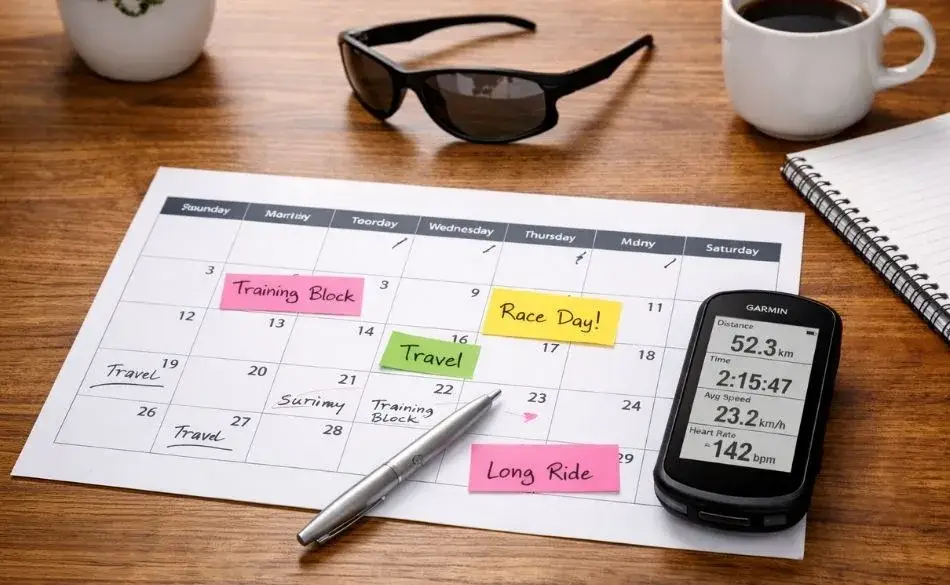
Apps like Zwift, TrainerRoad, and Garmin Connect provide structured workouts, virtual feedback, and analytics. They highlight areas where you can improve technique or positioning, such as excessive torque, inconsistent cadence, or upper‑body sway. You can also compare rides over time to monitor improvements from subtle changes in form, gearing, or posture. For deeper indoor training with smart tech, check out our 10 Zwift workouts every cyclist should try for guided sessions you can use on or off the road.
Even simpler tools like bike computers with GPS give insight into speed, distance, and elevation. Overlaying power or cadence data can help identify which terrain sections are costing you free speed and where small adjustments make the biggest difference.
Here are practical ways to use technology to gain free speed:
- Use a power meter to track effort and avoid energy spikes.
- Monitor cadence with a sensor to maintain optimal rhythm.
- Review rides with apps to identify inefficient pedal strokes or drag points.
- Use GPS and elevation data to spot sections where position or gear changes help.
- Compare data week to week to track small improvements from technique tweaks.
One of my coaching clients used a cadence sensor combined with app analytics for just three weeks. By keeping RPM in the ideal range and smoothing out pedal inconsistencies, he improved his average speed by 1.2 km/h without adding extra distance.
Technology doesn’t replace training, it magnifies the results of smart technique, better posture, and efficient riding. Using it effectively lets you find and exploit free speed on every ride.

Ride Smarter and Gain Speed Without Extra Training
Riding faster without adding more training isn’t magic, it’s about making smarter choices. From refining your form, adjusting cadence, and improving strength to optimizing aerodynamics, gear, and terrain tactics, every small change adds up to meaningful speed gains.
Remember my coaching client who boosted his average speed by over 1.5 km/h with just cadence and core adjustments? That included no extra rides on top of his current training. That’s the power of efficiency, stability, and technique.
Start with one or two changes at a time, monitor the results, and gradually incorporate more. Each ride can feel smoother, faster, and more enjoyable. With consistency and focus, you can maximize your free speed and ride smarter, not just harder.