
Breaking Down the Real Cost of Running a Marathon
When people ask how much is a marathon, they usually mean the entry fee. But the marathon registration cost is only one piece of the puzzle. The true total cost of running a marathon includes gear, travel, and nutrition and these can add up quickly.
According to 2025 data from major event organizers and The Wired Runner, most marathon entry fees fall between US $150 – $400 (AUD $225 – $600). Smaller community marathons are typically cheaper, while high-profile events such as the New York City Marathon charge US $358 (AUD $540) for non-U.S. residents. In Australia, big races like the Nike Melbourne Marathon Festival list adult full-marathon entries around AUD $190 (US $125). These fees often increase as race day approaches or as early-bird discounts expire.
Here’s a general guide to typical 2025 marathon entry costs:
- Local marathons: US $60 – $120 (AUD $90 – $180)
- Large city events: US $150 – $300 (AUD $225 – $450)
- World Marathon Majors: US $250 – $400 (AUD $380 – $600+)
These entry fees cover essentials such as course permits, medical support, timing systems, security, and finisher gear. However, the hidden costs of a marathon can easily double or triple your spend. Beyond registration, runners commonly budget for:
- Running shoes: US $120 – $200 (AUD $180 – $300)
- Clothing and accessories: US $100 – $250 (AUD $150 – $375)
- Nutrition and recovery gear: US $50 – $150 (AUD $75 – $225)
- Travel and hotels: US $300 – $1,500 (AUD $450 – $2,250)
Altogether, completing a marathon can cost anywhere from US $600 – $2,000 (AUD $900 – $3,000) depending on your location and travel needs. Understanding your personal marathon budget breakdown helps you plan smart and focus on training instead of worrying about unexpected expenses.
Note: AUD figures are approximate conversions based on 2025 exchange rates and may vary slightly by region or date.
Get race-ready with our professional Auckland Marathon Training Plan . Created by experienced coaches, this plan is built to help you tackle Auckland’s scenic but challenging course with confidence and structure.
Each week is carefully balanced with endurance runs, speed work, and recovery sessions designed to suit your fitness level. Whether you’re aiming to finish your first marathon or achieve a new personal best, you’ll have a clear, guided path from start to finish.
The Auckland Marathon Training Plan includes detailed workouts, pacing strategies, and tapering guidance developed from years of real-world coaching. It’s a complete program to help you train smarter and perform stronger on race day.
Take the uncertainty out of marathon prep. Follow a structured plan made specifically for the Auckland Marathon and cross the finish line feeling strong and proud.
Explore the Auckland Marathon Plan →

How Much Does It Cost to Enter Popular Marathons
When most runners search how much is a marathon, what they’re really looking for is a price comparison between popular races. Entry fees vary based on location, race size, and whether you’re a local or international participant. Larger marathons in major cities tend to be more expensive due to higher operational costs, crowd management, and event logistics. Smaller community events, on the other hand, often stay affordable and attract first-time runners looking for a low-cost challenge.
The table below shows verified and estimated entry fees for some of the world’s most well-known marathons. All figures include both USD and AUD prices for clarity, using a mid-2025 conversion rate of approximately 1 USD ≈ 1.52 AUD. Where official 2025 data was unavailable, the numbers are marked as “approx.” based on recent event reports and historical pricing trends.
👉 Swipe to view full table
| Marathon | Country | Entry Fee (USD) | Entry Fee (AUD) | Notes |
|---|---|---|---|---|
| TCS New York City Marathon (2024) | USA | US $315 (NYRR non-member) / US $358 (non-U.S. resident) | ≈ AUD $480 / AUD $545 | Verified official pricing tiers. Source: blog.sivo.it.com |
| Nike Melbourne Marathon (2025) | Australia | ≈ US $99 (from) | AUD $150 (from) | Official site lists “Marathon: from A $150.” Source: discovermelbourne.au |
| Boston Marathon (2025 est.) | USA | ≈ US $235 | ≈ AUD $357 | Estimated based on Boston Athletic Association pricing. |
| London Marathon (approx.) | UK | ≈ US $160 – $225 | ≈ AUD $243 – $342 | Estimate based on recent race reports. |
| Berlin Marathon (approx.) | Germany | ≈ US $180 – $200 | ≈ AUD $274 – $304 | Estimate; pricing tiers vary each year. |
| Tokyo Marathon (approx.) | Japan | ≈ US $160 – $200 | ≈ AUD $243 – $304 | Approximate; lottery system for entry. |
As you can see, marathon entry fees can vary dramatically depending on the event. Major city races like New York or Tokyo can exceed US $350 (AUD $540), while local events may cost less than US $100 (AUD $150). Most runners find that US $150 – $400 (AUD $225 – $600) is the standard range for established international marathons. While these higher prices might seem steep, you’re paying for a world-class experience (crowd energy, professional organization, safety, and the thrill of crossing an iconic finish line).
If you’re trying to save money, register early or look for “early bird” discounts. Many marathons raise fees closer to race day, so planning ahead could save you up to US $50 (AUD $75) that you can instead spend on better shoes or recovery gear.
If you’re comparing race distances or thinking about a shorter event, check out our guide on how much is a half marathon to see how half marathon entry fees and costs compare.
Get ready to take on one of the world’s fastest and most famous races with our comprehensive Berlin Marathon Training Plan . Designed by expert coaches, this plan helps you build endurance, pace, and strength for an unforgettable race through the heart of Berlin.
Each week is carefully structured to balance long runs, recovery, and race-specific workouts that simulate the demands of Berlin’s flat, fast course. Whether you’re chasing a personal best or running your first major, this plan gives you the strategy and structure to perform at your peak.
The Berlin Marathon Training Plan includes pacing guidance, tapering strategies, and recovery tips refined through years of real-world coaching experience. You’ll train smarter, reduce the risk of injury, and arrive at the start line confident and race-ready.
Take the stress out of planning your training. Follow a proven program built specifically for the Berlin Marathon and unlock your fastest 42.2 km yet.
Explore the Berlin Marathon Plan →

The Hidden Costs of Running a Marathon
When you ask how much is a marathon, most people think only about the entry fee. But experienced runners know that’s just one part of the total. The real cost comes from training gear, nutrition, travel, and recovery. All the essentials that prepare your body for race day. These extra expenses often push the total spend well beyond US $1,000 (AUD $1,500) for many runners.
Below are the most common additional costs to include in your marathon budget. Figures are typical estimates drawn from current market prices and verified sources.
- Running shoes: A quality pair costs about US $100 – 150 (AUD $150 – 225). Most marathoners go through at least two pairs per training cycle, depending on mileage.
- Running clothes: Technical shirts, shorts, and socks may total US $50 – 150 (AUD $75 – 225). Moisture-wicking gear helps prevent blisters and chafing on long runs.
- GPS watch or smartwatch: Popular models like Garmin or Coros usually range from US $200 – 400 (AUD $300 – 600). They help track distance, pace, and heart rate with accuracy.
- Nutrition and hydration: Energy gels, electrolytes, and sports drinks add roughly US $40 – 100 (AUD $60 – 150) per training block. Frequent long runs make these consumables add up quickly.
- Travel and accommodation: Costs vary widely. Local races might only require fuel and parking, but destination marathons can climb to US $300 – 1,500 + (AUD $450 – 2,250 +) once flights and hotels are factored in.
- Massage and recovery tools: Foam rollers, massage guns, or sports-physio visits typically total US $50 – 250 (AUD $75 – 380) during a training block.
When you combine these expenses with your registration fee, the total cost of running a marathon often falls between US $800 – 2,000 + (AUD $1,200 – 3,000 +). Every athlete’s budget will differ, but planning ahead ensures you can train comfortably and enjoy the big day without unwanted financial stress.


How to Save Money When Training and Racing Marathons
After learning how much is a marathon and seeing how entry fees and travel add up, the next question is how to keep those costs down. The good news? With smart timing and planning, you can enjoy major events without spending more than you need to. Many runners save hundreds each season by following a few simple strategies.
Here are proven, realistic ways to reduce marathon costs while still enjoying the full experience:
- Register early: Most races offer early-bird pricing before standard registration opens. According to Australian race organizers like Sole Motive, early entries can be around AUD $20–50 (US $13–33) cheaper than later tiers. The earlier you register, the better your price and race-day planning window.
- Choose local events: Smaller marathons often cost far less than international majors. Community races typically charge under US $120 (AUD $180), while big-city events like New York or Tokyo can exceed US $300 (AUD $450). Running locally also saves on flights and hotels.
- Run for charity or volunteer: Many marathons offer discounted or free entries to runners who raise a set amount for charity. Events like the Sunshine Coast Marathon in Australia provide “run for free” options for verified fundraisers, giving you purpose and savings together.
- Reuse reliable gear: Shoes, GPS watches, and clothing can last multiple training cycles if well cared for. Reusing items can save several hundred dollars across the year and reduce waste.
- Book travel early: Airfares and accommodation usually rise closer to the event. Booking months ahead or using loyalty points can cut total travel expenses considerably, especially for destination marathons.
- Skip unnecessary extras: Branded merchandise, race photos, or premium medals may look appealing but quickly inflate your spending. Stick to what improves comfort and performance.
Small decisions (like signing up early or racing closer to home) can make a big difference. By planning ahead, you’ll enjoy the excitement of 26.2 miles without stretching your marathon budget too far.
Train with confidence using our expert-designed Sydney Marathon Training Plan . Built by professional coaches, this plan is tailored to help you conquer Sydney’s challenging yet scenic course with structure, consistency, and confidence.
Every week is carefully balanced between endurance, recovery, and pace-focused workouts to match your current fitness level. Whether you’re chasing a personal best or running your first marathon, you’ll get the clarity and structure you need to train effectively.
Our Sydney Marathon Training Plan includes detailed sessions, pacing guidance, tapering strategies, and professional insights refined through years of real-world coaching experience. You’ll build endurance, speed, and race-day confidence step by step.
Take the guesswork out of marathon preparation. Follow a proven plan built specifically for the Sydney Marathon and make your next 42.2 km your strongest yet.
Explore the Sydney Marathon Plan →

Are Expensive Marathons Worth the Money?
Once you’ve seen the wide range of entry fees, it’s natural to wonder if the higher-priced races are truly worth it. Some runners question why they should pay US $300 (AUD $450) or more when a local event might cost a third of that. The truth is, the value depends on what kind of experience you want and how you define “worth.”
High-profile marathons like New York, London, or Tokyo come with world-class organization. The marathon registration cost includes more than just a bib and medal. You’re paying for closed city streets, medical and police support, professional timing, baggage services, large expos, and often incredible crowd energy. According to the World Marathon Majors, these races draw over 30,000 participants each, with extensive logistics and global broadcasting, all of which drive the price upward.
By comparison, local marathons can be far cheaper, typically US $60–120 (AUD $90–180). They may not have the same energy or support staff, but they often offer a friendlier, community-focused atmosphere. If your goal is a qualifying time or personal best, a smaller event might actually be the smarter choice. The flatter courses, less congestion, and reduced travel costs make them excellent for performance-focused runners.
It’s also worth noting that expensive races tend to offer extra perks. Many provide gear bags, custom medals, finisher shirts, or recovery zones with nutrition and massage options. Those bonuses can make the experience feel special. Particularly if it’s your first or bucket-list marathon.
In the end, deciding how much a marathon is worth comes down to your goals. If you crave a once-in-a-lifetime atmosphere and global crowd support, the cost may feel justified. But if you prefer simplicity and smaller crowds, a local race might deliver just as much satisfaction for half the price.
If you’re thinking about entering an event close to home, explore the best marathons in Australia to find races that fit your goals, budget, and running style.

The Cost of Marathon Training Plans and Coaching
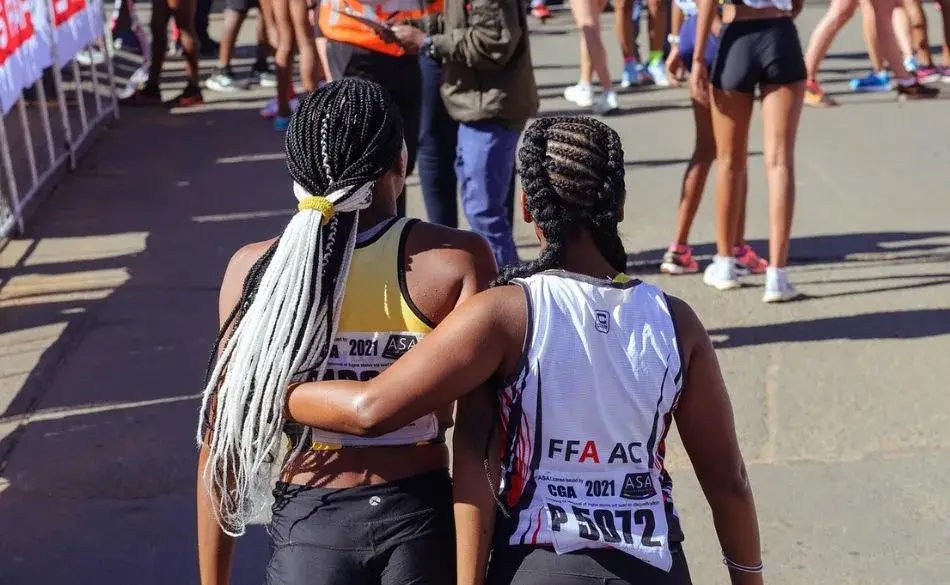
When you think about how much is a marathon, the cost of the race itself is only part of the story. What really determines success is the preparation that happens months before the starting line. Training for 26.2 miles requires structure, accountability, and a plan that fits your goals and schedule and that’s where coaching or customized training plans come in.
Many runners start with free marathon plans from running websites or apps like Strava or Garmin Connect. These can be helpful for beginners who want general guidance without spending money. But for runners aiming for personal bests, qualifying times, or injury-free consistency, expert coaching often provides better results and long-term motivation.
Based on 2025 industry averages, here’s what runners can expect to pay for marathon-specific coaching and training support:
- Downloadable marathon training plan: US $30–80 (AUD $45–120) one-time purchase.
- Personalized online coaching: US $100–300 (AUD $150–450) per month depending on experience, communication frequency, and data feedback.
- SportCoaching personalized coaching: AUD $143 per month, including structured training blocks, ongoing feedback, and full access to your coach through TrainingPeaks.
- In-person or elite coaching: US $300–600 (AUD $450–900) per month for one-on-one sessions and advanced analytics.
- Running app subscriptions: US $10–30 (AUD $15–45) monthly, offering general progress tracking and pace insights.
While personalized coaching may seem like an extra cost, many runners view it as an investment. A way to train smarter, avoid injuries, and make the most of their marathon budget. Programs like SportCoaching provide hands-on support at a competitive rate, helping runners stay consistent and confident leading up to race day.

Destination Marathons — Travel, Adventure, and Added Costs
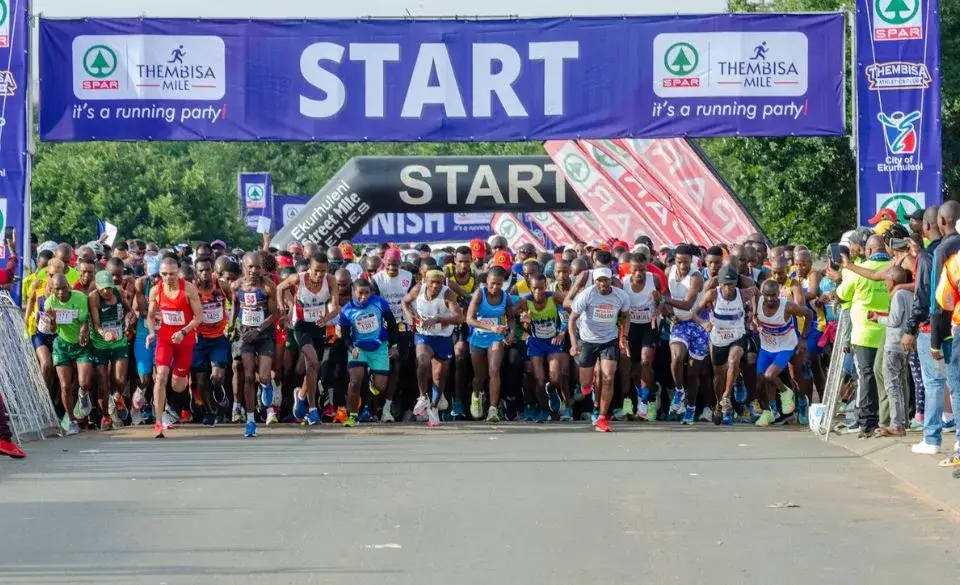
For many runners, the idea of combining travel with racing is irresistible. Running through the streets of Tokyo, London, or New York is a once-in-a-lifetime thrill. But it’s also where the question how much is a marathon takes on a new meaning. Once flights, hotels, and meals are added, a destination marathon can easily cost several times more than a local race.
Based on current travel data and marathon participant surveys, here’s what you can expect to pay when racing abroad:
- Flights: International round-trip fares often range from US $800 – 1,500 (AUD $1,200 – 2,250) depending on distance and season. Flying to Europe or the U.S. from Australia generally sits at the higher end.
- Accommodation: Expect US $100 – 300 (AUD $150 – 450) per night for a mid-range hotel near the event. Major races see price surges as demand spikes weeks before the marathon.
- Meals and local transport: Budget about US $50 – 100 (AUD $75 – 150) daily for food, taxis, and subway fares. Planning ahead can keep these costs manageable.
- Sightseeing and extras: Many runners extend their trips to explore local attractions. Tours and post-race celebrations can add another US $200 – 500 (AUD $300 – 760) overall.
- Race-day logistics: Don’t forget baggage drop fees, gear-check add-ons, or transport to the start line. These minor costs typically total US $20 – 50 (AUD $30 – 75).
Altogether, an international marathon trip can range from US $2,000 – 4,000 (AUD $3,000 – 6,000) when you include registration, travel, and accommodation. While that’s a serious investment, many runners say it’s worth every cent for the memories and the pride of conquering 26.2 miles on foreign soil.
Booking flights and hotels months ahead, sharing rooms with fellow runners, or joining official travel packages can dramatically reduce your total marathon budget. Plan early, it’s the best way to turn your dream race into an affordable adventure.
For more race ideas abroad, check out our guide to the best marathons in Europe and start planning your next international running adventure.
Make your marathon investment count with our expertly designed New York City Marathon Training Plan . This plan is built by professional coaches to help you arrive at the start line confident, prepared, and ready to enjoy every mile of one of the world’s most iconic races.
Each week is structured to balance endurance, recovery, and race-specific sessions that suit your lifestyle. Whether your goal is to finish strong or chase a personal best, this plan gives you the structure and guidance needed to perform at your best.
Our New York City Marathon Training Plan includes detailed workouts, pacing strategies, and expert tips refined through years of coaching experience. It’s your complete roadmap to tackling 26.2 miles with confidence and purpose.
Take the guesswork out of marathon prep, train smarter, not harder, and make your race day one to remember.
Explore the NYC Marathon Plan →

What’s the True Value of Running a Marathon?
After all the talk about fees, travel, and gear, it’s worth asking what’s the real value behind those costs? When runners wonder how much is a marathon, they’re often measuring it in dollars and cents. But most discover that the real payoff has little to do with money. Completing 26.2 miles transforms you in ways that can’t be priced.
The marathon teaches discipline, patience, and mental toughness. Every training run builds confidence, and every early morning logged in your running shoes adds a layer of pride. Many runners describe the finish line as one of life’s most emotional experiences. A mix of exhaustion, joy, and achievement that stays with them long after the race bib is tucked away.
From a financial standpoint, yes, marathon running can add up. A full season of training, gear, and race costs can easily total US $1,000 – 2,500 (AUD $1,500 – 3,800). But the return on that investment isn’t measured by medals or receipts, it’s in what you gain personally. Stronger health, clearer goals, and a sense of belonging to a global running community are all part of the package.
There’s also lasting value beyond the race. Many runners find that marathon training reshapes their routines, improves mental focus, and builds resilience that spills into other areas of life. In that sense, the cost of a marathon isn’t just a purchase, it’s an experience that pays back every single mile.
If you’re planning to travel abroad for your next big race, explore the best spring marathons in America and discover iconic events that combine fast courses with incredible scenery.
Take your running to the next level with our fully personalized Running Coaching service. Built around your lifestyle, fitness, and goals, you’ll receive tailored training sessions, ongoing feedback, and expert support from professional coaches who understand what it takes to succeed.
Each plan is delivered through TrainingPeaks, allowing you to track your progress, communicate directly with your coach, and make adjustments as your fitness improves. Whether you’re preparing for a 5K, half marathon, or your next big 42.2 km race, our structured approach keeps you consistent and motivated.
Our Running Coaching program focuses on balance, progression, and performance. You’ll get the same proven methods used by athletes across Australia and worldwide. No templates, no guesswork, just real results guided by experienced professionals.
Start training with purpose and discover how the right coaching can transform your running journey.
Explore Running Coaching →

Final Thoughts — How Much Is a Marathon Really Worth?
So, how much is a marathon? After exploring every expense (from entry fees and coaching to shoes and travel) we know the answer isn’t simple. Yes, you might spend US $800 – 2,500 (AUD $1,200 – 3,800) by the time you reach the finish line. But that number only tells part of the story.
The true worth of a marathon lies in what it gives you back. It’s the early mornings when you push through fatigue, the new friendships formed at training runs, and the quiet pride you feel when crossing that finish line. These experiences stay with you far longer than the medal or race T-shirt ever will.
If you’re planning your first marathon, start with a budget that feels realistic . But remember that preparation and mindset matter more than money. Invest wisely in good shoes, recovery tools, and a plan that supports your goals. Whether you choose a local race or a world major, every dollar you spend should bring you closer to a stronger, happier version of yourself.
And if you’re looking for expert guidance, SportCoaching Australia offers personalized coaching that helps runners of all levels train smarter, avoid injury, and stay consistent. Their focus on individualized plans ensures that every runner, no matter their experience, gets the most out of their marathon journey.