Why Building FTP Matters More Than You Think
Raising your FTP is one of the easiest ways to feel stronger on the bike without needing long training weeks or complicated tools. When you improve this one number, you increase the amount of power you can hold for longer periods. That means you climb steadier, ride faster on flats, and handle tough sections without feeling like you are running out of breath. Many beginners do not realise how quickly the body adapts when training is structured in a simple and smart way.
Think of FTP as your cycling engine. The bigger your engine, the easier everything feels. It is similar to learning how to breathe well while running. Your body becomes more efficient, and the effort starts to feel smoother. This is one reason following a basic FTP training plan for beginners can make such a big difference. You do not need fancy programs, but you do need focused practice.
Another advantage is that early progress builds confidence. Small gains show up in real rides. Maybe you notice your legs do not burn as fast on a climb. Maybe you finish a ride feeling more in control. These small wins matter because they show you that training works even when you are new. They also help you trust the process and stay consistent on days when motivation is low.
This is where understanding cycling power zones for beginners becomes helpful. Power zones give you a map for training, making it easier to know when to push and when to hold back. Beginners often ride too hard on easy days and too easy on hard days. Zones keep things balanced so your body can recover and grow stronger over time.
The goal is not perfection. The goal is progress that feels steady, realistic, and enjoyable. When you understand why FTP matters, your training starts to feel more purposeful and less confusing. You begin to ride with a sense of direction instead of guesswork, and that is where real improvement begins.
Building FTP on your own can feel confusing, and many riders hit a plateau simply because they are unsure how hard to train or when to back off. If you want clearer direction and a plan that fits your life, our Cycling Coaching gives you structured sessions, personalised power targets, and week-to-week guidance designed to help you increase your FTP in a steady and sustainable way.
It is ideal for beginners who want to ride with more confidence, push with the right intensity, and see measurable progress without wasting hours on ineffective training.
Explore Cycling Coaching
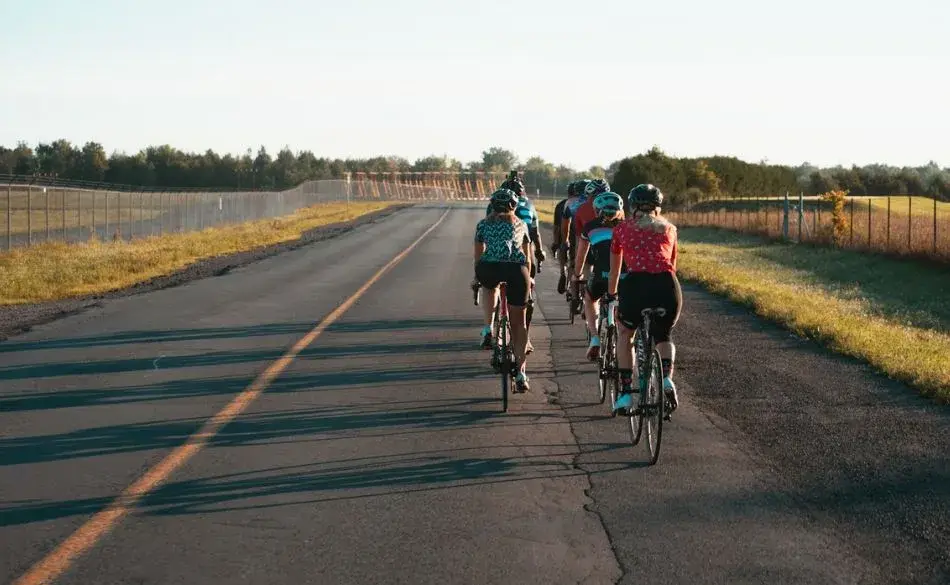
What Is FTP And Why Does It Feel So Hard
Before you can train smarter, you need to understand what FTP really is. FTP stands for functional threshold power. In simple terms, it is the highest power you can hold for a long stretch without fading badly. Most riders use a test that lasts between 20 and 60 minutes to estimate it. That is why it feels so tough. You are pushing near your limit, not just cruising.
Think of it like walking up a long hill. If you go a little too fast, your legs start to burn and your breathing gets sharp. If you back off slightly, you can keep going much longer. FTP sits right on that edge. For many riders, especially beginner cyclists, the feeling is new and a bit scary at first. You are not used to sitting in that hard but steady zone.
Here is the thing about FTP. It is not just a number on a screen. It is a tool that helps you shape your training. Once you know it, you can set training zones, plan sessions, and track progress over time. You can also see when you are tired, because power at the same effort drops. That gives you clear feedback your body might be struggling.
Testing does not have to be perfect. You do not need a lab. A simple 20 minute test on a steady climb or indoor trainer can be enough. You warm up well, ride hard but even, then use that result to guide your training. If the test feels a bit messy, that is fine. You can repeat it in six to eight weeks. The goal is not the perfect test. The goal is to see your power grow as you train with more focus and confidence.
If you want a clearer understanding of how intensity feels beyond just power numbers, this guide on cycling heart rate zones explained shows how heart rate and power work together and helps beginners train at the right effort without guessing.
Also, once you know your FTP, try this cycling power zone calculator to set your training zones and make sure every ride has a clear purpose.
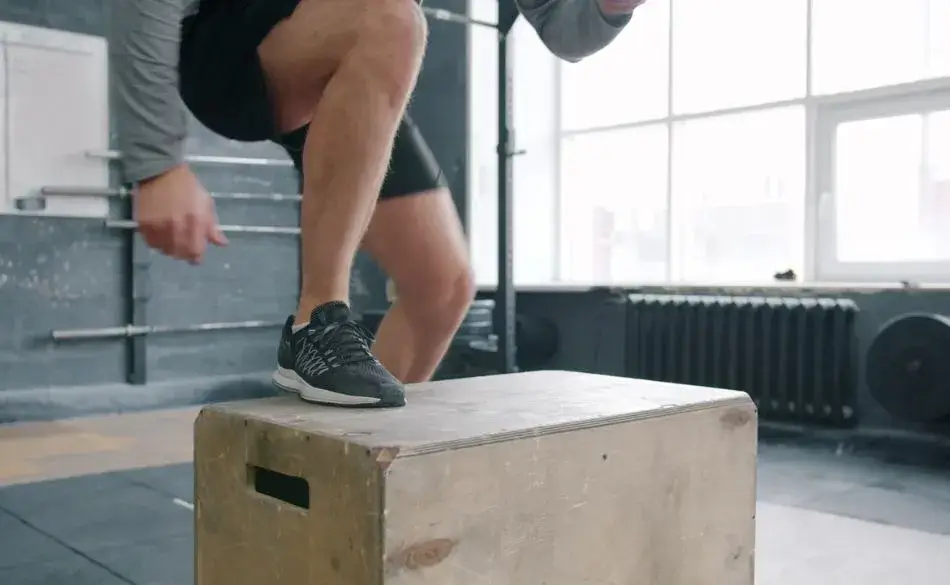
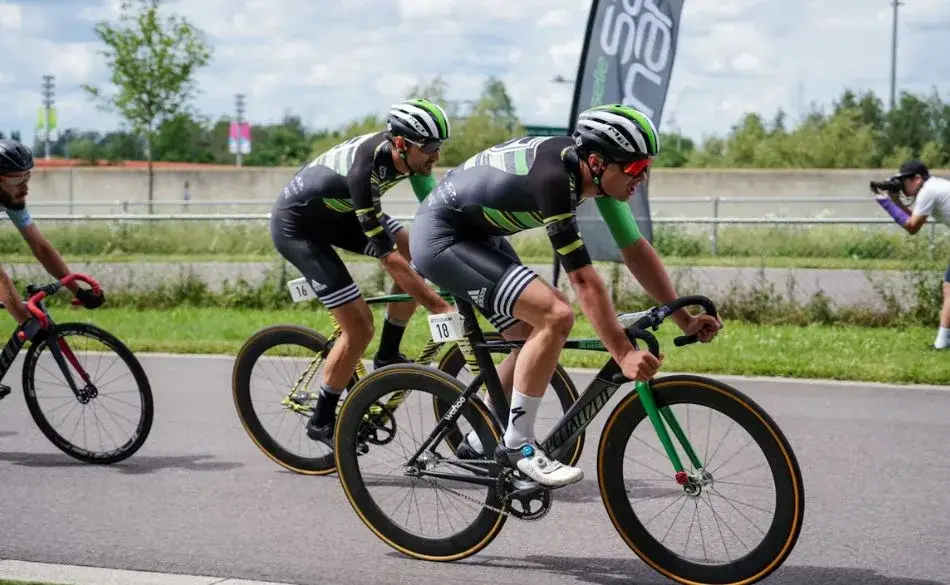
Simple Training Changes That Help You Improve Faster
Many beginners think they need long rides or high weekly hours to get stronger, but that is not true. You can make real progress by changing how you train, not how much you train. The goal is to add structure so your body learns to handle steady pressure without breaking down. This is why many riders start with sweet spot training for FTP gains. It sits in a zone that feels tough but manageable, and it builds strength very quickly.
Sweet spot efforts usually sit just below your threshold. They feel like a hard but steady climb where you can talk in short phrases but cannot hold a full conversation. Your legs feel warm, your breathing gets heavier, yet you stay in control. These sessions help you build durability without pushing you into deep fatigue. They also make long hill efforts and group rides feel easier, because you are training the exact muscles and systems you rely on most.
You can also speed up progress by using sessions that target your limit in short bursts. These do not need to be extreme. The goal is to teach your body how to recover quickly so you can hold higher power for longer. These sessions pair well with best workouts to increase FTP cycling, because they raise your ability to handle harder efforts while still keeping your training balanced.
Here are simple training adjustments beginners can start using right away:
- Ride at a steady, challenging pace for 8 to 12 minutes, rest lightly, and repeat.
- Add short bursts of harder effort during easy rides to improve your ability to recover.
- Keep one day fully easy to allow your legs to rebuild stronger.
- Focus on smooth pedaling and relaxed breathing to reduce wasted energy.
- Use the same routes each week so you can feel progress in real time.
Small changes like these stack up fast. You start feeling stronger on climbs, more stable in group rides, and more confident in your training. Progress is not about suffering. It is about training with purpose and giving your body what it needs to adapt.
If you want help refining your pedal stroke and making your power more efficient, check out this guide on best cycling drills. Many riders find these drills make climbing feel easier and improve how smooth their rides feel.

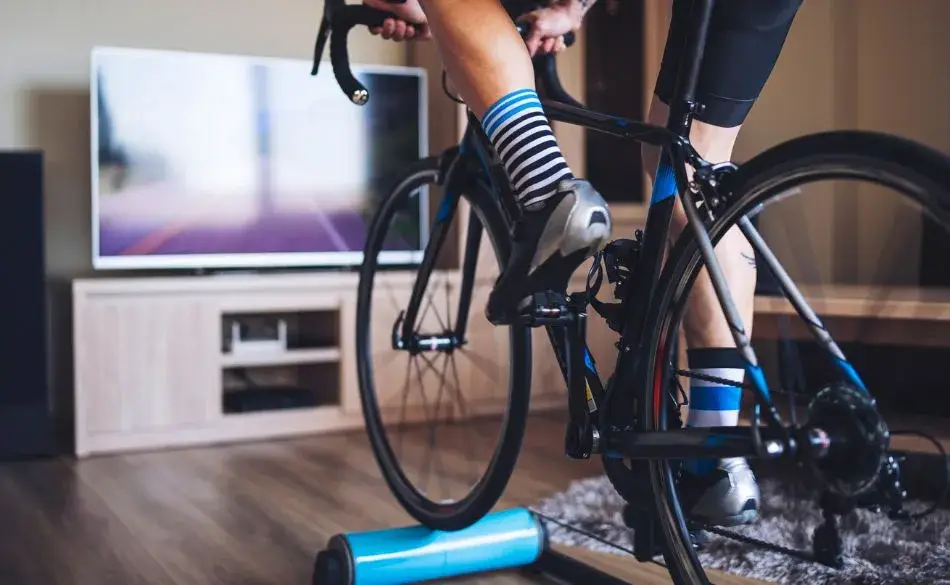
How Interval Training Builds Power You Can Feel On Every Ride
Interval training might sound intimidating, but for beginners it is one of the easiest ways to build power fast. The idea is simple. You ride hard for a short period, then recover, and repeat. This gives your body a clear signal to grow stronger without pushing you into long sessions that leave you worn out. When done well, cycling interval training for FTP teaches your legs and lungs how to handle steady pressure with less fatigue.
Intervals help you raise your ceiling. When your hard efforts improve, your easier efforts feel smoother too. This is exactly why many beginners respond well to structured cycling training for beginners. Structure reduces guesswork. You know when to push, when to rest, and how long to hold a specific effort. This creates a rhythm your body can adapt to, even if you are short on time.
Think of interval training like building layers of strength. Each session stacks on the previous one. You do not feel huge changes right away, but after a few weeks the difference becomes noticeable. Hills feel less overwhelming. You hold speed more easily on flat roads. Your breathing settles quicker after hard efforts. These are clear signs your FTP is rising and your fitness is becoming more stable.
Below is a simple comparison table to help you understand how intervals and steady work each support your progress. Both matter, but for different reasons. Seeing them side by side can make planning your weekly training much easier.
👉 Swipe to view full table
| Training Type | What It Improves | Best For Beginners |
|---|---|---|
| Interval Training | Boosts power, raises FTP, improves recovery speed between efforts. | Short sessions that fit busy schedules while still building strength. |
| Steady Sweet Spot Work | Builds endurance, increases muscular durability, improves pacing skills. | Perfect for learning how to hold challenging efforts without fading. |
| Easy Endurance Rides | Improves aerobic base, promotes recovery, supports long-term progress. | Helps new cyclists stay consistent without overtraining. |
| Long Climbs or Tempos | Teaches sustained pressure and smoother pedaling on hills. | Useful for real-road situations and confidence building. |
Using intervals alongside steady efforts creates a strong foundation. You get the power to push hard when needed and the endurance to keep riding without fading. This balance is what makes FTP rise steadily and makes you feel more capable on every ride.
If you want more simple interval ideas you can try right away, this guide on cycling interval training for beginners gives you extra sessions that pair perfectly with the workouts in this section and help you build FTP in a steady and beginner friendly way.
If you prefer working on your own and want to know how to increase cycling power without a coach, this article gives useful advice you can apply today. Especially if you follow the structure we outlined above and want to stay independent yet effective.
Build Strength Off the Bike to Boost Power On the Bike
Many beginners are surprised to learn how much off-bike training helps improve riding strength. When your legs, hips, and core are stronger, you can hold steady power for longer without falling apart. This matters a lot when you are following realistic FTP goals for new cyclists. You do not need to chase extreme numbers. You simply need a body that can support steady pressure on the pedals.
Strength work does not mean heavy gym sessions or complex routines. Simple movements done two or three times a week can help you hold better form, push more power, and recover faster. Even exercises that use your own body weight can create noticeable gains. These sessions are especially helpful when you want to support how to improve cycling FTP quickly without adding long rides to your schedule.
One of my coaching clients, Blake, experienced this firsthand. He struggled with climbs and could not hold steady power for more than a few minutes. We added two short strength sessions each week focusing on core stability and hip strength. Within six weeks, he could stay in control on climbs, hold better form, and repeat harder efforts more easily. His FTP rose naturally because his body finally had the strength to support the work.
Below are simple strength exercises you can start using right away. These help you stabilise your body, maintain smooth pedaling, and reduce wasted energy:
- Glute bridges to improve hip stability during steady efforts.
- Bodyweight squats to build balanced leg strength without heavy loads.
- Planks to support strong posture and better breathing under pressure.
- Reverse lunges to help each leg handle force independently.
- Dead bugs for deep core strength that keeps the body stable on long rides.
Strength work gives you a more stable and powerful platform to push from. When your body feels strong, your pedaling becomes smoother, your fatigue drops, and your power feels easier to hold. This makes every ride feel more controlled and helps your FTP rise in a steady and sustainable way.
Ride Smarter Not Harder to Keep Your Progress Moving Forward
Once you start building power, the next step is learning how to train smart so you keep improving without feeling worn out. Many beginners think progress comes from pushing harder every week, but the truth is that steady gains come from balance. Training hard helps you grow, but training easy helps you absorb that growth. When you ride with this mindset, you avoid the frustration many new cyclists feel when they wonder why is my cycling FTP not improving even though they ride often.
Riding smarter means paying attention to how your body feels, not just chasing numbers. If your legs feel heavy or your breathing feels tight on easy days, that is a sign you might need more recovery. Easy rides are not a waste. They help your muscles rebuild so you can hit harder efforts with more power. This balance is also important when you set realistic FTP goals for new cyclists. Goals should match your lifestyle, stress levels, and weekly time, not someone else’s training plan.
Here are simple ways to train smarter and keep your FTP rising:
- Keep one or two rides fully easy each week to stay fresh for harder sessions.
- Pay attention to your sleep, energy, and mood to avoid training when overly fatigued.
- Use familiar routes so you can track progress based on feel, not just numbers.
- Check your breathing during efforts. Smooth breathing means efficient work.
- Take a lighter week every four weeks to give your body extra time to adapt.
When you make small adjustments like these, your training becomes more enjoyable and more effective. You feel stronger, ride smoother, and see steady progress without burning yourself out. Smart training is not about doing more. It is about doing what helps your body adapt in a way that feels sustainable, rewarding, and fun.
If you are ready to take the next step in your training, our Cycling Threshold Training Plan gives you structured sessions that target the exact intensity zones that raise FTP the fastest. No guessing, no overthinking, just clear weekly training built to improve your threshold power and overall cycling strength.
It is ideal for riders who want a science-backed plan that builds endurance, power, and consistency, helping you ride stronger and push your limits with confidence.
Explore Threshold Training Plan
Key FTP Workouts for Beginners You Should Always Do
When you are new to structured training, choosing the right workouts can feel overwhelming. The truth is you only need a few simple sessions to build a strong foundation. These workouts teach your body how to handle steady pressure, recover between efforts, and push a little harder every week. They also help you follow FTP training plan for beginners without needing long or complicated sessions.
What makes these workouts so effective is how directly they support your FTP. They target the muscles, breathing patterns, and pacing skills that help you hold power longer. When paired with cycling interval training for FTP, they create consistent progress without causing burnout. These sessions are beginner friendly, time efficient, and easy to repeat so you can track your improvement.
Here are key FTP workouts every beginner should include in their weekly training:
- 8 to 12 Minute Sweet Spot Repeats Ride slightly below your FTP. Your legs will feel warm but steady. Do two or three reps with light spinning between.
- Short Interval Ladders Ride 2 minutes hard, 2 minutes easy. Then 3 minutes hard, 3 minutes easy. This teaches your body to recover quickly.
- 20 Minute Steady Effort Ride at a pace that feels controlled but challenging. This builds pacing skill, mental strength, and smooth pedaling.
- 5 Minute Hard Efforts Push harder than threshold, then recover fully. This raises your top end so steady riding feels easier.
- Endurance Ride with Bursts Ride easy and add 10 to 15 second bursts every few minutes. This builds resilience without heavy fatigue.
These workouts are simple, but when you repeat them each week, your body adapts quickly. You start to feel more stable on climbs, more controlled during group rides, and stronger during long efforts. Beginners often see big improvements from these sessions because they build both strength and confidence at the same time.

Bring Everything Together for Steady Progress and Stronger Rides
As you keep training, you will notice that progress comes from combining all the pieces you have learned. Hard sessions build power, easy sessions build recovery, and steady work builds endurance. Each part plays a role. When you follow this balanced approach, you can raise your FTP without feeling overwhelmed or exhausted. This is why so many beginners feel more confident once they understand how all the elements fit together.
Bringing everything together also helps you stay consistent. When you have a mix of tough and easy days, your body has space to adapt. You feel motivated instead of drained. You start to understand the rhythm of your training, and this makes every week feel more predictable and more enjoyable. Small improvements show up faster because your body is never pushed past its limit.
To keep your progress growing, try combining these ideas into your weekly plan:
- Start the week with a short steady session to wake up your legs.
- Add one harder session to challenge your power and raise your FTP.
- Use one long ride to build endurance and confidence.
- Keep one day easy so your muscles can rebuild and get stronger.
- Include a short strength session to support better stability on the bike.
Every rider is different, so be patient with your progress. Some weeks you will feel fast and powerful. Other weeks your body may feel a little slower. This is normal. What matters most is that you stay consistent with your training and trust that each ride helps you get closer to your goals. With time, your FTP will rise, your legs will feel stronger, and your rides will become more enjoyable.