Why Cycling Can Relieve Lower Back Pain (and When It Can't)
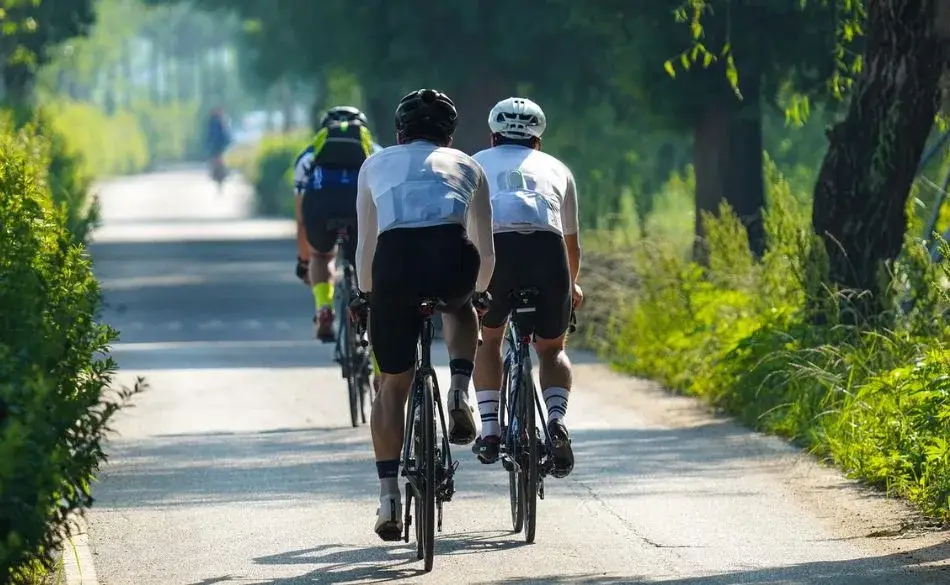
Cycling is a low-impact workout, which means your spine does not take the pounding it might get from running or court sports. The smooth, steady pedal stroke boosts blood flow to the muscles around your spine. Better circulation can ease stiffness and help irritated tissues calm down.
Relief is most likely when you ride with the best cycling posture to relieve lower back pain. Think neutral spine, light core tension, and relaxed shoulders. If you slump, overreach, or lock your elbows, you shift load into the lumbar area and your comfort drops fast.
Your pelvis is the quiet hero. If your saddle height is too high, your hips rock side to side and tug on the lower back. If it is too low, your knees crowd your chest and round your spine. A small change can feel huge. Level or slightly nose down saddle tilt often helps you keep a balanced pelvis and steady posture.
Strength matters too. Gentle core strengthening for cyclists with lower back pain supports the spine so your back does not do all the work. Simple moves like bridges and bird dogs make a real difference. Pair that with hip mobility so tight hip flexors do not pull your pelvis forward.
Surface choice plays a role. Smooth paths or an indoor cycling setup for people with lower back issues reduce vibration. Wider tires or a little less pressure can also soften road buzz and help you ride longer without flare ups.
One athlete I coach, Mark, had daily desk tightness and weekend ride pain. We cut his rides to 25 easy minutes, set a neutral saddle tilt, and added two sets of bridges and bird dogs every other day. In eight weeks he was riding 60 minutes with no back spike and felt better at work as well.
If you need a plan, start with a low-impact workout plan for lower back pain: short easy spins, gentle strength, and small fit tweaks. Build time slowly and check how your back feels the next morning before you add more.
Lower back pain doesn’t have to stop you from building serious cycling strength. Our Cycling Threshold Training Plan combines targeted on-bike threshold sessions with lower back-friendly strength training. You’ll develop the muscle endurance and core stability needed to sustain power without aggravating your spine.
- Back-conscious power building: Workouts designed to improve output while keeping your lumbar safe.
- Core and leg synergy: Blend squats, stability drills, and threshold intervals for balanced strength.
- Progressive approach: Gradually increase workload to avoid overloading your back.
- Real-world results: Improve climbing speed, endurance, and comfort on long rides.
💡 If you want to boost your cycling power while keeping your lower back pain-free, this plan shows you exactly how to train smart.
View the Threshold Training Plan →
When Cycling Can Make Lower Back Pain Worse
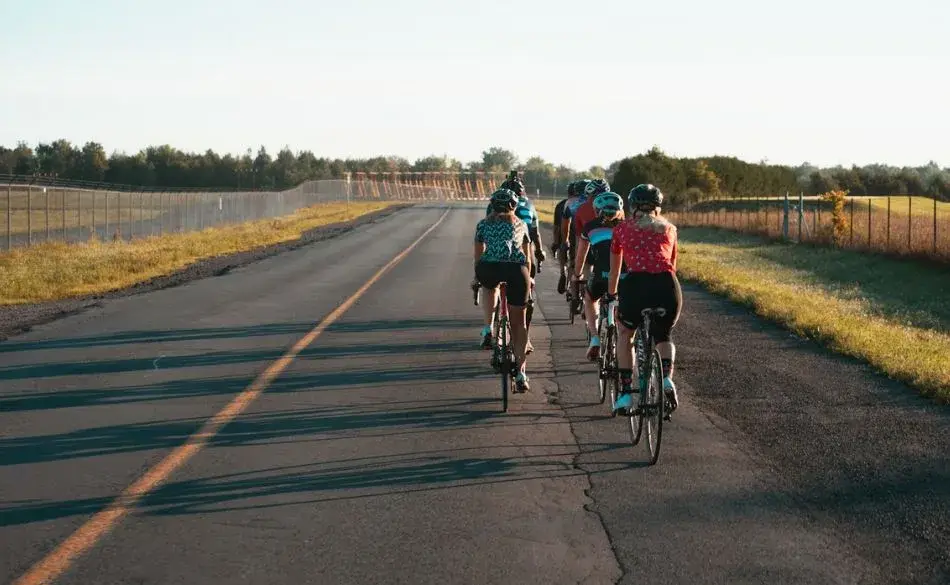
Cycling is not risk free for your lower back. The forward lean and steady flex at the hips can load your lumbar spine if your position is not dialled in. Over time, that can tighten your hip flexors and strain muscles that support your spine.
The biggest trigger is a poor fit. A saddle that is too high forces your hips to rock with each stroke. Too low, and you close your hip angle, rounding your back. Bars that are too far away make you overreach, which can pull at the lower back with every pedal. Even a tilt that is a few degrees off can change how your back feels after a ride.
Another cause is weak support muscles. Without a solid core, your back ends up absorbing vibration and holding your position alone. Over long rides, that steady strain can turn into soreness or sharp pain. That is why adding cycling exercises for lower back strength and pain prevention to your weekly routine is so important.
One rider I coach, Sarah, came to me after months of worsening back pain during her weekend group rides. She was riding a fast road bike with an aggressive setup she had copied from a pro she followed online. We raised her bars by 15mm, moved her saddle slightly forward, and added short standing breaks every ten minutes. Within three weeks, her rides were pain free.
Overtraining is another risk. If you ramp up volume or intensity too quickly, your muscles fatigue before your posture does. That is when bad habits creep in. Even if your fit is perfect, fatigue can make you slump, twist, or hold tension in the wrong places.
The takeaway: the wrong setup, weak support, and too much too soon can turn a helpful sport into a painful one. A professional bike fit and smart training plan can keep your rides from tipping into the danger zone.


Best Cycling Position for Lower Back Pain Relief
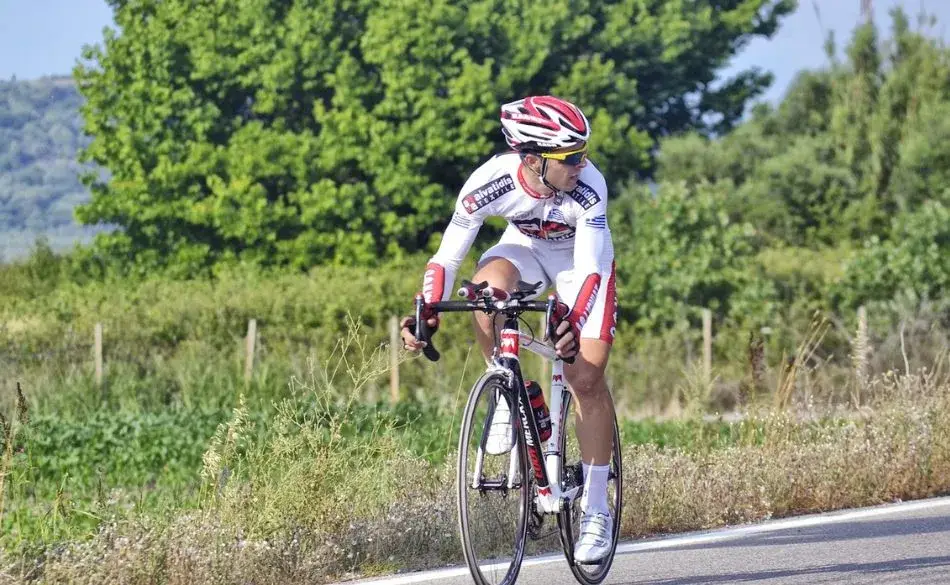
Your position on the bike is the single biggest factor in whether cycling helps or harms your lower back. A neutral spine with light core engagement keeps pressure off the lumbar area while allowing you to ride comfortably for longer.
Start with your saddle height. Aim so your knee is slightly bent at the bottom of the pedal stroke. This helps avoid rocking hips or overextending, both of which can aggravate your back. Pair this with a handlebar reach that lets you ride without locking your elbows or hunching your shoulders.
A level or slightly nose-down saddle tilt can help you find that sweet spot between upright and aerodynamic. Too upright can load the sit bones and compress the spine, while too aggressive can overstretch your lower back. The goal is balance.
Think of your posture like stacking building blocks. Feet stable on the pedals, knees tracking straight, hips level, spine neutral, shoulders relaxed, and hands soft on the bars. Each “block” supports the one above it. If one tips, the whole stack leans, and your back pays the price.
If outdoor roads make your back flare up, consider an indoor cycling setup for people with lower back issues. This lets you control the terrain, reduce vibration, and fine-tune your position without traffic or hills forcing sudden changes.
When you ride, check in with your body every 5–10 minutes. Are you leaning more on one arm? Are your shoulders creeping up? Small resets during a ride can save you hours of post-ride discomfort.
Finally, remember that even the best cycling posture to relieve lower back pain will fail if you lack the strength to hold it. Pair position work with a core strengthening routine for cyclists with lower back pain, and you will set yourself up for long-term comfort and performance.
Fit matters more than fancy gear. Learn the key checkpoints (saddle height, reach, and tilt) in our Bike Fit Guide so you can hold a neutral spine without overreaching.
Riding with lower back pain requires a smart balance of power, posture, and pacing. Our Cycling Time Trial Training Plan is designed to help you maintain strong, consistent power without compromising your back health. You’ll improve pacing control, strengthen core stability, and refine a back-friendly aerodynamic position.
- Power-to-posture integration: Sessions that boost wattage while protecting your lumbar spine.
- Race-specific intervals: Improve endurance and pacing in a position you can hold comfortably.
- Lower back-friendly tips: Guidance on saddle height, reach, and position for reduced strain.
- Efficient scheduling: Plans designed to fit alongside recovery and mobility work.
💡 If your goal is to ride faster while keeping your lower back pain-free, this plan helps you train with both speed and comfort in mind.
View the Time Trial Training Plan →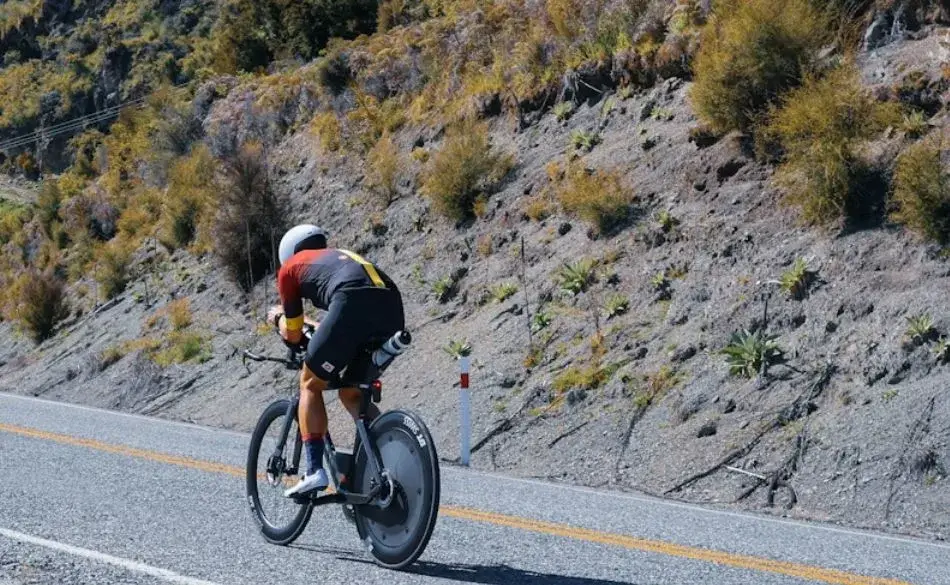

How to Reduce Back Pain While Cycling
Even with a perfect position, your lower back can still ache if you skip the small habits that keep it healthy. The key is to combine bike adjustments, strength work, and ride strategy so your back gets the support it needs.
First, get a professional bike fit. This is the fastest way to prevent a bad setup from undoing your efforts. A fitter can fine-tune saddle height, reach, and tilt to match your body. Small changes often make the biggest difference.
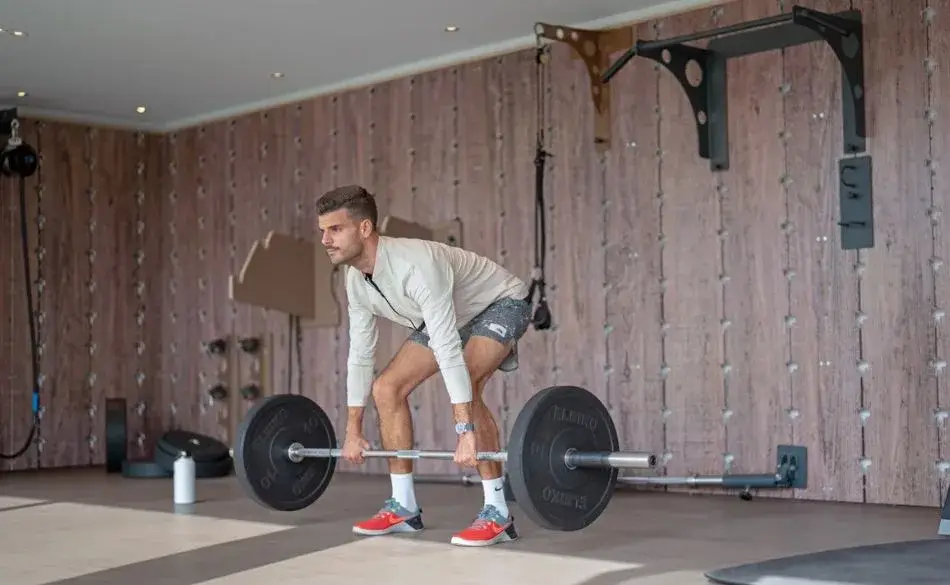
Second, strengthen the muscles that stabilise your spine. Planks, glute bridges, and bird dogs should be part of your weekly routine. These cycling exercises for lower back strength and pain prevention don’t just help on the bike, they also improve posture in everyday life.
Third, loosen up your hips. Tight hip flexors pull your pelvis forward, increasing strain on the lower back. Stretch them after every ride. Simple lunges and seated figure-four stretches work well.
During rides, vary your position. Stand for 20–30 seconds every ten minutes to change the load on your spine. Shift your hands between tops, hoods, and drops to keep your upper body relaxed. This is especially important for long rides or indoor sessions where you don’t naturally change position often.
If road buzz worsens your pain, try wider tires or slightly lower pressure. This reduces vibration, which is a hidden cause of fatigue in the back muscles.
For some riders, an indoor cycling setup is a great option. You can control resistance, posture, and ride time without the challenges of uneven outdoor terrain.
These small changes might seem minor, but together they create a riding experience that supports your back rather than stressing it. Your goal isn’t just to avoid pain, it’s to make cycling an activity that helps your lower back stay strong and mobile for years.

Pros and Cons of Cycling for Lower Back Pain
Cycling can be both a friend and a foe for your lower back. The difference lies in how you approach it. From bike fit and riding style to the strength you build off the bike.
Pros:
- Low impact: Cycling is easier on the joints than running or high-impact sports, making it a safer choice for many with back issues.
- Improved circulation: The steady pedal motion boosts blood flow, helping tight muscles relax and heal.
- Core and leg strength: Supports spinal alignment and stability during daily activities.
- Adaptable environment: You can ride indoors on an indoor trainer to control posture and surface smoothness.
Cons:
- Prolonged flexed posture: Spending hours bent forward can strain the lumbar spine if you don’t balance it with mobility work.
- Bike fit sensitivity: Even minor fit errors (like a saddle that’s too high) can worsen pain quickly.
- Hip tightness: Without stretching, cycling can shorten hip flexors and tilt the pelvis forward, pulling on the lower back.
One of my athletes, James, loved long weekend rides but always finished sore. After switching to a wider tire setup, lowering saddle height by 5mm, and adding post-ride stretches, he went from 90 minutes of discomfort to completing three-hour rides without a flare-up.
The reality is this: cycling has huge potential as a low-impact workout for lower back pain relief, but it requires intention. A balanced position, regular off-bike strength work, and smart pacing turn it into a tool for recovery. Ignore those factors, and you risk trading one type of pain for another.

Tips for Pain-Free Cycling
Small adjustments and smart habits can make a big difference in keeping your back happy on the bike. These are the strategies I’ve seen work consistently for cyclists dealing with lower back pain.
1. Warm up before you ride. Spend five minutes spinning lightly to get blood flowing. Add gentle mobility moves for your hips and spine so your body is ready to hold good posture.
2. Adjust saddle tilt. Keep it level or slightly nose-down to reduce pressure on your lower back. Avoid tilting too far forward, as it can force your arms and shoulders to bear too much weight.
3. Manage road vibration. Use wider tires or lower tire pressure to soften the ride. This reduces the subtle, constant jolts that fatigue your spinal muscles.
4. Take posture breaks. Stand out of the saddle for 20–30 seconds every 10–15 minutes. It resets your back position and lets tight muscles relax.
5. Strengthen beyond the bike. A regular core strengthening routine for cyclists with lower back pain is your best long-term protection. Focus on planks, bridges, and anti-rotation exercises.
6. Stretch consistently. Target your hip flexors, glutes, and hamstrings after rides to keep your pelvis in a neutral position and reduce strain on your spine.
7. Choose the right bike type. For some, a hybrid or endurance road bike offers a more upright position, which can be easier on the back compared to aggressive racing setups.
These insider habits work because they address both the cause and the symptoms of cycling-related back pain. Combine them with a professional bike fit and a gradual build-up in training, and you’ll put yourself in the best position to ride comfortably for years to come.
Building strength, improving posture, and finding the right bike setup are key to riding comfortably with lower back pain. Our Cycling Training Plans integrate targeted on-bike sessions with off-bike exercises designed to support your core, increase endurance, and keep your lower back happy on every ride.
- Back-friendly workouts: Sessions tailored to reduce spinal strain while improving performance.
- Core and hip stability focus: Exercises to protect your lower back over long distances.
- Posture and position guidance: Tips to maintain comfort whether indoors or outdoors.
- Adaptable plans: Flexible schedules for riders managing back pain recovery.
💡 If your goal is to keep riding strong without aggravating your back, these plans help you train smarter and safer.
View Cycling Training Plans →
Comparing Bike Types for Lower Back Comfort
The type of bike you ride plays a big role in how your lower back feels, especially if you already deal with discomfort. Different frame geometries, handlebar positions, and seating angles affect how much pressure goes through your spine. Choosing the right bike style can set you up for success before you even turn the pedals.
Below is a comparison of common bike types and how they may impact riders with lower back pain:
👉 Swipe to view full table
| Bike Type | Lower Back Comfort Level | Why It Helps or Hurts | Best Use Case for Riders with Back Pain |
|---|---|---|---|
| Hybrid/Comfort Bike | High | More upright position reduces lumbar strain; wider tires absorb vibration. | Casual rides, commuting, and low-impact workouts for lower back pain relief. |
| Endurance Road Bike | Moderate to High | Relaxed geometry compared to race bikes; still efficient for distance riding. | Longer road rides where comfort is as important as speed. |
| Racing Road Bike | Low to Moderate | Aggressive position can overstretch lower back if not fitted well. | Only for riders with strong core and flexible hamstrings who can sustain an aerodynamic posture. |
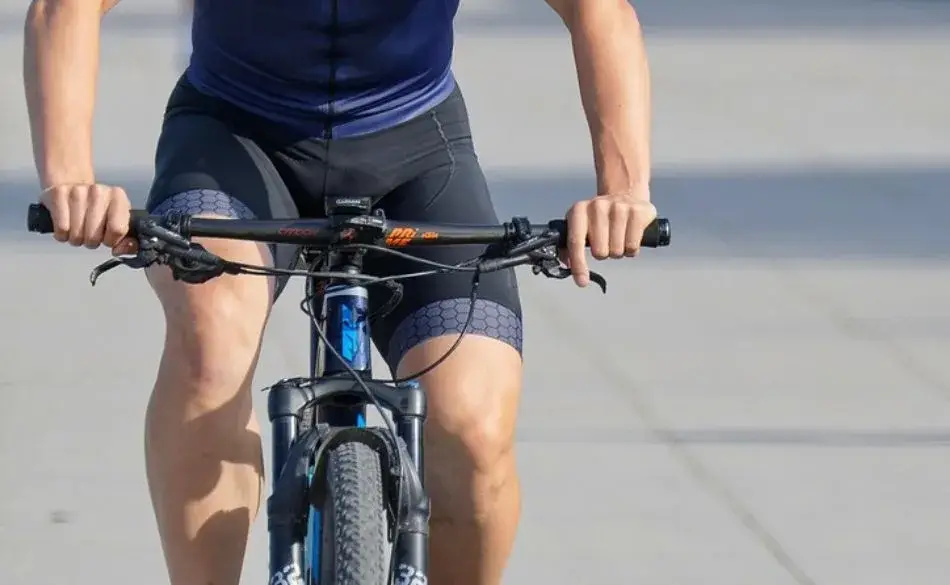
| Mountain Bike | Moderate | Upright position helps, but rough terrain can increase vibration and jolts. | Trail riding with front or full suspension to soften impacts. |
| Indoor Cycling Bike | Variable | Can be set up specifically for your back; no road bumps, but static position may cause stiffness. | Controlled environment for those needing a customised setup for lower back issues. |
As you can see, the more upright the position, the easier it is on the lower back. If speed isn’t your priority, a hybrid or endurance road bike is often the most forgiving. If you prefer to ride indoors, an indoor cycling setup lets you fine-tune your fit for maximum comfort.
Still unsure about comfort vs. speed? An endurance-leaning setup usually wins for back comfort, but fit comes first. Use our Bike Size Chart as a starting point, then fine-tune with reach and bar height.

Conclusion: Ride Smarter, Protect Your Back
Cycling can be a powerful ally in managing lower back pain, but only if you ride with awareness and intention. With the right bike fit, posture, and off-bike habits, your rides can strengthen your core, improve mobility, and boost your confidence on and off the bike.
Remember, pain-free riding isn’t about avoiding effort — it’s about building a foundation that lets you push harder without paying for it later. The most successful athletes I coach aren’t the ones who train the most; they’re the ones who train the smartest, balancing workload with recovery and listening to what their bodies are telling them.
If you’re new to cycling or coming back from an injury, start small. Focus on short, smooth rides, proper saddle height, and gentle cycling exercises for lower back strength and pain prevention. Gradually add distance and intensity as your back adapts. Think long-term, not just the next ride.
Your lower back doesn’t have to be the limiting factor in your cycling journey. By applying the tips we’ve covered (from finding the best cycling posture to relieve lower back pain to making subtle fit changes) you can turn your bike into a tool for relief rather than a trigger for discomfort.
So, take these strategies to heart. Adjust your setup, strengthen your support muscles, and give your back the care it deserves. Then get out there and enjoy the miles ahead, comfortably and confidently.