Why Cycling Feels So Easy on Your Knees
Cycling feels gentle on your knees because the movement is smooth and predictable. There’s no jarring hit with every step like you get when running. Instead, your legs glide through each pedal stroke. Your knee joint stays supported the whole time, which is why cycling works so well as a low impact exercise for knee pain. You’re moving, you’re building strength, and you’re getting your heart rate up without punishment. For scientific backing on how factors like crank length, cadence, and saddle position influence knee stress during cycling, see this study: The influence of extrinsic factors on knee pain in cyclists (Johnston et al., 2017).
One thing people don’t realise is how much your bigger muscles protect your knees. Your quads, glutes, and hips all share the load when you ride. As they get stronger, they naturally support the joint below them. So if you’re wondering does cycling help knee pain, the answer is often yes, because it spreads out the work your knees usually carry alone.
Knee pain doesn’t always come from the knee itself. Sometimes it’s tight hips. Sometimes weak glutes. Sometimes too much sitting. Cycling helps wake those muscles up again. It brings blood flow into the joint and reduces stiffness, which is why many riders notice their knees feel “lighter” after even a short session.
But let’s be honest, cycling isn’t perfect. It’s only as knee-friendly as your setup. A seat that’s too low can make the front of your knee ache. A seat that’s too high can bother the back. Most people dealing with knee pain from cycling don’t need to stop. They just need a small tweak. I’ve seen riders fix their pain with a seat change as small as one centimetre.
Pay attention to your cadence too. Spinning lightly usually feels better than grinding a heavy gear. When your legs move smoothly, your joints relax and the benefits of cycling for joint health really start to show.
If you want a plan that fits your schedule and helps you get stronger without overloading your knees, our Cycling Coaching Plan gives clear weekly guidance. You’ll know how long to ride, when to build intensity, and how to progress safely.
With personalised coaching, every session becomes more effective. You can ride confidently, stay consistent, and enjoy your training without unnecessary aches or stiffness.
Explore the Coaching Plan
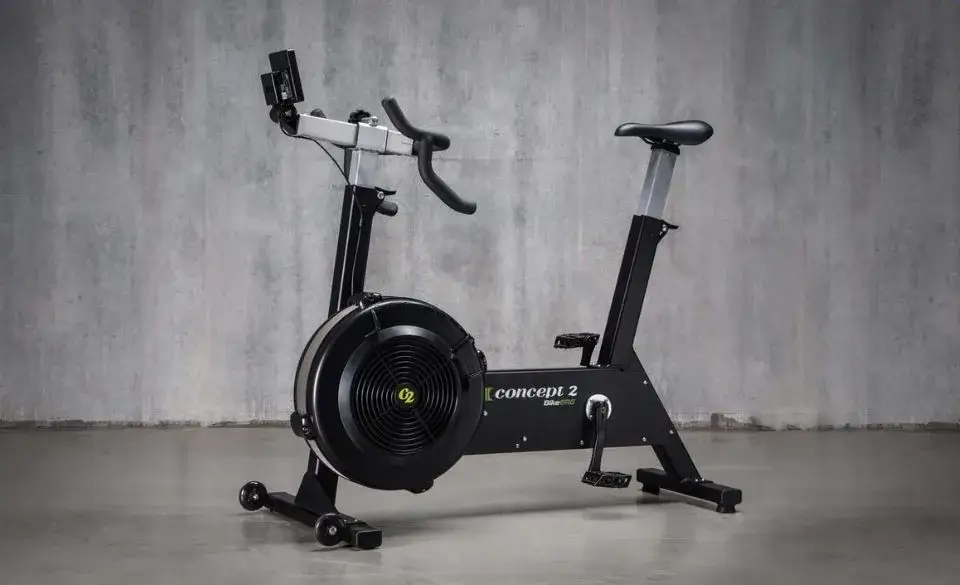
What Actually Causes Knee Pain When Cycling
Even though cycling is gentle on your knees, it’s still possible to feel discomfort if something in your setup or technique isn’t quite right. The knee is a simple joint, but it works in a very complex system. When one small piece is off, everything can feel off. That’s why riders often ask why do my knees hurt when cycling even though the sport is known for being joint-friendly.
One of the biggest reasons knee pain shows up is poor bike fit. A seat that’s too low can push extra pressure onto the front of your knee. A seat that’s too high can cause the back of the joint to ache. Even a slight misalignment in your cleats can change how your knee tracks through every pedal stroke. Over time, that tiny mismatch adds up.
Another reason is muscle imbalance. If your quads overpower your hips or glutes, your knees may take on more load than they should. This is especially common in new riders or people returning after a long break. When your muscles fatigue, your form can shift without you noticing.
To keep things simple, here are the most common causes of knee pain from cycling:
- Seat too low: Adds pressure to the front of the knee and increases strain with every pedal stroke.
- Seat too high: Stresses the back of the knee, especially during harder efforts.
- Incorrect cleat angle: Forces your knee into unnatural tracking with each rotation.
- Low cadence: Grinding heavy gears increases joint torque and can irritate the joint.
- Weak hips or glutes: Makes your knees do more of the work your bigger muscles should handle.
The good news? Most of these issues are fixable. Many riders feel better with just a few small adjustments. You don’t need a full overhaul—just a more mindful setup. When your bike fits you well, and your muscles share the load properly, cycling becomes one of the best tools for steady cycling for joint health.
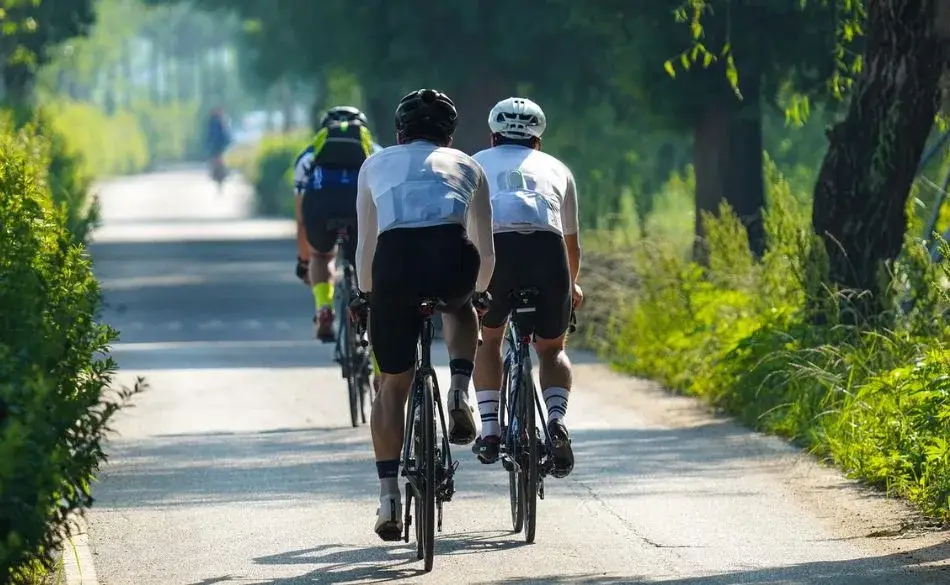

Is Cycling Good for Bad Knees in Real Life?
It’s one thing to read that cycling is joint-friendly. It’s another to feel it in your own body when your knees already hurt. Many riders quietly wonder, is cycling good for bad knees, or are they just trading one problem for another?
One of my coaching clients, Mark, came to me after a long break from running because of knee pain. Walking downstairs hurt. Squatting to pick up a box felt risky. He missed feeling fit but was scared to load his joints again. We decided to test cycling as a low impact exercise for knee pain, starting with just 20 minutes on the bike at an easy pace.
The first week, his knees felt stiff at the start but looser by the end of each ride. By week three, he noticed something that surprised him. Getting up from his chair at work didn’t feel like a chore anymore. The light, repeated motion of cycling was strengthening his quads and glutes without irritating his cycling and knee pain history.
So, is cycling good for knee rehabilitation? In many cases, yes (with some important conditions). You need:
- A bike that fits your body.
- A gentle build-up in time and intensity.
- A focus on smooth cadence rather than heavy gears.
For someone like Mark, cycling wasn’t just “allowed.” It became one of the safest ways to rebuild his confidence. The key was that we treated it as part of a plan, not a random workout. We combined easy rides with simple strength work and incorporated targeted drills. Our Best Cycling Drills guide helped him develop smoother pedalling and better muscle control, so his knees weren’t the only thing doing the job.
Do your knees feel worse during or after gentle cycling, or a little freer once you warm up? If they feel better, that’s a strong sign that controlled riding could be one of the best tools you have to stay active while protecting your joints.
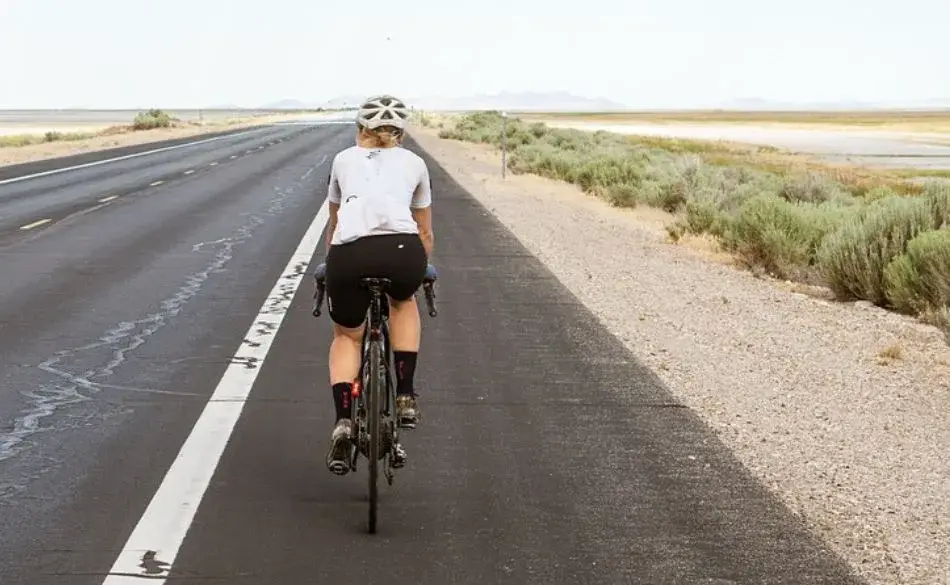

How Do You Avoid Knee Pain When Cycling?
If your knees already feel a bit sensitive, the goal isn’t just to ride. It’s to ride smart. Learning how to avoid knee pain when cycling can make the difference between steady progress and a frustrating stop–start pattern with your training.
The first step is making sure your position on the bike actually fits your body. The best bike fit for knee pain usually starts with saddle height. A rough guide is that, at the bottom of the pedal stroke, your knee should be slightly bent, not locked and not deeply flexed. If your knees feel jammed at the top of the stroke, your seat is likely too low. If you feel like you’re stretching to reach the pedals, it may be too high. Some riders also reference the KOPS method – Knee Over Pedal Spindle to fine-tune saddle fore/aft positioning, though it should be treated as a starting point rather than a strict rule.
Next, pay attention to how your feet sit on the pedals. If you use cleats, your knees should track in the same line as your feet and hips. If your toes point in or out too much, your knee is forced to twist with every rotation. Even if you ride on flat pedals, placing your foot too far forward or back can change how the load moves through the knee joint.
Cadence matters too. Spinning at a slightly higher cadence with a lighter gear is often kinder to your joints than grinding slowly in a heavy gear. Think of it like pushing a shopping trolley versus shoving a stalled car. The smoother, lighter option usually wins when it comes to joint health. If you notice tension along the outside of your thigh or knee, our guide If Your Foam Roller Hurts Your IT Band explains why proper technique and muscle activation are just as important as foam rolling pressure.
Finally, look at your training load. Sudden jumps in volume or intensity can irritate your knees even with perfect form. It’s much safer to increase your total weekly time on the bike by small steps rather than bold leaps. If your knees feel a little worse each day, that’s a sign to back off, not push through. Listening to those early signals is one of the smartest ways to protect your long-term cycling and knee pain story.
If you want a clear weekly structure for your rides or aren’t sure how many hours to train safely, our Cycling Training Plans provide guidance that helps you build strength and endurance without overloading your knees. Each plan shows exactly what to ride, how long, and when to add intensity.
Designed to fit real life, these plans work whether you have a few hours a week or a full schedule. They help you progress steadily while keeping your knees safe and comfortable.
Browse Training Plans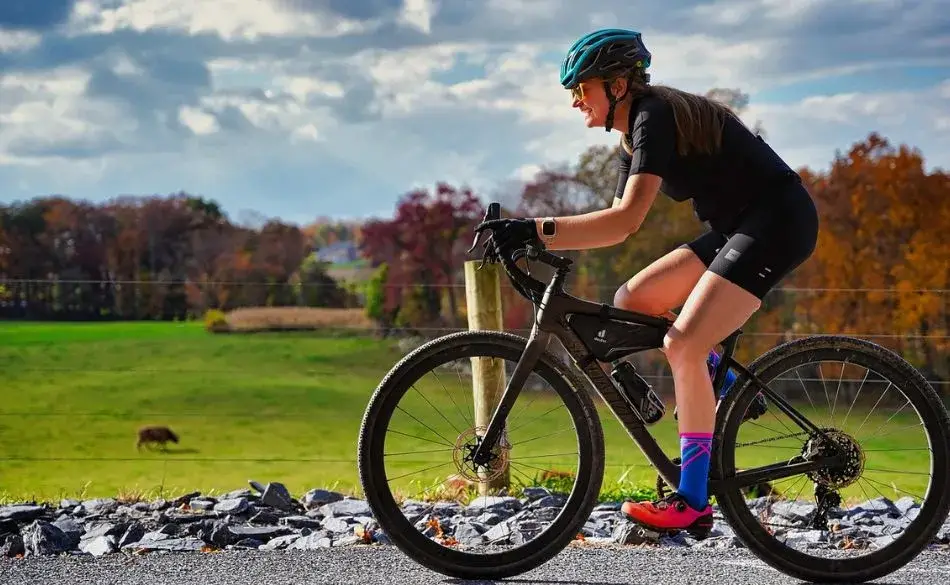
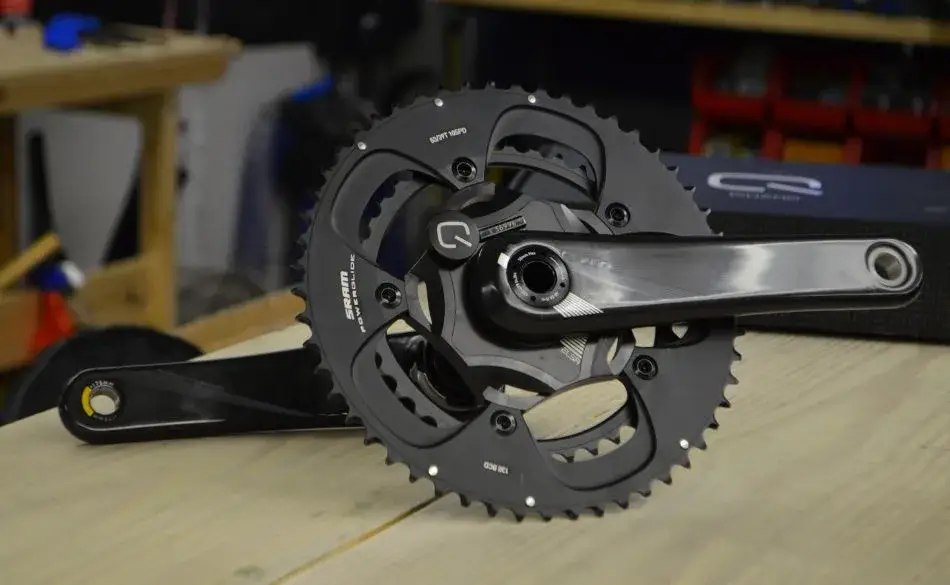
Is Cycling Really Better for Your Knees Than Other Exercise?
When you’re trying to protect your knees, it’s normal to compare your options. Is it safer to walk, run, ride, or head to the pool? Many people sense that cycling feels easier, but they’re not sure why. Looking at how different activities load the knee joint can help you decide when cycling should be your first choice.
In simple terms, running has higher impact, walking has lower impact, and cycling removes most of the impact altogether. That’s why it’s often used as a low impact exercise for knee pain, especially during rehab or recovery blocks. You’re still training your heart and muscles, but you’re not smashing your joints with every step. The table below gives a big-picture view of how cycling compares with running for knee comfort and long-term joint health.
👉 Swipe to view full table
| Category | Cycling | Running |
|---|---|---|
| Impact on Knees | Very low impact; no ground strike, which reduces shock through the knee joint. | High impact with each foot strike; more load on cartilage and supporting tissues. |
| Joint Load Control | Load can be adjusted easily with gear choice, cadence, and duration. | Harder to reduce peak forces without changing pace, surface, or footwear. |
| Muscle Focus | Emphasises quads and glutes, which can support and stabilise the knee. | Relies heavily on quads and calves; poor form can increase knee stress. |
| Rehab Suitability | Commonly used in knee rehabilitation when cleared by a health professional. | Often reintroduced later, once strength and tolerance are rebuilt. |
| Technique Sensitivity | Problems usually linked to poor bike fit or very low cadence. | Problems often linked to overstriding, weak hips, or sudden mileage spikes. |
| Best Use for Knee Pain | Great option to stay active while reducing knee pain and joint impact. | Better once pain is controlled and strength and control have improved. |
This doesn’t mean running is “bad” for your knees and cycling is “good.” It means cycling usually gives you more room to move, train, and stay fit when your knees are already irritated. Many athletes use the bike as a bridge: they ride more while symptoms settle, then gradually add impact back in once their joints feel stronger.
If you’re stuck choosing what to do on a sore-knee day, ask yourself:
- Can I complete an easy ride with less discomfort than a short run?
- Do my knees feel smoother or freer after a gentle spin?
- Can I adjust gears and cadence to keep pain at a low, manageable level?
If the answer is yes, cycling is likely one of the safest ways for you to keep moving while you protect your long-term cycling and knee pain story.


Is Cycling Good for Arthritis and Long-Term Joint Health?
Many people with arthritis reach a point where even everyday movement feels stiff or achy. That’s usually when they start asking whether cycling can actually help or if it might make things worse. The good news is that cycling is often one of the safest ways to move when your joints feel older or irritated. Its smooth rhythm and lack of impact make it a reliable option when your knees aren’t ready for more demanding exercise.
The circular motion helps warm the joint gently. As the knee joint moves through each pedal stroke, synovial fluid spreads across the cartilage surface, almost like oil on a hinge. This is one of the reasons people with arthritis often feel better once they get moving. Cycling keeps the joint active without pushing it into deep flexion or sudden shocks.
Cycling also lets you control load in a way that walking or running simply can’t. You can choose an easier gear, spin at a comfortable cadence, and adjust your effort moment to moment. This is a huge advantage when dealing with fluctuations in pain, stiffness, or swelling. On days when your knees feel sensitive, lighter resistance helps make the session both productive and comfortable. On stronger days, you can ride longer or climb a gentle hill without fear of irritating the joint.
Another benefit is strength. The muscles that support knee stability (especially the quads and hips) respond well to steady cycling. As these muscles grow stronger, they take pressure off the joint itself. That’s part of why cycling is such a consistent tool in knee rehabilitation programs across clinics and sports medicine settings.
Ask yourself how your knees feel after a short, easy ride. Do they feel a little warmer or looser? If yes, there’s a good chance cycling can play a long-term role in managing discomfort, building resilience, and keeping you active without aggravating cycling and knee pain patterns. Incorporating stretches into your routine can further support joint and muscle health, as outlined in our Best Stretches for Cyclists guide, helping you stay flexible and resilient.

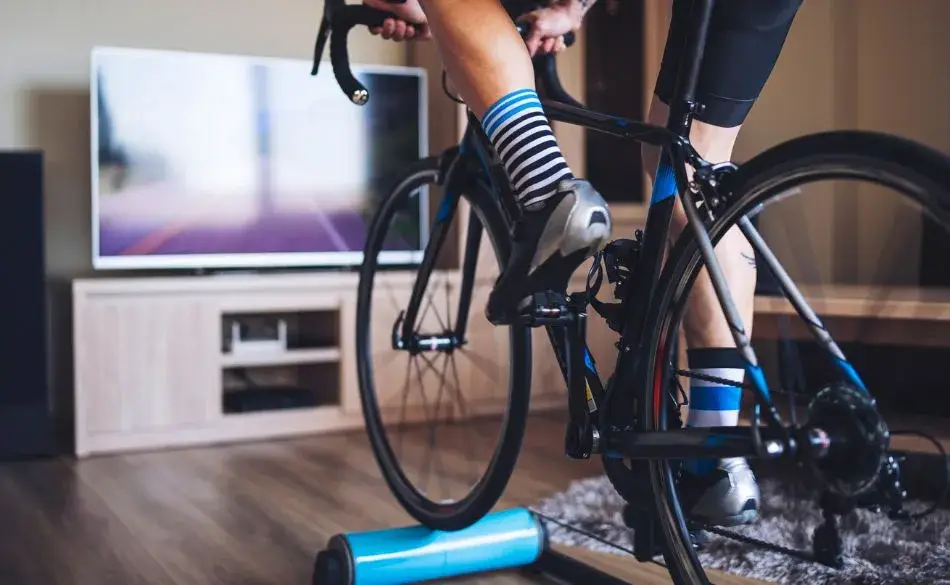
How Strength Training Makes Cycling Easier on Your Knees
Cycling is kind to your knees, but it’s even better when the muscles around the joint are strong. Think of your legs as a team. If one player is weaker, someone else has to work overtime. That’s often when cycling and knee pain show up. The goal of strength work isn’t to turn you into a bodybuilder. It’s to give your knees better support every time you push down on the pedals.
The main muscles that protect the knee joint are your quads, glutes, and hips. When your quads are strong, they help guide the kneecap smoothly. Strong glutes keep your knees from drifting inward as you ride. Stable hips stop your pelvis from rocking side to side, which can twist the knee in a way it doesn’t enjoy.
You don’t need complicated gym routines to get results. Simple movements done two or three times a week can make a big difference. Slow bodyweight squats help you control how your knee tracks. Step-ups onto a low box or stair build strength that translates well to the pushing action you use when climbing on the bike. Bridges on the floor target your glutes and teach them to share the load.
Strength work also helps your knees cope better with mistakes. If your saddle is a touch low one day, or you grind a gear longer than planned, strong muscles can absorb some of that extra stress. This is one reason riders who lift even a little often report fewer aches after long rides. You can find simple routines that combine riding with strength exercises in our Cycling and Weight Training for Beginners guide, making it easy to strengthen key muscles while protecting your knees.
Giving your muscles attention along with your bike setup ensures your knees stay supported. A small strength routine built around your riding can turn cycling from something that just feels “okay” on your knees into something that actively supports long-term joint health.

How Do You Know If Cycling Is Helping or Hurting Your Knees?
One of the hardest parts of dealing with knee pain is knowing when to keep moving and when to back off. You might read that cycling is good for you, but your body still gets the final say. The key is learning to listen to the right signals, not every small twinge.
A helpful rule is to focus on how your knees feel during, right after, and the day after a ride. If you finish a gentle session and your knees feel a little warmer, looser, or more “oiled,” that’s usually a sign that cycling is helping your knee pain, at least at that intensity. If your pain slowly settles within 24 hours, your body is likely coping well.
On the other hand, if your knees get sharper, more swollen, or feel worse the next morning, that’s a red flag. In that case, it doesn’t always mean cycling is the problem. It might be that your gear is too heavy, your ride was too long, or your bike fit still needs work. Small changes in saddle height, cleat angle, or cadence can often turn a painful ride into a smooth one.
Think of your pain on a simple scale from 0 to 10. If your discomfort stays at a low level during the ride and doesn’t jump up more than a point or two afterward, you’re probably in a safe zone. If it spikes higher and stays there, it’s time to reduce volume or intensity and review your knee pain when cycling.
Many riders notice clearer signs over time. If gentle riding leads to better stair climbing, easier squats, and less stiffness in daily movement, cycling is likely supporting your long-term cycling and knee pain story. If those areas worsen instead, it may mean the current training load needs adjustment rather than stopping cycling altogether.
If you’re riding trails but want to make sure your knees stay happy while you climb, descend and tackle varied terrain, our Mountain Bike Coaching Program guides you each week with sessions that build strength, agility and joint resilience—so your knees aren’t the limiter on the ride.
Whether you’re new to mountain biking or a seasoned rider coming back from knee issues, this program helps you progress confidently, stay trail‑ready and ride with peace of mind.
Explore Mountain Bike Coaching

Conclusion
Cycling can be one of the safest and most reliable ways to keep your knees moving, even when they’ve given you trouble in the past. The smooth, low-impact motion supports the knee joint without forcing it to absorb the kind of heavy impact you’d get from running or other high-load activities. When your bike fits well and your training builds gradually, cycling becomes more than just exercise. It becomes a way to stay active, strong, and confident in your body.
You’ve seen how simple changes (like a better saddle height, a smoother cadence, or lighter gears) can turn an uncomfortable ride into a comfortable one. You’ve also seen how cycling strengthens the muscles your knees rely on every day. Stronger quads, hips, and glutes help guide the joint, reduce irritation, and support long-term joint health. With this mix of movement and steady strength, many people find they can ride more often with less discomfort.
Cycling isn’t a cure-all, but it can be a powerful part of a balanced approach to managing cycling and knee pain. Some days will feel easier than others. That’s normal. What matters most is how your knees respond over weeks, not minutes. When you notice better mobility, smoother stairs, or less stiffness in daily life, those are signs that your rides are helping your body adapt in the right direction.
If you’re new to cycling or coming back from pain, think of this as a long-term partnership with your knees rather than a quick fix. Build gently, pay attention to the details that matter, and give your body space to adapt. With patience and a smart approach, cycling can become one of the most dependable tools you have to stay active and protect your joints.