Pain During Cycling: What Your Body Is Telling You in Real Time
Pain that shows up during a ride is usually the clearest and most immediate form of feedback your body gives you. In many cases, it reflects how load is being applied in that moment, rather than what happened earlier in the day or week. Because of that, this type of pain is often more about tolerance, positioning, and control than about injury.
From a practical standpoint, most on-bike pain falls into a few broad patterns. You might feel pressure building in the knees as effort rises, a tightening through the lower back as the ride goes on, or hot spots developing in the feet. These sensations often increase with intensity, cadence changes, or time spent in a fixed position. That close link to effort is important. When pain tracks closely with what you are doing right now, it usually points toward a mechanical or load-management issue rather than a recovery problem.
Bike setup also plays a clear role in this picture. A saddle that is slightly too high can stress the back of the knee under load, and how the knee tracks over the pedal can influence joint stress with every stroke, which is why concepts like the KOPS method (knee over pedal spindle) are often used to assess alignment. A reach that is too long can gradually overload the neck, shoulders, or lower back as fatigue builds. We explore this relationship in more detail in our guide on lower back pain cycling fixes, where position and training load are considered together rather than in isolation. Cleat position also influences how force travels through the foot, ankle, and knee with every pedal stroke. None of these factors necessarily cause pain once the ride is over, but they can make certain tissues work harder than they should while you are pedalling.
Alongside setup, effort control matters just as much. Riding above your current capacity, especially at low cadence or high torque, increases joint and tendon stress quickly. The body often responds with a dull ache or sharp awareness that fades as soon as you back off. That fade-out is another useful clue. Pain that eases immediately when effort drops usually signals momentary overload rather than lingering tissue irritation.
As a coach, I’ve seen this most often in riders returning from time off or stepping up intensity too quickly. One athlete I worked with noticed knee pain only during harder climbs, while easier rides felt fine. In his case, the solution wasn’t rest or treatment, but adjusting gearing choices and rebuilding strength at lower torque. Once the load matched his current capacity, the pain stopped showing up during rides.
Taken together, pain during cycling is best viewed as information about how your body is coping right now. With that in mind, the next step is understanding what it means when pain waits until the ride is over to appear.

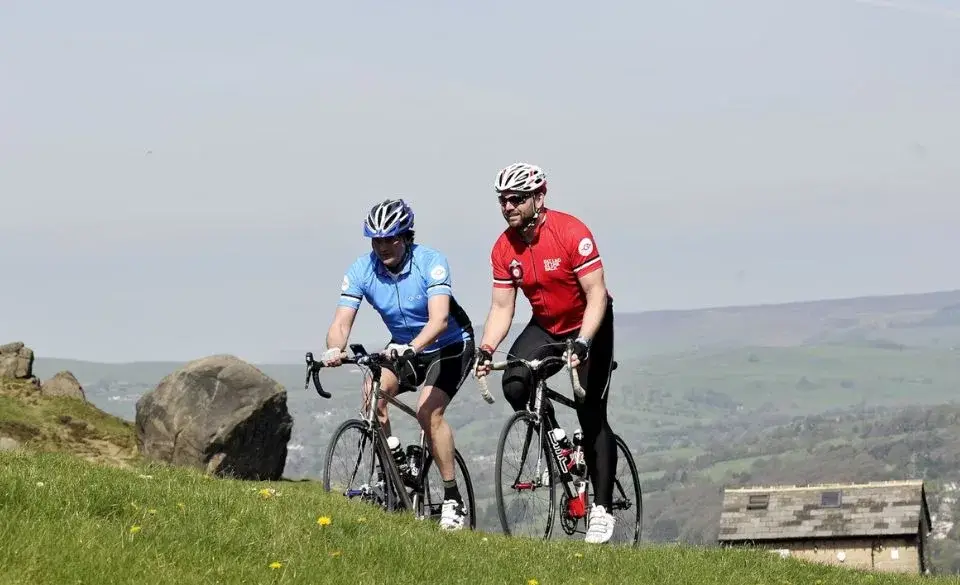
Pain After Cycling: How Fatigue and Recovery Show Up Once the Ride Ends
Pain that appears after cycling usually tells a slower, quieter story. Rather than reflecting what your body is dealing with in the moment, it points to how tissues respond once load has stopped and recovery begins. This difference in timing is important, because post-ride pain is shaped less by bike setup or immediate effort and more by fatigue, cumulative stress, and overall recovery capacity.
In practice, most riders notice this kind of discomfort later in the day, the following morning, or after sitting for a while once the ride is done. Legs may feel heavy or sore when you stand up, the lower back can tighten after time off the bike, or joints feel stiff during the first few minutes of movement. Soft tissue irritation around contact points can also become more noticeable during this window, which is why issues like saddle sores from cycling are often felt more after riding than during it. Unlike pain during cycling, this discomfort does not rise and fall with effort. Instead, it tends to feel more diffuse and less sharp, and gentle movement or light stretching may ease stiffness temporarily.
From a physiological standpoint, this pattern fits with how muscles, tendons, and connective tissues adapt to training stress. Cycling creates repeated loading without impact, but it still produces micro-level strain. After the ride, blood flow patterns shift, inflammation supports repair, and tissues briefly lose some elasticity. When recovery capacity is matched to training load, this process feels like mild soreness that fades within a day or two. When load outpaces recovery, the same process feels heavier, lasts longer, or becomes more noticeable with each session.
Training history also plays a role. Riders increasing volume, stacking hard days, or returning from time off often experience more post-ride pain because tissues are not yet conditioned for repeated stress. On top of that, sleep, nutrition, hydration, and life stress all influence how strongly discomfort shows up after cycling. Simple recovery routines can help support this process, such as a short mobility or flexibility session like the one outlined in our 15-minute stretching workout for runners, cyclists, triathletes. Two riders can complete the same session and feel very different the next day based purely on recovery context.
It’s also useful to consider what post-ride pain does not usually indicate. When discomfort only appears after cycling and does not worsen during rides, it rarely points to an acute mechanical problem. Instead, it suggests the body is coping reasonably well in the moment but needs more time or support to absorb the work.
With that understanding in place, the next step is comparing pain during and after cycling side by side, so the timing patterns become easier to recognise in your own training.


Comparing Pain During vs After Cycling: What the Timing Helps You Interpret
Once you step back and look at pain patterns side by side, the value of timing becomes much clearer. Pain during cycling and pain after cycling are not opposing problems, but reflections of when load is applied and how it is absorbed. One shows how your body is coping in the moment. The other reveals how well it is recovering once the work is done. Seen together, these patterns offer practical guidance rather than confusion.
Pain during cycling usually responds quickly to changes in effort, position, or cadence. It tends to sharpen as load increases and fade when load drops, which makes it useful as real-time feedback. Pain after cycling behaves differently. It shows up once the session is over, often after rest or inactivity, when tissues stiffen and fatigue becomes more noticeable. Because of that delay, it is easier to misread or overcorrect if the timing is ignored.
From a coaching perspective, neither pattern is automatically more serious than the other. What matters is consistency, progression, and response over time. Pain during cycling that resolves with small adjustments often reflects a manageable load or setup issue. Pain after cycling that fades within a day or two usually reflects normal adaptation. Concerns grow when the same pattern repeats, intensifies, or spreads despite sensible changes.
Another key difference is decision-making speed. Pain during cycling often calls for immediate, minor changes. Pain after cycling usually calls for slower reflection on training density, recovery habits, and weekly structure. Keeping those responses matched to timing helps prevent unnecessary disruption.
The table below brings these differences together in a simple reference. It is not a diagnostic tool, but a way to place your own experience in context before deciding what to adjust.
👉 Swipe to view full table
| Category | Pain During Cycling | Pain After Cycling |
|---|---|---|
| When it appears | Builds during effort and often changes with cadence, position, or intensity. | Shows up hours later or the next day, often after rest or inactivity. |
| Primary driver | Real-time load, joint angles, muscle recruitment, and torque. | Cumulative fatigue, tissue stress, and recovery capacity. |
| Response to easing effort | Often reduces quickly when load drops or position changes. | Usually unchanged in the moment; improves gradually with movement or time. |
| What it often suggests | Mechanical stress or load exceeding current tolerance. | Adaptation demands exceeding current recovery support. |
| Most useful adjustment | Immediate changes to effort, cadence, gearing, or position. | Review of training volume, spacing of hard sessions, and recovery habits. |
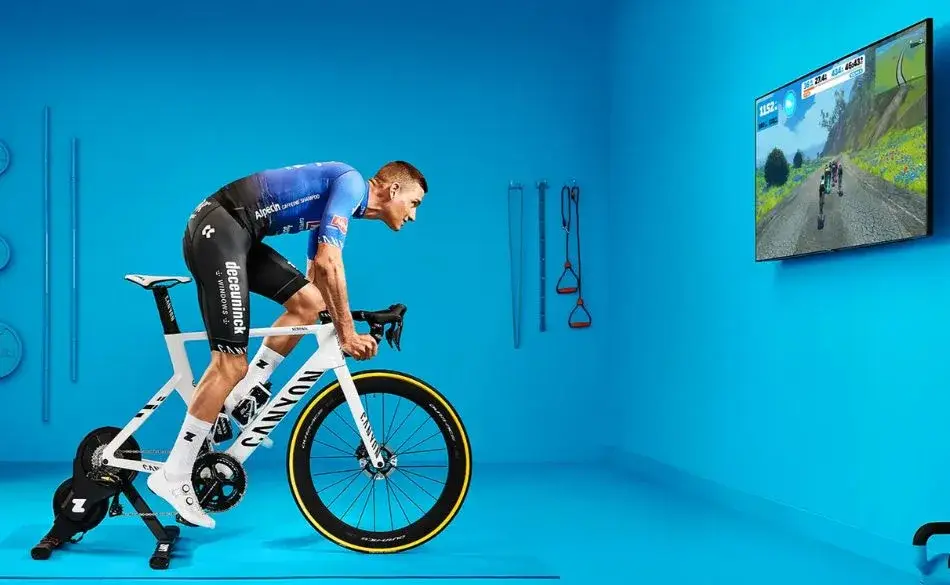
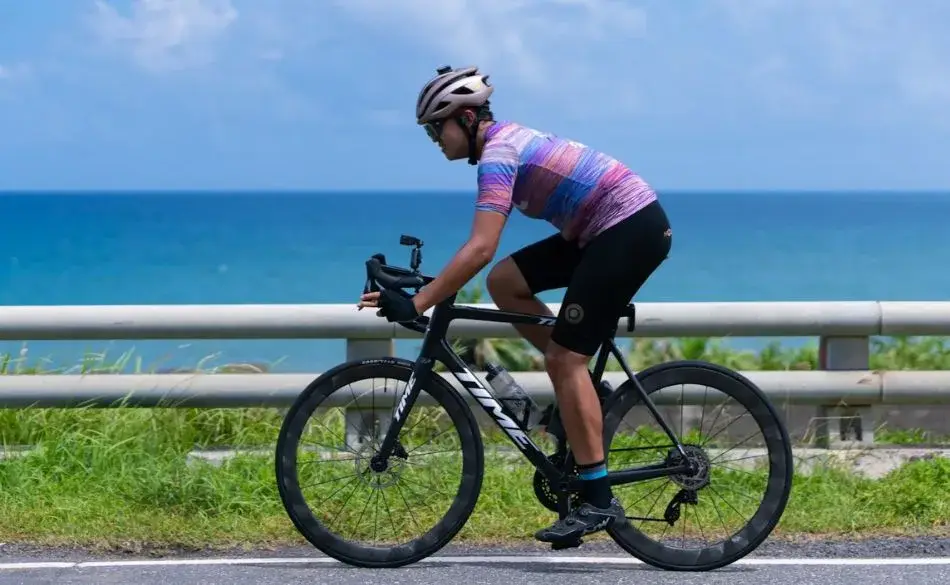
How to Respond Based on Timing, Not Guesswork
Once you start paying attention to when pain shows up, decisions tend to feel calmer and more targeted. Rather than reacting emotionally or trying to fix everything at once, timing helps narrow the focus. The goal isn’t to eliminate all discomfort, but to respond in a way that matches what your body is actually asking for.
When pain appears during cycling, the most useful response is usually immediate and modest. In practice, that might mean easing effort slightly, shifting cadence, changing gears earlier on climbs, or breaking up long periods in one position. These are not dramatic changes. They are small adjustments that reduce peak load while still allowing the session to do its job. If pain settles quickly with these changes, that response itself becomes useful information, suggesting a tolerance issue rather than something that requires rest or intervention.
Pain that shows up after cycling points in a different direction and calls for a slower response. Because the signal arrives later, the solution is rarely found mid-ride. Instead, it helps to look at how sessions are stacked across the week, how close hard days sit together, and whether recovery habits are supporting the work you’re doing. Often, the fix isn’t doing less overall, but spacing stress more evenly so tissues have time to adapt between efforts. For riders who regularly feel pain during harder efforts, building sustainable capacity over time can also help, which we outline step by step in our guide on how to increase FTP for cycling beginners.
This is where riders sometimes get caught out. It’s tempting to change bike fit, shoes, or equipment in response to next-day soreness, even when nothing felt wrong on the bike. In many cases, that creates new problems rather than solving the original one. A steadier approach is to hold setup constant and adjust training inputs first. If pain patterns persist despite sensible load management, then a more detailed review becomes appropriate.
It also helps to zoom out and think in trends rather than single rides. One sore day after a hard block doesn’t mean something is wrong. Repeated soreness that lasts longer each week, or begins to creep into easier days, deserves closer attention. Timing adds another layer here. When pain shifts from only-after to during-and-after, it often signals that recovery capacity is being stretched.
Viewed this way, pain becomes part of the feedback loop rather than a threat. It guides decisions about effort, structure, and recovery without forcing you to stop training at the first sign of discomfort. With that perspective established, the final step is bringing these ideas together into a simple way of thinking about pain over time.
Many cyclists experience recurring aches that are hard to interpret. Pain might show up during rides, after harder sessions, or build quietly over time. The challenge is knowing when to adjust effort, when to hold steady, and when to rethink recovery — without overreacting or pushing through the wrong signals.
Personalised cycling coaching focuses on understanding pain patterns alongside training load, recovery, and progression. Sessions are adjusted with context, helping you train consistently while responding to discomfort in a measured, practical way.
Learn More About Cycling Coaching
When Timing Isn’t the Whole Story
By this point, timing should feel like a useful lens rather than a rigid rule. Most of the time, pain during cycling versus after cycling fits the patterns described earlier. From time to time, though, the signal is less clear, and it helps to recognise those situations before drawing conclusions.
One example is pain that keeps worsening regardless of when it appears. If discomfort shows up during rides, lingers afterward, and then begins to affect daily movement, timing alone stops being enough to explain what’s going on. In those cases, the issue is often less about momentary load or recovery spacing and more about accumulated stress that hasn’t been fully absorbed yet.
Another situation involves pain that changes location or character unpredictably. A dull ache that becomes sharp, spreads to new areas, or appears without a clear link to effort or fatigue deserves closer attention. Timing can still offer clues here, but the broader pattern starts to matter more than whether pain shows up during or after cycling.
It’s also worth stepping back to consider the wider training picture. Cycling doesn’t exist in isolation, and strength work, running, work posture, sleep quality, and general life stress all influence how tissues respond. Pain that seems confusing on the bike often makes more sense once those other loads are viewed alongside cycling itself.
From a coaching perspective, this doesn’t mean abandoning the timing framework. Instead, it means using it as a guide rather than a verdict. Timing helps narrow possibilities, but it works best when combined with a broader view of training history, recovery, and overall load. When patterns fall outside the usual expectations, that’s a cue to pause, review, and reassess before pushing harder or chasing fixes blindly.


Common Misinterpretations That Timing Helps Clear Up
As timing becomes a more familiar way of thinking about pain, a few common misunderstandings tend to surface. These are patterns I see regularly in coaching, and clearing them up helps riders respond with more consistency and less frustration.
One frequent assumption is that pain after cycling means something is wrong with bike fit. Because soreness shows up once the ride is over, it’s easy to blame saddle height, cleat position, or reach. In reality, delayed discomfort is far more often linked to how sessions are stacked and how well recovery supports that load. Changing fit in response to normal post-ride soreness can introduce new stress without addressing the real issue.
Another common belief is that pain during cycling means you should stop training altogether. While there are situations where stopping is appropriate, most effort-linked discomfort reflects momentary overload rather than injury. When pain eases quickly with small changes in effort or cadence, it’s usually a sign to adjust how you’re riding, not abandon training. Treating every on-bike ache as a red flag often leads to unnecessary breaks and disrupted consistency.
Riders also sometimes assume that if pain doesn’t show up during the ride, it doesn’t matter. When the ride itself feels smooth, next-day soreness can seem easy to dismiss. Over time, though, repeated post-ride discomfort that lasts longer or creeps into easier days can signal that recovery capacity is being stretched. Ignoring that pattern allows fatigue to build quietly in the background.
There’s also a tendency to look for one single cause. Timing helps narrow possibilities, but pain rarely comes from just one factor. Load, recovery, position, and life stress often overlap. Focusing too narrowly on one explanation can miss the bigger picture and delay meaningful adjustment.
Taken together, these misinterpretations usually come from treating pain as something to fix quickly rather than something to understand. Timing doesn’t remove uncertainty completely, but it reframes the problem in a way that leads to steadier decisions. With those misunderstandings addressed, it becomes easier to step back and draw the article together as a whole.
Reading Pain as a Signal, Not a Problem to Eliminate
Seen across a full training week, pain during cycling and pain after cycling are easy to lump together. However, when you slow down and pay attention to timing, a more useful story emerges. Pain that shows up during a ride often reflects how your body is handling load in that moment, while pain that appears later usually reflects how well that load is being absorbed through recovery. Neither signal is inherently good or bad, and neither needs an immediate fix on its own.
What matters more than any single sensation is how these signals behave over time. Pain that settles with small adjustments, fades within a day or two, or stays confined to harder efforts is often part of normal adaptation. Pain that repeats, intensifies, or starts appearing earlier in the process deserves a calmer review of training structure, recovery support, and overall load rather than a quick reaction.
Used in this way, timing becomes a practical tool rather than a source of worry. It helps you decide when to ease effort, when to hold steady, and when to step back and reassess without guessing or overcorrecting. Instead of treating pain as something to eliminate at all costs, viewing it as ongoing feedback supports consistency, patience, and better decisions as training evolves.