What Really Causes a Burning Sensation in Your Feet When You Ride
If you’ve ever felt that burning sensation in feet halfway through a long ride, you know how fast it can steal your focus. For competitive cyclists, it’s not just annoying, it’s a performance limiter. In most cases, this problem, often called hot foot or metatarsalgia in cyclists, comes down to how your shoes, pedals, and nerves handle constant pressure.
The main reason behind this issue is nerve compression in the foot. Each pedal stroke pushes force through the ball of your foot, where nerves and blood vessels are packed tightly together. Over time, that pressure can restrict circulation and irritate those nerves, creating the warm, tingling hot foot feeling many riders describe. The harder and longer you ride, the more intense it becomes.
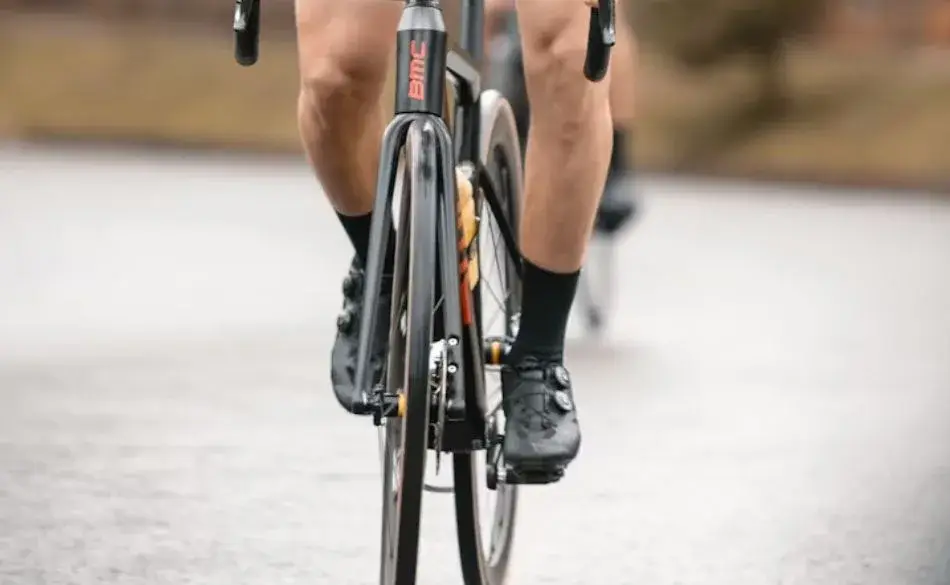
Shoe setup plays a huge role. Shoes that are too tight prevent your feet from swelling naturally, while overly soft shoes let your forefoot collapse over the pedal. Both lead to cycling shoes foot discomfort and painful hotspots. Add in poor cleat alignment or too much forefoot pressure on bike pedals, and you’ve got the perfect storm for heat and numbness, especially on climbs or long time trials.
Your anatomy also matters. Riders with high arches or limited ankle mobility tend to place more load on the forefoot, which increases irritation. Combine that with hot weather or back-to-back training days, and it’s easy to see why your feet start to burn. Left alone, the stress can lead to ongoing burning feet symptoms or short-term nerve irritation that lingers once you’re off the bike.
The key is to listen early. Notice when it starts – on climbs, after an hour, or during big efforts? Does loosening your shoes help? These clues tell you whether the cause is mechanical or circulatory. Once you know, you can fine-tune cleat placement, pick shoes with the right stiffness and width, and protect your performance before small pain turns into a recurring issue.
Studies have shown that foot discomfort is one of the most common complaints among cyclists. A Formthotics survey on cycling foot pain found that issues like burning sensations, numbness, and forefoot pressure affect a significant number of riders, especially during longer efforts.
If you often feel discomfort or pressure building in your toes during longer rides, it may be more than tight shoes. Read our detailed guide on Hammer Toes from Running and Cycling to learn how repetitive strain and shoe choice can lead to lasting foot issues and what to do to prevent them.
Whether you're training for your next race, improving fitness, or building endurance, our personalized Cycling Coaching program is designed to help you get real results. Your coach will analyze your data, heart rate, and workload to create a plan tailored to your goals, lifestyle, and current ability.
- Personalized training plans: Sessions built around your FTP, wattage zones, and time availability.
- Weekly feedback and adjustments: Continuous updates based on your performance and recovery.
- Direct access to your coach: Message your coach anytime for support and professional advice.
- Data-driven coaching: Use wattage tracking and performance analytics to measure progress.
- Flexible for every cyclist: Ideal for beginners, competitive riders, and time-crunched athletes.
Don’t settle for generic training. Work directly with a professional coach who understands your data, your goals, and how to help you ride stronger every week.
Start Your Cycling Coaching Plan →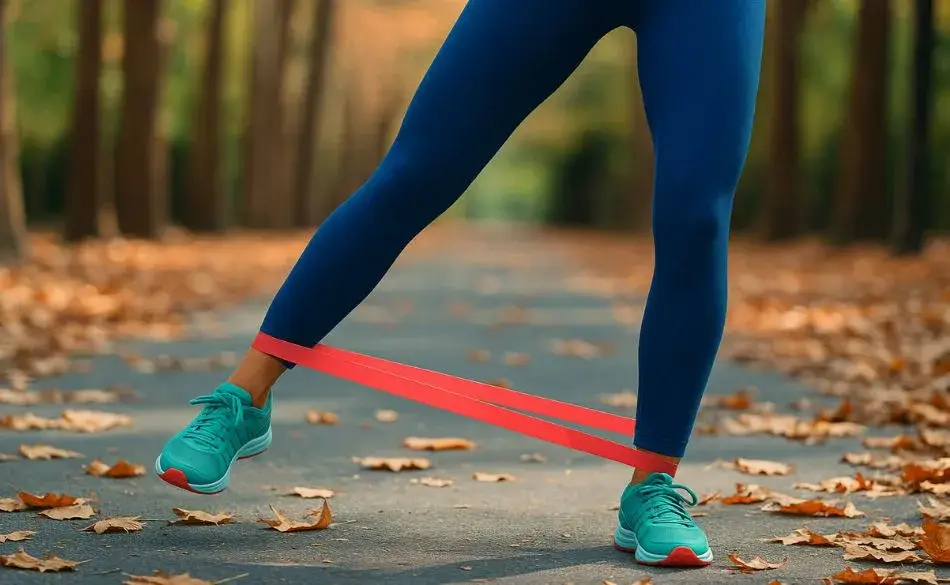
How Shoe Fit and Cleat Position Trigger Foot Heat and Numbness
When it comes to stopping a burning sensation in feet, few details matter more than how your shoes fit and how your cleats are positioned. Many competitive cyclists focus on power output or cadence but forget that the shoe-pedal connection can make or break comfort. Small changes here can decide whether your ride feels smooth or ends with a painful hot foot feeling.
Shoes that don’t fit properly are one of the biggest causes of cycling shoes foot discomfort. If they’re too tight, blood flow is restricted and forefoot pressure on bike pedals rises, which compresses nerves and can cause foot numbness. If they’re too loose, your feet slide slightly with every pedal stroke, creating friction and hotspots that feel like they’re burning from the inside. A shoe sole that fails to spread pressure evenly (whether too soft or too stiff) can also make symptoms worse.
Cleat setup plays just as big a role. When cleats sit too far forward, the load concentrates under the ball of the foot, right where nerves are most exposed. Shifting them a few millimetres backward helps distribute pressure more evenly and reduces metatarsalgia in cyclists. The aim is to align power transfer so no single point of your foot takes the full impact during sustained efforts.
To fine-tune your setup, focus on the following:
- Shoe stiffness: Choose a carbon or composite sole that distributes pressure across the foot while keeping a natural flex for comfort.
- Shoe width: Allow a small amount of room for swelling without letting the foot slide inside the shoe.
- Cleat angle and position: Keep a neutral angle and move cleats slightly back from the ball of the foot to ease nerve stress.
- Insoles: Use supportive insoles to maintain arch stability and promote healthy circulation in the feet.
These small adjustments can significantly reduce burning feet syndrome and prevent recurring discomfort. For most riders, it’s not about drastic changes but precise tuning. Just a few minutes of attention can save hours of pain and keep your performance consistent over every ride.
For a deeper understanding of proper bike fit alignment, check out our guide on KOPS method knee over pedal spindle to see how knee position over the pedal affects comfort and power transfer.


Preventing Hot Foot Through Pedal Choice and Pressure Management
Even with the right shoes and cleat setup, the pedals you ride can determine whether you finish strong or start feeling that familiar burning sensation in feet. Pedal platform size, float range, and stack height all influence how pressure spreads across your forefoot. When that pressure stays concentrated, it can lead to the same uncomfortable hot foot feeling experienced by many cyclists during long efforts.
Pedals with a wider platform distribute power over a larger area, reducing forefoot pressure on bike pedals and lowering the risk of nerve irritation. Narrow pedals or those with poor shoe-cleat contact force your foot to stabilize with extra effort, creating friction and heat buildup. Over time, this adds up to mild nerve compression and reduced circulation in the feet, especially on hot days or steep climbs.
The table below compares how different pedal characteristics affect foot comfort for experienced riders:
👉 Swipe to view full table
| Pedal Feature | Effect on Foot Pressure | Recommended Adjustment |
|---|---|---|
| Platform Width | Wider platforms spread force more evenly across the forefoot, easing nerve load and reducing hotspots. | Choose pedals with a broad surface area for better comfort on long rides. |
| Float Range | Allows small natural foot movement, easing tension through the knee and reducing torsional stress on nerves. | Keep float around 4–6° to balance freedom and stability. |
| Stack Height | Lower stack improves efficiency but can focus pressure if cleat alignment is off. | Ensure proper bike fit to balance comfort with power transfer. |
| Pedal–Cleat Interface | Poor contact leads to micro-movements and friction that raise heat and discomfort. | Inspect cleats regularly and replace worn parts to maintain a stable connection. |
In cycling, what’s often described as burning feet syndrome is usually a temporary, pressure-related issue, not a chronic medical condition. Managing pressure correctly keeps blood flow steady, prevents foot numbness, and helps you maintain consistent power throughout long rides or climbs. Small gear adjustments here can deliver big gains in comfort and endurance.
To learn how to set the perfect saddle height and improve overall comfort, check out our guide on Mastering the LeMond Saddle Height Method for step-by-step tips on finding your ideal seat height position.


Training and Recovery Strategies to Reduce Burning Feet
Preventing a burning sensation in feet isn’t just about equipment, it’s also about how you train and recover. High mileage, fatigue, and dehydration can all affect blood flow to your lower legs. When circulation drops or muscles tighten, pressure increases in your feet, especially during long or high-intensity sessions. That’s when the familiar hot foot feeling tends to appear.
Structured training helps. Mixing hard sessions with easy recovery rides keeps the small stabilizing muscles in your feet and calves from overloading. Light recovery rides maintain circulation without adding extra stress. Off the bike, basic foot and ankle exercises like towel scrunches, calf raises, and single-leg balance drills can improve stability and endurance through the arch. These are important for handling long efforts on the pedals.
Flexibility and mobility also play a role. Tight calves or hamstrings can limit ankle movement, which increases forefoot pressure on bike pedals. A short daily routine of calf stretches and gentle plantar fascia rolling keeps your feet flexible. Post-ride rolling with a ball or chilled water bottle can help relieve tension and restore normal blood flow. These approaches may not eliminate symptoms instantly but can reduce discomfort over time.
Recovery habits support these efforts. Rehydrating soon after rides and replacing electrolytes helps maintain healthy circulation in the feet and may reduce swelling. Cooling your feet with an ice bath or cold towel can ease inflammation after hard sessions. For those who frequently notice cycling shoe foot discomfort, alternating between different shoe models during the week can vary pressure points and lessen irritation.
Think of your feet as another performance system. The better you train and recover them, the more consistently they’ll perform. These simple adjustments won’t guarantee you’ll never feel burning feet syndrome again, but they can significantly reduce its intensity and keep your rides comfortable, powerful, and pain-free.
Nutrition, Hydration, and Blood Flow for Cooler Feet
Many riders assume a burning sensation in feet comes only from tight shoes or cleat setup, but what you put into your body matters just as much. Hydration and nutrition directly affect how efficiently blood and oxygen reach your feet. When you’re dehydrated, blood becomes thicker and moves more slowly, which can make nerves more sensitive to pressure. For cyclists training in hot weather or over long distances, this can turn mild warmth into a sharp hot foot feeling.
Maintaining proper electrolyte balance helps your muscles and nerves fire smoothly. Sodium, magnesium, and potassium regulate the electrical impulses that keep your muscles contracting evenly. When these minerals dip too low, nerve endings can become irritated, which may worsen burning feet syndrome during long rides. Using electrolyte drinks or capsules during long sessions and eating magnesium-rich foods like leafy greens, almonds, or bananas can support steady circulation in the feet and reduce cramping.
Fueling correctly also makes a difference. Riding with low energy stores can fatigue the smaller stabilizing muscles of your feet and calves, adding strain where you least want it. A balanced pre-ride meal with carbohydrates and a little protein helps sustain energy and protect those supporting muscles. After training, foods that promote blood flow (such as beets, citrus fruits, and leafy vegetables) may assist recovery by improving oxygen delivery to tired muscles and nerves.
Small habits count. Staying hydrated, fueling consistently, and maintaining good mineral balance won’t guarantee freedom from a burning sensation in feet, but they can reduce your risk. Think of these nutritional adjustments as another part of your bike fit, internal tuning that helps your body perform efficiently from the inside out.


Heat Management and Environmental Factors
External heat can often amplify a burning sensation in feet. When road temperatures rise or indoor training sessions get humid, trapped heat, pressure, and moisture combine to create ideal conditions for discomfort. Competitive cyclists who spend hours in warm environments are more likely to experience overheating inside their shoes, which can trigger that sharp hot foot feeling.
Good ventilation can make a big difference. Shoes with mesh panels or air channels may help excess heat escape and regulate temperature around the forefoot. During hot rides, loosening shoe straps slightly or switching to lightweight socks can sometimes prevent burning feet syndrome from flaring up. Thick, cushioned socks tend to trap moisture and limit airflow causing sweat buildup which softens skin and increases friction on the nerves beneath the ball of the foot, contributing to irritation.
Environmental control goes beyond footwear. Even small changes in setup or routine can help improve comfort:
- Ride timing: Train early in the morning or later in the evening when road and air temperatures are lower.
- Cooling socks: Use moisture-wicking fabrics with ventilation zones or cooling fibers designed for endurance sports.
- In-shoe airflow: Remove insoles after rides to dry completely and reduce lingering heat buildup.
- Indoor training setup: Position a high-power fan and, if possible, a dehumidifier to boost airflow and lower humidity during turbo sessions.
- Foot sprays or powders: Menthol or talc-based products may help manage moisture and surface temperature without affecting grip.
Managing temperature isn’t just about comfort, it also supports consistent circulation in the feet and may keep nerve endings from becoming overstimulated. By controlling heat and humidity, you reduce one of several common environmental triggers for a burning sensation in feet, helping each pedal stroke feel smoother and more efficient.
Take the guesswork out of your power training with our dedicated Cycling Threshold Training Plan . Designed by professional coaches, this plan helps you increase your FTP, improve endurance, and master pacing through structured power-based workouts.
- FTP-focused sessions: Targeted workouts built around your power zones to improve sustained strength and control.
- Progressive structure: Threshold and tempo training balanced with recovery to build lasting performance.
- Power meter integration: Learn to use wattage tracking effectively for climbs, time trials, and long rides.
- Flexible weekly volume: Choose between 4 and 12 hours per week depending on your goals and schedule.
- Lifetime access: A one-time purchase gives you unlimited use and free future updates.
Train smarter and turn your power data into real results. Build threshold power, boost endurance, and ride stronger with expert guidance every step of the way.
Explore the Threshold Plan →
Foot Health and Preventive Maintenance
Long-term comfort on the bike depends on keeping your feet strong, mobile, and well-cared for. Ignoring early signs such as tingling or a mild burning sensation in feet can turn small issues into chronic ones. Regular foot maintenance supports consistent comfort, reduces cycling shoes foot discomfort, and helps you perform at your best throughout the season.
Your feet absorb thousands of pedal strokes during every ride. Just like a bike requires regular tune-ups, your feet need ongoing care. Wash and dry them thoroughly after each ride to prevent irritation or fungal buildup, both of which can make heat and friction worse. Trim toenails straight across to avoid pressure against the shoe. If you notice persistent redness, numbness, or swelling, take a short break and reassess your shoe fit and cleat alignment before heading out again.
Simple self-care steps can make a meaningful difference:
- Daily inspection: Look for blisters, hotspots, or changes in skin color that might signal excess pressure.
- Massage and mobility: Roll the soles of your feet on a small ball to relax muscles and encourage circulation in the feet.
- Toe and ankle stretches: Gentle movements keep joints flexible and can help reduce nerve compression risk.
- Alternate footwear: Wearing different shoes off the bike gives your feet time to recover from repetitive pressure points.
- Replace worn insoles: Fresh insoles restore support and distribute forefoot pressure on bike pedals more evenly.
For riders who frequently struggle with burning feet syndrome, consulting a professional bike fitter or podiatrist can reveal hidden imbalances or arch issues. Addressing these details helps prevent recurring nerve irritation and maintains steady comfort on long rides. While routine maintenance won’t directly increase power output, keeping your feet healthy supports stable technique and consistent performance every time you ride.

When to Seek Professional Help
Most cases of a burning sensation in feet while cycling come down to fit, equipment, or training load. But if the problem keeps returning (no matter how many adjustments you make) it might point to something more complex. Ongoing discomfort can signal deeper issues such as nerve irritation, biomechanical imbalances, or circulation concerns that deserve expert assessment.
Start with a professional bike fitter. Even a few millimeters of difference in cleat alignment or saddle height can change how force travels through your foot. A qualified fitter can analyze your pedal stroke, arch support, and cleat angle to ensure pressure is distributed evenly. For many riders, this is the most effective way to ease cycling shoes foot discomfort or recurring burning feet syndrome.
If fit adjustments don’t fully resolve your symptoms, a sports podiatrist or physiotherapist can look deeper. They can evaluate for nerve compression in the foot, restricted blood flow, or signs of early neuropathy. Custom orthotics, metatarsal pads, or targeted mobility exercises may help relieve nerve stress and restore comfort. In some cases, persistent burning or numbness can be linked to broader health issues (such as diabetes, vitamin deficiencies, or peripheral neuropathy) that require medical input rather than just bike-fit changes.
Consider professional help if you notice any of the following:
- The burning sensation in feet continues after changing shoes, cleats, or adjusting position.
- Foot numbness lingers long after your ride ends.
- Pain extends beyond the forefoot to the toes, arch, or ankle.
- Swelling, redness, or color changes accompany the burning sensation.
- Both feet show similar symptoms, suggesting a possible systemic cause.
Don’t ignore recurring pain. Early assessment can prevent small irritations from developing into chronic nerve or vascular problems. With the right combination of expert guidance and fine-tuning, most riders can significantly reduce or even eliminate that burning sensation in feet and get back to training with comfort and confidence.
Take the guesswork out of your rides with our proven Cycling Training Plans . Each plan is built by professional coaches to improve your endurance, power, and recovery using structured, science-backed methods.
- Custom for every rider: Plans available for beginners, competitive cyclists, and time-crunched athletes.
- Power and heart-rate based: Sessions designed around your FTP and training zones for smarter progress.
- Balanced and progressive: Build endurance, strength, and speed without burning out.
- Flexible structure: Fit each week’s training easily into your lifestyle and schedule.
- Coach-designed programs: Created by experienced cycling coaches who understand real-world performance.
Transform your training and see measurable gains. Train smarter, recover better, and ride stronger with a structured plan built for your goals.
Explore Cycling Plans →

Riding Free from Foot Burn
A burning sensation in feet doesn’t have to be a normal part of cycling. For many riders, it’s simply a signal (your body’s way of saying something in your setup, shoes, or habits needs fine-tuning). Once you understand the causes, fixing it becomes less about guessing and more about balance: balancing pressure, temperature, hydration, and recovery.
The most effective solutions are often simple. Proper shoe fit, correct cleat alignment, and breathable gear can stop that hot foot feeling before it starts. Supporting your circulation with hydration and mobility work keeps your nerves calm and your feet strong. And if pain persists, expert guidance from a fitter or podiatrist can quickly pinpoint the root cause and set you back on track.
Every cyclist (whether you’re grinding out climbs or chasing power on the trainer) deserves to ride without distraction. Feet that feel light, cool, and steady translate to smoother pedaling and better endurance. Think of comfort as performance: the more you take care of your foundation, the longer you can ride at your best.
So next time you feel that warmth under the ball of your foot, don’t ignore it. Make small adjustments, stay mindful of your body, and treat your feet with the same precision you give your drivetrain. With the right attention, that burning sensation in feet can become a thing of the past.