Why Cycling Is a Game-Changer for Weight Loss
When you think about burning calories, you probably picture running, gym classes, or even swimming. But here’s the thing: a bicycle workout for weight loss offers something unique. Cycling blends cardio and strength in one smooth, low-impact motion. It’s gentle on your joints but powerful enough to torch calories when done consistently.
On average, a moderate cycling session can burn between 400–600 calories an hour. Crank up the pace or add hills, and you’re looking at 700–900 calories. That’s more than many common workouts, and it explains why both stationary bike workouts for weight loss and outdoor cycling for fat loss have become so popular.
Another big advantage? Cycling is low-impact. If you’ve ever dealt with knee pain from running, you’ll appreciate how smooth pedaling feels. One of my athletes, Sarah, started cycling after a stress fracture kept her off the roads. She not only healed but also dropped over 5kg in three months of steady riding. She often says cycling didn’t just change her body, it gave her back confidence.
If you’re drawn to running or want a different cardio style, you might like to explore our Running Weight Loss Plan to compare how structured exercise and calorie burn stack up.
Think about it. You can ride to work, hit a spin class, or jump on your indoor trainer without needing perfect weather. That flexibility means fewer skipped sessions, and consistency is the real secret to fat burning workouts.
You’ll also notice how cycling engages large muscle groups like your quads and glutes. That extra muscle activity keeps your metabolism humming even after the ride is over. Combine that with mindful eating, and you’ve got a sustainable, enjoyable path to weight loss.
So, whether you’re dusting off an old road bike or adjusting resistance on a stationary bike workout for weight loss, you’re setting yourself up for success. The road ahead isn’t about punishment. It’s about building a habit that feels good and actually works.
Want to dive deeper into how riding supports fat loss? Check out our Cycling for Weight Loss Complete Guide for detailed strategies, tips, and training insights.
Curious about the bigger picture? Check out our 10 Life-Changing Benefits of Cycling to see why riding supports both weight loss and overall health.
If you’ve started enjoying a bicycle workout for weight loss but want to see faster results, our Cycling Coaching program can help. With expert guidance, structured sessions, and accountability, you’ll build fitness, burn fat, and stay motivated week after week.
- Custom plans: Tailored cycling workouts designed around your weight loss goals and lifestyle.
- Expert feedback: Stay on track with regular support from experienced endurance coaches.
- Motivation and accountability: Guidance that keeps you consistent, even when life gets busy.
- Flexible training: Indoor stationary bike workouts or outdoor rides that fit your routine.
Coaching isn’t just about training—it’s the fastest way to reach your weight loss and fitness goals with cycling.
Explore Cycling Coaching →

How Many Calories Do You Burn on the Bike?
Calorie burn depends on your size, speed, terrain, and time. A heavier rider burns more at the same pace. Hills and wind raise the cost too. That’s why an indoor bike workout can feel easier to control, while outdoor cycling can swing higher on hilly routes.
Most riders burn 400–600 calories per hour at a steady pace. Push harder and it can reach 700–900. Short bursts raise heart rate and oxygen demand, which increases total burn over the session. That’s the logic behind intervals.
These ranges come from standard exercise science formulas using MET values. They’re estimates, not exact. Your heart rate monitor or power meter gives you better session data over time. But this table is a strong starting point.
👉 Swipe to view full table
| Rider Weight | Easy Spin (16–18 km/h) |
Moderate Ride (19–22 km/h) |
Vigorous Ride (23–26 km/h) |
Hard Intervals (work:rest) |
|---|---|---|---|---|
| 60 kg | 320–380 kcal/hr | 430–520 kcal/hr | 560–680 kcal/hr | 600–750 kcal/hr |
| 75 kg | 400–470 kcal/hr | 540–650 kcal/hr | 700–850 kcal/hr | 760–940 kcal/hr |
| 90 kg | 480–560 kcal/hr | 650–780 kcal/hr | 830–1,010 kcal/hr | 920–1,130 kcal/hr |
Use the table to set targets. If you cycle three hours a week at a moderate pace, that could be 1,200–1,950 calories. Pair this with a small daily food deficit, and you have steady progress.
Here’s the simple rule. Consistency beats hero days. Plan rides you can repeat. A bicycle workout for weight loss works best when you show up, even for 30 minutes.
If you’d like to see how your weight and cycling power balance out, try our Power to Weight Ratio Calculator for a clear look at your cycling efficiency.
Long Rides vs Intervals – Which Burns More Fat?
When it comes to a bike workout for weight loss, the big debate is whether long steady rides or short intense intervals work best. The truth? Both can help, but they serve different purposes.
Long rides at a moderate pace encourage your body to rely more on fat as fuel. They’re great for building endurance and teaching your body to handle steady work. Think of it as slow cooking – steady heat that gradually transforms the meal. If you’re aiming for all-day calorie burn and mental refresh, long rides are a solid choice.
Intervals, on the other hand, are like tossing food in a sizzling pan. Short, high-intensity bursts push your heart rate up, flood your muscles with oxygen demand, and spike calorie burn. Research shows HIIT cycling workouts not only burn plenty of calories during the ride but also keep your metabolism elevated for hours afterward. That means you’re still burning extra calories while you sit at your desk later in the day.
One of my coached athletes, Mark, was struggling with a plateau after months of long weekend rides. We added two 30-minute interval sessions on the stationary bike each week. Within six weeks, he dropped another 3kg and felt more powerful on climbs. Intervals broke his routine and reignited progress.
So, which should you choose? Here’s a simple way to decide:
- If you’re just starting, long steady rides help you build a base and avoid burnout.
- If you’re short on time, intervals give you maximum calorie burn in 20–40 minutes.
- A mix of both keeps training fresh, fun, and effective.
In the end, the best approach isn’t one or the other. It’s blending steady endurance sessions with intervals. That balance ensures your body keeps adapting, your mind stays engaged, and your weight loss keeps moving in the right direction.
If you’re ready to take your bicycle workout for weight loss beyond casual rides, our Cycling Training Plans give you a proven roadmap. Each plan is built to improve endurance, increase calorie burn, and keep you motivated with structured sessions that fit into real life.
- Structured sessions: Workouts designed to burn fat and build cycling fitness step by step.
- Performance gains: Ride further, climb stronger, and boost your cycling calorie burn.
- Flexible options: Indoor stationary bike workouts or outdoor rides that suit your lifestyle.
- Expert design: Written by experienced coaches who understand how to balance interval training on bike with endurance work.
Stop guessing—follow a structured plan that makes every ride count toward your weight loss goals.
Explore Cycling Plans →

Simple Bike Workouts You Can Stick With
The best bicycle workout for weight loss isn’t the hardest one. It’s the one you can repeat. Consistency matters more than crushing a single ride. If your plan is simple, you’ll show up more often, and that’s when results build.
Cycling gives you two main paths: steady endurance rides or short sessions with structure. Steady rides help you relax into the rhythm of pedaling. Structured workouts challenge your lungs and muscles while saving time. Both options move you toward your weight loss goal, so it’s less about right or wrong and more about matching your lifestyle.
Here’s a set of easy routines to guide your training:
Beginner-Friendly Rides
- 30 minutes steady spin at a pace where you can still talk
- 20 minutes at moderate intensity with 1–2 short bursts to practice effort
- Weekend ride of 45–60 minutes, aiming to build endurance over time
Time-Crunched Sessions
- 5 minutes easy, then 6 × 1-minute hard / 1-minute easy, finish with 5 minutes gentle spin
- 20 minutes at a steady, moderate pace, perfect for lunch breaks
- 10-minute warm-up, then 4 × 3 minutes hard / 2 minutes recovery, end with a cool-down
These workouts work indoors on a trainer or outdoors on the road. If weather is bad, you can also use stationary bike workout for weight loss if you don’t have an indoor training. This helps to keep your plan on track. Outdoors, you can use hills or headwinds as natural resistance.
The key is balance. Push yourself enough to feel progress, but finish sessions knowing you could do another if you had to. That’s how you build fitness without draining your energy. Over weeks, your cycling calorie burn will grow naturally as you ride further, harder, or more often.
Remember, keep your workouts simple, stick to them, and let consistency do the heavy lifting. Weight loss doesn’t happen overnight, but with cycling, you’ll feel the changes both in your body and your mindset.
Weekly Sample Plans for Different Goals
Having a clear structure makes sticking with a bicycle workout for weight loss much easier. You don’t need a complicated training schedule. What you do need is a simple plan that adapts to your life.
Some weeks, you’ll have more time. Other weeks, life gets busy. That’s why it helps to see different options side by side. You can shift between a base plan, a time-crunched plan, or a weekend-focused plan depending on what’s realistic.
This sample table below shows how you might organize a week of riding. Each column fits a different lifestyle but still drives progress toward weight loss.
👉 Swipe to view full table
| Day | Fat-Loss Base (Beginner) | Time-Crunched (20–35 min) | Outdoor Focus (Weekend Rider) |
|---|---|---|---|
| Mon | Rest or 20 min easy walk | Rest | Rest |
| Tue | 35 min steady spin (RPE 4–5) | 8 × 30 sec hard / 60 sec easy + warm/cool | 45 min steady ride |
| Wed | 30 min low impact cardio cycling | 20–25 min tempo (RPE 6–7) | 30–40 min easy spin |
| Thu | Cadence drills: 6 × 1 min fast legs | 4 × 3 min hard / 2 min easy | 40–50 min steady hills |
| Fri | Rest or mobility | Rest | Rest |
| Sat | 50–70 min endurance ride | 25–30 min tempo sandwich | 75–120 min long ride |
| Sun | 25–35 min easy spin | 15–25 min recovery | 30–40 min recovery ride |
This table gives you freedom. On a busy week, choose the time-crunched plan and keep momentum alive. When you’ve got a free weekend, lean on the outdoor focus column. Over time, you’ll find that switching between them keeps training fresh and sustainable.
The mix of steady rides and structured intervals ensures you’re not just burning calories but also building fitness. That’s what makes a bike workout plan for weight loss something you can actually live with long term.
Nutrition and Lifestyle Tips That Boost Cycling Weight Loss
A bicycle workout for weight loss will only take you so far. The other half of the equation is how you eat, rest, and recover. Think of cycling as the spark and lifestyle as the fuel. When they work together, progress comes faster and feels easier.
Start with food. You don’t need a strict diet, but you do need balance. Focus on whole foods (lean proteins, fruits, vegetables, and slow-burning carbs). After a ride, a mix of protein and carbs helps muscles repair and keeps hunger from spiking. Small choices, like water instead of soda or oats instead of pastries, add up quickly over weeks of riding.
Hydration is another hidden factor. Even mild dehydration can make a session feel harder and reduce your cycling calorie burn. A simple tip is to drink a glass of water before every meal and carry a bottle during rides. If you’re sweating heavily, add electrolytes for balance.
Sleep may be the most underrated part of weight loss. When you’re short on rest, your body craves high-calorie foods, and workouts feel sluggish. Aim for 7–8 hours most nights, and you’ll notice recovery improves.
Here are a few insider tips many cyclists overlook:
- Don’t chase calories burned with extra food. Fuel rides wisely, but avoid the trap of overeating afterward.
- Plan meals around rides. A light snack before and a balanced meal after keeps energy steady.
- Track trends, not single days. Weight shifts daily from water and glycogen. Look at weekly averages to see progress.
- Add non-cycling activity. Walking, stretching, or strength training can complement bike workout plans for weight loss.
The goal isn’t perfection. It’s making supportive habits part of your routine. When you pair smart nutrition, solid sleep, and consistent cycling, you’re not just burning fat, you’re building a lifestyle that lasts.
Once your bicycle workout for weight loss starts feeling easier, the next step is building lasting strength and endurance. Our Cycling Threshold Training Plan is designed to raise sustained power, sharpen pacing, and help you keep burning calories efficiently while improving performance.
- Targeted sessions: Structured workouts that build aerobic fitness and fat-burning efficiency.
- Endurance building: Longer rides to increase stamina and calorie expenditure.
- Smart recovery: Planned rest days to avoid burnout and maintain consistency.
- Expert guidance: Coach-designed to balance interval training on bike with endurance work for real results.
Take your cycling beyond weight loss—structured threshold training makes every ride more powerful and more effective.
Explore Threshold Plan →
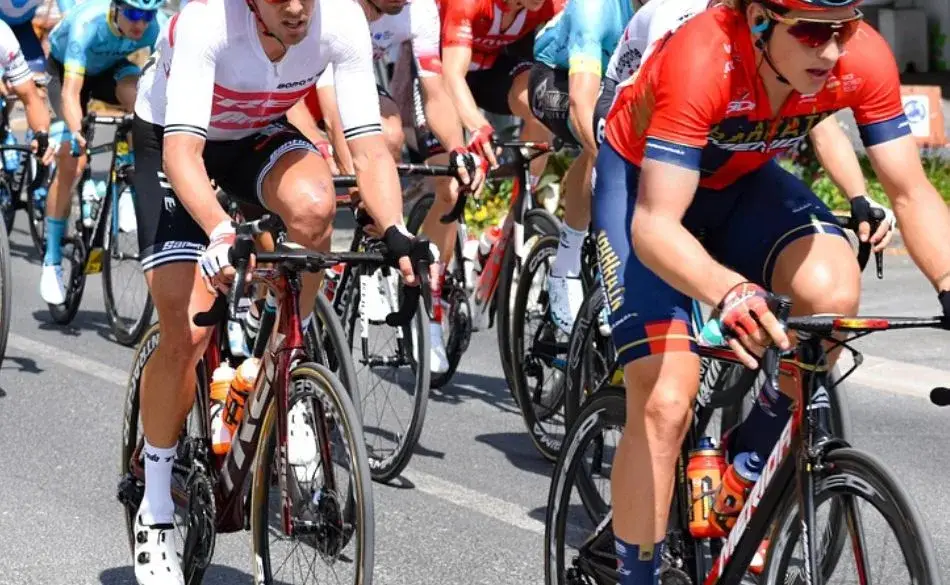
The Real Pros and Cons of Cycling for Weight Loss
Let’s be honest. Working out for weight loss has huge upside, but it isn’t magic. Knowing both sides helps you plan smarter and stick with it.
The biggest win is accessibility. You can ride indoors or out, alone or with friends, for 20 minutes or two hours. That flexibility makes it easier to train during busy weeks. If weather turns, a stationary bike workout for weight loss keeps you on track. If the weekend opens up, outdoor cycling for fat loss gives you time in the fresh air.
Cycling is also kind to your joints. Many people who avoid running due to knee pain can pedal comfortably. Low impact means you can ride more often, and consistency is what drives change. Add in the fact that legs are big muscles and you’ve got strong calorie demand during and after the session.
On the flip side, cycling can hide effort. Coasting downhill feels great, but it lowers total burn. If you want steady results, you need steady pressure on the pedals. That’s where simple structure helps. Use light interval training on bike days to keep intensity honest, and pepper in tempo rides to close the gap between coasting and working.
Another challenge is time. Long rides take planning. If your schedule is tight, shorter sessions with clear intervals are your friend. Twenty to thirty-five minutes done well beats a skipped workout. Think quality over mileage.
There’s also the food trap. After a tough ride, it’s easy to “eat back” everything you burned. A simple strategy is to plan a balanced meal after training and to hydrate first. That alone keeps cravings calmer.
Compared with cycling vs running for weight loss, bike sessions can be longer and gentler, which many people find easier to repeat. Running might burn more per minute at the same effort, but cycling often wins the long game because you’ll actually do it.
In short, lean into the strengths, manage the pitfalls, and let steady rides plus a few punchy efforts move you forward.
If you want a deeper breakdown of how these two activities compare, see our Cycling vs Running Calories guide for detailed insights on calorie burn and fat loss.

How Often Should You Ride Each Week to See Results?
Here’s the honest answer. The best schedule is the one you’ll follow. But if you want a clear starting point for a weight loss on a bicycle, aim for three rides a week. That gives your body enough signals to adapt without leaving you exhausted.
Think in simple blocks. Two shorter sessions on weekdays and one longer ride on the weekend works well for most people. Your weekday rides can be steady or include a small interval block. The weekend ride builds endurance and confidence. You’ll finish with that good, warm buzz in your legs.
If you’re using a trainer or a stationary bike it can fit almost anywhere in your day. Early morning before work. Lunch break. Evening while you watch a show. Indoors, you control resistance and cadence. That control helps you progress week to week.
Progress should be gentle. Add five to ten minutes to one ride each week or add one extra interval. Keep the rest easy. Your fitness grows in the quiet space between sessions, not just during them. If you feel heavy and flat two days in a row, back off for a ride or two. That’s smart training, not quitting.
You’ll know things are working when climbs feel smoother and recovery comes faster. Your breathing calms sooner at the top of a hill. Your heart rate settles quicker after an interval. Those are signs your engine is getting stronger.
As for the scale, look at weekly trends, not single days. Water and glycogen shift up and down. Track your rides, your meals, and your sleep. A light bike training schedule plus steady habits beats random hero rides every time.
If you’re ready to do more, step to four rides a week: two short sessions with structure, one moderate spin, and one longer ride. Keep it fun. Keep it repeatable. That’s how you turn cycling into momentum and weight loss into something that lasts.
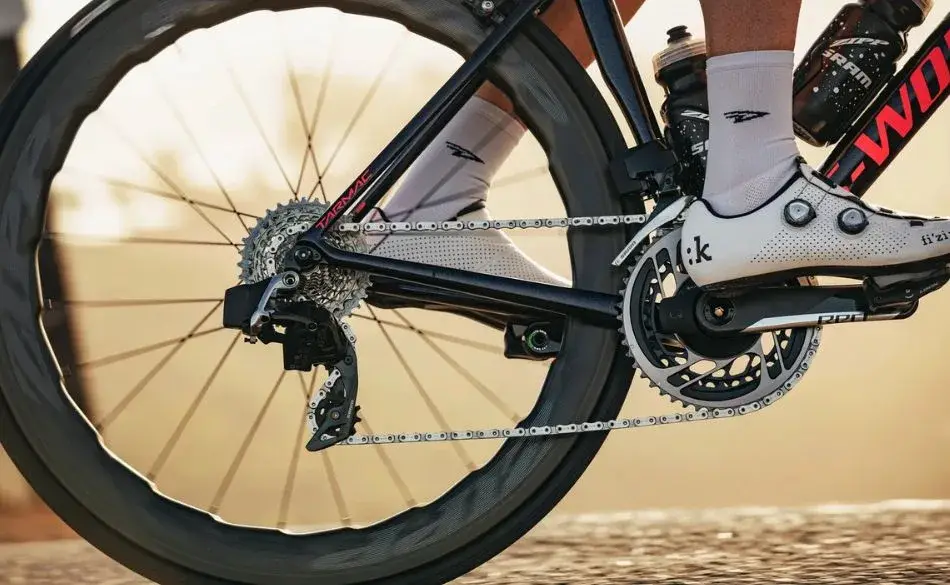

Staying Motivated When Progress Feels Slow
Every rider hits moments where progress feels stuck. You ride, you sweat, but the scale barely moves. This is where many give up on using bicycle workouts for weight loss. But here’s the truth: fat loss isn’t linear. Some weeks, you’ll see drops. Other weeks, your body holds water or repairs muscle.
One trick is to track more than weight. Notice your heart rate recovery, how your legs feel on hills, or how far you can ride without stopping. These small wins often show up before the mirror does. Celebrate them. They prove you’re moving in the right direction.
Routine also fuels motivation. If you know Tuesday is your indoor training day, you’ll plan around it. Don’t wait for perfect energy. Start pedaling and let momentum do the work. Ten minutes in, your body usually finds its rhythm.
Variety helps too. Mix steady spins, intervals, and outdoor rides. Explore new routes or try music playlists that match cadence. For many of my athletes, adding a Saturday group ride turned training into social time. They stopped thinking about weight and started focusing on connection and the results followed.
There will be off days. That’s normal. Missing one session doesn’t erase progress. What matters is showing up for the next one. Think about cycling like brushing your teeth. You don’t quit brushing because you missed once. You get back on track and keep going.
Remind yourself why you started. Was it to lose a few kilos, feel more confident, or simply enjoy movement again? Keep that reason close. Write it down, or set it as your phone background. Motivation fades, but reminders pull you forward when willpower dips.
For those serious about weight loss, the Cycling Weight Loss Plan delivers a full 20-week program built around your schedule, current fitness, and goals. It’s not just workouts—it’s a long-term strategy for sustainable fat loss and stronger cycling.
- Custom-tailored schedule: Built for your fitness level and availability.
- Heart rate & fat-burn focus: Uses fat-burn zones and perceived effort so each session pulls its weight.
- Balanced structure: Mixes endurance rides, recovery, and moderate-hard workouts without overwhelming you.
- One-time payment: Full access when you need it—no subscription needed.
Invest in a plan that works with your life—not against it. Make every ride count toward real weight loss.
View the Weight Loss Plan →
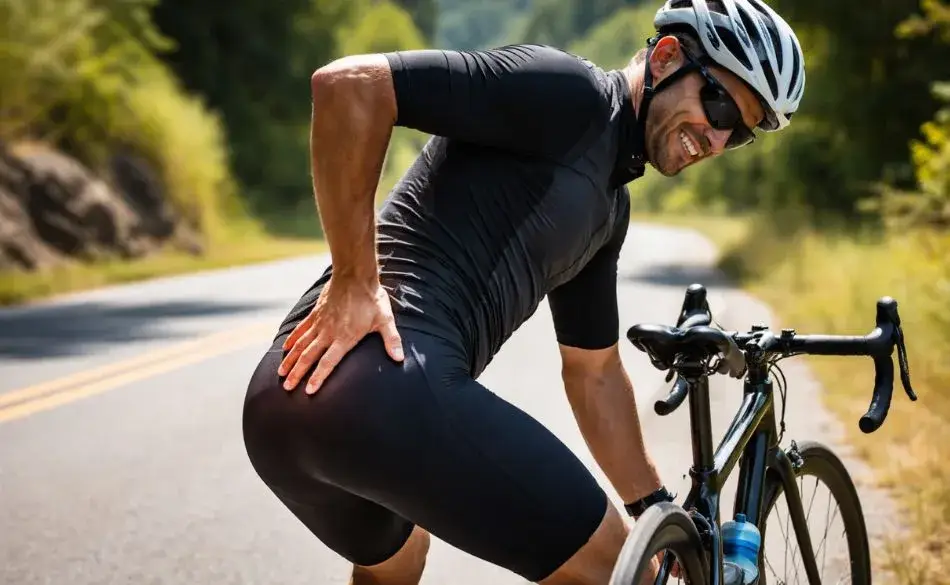
Form, Cadence, and Resistance - Small Tweaks, Big Results
Good form lets you ride longer with less strain. It also boosts your cycling calorie burn without feeling harder. Start with posture. Sit tall, relax your shoulders, and keep a light bend in your elbows. Your hands should rest, not grip. If your neck or wrists ache, raise the bars a touch or slide the saddle slightly forward. Tiny changes matter.
Think about pedaling as smooth circles, not hard stomps. Drive across the top, float through the bottom, and keep your knees tracking straight. A quiet upper body means power is going into the pedals, not into wobble. That efficiency helps any bicycle workout for weight loss feel easier and faster.
Cadence is your engine rhythm. Most riders do well between 85–95 rpm on steady rides. For hills or higher resistance, 70–85 rpm is fine if it feels strong and controlled. Indoors, your stationary bike workout for weight loss should include a few minutes at different cadences so your legs learn new gears. Over time, you’ll find a “sweet spot” where breathing and leg speed feel balanced.
Use resistance like a dimmer, not a switch. Too light and you bounce in the saddle. Too heavy and your form breaks. A good test is the talk test. At moderate efforts, you can speak in short sentences. At harder efforts, it’s just a few words. If you’re training by feel (RPE), aim for 4–5/10 on steady days and 7–9/10 during intervals. That keeps interval training on bike sessions honest without overreaching.
Fit is worth checking every few months. As you get stronger, your position can change. If the front of your knees gets sore, raise the saddle a few millimeters. If your lower back complains, nudge the bars higher or move the saddle forward. Only adjust one thing at a time, then test it for a ride.
Finish each session with two minutes of very easy spinning. Let your breathing settle and your legs cool. Recovery starts here.
If you want precise number zones for your effort, try our Heart Rate Training Zones Calculator so you can train smarter and hit fat-burning efforts more accurately.
Thinking big? The 100 km Cycling Training Plan (All Levels) gives you a structured 6- to 12-week plan to build endurance, improve pacing, and boost your long-distance ride capacity—while helping you burn fat steadily throughout.
- Flexible duration: Train 4–15 hours per week depending on your schedule and baseline fitness.
- Mixed workouts: Long rides, tempo sessions, interval training, and recovery days built around your fitness level.
- All-level ready: Suitable if you’re riding 100 km for the first time or aiming to improve time and efficiency.
- No subscription: One‐time fee with all materials delivered via TrainingPeaks; works with heart rate, RPE, or power zones.
Take on a long-ride goal that boosts both your endurance and your weight-loss results.
View the 100 km Plan →Tracking Progress Without Getting Obsessed
One of the most powerful parts of a working out for weight loss is seeing the progress you make. But here’s the trap: focusing only on the scale can leave you frustrated. Weight loss isn’t a straight line. Some days you’ll feel lighter, other days you’ll feel stuck. That’s normal.
A smarter approach is to track multiple signals. Use a simple notebook or an app to log your rides. Write down distance, time, or effort level. Note how you felt during and after. Over time, you’ll see patterns, longer rides feel easier, hills don’t scare you, recovery is faster. Those are wins just as important as kilograms lost.
Technology can help too. Many cyclists use heart rate monitors, power meters, or smart trainers. These tools measure effort in real numbers. For example, if you ride the same route at a lower heart rate than last month, that shows improved fitness. Even if the scale hasn’t shifted yet, your body is changing.
Photos are another underrated tool. Snap a picture every few weeks. You’ll often see body shape and posture changes before you notice the numbers. Pair that with how your clothes fit, and you’ve got a more realistic picture of progress.
Here are some other simple ways to keep perspective:
- Track weekly averages, not daily weigh-ins.
- Celebrate non-scale victories, like riding further or climbing faster.
- Use milestones: first 100 km month, first 1,000 calories in one ride, or first week hitting all your planned sessions.
The key is not obsession. Metrics should guide, not control, your journey. Use them as encouragement, not punishment. If you miss a ride or your weight blips up, it doesn’t erase all the work you’ve done.
Remember, the point of a bike workout plan for weight loss isn’t only the scale. It’s building energy, confidence, and momentum. Keep your eyes on progress in all forms, and you’ll stay motivated for the long run.
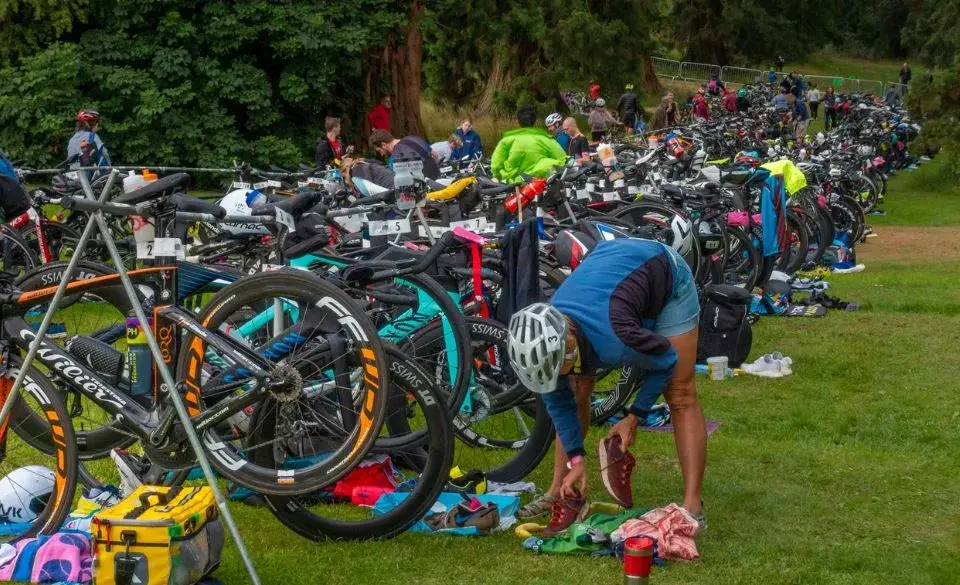

Indoor or Outdoor - Which One Fits Your Life Right Now?
If you want a bicycle workout for weight loss that sticks, pick the setting you’ll use most. Indoors gives you control. Outdoors gives you adventure. Both can work when you match the ride to your routine.
Indoor training is simple and steady. It lets you set resistance, cadence, and time with zero traffic or weather stress. That makes intervals easier to nail. You can finish a solid session in 25–35 minutes and get on with your day.
Outdoor rides add variety and joy. Fresh air, rolling roads, and light hills help your body work in different ways. Wind acts like natural resistance. Gentle climbs build strength. You finish with a clear head and that satisfied leg buzz.
So which should you choose today?
If you’re busy, train indoors and focus on structure. Use short blocks and smooth cadence. Keep the effort honest and the plan repeatable. That’s how you build momentum midweek.
If you’ve got time, head outside for a longer spin. Aim for steady pressure on the pedals. Try to keep coasting low. Use quiet roads or bike paths so you can ride without stopping.
Here’s a simple way to blend both across a week:
- Two indoor sessions with clear intervals and a calm cool-down.
- One outdoor ride that’s longer, relaxed, and steady.
That mix supports interval training on bike while building endurance. It also keeps things fresh, so you don’t burn out.
You can switch the ratio as your life changes. Travel week? Go all-in on the trainer. Sunny weekend? Stretch the outdoor ride. The goal is progress you can live with, not a perfect plan on paper.


Conclusion - Building Long-Term Habits That Stick
A bicycle workout for weight loss isn’t just about this week or even this month. The real results come when cycling shifts from being a task to being part of your life. Think of it less like a temporary program and more like a new routine you enjoy.
The best way to build habits is to anchor rides to things you already do. Commute to work a couple of days by bike. Spin for 20 minutes while watching your favorite show. Ride with a friend every Saturday morning. These anchors keep you consistent without draining willpower.
Another trick is planning your week in advance. If you know Tuesday and Thursday are your indoor bike workout for weight loss days, you’ll be less likely to skip them. Treat them like important appointments. They’re not optional, they’re part of how you take care of yourself.
Rewards help too. Track your sessions and celebrate milestones. Maybe it’s new cycling socks after 10 rides, or a longer weekend route after a steady month. These little celebrations build positive associations and keep motivation alive.
Here are a few ways my athletes keep habits strong over the long run:
- Pair rides with podcasts or playlists that you only listen to while cycling.
- Use a chart or app to tick off sessions. Small wins add up.
- Rotate between indoor and outdoor sessions to keep things fresh.
- Join a group ride now and then for accountability and fun.
Remember, the goal isn’t just short-term fat loss. It’s a healthier, more active lifestyle you can actually enjoy. By mixing structure, flexibility, and a touch of fun, you’ll turn cycling into a rhythm that lasts.