How Cadence Works and Why Beginners Should Train It
Cadence is the number of pedal revolutions you complete per minute. Most beginners naturally settle into a lower cadence, often between 60–75 rpm, because pushing a bigger gear feels stable at first. Research shows that lower cadences create higher muscular force, which increases leg fatigue earlier in a ride. This is why many new cyclists notice their legs tiring before their heart or lungs.
Working on cadence helps you create a smoother and more efficient pedal stroke. Neuroscience and sports physiology research confirm that cadence training improves neuromuscular coordination -the communication between your brain and the muscles that control each phase of your pedal circle. When cadence improves, so does pedaling economy. Riders often feel less strain in the quads and knees and experience fewer power “surges” when terrain shifts.
Cadence drills don’t require advanced skill. In fact, beginners often adapt even faster than trained cyclists because they haven’t built fixed movement patterns yet. The goal isn’t to chase one magic number but to explore a range. Most coaches agree that a general endurance cadence falls between 75–95 rpm, supported by training data from both road and indoor cycling. This is also why cycling cadence drills for beginners are effective early in a training journey.
New riders often ask, “What is a good cycling cadence for beginners?”
There is no universally ideal cadence, but evidence shows that:
- Lower cadences (below ~70 rpm) increase muscular load
- Moderate cadences (75–90 rpm) reduce joint stress and delay fatigue
- Higher cadences (90–105 rpm) improve leg speed and motor control
Practicing within these ranges helps you learn what feels smooth and sustainable. This makes how to improve cycling cadence as a beginner far simpler than many expect.
Cadence training becomes especially helpful on small inclines, into headwinds, or during long rides, where maintaining rhythm prevents your legs from “stalling out.” Once you’ve learned to control cadence smoothly, you’re ready for the structured workouts in the next section that target real gains in speed and efficiency.
If you want to explore more about how cadence affects efficiency and why different riders prefer different rhythms, this cadence efficiency guide offers a clear explanation supported by training research.
Many cyclists try cadence drills on their own but struggle to know if they’re spinning at the right rhythm, choosing the right gears, or progressing their training at a safe pace. With a few targeted sessions and a clear plan, you can build smoother pedaling, better control, and stronger riding technique. If you want support that adapts to your ability, goals, and weekly routine, our Cycling Coaching program provides personalised guidance so you can improve cadence, build confidence, and ride more efficiently without guesswork.
Ideal for riders who want expert feedback, structured weekly sessions, and reassurance that every workout is helping them progress.
Start Your Cycling Coaching
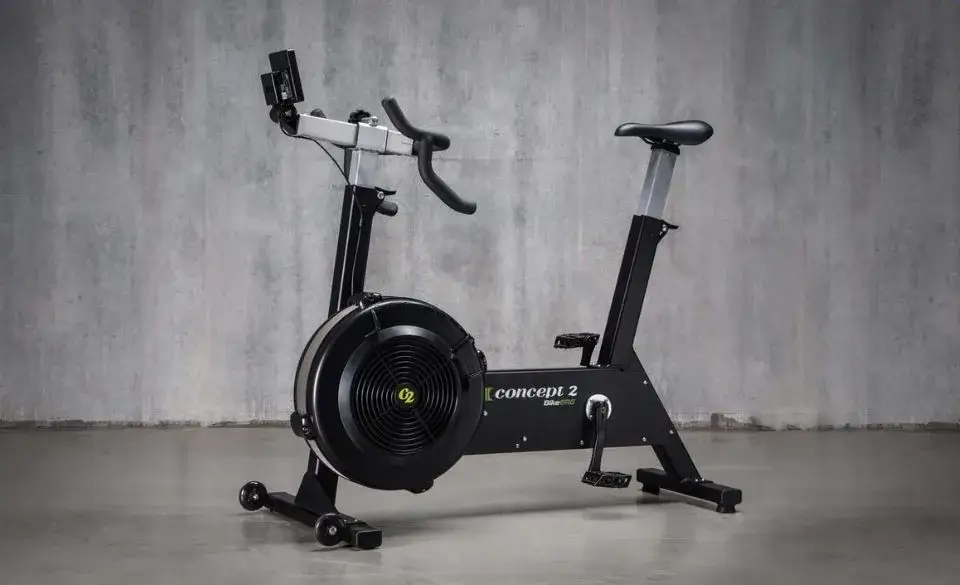
Smooth Cadence Build Workout for Beginners
A Smooth Cadence Build workout teaches you how to change leg speed on command without letting your breathing or effort jump. Many beginners can spin at one comfortable rhythm, but shifting between different cadences takes practice. This workout builds that control by gently raising and lowering your cadence in repeatable steps. It’s simple, but it creates the base you need for more advanced drills later.
The key is learning how the shift in cadence feels. When cadence rises slightly, the pedals feel lighter and your legs turn with less pressure. When cadence drops back down, the bike feels steadier and more grounded. This workout helps you understand those sensations so you can adjust smoothly during real rides—whether you’re approaching a small hill, speeding up on the flats, or settling into a steady pace.
Here’s the workout:
- Warm up with an easy spin for 5 minutes
- Increase cadence by 5–10 rpm for 2 minutes
- Return to your usual cadence for 2 minutes
- Repeat 5–6 rounds
- Cool down for 3–5 minutes
What makes this workout valuable is its rhythm. The controlled rise and fall in cadence trains you to stay relaxed while your legs move at different speeds. Keep your upper body quiet, hands loose on the bars, and shoulders soft. If you start bouncing, simply lower cadence a few rpm until you regain stability.
Because the cadence change is small, you can stay in the same gear for most of the workout. This helps you focus on leg movement rather than shifting. Beginners often find this reassuring, since there’s no pressure to add power or push big gears.
With consistent practice, you’ll become better at adjusting cadence smoothly during everyday rides. This makes it easier to hold a steady pace, respond to terrain changes, and stay comfortable on longer sessions. Once this workout feels simple, you’ll be ready for faster leg-speed drills in the next section.


High-Cadence Burst Workout to Build Leg Speed
A High-Cadence Burst workout helps you train quick leg movement without adding heavy pressure to the pedals. Many beginners try to build speed by pushing harder, but improving leg speed is often a faster path to better performance. Short bursts of fast spinning teach your muscles and nervous system to react quickly while staying relaxed, which is an important step toward mastering high cadence cycling drills for beginners later on.
This workout focuses on brief periods of fast pedaling followed by plenty of recovery. Because the efforts are short, you can keep your breathing controlled and avoid fatigue. The goal is not power—it’s speed and smoothness. Fast pedaling should feel light, almost like your legs are floating around the pedal circle.
Here’s how the workout flows:
- Start with 3 minutes of easy spinning
- Pedal at 100–110 rpm for 20–30 seconds
- Recover for 90 seconds at an easy cadence
- Repeat the burst 8–10 times
- Finish with a 3–5 minute cool down
During the bursts, try to stay as stable as possible. Keep your core firm but relaxed, your shoulders steady, and your hips level. If you feel bouncing, drop your cadence slightly until the movement becomes smoother. Over time, as your control improves, you’ll be able to hold higher cadences with less wobble.
The workout also helps you become more comfortable increasing cadence on demand. You’ll notice this on the road when you need to accelerate onto a wheel, spin up a short rise, or adjust to changing terrain. Because the bursts are short, you’re never working so hard that your form breaks down, making this a safe and effective option for new riders learning how to improve cycling cadence as a beginner.
Most beginners feel improvements within a few sessions. As you practice, focus on staying relaxed and letting the legs move freely. High-cadence work is a skill, one that becomes smoother, easier, and more natural every time you train it.

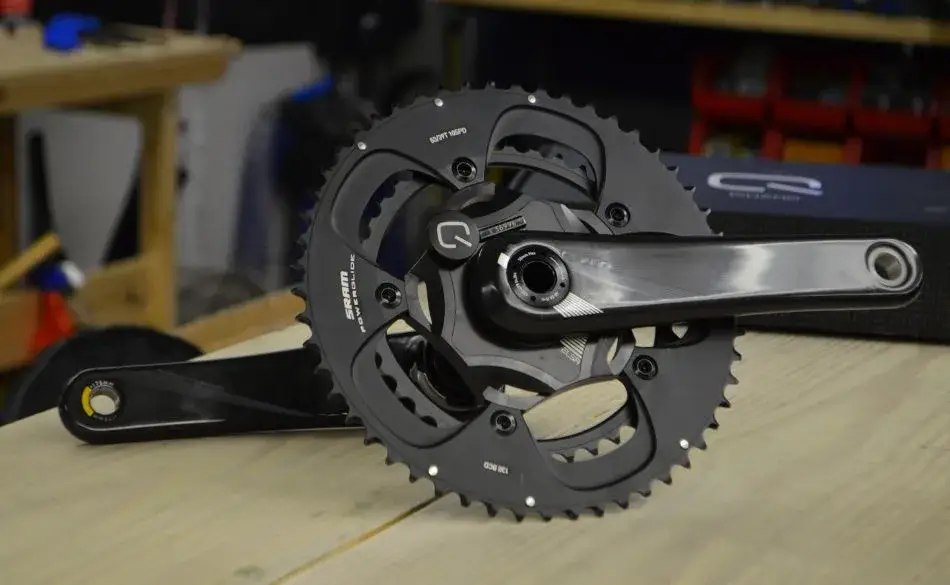
Low-Gear Speed Spin Workout to Improve Control
Low-Gear Speed Spins are one of the easiest ways for beginners to practice cadence without feeling overwhelmed. By using a light gear, your legs can move quickly while remaining relaxed. This helps you focus on stability and smooth movement instead of pushing hard. It’s a simple drill that fits naturally into cycling cadence drills for beginners, especially when you want a session that feels safe and controlled.
This workout works well indoors because the environment is steady and predictable, but you can also do it outdoors if you choose a flat, quiet area. The key is to remove distractions so you can pay attention to how your pedal stroke feels at higher speeds.
Here’s the structure:
- Warm up at an easy pace for 5 minutes
- Shift into a low gear where the pedals feel light
- Spin at 90–100 rpm for 3 minutes
- Recover for 2 minutes at your normal cadence
- Repeat for 5–7 rounds
- Cool down for 3–5 minutes
During the faster spins, focus on the sensations in your body. A few things to watch for:
- Keep your hips steady and avoid bouncing
- Relax your shoulders and keep your hands light on the bars
- Allow your legs to move freely without forcing the motion
- If you feel tension, drop cadence slightly until movement becomes smooth
This session helps you understand how high cadence feels when resistance is low, while building the control you will need for more advanced drills. If you want a simple core exercise that supports smoother, more stable pedaling, try the bicycle crunch, which helps keep your hips steady during faster cadence work.
Over time, this drill prepares you for more challenging sessions used in intervals. Once you can spin quickly while staying relaxed, you’ll find it much easier to handle longer intervals, mixed terrain, and more advanced cadence work later in your training. This workout builds the control and comfort you need before moving on to the next progression.

Cadence Pyramid Workout for Better Rhythm and Control
A Cadence Pyramid Workout is an effective way for beginners to practice riding at several different cadences in a single session. Instead of holding one steady rhythm, you gradually increase cadence through controlled steps and then bring it back down. This type of structure helps improve coordination and teaches you how to adjust leg speed without creating large spikes in effort. Research shows that small cadence changes help beginners develop smoother pedaling and better control at a variety of speeds.
The pyramid format works well because the cadence changes are modest and predictable. Increasing cadence by small increments reduces excessive muscular torque and keeps the cardiovascular intensity stable. As you move back down the pyramid, you practice lowering cadence smoothly, which is a key skill in real rides where terrain and pace often shift. These transitions help you learn how your body responds at each cadence level, making you more adaptable on the bike.
Here’s the structure of the workout:
- Warm up for 5 minutes at an easy spin
- Ride 1 minute at 80 rpm
- Ride 1 minute at 85 rpm
- Ride 1 minute at 90 rpm
- Ride 1 minute at 95 rpm
- Ride 1 minute at 100 rpm
- Then work back down: 95 → 90 → 85 → 80 rpm
- Cool down for 3–5 minutes
As you move through the pyramid, pay attention to the sensations at each cadence. Lower cadences often feel more grounded and stable because they require greater force per pedal stroke. Higher cadences feel lighter and quicker, relying more on neuromuscular timing. Keep your hips steady and your upper body relaxed. If you begin to bounce in the saddle, reduce cadence slightly until the movement becomes smooth again. This is a normal part of learning controlled leg speed.
This workout builds practical cycling skill by helping you understand how cadence influences effort and stability. When practiced once a week, it improves rhythm, enhances pedaling smoothness, and prepares you for more dynamic cadence sessions later in your training. If you want a deeper guide on the fundamentals, our page on cycling cadence for beginners explains how to build confident, efficient pedaling step by step.
If you prefer structured sessions you can follow right away, our collection of Cycling Training Plans gives you clear weekly guidance to build fitness, improve cadence control, and ride with more confidence.
View Training Plans

Mixed Terrain Cadence Workout for Real-World Riding
Once you feel comfortable with basic cadence drills, it becomes useful to practice a session that reflects how cadence actually changes during normal riding. A Mixed Terrain Cadence Workout does that by guiding you through steady pedaling, short increases in leg speed, and brief recovery periods. Physiologically, this helps beginners adapt to small shifts in effort without large spikes in heart rate or muscular fatigue. Research shows that practicing varied cadences improves a rider’s ability to maintain efficiency when conditions change.
This workout works well on an indoor trainer or a flat outdoor route with minimal stops. The goal is not to push hard but to understand how different cadences feel and how smoothly you can move between them. These controlled changes develop the adaptability that real-world cycling requires. With consistent practice, it supports the progression of cycling cadence drills by adding variety without overwhelming intensity.
Here is the structure of the workout:
- Warm up for 5 minutes at an easy spin
- Ride 3 minutes at 85–90 rpm (steady, moderate effort)
- Ride 1 minute at 95–100 rpm (lighter gear, quicker leg speed)
- Ride 2 minutes at 80 rpm (controlled reset)
- Repeat this 6-minute block 4–5 times
- Cool down for 5 minutes easy
Each part of the block serves a purpose:
- The steady 3-minute segment mimics comfortable riding on flat roads
- The 1-minute faster spin develops quick leg turnover without added force
- The 2-minute reset reinforces smooth pedaling at a lower cadence
During the fast minute, your breathing may rise slightly, but it should remain controlled. If cadence feels unstable, shift to a lighter gear or lower the rpm until movement becomes smooth. On the reset segment, focus on quiet upper-body movement and stable hips while maintaining consistent pressure on the pedals.
Over time, this workout teaches you to manage cadence changes without over-shifting or losing rhythm. It builds the coordination needed to handle rolling terrain, changes in wind, or small pace adjustments, helping you stay relaxed and in control across varied riding situations. For even more ways to build smooth, efficient technique, explore the best cycling drills that complement cadence training.


How Different Cadence Zones Improve Your Cycling Skills
As your comfort with basic cadence work improves, it becomes helpful to understand how each cadence range affects your ability to ride smoothly and efficiently. Different cadences train different skills. Lower ranges help beginners stabilise their pedal stroke. Mid-ranges develop the efficiency used in most endurance riding. Higher cadences build leg speed and improve neuromuscular timing. These differences are well supported in cycling physiology research, which shows that cadence directly influences muscular force, oxygen demand, and coordination.
Beginners often assume that all fast pedaling feels the same, but the sensation changes depending on the gear, resistance, and cadence range. When you understand what each zone is designed to improve, you can choose drills more intentionally. This makes cycling cadence drills far more effective, because you’re no longer guessing which cadence to train as you’re targeting a specific skill.
Use the table below as a simple guide. You don’t need to train every cadence range every week. Start with the one that feels the most stable. Once your control improves, you can explore higher cadences, which will feel smoother over time. Research also shows that practicing across multiple cadences improves overall efficiency, comfort, and adaptability during real-world rides.
👉 Swipe to view full table
| Cadence Range | Purpose | How It Feels |
|---|---|---|
| 70–80 rpm | Provides control practice; builds smooth, steady pedaling without high muscular load. | Comfortable and stable; easy to maintain while focusing on form. |
| 85–95 rpm | Improves efficiency and endurance; commonly used by recreational and trained cyclists. | Light pedal pressure; consistent breathing; rhythm feels natural. |
| 100–110 rpm | Builds leg speed and neuromuscular responsiveness, especially beneficial for short drills. | Fast but manageable; requires concentration to stay stable. |
| 110+ rpm | Improves rapid leg turnover and coordination for brief intervals only. | Very quick spinning; challenging to control for long durations. |
This table gives you a clear view of how each cadence range contributes to your development. As you continue training, shifting between these zones becomes easier, helping you handle real-world terrain changes smoothly and efficiently. To learn how riders choose their ideal rhythm, see our guide on finding the best cadence for cycling and how it applies to everyday training.


Building Cadence Skill Step by Step
Improving cadence is one of the simplest and most reliable ways for beginners to feel more comfortable on the bike. Research shows that practicing different pedaling rhythms improves coordination and helps riders manage effort more efficiently. You are not increasing strength in these sessions; you are improving control. When you train cadence regularly, your pedal stroke becomes smoother, your legs fatigue more slowly, and you can respond to changes in terrain with less strain.
One of the biggest advantages of cadence training is accessibility. You do not need advanced fitness, long sessions, or special equipment. A standard bike and a few focused drills are enough to build skill. Many beginners notice improvements within several weeks, especially when they practice small changes in cadence rather than large jumps. These gradual adjustments help your body learn the movement patterns needed for steady, efficient riding.
If you have practiced low-gear spinning, cadence builds, and short bursts, you have already developed key skills that support better cycling technique. These sessions improve your timing, smooth out uneven pedal strokes, and reduce excess upper-body movement. These benefits are supported by biomechanics studies on cycling efficiency. Riders who develop cadence control early often adapt more easily to longer rides and varied terrain because they can choose rhythms that match the moment.
As your control improves, you can progress thoughtfully. Increase intervals by small amounts, experiment with new cadence ranges, or blend cadence drills into your regular outdoor rides. Over time, you may notice clearer breathing patterns, steadier effort on rolling terrain, and more relaxed pedaling at moderate speeds. These changes reflect improved neuromuscular coordination, not added physical force.
Most importantly, cadence work builds awareness. You learn how different rhythms feel and how your body responds to each one. That understanding helps you manage effort more effectively during every ride.