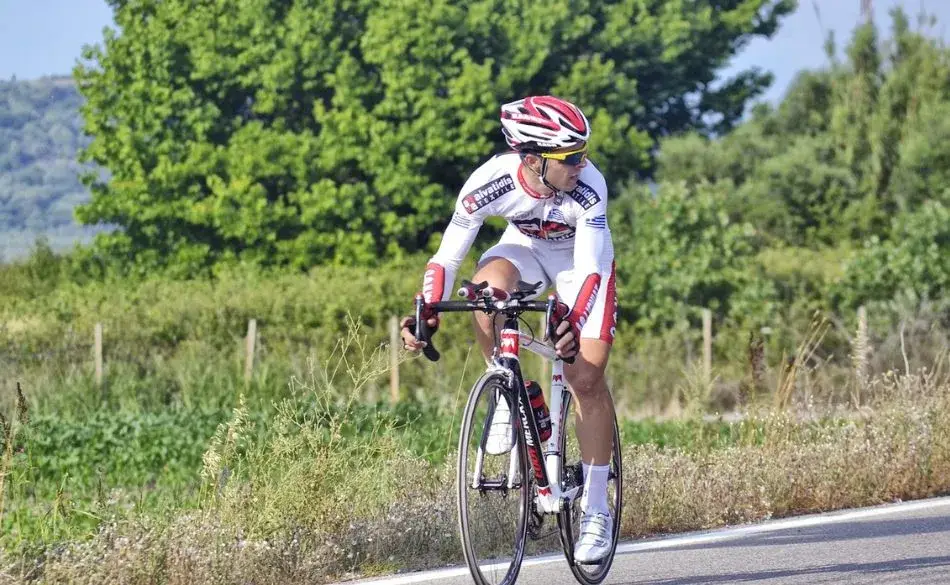
Why Cycling Builds a Stronger Heart and Healthier Body
When people ask is cycling a good workout, the first benefit I highlight is cardiovascular health. Riding a bike gets your heart rate up in a way that’s sustainable and safe for most people. Unlike high-impact activities such as running, cycling is easier on the joints, which makes it ideal if you’ve ever struggled with knee or ankle pain.
Here’s the thing: your heart is a muscle. And like any muscle, it gets stronger with training. Research shows that people who cycle regularly reduce their risk of heart disease by up to 50%. That’s huge. Even a simple 30-minute ride at a moderate intensity can improve your circulation and oxygen delivery.
Cycling also helps you burn calories without feeling overly drained. For example, someone weighing 70kg can torch around 300 calories in half an hour of steady riding. Push the pace or tackle hills, and that number climbs quickly.
What I’ve seen coaching athletes is that the consistency matters more than the intensity. One of my riders, James, started with short rides on a stationary bike because of a previous injury. Over six months, his endurance skyrocketed, and his blood pressure dropped to healthier levels. He didn’t just lose weight, he gained confidence in his fitness again.
Cycling feels good because it’s rhythmic. The steady motion, the breeze on your face outdoors, or the quiet hum of an indoor trainer, it all makes the workout more enjoyable and easier to repeat. And if a workout feels good, you’re far more likely to stick with it.
Thinking about long rides and asking yourself is cycling a good workout? Our Mallorca 312 Cycling Training Plan is built specifically for endurance riders targeting this iconic 312-km route. Structure, pacing, recovery, and mindset all included.
- Periodised long rides: Build mileage steadily so you’re strong and ready for the big day.
- Climbing & flat mix: Simulated terrain so you’re prepared for Mallorca’s hills and flats alike.
- Nutritional & hydration strategy: What to fuel, when, and how to manage energy over long hours.
- Coaching support: Feedback and adjustments based on your real progress and fatigue.
With the right plan, 312 km isn’t just a goal—it’s a ride you’ll finish stronger than when you started.
Start the Mallorca 312 Plan →How Cycling Helps You Burn Calories and Lose Weight
If you’ve ever wondered is cycling a good workout for weight loss, the answer is yes, but with a few key details. Cycling is a steady calorie burner that you can adapt to your fitness level. A gentle ride might use around 250 calories in 30 minutes, while a faster pace with hills or intervals can easily double that.
The beauty of cycling is that it doesn’t feel like punishment. Unlike some gym workouts where every minute drags, cycling’s constant motion and changing scenery keep your mind engaged. This makes it easier to ride longer, which means more calories burned overall.
Here’s a quick comparison of cycling speeds and estimated calorie burn for a 70kg person:
👉 Swipe to view full table
| Cycling Speed | Calories Burned (30 min) | Calories Burned (60 min) |
|---|---|---|
| Easy pace (16 km/h) | ~250 | ~500 |
| Moderate pace (20–22 km/h) | ~300 | ~600 |
| Fast pace (25+ km/h) | ~400 | ~800+ |
Notice how even a modest increase in speed ramps up your energy use. That’s why cyclists often see steady weight loss when they ride regularly.
From coaching athletes, I’ve noticed something important: consistency beats intensity. One rider I worked with, Sarah, started with three short stationary bike sessions each week. She wasn’t racing anyone, just keeping a steady rhythm. Within a couple of months, her clothes fit differently, and her energy levels improved. She didn’t need extreme diets—just regular rides that helped her body burn more than it stored.
If weight loss is your main goal, check out this detailed resource on cycling for weight loss. It covers strategies, tips, and structured training approaches that can help you reach results faster.
If weight loss is your goal, combine cycling with smart nutrition and recovery. You’ll not only drop kilos but also build strength you can feel every day.

Does Cycling Really Build Muscle Strength?
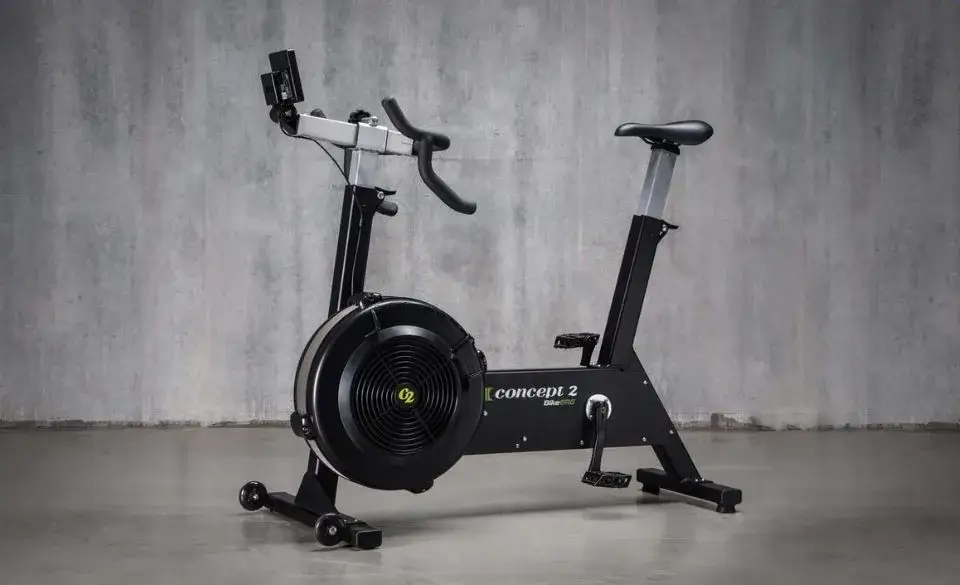
When people ask is cycling a good workout, they often think it’s only for endurance. But the truth is that cycling also builds muscle strength, especially in your lower body. Every pedal stroke works your quads, hamstrings, calves, and glutes. Over time, this repeated motion builds both power and endurance in those muscles.
Unlike heavy weightlifting, cycling develops lean muscle that supports daily movement. You won’t bulk up like a bodybuilder, but you’ll notice stronger legs, more stable knees, and better balance. The core muscles also play a role, keeping you upright and steady while you ride, especially when climbing hills or riding out of the saddle. Cycling and weight training for beginners is a great guide to pairing these for better results.
One insider tip: vary your terrain and cadence. Flat rides improve rhythm and stamina, but hill climbs push your muscles in a different way. The added resistance forces your legs and glutes to work harder, giving you strength gains that translate directly to better performance in other sports, or even just walking upstairs with less effort.
Cycling also offers joint-friendly strength training. Because it’s low-impact, it allows you to build strength without the pounding that comes with running or jumping exercises. This is why so many athletes use cycling during rehab to maintain fitness while protecting injured joints.
If you want to enhance the muscle-building side of cycling, mix in short, high-resistance intervals. Think of it like doing squats on a bike: 1–2 minutes of heavy pedaling against resistance, followed by recovery. Just a few of these efforts can make your legs noticeably stronger over time.
The bottom line? Cycling builds real-world strength that helps you move with more ease in everyday life. It’s not about size, it’s about functional power and endurance you’ll feel every time you stand, climb, or sprint.
Curious whether is cycling a good workout when you’re grinding uphill? Our Cycling Climbing Training Plan helps you master hill strength, improve stamina, and shred climbs with power and confidence.
- Hill-focused sessions: Structured climbs and resistance work to strengthen your legs and core.
- Endurance building: Long climbs plus recovery to increase stamina uphill.
- Technique & pacing tips: Learn cadence, posture, and breathing strategies for sustainable climbing.
- Coach support: Feedback and adjustments tailored to your terrain and riding style.
Turn uphill battles into opportunities. Train with purpose, climb with strength.
Tackle the Climb →

What Are the Mental Health Benefits of Cycling?
When thinking about if cycling is a good workout, don’t forget the impact on your mind. Cycling isn’t just physical, it has powerful mental health benefits too. The rhythmic pedaling, the open air, and even the hum of a stationary bike can calm your thoughts and lift your mood.
Exercise releases endorphins, your body’s natural “feel-good” chemicals. That’s why a tough ride often leaves you smiling despite the sweat. Cycling also lowers stress hormones like cortisol, helping you feel less anxious and more in control. Many riders even report improved sleep after a consistent cycling routine. Here are 10 life-changing benefits of cycling that many people experience beyond just physical gains.
Here are some key ways cycling supports mental health:
- Stress relief: Regular rides lower daily stress and improve relaxation.
- Better focus: The steady rhythm helps clear your mind and sharpen concentration.
- Confidence boost: Achieving distance or speed goals builds self-belief.
- Mood lift: Time outside and in fresh air often reduces feelings of anxiety or depression.
- Social connection: Group rides create friendships that improve emotional wellbeing.
From my coaching experience, athletes who added just two or three weekly rides reported feeling calmer and more balanced, even outside of training. One rider mentioned that cycling after work became their best way to “reset” mentally before spending time with family.
Think of cycling as moving meditation. Every turn of the pedal is a small step toward better mental clarity and a happier outlook on life.
If you’re asking is cycling a good workout for weight loss, our Cycling Weight Loss Plan is designed just for that. This 20-week program helps you burn fat, build endurance, and maintain consistency—while fitting with your life and goals.
- Fat-burning workouts: Training zones and rides designed to maximize fat loss efficiently.
- Sustainable approach: Builds consistency so you don’t burnout or lose motivation.
- Tailored to you: Whether you’re a beginner or getting back on the bike, the plan adapts to your fitness level and schedule.
- Full support: Guidance on pacing, cadence, and recovery so you stay on track.
Transform your weight-loss journey with structure, support, and cycling you’ll love doing.
Start the Weight Loss Plan →Is Cycling a Good Workout for Beginners?
If you’re new to fitness and wonder is cycling a good workout for beginners?, the answer is a big yes. Cycling is one of the most accessible ways to start building fitness because you can adjust speed, distance, and resistance to match your current ability. You don’t need to be fast or strong on day one, just turning the pedals is enough to get started.
Unlike running, which can be tough on joints, cycling is a low-impact exercise. That makes it easier on your knees, hips, and ankles. Many of my beginner athletes chose cycling over other activities simply because it allowed them to move without pain, and that kept them consistent week after week.
Another advantage is that you don’t need hours of free time to benefit. Even a 20-minute ride on a stationary bike at home can improve cardiovascular health. For busy people, cycling becomes a workout that actually fits into real life rather than disrupting it.
Here are some starter-friendly tips:
- Begin with 2–3 short rides per week (20–30 minutes each).
- Keep your cadence (pedal speed) light and comfortable instead of heavy resistance.
- Don’t worry about distance. Focus on time and steady rhythm.
- Gradually add a few minutes each week as your endurance improves.
- Mix outdoor and indoor rides to stay consistent, no matter the weather.
The best part is that progress comes quickly. Beginners often notice improved stamina and energy within a few weeks. And once you feel those early wins, you’ll be more motivated to keep going.
So, if you’re just getting started, cycling might be the perfect entry point into a healthier, more active lifestyle.

How Does Cycling Compare to Other Workouts?
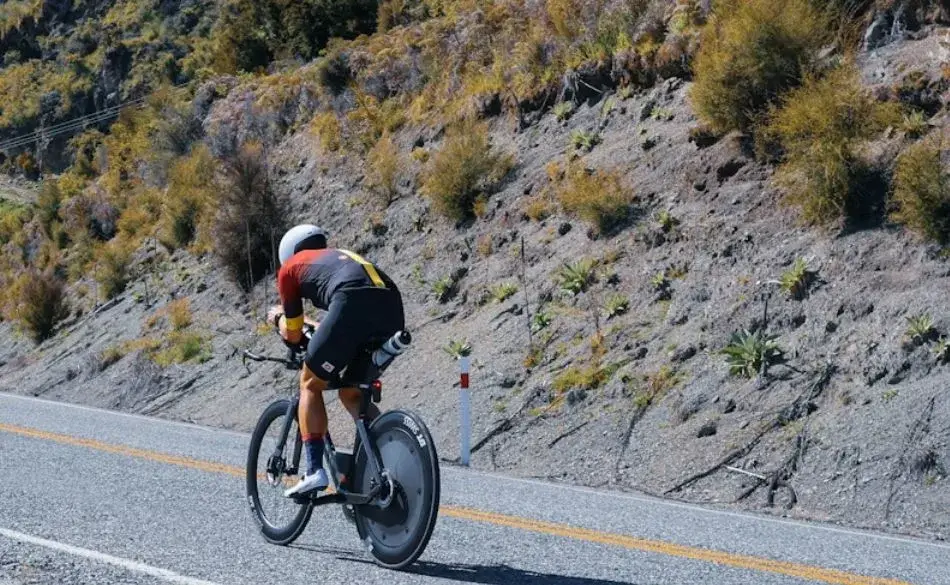
When people ask is cycling a good workout, they often compare it to running, walking, or gym sessions. Each activity has its place, but cycling offers unique advantages. It’s low-impact, adaptable, and burns a surprising amount of calories while protecting your joints. To give you a clearer picture, here’s a side-by-side comparison of different workouts:
👉 Swipe to view full table
| Workout | Calories Burned (60 min) | Impact on Joints | Primary Benefits |
|---|---|---|---|
| Cycling (20–22 km/h) | ~600 | Low impact | Cardiovascular health, leg strength, endurance |
| Running (9 km/h) | ~700 | High impact | Cardio fitness, bone strength |
| Walking (5 km/h) | ~250 | Very low impact | General health, recovery activity |
| Elliptical Trainer | ~550 | Low impact | Cardio, full-body engagement |
As you can see, cycling holds its own against other popular workouts. It’s more joint-friendly than running, burns more calories than walking, and feels more natural for many people than an elliptical machine. Plus, you can enjoy the outdoors or stick to a stationary bike at home depending on your preference. Cycling vs running calories is a useful comparison if you’re curious just how much more efficient one can be over the other.
So, if you want a balance between calorie burn, heart health, and long-term sustainability, cycling makes an excellent choice.
Curious about is cycling a good workout for boosting speed and strength? Our Cycling Threshold Training Plan helps you find your limits safely and raise your performance with structured intensity sessions guided by experienced coaches.
- Threshold intervals: Workouts built to push your lactate threshold and increase sustainable speed.
- Recovery built in: Includes rest and easy rides so you adapt without burning out.
- Precision pacing strategies: Learn how to manage effort during intense efforts and long rides.
- Coach support & feedback: Adjustments based on your strengths, weaknesses, and progress.
Train with intention. Raise your endurance, speed, and power with the right plan.
Explore Threshold Training →
Can Cycling Improve Your Endurance?
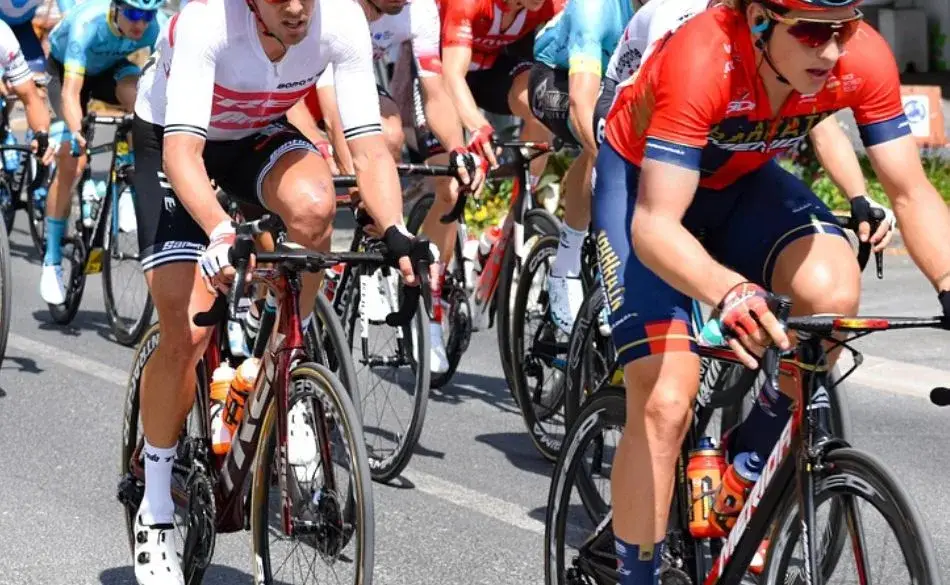
One of the most common questions I get as a coach is whether cycling builds lasting stamina. If you’ve ever wondered is cycling a good workout for endurance, the answer is absolutely. The repetitive, rhythmic pedaling trains your heart, lungs, and muscles to handle more work over longer periods.
Here’s why: cycling uses large muscle groups in your legs. When those muscles demand oxygen, your cardiovascular system adapts by increasing efficiency. Over time, your body learns to move oxygen more quickly and clear waste products like lactic acid better. That means you can ride longer, run farther, or even just climb stairs without losing your breath.
Endurance isn’t built overnight. It comes from consistent rides that challenge, but don’t exhaust, your body. Think of it like slowly filling a savings account, each ride is a deposit. After weeks and months, the balance (your fitness) grows in a way you can feel in daily life.
One athlete I coach, Brendan, struggled to hold a steady pace on long runs due to fatigue. By adding three cycling sessions a week at moderate intensity, he improved his endurance without adding joint stress. Within three months, he could run farther with less effort, all because cycling taught his body to sustain energy for longer periods.
If you want to push your endurance even further, try incorporating interval training into your rides. Alternate between steady efforts and short bursts of higher speed. These sessions mimic race conditions and prepare you for moments when you need extra power. Combined with long, easy rides, this approach develops both stamina and resilience.
Is Cycling Better Indoors or Outdoors?
The next question is often whether it’s better indoors on a stationary bike or outside on the road. The truth is, both options have unique benefits, and the best choice depends on your goals, lifestyle, and even the weather.
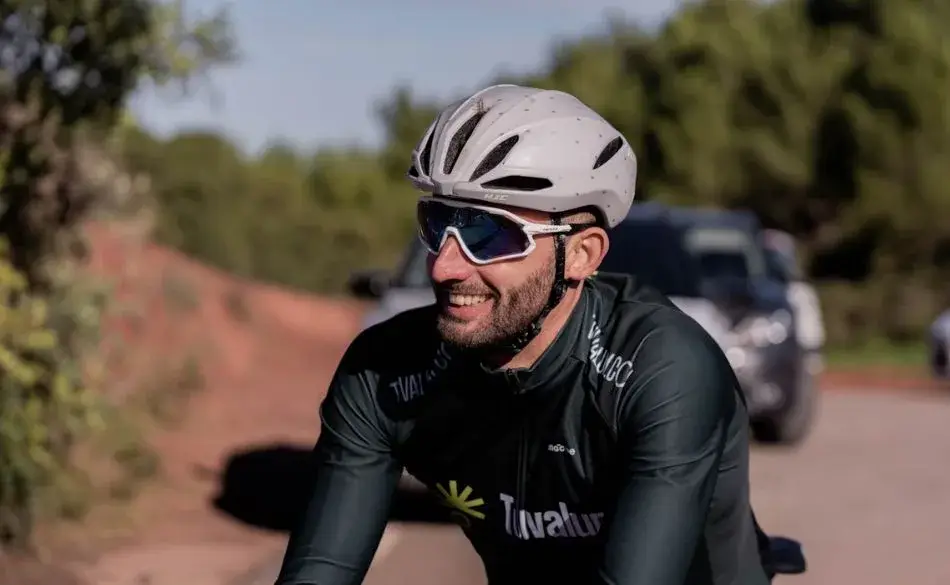
Outdoor cycling brings freedom and variety. The changing scenery, fresh air, and natural terrain make it feel more like an adventure than a workout. Hills challenge your leg muscles, wind resistance pushes your stamina, and traffic situations sharpen your focus. For many, this variety keeps rides exciting and helps the time fly by.
Indoor cycling, on the other hand, offers unbeatable convenience. You can train regardless of rain, heat, or dark evenings. With modern indoor trainers and apps, you can ride structured sessions, follow virtual routes, and track every detail of your performance. That level of control makes it easier to target specific goals like weight loss or building cardiovascular health. These trainer-workout ideas are perfect when you need consistency indoors.
Here’s a quick way to think about it:
- Outdoors: Great for enjoyment, variety, endurance, and real-world bike skills.
- Indoors: Perfect for consistency, precision training, and time efficiency.
From a coaching perspective, I often recommend athletes blend both. Ride outdoors when conditions allow to enjoy the sensory benefits and social connections. Use indoor cycling when life is busy or the weather isn’t safe. The combination keeps your training consistent and flexible.
In the end, the choice isn’t about one being better than the other. It’s about using both tools to make cycling fit seamlessly into your life, so you can keep enjoying the benefits year-round.

How Safe Is Cycling as a Workout?
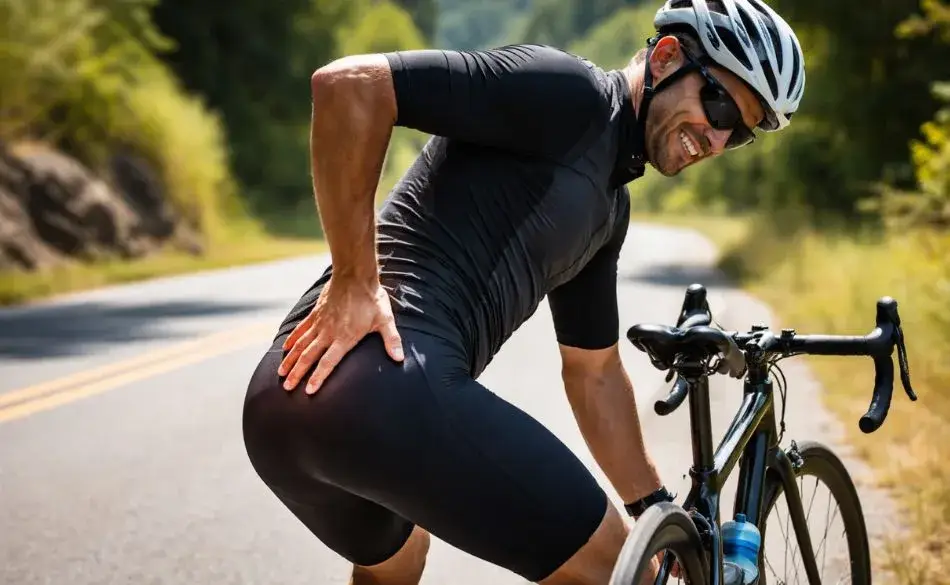
Another key question is whether it’s safe. Compared to many sports, cycling is relatively low-risk for joint injuries because it’s low-impact. That makes it an excellent choice for people recovering from stress injuries or those who want to avoid pounding on their knees and ankles.
Still, there are a few safety considerations you should keep in mind. Outdoor cycling can come with risks like traffic, uneven roads, or weather changes. On the other hand, stationary bikes remove those hazards but can sometimes lead to issues like saddle discomfort or poor posture if your setup isn’t right.
Here are a few tips to keep cycling safe and sustainable:
- Get the right fit: A properly adjusted bike reduces strain on your back, knees, and wrists.
- Start gradually: Increase time and intensity slowly to avoid overuse injuries.
- Use protective gear: Helmets, gloves, and visible clothing are non-negotiable outdoors.
- Mix it up: Balance cycling with strength training and stretching to avoid muscle imbalances.
- Listen to your body: If you feel persistent pain, take a rest day or adjust your bike fit.
From my coaching experience, most injuries I see aren’t from crashes, they come from doing too much too soon or riding on poorly adjusted bikes. Once those issues are fixed, athletes usually find cycling to be one of the safest long-term workouts they can stick with.
So yes, cycling is safe, but like any form of exercise, it pays to respect your limits and set yourself up correctly. With the right approach, you’ll gain all the benefits without unnecessary setbacks.
Can Cycling Boost Everyday Energy?
If you’ve ever wondered if cycling is a good workout for improving how you feel day to day, the answer is yes. Cycling doesn’t just shape your body, it changes the way you move through life. Many athletes I coach notice that regular riding makes them feel more alert in the morning and less drained in the afternoon.
Here’s why: cycling trains your cardiovascular system to work more efficiently. With better blood flow, your muscles and brain get more oxygen. That means you think clearer, feel stronger, and recover faster from daily tasks like climbing stairs or carrying groceries. Even a short ride can act like a natural energy drink without the crash.
Cycling also improves your metabolic rate. That’s how quickly your body turns food into usable energy. By riding a few times each week, you “teach” your body to use fuel more effectively, which leads to steady energy instead of spikes and crashes.
One of my riders, Luke, used to struggle with fatigue after long workdays. We added two evening rides of just 30 minutes each at a moderate intensity. Within weeks, he reported feeling less sluggish after work and more energized during family time. His body adapted, and the extra activity actually gave him energy rather than taking it away.
Another benefit is better sleep. Consistent cycling helps regulate your sleep cycle, meaning deeper rest and faster recovery. The result? You wake up ready to go, not dragging yourself out of bed.
If you’ve ever wondered is cycling a good workout for long-distance goals, our 100 km Cycling Training Plan is designed to build your endurance step by step, safeguard your strength, and ensure you cross that long-ride goal confidently.
- Progressive weekly build: Structured rides that gradually increase your distance safely.
- Focused strength & recovery: Built-in rest and cross-training to avoid burnout and injury.
- Nutrition & hydration tips: What to eat and drink so you stay strong all the way to 100 km.
- Coach guidance: Feedback and adjustments as you grow in fitness and confidence.
Go beyond just riding—train with purpose and reach 100 km stronger than you ever thought possible.
Start Your 100 km Journey →Does Cycling Support Long-Term Health?
If you’ve ever wondered if cycling is a good workout for improving how you feel day to day, the answer is yes. Cycling doesn’t just shape your body, it changes the way you move through life. Many athletes I coach notice that regular riding makes them feel more alert in the morning and less drained in the afternoon.
Here’s why: cycling trains your cardiovascular system to work more efficiently. With better blood flow, your muscles and brain get more oxygen. That means you think clearer, feel stronger, and recover faster from daily tasks like climbing stairs or carrying groceries. Even a short ride can act like a natural energy drink without the crash.
Cycling also improves your metabolic rate. That’s how quickly your body turns food into usable energy. By riding a few times each week, you “teach” your body to use fuel more effectively, which leads to steady energy instead of spikes and crashes.
One of my riders, Luke, used to struggle with fatigue after long workdays. We added two evening rides of just 30 minutes each at a moderate intensity. Within weeks, he reported feeling less sluggish after work and more energized during family time. His body adapted, and the extra activity actually gave him energy rather than taking it away.
Another benefit is better sleep. Consistent cycling helps regulate your sleep cycle, meaning deeper rest and faster recovery. The result? You wake up ready to go, not dragging yourself out of bed.

Does Cycling Support Long-Term Health?
When you think about if cycling is a good workout, it’s easy to focus only on short-term goals like weight loss or stronger legs. But one of the biggest advantages of cycling is how it supports your health as you age. Regular rides keep your body moving in a sustainable, joint-friendly way that you can continue for decades.
Studies show that consistent cycling lowers the risk of heart disease, type 2 diabetes, and even certain cancers. It also improves lung capacity, allowing you to breathe deeper and more efficiently. These long-term effects matter, because they add up to a healthier, more active life well beyond the gym or training plan.
Another benefit is joint preservation. Since cycling is low impact, it reduces wear and tear on your knees and hips compared to high-impact sports. That’s why so many older adults choose cycling as their main form of exercise, it keeps them active without the pain that sometimes comes with running or jumping workouts.
Cycling also promotes better bone density when combined with strength training. While pedaling itself doesn’t load your bones as much as running, pairing bike sessions with simple resistance exercises creates a balance that protects your skeleton as you get older.
From my coaching perspective, athletes who build cycling into their routine don’t just hit performance goals, they build lifestyles that last. One of my older clients, now in his 60s, started cycling for fun and discovered it gave him both freedom and health benefits. He no longer worries about missing workouts due to joint pain, and his doctor has noticed steady improvements in his overall wellness. Reading about what happens when you cycle every day helps you understand the kinds of results you can expect over time.
Asking yourself is cycling a good workout is just the beginning. With our Cycling Coaching program, you’ll discover how to train smarter, recover faster, and enjoy every ride while working toward your personal goals.
- Personalized training: Plans designed to match your fitness level and lifestyle.
- Performance focus: Learn how to build endurance, strength, and speed on the bike.
- Expert recovery strategies: Reduce fatigue and prevent injuries with coach-led guidance.
- Accountability & support: Stay motivated and consistent with feedback from experienced coaches.
Every pedal stroke can bring you closer to your goals. Coaching helps make sure it does.
Explore Cycling Coaching →The Social and Lifestyle Perks of Cycling
Cycling naturally blends exercise with social connection and daily routine, which makes it easier to sustain long term. Unlike some workouts that feel like chores, cycling can become part of your everyday life.
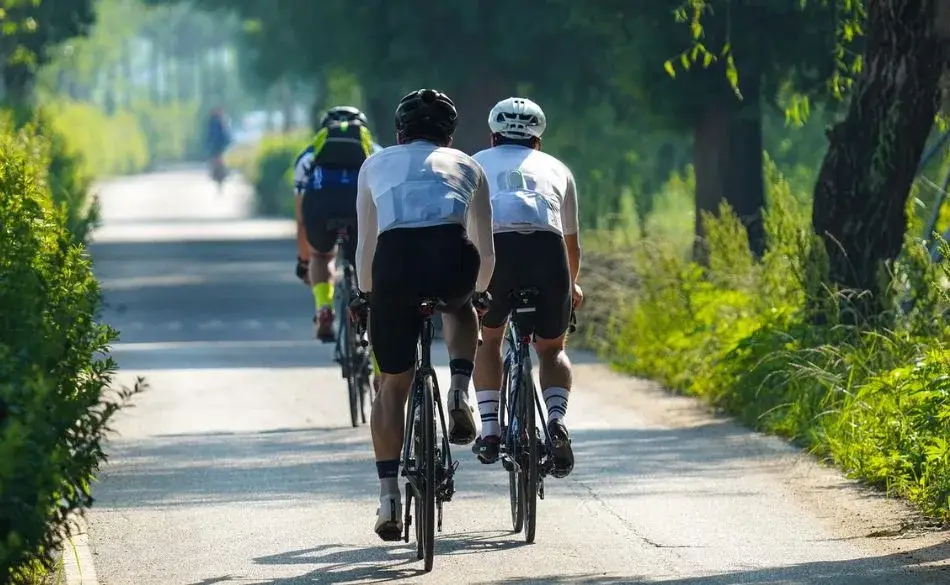
Group rides are one of the best examples. When you ride with others, the workout feels less like exercise and more like an outing. The conversations, laughter, and shared challenges create a sense of community that keeps you coming back. For many athletes I coach, these rides became the highlight of their week, boosting both fitness and friendships.
Cycling is also highly practical. Using your bike for commuting means you can build fitness while saving money and reducing your carbon footprint. It turns something you “have to do” into an activity that benefits your health. Even short commutes add up. Two 15-minute rides a day is enough to improve cardiovascular health and mental wellbeing.
Another lifestyle perk is flexibility. You can ride solo for quiet reflection or join a club for motivation. You can train indoors on a stationary bike during the week and head outdoors on weekends for longer adventures. That adaptability is what makes cycling so sustainable. It fits around your schedule rather than demanding it.
Finally, cycling gives a sense of freedom. Whether it’s cruising along the coastline, exploring city streets, or spinning through virtual landscapes on a trainer, the simple act of pedaling feels liberating. That emotional reward is something few other workouts provide, and it’s why so many people fall in love with the sport.
Why Cycling Could Be the Workout You’ve Been Searching For
So, after exploring all the angles, is cycling a good workout? The answer is a clear yes. It strengthens your heart, builds endurance, tones your muscles, supports mental health, and helps you burn calories. All while being joint-friendly and adaptable to your lifestyle. Few workouts check so many boxes at once.
What makes cycling special is that it doesn’t just change your fitness, it changes how you feel in everyday life. More energy. Better focus. Stronger legs. A calmer mind. Whether you’re chasing weight loss, training for performance, or simply wanting to feel better, cycling has a way of delivering results that last.
As a coach, I’ve seen athletes of all levels find their rhythm and confidence on the bike. Some started on a stationary bike, others hit the open road. All discovered the same truth: cycling works. And once you feel those benefits, it’s hard to imagine life without it.